Post Contents
- Tokyo Railway Essentials for a Seamless Arrival Tokyo railway guide Japan railways subway basics
- Shinkansen from Tokyo Station and GranClass Comfort Shinkansen from Tokyo Station GranClass Green Car Japan
- Tokyo Metro and Toei Subway for Local Exploration Tokyo Metro Toei subway lines luxury neighbourhood itinerary
- Japan Rail Pass Suica and Premium Ticketing With Confidence Japan Rail Pass JR Pass Suica IC card Tokyo railway tickets
- Crafted Rail Itineraries Around Tokyo and Across Japan Tokyo area rail day trips Nikko Yokohama Narita Haneda airport connections
- After the Rails What Tokyo Leaves With You Tokyo railway memories Japan railways personal journey reflection
- F.A.Qs: Tokyo rail and Japan Rail Pass basics
Tokyo Railway Essentials for a Seamless Arrival Tokyo railway guide Japan railways subway basics
Tokyo Railway Essentials for a Seamless Arrival — understanding Tokyo’s train and subway network with ease
If you’ve searched for a Tokyo railway guide with Japan railways and subway basics, here’s the reassuring truth: Tokyo’s scale is real, but so is its clarity. Tokyo’s train and subway system is a thoughtfully layered network of train services: the JR group (including JR East), Tokyo Metro, Toei subway, and private railway companies that connect neighbourhoods with quiet precision. Knowing who runs what matters because it tells you which gates, tickets, and platforms you’re looking for—and helps you move with confidence rather than haste.
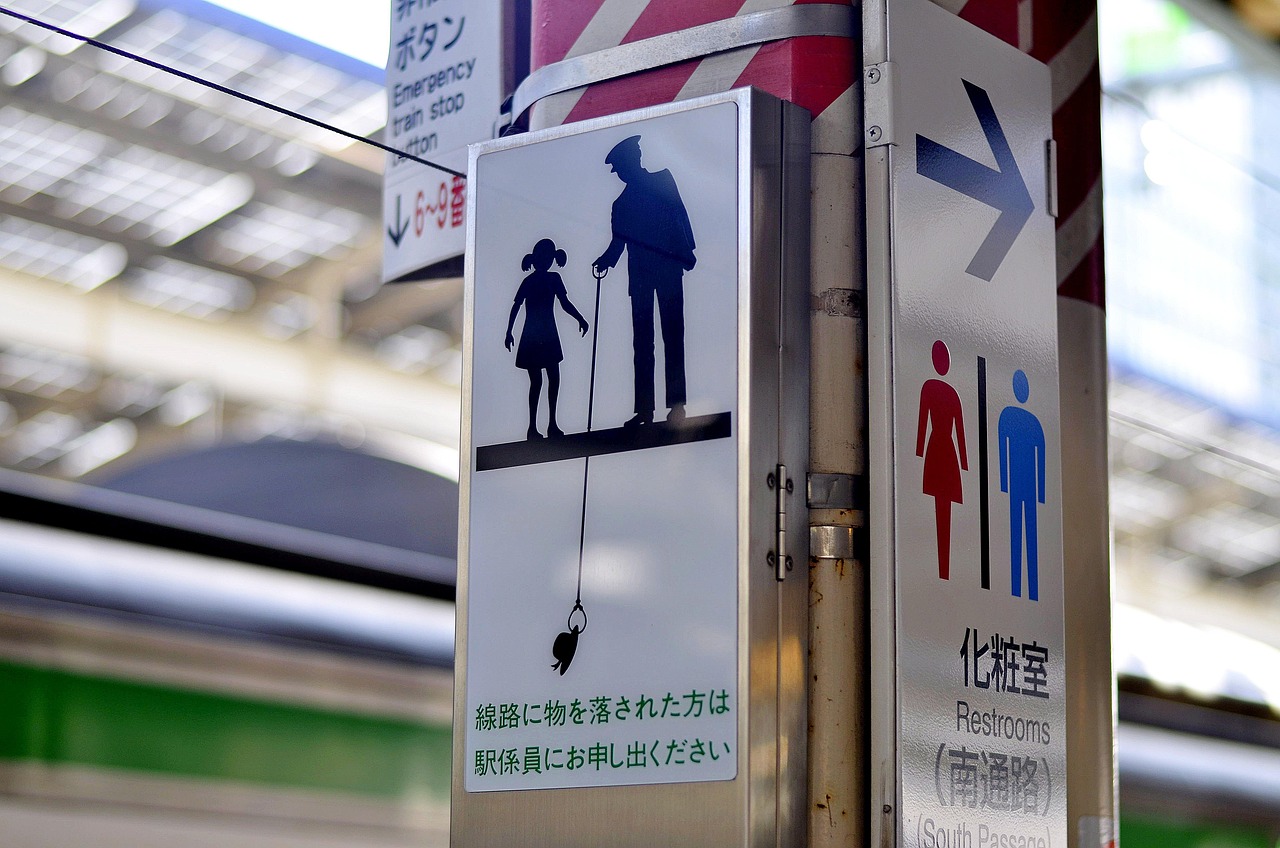
Start with the simplest mental model. JR lines are your powerful spine across the city (and beyond), Tokyo Metro lines and Toei handle dense local coverage, and private operators stitch together the edges of the Tokyo metropolitan area. Each railway company is meticulous about signage, and most key instructions are bilingual, which is a small act of care you’ll feel again and again.
Tokyo metropolitan stations and how to read metro lines and JR lines
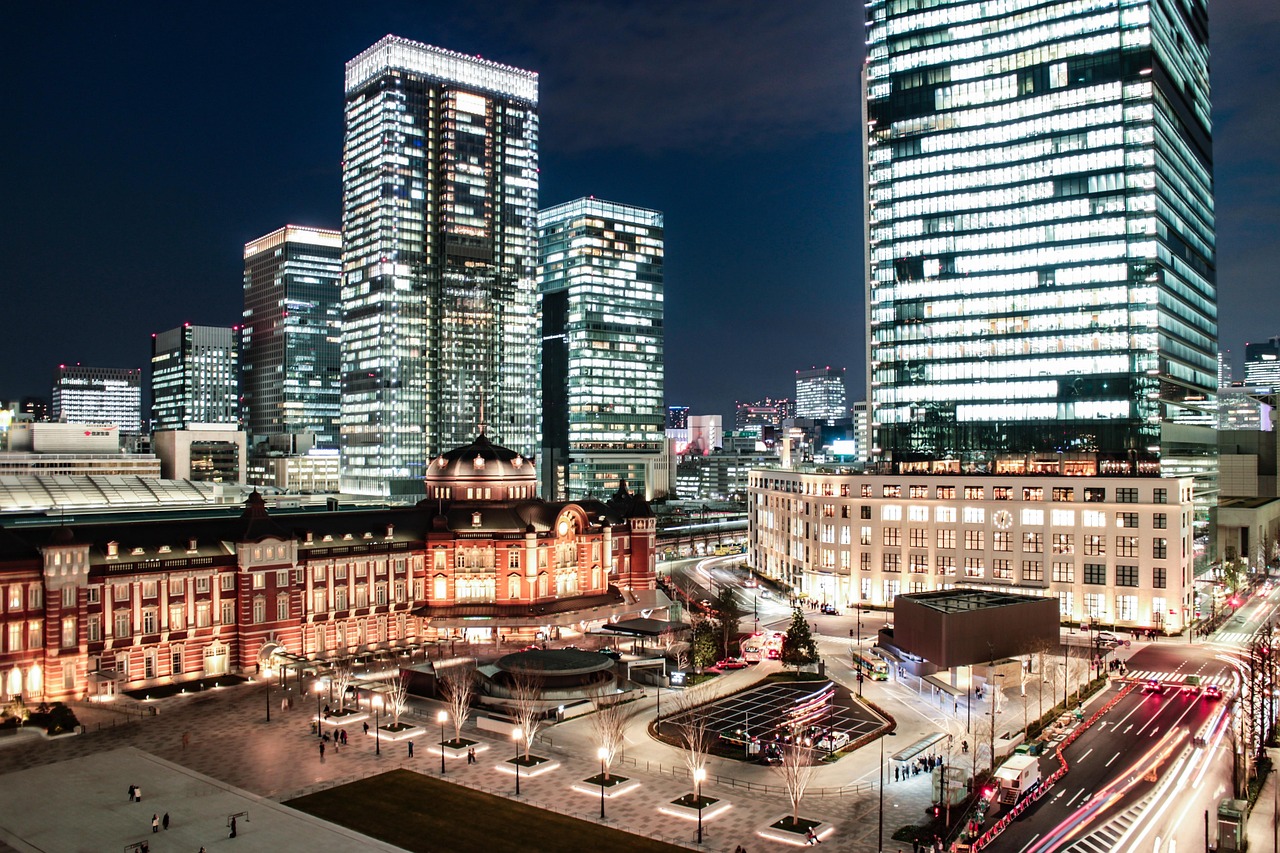
Major stations such as Tokyo Station, Shinagawa, Shinjuku, Shibuya, Ueno, Ikebukuro and others work like miniature cities. Follow colour-coded symbols: JR typically uses line names and letters, while metro lines use colours and station numbers. Platform numbering is consistent—think of it as choreography. If your map shows a transfer, look for “Transfer” arrows and the line icon (not just the destination name), especially when you connect Tokyo between JR and metro’s corridors.
When you feel momentarily turned around, don’t interpret it as failure—it’s simply the station revealing its size. Pause near a wall map, locate your current station number, then trace one line at a time. Tokyo rewards travellers who choose calm over speed.
A first 30 minutes routine at Tokyo Station with quiet luxury etiquette
My personal “first 30 minutes” routine is deliberately unhurried. Arrive 30 minutes early, locate the ticket office, then the travel service center for reservations or questions, and give yourself permission to move at a gentle pace. This is where trust begins: you learn the station’s rhythm, and it supports you back.
Etiquette is part of Tokyo’s luxury. People queue neatly, speak softly, and keep phone calls off the carriage. Eating is generally fine on the Shinkansen, but not on local trains or the subway, where the atmosphere stays serene by shared agreement.
- Queue cues: stand behind floor markings and let passengers exit first.
- Sound: keep conversations low; headphones are the norm.
- Space: backpacks to the front in busy corridors, especially at Shinjuku and Shibuya.


Shinkansen from Tokyo Station and GranClass Comfort Shinkansen from Tokyo Station GranClass Green Car Japan
Shinkansen from Tokyo Station and GranClass Comfort — a refined way to cross Japan in style
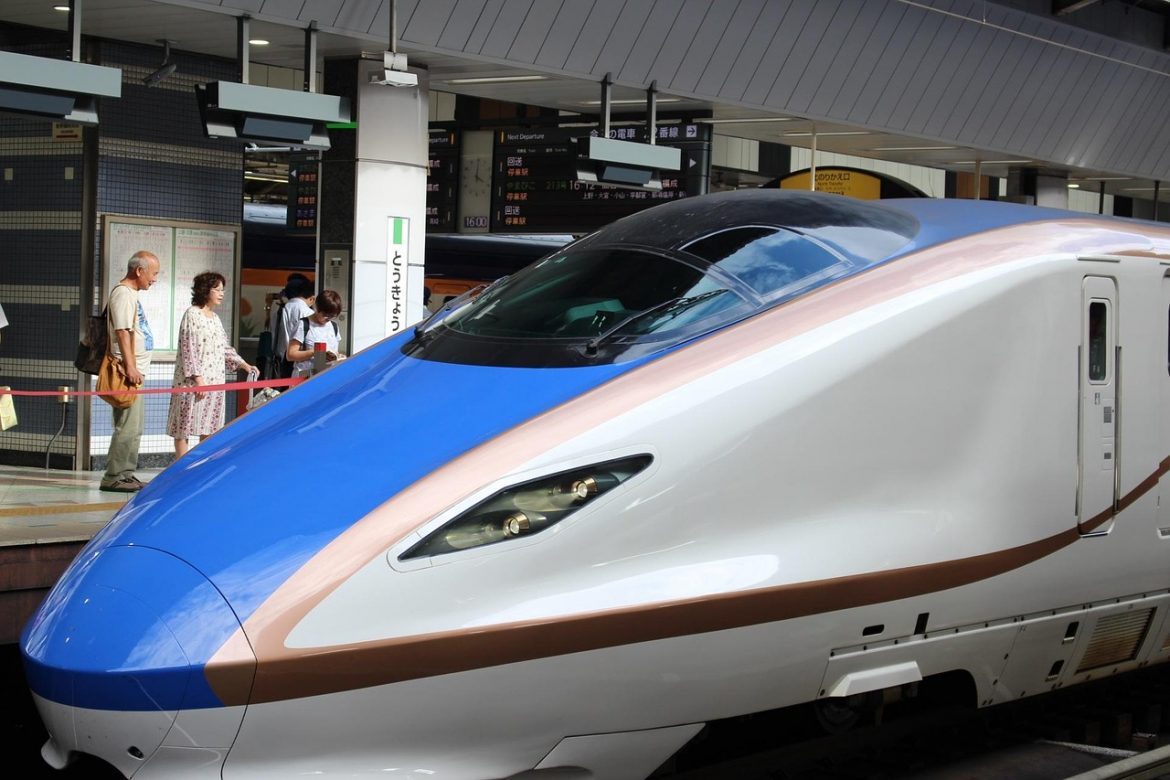
If your wish list includes “Shinkansen from Tokyo Station”, “GranClass”, and “Green Car Japan”, you’re already thinking like a designer of journeys. Shinkansen bullet trains are Tokyo’s most iconic upgrade: swift, composed, and quietly ceremonial. Even before departure, there’s a sense of theatre—polished platforms, perfectly timed boarding, and the unspoken reassurance that your travel plans are in expert hands.
For most luxury itineraries, the Tokaido route is the classic thread: Tokyo to Kyoto and Osaka in Kansai, with the Sanyo connection continuing beyond. If you’re designing a longer trip to Japan, you can imagine future chapters too—Kyushu for volcanic landscapes and onsen culture, and Hokkaido for spacious northern calm—each reached by onward Shinkansen links and connecting services.
Shinkansen lines, reserved seats and the GranClass vs Green Car choice
Think of the experience in layers. Ordinary class is excellent; Green Car adds space and quiet; GranClass is the true indulgence with elevated service and a sense of being gently looked after. Seat layouts vary by service, but in premium cars you’ll typically find fewer seats per row, more shoulder room, and a calmer ambience. Reserved seats matter most on popular departures; booking early creates the seamless feeling you came for.
Luggage space expectations are important. On some services, oversized luggage has specific rules and designated areas—check the operator’s official website before travel. If you’re travelling with larger cases, hotel luggage forwarding can keep your carriage elegant and your arrival effortless.
A personal GranClass moment with Mt. Fuji and attentive care
A luxury traveller once described boarding GranClass as “stepping into a quieter version of Japan”. The service was attentive without being intrusive, and the gourmet meal arrived with a warmth that felt personal. As the train line swept past Shizuoka, Mt. Fuji appeared cleanly in the window—one of those rare, perfectly framed scenes where modern design and traditional Japanese beauty feel completely together.
If you want to create a similar moment, request a seat on the Fuji-facing side on the Tokaido service when booking, and choose a clear-weather morning when possible. The view is never guaranteed, but the anticipation is part of the pleasure.
Micro-tips that make you feel instantly confident: know whether you have a reserved seat ticket or an unreserved ticket, stand by your car number marker, and let punctuality work for you. In Tokyo, precision isn’t pressure—it’s support.
Tokyo Metro and Toei Subway for Local Exploration Tokyo Metro Toei subway lines luxury neighbourhood itinerary
If you’re planning a Tokyo Metro and Toei subway day with a luxury neighbourhood itinerary, the secret is to choose a calm centre and branch out with intention. Many high-end travellers pick a “home” station around Marunouchi or Otemachi, where hotels and business districts make arrivals easy, then explore the city through a mix of Tokyo Metro stations and selective JR links. It’s efficient, yes—but it’s also a beautifully crafted way to sightsee without feeling pulled in every direction.
The JR Yamanote Line is your sightseeing loop for spontaneous stops. It’s a simple circle that helps you explore without overcommitting: Shinjuku for skyline perspectives, Shibuya for modern energy, Ueno for museums and park calm, and Akihabara for culture and craft. Interchanges are where Tokyo shines—connect Tokyo between JR and metro lines with clear signage and predictable walking routes.
Two curated routes using a subway line and Tokyo Metro lines
Route one, local and leafy: take the Fukutoshin line and allow the city to soften as you move towards Yoyogi-Uehara. If you’d like to extend, you can link to the Tokyu Toyoko line for a change of pace and neighbourhood character. Keep the plan flexible: one gallery, one café, one slow stroll—then see what you uncover.
Route two, food and design: ride into the Tsukiji area via Tokyo Metro lines for a morning of immaculate ingredients, knife shops, and refined small bites. It’s a sensory counterpoint to Tokyo’s glass-and-steel drama, and it feels deeply local even on a short visit.
Peak-hour confidence on the subway and what happens if you miss a stop
A rail enthusiast once told us that simply orbiting on the Yamanote created the best kind of discovery—unexpected upscale neighbourhoods, discreet bars, and small craft spaces they’d never planned for. That’s the charm: you can design a loose structure, then let curiosity take the lead.
For comfort, travel mid-morning or later in the evening and avoid peak times. On the subway, move quietly, keep your bag close, and if you miss a stop, it’s normal—step off, cross to the opposite platform, and ride one station back. Tokyo’s system is designed to forgive small mistakes gracefully.
- Best tempo: mid-morning for galleries and cafés; late evening for calmer returns.
- Transfers: follow the line symbol first, destination second.
- Composure: if a platform feels crowded, wait for the next train—services are frequent.
Japan Rail Pass Suica and Premium Ticketing With Confidence Japan Rail Pass JR Pass Suica IC card Tokyo railway tickets
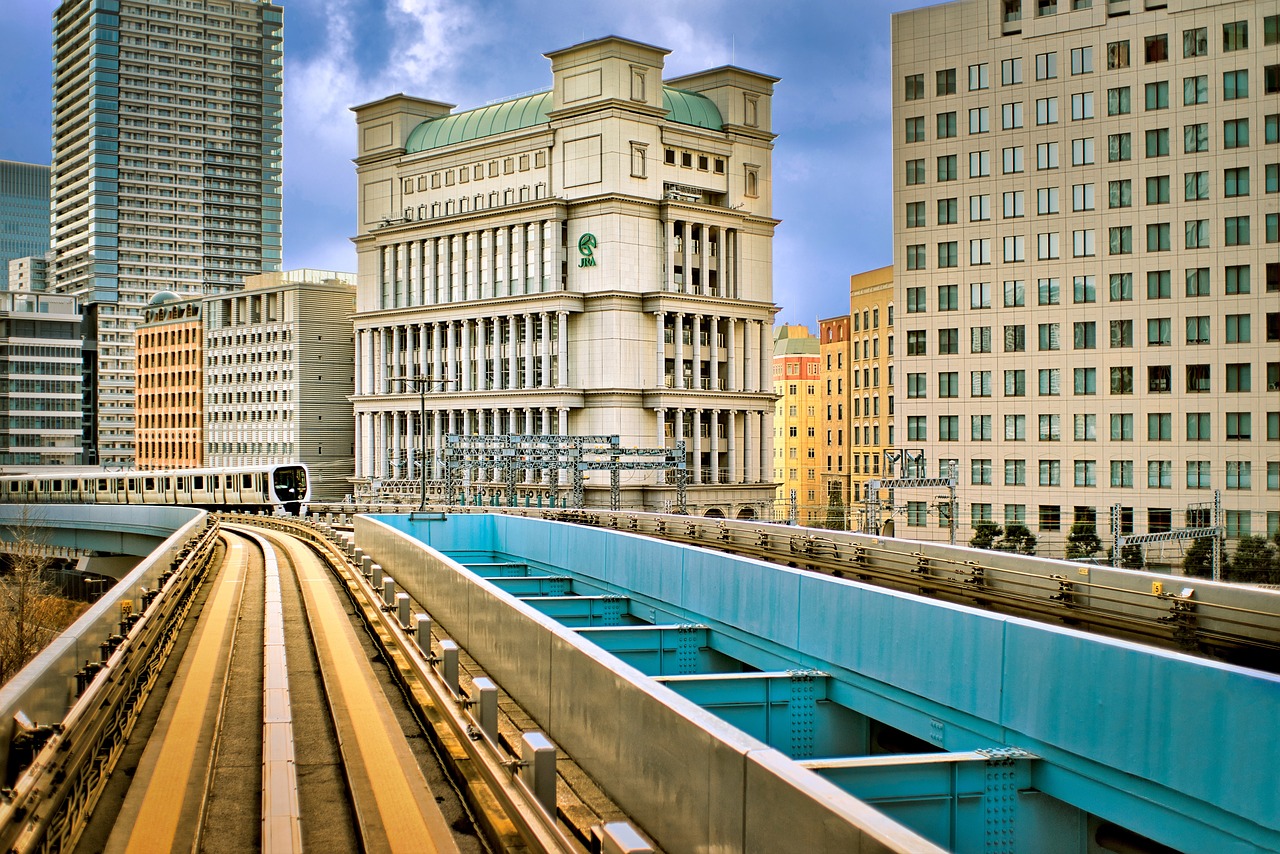
Japan Rail Pass Suica and Premium Ticketing With Confidence — navigating Tokyo railway tickets with ease
The question behind Japan Rail Pass, JR Pass, Suica, and IC card Tokyo railway tickets is simple: what will make your journey feel most seamless? For high-end itineraries, the Japan Rail Pass can be brilliant if you’re covering long distances frequently (think multiple Shinkansen days across Japan). If your route is more curated—Tokyo with a few premium intercity rides—point-to-point tickets with reserved seats can be better value and simpler to tailor.
If you’re considering a rail pass online purchase, decide early: your pass type shapes how you reserve, and which trains you’ll prioritise. And remember: the Japan railway company ecosystem is consistent, but each operator has its own details—always verify current rules on the official website before you travel.
Suica IC and tap-and-go culture across Tokyo Metro and Toei
Suica is the most reassuring tool in Tokyo. It’s an IC card that makes tap-and-go feel effortless—one small gesture at the gate, and you’re moving. It works across Tokyo Metro, Toei, and many JR East routes, and it’s especially helpful when you’re transferring quickly or exiting a busy station without breaking stride. That quiet continuity is luxury.
If you’re using the Tokyo subway frequently on a tight sightseeing day, a Tokyo subway ticket or 24-hour pass can be useful. For a more spacious day, simply topping up Suica often feels cleaner and more flexible.
Premium options, discount tickets and what to confirm on an official website
Premium doesn’t have to mean complicated. Green Car supplements can elevate regional rides, and discount tickets sometimes appear for specific corridors—helpful when you’re moving with intention around the Tokyo area. For limited express trains, always confirm the fare structure, luggage rules, and reservation steps on the official website of the operator running that service.
A practical luxury tip that changes everything: use hotel luggage forwarding when you can. Travelling light keeps the carriage calm, preserves your personal space, and makes even a simple subway transfer feel composed.
- Before you go: confirm reservations, luggage policy, and last train times on the official website.
- On the day: keep your IC card topped up and your booking details accessible.
- For ease: choose reserved seats when timing matters (dinners, theatre, airport runs).
Crafted Rail Itineraries Around Tokyo and Across Japan Tokyo area rail day trips Nikko Yokohama Narita Haneda airport connections
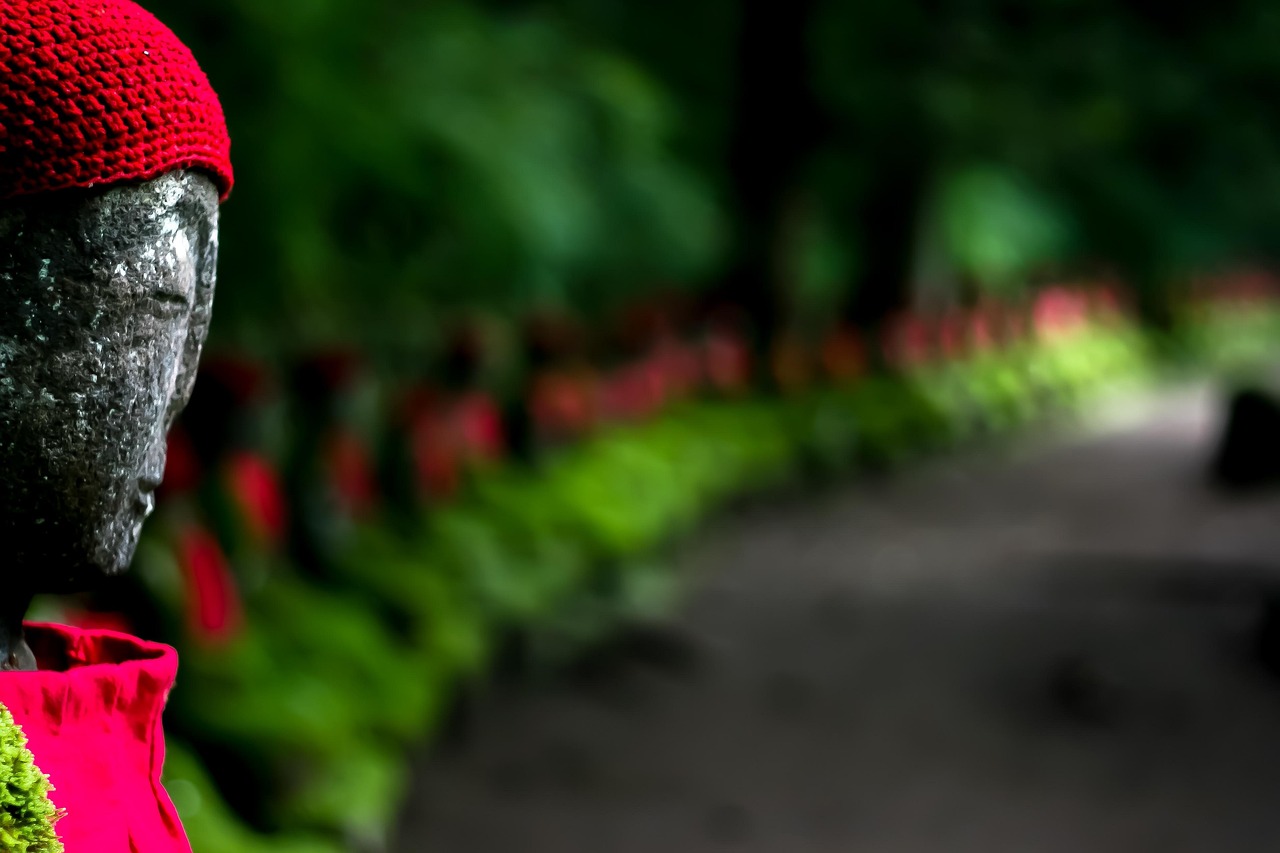
Crafted Rail Itineraries Around Tokyo and Across Japan — Nikko temples and refined day trips by train
For travellers looking up Tokyo area rail day trips—including Nikko, Yokohama, and calm Narita airport or Haneda airport connections—this is where rail becomes your creative partner. Around Tokyo, you can design “choose-your-mood” days that feel restorative rather than rushed, using the right train service for comfort and timing.
Choose-your-mood rail days around Tokyo with comfort in mind
Nikko for temples and forest quiet: an early departure brings you to cedar-scented paths and ornate shrines—traditional Japanese grandeur in a natural setting. Choose reserved seating when available, and keep your day intentionally spacious.
Yokohama for waterfront modernity: a sleek, easy ride delivers harbour views, design-forward shopping, and a slower coastal rhythm—perfect after a busy Tokyo morning.
Izu for a coastal exhale: think sea air, hot springs, and a gentle shift in pace. It’s an elegant contrast to the city, best enjoyed with light luggage and a relaxed return time.
Niigata for refined countryside contrast: step onto a Shinkansen service and watch the city loosen into open land. With first-class style seating, the transition feels effortless—an understated way to experience Japan beyond the capital.
Tokyo Skytree, airports, and unique trains to uncover beyond the city
For an iconic city view, Tokyo Skytree is easy to reach via a short sequence of metro lines and brief JR links from major stations. The pleasure is in the smoothness: you’re never far from a connection, and the signage makes it surprisingly intuitive to connect Tokyo even on a first visit.
Airport connections can be just as calm. For Narita airport, choose express services when timing matters, or allow extra buffer if you prefer a transfer. For Haneda airport and Haneda international airport departures, links are typically faster; the Tokyo Monorail is a classic, especially for early flights. If you’re returning around midnight, confirm the last services in advance on the official website and keep a taxi option in mind for absolute reassurance.
Beyond the capital, there are also beautiful, culture-forward rail experiences to explore when the calendar allows. The Resort Shirakami is a serene scenic route—one traveller recalled its peaceful ambience and natural beauty as the perfect counterpoint to Tokyo’s energy. Themed trains are another way to uncover regional craft and storytelling, with interiors that feel like moving galleries.
A high-end visitor once described how first-class Shinkansen seats made the blend of ancient temples and modern cityscapes feel seamless. Rail doesn’t just move you around Japan; it changes how you perceive distance—making bold itineraries feel surprisingly gentle. If you’d like visual inspiration for a broader journey, see our Trip gallery.
After the Rails What Tokyo Leaves With You Tokyo railway memories Japan railways personal journey reflection
If you came looking for Tokyo railway memories and a Japan railways personal journey reflection, what often remains isn’t the map—it’s the atmosphere. There’s a soft hush on the platforms, a shared care in the way people move aside, and a quiet trust between strangers travelling together without fuss. Even in the busiest corridors, Tokyo feels oddly gentle once you learn its tempo.
Railway time changes perception. From a window seat, Tokyo becomes craft and theatre: a perfectly placed rooftop garden, a flash of shrine roofline, a school uniform in motion, a brief glimpse of ordinary life made luminous by speed. Punctuality, rather than feeling strict, creates space to breathe—your mind stops bracing for delay and starts noticing detail.
And then, one day, you’re leaving. A platform announcement fades, footsteps cross polished tiles, and the city recedes with a kind of grace. You don’t feel that you’ve “completed” Tokyo; you feel you’ve been introduced—gently, expertly—to a place that will still be here when you return, ready to reveal something new at its own quiet pace.
F.A.Qs: Tokyo rail and Japan Rail Pass basics
Can tourists use Japan Rail?
Yes. Tourists can use Japan Railways services across Japan, and many visitors choose a Japan Rail Pass or buy individual tickets depending on their route. In Tokyo, JR and subway operators work alongside each other, so you can mix JR lines with Tokyo Metro and Toei for smooth getting around.
What age is considered a child in Japan?
On most trains in Japan, a child fare generally applies to ages 6–11, while children under 6 may travel free under specific conditions (often without their own seat). Rules can vary by operator and ticket type, so check the official website of the railway company you’re using for the most accurate details.
What is the famous train line in Tokyo?
The most famous is the JR Yamanote Line, a loop that links many of Tokyo’s key districts. It’s popular for sightseeing because you can hop off at areas like Shinjuku, Shibuya, Ueno, and Akihabara, then rejoin the loop easily when you’re ready.
How much is a train ride in Tokyo, Japan?
It depends on distance and operator, but typical local fares in Tokyo are modest and calculated by how far you travel. Paying with Suica or another IC option is the simplest approach. For specific pricing, including passes like a Tokyo subway ticket, refer to the official website for Tokyo Metro, Toei, or JR East.