Post Contents
- Tokyo for First Timers: A Seamless Introduction to the City – Tokyo travel guide to Tokyo Japan attractions
- Asakusa and Senso-ji Temple: A Quiet Morning in Old Tokyo – Asakusa Station, Senso-ji, and Nakamise-dori shopping street
- Odaiba and teamLab Borderless: Futuristic Tokyo You Can Feel – Odaiba on Tokyo Bay and unique things to do
- Tokyo Tower and Tokyo Skytree: Panoramic Views Worth a Visit – tallest tower perspective, one elegant way to sightsee
- Ginza and Roppongi Hills: Eat in Tokyo With Crafted Skyline Romance – top restaurants, sushi, and fine-dining pacing
- Shibuya, Harajuku, and Meiji Shrine: Tokyo Style With Local Heart – Shibuya Crossing, Takeshita Street, and calm green space
- Shinjuku After Dark: Shinjuku Gyoen, neon streets, and district hops – things to do in Tokyo at night
- Around Tokyo Day Trips: Ghibli Museum and Tokyo DisneySea – when you want a different pace
- Stay in Tokyo With Confidence: Hotels, transport, and Japan travel tips – Narita arrival, trains, and first-timer planning
- What Stayed With Us After Tokyo: iconic Tokyo moments you’ll remember
- F.A.Qs: Tokyo Japan attractions and planning
Tokyo for First Timers: A Seamless Introduction to the City – Tokyo travel guide to Tokyo Japan attractions
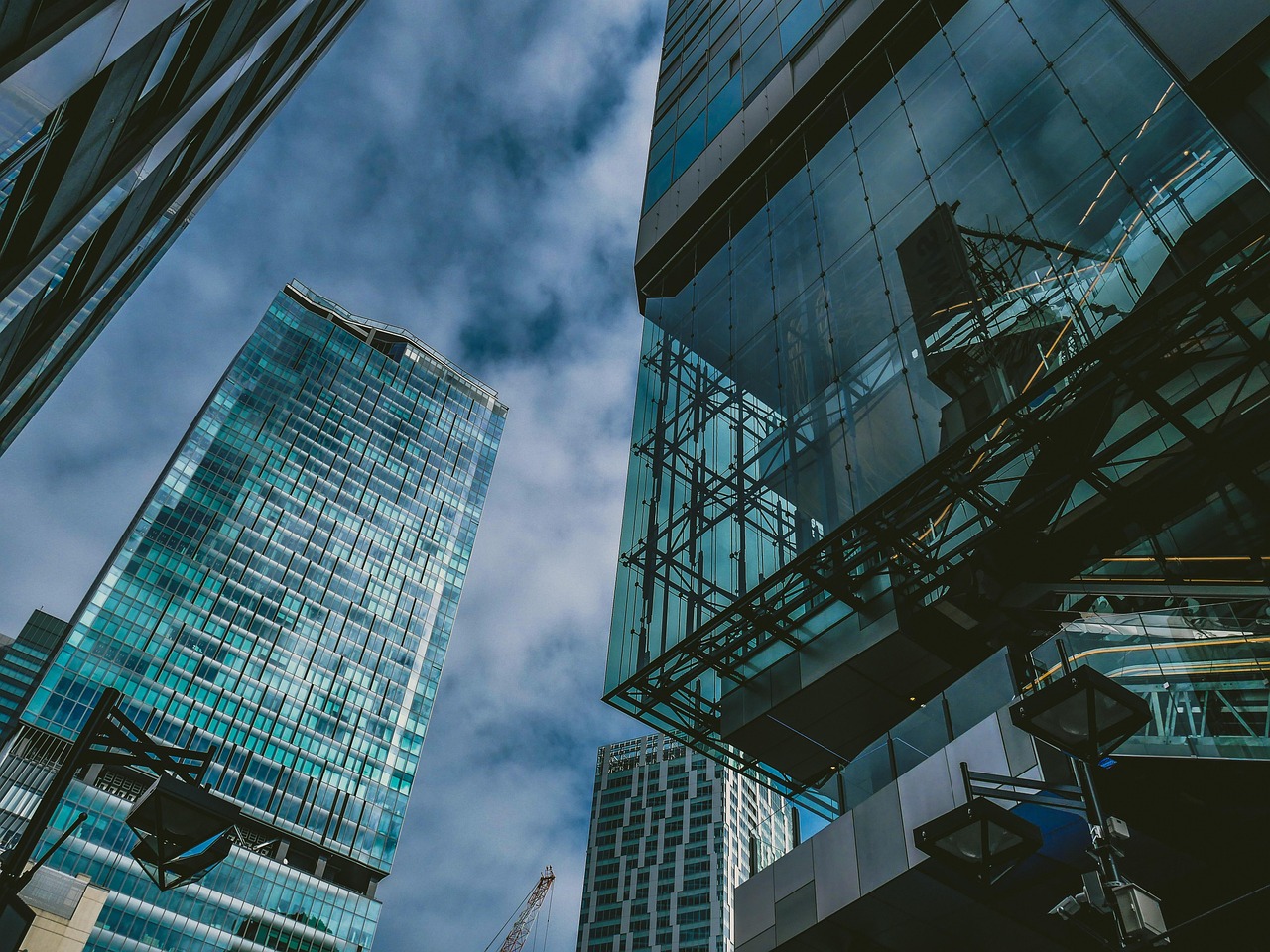
Tokyo for first timers: a seamless introduction to Tokyo Japan attractions with a panoramic city skyline
If you’re searching “Tokyo for first timers things to do in Tokyo travel guide”, let this be your start-here chapter: a warm, expert way to discover Tokyo without feeling swept along by scale. Tokyo rewards travellers who design their days by mood—quiet ritual early, galleries and shopping midday, then skyline lights later. With the right rhythm, the best places feel curated rather than crowded, and even famous tourist attractions become calm, memorable moments.
Think of central Tokyo as a set of distinct worlds you can move between with confidence. Asakusa offers heritage and a slower pulse; Ginza is polished luxury; Roppongi brings contemporary art and evenings that feel crafted; Shibuya and Harajuku deliver creative energy; Shinjuku shows you the city’s dramatic contrasts. You don’t need to do everything—this Tokyo guide is here to support your personal pace, share tourist information that actually helps, and help you explore Tokyo with trust in the plan as Tokyo city opens up to you.
Best places to visit by timing in Tokyo: morning calm, afternoon culture, evening views
Early mornings belong to temples, shrines, gardens, and photography; late evenings belong to viewpoints, cocktails, and design-led dinners. The best time to visit Tokyo is spring (March–May) for cherry blossoms and autumn (September–November) for crisp air and colour—both seasons are popular, so reservations for headline experiences should be made earlier than you might expect.
- Morning: Asakusa and a temple visit before the crowds.
- Afternoon: museums, luxury retail, and a cafe pause in Ginza or Odaiba.
- Evening: Roppongi Hills dining, then a viewpoint for night lights.
As you read on, imagine each district as a design element—texture, light, calm, energy—and create a Tokyo itinerary that feels made for you, together with the city rather than against it. For a first trip to Tokyo, this simple framework becomes your personal Tokyo list of must-see places without the pressure to rush.


Asakusa and Senso-ji Temple: A Quiet Morning in Old Tokyo – Asakusa Station, Senso-ji, and Nakamise-dori shopping street
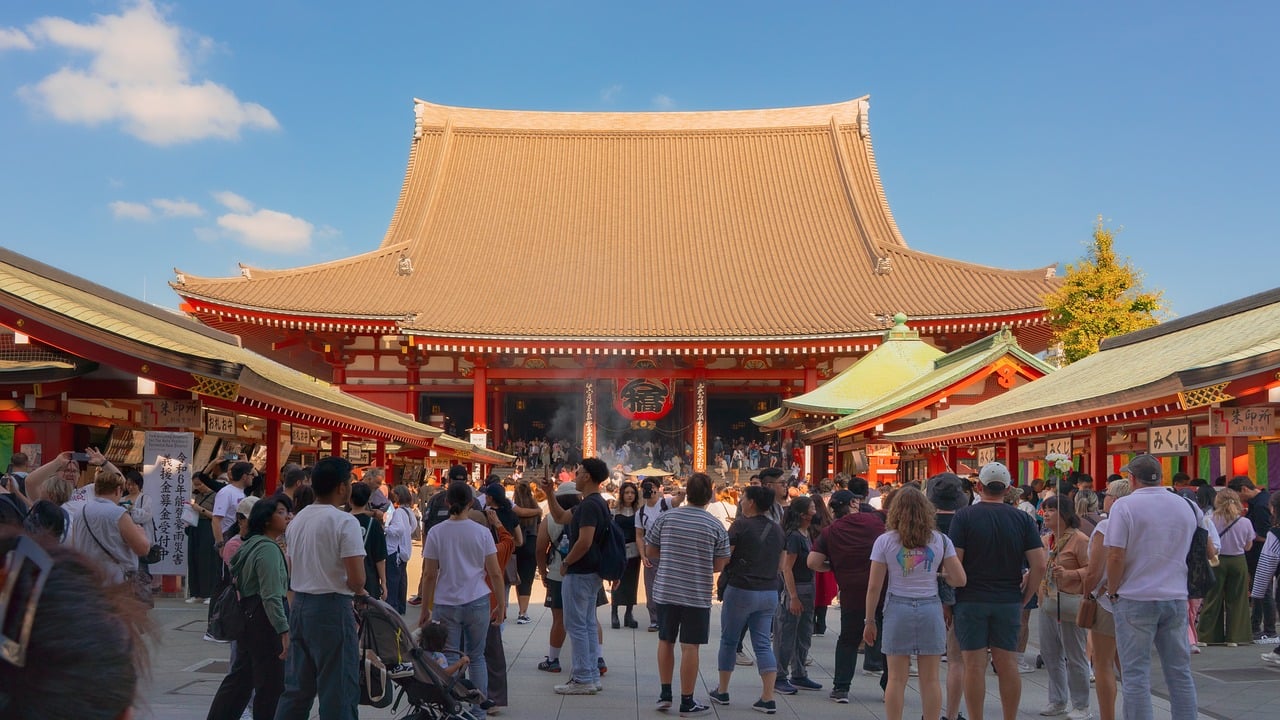
Asakusa and Senso-ji Temple: a quiet morning in old Tokyo at Senso-ji
For travellers bookmarking “Asakusa Senso ji Temple Tokyo attractions in Tokyo shopping street”, the secret is simple: arrive at Asakusa Station early and step into Asakusa while the streets still feel hushed. This is one of the best places to visit in Tokyo for atmosphere—soft lantern light, shutters just lifting, and the sense that Tokyo is gently waking up. It’s also a graceful way to start a first trip, because the meaning is clear even without words.
Senso-ji Temple etiquette: how to enter with calm confidence
Senso-ji Temple is Tokyo’s oldest temple, and entry is free, which makes it an easy highlight for travellers balancing time in Tokyo. Before you approach the main hall, you’ll see the cleansing area—rinse hands, then mouth, and move with care. Dress respectfully (shoulders covered is a thoughtful baseline), keep voices low, and watch for areas where shoes may be removed. These small details aren’t about perfection; they’re about respect, and they help you feel grounded.
A luxury traveller once described their serene morning visit here as “a reset button for the whole Tokyo trip”. They arrived before the crowds, stood under the lantern glow, followed the rituals mindfully, and felt the quiet settle in—an unexpectedly personal moment in a city famous for motion.
Nakamise-dori shopping street: traditional Japanese crafts, snacks, and a shrine detour
After the temple, walk through Nakamise-dori shopping street for traditional Japanese crafts and snacks. To keep purchases curated, choose a theme: incense and small temple goods, ceramics and tea items, or textiles like tenugui cloths. For Asakusa culture tourist information, pop into the local tourist information center nearby—staff are used to first-time questions and will help with maps, hours, and timing.
Finally, detour to Asakusa Shrine beside the temple. It’s a beautiful contrast in style and ritual, and it’s a gentle reminder that Tokyo can hold multiple spiritual languages in one shared space.
Odaiba and teamLab Borderless: Futuristic Tokyo You Can Feel – Odaiba on Tokyo Bay and unique things to do

Odaiba and teamLab Borderless: futuristic Tokyo you can feel with a waterfront skyline
If your notes say “Odaiba teamLab Borderless Tokyo attraction things to do in Tokyo”, you’re already leaning into a different part of Tokyo—one defined by water, sky, and clean modern lines. Odaiba sits on Tokyo Bay, and it’s ideal when you want unique things beyond the classic circuit: airy promenades, skyline walks, and a pace that feels more spacious.
teamLab Borderless: a flagship experience for art-led travellers
teamLab Borderless is not a museum you “finish”; it’s a living digital environment where you can slow down and let rooms unfold. That freedom is exactly why booking online in advance is essential—sold-out dates are common, especially in peak seasons. Choose a timed entry that suits your energy (late morning for freshness, late afternoon for an atmospheric transition into evening), and you’ll keep the day seamless.
One visitor told us their experience felt “like walking inside a thought”. The interactive art responded to movement, colour pooled and drifted, and it became a surprisingly reflective moment—creative, calming, and almost meditative amid Tokyo’s usual speed.
Shopping and cafes: shops and cafes with views of the Tokyo skyline
Odaiba also suits high-end travellers who want luxury retail and a cafe pause with water views—easy to slot between galleries. For a smooth flow, plan timed entries, then take an easy train ride or arrange chauffeured transfers if you prefer door-to-door comfort.
- Best photo moments: late afternoon light on the waterfront, then night reflections.
- For calmer galleries: first entries of the day on weekdays.
- What to wear/bring: comfortable shoes, a light layer, and a small bag for hands-free wandering.
Done well, Odaiba feels like Tokyo reimagined—less noise, more horizon, and a gentle invitation to slow down before you return to the city centre.
Tokyo Tower and Tokyo Skytree: Panoramic Views Worth a Visit – tallest tower perspective, one elegant way to sightsee
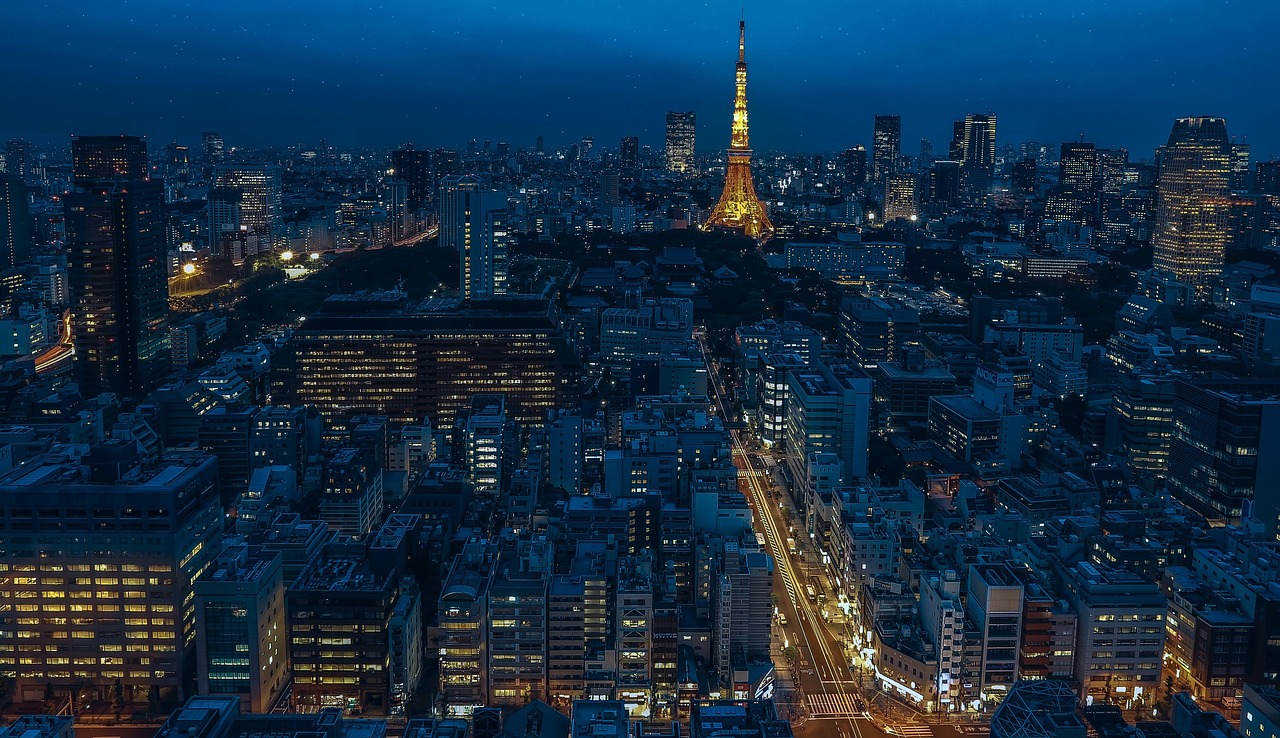
Tokyo Tower and Tokyo Skytree: panoramic views worth a visit at dusk
When travellers search “Tokyo Tower Tokyo Skytree best view tallest tower sightseeing”, what they’re really asking is: which perspective will make Tokyo feel real. Both towers are iconic Tokyo viewpoints—one for classic romance and warm city glow, the other for the tallest tower experience and far-reaching clarity. Either is worth a visit, and with a little planning you can sightsee without queue stress.
Which tower to choose: classic glow vs wide-angle skyline
Choose the first tower if you want a nostalgic, cinematic feeling—especially at sunset when Tokyo turns amber. Choose the second on a clear day when visibility is high; the wide panorama can make you pause, because Tokyo looks less like a map and more like a living design. For night lights, both work beautifully—just prioritise pre-booking where possible and arriving slightly off-peak.
Route logic from Tokyo Station: calm connections across central Tokyo
To keep logistics calm, think in simple links: Tokyo Station is a useful anchor for connections, and from there you can move to the viewpoint area that suits your day’s district. If you’re pairing views with dinner, plan the ride so you’re not crossing Tokyo at the busiest time. A short train ride at the right hour can feel like a small luxury—quiet, efficient, and surprisingly soothing.
For milestone trips, add an elevated reservation: refined cocktails or a crafted meal with a window table. A view becomes more than scenery when it’s shared—unhurried, personal, and designed around your celebration.
Ginza and Roppongi Hills: Eat in Tokyo With Crafted Skyline Romance – top restaurants, sushi, and fine-dining pacing
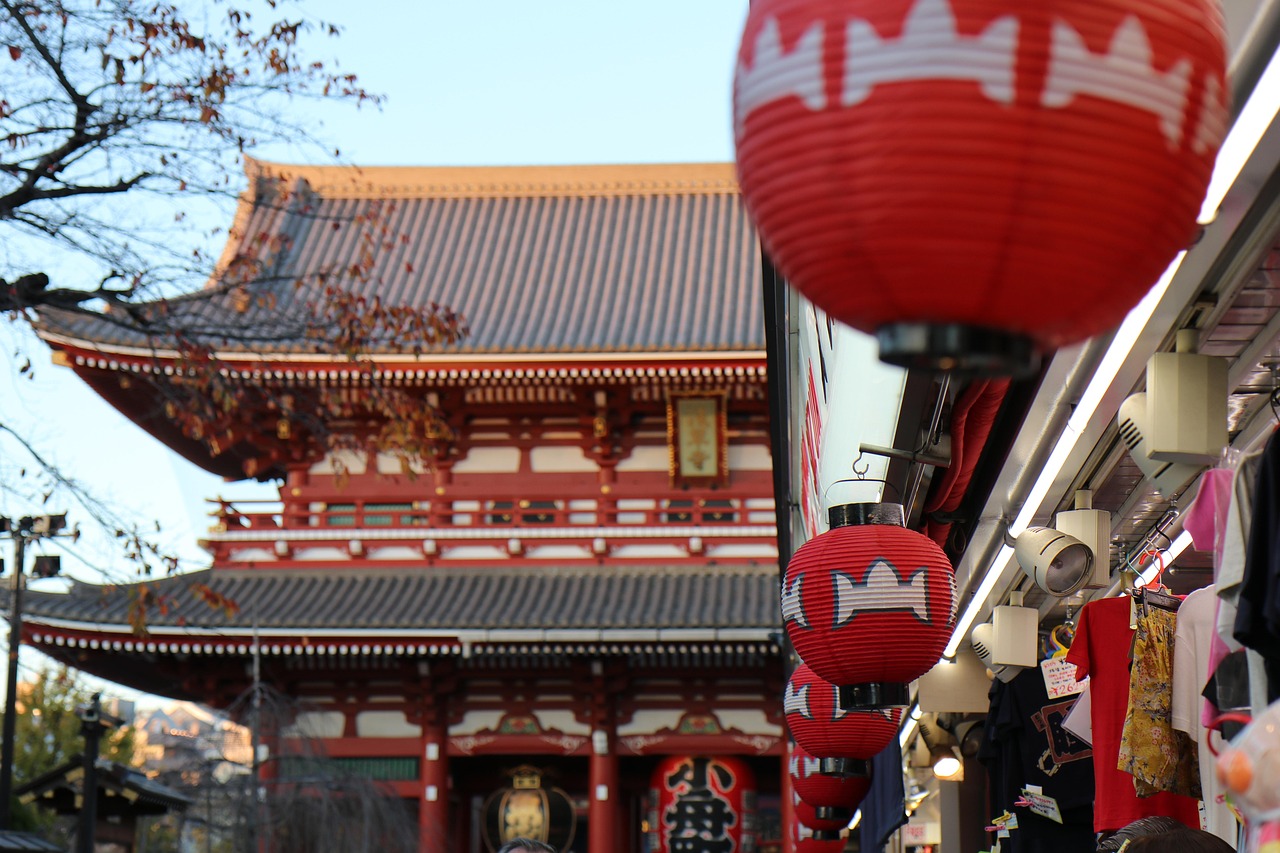
Ginza and Roppongi Hills: eat in Tokyo with crafted skyline romance in the evening
If you’re collecting notes under “Ginza Roppongi Hills top restaurants eat in Tokyo sushi fine dining”, let’s make it feel effortless. Ginza is polished luxury—beautiful storefronts, impeccable service, and a sense of quiet confidence. Roppongi Hills is contemporary glamour, where art, architecture, and skyline views combine into evenings that feel intentionally crafted rather than accidental.
Eat in Tokyo with reservations that feel personal (and the best food comes with pacing)
For high-end dining, book ahead and be specific: counter seats for sushi theatre, private rooms for intimacy, or a chef’s table for a celebratory experience. If you have allergies or dietary preferences, share them early; Tokyo kitchens are precise, and thoughtful planning is the most reassuring kind of luxury. Dress codes are typically discreet—smart, simple, and respectful.
- Timing tip: early seatings can feel calmer and more romantic.
- Service culture: tipping is not customary; gratitude and a warm “arigatou gozaimasu” matters.
- For the best food: trust the seasonal menu and the chef’s pacing.
Roppongi Hills romance: skyline dining with views of the Tokyo Bay
A couple once celebrated their anniversary with a private dinner overlooking Tokyo Bay from Roppongi Hills. They described the atmosphere as sophisticated but not stiff—soft lighting, a skyline that felt almost unreal, and a slow unfolding of flavours that made the evening deeply romantic. It’s a reminder that Tokyo’s finest nights aren’t about doing more; they’re about doing one thing beautifully, together.
To finish, consider a fusion experience or a cocktail bar where Japanese technique meets global creativity. Keep it relaxed: a short walk, a reserved table, and the quiet trust that everything has been handled with care.
Shibuya, Harajuku, and Meiji Shrine: Tokyo Style With Local Heart – Shibuya Crossing, Takeshita Street, and calm green space
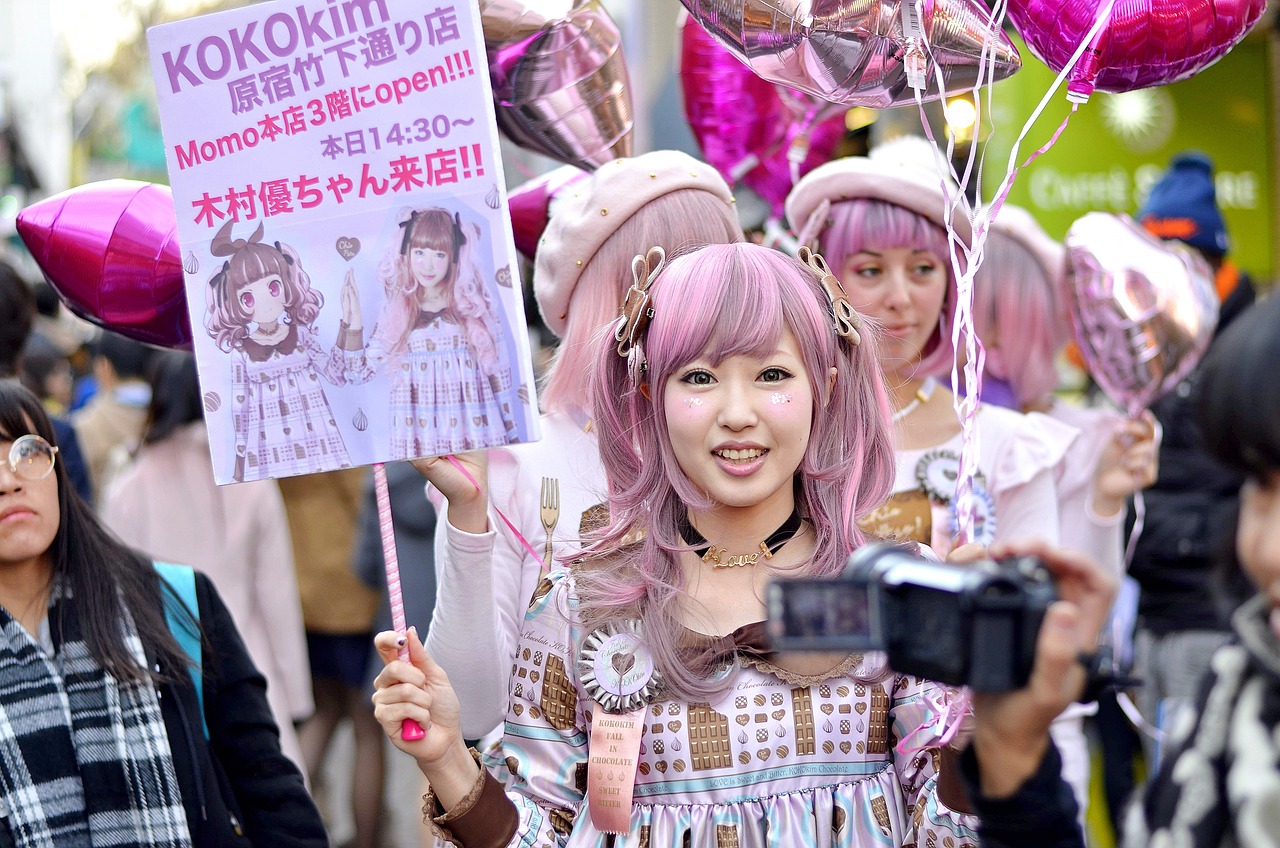
Shibuya, Harajuku, and Meiji Shrine: Tokyo style with local heart near Harajuku
Saved under “Shibuya Harajuku Meiji Shrine Shibuya Crossing places to visit in Tokyo”? This half-day flow is one of Tokyo’s most satisfying contrasts: bright street energy, then a sudden breath of green calm. Start at Shibuya Station, step out into Shibuya, and let Tokyo’s choreography guide you—busy, yes, but surprisingly orderly once you stop resisting it.
Shibuya Crossing: a classic moment, plus creative Tokyo shopping
Shibuya Crossing is a classic highlight, but you’ll enjoy it more if you treat it like a moment, not a mission. Cross once, then step back for a higher view from a nearby building, and watch the patterns. From there, continue towards Harajuku for style-led boutiques, streetwear, and small cafe stops. Take in Takeshita Street as a playful cultural snapshot (go in with curiosity), then uncover quieter side streets where local studios and concept stores feel more personal.
Meiji Shrine: a calm shinto shrine for an instant reset
From Harajuku, transition to Meiji Shrine for a gentle reset. The approach through the trees feels like an exhale—proof that Tokyo can hold stillness in the middle of motion. Follow shrine etiquette with quiet respect: a small bow at the gate, a calm pace, and space for others. If rain arrives, it’s still beautiful; bring an umbrella, slow down, and let the day feel softly cinematic rather than interrupted.
For couples or families, agree a simple meeting point before you browse—this small act of support keeps everyone together and stress-free, especially in the busiest pockets of Shibuya and Harajuku.
Shinjuku After Dark: Shinjuku Gyoen, neon streets, and district hops – things to do in Tokyo at night
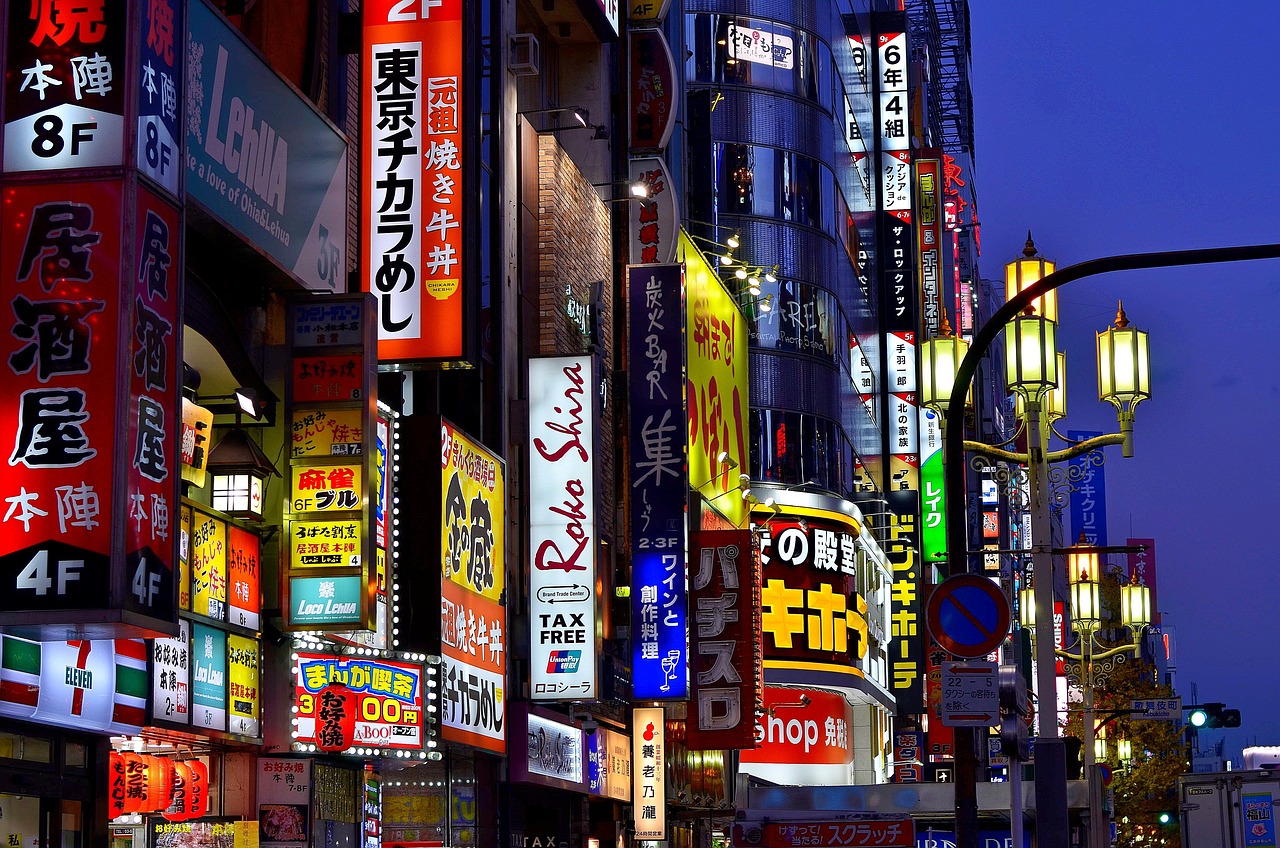
Shinjuku after dark: Shinjuku Gyoen and playful district hops with neon streets
For “Shinjuku things to do in Tokyo tourist attractions Shinjuku Gyoen”, think two-speed: garden calm, then neon energy. Shinjuku is a must-see part of Tokyo even if you had weeks in Tokyo, because it reveals the city’s scale and mood shifts in a single afternoon. It’s also a strong answer to what you shouldn’t miss in Tokyo: this is the district that can feel like the city at full volume, then hand you quiet again.
Shinjuku Gyoen: seasonal calm and cherry blossoms
Begin with Shinjuku Gyoen, especially in cherry blossoms season when pale petals soften Tokyo. Even outside spring, it’s a beautifully designed landscape—ponds, paths, and pockets of silence that make the evening ahead feel more vivid. Give yourself time to wander without a strict route; Tokyo’s best things often arrive when you stop pushing.
Shinjuku Station made simple: one exit, tiny bars, and a curated night route
Shinjuku Station can look intimidating, so keep it simple: choose your exit before you go (your hotel concierge can mark it), and treat it like a designed corridor rather than a puzzle. From there, build a curated night route—tiny bars, design-led lounges, and well-lit streets for easy returns. High-end travellers often enjoy neighbourhood intimacy here: a small counter, a quiet conversation, and a feeling of being let into Tokyo rather than touring it.
- For first-timers: plan one neighbourhood at night, not three.
- Safety and ease: stick to main streets between venues and save late-night detours for another evening.
- Optional contrast: add Akihabara for tech and pop-culture glow, then return before you feel over-stimulated.
That optional hop to Akihabara works best when it’s brief and intentional—an accent note, not the whole song, and an easy way to mix in one of Tokyo’s most distinctive scenes.
Around Tokyo Day Trips: Ghibli Museum and Tokyo DisneySea – when you want a different pace
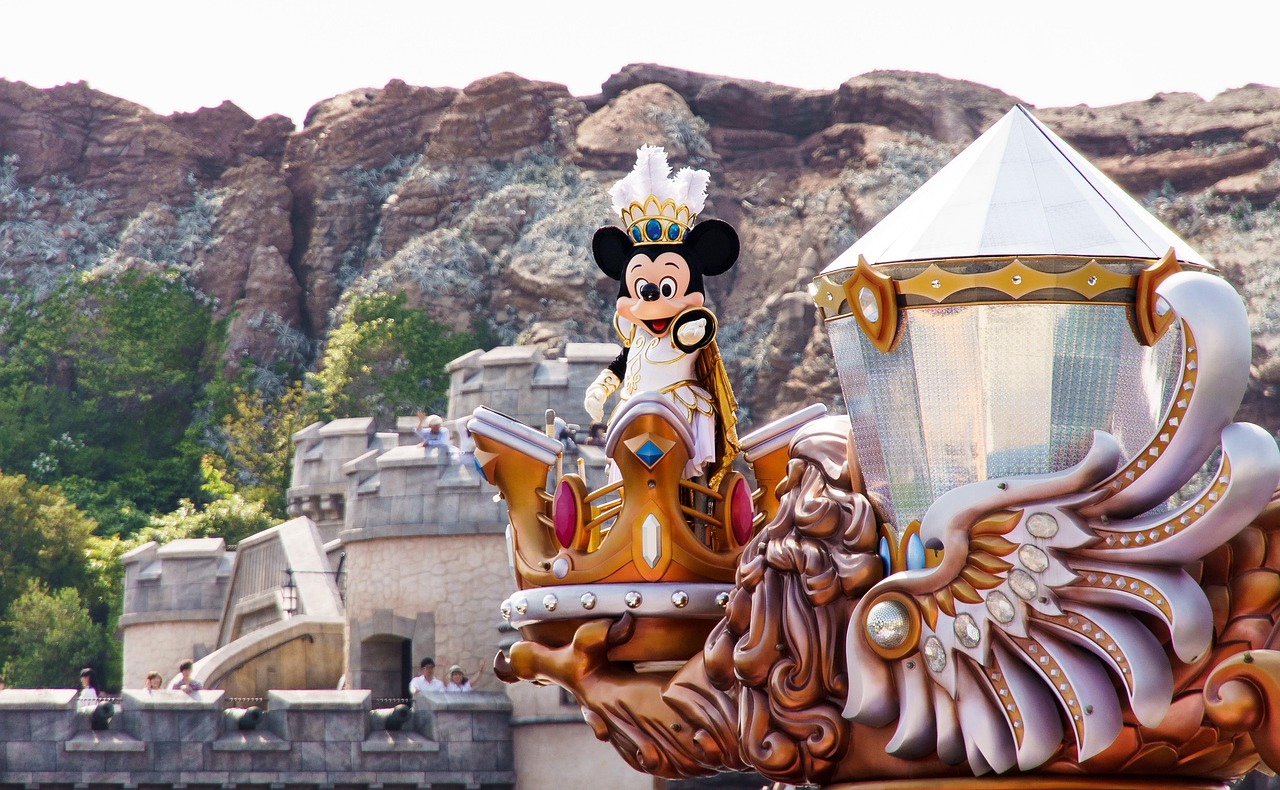
Around Tokyo day trips: Ghibli Museum and Tokyo DisneySea for a playful escape
If you’re noting “Around Tokyo places to visit in Tokyo Ghibli Museum Tokyo DisneySea”, you’re already thinking like a high-end traveller: choosing a day that matches your energy, not a checklist. Around Tokyo, a day trip can refresh your senses—especially if you’ve been in the heart of Tokyo for several days in Tokyo and want a different texture without losing elegance.
Ghibli Museum: a design-rich escape that rewards advance tickets
The Ghibli Museum in Mitaka is whimsical, intimate, and quietly brilliant—ideal for art lovers, families, and creatives who enjoy detail. Ticket planning is essential; availability can be limited, and it isn’t the sort of visit you want to improvise last-minute. Treat it as a gentle morning into early afternoon, then return to Tokyo for dinner rather than trying to stack more sights.
Tokyo DisneySea is often the favourite even for travellers who don’t consider themselves “theme park people”. It feels distinctly Japan in its service, storytelling, and precision. If you want a VIP-style day, plan dining reservations in advance, arrive early, and prioritise a few signature experiences rather than racing. Done well, it becomes a beautifully staged day—playful, yes, but also remarkably polished.
- Private car vs trains: a car can make sense for families or when you want door-to-door comfort; trains are efficient if you’re travelling light.
- Return without fatigue: plan a quiet evening back in Tokyo—room service, a short stroll, or one relaxed cocktail.
The goal is always the same: design a day that fits your pace, so you return feeling restored rather than overrun—and ready for more places in Tokyo the next day.
Stay in Tokyo With Confidence: Hotels, transport, and Japan travel tips – Narita arrival, trains, and first-timer planning
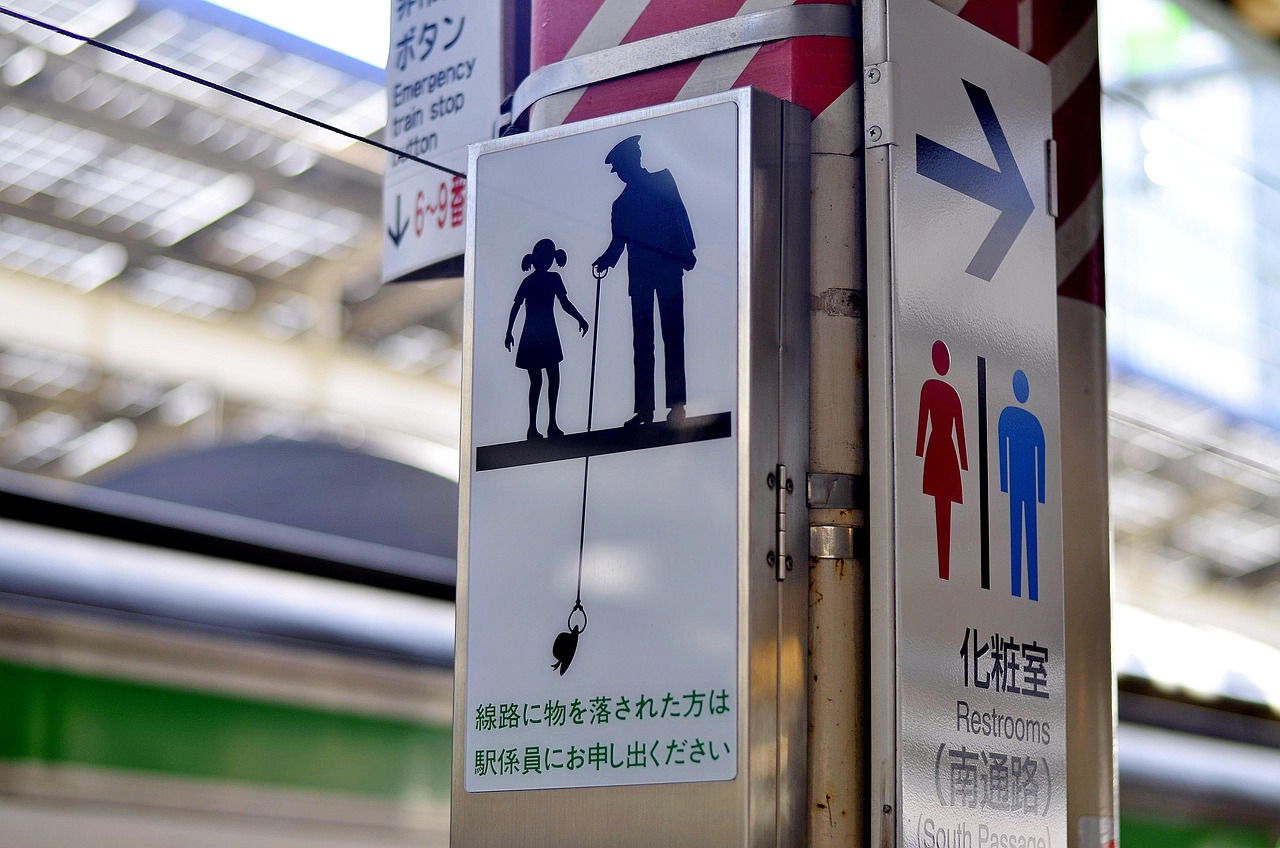
Stay in Tokyo with confidence: hotels, transport, and Japan travel tips for a seamless arrival
If you searched “Stay in Tokyo for first time Japan travel tips JR Yamanote Line Suica Narita Airport”, you’re in exactly the right place—because confidence in logistics is what makes Tokyo feel luxurious. If you’re planning my first trip, start by matching neighbourhood to intent. Ginza suits refined shopping and dining; Roppongi works for nightlife and museums; Shibuya brings energy and modern style; Asakusa offers heritage and an early-morning start. If you want to stay in Tokyo for first visits with minimal transit, choose one main base in central Tokyo and add a single “experience night” elsewhere.
Transport made simple in Tokyo: JR Yamanote Line, Suica, and a stress-free flow
The JR Yamanote Line is your friend for moving between key districts in Tokyo, and a prepaid Suica card makes taps and transfers effortless. Peak-hour crowds can look intense, but the system is orderly—stand to one side on escalators where indicated, keep bags close, and give yourself a few extra minutes. This calm approach is a Japan guide classic, and it helps on your first trip to Japan as much as it does on a return visit.
Narita arrivals: the seamless option after a long flight
From Narita, you can choose rail for efficiency or a private transfer for ease after a long flight; both are safe and reliable. Signage is clear, and staff at counters can provide tourist information and confirm routes, platforms, and ticket options. A “seamless” arrival looks like this: a pre-arranged pick-up or a pre-decided rail plan, a hotel that knows your arrival time, and nothing urgent scheduled on day one.
- Bookings: reserve teamLab Borderless and key dining rooms early, especially in spring and autumn.
- Temple and shrine manners: be respectful, follow posted guidance, and move with quiet care.
- Language kindness: simple phrases and a gentle tone go far; people will often support you if you ask with trust.
For inspiration on a trip to Japan that feels crafted end-to-end, you can browse our Trip gallery—then take what resonates and create a Japan trip with a simple Japan itinerary, and a trip to Tokyo that feels unmistakably your own. When you visit Tokyo with a clear plan, you’ll notice how quickly the city starts to feel welcoming.
What Stayed With Us After Tokyo: iconic Tokyo moments you’ll remember
What stays with you after Tokyo is rarely the loudest moment. It’s the scent of incense near a temple, the soft echo of footsteps at a shrine, and the way Tokyo’s light seems to change texture as evening settles in. Tokyo can be thrilling, but it’s also quietly reassuring—designed to hold millions of lives, yet still able to offer you a private corner of calm.
Sometimes it’s the small gestures that linger: a gentle bow that feels like gratitude rather than formality, a shared train ride where you watch reflections slide across the window, a warm cup in a cafe that turns into a pause you didn’t know you needed. Even the grand skylines become intimate, not because the city is dramatic, but because it changes your pace for a moment and lets you breathe.
If there’s a secret to a visit to Tokyo, it’s this: trust your own rhythm. Let curiosity guide you, let respect keep you grounded, and let the city unfold in its own time. Tokyo will still be there tomorrow—quietly luminous—waiting for the next detail to reveal itself, and reminding you there are always more best places to visit on your next return.
F.A.Qs: Tokyo Japan attractions and planning
What are the top 5 tourist attractions in Tokyo?
Popular picks include Senso-ji Temple in Asakusa, Meiji Shrine near Harajuku, teamLab Borderless (Odaiba area), Tokyo Skytree for wide city views, and Shibuya Crossing for the iconic Tokyo street scene. Book timed-entry experiences in advance where required, and visit early or late for a calmer feel.
Is $1000 enough for 1 week in Japan?
$1000 can work for a very budget-focused week in Japan if you choose simpler hotels, watch transport costs, and eat casually. For high-end travellers in Tokyo—especially with premium dining, private transfers, and popular experiences—$1000 is unlikely to cover a full week. Your budget will depend most on accommodation and restaurant choices.
What is Tokyo mainly famous for?
Tokyo is famous for its blend of tradition and futurism: historic temples and shrines alongside cutting-edge design, fashion, and technology. It’s also known for exceptional food culture (from sushi counters to fine dining), efficient transport, and neighbourhoods that feel like distinct cities—each with its own mood, pace, and style.
What are the 10 best things to do in Tokyo?
Ten best things often include visiting Senso-ji in Asakusa, walking Nakamise-dori, experiencing teamLab Borderless, seeing Shibuya Crossing, exploring Harajuku, finding calm at Meiji Shrine, enjoying Shinjuku by night, wandering Shinjuku Gyoen, taking in skyline views from a tower viewpoint, and planning an evening meal in Ginza or Roppongi Hills.