Post Contents
- Why Tokyo Skytree tower in Japan and its height of 634 metres belong on your story
- Two observation decks at Tokyo Skytree, Tembo Deck and Tembo Galleria from 350 to 450 meters
- Tokyo Skytree Tembo Deck sunrise best time for early morning visitors and tips
- Tokyo Skytree lighting night illumination with seasonal events in Tokyo Skytree Town
- Tokyo Solamachi mall with shops restaurants aquarium and museum in Tokyo Skytree Town
- Planning a trip to Tokyo Skytree ticket reservation, Tokyo Skytree Station and Oshiage Station entry flow
- Tokyo Skytree visitor tips for hidden gem photo spots in Sumida and city views
- Tokyo Skytree observation deck etiquette, safety and support for visitors in Japan
- What stayed with me after Tokyo Skytree Japan, a personal reflection above the city sky
- F.A.Qs: Tokyo Skytree Japan
Why Tokyo Skytree tower in Japan and its height of 634 metres belong on your story
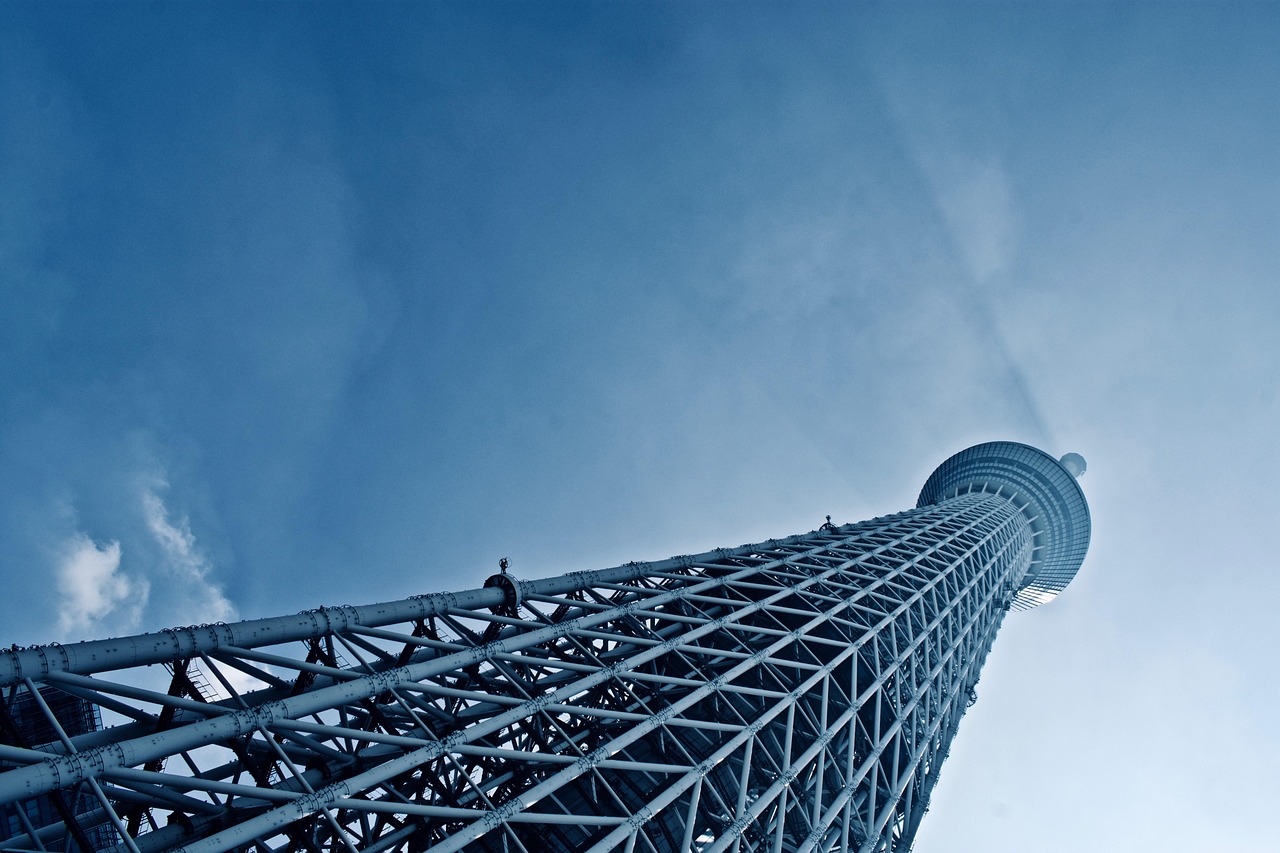
Why Tokyo Skytree Tower Belongs on Your Japan Story, framed over Sumida
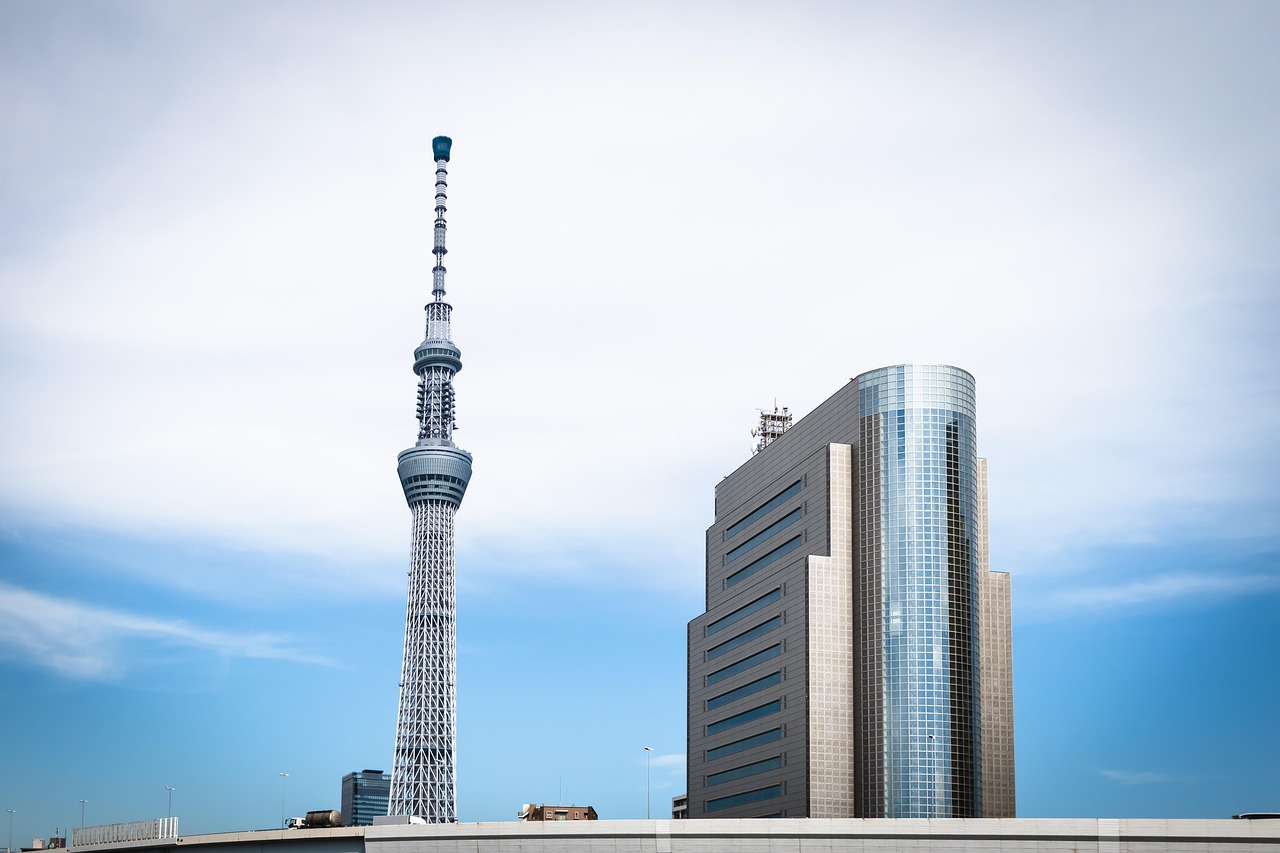
The phrase Tokyo Skytree tower Japan height 634 metres tallest structure in Japan reads like a set of facts, but it lands like a feeling when you first see it in Sumida. This broadcasting tower was completed in 2012, and its design manages a rare balance—futuristic lines anchored by an Edo-inspired sense of proportion and craft.
At 634 meters (often cited as the second tallest in the world), Tokyo Skytree is an iconic landmark built with cutting-edge technology that quietly reassures you: the experience is high, but it’s also thoughtfully supported. For adventure seekers, it’s a vertical journey where the sky feels close enough to touch—yet the flow is calm, guided, and seamless.
Skytree highlights for first-time visitors
Imagine designing a visit that’s not rushed, but intentional—equal parts thrill, culture, and city views. Here are the skytree highlights you can look forward to as you explore Tokyo Skytree Town:
- A brave ascent to the observation deck for breathtaking perspective over Tokyo metropolitan sprawl.
- Time on the deck that feels personal—quiet corners, lounge pauses, and glass-walled viewpoints.
- Tokyo Solamachi below for a crafted souvenir moment, a chef’s special lunch, or a gentle cultural workshop.
It’s not just about being high—it’s about what that height helps you notice.


Two observation decks at Tokyo Skytree, Tembo Deck and Tembo Galleria from 350 to 450 meters
If you’re searching Tokyo Skytree observation deck Tembo Deck Tembo Galleria 350 450 meters, here’s the simple truth: you’re choosing between two decks, or committing to the full, beautifully paced climb. The Tembo Deck sits at 350 meters, while the Tembo Galleria carries you up to around 450, where the city begins to feel like a living map.
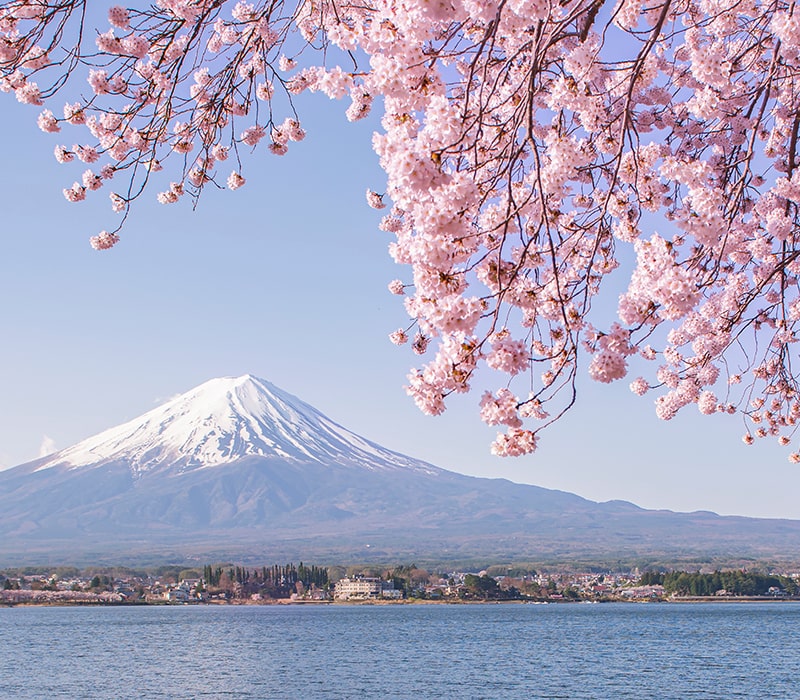
This is where panoramic views of the city become more than a photo opportunity. On a clear day, you can spot Mt Fuji as a crisp silhouette beyond the urban sea—one vivid promise, not a checklist, and the kind of moment that makes you go quiet in the best way.
Glass-floor and elevator thrills with calm care
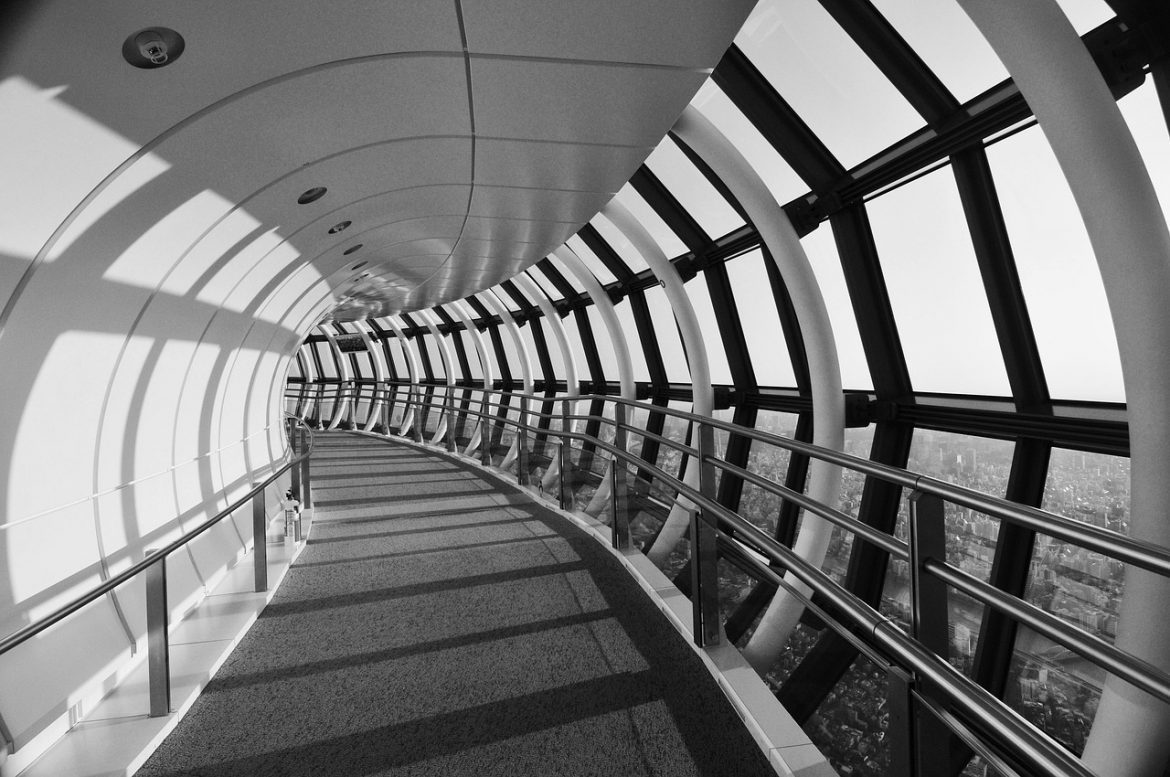
For many visitors, the most surprising thrill isn’t the height—it’s the glass floor moment that asks you to trust your footing and your breath. The elevator ride itself feels futuristic, and the ascent is managed with expert care, clear signage, and staff support that keeps nerves steady.
If you’re not chasing adrenaline, you don’t have to. There are lounge-like pockets and glass-walled viewpoints where you can pause, reset, and let the sky do its quiet work before moving to the next floor.
Tokyo Skytree Tembo Deck sunrise best time for early morning visitors and tips
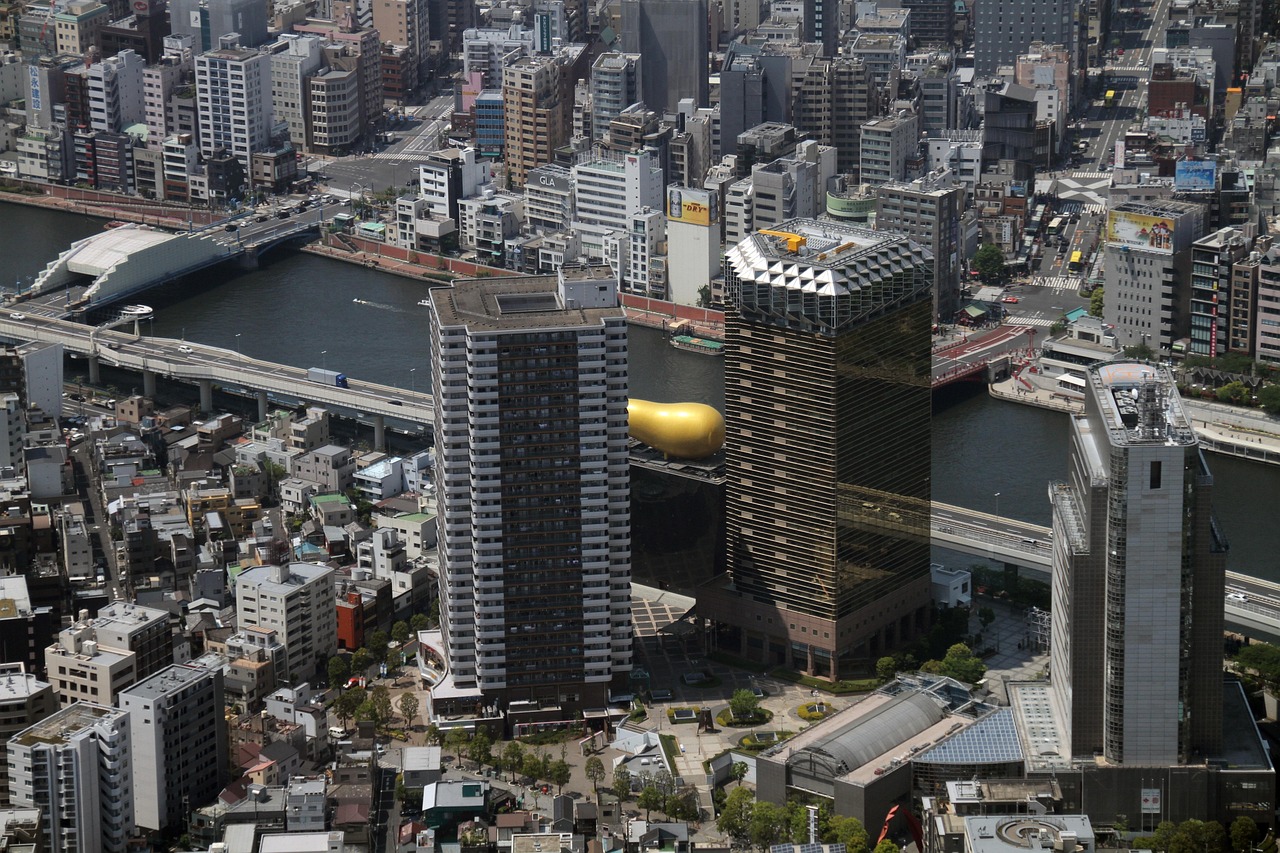
Sunrise on the Deck When Tokyo Wakes Below the Clouds at Tokyo Skytree
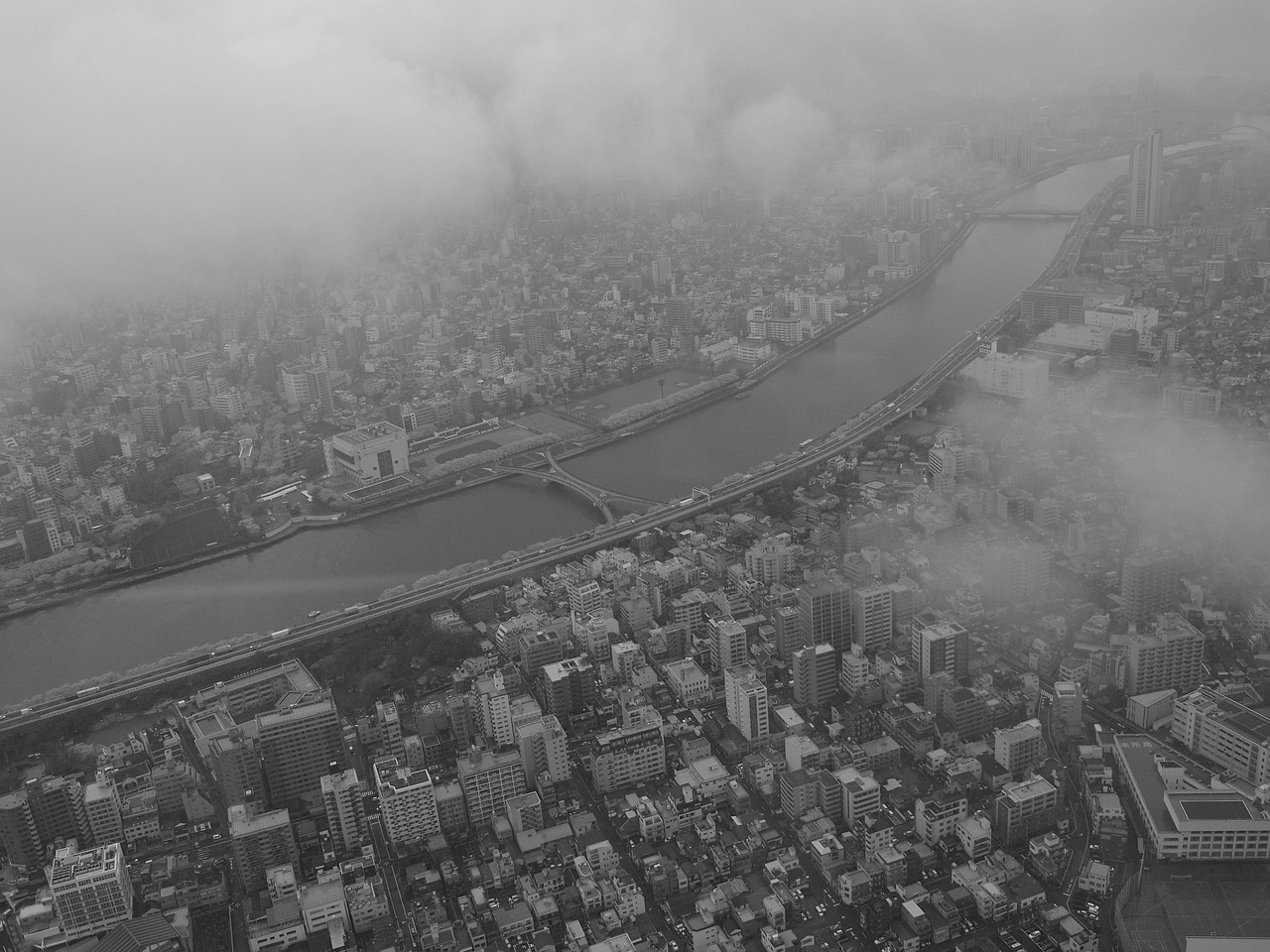
I still think about a traveller who described their Tokyo Skytree Tembo Deck sunrise best time early morning visitor tips experience like this: they watched dawn spill over the skyline while the city below lay half-hidden under clouds. As the light strengthened, neighbourhoods slowly revealed themselves—bridges, rail lines, and tiny streets brightening into motion.
Arriving early reduces waiting time, but it also changes the atmosphere on the deck. The first observation slot feels hushed and spacious; later, the same floor becomes more social as voices gather and cameras click in rhythm.
Photography and orientation for 360 degree city views
If you want great views without turning the morning into a frantic shoot, bring a camera with a good zoom lens and let the scene come to you. Use the interactive panel displays to identify districts, then create your own shot list:
- Wide 360 degree skyline frames for scale, then tighter details of rivers, temples, and rooftops.
- Distant lines toward Shinjuku to help you orient yourself without rushing.
- One quiet, personal image that captures how the sky softens the city—your story, not anyone else’s.
The most rewarding sunrise photos often happen after you stop chasing them.
Tokyo Skytree lighting night illumination with seasonal events in Tokyo Skytree Town
Search Tokyo Skytree lighting night illumination seasonal events Tokyo Skytree Town and you’ll find the schedules, but not the sensation. At night, the tower becomes a lantern for the local community—its LED lighting shifting with seasons, collaborations, and celebrations until the city feels like it’s been carefully designed for wonder.
One adventure seeker shared an evening visit when the illumination synchronised with a nearby music festival. The result was jaw-dropping: city lights pulsed in time, and strangers smiled at one another as if they’d all been let in on the same secret.
Design your visit around festivals and 2025 calendars
If you like to create your own rhythm, check the official event calendar for 2025 and beyond before you lock plans. You can uncover special nights where the colour themes, food stalls, or performances make Tokyo Skytree Town feel like a stage—yet still easy to navigate.
Night-time safety is excellent. Signage is clear, routes are well managed, and staff offer gentle guidance so the experience stays seamless even when the atmosphere is buzzing.
Tokyo Solamachi mall with shops restaurants aquarium and museum in Tokyo Skytree Town
Tokyo Solamachi Mall Culture Shops Food and Aquarium Time beneath Tokyo Skytree
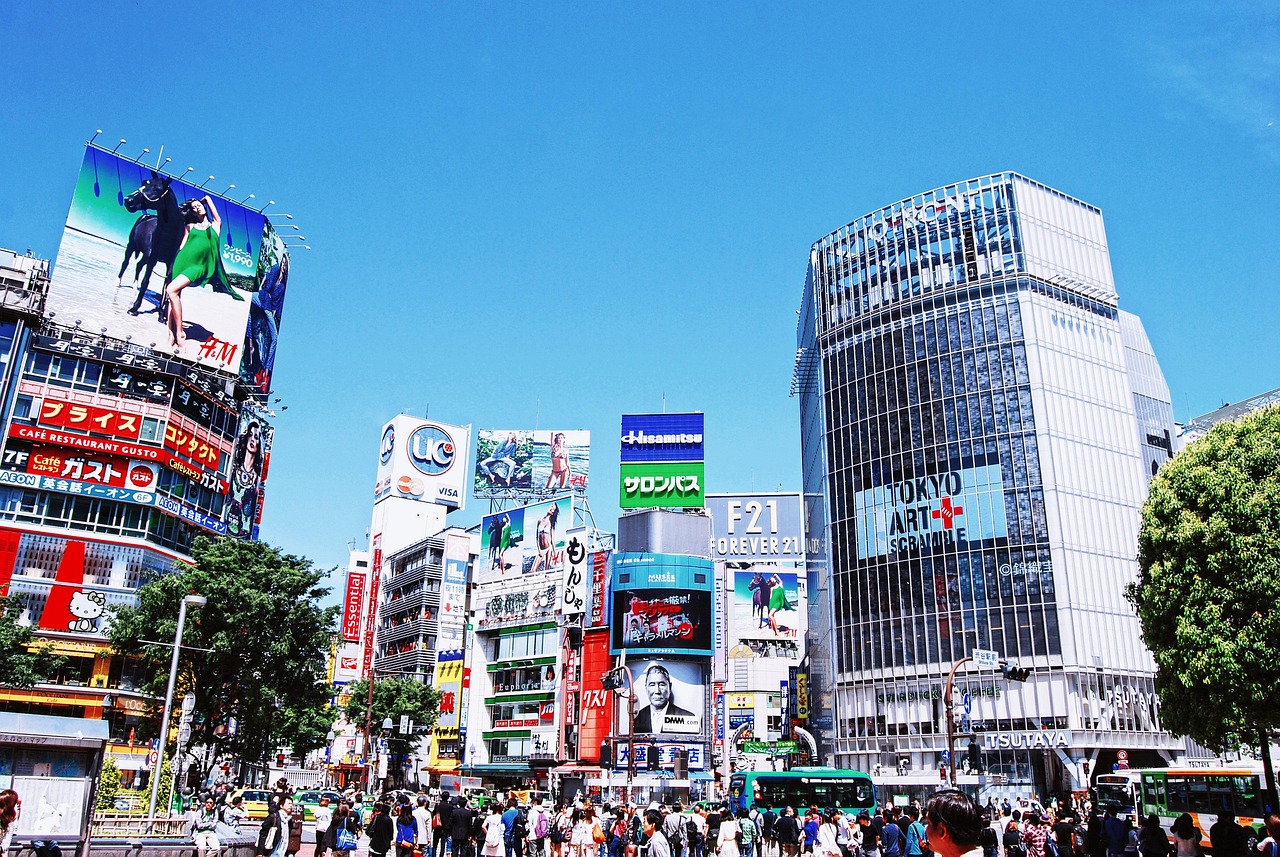
When people look up Tokyo Solamachi mall shops restaurants aquarium museum Tokyo Skytree Town, they’re usually planning how to pace the day. Tokyo Solamachi is the shopping area at the base, with over 300 places to browse—every kind of shop, plus a restaurant scene that lets you savour a slower moment when your legs ask for it.
Families often love pairing the tower with the aquarium, because it’s educational fun after the lift ride and the open-sky views. If you’re craving a softer cultural beat, a small museum stop can be a welcome change of tempo—less spectacle, more texture.
Edo craft and crafted souvenirs
A cultural enthusiast once told me an Edo-style craft workshop inside Tokyo Solamachi helped them connect to heritage in a hands-on way. In the middle of modern Tokyo, making something with your own hands creates trust in the place—and in your own ability to travel with care.
To design your afternoon without overfilling it, choose two extras and keep space between them:
- Planetarium Tenku for starry calm when you want to reset your senses.
- A premium, beautifully packaged treat as a crafted souvenir moment—small, local, and genuinely memorable.
Planning a trip to Tokyo Skytree ticket reservation, Tokyo Skytree Station and Oshiage Station entry flow
Planning a Trip Tickets Floors Transport and Entry Flow for Tokyo Skytree
This is the practical core many people need: planning a trip Tokyo Skytree ticket reservation Tokyo Skytree Station Oshiage Station. Typical entry is around 2100 yen for the Tembo Deck and about 3100 yen if you add the Tembo Galleria, and online booking often comes with a discount. A timed ticket and a clear reservation choice means you can explore with confidence rather than negotiating queues all day.
On arrival, you’ll usually start at the 4th floor of tokyo skytree for ticketing and lift access, then follow staff direction to your assigned slot. The flow is intuitive, and the support is exactly what you want when you’re about to rise this far above the city.
Transport routes and a scenic approach from Asakusa
For transport, use Tokyo Skytree Station on the Tobu Skytree Line, or Oshiage Station with easy connections via Hanzomon and Keisei Oshiage. If you prefer a softer arrival, you can walk across the river from Asakusa—a gentle prelude that turns logistics into an experience.
- Choose weekdays where possible for calmer floors and more lounge space.
- Book online if you value a seamless arrival and less waiting time.
- Keep your evening flexible if you want to pair the tower with lighting themes.
If you’re designing a wider route through Japan, you can browse our Trip gallery for inspiration that keeps culture and comfort in balance.
Hidden Photo Spots and Local Insight for Adventurous Visitors near Tokyo Skytree
The best advice often comes from people, not search results—especially for Tokyo Skytree visitor tips hidden gem photo spots Sumida city views. I’ve heard stories from visitors who mentioned friendly local staff pointing out quieter corners, less crowded times, and small angles that make the skyline feel cinematic rather than touristy.
To uncover those moments, think in layers: reflections, framing, and distance. The tower itself becomes a compositional tool—sometimes you photograph it, sometimes you use it to anchor everything else.
Stories from visitors and a mini route for cinematic perspectives
Here’s a simple mini route you can follow without turning the day into a march, starting from the floor of Tokyo Skytree Town and branching out when you feel ready:
- Begin with glass-walled viewpoints for clean lines and controlled light.
- Move outside to capture reflections in modern surfaces and waterways.
- Take a short Sumida wander between tower moments to reset your senses.
On my 5th visit, I noticed how changing light reshapes the same scene—proof that you don’t need a new plan to create a new perspective, only permission to slow down.
Tokyo Skytree observation deck etiquette, safety and support for visitors in Japan
If you’re checking Tokyo Skytree observation deck etiquette safety support for visitors Japan, you’re already travelling thoughtfully. The Japanese approach here is simple: queue patiently, speak softly, and respect the shared viewing space so everyone has room to breathe. Small gestures keep the deck atmosphere calm, even at peak times.
Accessibility and guidance are strong throughout the tower. Clear signage, helpful staff, and thoughtful layouts mean you can ask for support without feeling self-conscious—especially if heights bring a flutter of nerves.
Crowd strategy for a calmer floor and more confidence
If you’re sensitive to crowds, design your timing with care. Weekdays outside Japanese holidays tend to feel more spacious, and late evening can bring a gentle hush back to the floor.
- Hold your place in queues without cutting; the flow works when everyone trusts it.
- Keep phone calls short and quiet—others are savouring the sky.
- If you need a break, step into a lounge corner and reset before continuing.
The best adventure is one you build together—with consideration for yourself, for others, and for the place you’re visiting.
What stayed with me after Tokyo Skytree Japan, a personal reflection above the city sky
When I think back to Tokyo Skytree Japan reflection city views sky personal story, what returns isn’t a list of floors or a perfect photo. It’s the sensation of spaciousness—of the sky opening above the city, and the subtle way that height can make everyday worries feel lighter, as though perspective is its own kind of quiet courage.
I remember a calm pause by the glass, the skyline stretching out in every direction, and a brief, reassuring confidence that came from trusting my own pace. Around me, small kindnesses mattered: a staff member guiding someone gently, strangers sharing space without friction, a collective understanding that wonder is better when it’s unhurried.
Long after you’ve left Sumida, the tower still feels personal—not because it’s private, but because it meets you where you are. And sometimes, that’s the most lasting kind of travel: a landmark that helps you create a softer relationship with the city, and with yourself, as you begin to imagine the next horizon.
F.A.Qs: Tokyo Skytree Japan
Why is the Tokyo Skytree famous?
Tokyo Skytree is famous for its 634-metre height, its design as a modern broadcasting tower, and its observation decks that deliver sweeping, memorable views across Tokyo and beyond. It’s also known for Tokyo Skytree Town at the base, where Tokyo Solamachi adds shopping, dining, and cultural experiences that make the landmark feel like a full day out rather than a single stop.
Is it worth going to Tokyo Skytree?
Yes—especially if you value panoramic city perspectives and a well-managed, high-comfort visitor experience. The decks feel polished and reassuring, and the surrounding area makes it easy to design a fuller itinerary with food, shops, and the aquarium. Go early morning for calmer energy or visit at night for lighting themes that make the tower feel wonderfully alive.
Is the Tokyo Skytree free?
No, the observation decks require a paid ticket. Prices vary by deck and timing, but a common baseline is around 2100 yen for the Tembo Deck and roughly 3100 yen for entry that includes the Tembo Galleria. You can sometimes save with online booking and timed entry, which also helps keep the experience more seamless on busy days.
Which is better to visit, Tokyo Skytree or Tokyo Tower?
Tokyo Skytree is taller and often feels more futuristic, with wider-reaching views and a large complex below for shopping and dining. Tokyo Tower is more nostalgic and centrally iconic, with a classic red silhouette many travellers love. If your priority is height, modern design, and an all-in-one day around Tokyo Skytree Town, Skytree may suit you better; for retro charm, choose Tokyo Tower.