Post Contents
- Tokyo National Museum Japan Ueno Park access guide in the city
- Tokyo National Museum Honkan Japanese Gallery samurai armour swords Japan and art
- Tokyo National Museum Heiseikan exhibition archaeology Asian sculptures paintings
- Tokyo National Museum Hyokeikan Toyokan Gallery of Horyuji Treasures event
- Tokyo National Museum garden cafe restaurant tips Japan for a crafted pause
- Tokyo National Museum Japan personal reflection cultural journey after Ueno Park
- F.A.Qs: Tokyo National Museum Japan
Tokyo National Museum Japan Ueno Park access guide in the city
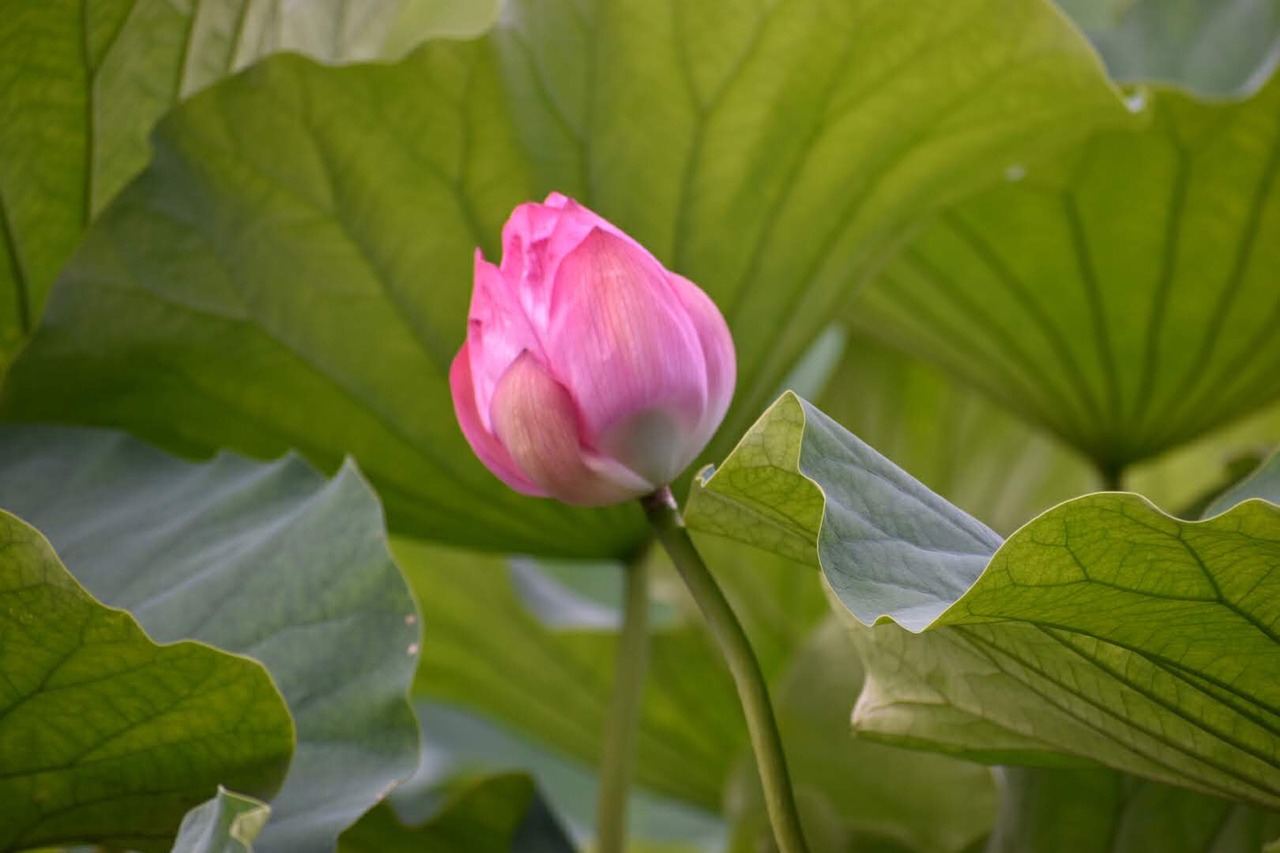
Tokyo National Museum in the heart of the city for a crafted Ueno Park start
If you’re seeking a focused cultural hit in Tokyo, the Tokyo National Museum Japan Ueno Park access guide mindset is your best starting point. The museum sits inside Ueno Park, making it ideal for adventure seekers who want to uncover Japan’s heritage without losing a whole day to cross-city travel. Founded in 1872, it feels both venerable and present-tense—because the museum also functions as a learning space, not just a display hall.
Access is straightforward: walk from JR Ueno Station or arrive via Tokyo Metro, then follow signs into the park. On arrival, expect short queues at peak times, light bag checks, and an opportunity to pick up a map so your route feels crafted rather than accidental. That first small act—choosing your path—creates calm and control.
Design your day for a seamless first entry
To reduce backtracking, imagine your visit as a designer journey: begin early, explore one building deeply, then expand outward. Weekdays in the morning are your friend; weekends can feel busy, and a timed ticket approach can support a quieter rhythm when major rooms are open and popular.
- Arrival plan: aim for opening time and collect a map at the entrance.
- Flow: start Honkan, then Heiseikan, then Hyokeikan and the neighbouring galleries.
- One trusted resource: use the official app to keep your navigation confident.
If you’d like to pair this with a wider itinerary, you can explore our Trip gallery and design a cultural arc that keeps the city feeling fresh, not rushed.


Tokyo National Museum Honkan Japanese Gallery samurai armour swords Japan and art
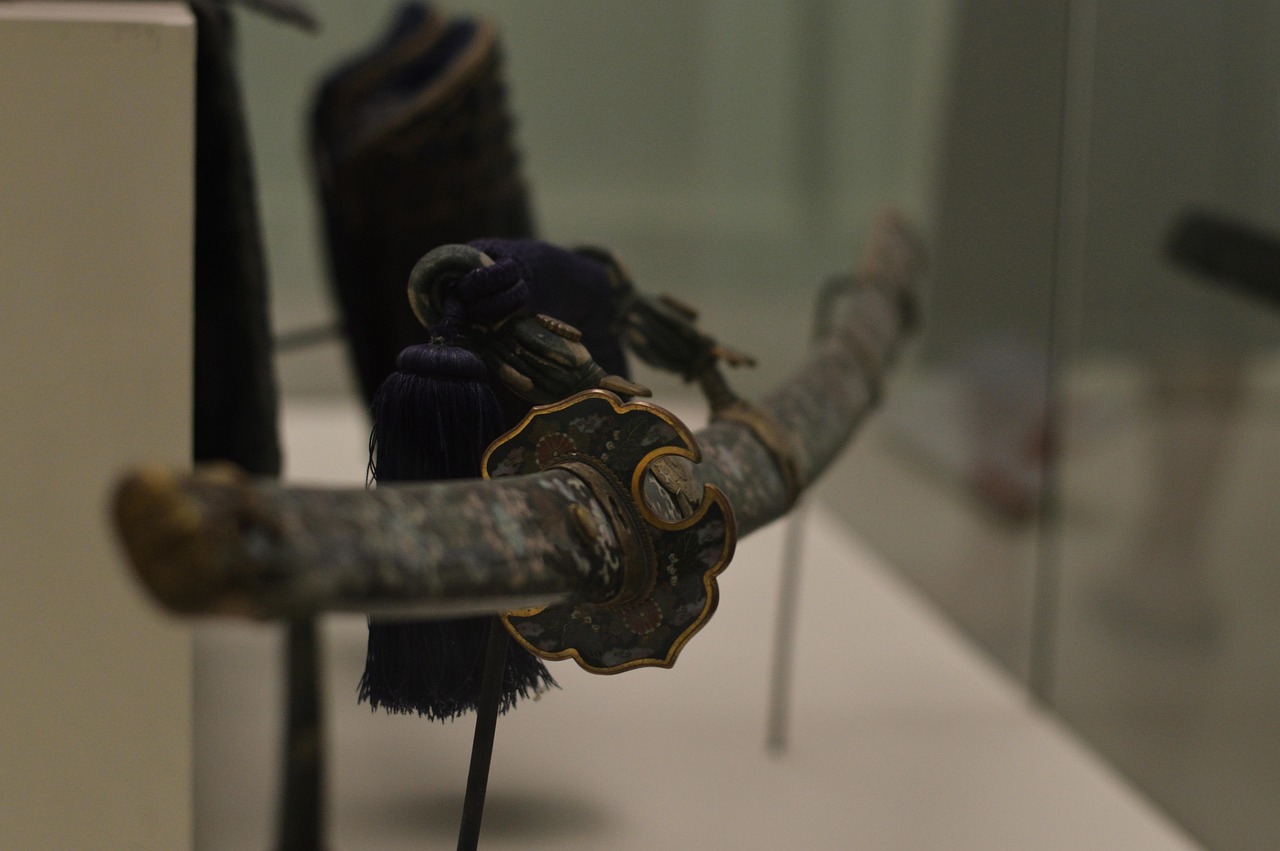
Honkan Japanese Gallery samurai armour and timeless art at Tokyo National Museum
The phrase to hold in your mind as you enter is simple: Tokyo National Museum Honkan Japanese Gallery samurai armour swords Japan. Honkan is the core Japanese Gallery, where craft and conflict sit side by side—lacquered armour, blades with a quiet authority, and traditional art that reveals daily life beyond the battlefield. For adventure seekers, it’s an intimate kind of adrenaline: close enough to notice the human decisions inside each object.
Look for signage that highlights historically significant works, including national treasures. Labels are well built for insight—guiding you across each period without overwhelming you. As you move, treat the collection like a set of clues, each room helping you discover what changed, and what endured.
Exhibition etiquette in Japan for a contemplative gallery
Photography rules matter here: no flash, no tripods, and keep voices low. That shared care protects the atmosphere for everyone, and it’s part of travelling together with trust—especially in rooms where an object’s presence is the point.
One visitor told us that seeing the samurai armour up close connected them to warrior culture so deeply it sparked a passion for historical re-enactments. If you want to create your own personal connection, try this micro-mission: pick one object and “track” it. Note materials, symbols, and small repairs—then imagine the hands that made it, wore it, and preserved it.
Tokyo National Museum Heiseikan exhibition archaeology Asian sculptures paintings

Heiseikan archaeology and changing exhibition highlights across Asia at Tokyo National Museum
For the deeper timeline, keep the exact phrase in mind as you walk in: Tokyo National Museum Heiseikan exhibition archaeology Asian sculptures paintings. Heiseikan is the archaeology and major exhibition hub, and it’s where you meet Japan’s oldest layers through prehistoric relics, tools, and fragments of everyday life. It’s quietly thrilling—proof that adventure can be measured in millennia.
The changing exhibition programme often expands your perspective beyond Japan, sometimes featuring Buddhist sculptures and paintings from across Asia. It’s a rare chance to compare belief, technique, and storytelling in one place, without leaving Tokyo.
Keep the exhibition pace seamless with expert support
If you like moving fast, ask for an English audio guide or use the official app so each room stays readable. One traveller recalled a special exhibition on ancient pottery that broadened their understanding of regional craft traditions—and inspired their own ceramic hobby back home. That’s the gift of Heiseikan: the moment where looking becomes learning, and learning becomes a new way of noticing.
- Costs: standard entry is typically around 620 yen for adults, with discounts for students and seniors.
- Special exhibition fees: some major shows add a separate ticket price.
- Timing: if a big exhibition is open, arrive earlier to keep your experience calm.
Tokyo National Museum Hyokeikan Toyokan Gallery of Horyuji Treasures event
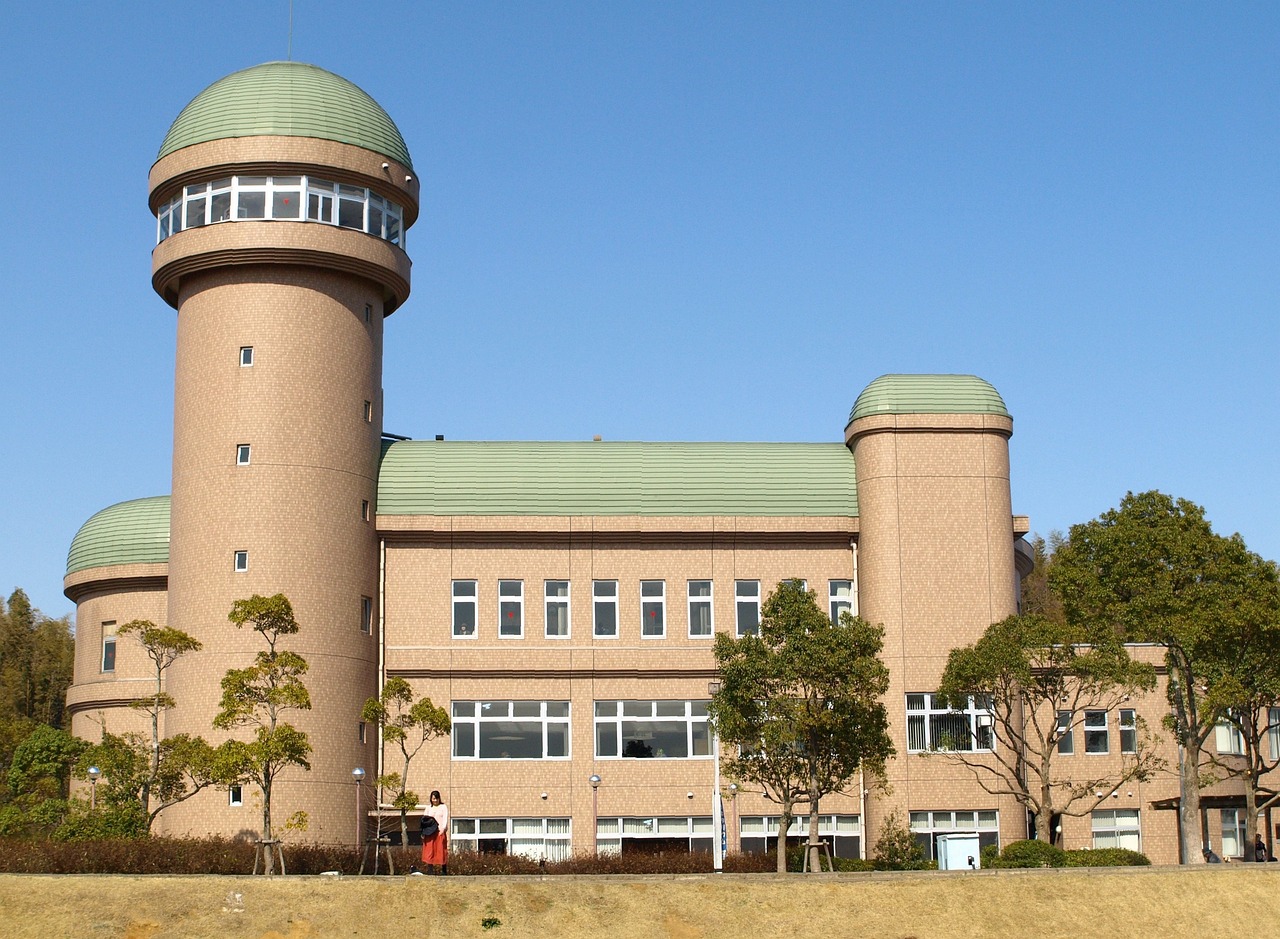
Hyokeikan Meiji elegance plus Toyokan and Gallery of Horyuji Treasures at Tokyo National Museum
This part of the grounds rewards travellers who enjoy discovering what others skim past. Use the phrase Tokyo National Museum Hyokeikan Toyokan Gallery of Horyuji Treasures event as your cue: Hyokeikan is a rare Meiji-era building, and when it’s hosting a seasonal programme it can feel like a hidden event within the museum. Even the architecture carries its own story—graceful, formal, and quietly proud.
Then shift to toyokan for broader context: motifs, materials, and display styles help you compare regions with fresh eyes, especially if you’ve just been immersed in Honkan. Seeing asian art alongside Japanese works creates contrast you can feel—different rhythms, different philosophies, one shared attention to craft.
Autumn light, open rooms, and a reverent stop in Japan
If you can, consider an autumn visit: Ueno Park softens, light turns gentler, and the pace slows. Do check what’s open on the day, as some buildings rotate access depending on the programme and conservation needs.
Finally, make time for the gallery of horyuji treasures. It’s a focused, reverent stop that deepens your sense of heritage, and it often feels like a quiet exhale after busier rooms. Signage is clear, and the app can support efficient movement between buildings so your day stays crafted, not hurried.
Tokyo National Museum garden cafe restaurant tips Japan for a crafted pause
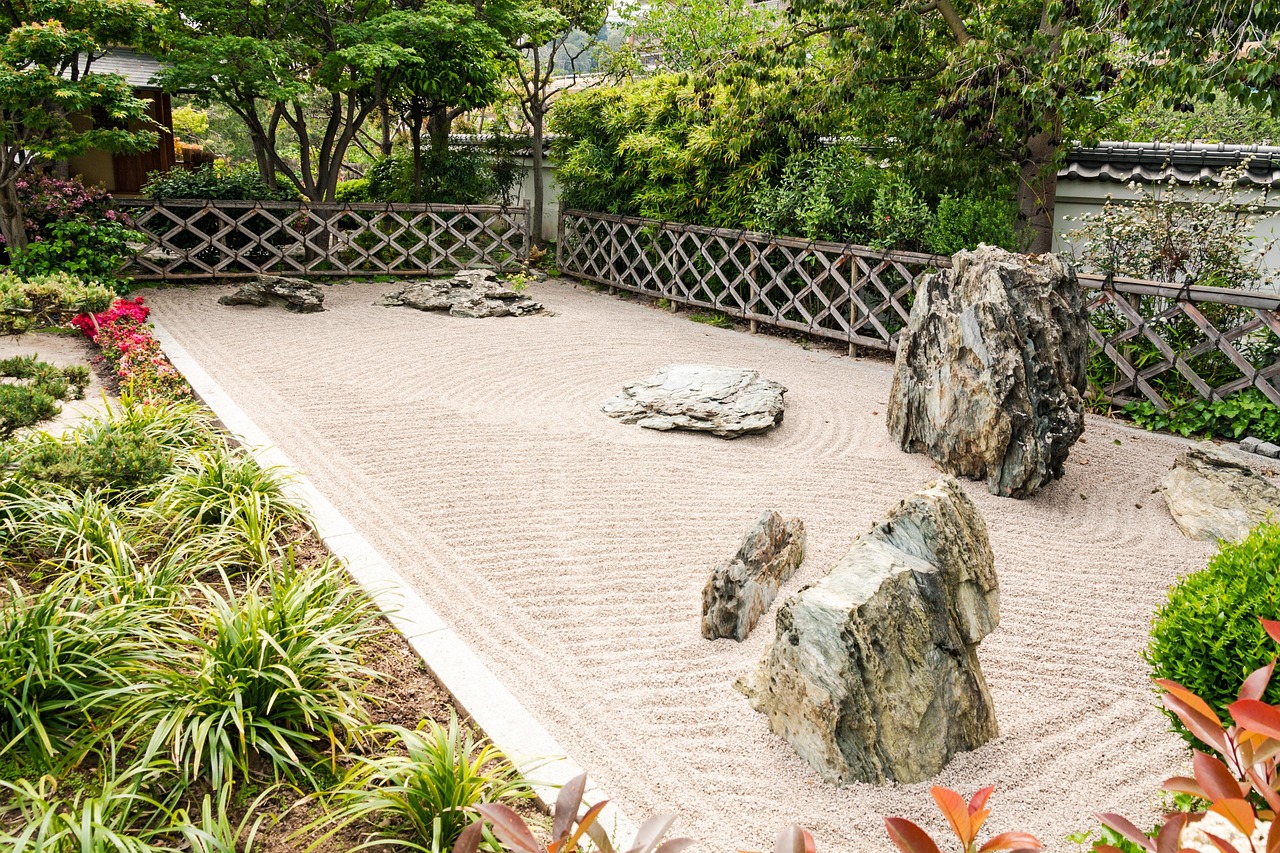
Garden interlude and practical comforts at Tokyo National Museum in Ueno Park
When the galleries start to feel like a beautiful overload, lean into the phrase Tokyo National Museum garden cafe restaurant tips Japan and give yourself permission to slow down. The outdoor Japanese garden is a calm counterpoint to the city pace—an intentional pause that restores energy and helps you explore with renewed confidence. It’s also where the museum’s refinement becomes physical: shade, gravel paths, and a sense of space.
One adventurer described the garden as a “hidden gem” for quiet reflection away from Tokyo’s speed. Follow their lead: notice sound (birds, footsteps), notice light, and let the stillness create a new kind of insight. The most luxurious moment is often the simplest—time to breathe.
Seamless comforts and small details that show care
Wear comfortable shoes; the site is large, and walking between buildings adds up quickly. When you’re ready, treat the on-site café or restaurant as self-care rather than a time loss—traditional teas and small snacks can reset your attention so the next room lands properly.
- Practicalities: use lockers to lighten your load and keep your hands free.
- Facilities: toilets are well signed—check the map early so you’re never searching.
- Photography: confirm which areas are open to photos, and always avoid flash.
These small choices are how you travel with trust and care, keeping the day feeling beautifully seamless.
Tokyo National Museum Japan personal reflection cultural journey after Ueno Park
As you leave Ueno Park, what follows you isn’t a checklist of rooms, but a quieter shift in how you see. The words Tokyo National Museum Japan personal reflection cultural journey fit because the museum’s heritage has a way of rearranging your attention: to joinery and lacquer, to the weight of metal, to the patience inside a painted line. You begin to respect not only the masterpiece, but the time—centuries of hands making, mending, and protecting.
For some, it’s the armour’s presence that lingers: not just power, but the intimacy of detail, the evidence of a person inside the idea of a warrior. For others, it’s a pottery curve glimpsed in passing, suddenly unforgettable. Or it’s the garden stillness—shade on a path—offering a calm you didn’t realise you needed.
That’s the lasting gift: a warm, human confidence in your own looking. You may find that later, in an everyday moment, you pause to notice craft where you once saw only function. And in that pause, the journey continues—quietly, gently—inviting you to stay curious, together with a sense of trust, care, and unhurried wonder.
F.A.Qs: Tokyo National Museum Japan
Is it worth going to the Tokyo National Museum?
Yes—especially if you enjoy culture with depth. The Tokyo National Museum offers a rare concentration of Japanese heritage, from samurai armour to archaeology, in an elegant setting that still feels welcoming. It’s also a rewarding stop for adventure seekers because the stories behind objects are vivid and personal, not abstract.
What is special about Tokyo National Museum?
Its range is what makes it special: a world-class collection spanning Japanese art, nationally significant works, and rotating exhibitions that can broaden your view across Asia. You can move from iconic historical objects to serene garden calm within the same grounds, creating a visit that feels both rich and restorative.
Do I need tickets for Tokyo National Museum?
Yes, you’ll need an entry ticket, and some special exhibition shows require an additional ticket. Weekdays are often easier for walk-up entry, while weekends can be busier, so planning ahead can support a calmer experience. On arrival, follow the signage for queues and ticket guidance.
How much time do I need at Tokyo National Museum?
Allow at least 2–3 hours for a satisfying first visit, or half a day if you want to explore multiple buildings at an unhurried pace. The site is large, with several galleries and a garden, so time passes quickly. A simple plan—Honkan plus one additional area—keeps it enjoyable.