Post Contents
- Things to Do in Tokyo: First Trip Itinerary & Tokyo Bucket List for 3–5 Days
- Tokyo Tower and Tokyo Skytree: best things to do for city from Tokyo Tower views & art
- Shrine calm and timeless culture: things to do in Tokyo at Meiji Jingu and Asakusa Senso-ji
- Shibuya style: fun things to do in Tokyo around Shibuya Crossing, Omotesando, Takeshita Street & Akihabara
- Stay in Tokyo: where to base yourself and get around Tokyo by train for Ginza dining
- Around Tokyo day trip ideas: Fuji views, Tokyo DisneySea, and Shinjuku Gyoen garden pauses
- What stayed with us after Tokyo: iconic Tokyo contrasts you’ll remember
- F.A.Qs: what to do in Tokyo Japan planning essentials
Things to Do in Tokyo: First Trip Itinerary & Tokyo Bucket List for 3–5 Days
Things to Do in Tokyo: first trip itinerary ideas and a Tokyo bucket list you can actually enjoy
If you’re searching for things to do in tokyo, a clear tokyo itinerary, and a calm answer to what to do in Tokyo Japan without feeling rushed, treat your days like a design brief: light, distance, and mood first—then choose each attraction. On a first trip to tokyo, the goal isn’t to collect neighbourhoods; it’s to create an easy rhythm, with quiet pauses between bright, iconic tokyo scenes.
For most travellers, 3–5 days in tokyo is the sweet spot: enough contrast, not so much that you live out of a suitcase. Plan early mornings for gardens and a shrine, then evenings built around reservations and rooftop views. This article is both a tokyo travel guide and a practical tokyo guide—supportive in the background while you explore tokyo with confidence.
Tokyo bucket list map: Tokyo Station to Shibuya contrast route
Begin with the arrival moment at tokyo station: polished platforms, immaculate signage, and that subtle sense of trust that Tokyo runs on time. From there, stroll around the Imperial Palace gardens—green, dignified, and quietly local. Many travellers describe the awe of moving from these calm paths straight into the bright theatre of shibuya; in a single afternoon, you understand that tokyo is a city of layered worlds.
From the palace area, it’s seamless to dip into shibuya crossing later in the day when the neon begins to glow. That contrast—garden hush to shibuya energy—becomes one of the best things you’ll carry home, because it changes what you notice about movement, space, and modern life.
Best places to visit in Tokyo by district: plan your time in Tokyo
To keep your itinerary crafted rather than crowded, think by district. Ginza is for refined dining; Roppongi is art and skyline drama; asakusa is old Tokyo texture; shibuya is pulse and people-watching; Omotesando is design-led luxury. You’ll still hit the best places and the best things, but with breathing room and a route that makes sense.
Here’s a simple framework you can adapt for a smooth visit to tokyo—especially helpful on a first trip when decision fatigue is real:
- Morning: shrines, gardens, and museums (cooler air, fewer crowds).
- Afternoon: one neighbourhood focus (shopping, a street in tokyo discovery, and a café pause).
- Evening: a reservation-led meal, then a rooftop for city lights and low-noise conversation.
Allow for early starts—especially when you don’t miss the quiet beauty that disappears by midday. Give yourself late evenings for rooftops and performance; with one saved map and a pre-chosen station exit, you’ll get around tokyo without friction and keep your itinerary feeling intentional.


Tokyo Tower and Tokyo Skytree: best things to do for city from Tokyo Tower views & art
When you’re comparing tokyo tower with tokyo skytree, it helps to treat viewpoints like galleries: choose your timing, choose your lens, and let the city reveal itself. It’s one of the best places to understand scale quickly—without spending your whole day in queues—and it’s an easy anchor for a polished tokyo itinerary.
Start with tokyo tower for classic romance—warm orange steel against a glittering skyline. For your best view, arrive around golden hour on a clear day, giving yourself time to linger as the lights come on. If you’re photographing, take a graceful approach: fewer rapid shots, more composed frames with a foreground detail so the story feels personal, not generic.
Tokyo Tower observation decks: tips on the best view and timing
Choose the higher deck if you want drama and distance, but don’t rush past the lower level—its views of tokyo tower details can feel more intimate, and you can settle in without pressure. Look for reflections in the glass, and step slightly off-centre for cleaner skyline lines.
If you’re debating whether it’s worth a visit to add Skytree on the same trip, consider what you want: Tokyo Tower is character; Skytree is clean, modern precision. When you do opt for tokyo skytree, book timed tickets ahead so you avoid peak queues and keep the day seamless—especially if you’re fitting multiple attractions into one afternoon.
Mori Art Museum in Roppongi: one of the best places for rooftop perspective
For skyline drama with cultural depth, head to Roppongi Hills. The Mori Art Museum offers a modern lens on japan as a whole—bold exhibitions that feel current, curious, and sometimes delightfully challenging. An artist we met here described leaving the galleries buzzing with new ideas, then taking that inspiration up for “views of the tokyo” skyline that made the city feel like a living sketchbook.
Design an easy evening loop: museum time, a rooftop cocktail, then a calm return by train. It’s one of the best things about Tokyo—high energy, yet you can still move through it with quiet confidence when your route is planned.
Shrine calm and timeless culture: things to do in Tokyo at Meiji Jingu and Asakusa Senso-ji
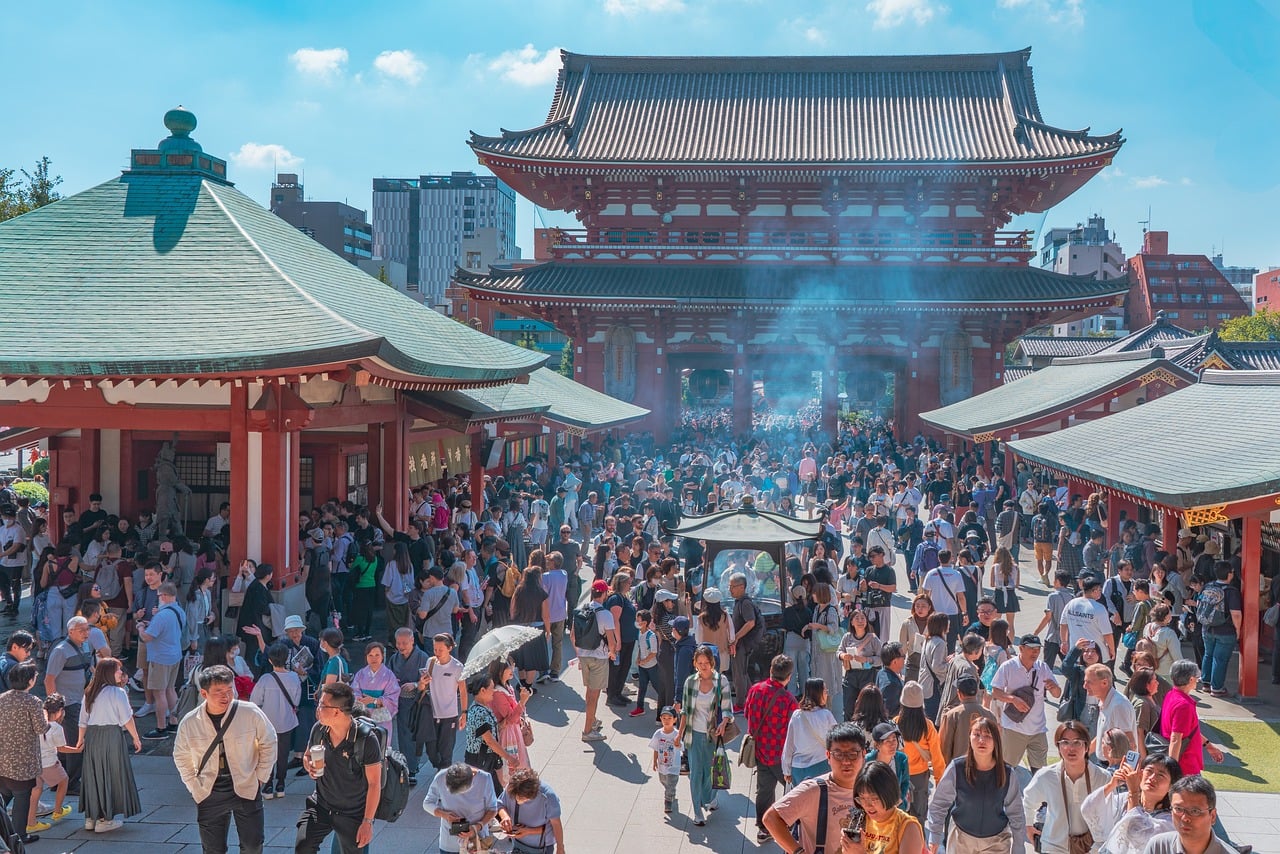
Shrine calm and timeless culture: Meiji and Asakusa experiences for a slower Tokyo day
When you’re choosing things to do in tokyo that feel meaningful, remember that calm is part of the luxury. A well-timed visit to a shrine can reset your whole day, offering stillness that makes the city’s colour feel even more vivid afterwards. If you want to see in tokyo both tradition and modernity, pairing Meiji with Asakusa is a dependable plan.
The transition into meiji Jingu is the point: you enter through forested paths and your pace naturally softens. The air changes. Sound dulls. It’s a form of care Tokyo offers, if you let it.
Meiji Shrine, Yoyogi Park and a restorative shrine walk
Meiji Shrine grounds are free to visit, and that generosity is part of their quiet power. A solo traveller once described joining a traditional Shinto blessing ceremony here, feeling unexpectedly grounded—less like a spectator, more like someone invited to witness something living. If you’re open to it, this is one of the most memorable experiences in tokyo.
Afterwards, drift into yoyogi park, especially in spring when cherry blossoms soften the city’s edges. A few etiquette notes show trust and respect: bow softly at the torii gate, keep voices low, and follow signs about photography. If you step inside a sacred area, check whether shoes should be removed in designated places.
Asakusa Senso-ji: street food, shopping and Kabuki elegance
Later, head to asakusa for texture and tradition. Walk towards Senso-ji and take your time along Nakamise Street, where the scent of sweets and incense feels timeless. This is an easy place to create memories without forcing an agenda, and a lovely contrast to shibuya’s pace—one of those unique things that makes a tokyo trip feel personal.
For visitors who like practical detail, it helps to know there’s plenty of asakusa culture tourist information on site and near the station, making the area simple even on a first trip. Try one or two street food bites—think freshly made ningyo-yaki—then choose a single souvenir you’ll genuinely use, rather than buying in bulk.
To close the day with something truly Tokyo, dress elegantly and attend a Kabuki performance at the Kabuki-za Theatre. Book seats in advance (your hotel concierge can support), and consider renting an English audio guide so you can relax into the story. It’s one of Tokyo’s must-see places when you want culture that feels intimate, not staged.
Shibuya style: fun things to do in Tokyo around Shibuya Crossing, Omotesando, Takeshita Street & Akihabara
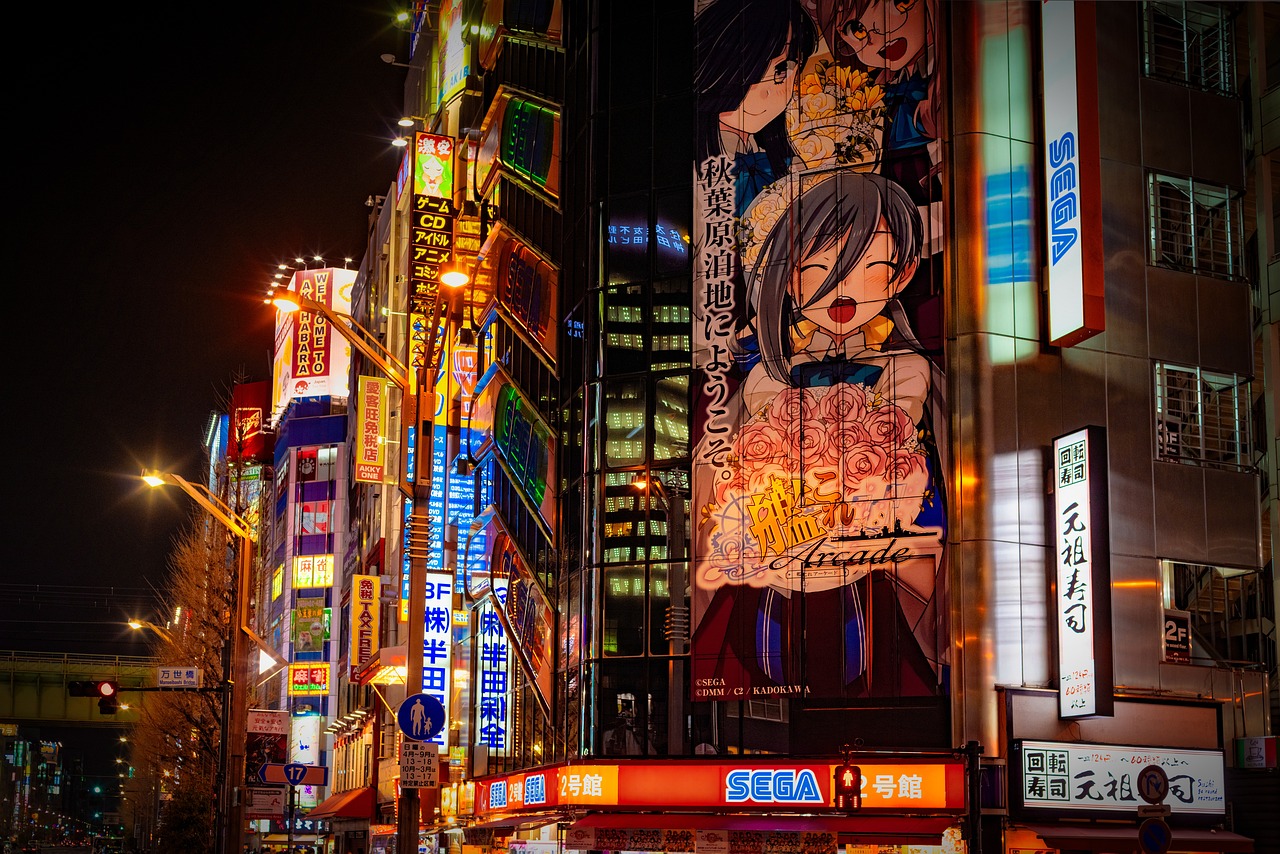
Shibuya style: fun things, shopping, and pop culture routes from Omotesando to Akihabara
For fun things in shibuya and beyond, the key is timing and meeting points. Shibuya can feel like a beautiful storm if you arrive unprepared; with a simple plan, it becomes one of the most enjoyable places in tokyo to people-watch, shop, and soak up modern Japan. If your question is still “what are the best things to do in tokyo?”, start here for an immediate hit of energy.
Begin with a confident approach to shibuya crossing. Arrive slightly before peak commuter time so you can take a first look, then cross when you’re ready rather than being swept along. If you’re meeting someone, choose a clear landmark inside shibuya station (the Hachikō area is classic), and screenshot your exit number—small details that create calm.
Shibuya Crossing viewpoints: meet-ups at Shibuya Station made easy
For an elevated view, choose a café or viewing platform and watch the choreography from above. It’s a small insight into the city’s quiet order: thousands move, yet it rarely feels chaotic. If you’re travelling together, agree a single “reset” spot nearby in case you get separated—shibuya rewards simple back-up plans, especially when you’re trying to keep your itinerary smooth.
After your crossing moment, explore a few backstreets to uncover boutiques and design-led stores. This is where shibuya becomes more local, less headline—and it’s well worth a visit if you want a calmer version of the district.
Omotesando design route, Takeshita Street treats and Akihabara culture
Omotesando is Tokyo’s Champs-Élysées, but with a Japanese eye for detail—architecture, materials, and the art of the display. Create a curated route: one or two flagship galleries, an artisan fragrance stop, and a focused purchase you’ll treasure. Luxury here feels understated, which is part of its appeal.
For contrast, dip into takeshita street early in the morning, before the crowds build. Treat it as playful theatre rather than a shopping mission, then balance the energy with a calm café nearby. Later, step into akihabara for cutting-edge technology and collector culture; it’s it’s one of the best areas for niche shopping when approached with curiosity and a clear stopping time.
Stay in Tokyo: where to base yourself and get around Tokyo by train for Ginza dining
Stay in Tokyo: hotel bases, train access, and Ginza dining for an easy city rhythm
If you’re researching where to stay in tokyo, comparing hotels in tokyo, and how to move by train with ease, start with the lifestyle you want at the door. A seamless base is the difference between simply seeing Tokyo and genuinely enjoying it—especially if you’re planning reservations, galleries, and evenings out. For many travellers, choosing where to stay is one of the best things you can do before a trip to tokyo.
Ginza suits travellers who love refined dining and immaculate service. Roppongi is ideal for nightlife and museums. Shibuya is for trend energy and late-night buzz. For quieter stays, choose neighbourhoods near gardens so you can step out into calm before the city fully wakes—an easy way to make your visit tokyo feel less frantic.
Hotels in Tokyo: Park Hyatt Tokyo vs newer best hotels
Park Hyatt Tokyo remains iconic for its atmosphere and sense of hush above the city, and it’s still a strong choice for travellers who value discreet service. That said, Tokyo’s best hotels now include newer properties with standout wellness spaces and more contemporary design—so compare based on what you need: larger rooms, spa time, or a specific neighbourhood feel. If you prefer to be near shopping and nightlife, consider shibuya or Ginza; if you like calm mornings, look near parks and museums.
When you want inspiration for different travel styles and a visual sense of neighbourhoods, browse our Trip gallery for a designer’s view of Japan’s most compelling stays and routes.
To get around Tokyo, lean on the Tokyo Metro and the JR Yamanote Line. You’ll quickly learn the train rhythm: platforms marked with precision, clear carriage signage, and a quiet social agreement that makes commuting feel civil. At tokyo station and shinjuku station, give yourself extra time once—then you’ll move with confidence every other day. If you’re connecting via shinjuku station at night, keep your map open and choose one exit to commit to.
Practical essentials for a high-end, low-friction trip:
- Set up a Suica or Pasmo card early for seamless tap-and-go travel.
- Bring a portable Wi‑Fi device or SIM card for navigation and reservation confirmations.
- Carry some cash: a surprising number of places still don’t accept international cards.
- Follow etiquette: quiet carriages, no loud calls, and remove shoes when indicated.
Dining is where Tokyo becomes truly crafted. Many high-end restaurants in tokyo require reservations weeks in advance, particularly sushi and kaiseki. One couple described an unforgettable evening in Ginza: personalised service that anticipated every need, and seasonal dishes that felt like edible art—precise, restrained, and deeply satisfying. If you’d like something interactive, book a private sushi-making class; it’s an expert-led way to appreciate ingredients and enjoy the best food with context before you try the most in-demand counters.
Around Tokyo day trip ideas: Fuji views, Tokyo DisneySea, and Shinjuku Gyoen garden pauses
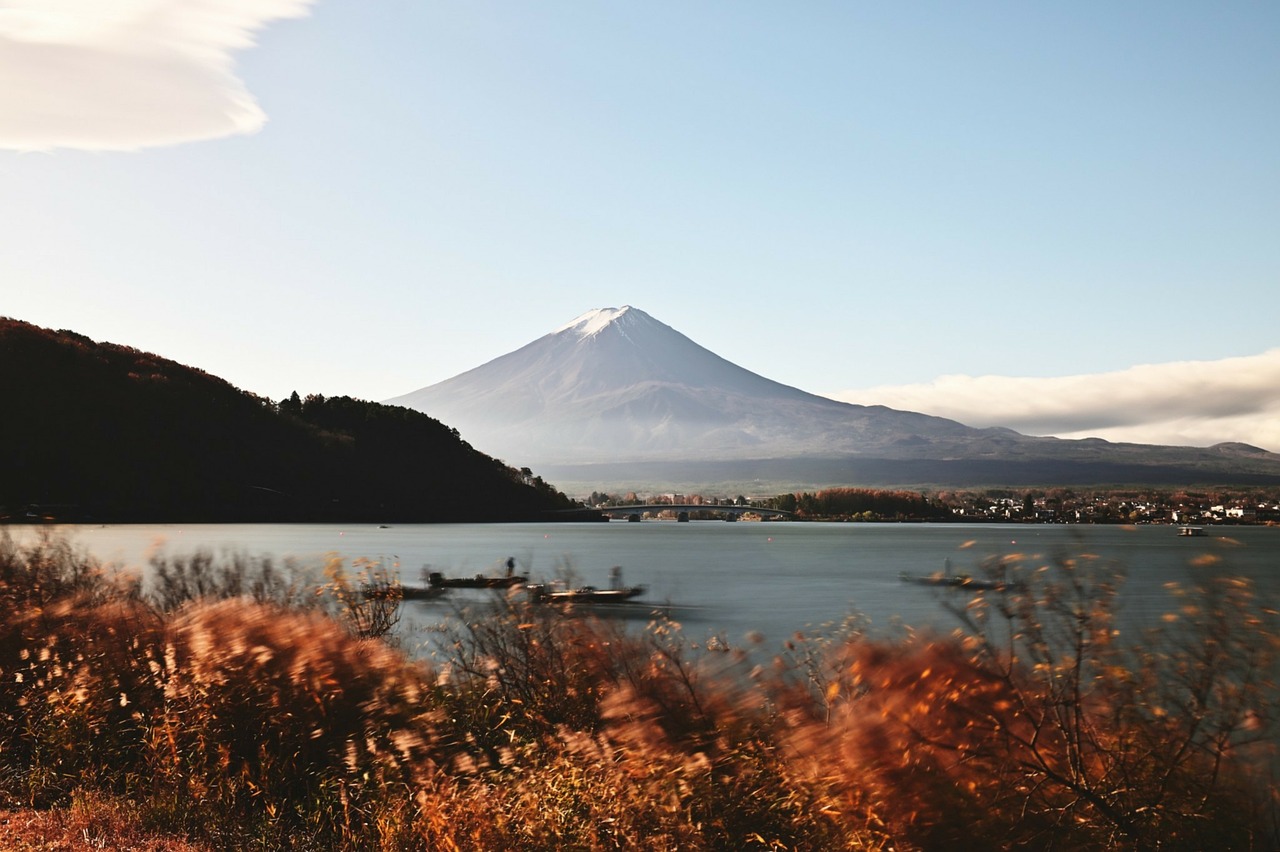
Around Tokyo day trip ideas: Fuji, Disney parks, and garden pauses that balance the city
For around tokyo planning, the luxury move is pacing: early departure, pre-booked transfers where it matters, and a return that doesn’t exhaust you. A day trip should feel like a change of scene, not a test of stamina—especially when you still want a relaxed dinner back in the city and more things to do in tokyo the next morning.
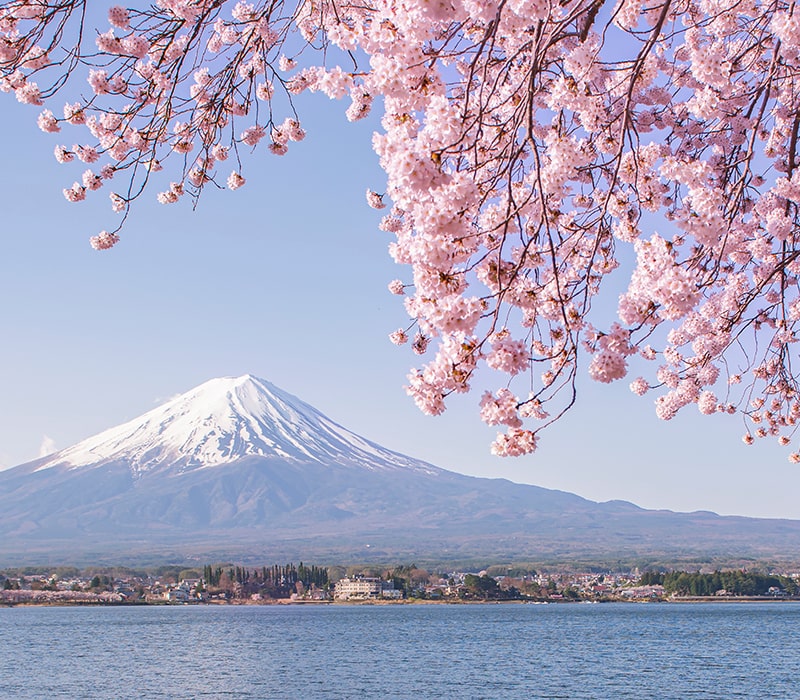
If you’re considering fuji, choose based on season and visibility. Clear winter days can be spectacular, while summer haze can soften the outline. This is why a good japan itinerary builds in options rather than promises, so your japan trip still feels supported if the weather shifts.
Fuji day trip options: Hakone, lakeside routes, and west of Tokyo viewpoints
Hakone is ideal for hot springs, art, and classic vistas—perfect if you want a curated mix rather than purely chasing a single view of Fuji. Alternatively, a lakeside route can feel serene and romantic, especially for couples. For those who prefer ease, a private driver day trip is an elegant solution: fewer logistical decisions, more time for photographs, tea stops, and simply being present in the landscape west of tokyo.
If you book tours, read inclusions closely and choose reputable operators. Many travellers like to compare options on platforms such as get your guide, then ask their hotel to confirm timings and pick-up points so the day runs seamlessly.
Tokyo DisneySea strategy plus Shinjuku Gyoen National Garden reset
Tokyo DisneySea is a surprisingly polished choice—one of those unique things that can delight even seasoned travellers, thanks to its design, waterfront atmosphere, and strong food standards. If you’re travelling as a family, tokyo disneyland may fit better. Either way, keep it premium: buy passes in advance, set dining reservations, and be realistic about what you can cover in one day. Choose a few signature attractions rather than racing across the park.
Back in the city, build in green pause points to balance shibuya’s buzz. shinjuku gyoen and shinjuku gyoen national garden are ideal for seasonal colour—cherry blossoms in spring, fiery leaves in autumn (September to November). These calm spaces help you slow down, notice details, and return to the city feeling refreshed rather than over-stimulated—one of the best things you can do if you have weeks in tokyo or only a few nights.
What stayed with us after Tokyo: iconic Tokyo contrasts you’ll remember
What lingers isn’t a checklist of places to see; it’s the gentle tension between a shrine’s hush and the glow of neon, and how naturally Tokyo holds both. Days after you leave, you might still hear the quiet choreography of the train, or remember the perfect service that never once felt performative—only attentive, steady, and kind.
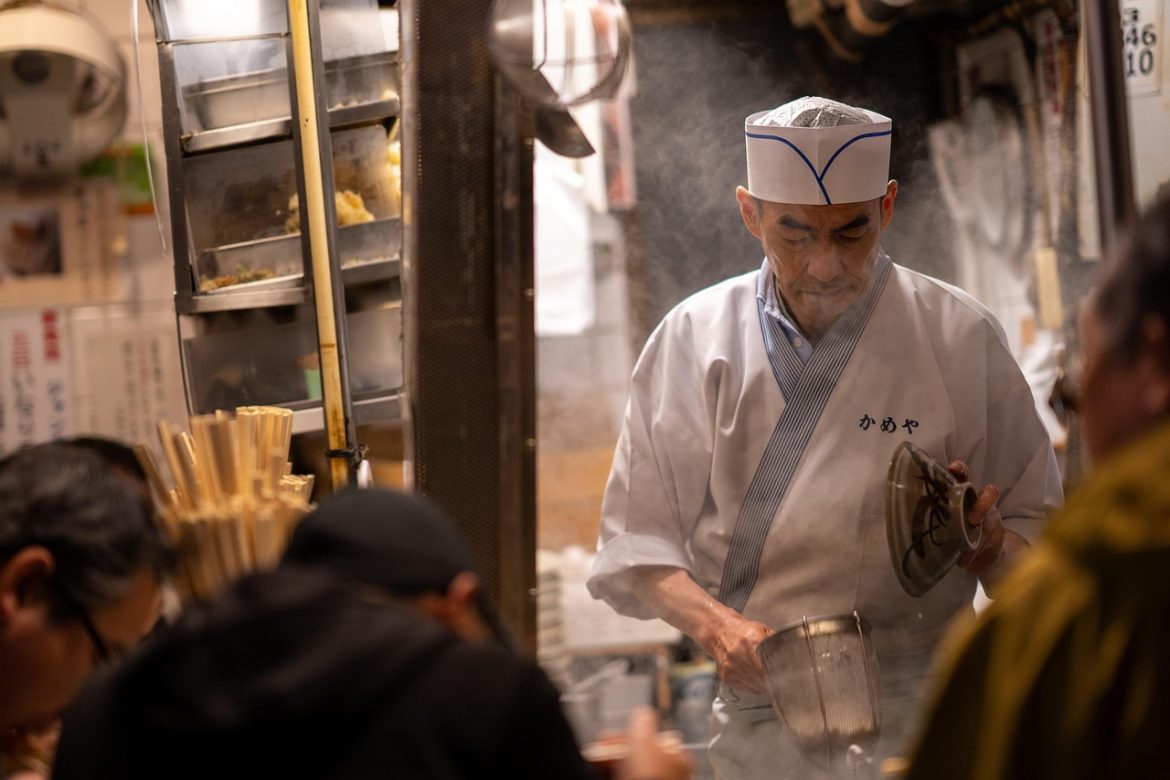
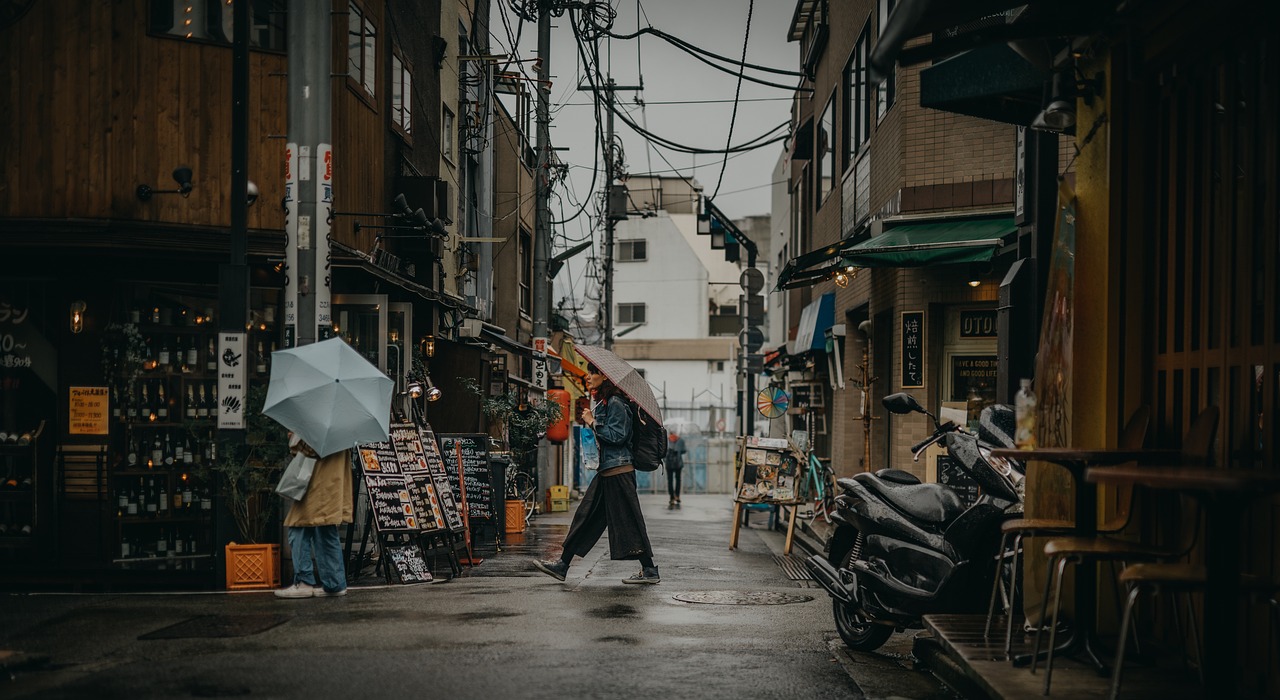
Seasonal flavours return in flashes: a delicate broth, a bite of something sweet in asakusa, the way a chef’s hands moved with calm certainty. You may find yourself thinking about shibuya too—not just the crossing, but the surprising softness in the side streets, where everyday life continues beyond the spectacle.
There’s a confidence Tokyo gives the traveller, especially when you felt supported: the sense that you can explore boldly and still move with care. When friends ask about the best places to visit or things to see in tokyo, you’ll likely recommend fewer stops—but better timed ones, with a little space to breathe.
And perhaps that’s the real gift of a tokyo trip: you don’t “finish” the tokyo city. You simply leave with a new version of it inside you, and the feeling that, in another season, it would show you something different again—don’t miss the chance to return if you can.
F.A.Qs: what to do in Tokyo Japan planning essentials
What are the must-do things in Tokyo?
For most travellers, the must-dos include a skyline view from Tokyo Tower, a peaceful visit to Meiji Shrine, a day in Asakusa at Senso-ji, and an evening in Shibuya to experience Shibuya Crossing. Add one art moment such as Mori Art Museum, plus one reservation-led meal in Ginza to experience Tokyo’s refined hospitality—one of the best things about the city.
Is $2000 enough for 1 week in Japan?
$2000 can work for one week in Japan with careful choices, but it’s tight for high-end travel once you add intercity transport, premium hotels, and fine dining. You’ll do better by prioritising a few standout experiences, booking trains early, and mixing mid-range meals with one or two special reservations.
Is 3 days enough for Tokyo?
Yes—three days is enough for a beautifully curated Tokyo itinerary if you focus on a few districts rather than trying to cover everything. Combine one cultural morning (Meiji or Asakusa), one art-and-views evening (Roppongi), and one modern day centred on Shibuya and Omotesando, with smart reservation timing.
Is $1000 enough for 1 week in Japan?
$1000 for a week in Japan is possible for budget travel, but it requires strict spending control, simpler accommodation, and fewer paid attractions. For Tokyo in particular, transport, food, and admissions add up quickly. If comfort matters, consider increasing the budget or shortening the trip and travelling more slowly.