Post Contents
- Inside Shinjuku: things to do in Shinjuku starting at Shinjuku Station, Tokyo, Japan
- Tokyo skyline from the Tokyo Metropolitan Government Building: observation deck views northwest of Shinjuku Station
- Shinjuku Gyoen National Garden: best things for a peaceful garden escape in Tokyo
- Golden Gai nightlife and Omoide Yokocho: intimate bars, food stalls, and late-night ramen
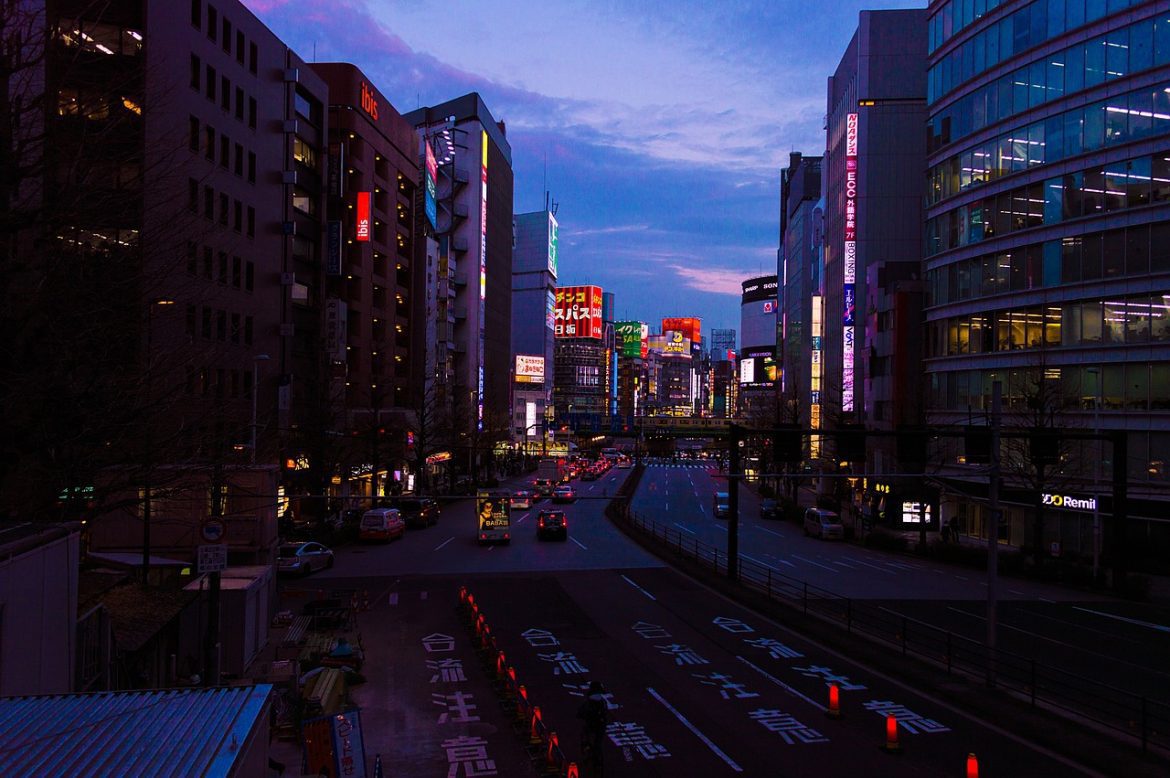
- Kabukicho at night: neon, the 3D cat billboard, and modern Shinjuku highlights
- Hanazono Shrine: a Shinjuku shrine stop and balanced places to go in Tokyo
- Shinjuku itinerary: best things to do in Shinjuku Tokyo Japan with luxury pacing
- F.A.Qs: what to do in Shinjuku Tokyo Japan
- What stays with you after Shinjuku: garden calm, skyline light, and neon nights
Inside Shinjuku: things to do in Shinjuku starting at Shinjuku Station, Tokyo, Japan
If you’re deciding what to do in Shinjuku Tokyo Japan, begin with the simplest advantage: everything radiates out from Shinjuku Station. The station isn’t just a transport node—it’s the most practical way to design a confident day, because department stores, a major garden, and late-night streets all sit within a short radius once you choose the right exit. This Tokyo neighborhood rewards travellers who plan lightly but move with intention, even during peak hours.
Start by orienting yourself to the main exit area of Shinjuku Station, then choose the east exit when you want immediate energy—shopping streets, bright signage, and quick access towards Kabukicho and Golden Gai. If you’re meeting a guide or car, your concierge can confirm an exact pick-up point such as Shinjuku Gate, because the station’s scale can feel theatrical at first. A small detail that helps: look for clear subway signage, and pause for ten seconds before committing to a corridor—your pace sets the tone.
The station flow becomes intuitive once you treat it like a hotel lobby: you arrive, you scan, you choose. Follow bilingual signs to the east side—this is where the exit of Shinjuku Station many visitors use for shopping and evening plans. You’ll also see references to Shinjuku Station’s east exit and, in some sign clusters, the station’s east exit—all pointing you towards the same lively direction.
If you’re switching lines, ask station staff with a simple line name and platform number; they’re used to helping a Shinjuku tourist find their bearings quickly. It’s also worth noting the internal shopping and services: lockers, ATMs, and quick pastry counters make it easy to create a comfortable arrival ritual before you step out.
A high-end way to move around Shinjuku without backtracking or decision fatigue
For a more seamless arrival, high-end travellers often use luggage-forwarding (takkyubin) from the airport or a previous hotel so they can explore unburdened. If you’re arriving with bags, consider your first stop as a department store concierge desk—many can help coordinate delivery, call a taxi, or advise on the fastest routes.
Private car pick-up can be ideal late at night, but in the early evening a taxi is often faster than waiting in a queue. A concierge can support you by pre-scheduling pick-ups near a clearly named landmark; this is especially helpful when you’re leaving after Shinjuku at night, when streets blur into neon and crowds.
Here’s a mini walking framework—a gentle walk from Shinjuku Station that keeps your day elegant and efficient: begin on the east side for department stores, drift towards Shinjuku Gyoen for a midday reset, then return towards the nightlife zones for Golden Gai and Kabukicho. This keeps your Shinjuku activities feeling curated rather than rushed, and lets you explore around Shinjuku with confidence.
Timing is your quiet advantage. Early morning brings a rare hush to major pavements, lunchtime is perfect for a food hall browse, and Tokyo night arrives like a curtain lifting—neon signs flicker on and the district’s personality changes street by street. Shinjuku is also remarkably safe; still, keep personal belongings secure in crowded concourses and platforms, and you’ll move with easy trust.


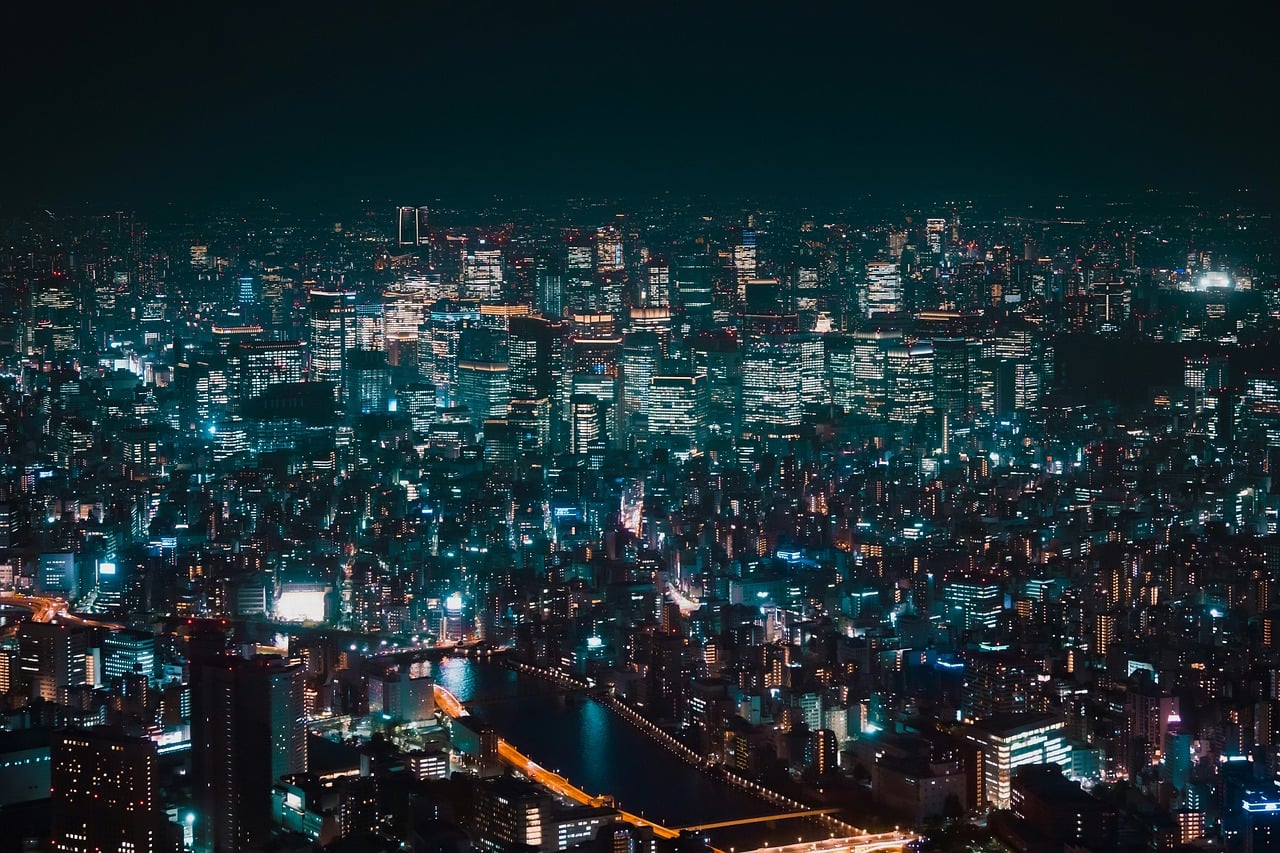
Tokyo skyline from the Tokyo Metropolitan Government Building: observation deck views northwest of Shinjuku Station
If you’re searching for the Tokyo Metropolitan Government Building, it’s one of the best things to add to your day for an elevated perspective with zero ticket stress. This landmark has a free observation deck, and the lift ride itself feels like a quiet transition—street-level bustle dissolving into a wide panorama and a memorable view from the Tokyo. It’s a refined attraction in western Tokyo that rewards travellers who arrive unhurried.
Plan to come in the late afternoon and you’ll see the city soften. One traveller once described it as “watching Tokyo breathe”: the sunset glow touches rooftops, and then—almost imperceptibly—the lights begin to appear one by one across Tokyo city. That slow ignition is a perfect photo moment, particularly if you prefer atmosphere over spectacle.
How to plan an unhurried observation deck visit for golden hour
For golden hour, aim to arrive 45–60 minutes before sunset so you can settle in without rushing. Queues vary by season, but a calm strategy is simple: go on a weekday if you can, and avoid the tight after-work rush. Accessibility is generally excellent with lifts and step-free access, which makes this a comfortable stop for all travellers.
For the clearest long-distance view, ask staff which direction is best that day—visibility changes with weather. On a crisp autumn afternoon, the skyline can feel etched; in spring, the light is gentler and the city looks almost lacquered.
Projection mapping and a refined Tokyo night pairing near the towers
At certain times of year, you may catch projection mapping on or around the building; a projection mapping show can turn the plaza into an open-air gallery. Seasonal schedules vary, so your hotel team or an expert guide can check the latest timings and help you design the evening around it.
To keep the rhythm cinematic, pair the observation deck with a pre-booked cocktail or a carefully chosen tea nearby before you head back into the brighter streets. This is where travel in Tokyo becomes personal: you’re not collecting things to see, you’re creating a pace that fits you.
From here, it’s also a pleasant stroll towards Shinjuku Central Park—a quieter urban pause near the towers—before you continue your evening.
Shinjuku Gyoen National Garden: best things for a peaceful garden escape in Tokyo
For a restorative reset in the heart of the city, Shinjuku Gyoen National Garden is the elegant antidote to the district’s velocity. This landscaped refuge blends Japanese tradition, French formal lines, and English openness—proof that calm can exist in the middle of central Tokyo. Shinjuku Gyoen is one of the most rewarding places to go when you want stillness without leaving the city behind.
Visitors often recount the calming effect of morning walks here: birdsong, dew on lawns, and a quieter version of themselves returning. The contrast can feel almost surreal—step outside and the city returns in full colour; step inside and you uncover a softer Tokyo.
Garden zones for a slow, luxurious wander through different landscapes
Enter with a simple plan: begin in the formal gardens for symmetry and photographs, then drift into the English landscape section where the space feels more expansive. In the Japanese garden areas, pause by water features and traditional plantings—the atmosphere encourages attentive looking that’s rare in the city.
Admission is about 500 yen, and the etiquette is gently observed: keep voices low, take your time, and treat it as a peaceful ritual rather than a checklist stop. Bring water, especially in warmer months, and let your phone stay in your pocket for stretches—this is where the day becomes personal again.
Seasonal planning for cherry blossom season, cherry blossom viewing, and autumn colour
Spring and autumn are the most rewarding seasons for high-end travellers. During cherry blossom season, arrive early on a weekday to avoid peak crowds and to enjoy the hush before the city fully wakes. If you’re visiting Tokyo specifically for blossom viewing, ask locally for the best cherry blossom viewing spots inside the park—conditions shift year to year, even within cherry blossom hot spots.
In autumn, the colours feel curated: gold, russet, and deep green. It’s a gentle reminder that even in the world’s busiest urban rhythms, nature still sets a quieter calendar.
For soft luxury, consider a thoughtfully chosen picnic—perhaps a takeaway pastry and seasonal fruit from nearby department stores—then sit for ten minutes with no agenda. This is the moment many travellers remember most, long after the neon fades.
Golden Gai nightlife and Omoide Yokocho: intimate bars, food stalls, and late-night ramen
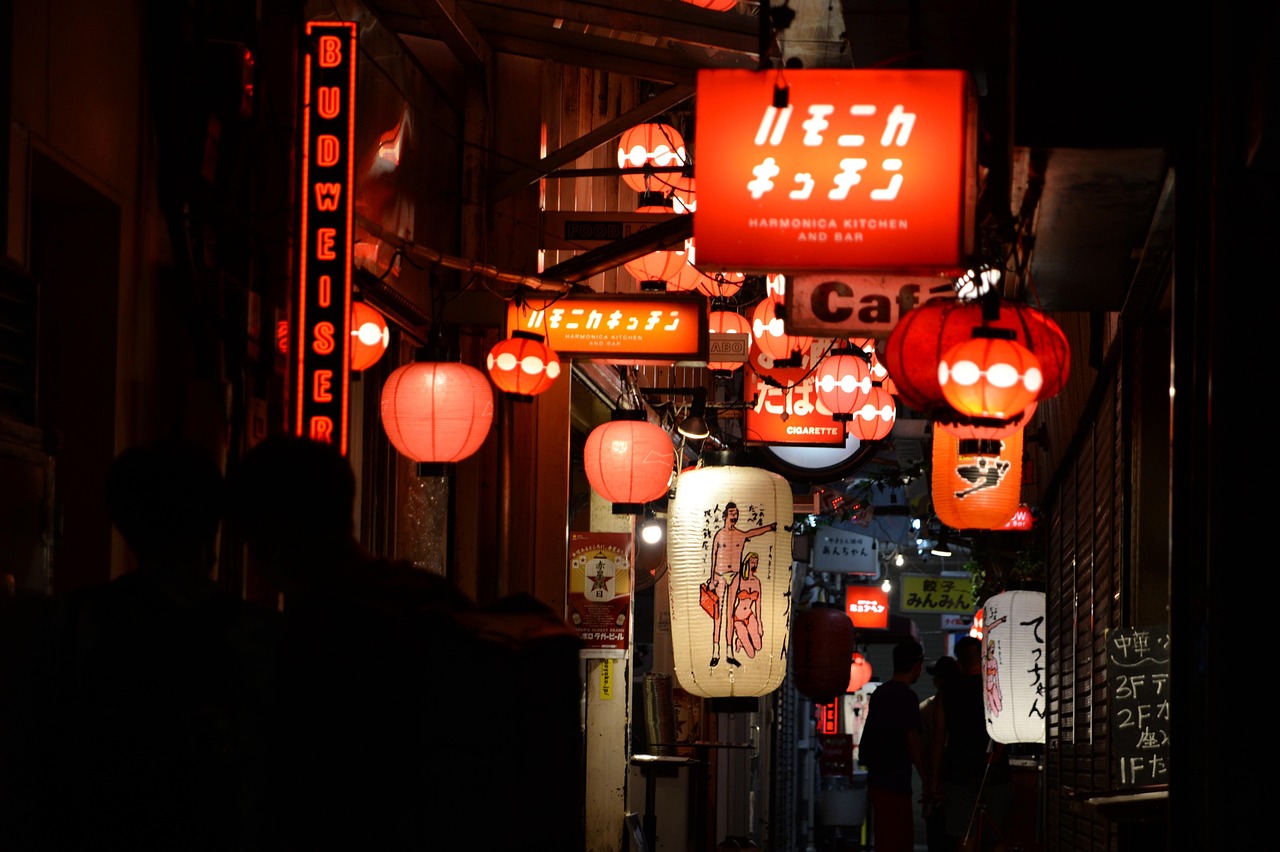
Golden Gai nightlife and Omoide Yokocho: Memory Lane atmosphere
For an evening that feels distinctly local, the pairing of Golden Gai and nearby lanes is all about intimacy—small doors, tiny rooms, and conversations that belong to the night. Golden Gai is a compact attraction with a sophisticated cocktail culture, best enjoyed with quiet voices, respectful photography, and genuine curiosity. It’s one of those unique experiences where Tokyo feels less like a metropolis and more like a series of carefully kept secrets.
A luxury traveller once shared how a private guided night tour through Golden Gai revealed hidden gems of Tokyo’s bar craft—an introduction to bartenders who treat ice, glassware, and balance like an art form. The feeling wasn’t loud; it was warm, attentive, and unexpectedly personal. With the right support, this area can also be shaped into a light Shinjuku food tour focused on small bites and classic drinks.
Golden Gai etiquette, cover charge expectations, and how to feel at ease
Expect that some bars have a cover charge, and policies vary by doorway. It’s polite to buy at least one drink, keep your tone low, and ask before taking photographs. If you’re unsure which bar welcomes visitors, a guide or concierge can suggest places that feel open and relaxed, helping you enter with confidence rather than hesitation.
To keep the experience refined, choose one or two bars and linger; bar-hopping too quickly can feel like you’re rushing through someone else’s living room. Let the night unfold gently—this is Tokyo night at its most human.
Omoide Yokocho (Memory Lane) bites, then a comforting ramen finish
Just nearby, Omoide Yokocho—often called memory lane—offers a different texture: smoky lantern light, close-set counters, and a relaxed drift past food stalls. The charm is in the simplicity: a few skewers, a small beer, and a moment of people-watching. Think of it as an edible postcard rather than a full evening meal.
If you want something grounding afterwards, this is an ideal moment for ramen. Choose a calm, well-reviewed shop and enjoy the ritual—steam, depth, and a quiet reset before you return to the brighter streets.
Safety is excellent, but use judgement: avoid aggressive touts, keep your belongings close in crowds, and if a doorway feels pushy, step away. The best nightlife in Shinjuku never needs to hurry you inside.
Kabukicho at night: neon, the 3D cat billboard, and modern Shinjuku highlights
Kabukicho after dark: neon icons and playful modern Tokyo
In Kabukicho, nuance matters. It’s Tokyo’s famous red light district, but it’s also a vivid theatre of modern city life—neon, music spill, late-night cafés, and an energy that’s visually unforgettable when you approach it with care. If you’re planning an evening route, these Shinjuku attractions are best enjoyed with a curated loop, clear boundaries, and a dependable end point.
Part of the joy is how quickly the mood shifts: one street feels like a film set, another feels surprisingly ordinary, and then a new corner glows with signage. This is where “seeing” becomes exploring—observing how Tokyo changes its expression every few metres.
3D cat moments and how to cross Shinjuku Vision building for the best angle
The 3D cat is a small moment of delight that has become a modern icon. For the clearest view, position yourself so you can cross Shinjuku Vision building and face the screens without craning your neck. The billboard area can be busy, so give yourself space; the best photos happen when you’re calm enough to wait for the right loop of movement.
For travellers who love modern design, the 3D cat billboard is a reminder that Tokyo’s playfulness is often built into everyday streets—technology used for joy, not just noise.
Godzilla head photos, arcade glamour, and a short neon loop in Kabukicho
Next, make time for the godzilla head photo—an easy highlight that feels delightfully surreal. Then consider an arcade hour for polished fun; Namco Tokyo is a strong option when you want something playful that still feels well-managed and bright rather than chaotic.
Watch how neon signs change the mood street by street; Kabukicho becomes less about “doing” and more about noticing. If you’re curious about the area’s entertainment scene, book something reputable rather than following street offers—quality in Kabukicho is all about choosing well.
Luxury pacing tip: design a short loop that begins near the billboard, touches the godzilla head, and ends with a calm car transfer back to your hotel. You’ll enjoy Kabukicho with confidence, and keep the night on your terms.
Hanazono Shrine: a Shinjuku shrine stop and balanced places to go in Tokyo
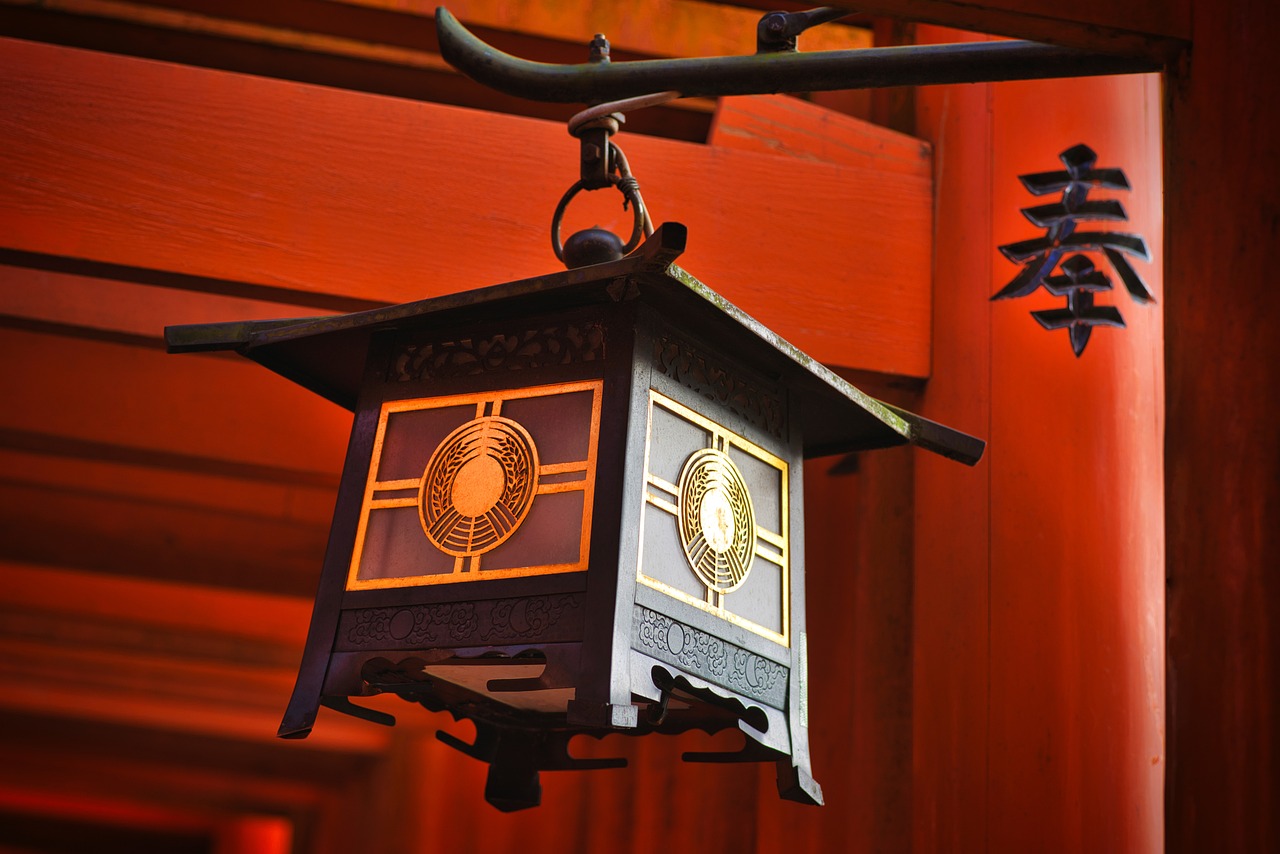
A shrine pause: Hanazono Shrine and quiet rituals
A shrine visit in Shinjuku can change the emotional colour of your day in minutes: the sound softens, your shoulders drop, and you remember that Tokyo holds stillness as confidently as it holds speed. For travellers who like contrast, this is one of the best things to include between shopping, gardens, and the brighter evening streets.
Hanazono Shrine sits close to busier nightlife lanes, yet it retains a calm dignity—torii gates framing the approach, lanterns offering a warm glow, and ema plaques carrying small wishes. It’s an ideal pause between dinner and evening wandering, or as a quiet start before the city fully turns on.
Shrine etiquette made simple, warm, and easy to follow
If you’re new to shrine customs, keep it simple. At the water basin, wash hands gently, then approach the offering area with a calm pace. A small coin, a brief bow, and a moment of quiet intention is enough—no performance, no pressure. For photography, be mindful of boundaries: if someone is praying, give them space and wait.
This is where your time in Shinjuku becomes less about pace and more about care—allowing a local ritual to steady you, even for a few breaths.
Seasonal lantern light and a guide’s local timing insight
In festival periods, the atmosphere can be especially cinematic—lantern light against evening air, and the soft movement of people arriving with purpose. If you’re unsure when to visit, a guide or hotel concierge can suggest the best times to avoid crowds while still catching the shrine at its most beautiful.
It’s a quiet reminder: the most meaningful moments in Tokyo travel are often the smallest ones, designed into the spaces between bigger plans.
Shinjuku itinerary: best things to do in Shinjuku Tokyo Japan with luxury pacing
If you want the city’s highlights without feeling like you’re constantly navigating, the secret is to design transitions as carefully as the moments themselves. Shinjuku’s density rewards travellers who create a rhythm: skyline, garden, shopping, then a crafted night—without backtracking or decision fatigue. This is how you turn “see and do in Shinjuku” into something seamless and personal.
Below are two options we regularly recommend to clients who want confidence and flexibility—whether Shinjuku is your base for a wider Tokyo itinerary, or a focused stay that also opens the door to things to do in Tokyo beyond this neighbourhood.
One-day plan: shopping, Shinjuku Gyoen, and skyline views with easy transitions
Morning: Start at Shinjuku Station and move early, before crowds thicken. If you enjoy shopping, begin with department stores and consider Isetan’s Shinjuku branch for beautifully presented food halls and a potential unique souvenir that feels genuinely Tokyo.
Late morning: Head to Shinjuku Gyoen for a slow wander and a restorative pause. In spring, it’s especially rewarding during cherry blossom season; in autumn, the colour feels like a curated palette, and cherry blossom trees make way for fiery maples.
Late afternoon: Visit the Tokyo Metropolitan Government Building for the observation deck—arrive in time for golden hour and let the skyline evolve.
Evening: Dinner by reservation, then Golden Gai or Omoide Yokocho depending on your mood. Finish with a calm taxi or car pick-up—your night should end as gently as it begins.
Two-night stay in Shinjuku and beyond Shinjuku, including central Tokyo and outside Shinjuku
Night 1: Keep it local—Shinjuku Gyoen earlier, then Golden Gai with a guide if you want deeper cocktail culture. This suits travellers who enjoy intimate nightlife without guesswork.
Day 2: Use Shinjuku Station as your launch pad for central Tokyo and beyond. You can reach major museums and shopping districts efficiently, then return for Kabukicho as a visual finale. If you want a quick cultural contrast, a lively Korean-food scene sits one stop north of Shinjuku on the JR line—an easy add-on that keeps your schedule light.
Night 2: Choose one signature reservation—sushi counter, tempura, or a seasonal tasting menu. Reserving upscale dining experiences in advance matters in Tokyo; the best rooms are small, and the service is designed around precision.
Where to stay: staying in Shinjuku is ideal for convenience, especially if you’re moving between Shinjuku and Shibuya during the trip. For classic views and assured service, Park Hyatt Tokyo remains a favourite for those who value quiet luxury; it’s a place where the city feels held at a distance, even when you’re minutes from the energy. Choose based on vibe: some travellers want the calm height of a tower hotel, others prefer being closer to Shinjuku Station for maximum ease.
Logistics that keep everything smooth: the best seasons are spring and autumn; use JR lines and the wider subway network for fast movement; and lean on concierge support for reservations and transfers. If you’re considering a playful add-on such as a go-kart tour, schedule it earlier in the day rather than late evening, so your night remains refined.
If you’d like to explore a broader set of things to do in Japan with a team who can refine your shortlist together, browse our Trip gallery for inspiration and a sense of what’s possible when your journey is designed with care.
F.A.Qs: what to do in Shinjuku Tokyo Japan
What is Shinjuku best known for in Tokyo?
Shinjuku is best known for Shinjuku Station’s scale, skyline views from the Tokyo Metropolitan Government Building, and its layered nightlife—from Kabukicho’s neon to the intimate bars of Golden Gai. It’s also loved for the contrast of calm spaces like Shinjuku Gyoen set right beside some of Tokyo’s busiest streets.
What not to miss in Shinjuku on a first visit?
Don’t miss the free observation deck for a view across Tokyo, a slow walk through Shinjuku Gyoen for serenity, and an evening in Golden Gai for a more personal side of Tokyo’s bar culture. If you want modern spectacle, Kabukicho delivers iconic neon and memorable photo moments.
What to avoid in Shinjuku, especially after dark?
Avoid following aggressive touts into bars or clubs, especially around Kabukicho, and don’t assume every tiny bar welcomes drop-ins without a cover charge. In crowded areas like Shinjuku Station, keep valuables secure and give yourself extra time so you’re not rushing—Shinjuku is easiest when you move calmly.
Which is better for travellers: Shibuya or Shinjuku?
Neither is “better”—they suit different moods. Shibuya is youthful, fashion-forward, and centred on famous crossings and shopping, while Shinjuku feels broader: major transport links, gardens, skyline viewpoints, and multiple nightlife styles. Many high-end travellers enjoy both by basing themselves near Shinjuku Station for convenience and visiting Shibuya for a lively afternoon or evening.
What stays with you after Shinjuku: garden calm, skyline light, and neon nights
Long after you’ve left Shinjuku, what returns isn’t a list of sights—it’s the way the district held two truths at once. There was the garden stillness, where morning air moved through trees and your thoughts finally had room to settle. There was the soft hush inside a tiny bar, where a bartender’s care turned a simple drink into something quietly exquisite. And there was that moment high above the streets, when the city lights arrived gradually, as if Tokyo was being switched on by hand.
Shinjuku teaches you that scale doesn’t have to feel harsh, and that intensity can be shaped into something gentle when you travel with trust, local understanding, and a rhythm that suits you. You can be bold and still be looked after; you can explore the bright edges of the night and still return to calm with confidence.
Sometimes, what stays is as small as lantern light near Hanazono Shrine, or the way neon reflected in a puddle after rain made the street look newly painted. Shinjuku doesn’t ask you to rush back—only to remember that there will always be another season, another turning of light, another quiet detail waiting to be uncovered.