Post Contents
- Enryakuji Temple and Mount Hiei in Kyoto at a Glance
- Konponchudo and the Heart of Tendai Buddhism
- Early Morning Buddhist Chanting With Monks at Hieizan
- Hiking Mt Hiei Trails Between Todo-Saito and Yokawa
- Shojin Ryori and Local Lodges on Mount Hiei
- Getting to Enryakuji From JR Kyoto Station and Shiga Sakamoto
- FAQs: Enryakuji Japan travel planning
- After Mount Hiei: What You Carry Home
Enryakuji Temple and Mount Hiei in Kyoto at a Glance
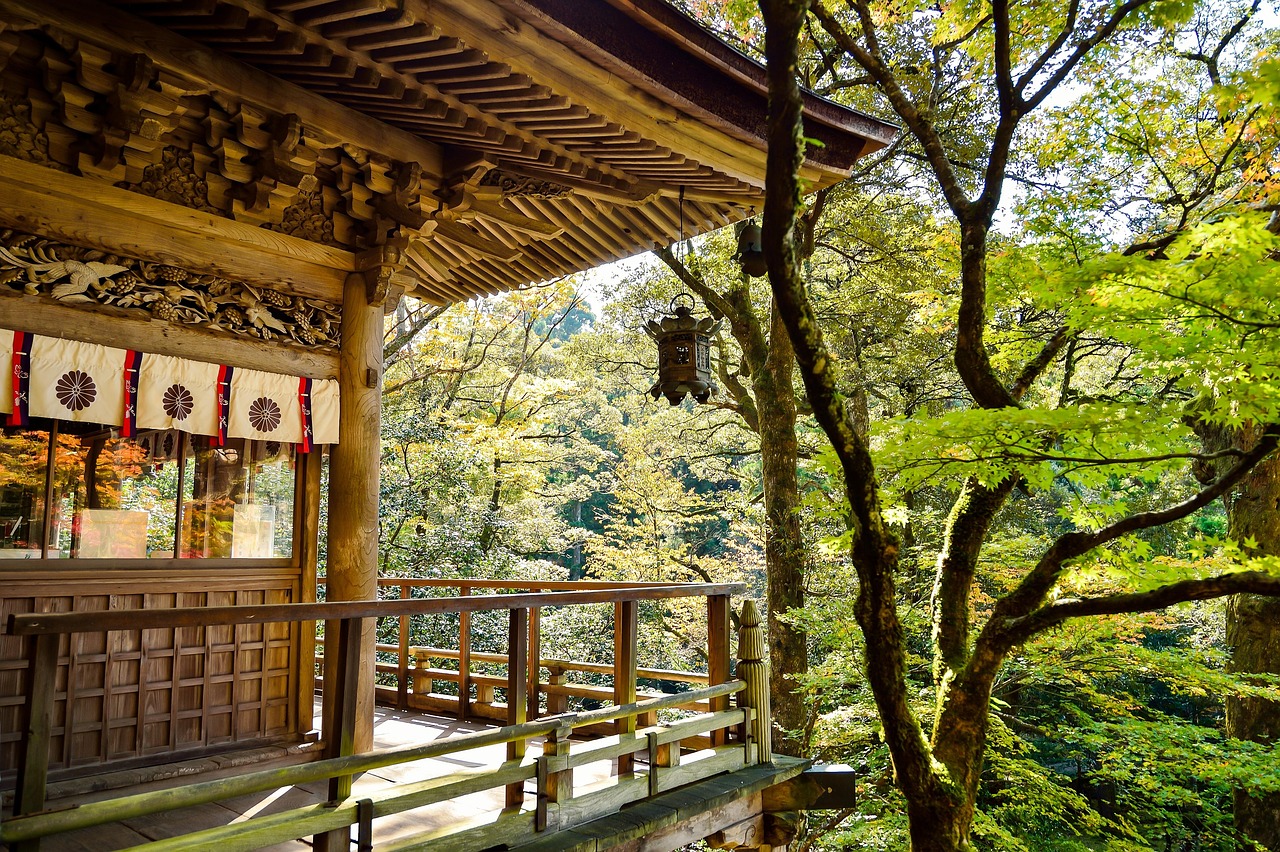
Enryakuji Temple and Mount Hiei in Kyoto at a Glance
Think of Enryakuji Temple, Mount Hiei, Kyoto, and Hieizan overview as your gentle reset button: a world-class temple high in cedar forests, yet close to central Kyoto. Enryakuji sits in a prime location on the border between Kyoto Prefecture and Shiga Prefecture, so the mountain feels like a threshold—one foot in city culture and one in alpine calm. It’s a UNESCO World Heritage Site (recognised in 1994), but it doesn’t feel like a museum; it feels lived-in, breathing, and quietly powerful.
This isn’t one building. The temple complex is divided into three areas: the Todo, Saito, and Yokawa areas. That simple fact is the key to a high-end, unhurried day—because you can create a route that’s spacious rather than hurried, with time to pause at temple buildings, small shrines, and viewpoints.
Three areas on Mount Hiei that help you design your day
Most travellers begin in Todo, where the major halls and the rhythm of visiting are easiest to understand. Saito sits slightly apart, feeling more secluded as the forest thickens, while Yokawa has a deeper hush—perfect if you want to uncover the mountain’s quieter corners. If you’re here for adventure, the joy is choosing: a short stroll with a shrine stop or a longer mt-to-mt wander between sub-temples.
What makes the atmosphere feel serene is beautifully simple: cool air under cedar branches, the distant sound of bells, and light shifting through mossy stone. On clear days, the views of Lake Biwa open wide, and you’ll also catch Kyoto city in miniature—like a reminder of what you’ve stepped away from.
A warm expectation for adventure seekers in Kyoto and Shiga
Many visitors tell us Enryakuji gave them a personal escape from bustling streets—less “seeing everything” and more noticing everything. Imagine arriving with the confidence that you don’t have to rush: you can explore one area deeply, hike a little, and still leave feeling you’ve had a complete trip to Japan. The mountain supports both kinds of travellers: those who want a gentle cultural insight and those who want their legs to earn the view.
- Best seasons: spring and autumn for crisp air and foliage.
- Time planning: allow extra time if you want to include all three areas and a hike.
- What to carry: water, cash, and quiet layers for shifting mountain weather.


Konponchudo and the Heart of Tendai Buddhism
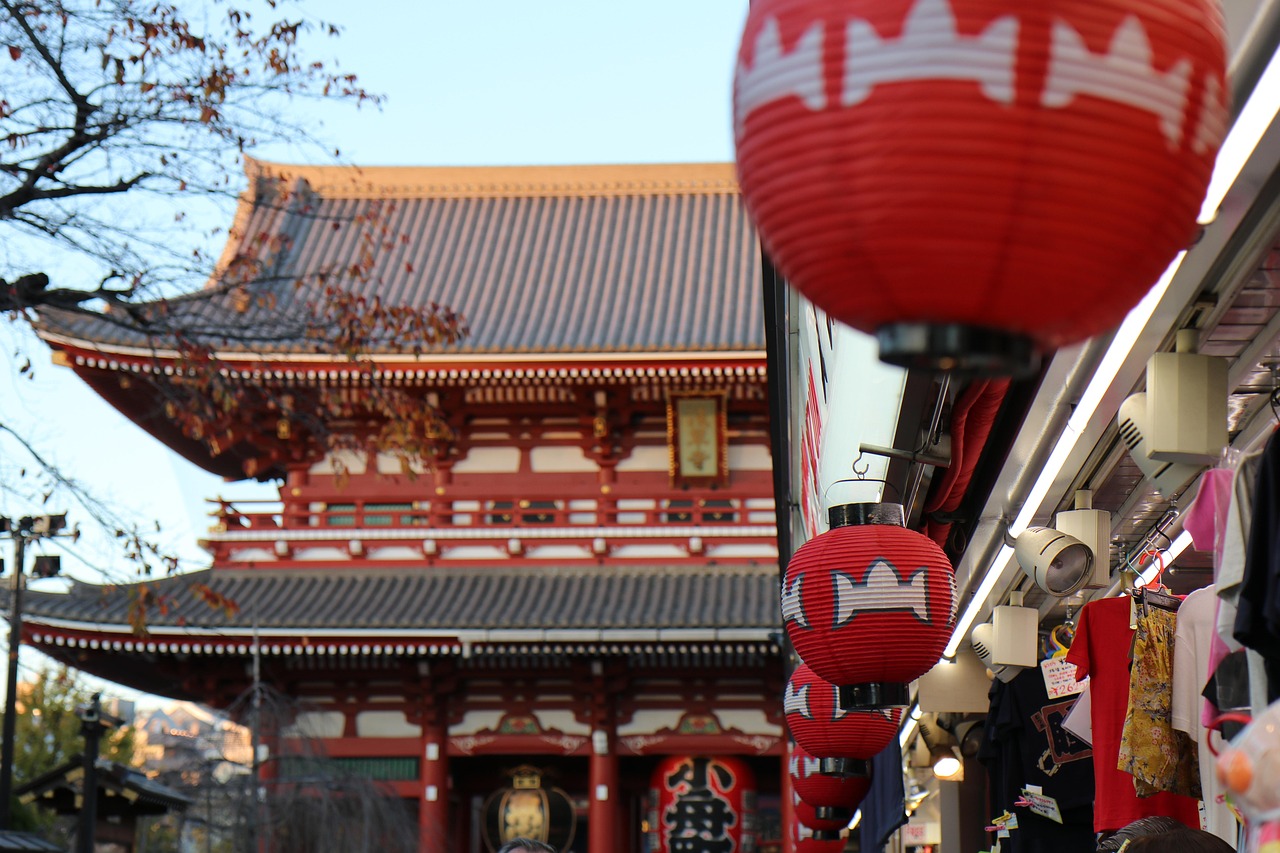
Konponchudo and the Heart of Tendai Buddhism at Enryakuji Temple
For many, the Konponchudo main hall of Enryaku-ji Temple, a Japanese Buddhist Tendai sect sanctuary, is the emotional centre of Mount Hiei. The monastery was founded in 788 by Saicho—often written as ‘788 by Saicho’—and it grew into the head temple of the Tendai and the headquarters of the Tendai sect. Set in the Heian period (and later shaped by the Edo period), Enryakuji helped introduce Buddhism to Japan from China, influencing a number of later sects and ensuring that many influential monks studied here across the centuries.
Konpon Chudo is the foundational main hall of the Tendai sect
Konpon Chudo (Konponchudo) doesn’t announce itself with spectacle; it draws you inward. You’ll notice incense first, then dim light, then carved details that seem to reveal themselves slowly. Move with care: step aside for worshippers, keep voices low, and follow photography guidance, because the atmosphere is part of the teaching.
There’s a crafted rhythm to visiting: pause at the threshold, let your eyes adjust, then walk with intention. Even travellers with no background in Japanese Buddhism often describe a quiet shift into mindfulness within minutes: shoulders lowering, breath deepening, and attention becoming softer.
Japanese history on Mount Hiei from Saicho to Nobunaga
Enryakuji is not only gentle; it is historically formidable. In Japanese history, monasteries sometimes wielded real political power, and here a powerful army of warrior monks emerged—monks who often engaged in power struggles. These often engaged in power struggles with other monasteries and political leaders, shaping the balance of power around Kyoto.
That tension reached a tragic peak in 1571, when Oda Nobunaga ordered the destruction of Enryakuji; you may also see the story referenced simply as Nobunaga or Oda in local materials, but it is tied to Oda Nobunaga. Knowing this doesn’t darken the visit—it deepens it. You’re standing amid years of history and tradition, in a place rebuilt and carried forward by human devotion, generation after generation.
Early Morning Buddhist Chanting With Monks at Hieizan
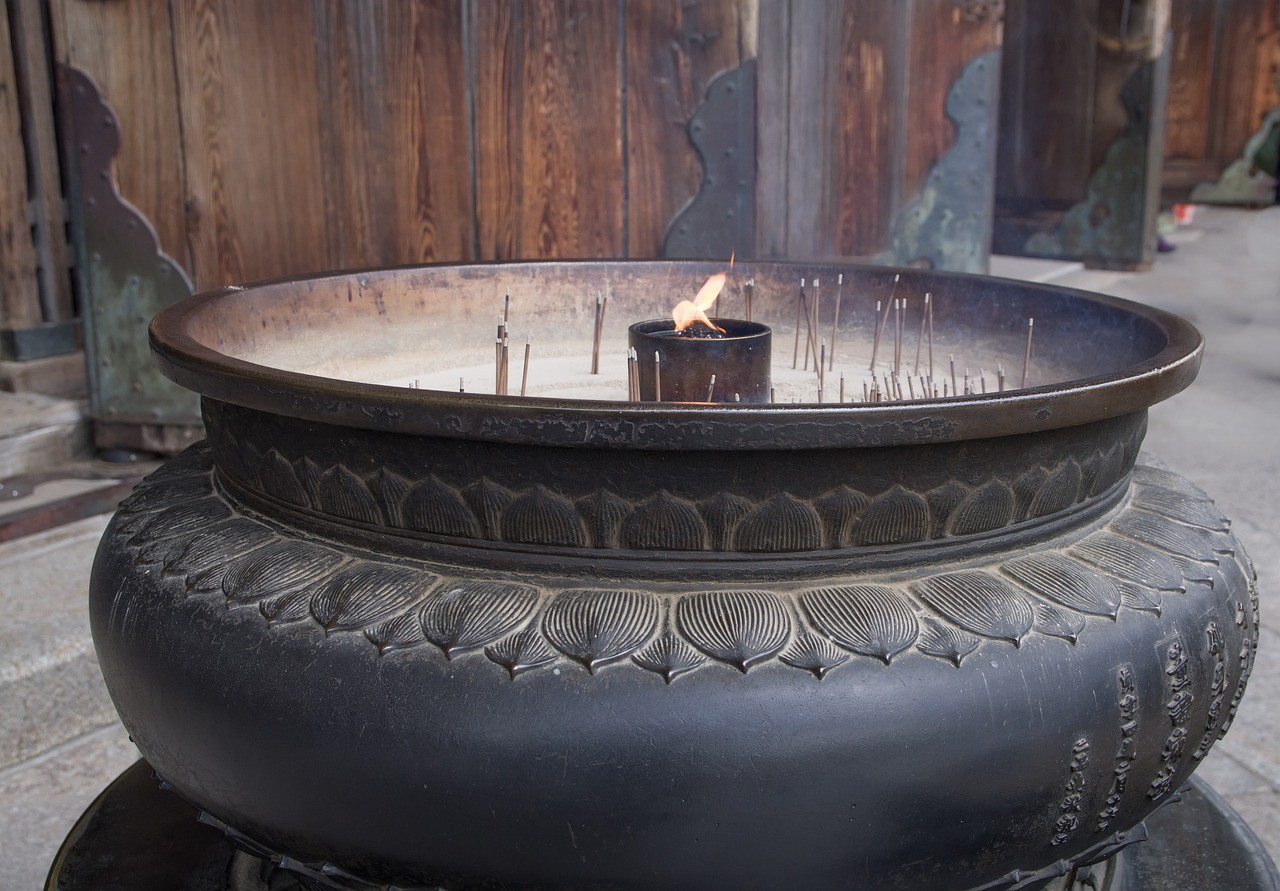
Early Morning Buddhist Chanting With Monks at Hieizan on Mount Hiei
The Enryakuji Kaikan morning prayers, with monks chanting at Mount Hieizan, are one of Kyoto’s most extraordinarily quiet rituals. You’re not watching from the outside; you’re invited to sit, listen, and simply be present as a monk leads chanting that fills the hall like steady weather. If you’ve been craving something more personal than a checklist, this is where Enryakuji can feel like it’s speaking directly to you.
How to join morning prayers at Enryakuji Kaikan with confidence
Start by asking at the Enryakuji Kaikan (kaikan) reception; some sessions require advanced booking, especially in peak autumn weekends. Dress modestly in layered clothing—Mount Hiei mornings can be cool—and choose quiet shoes so your steps don’t echo. Approach it with trust: you’re not expected to know what to do, only to follow the room’s calm cues.
- Timing: Be ready well before sunrise; allow time to settle in silence.
- Etiquette: keep phones away; follow any no-photography guidance without fuss.
- Mindset: You’re here to listen, not to perform a belief.
Dharma, Tendai Buddhism, and feeling welcome even if you’re not Buddhist
One traveller described waking in darkness, walking through cool corridors, and then hearing the first notes of chanting gather in the chest like warmth. Another said the incense didn’t just smell “nice”—it made the moment feel anchored, as if the mountain itself were supporting them together with the voices in the room. If you’re worried you’ll feel out of place, take heart: you don’t need to be Buddhist to receive the experience with respect.
In the simplest terms, the dharma here is not a lecture; it’s an invitation to notice. Tendai Buddhism is known for breadth and integration, and on Mount Hiei, that becomes tangible: ritual, forest, architecture, and your own attention all meet in one calm space. It’s not unusual to walk out feeling steadier—still an adventurer, but with a quieter inner pace.
Hiking Mt Hiei Trails Between Todo-Saito and Yokawa
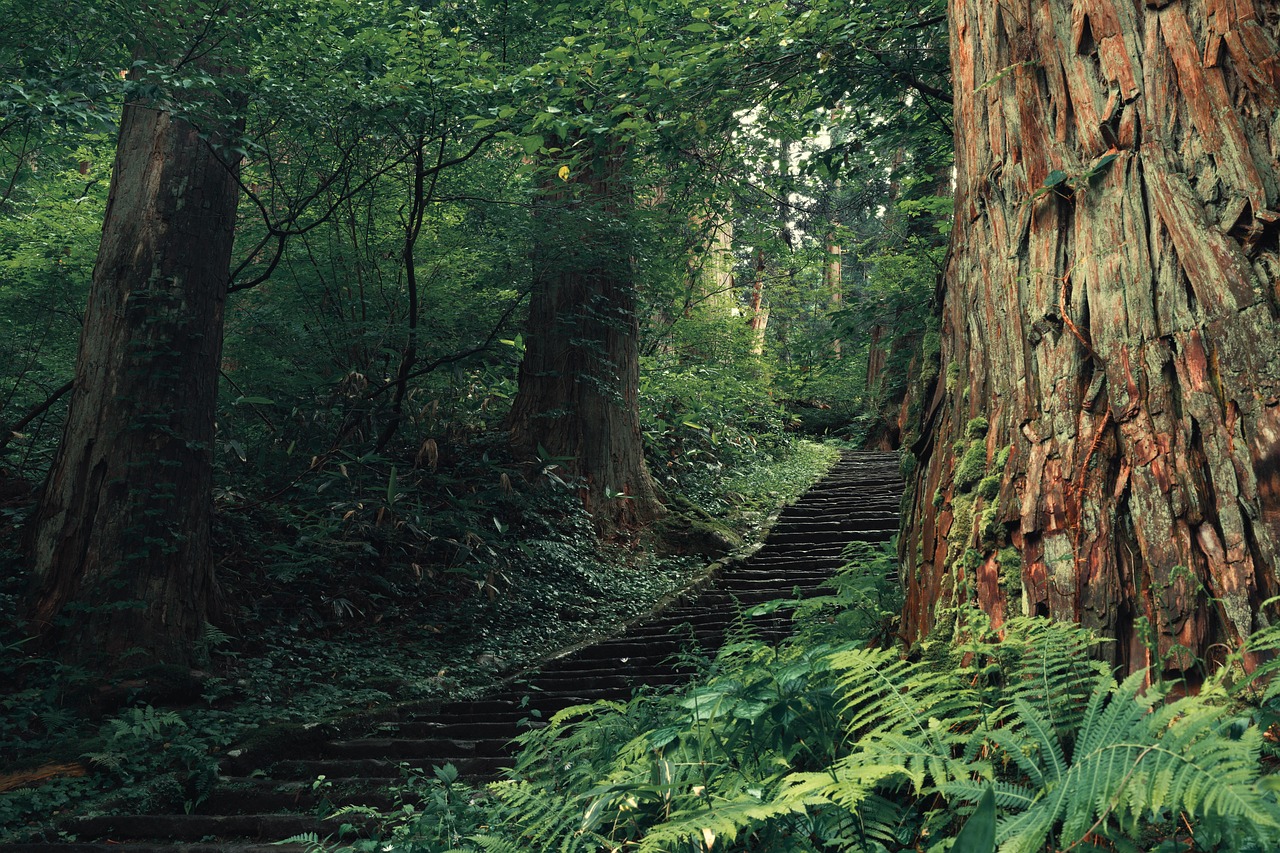
Hiking Mt Hiei trails between the Todo, Saito and Yokawa areas
If you came for movement as much as meaning, the Mt Hiei hiking trails, the Enryakuji temple complex, and the Saito and Yokawa areas link your day into one satisfying arc. The paths between Todo, Saito, and Yokawa aren’t “just connectors”; they’re part of the pilgrimage feeling, where the forest becomes the corridor, and every bend offers a new detail. This is where adventure seekers often say the blend of nature and culture is uniquely captivating.
Suggested routes across the temple grounds from the Todo area to Yokawa
A simple design is to begin in Todo for the major halls, walk towards Saito for a quieter pocket of the mountain, then continue to the Yokawa areas before looping back via bus or trail, depending on energy. For confident hikers, linking all three on foot can take half a day to a full day, especially if you pause often (and you should). If you prefer a lighter challenge, hike one segment—such as Todo to Saito—then use transport for the rest.
Rest points appear naturally: benches near sub-temples, small clearings, and the occasional drink stop in busier seasons. Listen for bells in the distance; they make time feel slower in the best way.
Trail highlights and safety for Mount Hiei walks
Expect stone steps, mossy lanterns, and occasional shrine crossings where you’ll want to bow your head and lower your voice. You’ll also find viewpoints with views of Lake Biwa, and on clear days, you can glance back towards Kyoto City as if it were a painting. The natural beauty here isn’t manicured; it’s living, and it asks you to move thoughtfully.
- Before you set off: check weather conditions; mist can roll in quickly on mountain paths.
- Comfort: wear comfortable, grippy shoes and bring water to stay hydrated.
- Reassurance: if you feel tired, it’s wise—not weak—to switch to a shuttle bus.
Names like Saito and Yokawa become more than map labels once you’ve walked between them. By the time you reach the next hall, you’ve earned it—legs warmed, mind quieter, and your sense of place sharper.
Shojin Ryori and Local Lodges on Mount Hiei
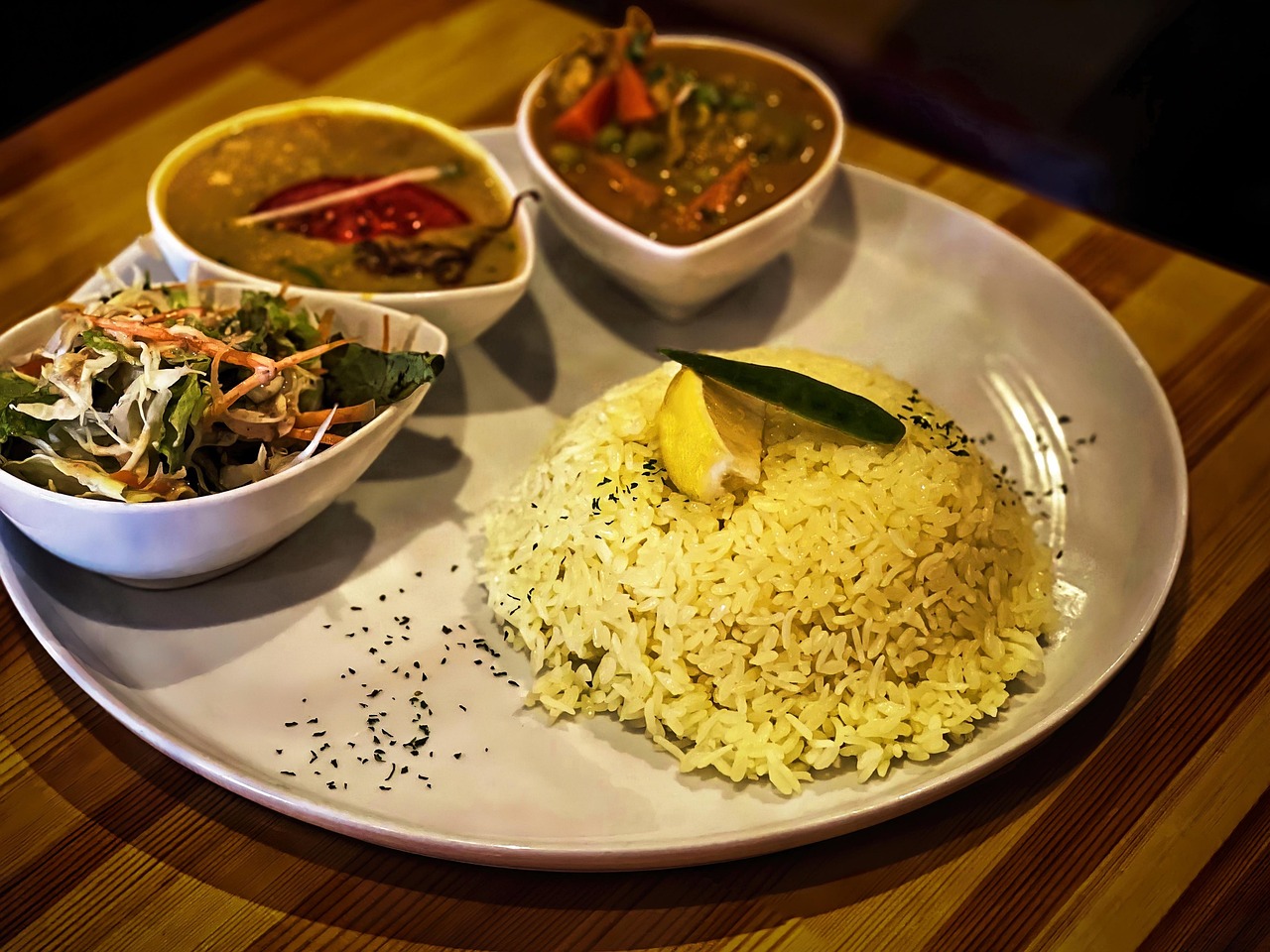
Shojin ryori and local lodges on Mount Hiei near Enryakuji
Searching for shojin ryori at Enryakuji Kaikan, the local temple cuisine of Mount Hiei, is a delicious way to deepen your cultural immersion. Shojin ryori is traditional vegetarian Buddhist cuisine—clean flavours, seasonal vegetables, and a feeling of intention in every small dish. After a hike, it can feel like the mountain is feeding you back: warm, restorative, and calm.
What shojin ryori tastes like and why it matters
Expect gentle umami rather than heavy richness—broths that taste of kombu, tofu prepared with surprising textures, and vegetables that keep their character. In spring and autumn, seasonal produce often takes centre stage, and the colours can feel quietly celebratory without being loud. The crafted experience is part of the insight: a meal designed to settle the mind after long steps and temple visits.
Even if your usual travel style is bold and fast, shojin ryori invites you to slow down and explore flavour more attentively. It’s not “diet food”; it’s a cuisine with philosophy behind it, tied to Buddhist practice and careful use of ingredients.
Where to eat near Enryakuji Kaikan and local lodges
For a seamless option, eat at Enryakuji Kaikan, where travellers often feel gently looked after—warm hospitality without fuss. You may also find simple lodge meals on the mountain or small temple restaurants, depending on the season and opening hours. Wherever you choose, the etiquette is consistent: speak quietly and let the atmosphere guide you.
- Practicality: carry cash, as many local shops don’t accept cards.
- After hiking, order something warm; mountain air can cool you quickly.
- Mindful pacing: treat lunch as part of the visit, not a pit stop.
If you’re considering an overnight stay, a temple lodging can be the most personal way to experience Mount Hiei—falling asleep to forest silence and waking for prayers with a sense of trust in the mountain’s rhythm.
Getting to Enryakuji From JR Kyoto Station and Shiga Sakamoto
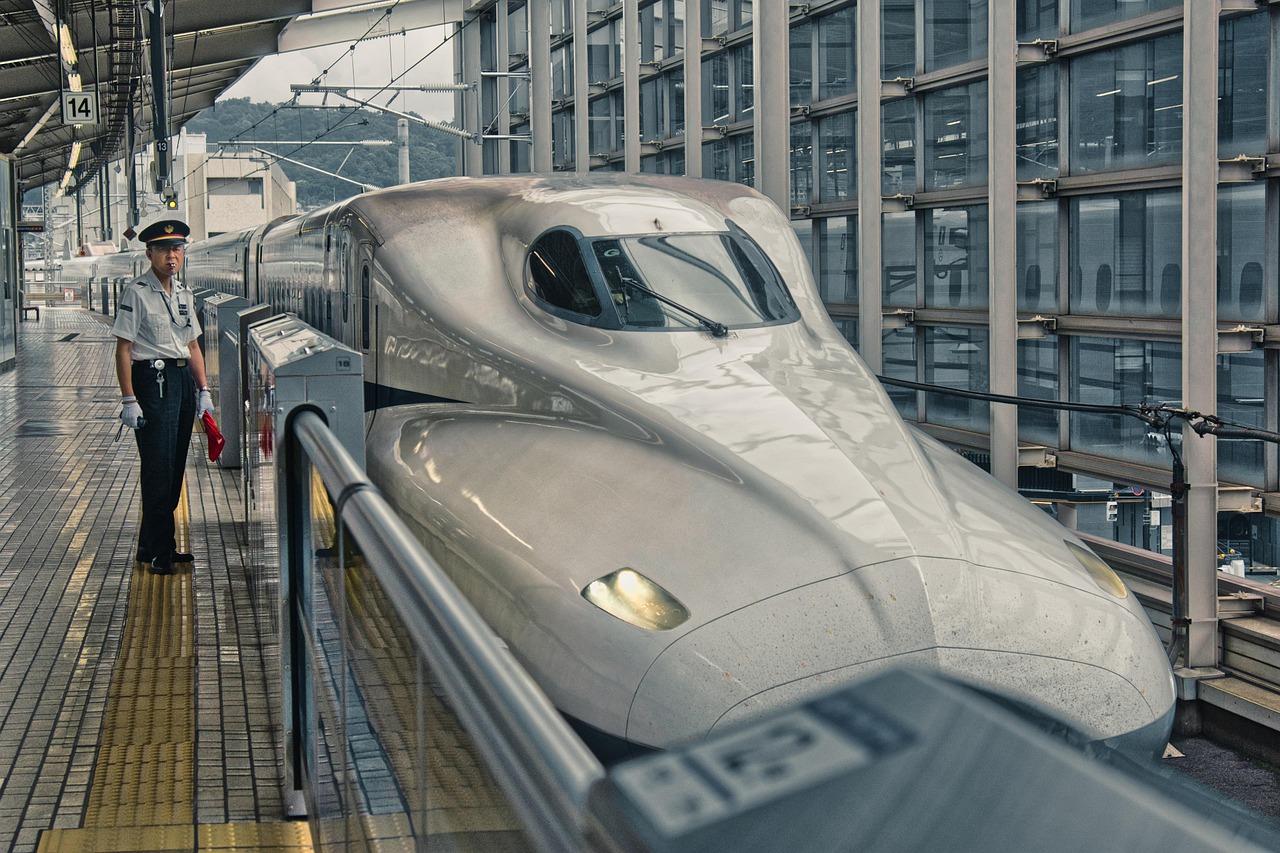
Getting to Enryakuji from JR Kyoto Station and the Shiga Sakamoto cable car routes
If you’re wondering how to get to Enryakuji from Kyoto Station via the Hieizan Sakamoto cable car routes, the good news is that access can be straightforward and even scenic. From JR Kyoto Station, you can reach the mountain via rail connections and then continue by cable car or bus, depending on your chosen approach. If you’re staying in a different part of the city, Demachiyanagi Station is a useful alternative gateway that better aligns with your hotel location.
Kyoto side and Shiga side approaches for a seamless journey
From the Shiga side, Sakamoto is a classic starting point, and the Sakamoto cable car is an experience in itself—slow, skyward, and wonderfully anticipatory. Many high-end travellers choose this route simply because it feels like a transition ritual: city to hillside to cedar forest. Depending on seasonal operations, you may also combine cable car and ropeway segments to reach key points on Mount Hiei.
From Kyoto, routes can involve local lines and then mountain transport; what matters is designing the day around your energy. If you plan to hike between areas, arrive earlier. If your aim is the main hall and a quiet lunch, you can arrive later and still feel fully supported.
Once up high, you’ll find helpfully organised transport, such as a shuttle bus network, plus the Enryakuji bus centre, a practical hub. There is also the option to take the Hieizan Drive Bus, which can be a comfort if mist rolls in or if you’re travelling with someone who prefers less walking. Admission fees vary by area but are generally affordable, and you’ll want to keep a little flexibility for weather and the temptation to linger.
- Design tip: choose one “must” (Konponchudo, chanting, or Yokawa) and let the rest unfold.
- Time care: allow longer if you hope to explore all three areas without rushing.
- Quiet confidence: if you’re unsure, ask staff—warm guidance is part of the mountain’s hospitality.
If you’d like inspiration for pairing Kyoto with other refined experiences across Japan, browse our Trip gallery and imagine how Mount Hiei could fit into a wider designer journey.
FAQs: Enryakuji Japan travel planning
F.A.Qs: Enryakuji Japan travel planning
Is Enryakuji worth visiting?
Yes—especially if you want a temple experience that combines living tradition with fresh mountain air. Enryakuji feels both historic and personal: halls like Konponchudo, forest walks on Mount Hiei, and the chance to sit quietly during morning chanting can leave a lasting sense of calm. It’s also a rewarding contrast to the busy streets of Kyoto, with space to reflect and explore at your own pace.
How do I get to Enryakuji?
You can reach Enryakuji from Kyoto by train and then mountain transport, or from Shiga via Sakamoto and the Sakamoto cable car. On the mountain, buses and hubs such as the Enryakuji bus centre help you move between the three areas. Allow extra time for weather and for unplanned pauses—this is a place that rewards lingering.
What temple did Oda Nobunaga burnt?
Oda Nobunaga attacked and burnt Enryakuji on Mount Hiei in 1571. The event is a major turning point in Japanese history and is often discussed in relation to the political power of monasteries and warrior monks. Visiting today, you’re seeing a site that was rebuilt and preserved through devotion, with a calmer atmosphere that contrasts strongly with its turbulent past.
What is the most famous Zen garden in Kyoto?
One of the most famous Zen gardens in Kyoto is the rock garden at Ryoan-ji. While it’s not part of Enryakuji, it pairs well with a cultural itinerary: Ryoan-ji offers a distilled, contemplative Zen aesthetic, while Mount Hiei offers a broader mountain temple landscape rooted in Tendai practice. Together, they give different but complementary forms of quiet.
After Mount Hiei: What You Carry Home
By the time you leave Enryakuji, it often isn’t the facts that stay with you—it’s the feeling. You may remember the quiet breath you found between halls, the incense memory clinging softly to a sleeve, or the way the forest held sound so gently that your thoughts finally stopped competing with each other. Kyoto will still be there, bright and busy, but your inner pace can return with a little more softness.
Many travellers uncover something personal on Mount Hiei without trying: an ability to pay attention for longer or a calm confidence that doesn’t need to prove itself. Perhaps it was while looking over Lake Biwa, or in the moment, chanting settled into your body like steady rain. Perhaps it was simply walking from one temple space to the next and noticing how silence can be full rather than empty.
What I trust about Enryakuji is that it meets you where you are. Even a brief visit can shift perspective, and the warmth of the people you meet—staff who answer questions with care and monks who hold the space with quiet skill—can make the memory feel unexpectedly close. You leave not with urgency but with a gentle sense that stillness is something you can seek elsewhere, too.
And if you ever return to Kyoto in another season, imagine coming back not to do more, but to listen differently—together with the mountain’s silence.