Post Contents
- Why this park in China feels like Pandora – Zhangjiajie National Forest Park with Avatar vibes and Pandora-like scenery.
- Getting to Zhangjiajie City and into the national park – Beijing, Shanghai and Chengdu routes
- Things to see – the must-see pillar viewpoints in Zhangjiajie National Forest Park (Yuanjiajie and Tianzi Mountain)
- Tianmen Mountain glass skywalks – cable car safety tips, Bridge under Heaven views and peak season planning
- Zhangjiajie Grand Canyon day trip – glass bridge thrills, gorge drama and Baofeng Lake calm
- Local culture in Wulingyuan – Tujia and Miao crafts, markets and performances
- Design a crafted three-day itinerary and travel tips for Zhangjiajie National Forest Park (best times April to October)
- F.A.Qs: Zhangjiajie National Forest Park and Park China Essentials
- What stayed with me after the pillars of China – reflections from Zhangjiajie National Forest Park
Why this park in China feels like Pandora – Zhangjiajie National Forest Park with Avatar vibes and Pandora-like scenery.
“Park China” is a search term people use when they first see Zhangjiajie’s vertical silhouettes rising from the mist. Zhangjiajie National Forest Park sits within the larger Wulingyuan Scenic Area and is recognised as a UNESCO World Heritage site, so you get both iconic status and real wilderness atmosphere in one place. If you love travel that feels cultured but still adventurous, the scale here is reassuring—nature leads, while visitor routes and signage keep the experience approachable.
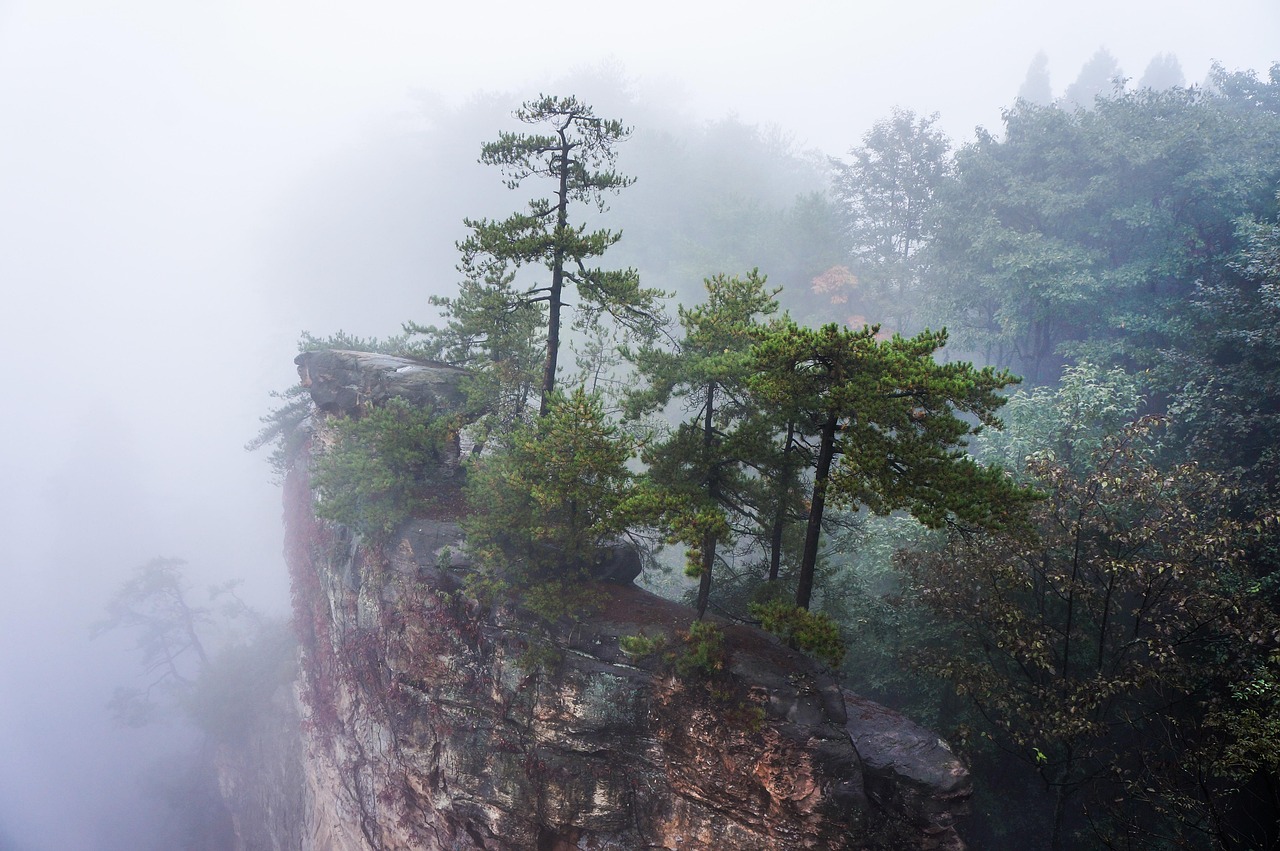
Why Zhangjiajie feels like Pandora for adventure seekers in Zhangjiajie National Forest Park
Zhangjiajie National Forest Park in Wulingyuan: world heritage, geopark context and living landscapes
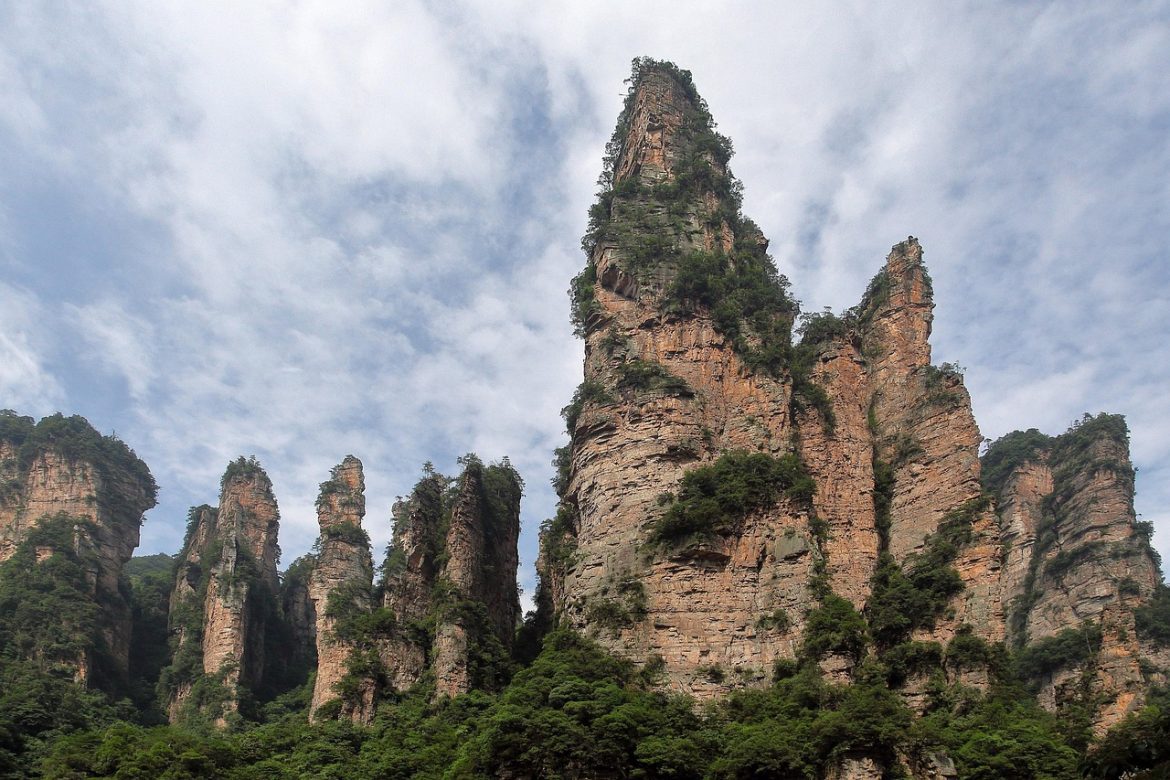
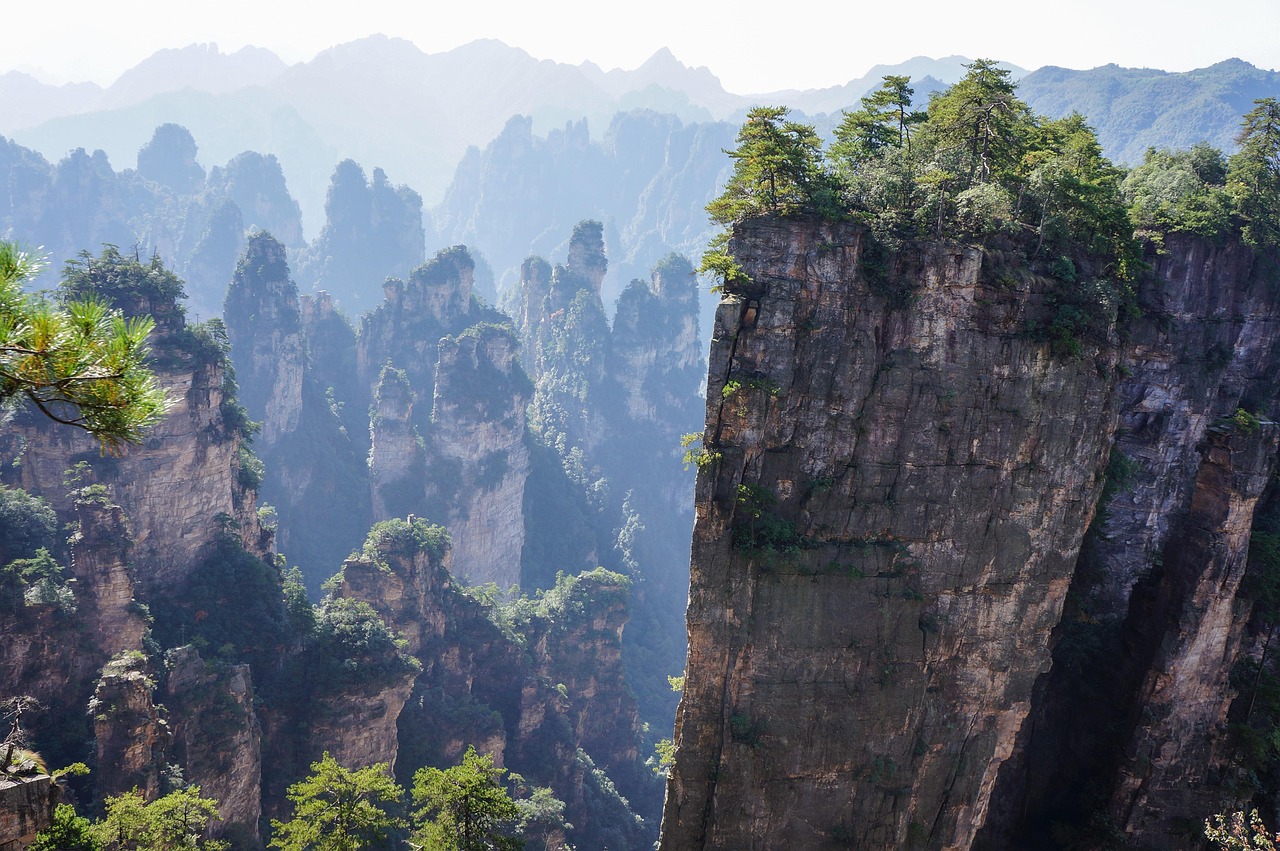
Established in 1982, this was the country’s first national forest park—an origin point that matters when comparing national parks in China for a once-in-a-lifetime trip. On some itineraries and maps, you’ll also see the core area referred to as Zhangjiajie National Park, but the on-the-ground experience is the same: protected scenery with well-managed access. The park encompasses deep ravines, dense forests, and sandstone rock formations shaped over millions of years, creating a skyline of stone pillar towers that feels almost unreal. You may even notice conservation messaging about rare animals and protected habitats, a reminder that these stunning landscapes are living systems within a wider UNESCO-linked geopark setting.
Avatar inspiration, Hallelujah Mountains and a grounded Pandora feeling
The Avatar connection is best held with warmth and honesty: the movie Avatar popularised the “Hallelujah Mountains” idea, and travellers began calling one dramatic pillar cluster an Avatar mountain. It’s not about chasing a film set; it’s about recognising how the pillar shapes, drifting cloud, and sheer scale can feel like Pandora without overclaiming. When the light turns silver, the cliffs look like they’re floating—an atmosphere that doesn’t need exaggeration.
To build a clear mental map before you explore, think in zones connected by a shuttle bus network. The key areas most travellers weave together are Yuanjiajie, Tianzi Mountain, Huangshizhai, and the lower valley walks—each offering different scenery, and each rewarding a slightly different pace.


Getting to Zhangjiajie City and into the national park – Beijing, Shanghai and Chengdu routes
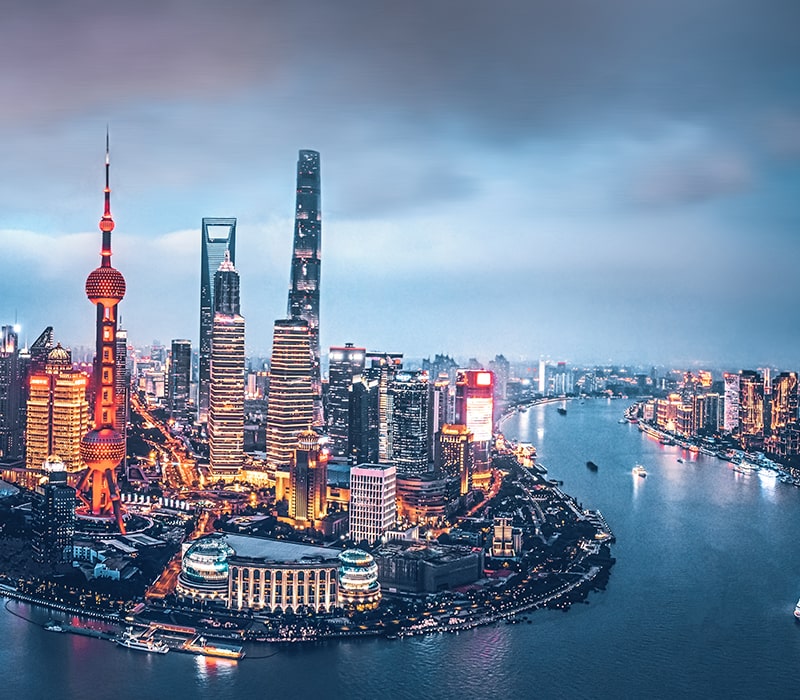
Getting to Zhangjiajie City is simpler than it looks once you break it into clean steps. Most travellers fly into Zhangjiajie Hehua, then connect by shuttle bus toward Wulingyuan entrances; from there, you can continue to the south gate if that suits your hotel location and first-day plan. That first hour is where calm planning pays off—arrive with a little margin, and the region feels more seamless right away.
Getting to Zhangjiajie City and into the national park with reassuring logistics
Flights, railway station connections and the Zhangjiajie Central Bus Station option
If you’re coming from Beijing or Shanghai, flights are usually the most time-efficient, especially when you want to protect your energy for the mountainous terrain. Train lovers can route via a major railway station into Zhangjiajie City, then transfer onward; it’s slower, but it’s a beautiful way to watch the landscape shift. For longer coach connections, Zhangjiajie Central Bus Station offers practical routes for travellers arriving from Chengdu and other hubs, though departures and arrivals can vary in peak season.
Private car vs public transport for a smoother first day
A private car is worth considering if you arrive late, you’re travelling with luggage, or you simply want to begin with confidence rather than negotiation. Public transport is perfectly workable, but after a long travel day, having a driver who knows hotel drop-offs, ticket checkpoints, and timing can feel like real support. Either way, aim to reach Wulingyuan while you still have daylight—your first glimpse of the hills sets the tone.
- Mini logistics checklist: keep some cash on hand, have your preferred payment apps ready, and download an offline map.
- Pick up or photograph a park map at the entry; shuttle bus loops are easy once you see them clearly.
- Consider an expert local guide on day one for navigation, photo timing, and cultural context.
Things to see – the must-see pillar viewpoints in Zhangjiajie National Forest Park (Yuanjiajie and Tianzi Mountain)
At first, the highlights can sound like a checklist, yet the best days here feel more like discovering scenes that unfold in sequence. Start high when visibility is clearer, and the pillar skyline feels almost sculpted, then drift down into greener valleys as the day warms. For travellers who love an active pace, you can balance iconic lookouts with quieter ridge lines that still feel personal.
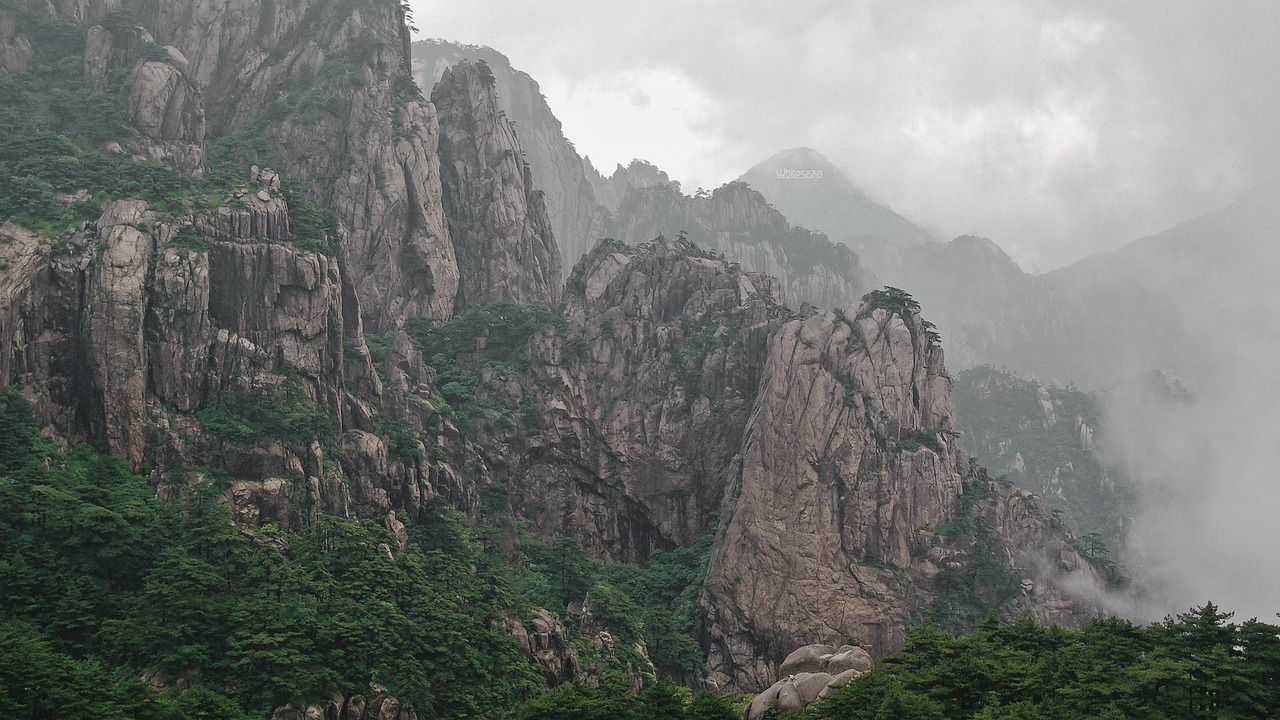
Things to see in Zhangjiajie National Forest Park that feel must-see
Viewpoints from Yuanjiajie to Tianzi Mountain: sunrise ridges and classic pillar panoramas
Yuanjiajie is where many travellers first grasp the scale: watching the sunrise over the sandstone pillars can feel soul-stirring—less about conquering a trail, more about quietly feeling connected to the land. Tianzi Mountain offers a softer, more layered look, with mist-laced valleys and ridgelines that photographers love. Huangshizhai adds breadth and drama, and it can feel calmer if you time it between the busiest tour waves.
- Yuanjiajie: early light, floating-cliff perspectives, and the famous pillar skyline.
- Tianzi Mountain: wide panoramas and gentler ridges for a slower rhythm.
- Huangshizhai: bold angles and cliff-edge viewpoints that reward patience.
Bailong Elevator routes, ridge walks and Golden Whip Stream contrast
For route-building, pair the Bailong Elevator with ridge walks to create a day that feels both efficient and adventurous. Then drop to Golden Whip Stream for a lush, lower counterpoint—verdant, shaded, and surprisingly restorative after high-altitude viewpoints. Do keep an eye out for macaque activity; secure snacks and avoid feeding wildlife to keep everyone safe and respectful.
A few care notes make a big difference. In wetter months, stone surfaces can be slick and long staircases add up if you don’t pace yourself. Carry water, take steady breaks, and treat the hiking trails as a journey to savour rather than a race to finish.
Tianmen Mountain glass skywalks – cable car safety tips, Bridge under Heaven views and peak season planning
Tianmen Mountain safety planning matters because the experience is thrilling precisely when it feels well-managed. Tianmen Mountain is a separate mountain scenic area from Zhangjiajie National Forest Park, but it pairs naturally with the pillar landscapes for a fuller trip. Come with curiosity, follow posted guidance, and you’ll find the day delivers exhilaration with genuine trust.
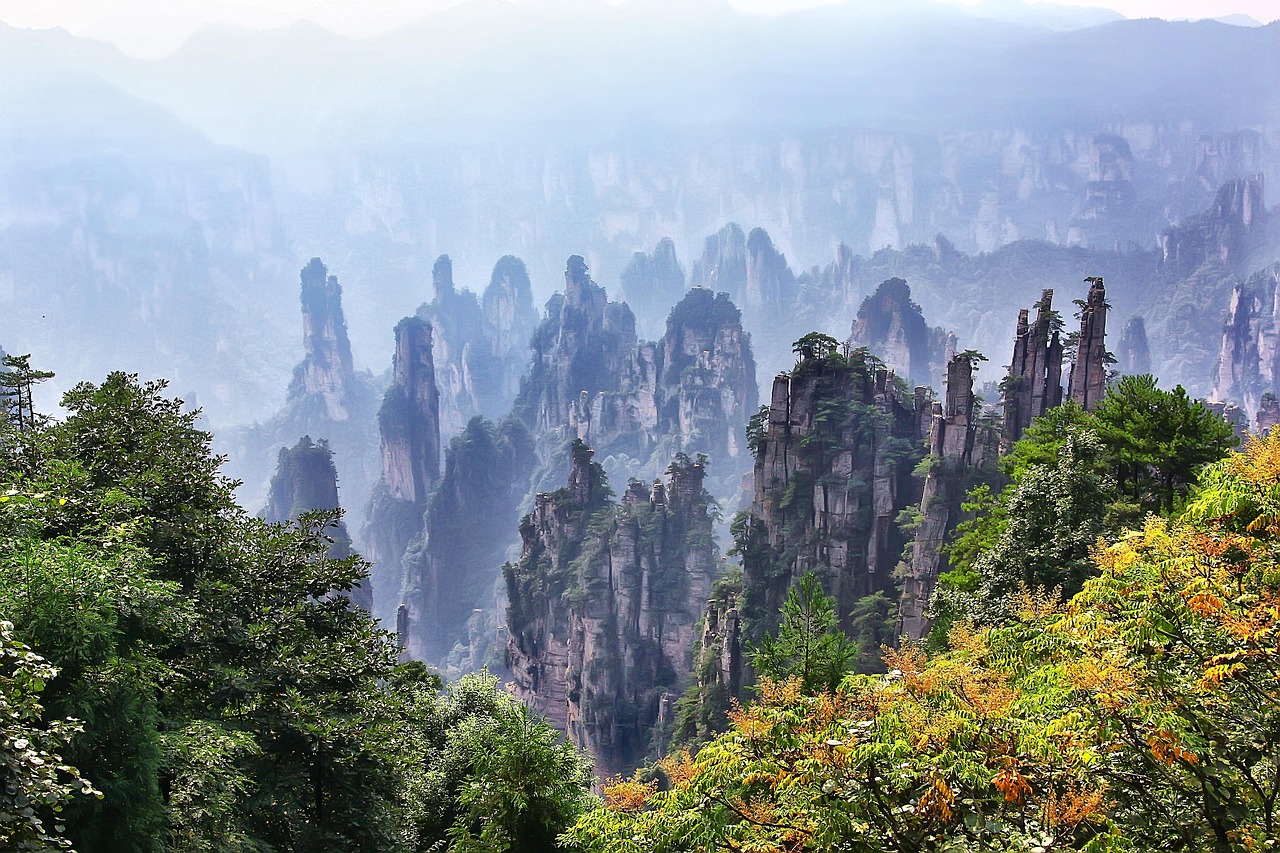
Tianmen Mountain glass skywalks with calm confidence
Glass walkways: holding fear and awe together
A solo traveller once described stepping onto the glass with their heart racing—then realising the structure felt solid, the rules were clear, and staff presence was reassuring. That blend of fear and awe becomes unforgettable because it’s experienced at your own pace, with calm confidence rather than pressure. If heights make you nervous, watch a few people cross first, breathe slowly, and keep your gaze forward rather than straight down.
Cable car ride logistics, “bridge under heaven” moments and queue strategy
The cable car ride is part of the theatre: you glide from Zhangjiajie City into open air, and the route opens into spectacular views that stop conversation mid-sentence. Look out for the “bridge under heaven” moments—natural arches and cliff lines that feel almost too perfectly composed. In peak season, queues can be substantial, so book timed entries where possible and aim for early starts to keep the flow smooth.
Practical safety is straightforward: choose footwear with grip, avoid glass sections in heavy rain or low visibility, and follow signage without negotiation. If you’d like extra support, official guides can help manage timing and route choices when crowds or weather change the feel of the mountain.
Zhangjiajie Grand Canyon day trip – glass bridge thrills, gorge drama and Baofeng Lake calm
A Zhangjiajie Grand Canyon day trip suits travellers who want their national park experience to include a sharper adrenaline edge. This Grand Canyon is a dramatic gorge of cliffs, forest, and water-carved drama, crowned by the famous glass bridge. It’s an easy add-on when you want to explore beyond the pillars while keeping logistics controlled and comfortable.
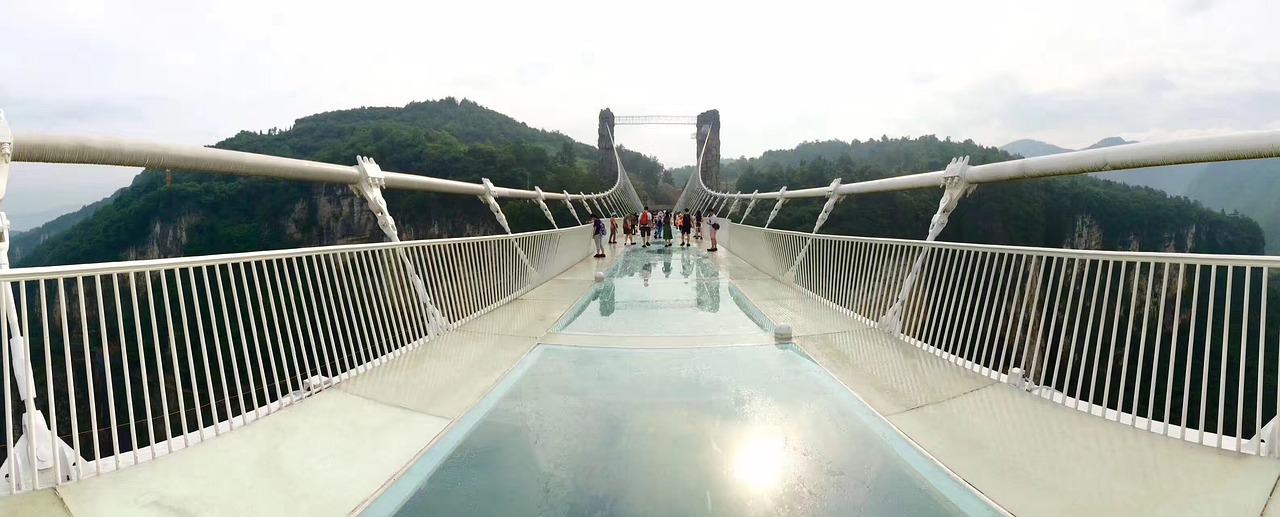
Zhangjiajie Grand Canyon day trips and water-carved drama
Designing a seamless day around the glass bridge
Start early and treat ticketing as your first “viewpoint”: having the right entry time reduces waiting and keeps your energy for the experience itself. Shuttle bus links are usually straightforward, but timing matters—arrive before mid-morning if you can, particularly in peak season. Once you’re on the glass bridge, take a moment to stand still; the sensation is part engineering, part courage, and part quiet wonder.
- Bring a light layer for shaded sections of the canyon and breezier bridge moments.
- Keep camera gear minimal so you’re not juggling items on crowded platforms.
- Plan one slow pause—either a viewpoint or a café—so the day stays joyful.
Baofeng Lake serenity and an optional Yellow Dragon Cave detour
After the high energy, Baofeng Lake can feel like a palate cleanser: still water, reflected cliffs, and a gentler rhythm on a boat trip. If you’d like an underground contrast, Yellow Dragon Cave offers cooler air and shimmering formations; it can be a relief on warmer days, though there are steps and variable lighting. Pace yourself and treat these add-ons as atmosphere, not a sprint.
Local culture in Wulingyuan – Tujia and Miao crafts, markets and performances
Tujia and Miao experiences around Wulingyuan are not side notes—they add the human depth that makes this park in China feel truly lived-in. In small markets, workshops, and informal performances, friendly ethnic villagers may share customs through conversation, weaving, music, and food in a way that feels warm rather than staged. When you travel with care, these encounters become the moments you keep returning to in memory.
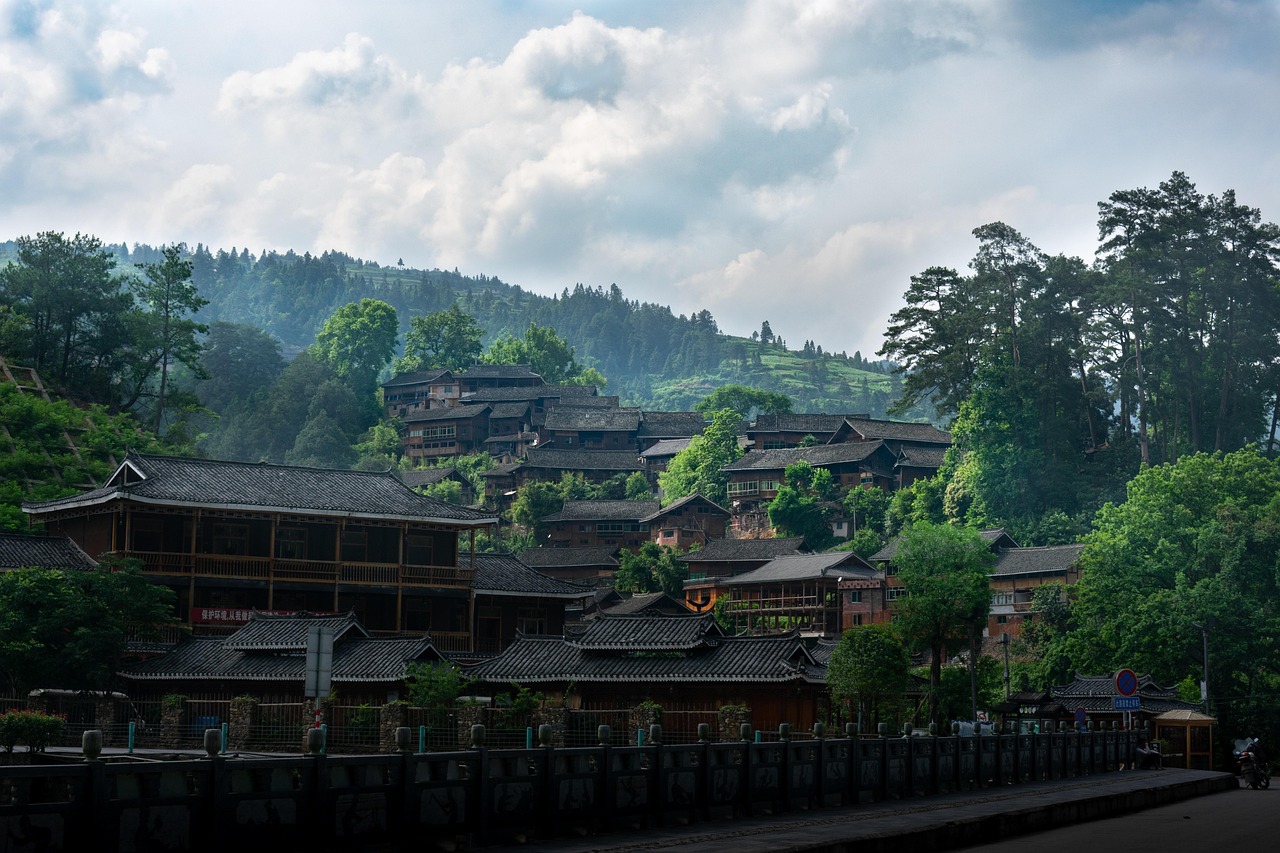
Local culture with Tujia and Miao crafts inside the Wulingyuan story
Respectful etiquette that builds trust with local communities
The simplest way to create a positive exchange is to slow down. Ask permission before photographing, learn a short greeting, and approach people with genuine curiosity rather than consumption. If you’re offered tea, accept if you can—small rituals are often where insight lives, and where travelling together can feel possible even when you arrived alone.
Why an expert local guide changes the texture of your day
Local guides often highlight details you would otherwise walk past: a motif on a textile that signals a family story, or a song that carries regional history. For solo travellers, this also provides quiet support—someone to translate, explain context, and help you navigate choices with confidence. The result is a cultural layer woven into your hiking day rather than an extra you have to force.
One of my favourite moments here was overhearing a conversation at the market about hand-dyed cloth, then being gently invited to try the technique. It reminded me that culture isn’t a museum; it’s a living craft, offered when you show up with respect.
Design a crafted three-day itinerary and travel tips for Zhangjiajie National Forest Park (best times April to October)
Planning an itinerary for Zhangjiajie National Forest Park is where your trip becomes calm, intentional, and genuinely enjoyable. April to October is widely considered one of the best times because the weather is more pleasant and access is reliable, though crowds rise quickly in peak season. Below is a simple structure you can adapt—keeping the pace high-comfort and unhurried, with room to explore and rest.
Design a crafted three-day itinerary and travel tips for the park
A crafted 2–3 day structure that stays achievable
Day 1: Arrive in Zhangjiajie City, settle into your hotel, and do a gentle orientation—think early dinner and an early night.
Day 2: Commit to the pillars: start in Yuanjiajie, then continue to Tianzi Mountain, using the shuttle bus system to keep transitions simple.
Day 3: Choose a lower, restorative route such as Golden Whip Stream, then add an optional excursion depending on energy—Tianmen Mountain, Zhangjiajie Grand Canyon, or a cultural afternoon in Wulingyuan.
Tickets, comfort planning and weather reality checks
Entry ticket costs vary, but many travellers budget around 248 RMB for a comprehensive park pass; ticket validity rules can change, so check official updates close to travel. If you’re travelling during peak season, book accommodation early to secure convenient lodging near your preferred entrance, and consider pre-arranged transfers to reduce friction. The rainy season can bring misty magic, but it also increases slip risk—build time buffers and keep your pace steady.
- What to pack: sturdy shoes, water, light layers for wind, and a small towel for humidity.
- Wellbeing: plan breaks every 60–90 minutes; a calmer rhythm keeps days uplifting.
- Local care: ask before photos, and choose official guides for safer navigation and deeper context.
Where to go next in China depends on your mood and route planning. Pair this region with Chinese cities like Beijing or Shanghai for heritage, design-led hotels, and museums, or add Chengdu in Sichuan for a completely different feel—many travellers continue on toward Wolong, or follow the Yangtze for big-river landscapes and slow travel. China also surprises with contrasting destinations like Danxia landforms, proving how much variety can exist in one country. If you’d like inspiration for how it can all fit together, browse our Trip gallery.
F.A.Qs: Zhangjiajie National Forest Park and Park China Essentials
Where is the mountain where the Avatar was filmed?
The landscapes that inspired Avatar’s floating-mountain mood are closely associated with Zhangjiajie National Forest Park in Hunan, within the Wulingyuan Scenic Area. The film was not literally shot on one single on-site peak, but the pillar-like formations here strongly match the atmosphere travellers come to experience.
Which month to avoid Zhangjiajie?
If you prefer fewer crowds, avoid China’s major holiday periods, especially early October (National Day), when peak season pressure can be intense. Weather-wise, very wet weeks can make paths slippery and visibility lower. For many travellers, April to October works well overall—just choose quieter weeks within that window for a smoother experience.
What is the #1 cause of death in China?
In China, as in many countries, the leading causes of death are typically chronic diseases, particularly cardiovascular-related conditions. Exact rankings can change over time and by region, and official public health sources provide the most current statistics. For travel planning, this is not usually directly relevant—focus instead on personal safety basics like hydration, pacing, and following signage in steep areas.
What is the famous park in China?
China has many famous protected areas, but Zhangjiajie National Forest Park is among the most recognisable thanks to its sandstone pillars, UNESCO World Heritage status, and strong visitor infrastructure in Wulingyuan. It’s a standout national park for travellers seeking dramatic scenery, organised transport, and cultural encounters nearby.
What stayed with me after the pillars of China – reflections from Zhangjiajie National Forest Park
It’s hard to pin down one takeaway, because what lingers isn’t only the scale—it’s the breathtaking natural beauty of first light among a forest of stone. When the pillar edges soften in mist, the world feels briefly simpler. You stop trying to capture everything, and you just stand there, letting the landscape settle into you.
When trust in your steps becomes quiet confidence
Somewhere between the high paths and the lower valleys, you notice your body learning the place: how to step on damp stone, how to slow on stairs, and how to breathe without hurrying. That confidence feels gentle rather than heroic, and it’s surprisingly transferable—back home, you move through ordinary days with a calmer gaze. The natural wonders become a memory you can return to, like a steady hand on your shoulder.
Small encounters that make you feel together
What I remember most is not only the view, but the warmth around it: a guide sharing a story with patient expertise, a villager offering tea without expectation, a smile exchanged on a busy path. Even if you travelled solo, it can still feel as if you moved through the days together—held by local knowledge, trust, and care. And when you think of China again, you may find your curiosity widening quietly, as if there is always one more valley of wonder waiting beyond the next ridge.