Post Contents
- Arriving in Kyoto and Finding Gion with Ease for a gion from kyoto station transport guide kyoto japan
- The History of Gion and Today’s Geisha Culture for history of gion geisha culture gion in kyoto
- Things to Do in Gion by Day Hanamikoji and Shirakawa Canal for things to do in gion hanamikoji street shirakawa canal kyoto
- Yasaka Shrine and Temples Near Gion for Calm and Perspective for yasaka shrine temple near gion kyoto japan
- Evenings in Gion Tea Ceremony Pontocho and Gion Matsuri for tea ceremony in gion pontocho kamo river gion matsuri festival kyoto
- What Stayed With Me After Gion in Kyoto for gion in kyoto reflection travel japan
- F.A.Qs: Gion Kyoto Japan
Arriving in Kyoto and Finding Gion with Ease for a gion from kyoto station transport guide kyoto japan
Arriving in Kyoto and Finding Gion with Ease in Kyoto Japan
If you’re looking for a gion from kyoto station transport guide kyoto japan travellers can actually trust, start with a simple mental map: Gion sits on the eastern side of the centre, between the Kamo River and the Higashiyama district. It’s the famous geisha district that many first-time visitors imagine when they think of Kyoto’s lantern-lit lanes, and it’s close enough to feel effortless once you know the rhythm of the streets. It’s called Gion because the neighbourhood grew around Yasaka-jinja Shrine, once associated with the Gion Shrine faith and festivals.
Kyoto Station to Gion by bus, taxi, or gion-shijo station
From Kyoto Station, you have three straightforward ways to reach Gion with confidence. The Kyoto City Bus is budget-friendly and frequent; aim for the Gion bus stop, then walk a few minutes to Hanamikoji Street. A taxi is the most seamless option after a long journey, especially if you’re travelling with luggage or dressing up for an evening reservation. For rail, take the Keihan Line to Gion-Shijo station (you’ll also see it written as gion-shijo), then step out into the energy of Shijo Street and the riverfront.
Designer Journeys often designs arrivals around your pace: a calm check-in, a short transfer, and then a first wander before dinner—no rushing, no guesswork, just steady support as you settle into the heart of Kyoto.
A short walk orientation loop in gion in kyoto
Once you arrive, your first “short walk” can be both grounding and quietly adventurous, especially on the uneven stone paving that makes Gion feel so beautifully timeworn. Start on Hanamikoji Street, then drift down towards Yasaka Shrine for a sense of place, and finish along the Shirakawa Canal area for a softer riverside pause.
- Carry a small bottle of water, a light layer for evenings, and a power bank for photos and maps.
- Wear comfortable shoes with grip—those stones can be slick after rain.
- Time it for early morning or late afternoon to avoid the busiest wave of visitors.
Imagine this first loop as an invitation to explore rather than a checklist. With a crafted plan and a bit of local insight, you’ll uncover Gion’s calm corners without feeling overwhelmed.


The History of Gion and Today’s Geisha Culture for history of gion geisha culture gion in kyoto
The History of Gion and Today’s Geisha Culture in Kyoto
To understand history of gion geisha culture gion in kyoto, it helps to picture Kyoto as a city of layered eras. Gion flourished here in kyoto as an entertainment district serving visitors and pilgrims, and by the 17th century it had developed into a recognised world of music, dance, and refined hospitality. Today, the gion district is also a modern neighbourhood where people live, commute, and work—tradition and daily life moving together, not frozen in time.
Geiko, maiko, and the meaning of a historic geisha district
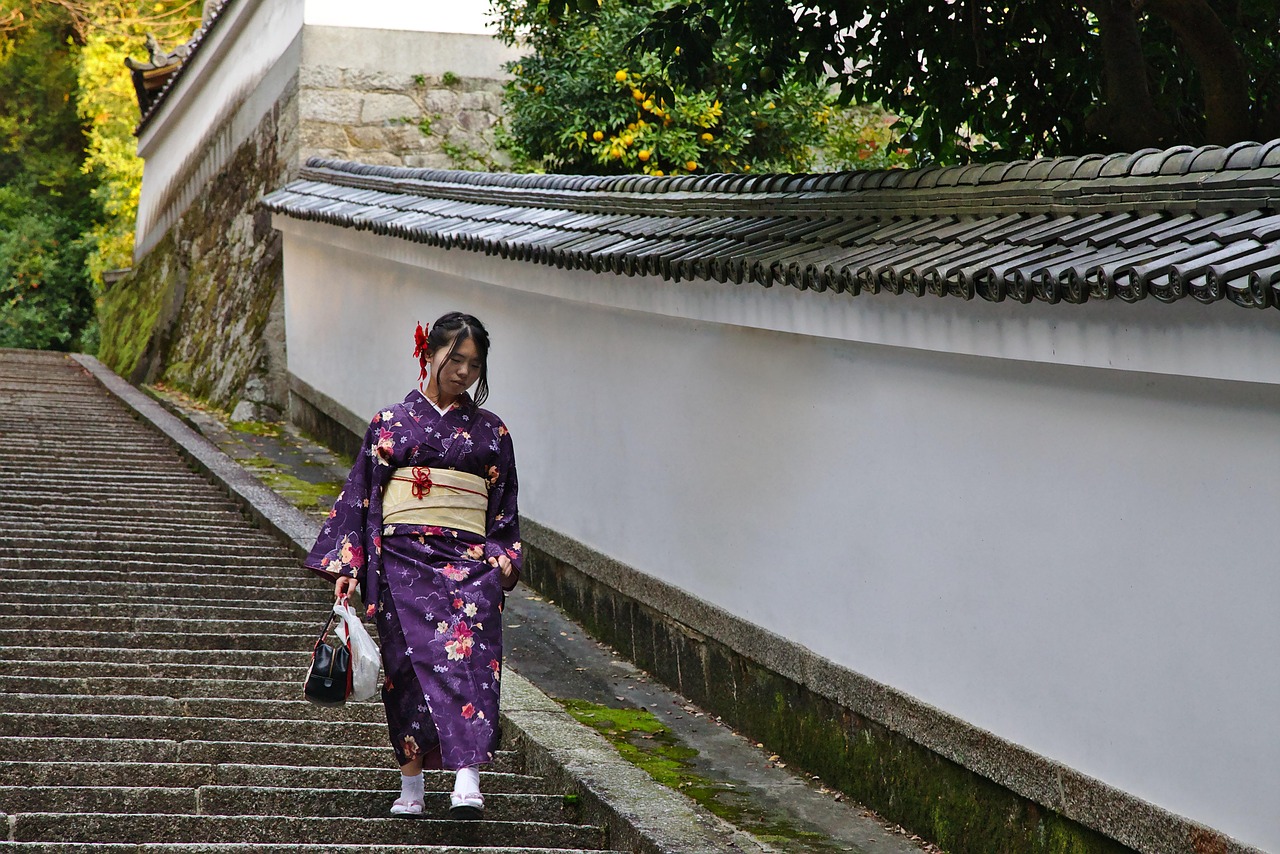
In Kyoto, you’ll often hear geiko (Kyoto dialect for geisha) and maiko, an apprentice geisha in training. The training is rigorous and artistic—dance, shamisen, conversation, and the grace of hosting—often alongside cultural skills such as flower arrangement. Within Gion, two main hanamachi (geisha neighbourhoods) are Gion Kōbu (often written as Gion Kobu) and Gion Higashi, each with its own communities, schedules, and traditions.
When people say “historic geisha district” or even “historic geisha”, what they’re really pointing to is continuity: private teahouses, established performance seasons, and a working artistic culture that still exists in Kyoto’s most famous geisha district.
How to spot a geiko or maiko with trust and care
Travellers often recall the excitement of spotting a geiko or maiko heading to appointments—kimono layers immaculate, hair ornaments catching the light, steps steady and swift. That thrill is real, and it can feel like you’ve brushed against living heritage. But it’s also the moment to practise respect: don’t block the path, don’t call out, and avoid intrusive photos.
If you’d like a more accessible window into geisha culture, consider Gion Corner, which presents curated introductions to traditional Japanese arts. For seasonal stage traditions, look for Miyako Odori and Gion Odori, performances that help you experience the artistry without turning working professionals into a spectacle. That balance—curiosity with care—is what lets a visit to gion feel genuinely meaningful.
Things to Do in Gion by Day Hanamikoji and Shirakawa Canal for things to do in gion hanamikoji street shirakawa canal kyoto
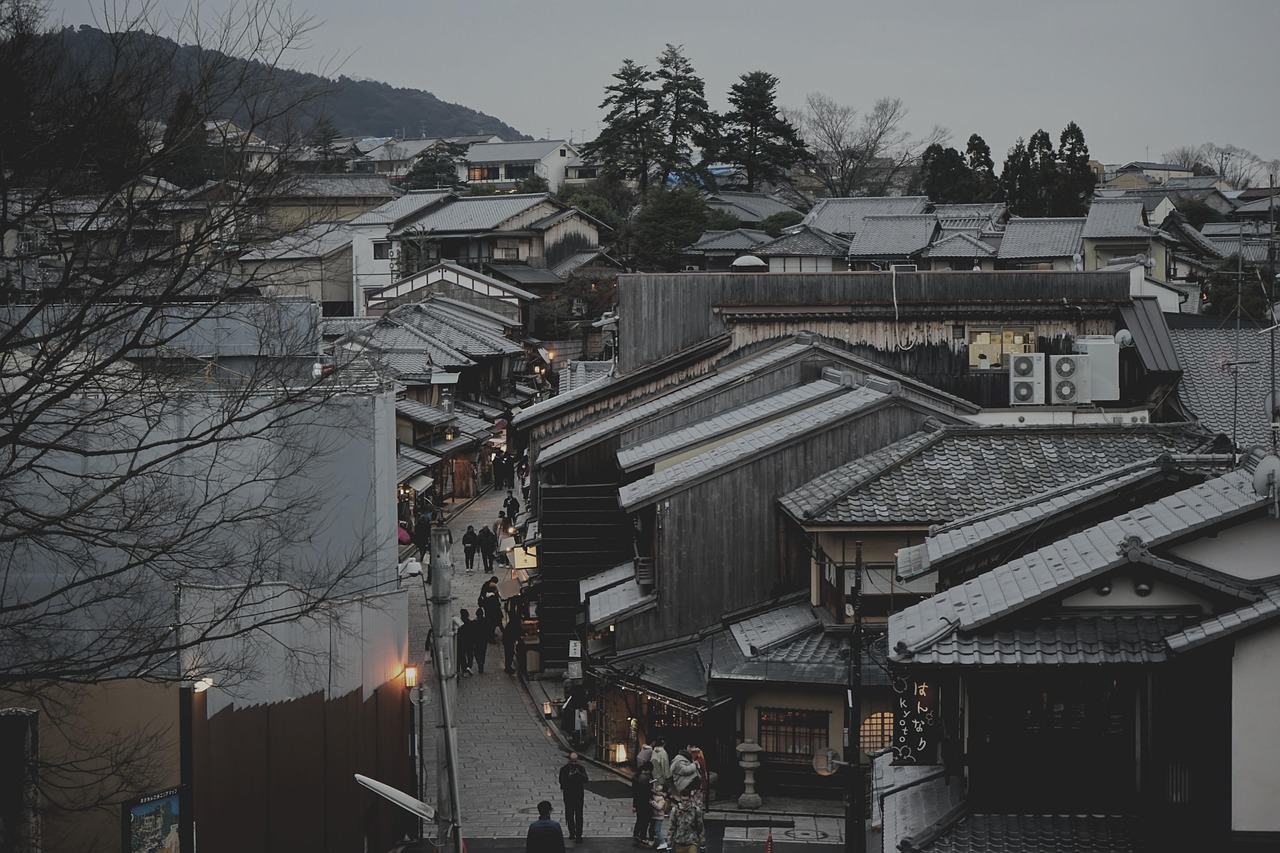
Things to Do in Gion by Day Hanamikoji and Shirakawa Canal in Kyoto
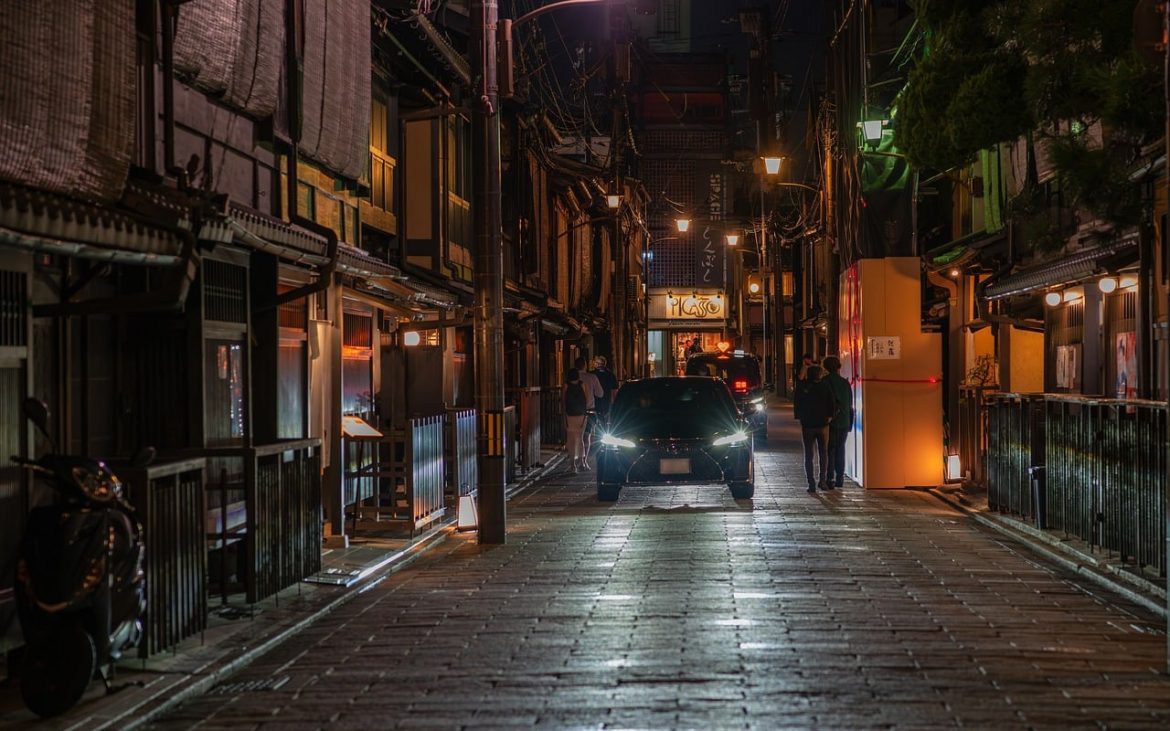
For travellers searching things to do in gion hanamikoji street shirakawa canal kyoto, the daytime version of Gion is a quiet kind of adventure—more texture than spectacle. Hanamikoji Street is the headline: a corridor of traditional Kyōto machiya and townhouse façades that feel designed for slow looking. In the best light, you can photograph the timber latticework and paper lanterns without needing to push close to doorways or interrupt locals.
Hanamikoji Street and the streets of gion at their most peaceful
Early morning is when many travellers fall in love with the streets of gion: fewer cameras, softer footsteps, and a sense that Kyoto is exhaling. Late afternoon brings bigger crowds and a more energetic mood, especially around the edge of the gion district where people gather hoping for sightings. If you want the same atmosphere with more breathing space, take a small detour into back lanes—look for lantern details, tiny gardens, and subtle noren curtains that hint at hidden teahouses.
A riverside pause along shirakawa canal under willow trees
For contrast, drift towards the Shirakawa Canal, where willow trees lean over water and the pace naturally slows. This is where you can create a mini break: sit by the canal, listen to the city soften, and choose a quaint café for something sweet. If you enjoy patisserie-hunting, Patisserie Gion Sakai is a lovely option for a crafted treat that feels distinctly local.
- Best photo angles: shoot down the lane rather than straight into doorways.
- Best time: morning for calm, late afternoon for atmosphere.
- Small detours: pause by the canal, then loop back for architecture and shops.
This is how you explore with confidence in Kyoto: a route that’s simple, but designed to uncover hidden corners without overplanning.
Yasaka Shrine and Temples Near Gion for Calm and Perspective for yasaka shrine temple near gion kyoto japan
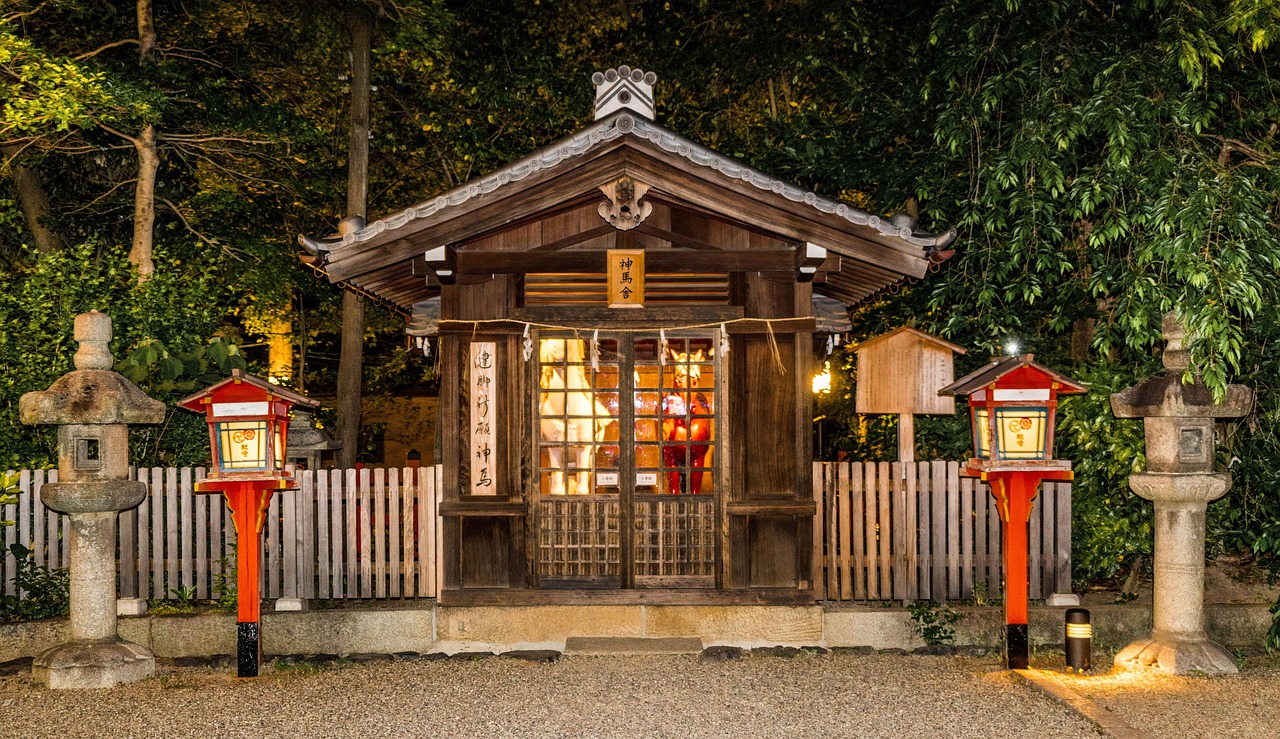
Yasaka Shrine and Temples Near Gion for Calm and Perspective in Kyoto
If you’re mapping yasaka shrine temple near gion kyoto japan, begin with Yasaka Shrine itself, a vibrant anchor that still feels woven into everyday Kyoto. Lanterns glow in the early evening, seasonal festivals bring colour and noise, and the grounds remind you that Gion is not just a backdrop—it’s part of a living spiritual landscape. Locals still refer to its history as Gion Shrine, and that continuity matters.
Yasaka-jinja Shrine and the festival heartbeat of Kyoto
Yasaka-jinja Shrine is easy to slip into between neighbourhood wanderings, and it offers perspective when your itinerary gets fast-paced. During spring blossoms and autumn colour, a shrine visit can be a reset button: a few quieter minutes, a small ritual, a sense of gratitude before you head back into the buzz of Kyoto.
Kennin-ji temple near gion and a moment of zen
For balance, add Kennin-ji, the oldest zen temple in the city and often described as the oldest zen temple in kyoto. It’s close enough to feel effortless, yet it changes the tone entirely—courtyards, ink paintings, and the kind of stillness that makes you notice your own pace. Even a brief temple pause can ground a day of exploration, especially if you’re moving together through busy streets.
Practical respect is simple: dress modestly, keep voices low, follow photo signs, and pause at entrances. If Kyoto feels crowded, look for side paths and smaller garden areas—calm is usually there, just slightly off the main line.
Evenings in Gion Tea Ceremony Pontocho and Gion Matsuri for tea ceremony in gion pontocho kamo river gion matsuri festival kyoto
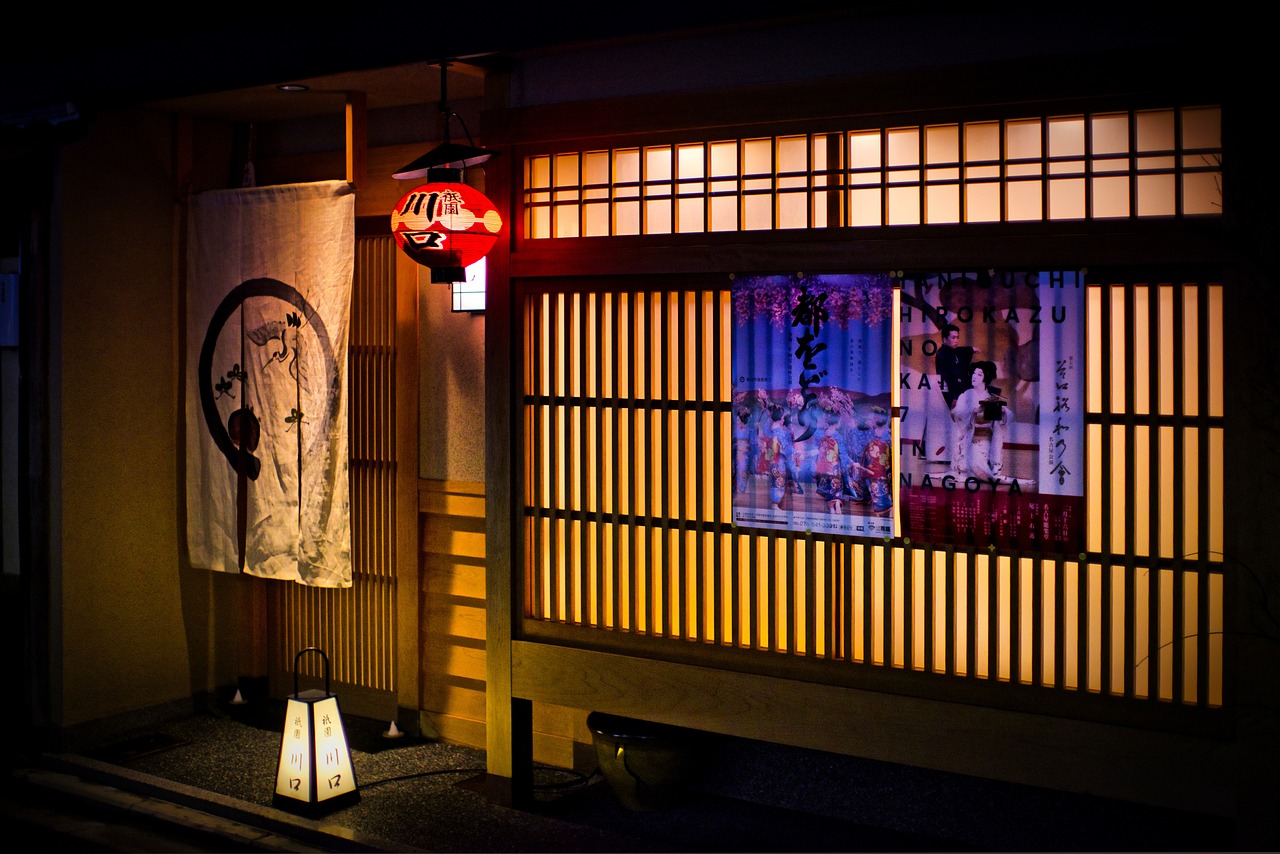
Evenings in Gion Tea Ceremony Pontocho and Gion Matsuri in Kyoto
For tea ceremony in gion pontocho kamo river gion matsuri festival kyoto, think of your evening as three different moods you can design to suit your energy: ritual, dining, and celebration. This is where high-end travel in Kyoto shines—when plans feel seamless, but still personal, leaving room for wonder.
An authentic tea ceremony in historic teahouses
An authentic tea ceremony is less about perfection and more about attention—how you enter, how you sit, how you receive. One adventurer once told us how learning matcha tea technique from a local tea master changed their understanding of Japanese hospitality: the whisking wasn’t hurried, the bowl was turned with care, and the silence felt supportive rather than awkward. After a tea ceremony, try a small pairing that stays true to the moment—something sweet alongside green tea—and notice how the flavours settle the mind.
Because many teahouses are private, the most trusted route is booking via guided experiences. Costs typically sit around 3000–6000 yen, depending on the setting and inclusions.
Pontocho dining near Gion and the Kamo River
For a night that feels cinematic without trying too hard, head to Pontocho, the atmospheric narrow alley near gion with lantern-lit entrances and a river breeze. A visitor once shared a memorable evening dining at riverside tables, tasting delicate Kyoto dishes while watching a small traditional dance set—an intimate nod to traditional arts that made the meal feel like theatre. If you can, request a seat by the Kamo River in warmer months; it’s the kind of detail that turns dinner into a memory.
For adventurous palates, choose kaiseki, a multi-course style built around seasonal ingredients. It’s a traditional Kyōto cuisine moment that feels both refined and deeply rooted in place—quietly luxurious, never showy.
Gion Matsuri festival nights and crowd strategy
If your timing aligns with July, Gion Matsuri can be extraordinary: parades, music, and traditional japanese performing arts threaded through Kyoto’s summer heat. The gion matsuri festival atmosphere is joyful, but it’s busy—plan transit early, carry water, and choose one or two key moments rather than trying to see everything. Arrive before peak time, and build in an exit route so your evening still feels safe and calm.
- Booking: reserve tea ceremony and special dining ahead, especially in peak seasons.
- Behaviour: keep conversations low in lanes, and never chase geiko or maiko for photos.
- Budget: invest in one standout experience rather than scattering spend across forgettable stops.
If you’d like to browse expertly crafted journeys across Japan, our Trip gallery is a calm place to start imagining what’s possible.
What Stayed With Me After Gion in Kyoto for gion in kyoto reflection travel japan
After gion in kyoto reflection travel japan becomes less about where you went and more about what changed in you. In Kyoto, time feels different—stretched gently, as if the city is asking you to notice rather than rush. What stays with me is the lantern light catching on wet stone, the soft sound of footsteps turning a corner, and the way a quiet lane can feel like a private room even in the middle of a world-famous neighbourhood.
There’s nuance here, and it matters. To experience gion is to accept you’re a guest in a living heritage: people work here, train here, and protect traditions that aren’t staged for visitors. Adventure, in this context, doesn’t need volume. It can be the bravery of restraint—choosing not to reach for the camera, letting a geiko pass without interruption, and trusting that the memory will be stronger because you treated it with care.
I think of the moments between moments: a shrine bell far off, the smell of cedar from an old townhouse, the gentle hush inside a temple courtyard. You leave with confidence not because you “did” everything, but because you moved through Kyoto with curiosity, respect, and a kind of quiet attention that feels rare in modern travel.
And then, days later, something small returns—perhaps the imagined swish of silk turning into a lane off Shijo Street—and you find yourself wondering what Kyoto might reveal next time, if you simply walked a little slower.
F.A.Qs: Gion Kyoto Japan
Is Gion Kyoto worth visiting?
Yes—Gion is worth visiting if you value atmosphere, heritage, and craft. The beauty is in small details: machiya façades, lantern-lit lanes, a calm shrine visit, and the chance to witness Kyoto’s arts respectfully. Go early or late to avoid crowds, and choose one meaningful experience—like a tea ceremony or a refined dinner—so the visit feels personal rather than rushed.
What is the famous street Gion in Kyoto?
The best-known street is Hanamikoji Street. It’s celebrated for its traditional architecture, elegant façades, and the sense of stepping into an older Kyoto. Visit in the morning for quieter photos and a more reflective mood, then return later if you want a livelier atmosphere. Remember it’s a real neighbourhood, so keep to the side and avoid blocking doorways.
Is Gion a tourist trap?
Gion can feel touristy at peak hours, but it isn’t inherently a tourist trap. It’s a working cultural district with private teahouses, seasonal performances, and long-standing local businesses. Your experience depends on timing and behaviour: avoid chasing sightings, book reputable cultural experiences, and explore side lanes and nearby temples to find the quieter, more authentic side of the area.
Is Gion the geisha district?
Gion is Kyoto’s most famous geisha district, home to established hanamachi such as Gion Kobu and Gion Higashi. You may see geiko or maiko walking to engagements, but they are working professionals, not attractions. If you want a more structured introduction, consider cultural venues and performances where the arts are presented respectfully and access is appropriate.