Post Contents
- Tokyo Metro as Tokyo’s Cultural Pulse and transit culture guide Japan
- Tokyo Metro subway map and route planner for Tokyo travel Japan with subway map navigation
- Use the Tokyo subway from Shibuya to Shinjuku Yamanote line Japan with transit shortcuts
- Asakusa Senso-ji by subway Tokyo Metro Japan with sumida traditions
- Tokyo subway Ueno Park museums Ginza station Japan attraction with crafted modern detours
- Tokyo Metro reflections Japan travel personal insight after the subway
- F.A.Qs: Tokyo Metro Japan
Tokyo Metro as Tokyo’s Cultural Pulse and transit culture guide Japan
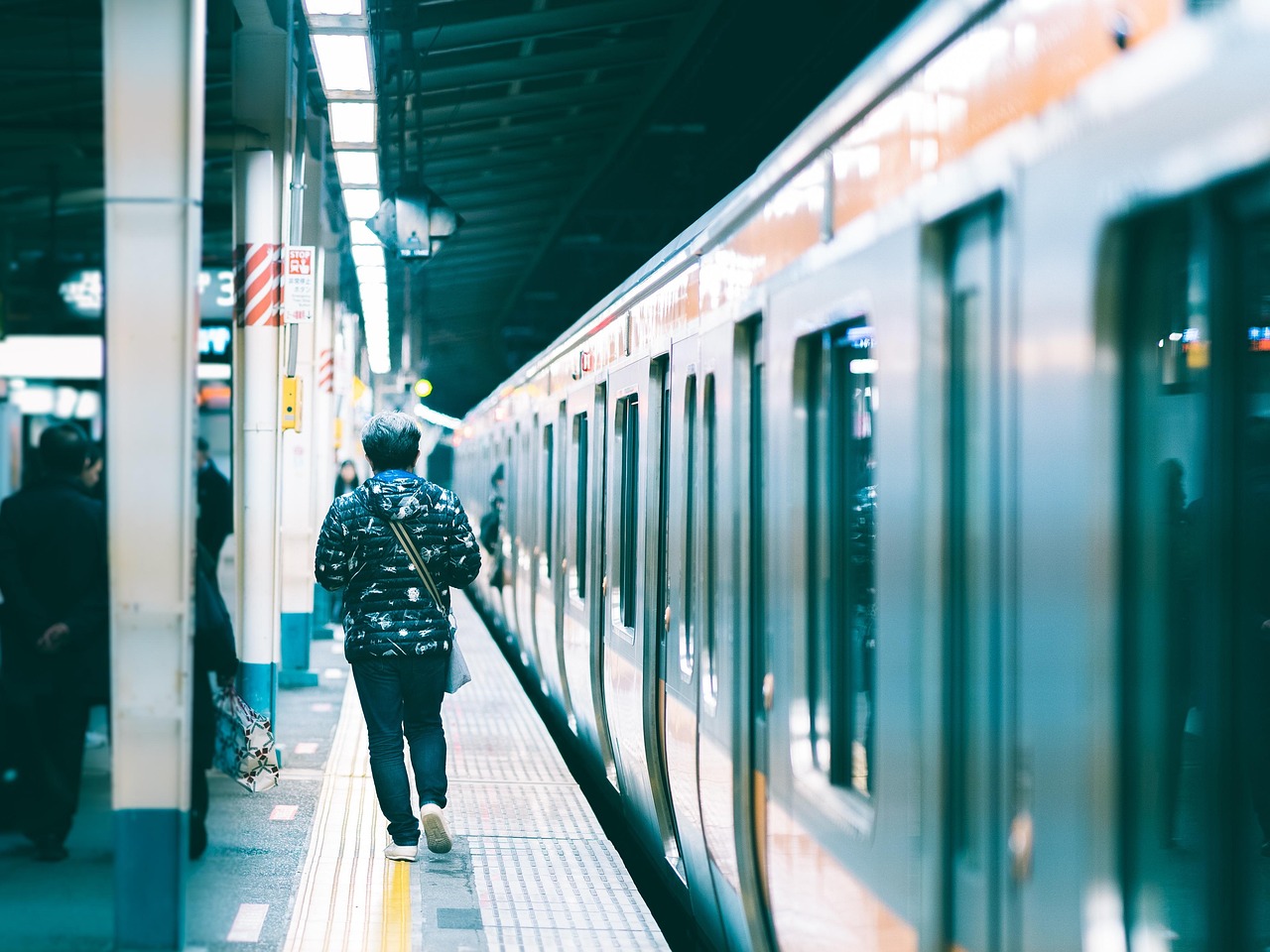
Tokyo Metro as Tokyo’s Cultural Pulse and transit culture guide Japan in a quiet, immaculate station
Think of the Tokyo Metro transit culture guide Japan as an invitation, not an obstacle: a daily stage where Tokyo’s moves, pauses, and courtesies hold the city together. The subway here feels quietly premium—bright lighting, clear announcements, and a calm that reassures you even when you’re new.
For first-timers, the biggest surprise is how quickly you gain confidence. The ticket gate reads your card with a soft beep, platforms are clean, and people queue as if they’re part of the same gentle choreography. It’s an efficient way to get around that still leaves room for wonder.
Public transport as a cultural “room” you step into together
I remember a solo traveller telling me her first Tokyo Metro ride felt like slipping into the city’s rhythm instantly. She hesitated at the ticket gate, and a commuter quietly pointed to the right slot and waited—no impatience, just care. Later that evening, that same sense of trust carried her into a tiny sushi bar near Tsukiji, where locals helped her choose a seasonal nigiri and the conversation became the souvenir.
This is the designer secret: don’t treat the subway as dead time. Treat it as part of the experience—your moving gallery between districts, where you can observe, learn, and feel held by the system.
Design your day by stations, not just sights
One warm, reassuring way to explore is to “design” your day by stations—each stop a small chapter with its own tempo. Start with one anchor area, then create a second that contrasts it: neon energy after temple calm; museum depth after street food. If you’d like inspiration for crafted routes beyond the city, you can browse our Trip gallery and imagine how rail days can feel as intentional as boutique hotel stays.
And if you’re wondering whether you’ll manage it all—yes. The Tokyo Metro is often the easiest way to get around Tokyo because it rewards calm attention more than speed.


A Tokyo Metro subway map and route planner for Tokyo travel Japan looks intimidating until you notice the logic: colour-coded lines, station numbering, and clear interchange symbols. The subway map is designed so you can find your way without rushing, even in a new city.
Start by matching three things: line colour, station number, and direction (often shown by the terminal station name). If you keep your eyes on those anchors, the rest becomes intuitive surprisingly fast.
Tokyo Metro and Toei with jr lines, and why transfers feel normal
In practical terms, you’ll often use Tokyo Metro and Toei together, and you may also connect to jr lines for bigger hops. It’s not a sign you’ve “done it wrong”—it’s simply how the city’s train lines interlock. Knowing the difference between Tokyo Metro and Toei helps with planning, especially when you’re comparing ticket options and entry gates.
For payment, most travellers choose a rechargeable ic card because it keeps everything seamless across subway lines, many buses, and even convenience stores. A Suica or Pasmo card (often written as suica or pasmo) spares you the mental load of calculating each fare at the machine.
For English-friendly navigation, a dedicated route planner such as Tokyo Metro Navigator is genuinely supportive, especially when platforms change for renovation. Always rely on an up-to-date map and glance at service notices for anything up-to-date that might affect your evening plan.
- Choose one attraction and note the nearest station on the tokyo metro map.
- Confirm the transfer if your route uses tokyo metro and toei—signage is consistent once you expect it.
- Check the last train before dinner plans; the network runs roughly 5:00 AM to midnight.
- Repeat, don’t perfect: after two or three rides, getting around the city becomes second nature.
One final reassurance for adventure seekers: you don’t need to “master” it on day one. You just need enough confidence to take the next ride.
Use the Tokyo subway from Shibuya to Shinjuku Yamanote line Japan with transit shortcuts
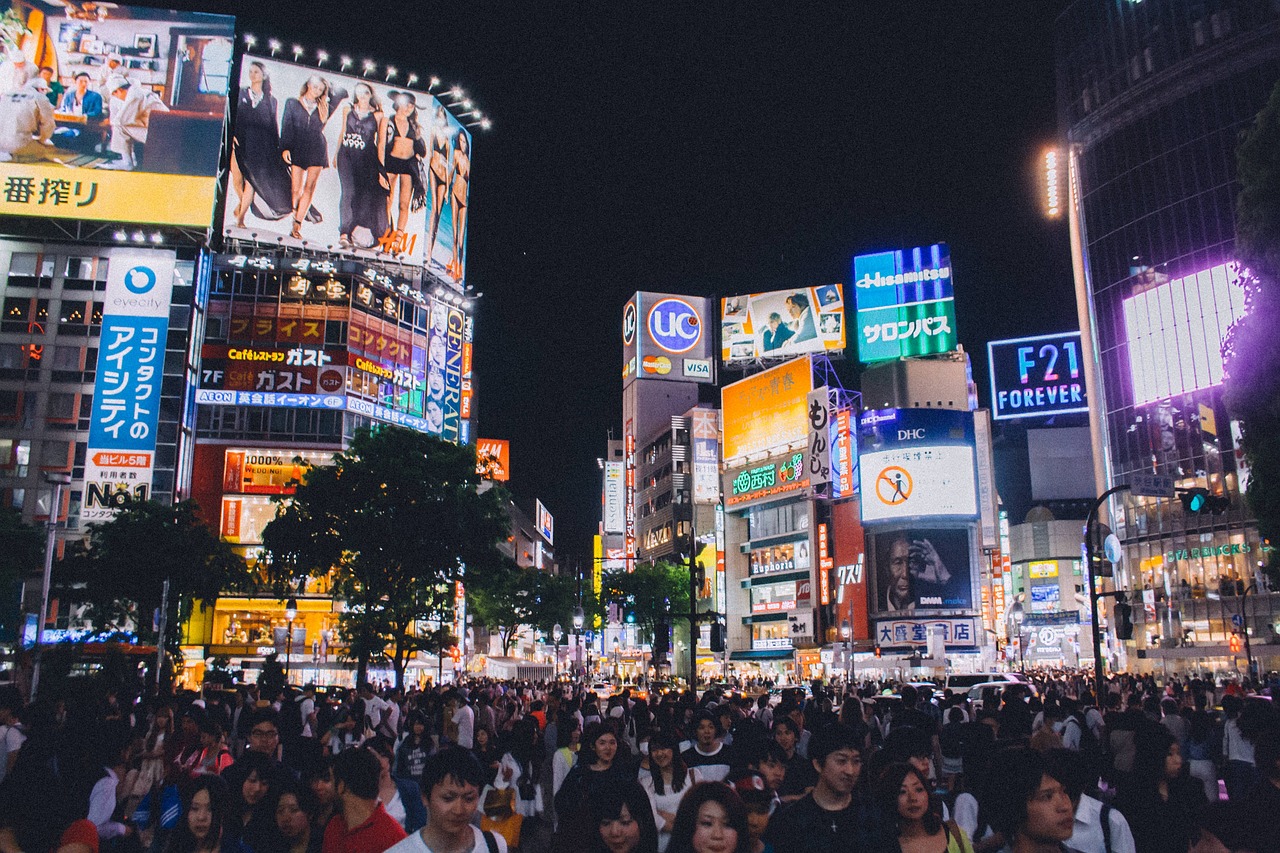
Use the Tokyo subway from Shibuya to Shinjuku Yamanote line Japan with the iconic Shibuya Crossing
To use the Tokyo subway from Shibuya to Shinjuku Yamanote line Japan is to ride straight into Tokyo’s high-voltage heart. Begin at Shibuya, stand at the edge of the famous scramble, and let the crossing pull you into the city’s pulse—an immersive urban moment that still feels oddly elegant when you watch the flow rather than fight it.
From there, glide onwards towards Shinjuku for neon streets, late-night bookstores, and cocktail bars tucked above ramen counters. If you can, avoid rush hours (7:30–9:00 AM and 5:00–7:00 PM) so your subway train feels calmer and you can explore with more ease.
Yamanote connections and the jr yamanote shortcut
Here’s the small piece of magic: the subway often hands you to the loop when it’s faster. The yamanote line (including the jr yamanote services) circles central Tokyo like a reliable compass, and it can be a smart shortcut between hubs when you’re stitching neighbourhoods together. If your route planner suggests the yamanote, take it—this is one of those moments where the system quietly supports you.
If you’re arriving from an airport such as Haneda Airport or Narita (both are major gateways from an international airport), you’ll likely connect into central Tokyo and then continue by metro. That first transfer can feel big—then it suddenly doesn’t.
After-dark courage on the Yurikamome and a micro-adventure beyond the plan
One adventurer told me the moment Tokyo truly “opened” for him was watching the city light up from the Yurikamome Line. Crossing the futuristic Rainbow Bridge, he felt as if the skyline had been designed for curiosity—glass, water, and reflections moving together in the dark.
Try this micro-adventure prompt: pick one station beyond your plan in a nearby suburb and step out for twenty minutes. You might uncover a lantern-lit side street, a jazz kissaten, or a bakery with a queue of locals—small rewards that make the city feel personal. If you want a nature-flavoured contrast, consider a later day trip towards Takao, where the mountains feel worlds away from the bright grid.
Keep it smooth with etiquette that builds trust: queue neatly, keep phone calls quiet, and move with commuter flow rather than against it. It’s amazing how quickly the city carries you when you travel together.
Asakusa Senso-ji by subway Tokyo Metro Japan with sumida traditions
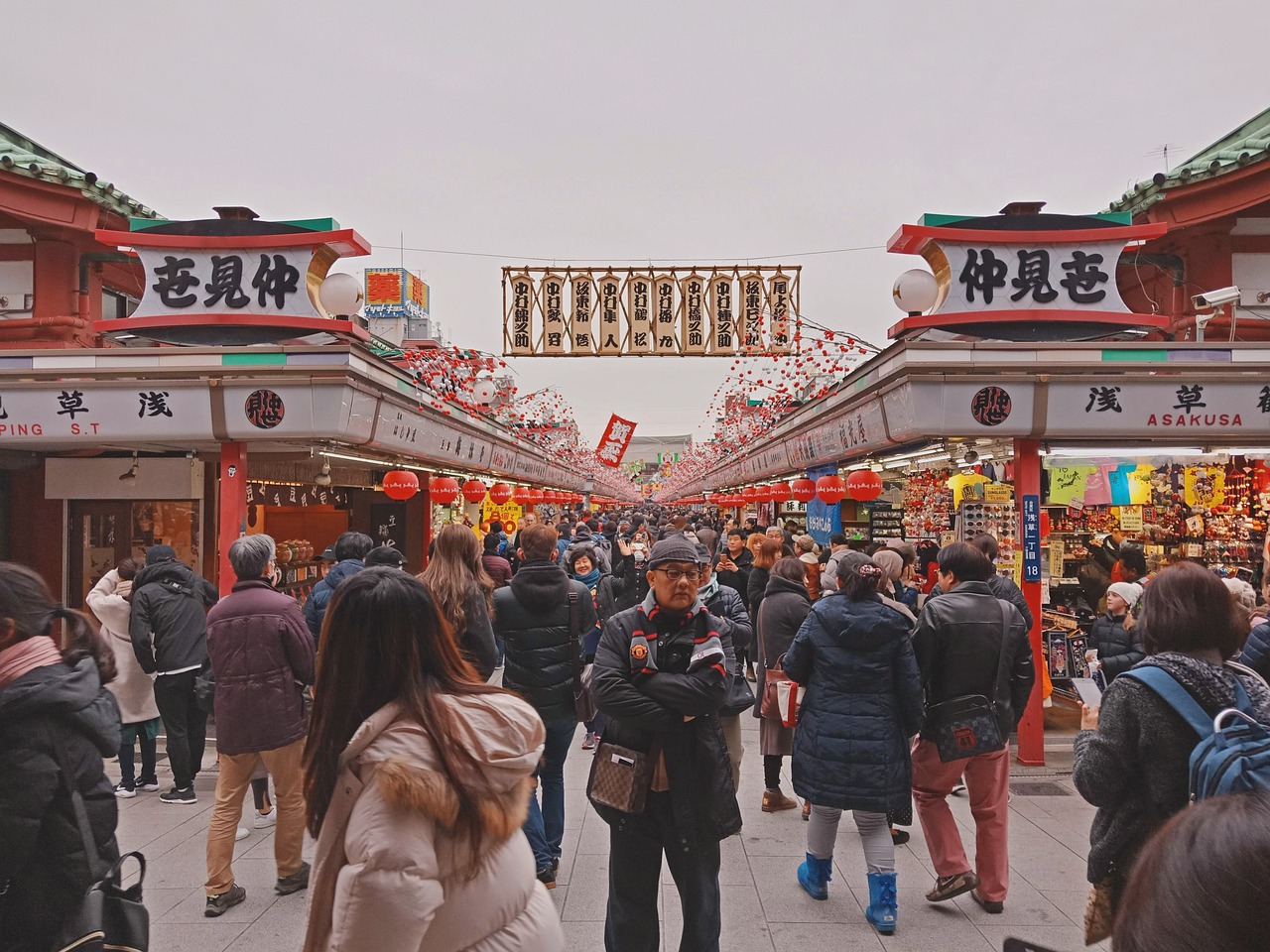
Asakusa Senso-ji by subway Tokyo Metro Japan with lantern-lit market lanes leading to the temple
Planning Asakusa Senso-ji by subway Tokyo Metro Japan is one of the simplest ways to step from modern Tokyo into something older and quietly powerful. You arrive, follow the signs to the exit, and within minutes the air changes—incense, paper charms, and the soft theatre of daily ritual.
Let the market lanes lead you towards Senso-ji rather than trying to optimise every turn. There’s an art to this kind of exploring: slow down, notice craftsmanship, and allow a small detour to become your insight.
Asakusa mornings where historic culture meets everyday life
At the temple, watch how locals approach: a brief pause, a rinse at the water basin, a respectful bow. Street snacks and small shopping are part of the atmosphere, but the tone stays considered—take photographs thoughtfully and keep your voice gentle. This is where adventure seekers can discover a different kind of thrill: the intimacy of tradition in the middle of a megacity.
If you’re travelling on Toei for part of your route, don’t worry about complexity. The toei subway lines connect cleanly with other networks, and transfers are clearly signposted so you can keep your calm.
Sumida riverside as a reset between districts
When the crowds feel bright, walk towards sumida and let the river do what it does best: soften the edges of the day. The riverside paths offer space, slower streets, and a sense that the city is breathing. It’s a gentle counterpoint that helps you keep your energy for later.
A small “designer journey” prompt: imagine your own morning ritual—temple visit, coffee, then one intentional detour for local context. You’re not conquering Tokyo; you’re learning to move with it.
Tokyo subway Ueno Park museums Ginza station Japan attraction with crafted modern detours
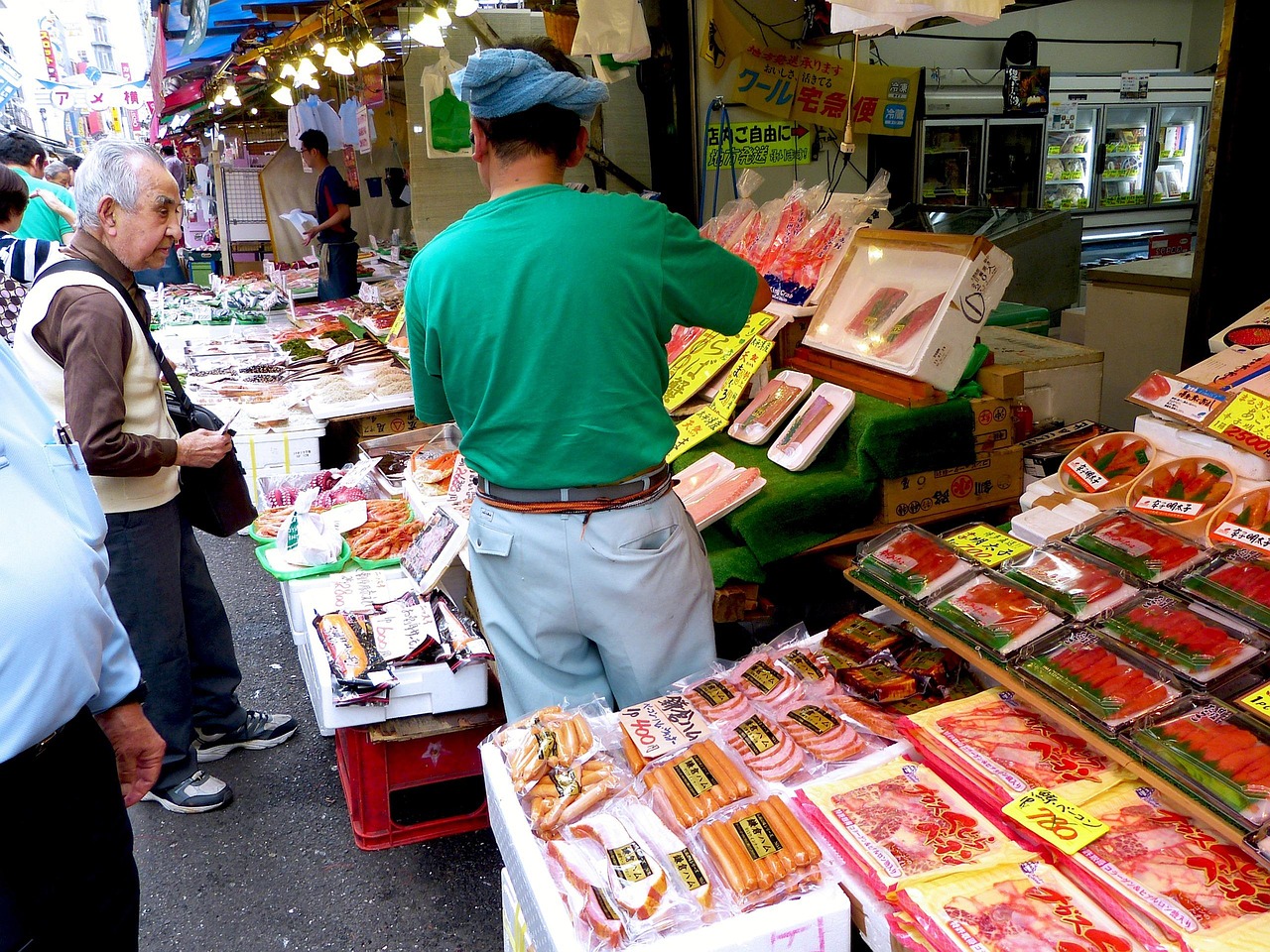
Tokyo subway Ueno Park museums Ginza station Japan attraction day blending art, green space, and city design
A Tokyo subway Ueno Park museums Ginza station Japan attraction day is ideal when you want contrast with a polished edge. Arrive via metro, step into Ueno Park, and choose one museum that deepens your understanding—especially the Tokyo National Museum, where Japanese history and art are presented with quiet authority.
There’s something reassuring about this kind of day: it’s adventurous, but it’s also curated by the city itself. Even if you’re short on time, one gallery can give your whole trip more meaning.
Ueno Park calm, museum depth, and a small boat on the moat
A group of friends once described their favourite morning here: a walk under trees, then a peaceful boat ride on the moat. Tokyo’s fast pace was still nearby, but it felt softened by green space and birdsong. It’s a reminder that you can design intensity and still leave space for quiet.
If you’re curious about fare and what you’ll spend, the metro is refreshingly predictable: 180 to 330 yen depending on how far you travel. That clarity makes it easier to say yes to an extra museum, or to hop one more stop when curiosity strikes.
Ginza polish and teamLab Borderless as a modern, digital leap
Now switch mood in a single ride: Ginza is a themed stop where high-end shopping, galleries, and culinary delights feel carefully crafted. Even the station experience can feel like design—clean lines, controlled lighting, and a sense that modernity has been tailored, not rushed.
For a bolder detour, consider teamLab Borderless for immersive digital art. Because venues and access can shift, check the up-to-date location and nearest subway station before you go so your plan stays seamless.
- IC cards and payment: use your ic cards for easy entry; top up at machines in English.
- Discount tickets: if you’re sightseeing hard, ask about discount tickets such as a 72-hour ticket or a pass for unlimited metro rides.
- Late-night reality: after midnight, options narrow and taxis can be expensive, so design your evening with the last train in mind.
- Extra reach: if you’re heading out towards Chiba on another day, you’ll likely blend metro with regional connections without drama.
And if you want one last human note to hold onto: that solo traveller’s small sushi bar near Tsukiji wasn’t planned. It happened because she felt confident enough to follow a side street—and locals met her curiosity with warmth.
Tokyo Metro reflections Japan travel personal insight after the subway
Tokyo Metro reflections Japan travel personal insight often arrive in the quiet seconds after you surface—when the escalator lifts you into a different world. One station releases you into neon and velocity; another into shrine shadows, museum steps, or the hush of a residential lane. Each doorway changes the day without asking you to explain yourself.
What stayed with me most wasn’t the feeling of having “figured it out”, but of being gently included. Strangers offered support at ticket machines with patient gestures; someone wordlessly pointed to the right platform; a commuter stepped aside so a suitcase could pass. In a city this vast, those small acts of care make it feel unexpectedly intimate.
Over time, the subway becomes a personal memory of trust. You stop bracing yourself, and you start listening—watching the queues form, noticing how quiet is shared, sensing the rhythm that keeps everyone moving together. It’s less about control and more about belonging for a while, as if the city has lent you its confidence.
And long after you’ve left, you may find you still remember the feel of the handrail, the soft beep at the gate, and the way a new street appeared at the top of the stairs—like a small promise that there will always be another Tokyo waiting beneath the surface, ready to be met with curiosity.
F.A.Qs: Tokyo Metro Japan
How to use Tokyo Metro as a foreigner?
Start with an IC card at the first station and tap in and out at the ticket gate. Use English signage, station numbers, and a navigation app to confirm platforms and transfers. Queuing is orderly, staff are helpful, and commuters often offer quiet support if you look unsure. Avoid peak hours for an easier first ride, and check the last train time before dinner plans.
Are Tokyo subway and Tokyo Metro the same?
Not exactly. “Tokyo subway” is a general term people use for the city’s underground network, while Tokyo Metro is one operator. Toei is another operator, and many journeys also connect to JR services above ground. In practice, it feels integrated: signs guide you through transfers, and IC cards work across networks, so you can move between operators without stress.
When to avoid Tokyo Metro?
Avoid rush hours if you want a calmer, high-end feel: roughly 7:30–9:00 AM and 5:00–7:00 PM on weekdays. Late night also needs planning because trains finish around midnight and taxis are costly. For serene sightseeing, travel mid-morning, mid-afternoon, or later evening, when stations feel more spacious and you can explore at your own pace.
How do I pay for the Tokyo Metro?
The simplest option is a prepaid IC card such as Suica or Pasmo, which you top up and tap at gates. You can also buy single tickets, with the price based on distance. If you plan to ride often, look for discount passes like a 24-hour option or multi-day tickets, and confirm whether they cover both Tokyo Metro and Toei before you commit.