Post Contents
- Heian Shrine Kyoto Japan overview Heian Jingū 平安神宮 and why 平安神宮 feels timeless
- Heian Jingu shrine built in 1895 1100th anniversary founding of Heiankyō with Heian Jingu shrine history
- Heian Shrine torii gate Daigokuden main gate Kyoto and the entrance adventure
- Heian Shrine gardens East Garden South Garden Japanese garden Kyoto with pond paths
- Jidai Matsuri Heian Shrine Kyoto October 22 Festival of the Ages with Jidai energy
- How to reach Heian Shrine from Kyoto Station Higashiyama Station Tozai subway line Sanjo for seamless logistics
- Heian Jingū reflections Kyoto shrine gardens feeling after time at Heian Jingu
- F.A.Qs: Heian Shrine Kyoto Japan
Heian Shrine Kyoto Japan overview Heian Jingū 平安神宮 and why 平安神宮 feels timeless
Heian Shrine Kyoto and why 平安神宮 feels timeless in the quiet courtyard
For a clear Heian Shrine Kyoto Japan overview, Heian Jingū 平安神宮 is one of those places that instantly steadies your breathing while keeping your senses alert. This shrine sits in Kyoto’s Okazaki area, where galleries, canals, and wide avenues soften into a sacred precinct with a confident sense of space.
Imagine arriving early, before the day starts to shimmer with tour groups. In the courtyard of Heian Shrine, the light has a cooler tone, footsteps sound respectful rather than rushed, and the grounds of Heian feel like a calm stage waiting for the city to wake.
Heian Shrine in Kyoto as an adventure-minded gateway
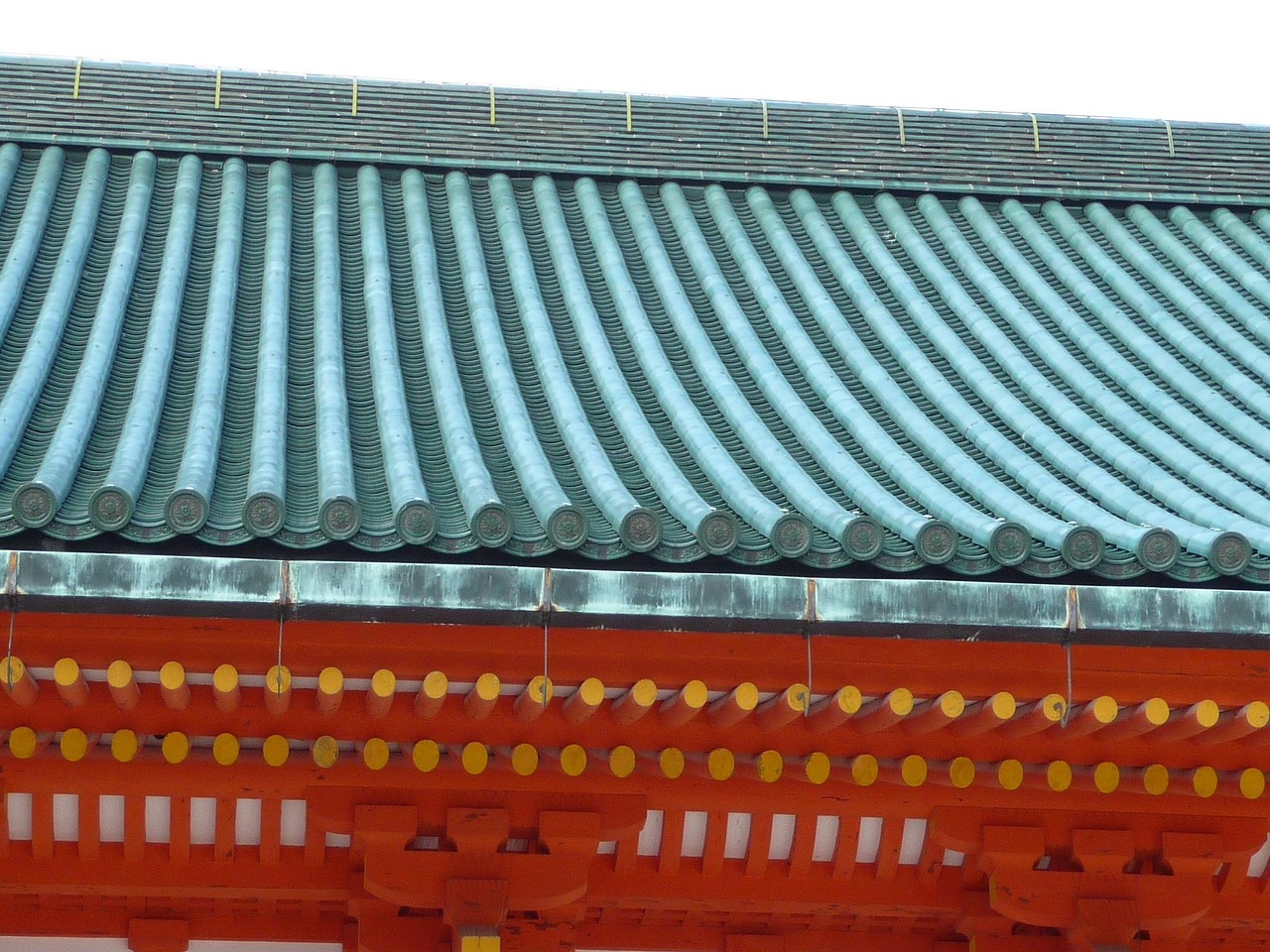
This is not a compact hidden shrine you “tick off”. It’s built for wandering—broad approaches, bold lines, and pauses that invite you to discover small details: the sweep of roof edges, the rhythm of lanterns, and how the city noise seems to fall away at the entrance.
Adventure seekers often love the scale because it lets you create your own pace: a fast first loop to get your bearings, then a slower return for photographs and quiet observation. You’ll uncover that the simplest moments here can feel the most personal.
Respectful movement inside a sacred shrine space
A little care goes a long way. Speak softly, keep phone calls outside the precinct, and refrain from eating or drinking within the shrine grounds; signage will also indicate where shoes should be removed. If you’re unsure, follow locals and move with calm confidence—Kyoto rewards travellers who explore thoughtfully and together with the place, not against it.


Heian Jingu shrine built in 1895 1100th anniversary founding of Heiankyō with Heian Jingu shrine history
Heian Jingu shrine history from Heian period to 1895 told through timeless architecture
Heian Jingu shrine built in 1895 is one of Kyoto’s most meaningful cultural statements, created for the 1100th anniversary of the founding of Heiankyō. To understand why it resonates, it helps to remember the Heian period, when Kyoto was the capital of Japan and court culture shaped art, poetry, and the rituals of the imperial palace.
If you’re exploring nearby, you can connect this story back to the Kyoto Imperial Palace, where the traditions of an imperial palace still feel present in the formal geometry and quiet restraint. In a sense, this shrine becomes a bridge—Kyoto’s classical memory made visible in modern Kyoto city.
Heian Jingu shrine and the first and last emperors of Kyoto’s era
Heian Jingu was built to honour Emperor Kanmu, associated with the founding era of the city, and Emperor Komei (1831-1867), often described among the first and last emperors most closely tied to Kyoto’s imperial chapter. It’s not history for history’s sake; it’s a foundation in Kyoto that helps you read the atmosphere around you.
How to uncover context without turning it into a lecture
Here’s a simple way to invite insight while keeping the visit light and present: read one plaque in full, then choose one detail to “track” as you move—roof ornamentation, painted beams, or how visitors bow and step aside. When you do that, you don’t just see a shrine; you start to understand how Kyoto’s layers were carefully crafted.
Heian Shrine torii gate Daigokuden main gate Kyoto and the entrance adventure
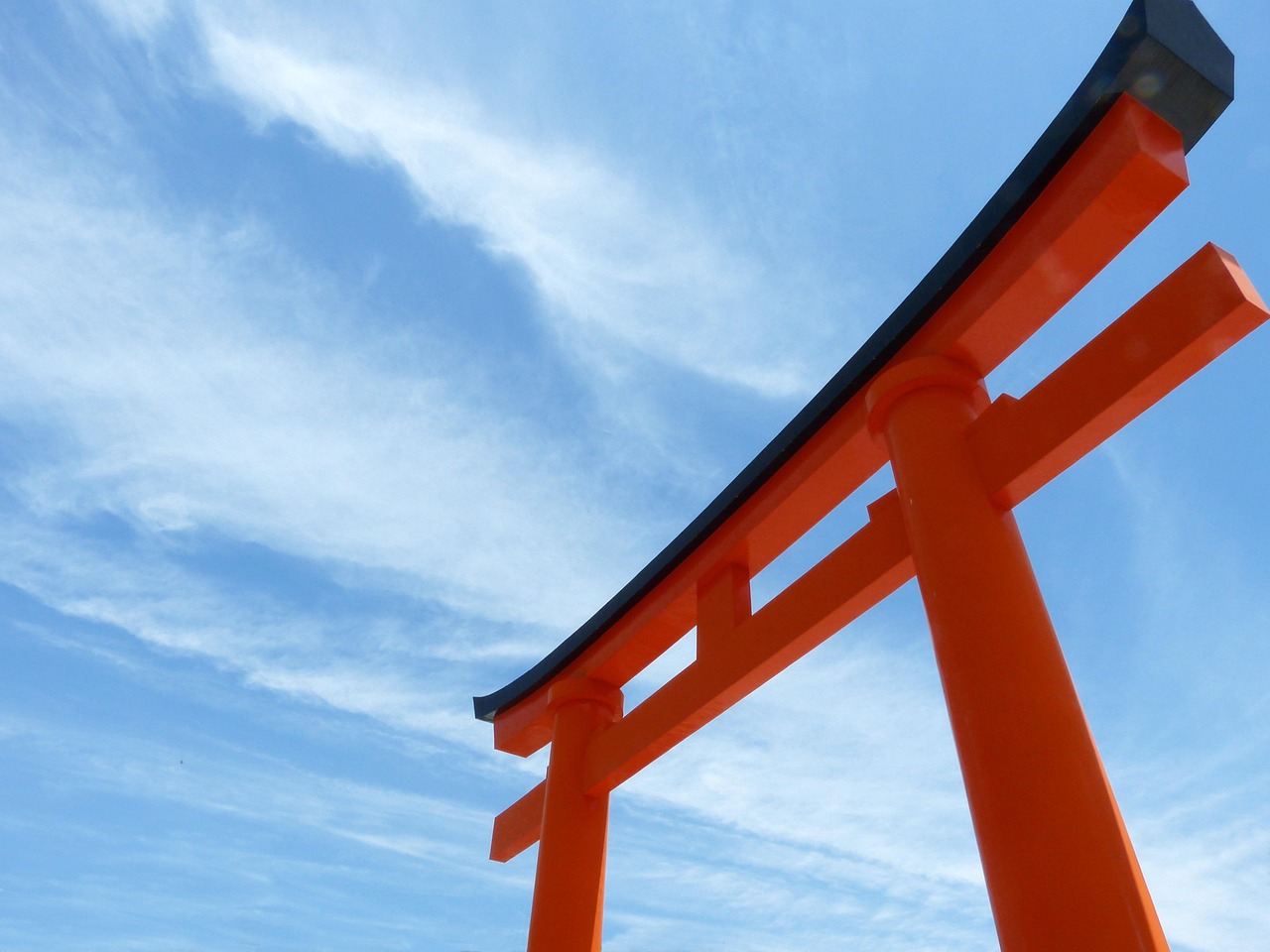
Vermilion structures and the torii gate entrance adventure at Heian Shrine
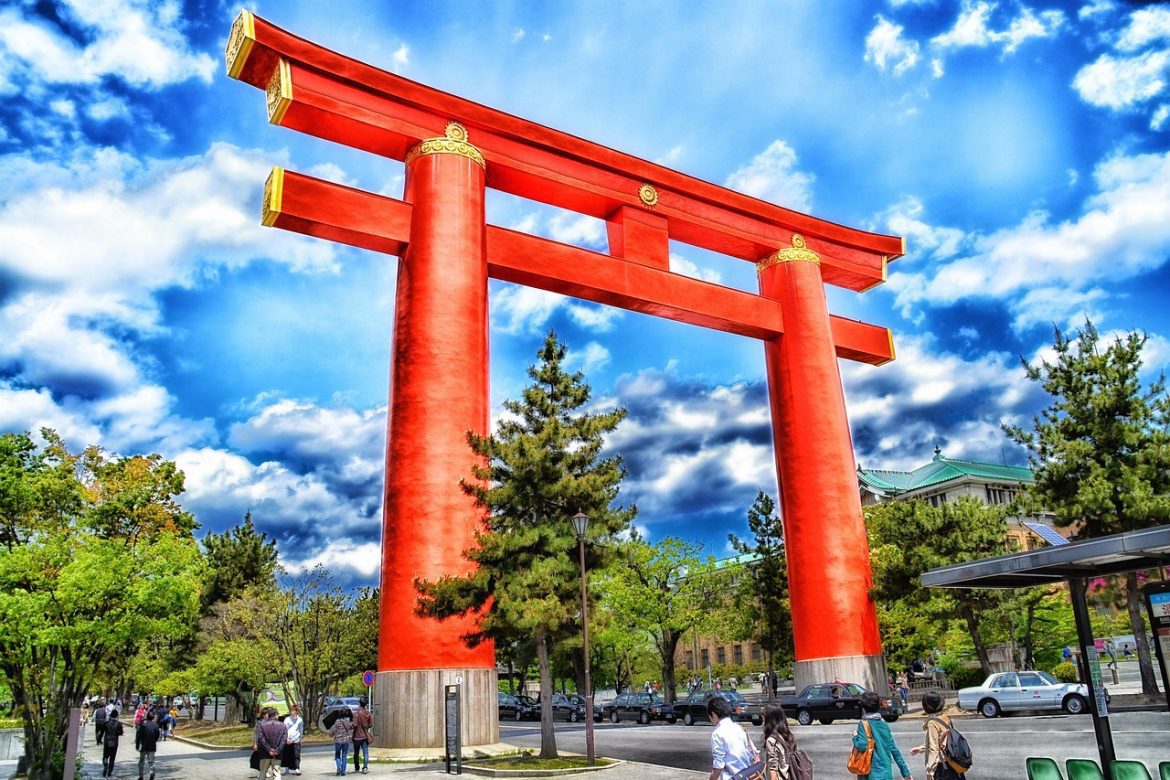
Heian Shrine torii gate Daigokuden main gate Kyoto is your first cinematic moment: the street scene recedes, and a hush appears almost on cue. Passing beneath the torii gate feels like a threshold in every sense—one step in, and the city’s pace becomes easier to leave behind.
From the main entrance, the scale is immediate. The courtyard opens wide, giving you that rare travel luxury: room to breathe, to slow, to decide how you want to explore.
Daigokuden and the structures of the shrine
Culture lovers often linger here because the main building area echoes the layout of the Heian Palace, with Daigokuden as a focal point. The structures of the shrine were conceived as a scale replica and a replica of the original courtly composition, translating imperial symbolism into a space you can walk through today.
Look for how the axis lines draw you forward, then allow you to drift. There’s a formal confidence to it all, yet it never feels unwelcoming.
Photographing the entrance gate and behind the main buildings
For strong images, try a low angle that lets the entrance gate loom without distortion, then step sideways to frame the courtyard with one vermilion pillar as an anchor. If you want quieter compositions, slip behind the main buildings and shoot back towards the open space—your photos will feel more intimate, even on a busy day.
One traveller told us their most vivid memory wasn’t a perfect shot at all, but a local scene: locals practising traditional tea ceremonies on shrine grounds. It felt authentic and generous, the sort of moment that can’t be scheduled, only noticed.
Heian Shrine gardens East Garden South Garden Japanese garden Kyoto with pond paths
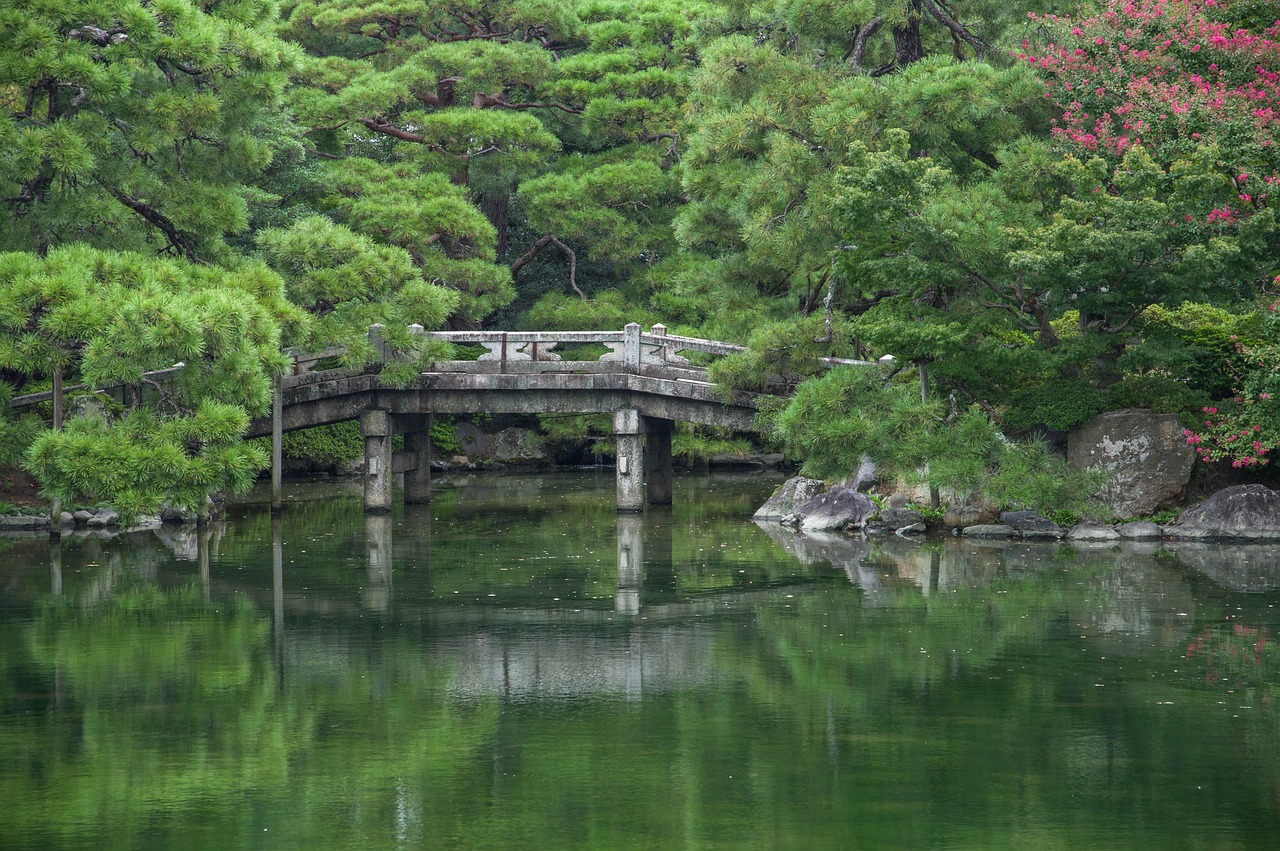
Gardens of Heian East Garden South Garden and pond paths at Heian Shrine
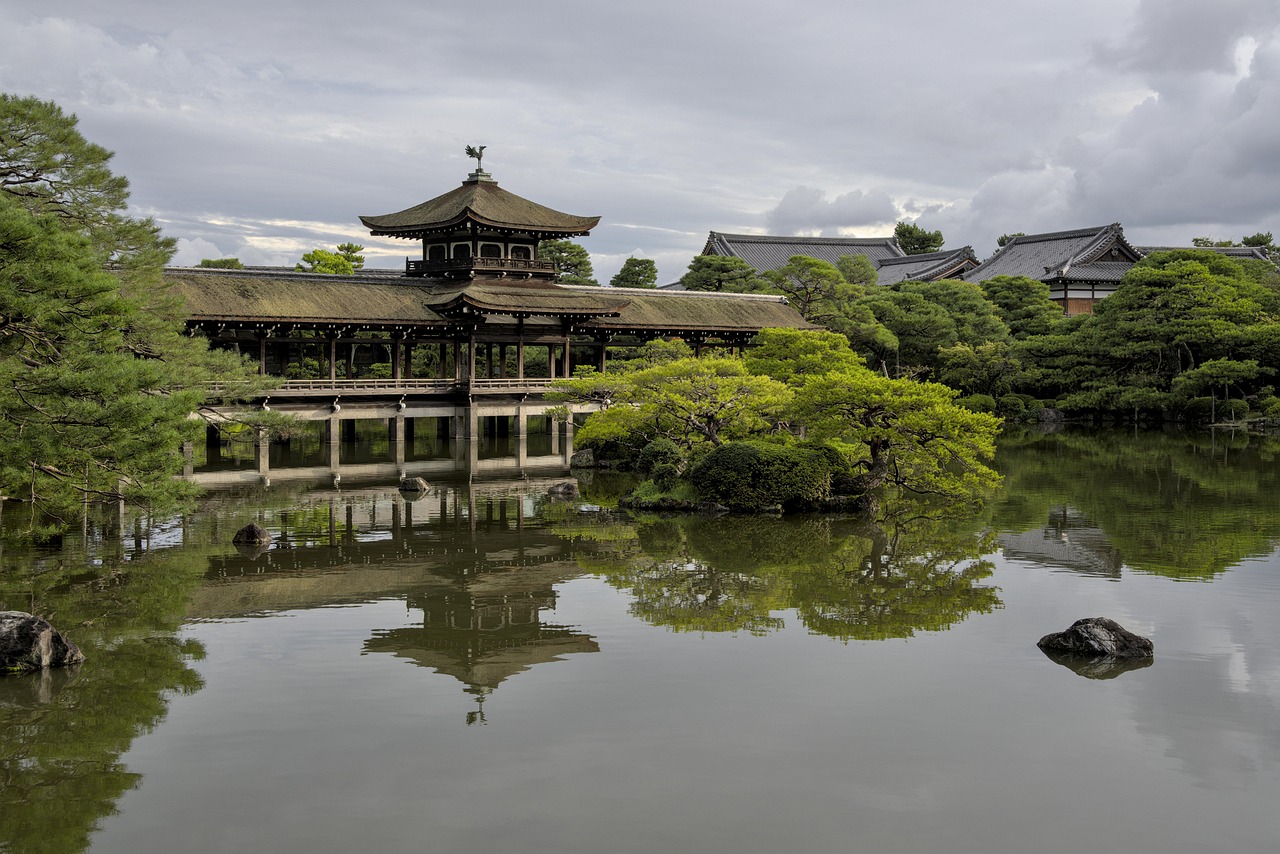
Heian Shrine gardens East Garden South Garden Japanese garden Kyoto is where the energy changes from grand to quietly immersive. The gardens of Heian are part of the paid garden area, and the admission (around 600 yen) is a small, confidence-boosting investment in calm beauty spread across thousands of square meters.
A garden-first route keeps things seamless: begin in the East Garden, continue through the Middle Garden, and finish in the South Garden, letting the paths and water guide you rather than rushing to “see it all”.
Seasonal colour in the East Garden and by the pond
Timing transforms this shrine visit. In spring, cherry trees and weeping cherry trees soften the scene with drifting petals; in June, irises gather near the pond like brushstrokes; and in November, chrysanthemums bring a more formal, jewel-toned display that feels distinctly Kyoto.
If you arrive early, the reward is not only fewer people but also better light—gentler reflections, quieter backgrounds, and the chance to reconnect with nature in a way that feels personal rather than performative.
Designed by Ogawa Jihei with modern Japanese garden restraint
The landscape carries a modern Japanese garden sensibility shaped by Ogawa, specifically Ogawa Jihei VII, celebrated for composed sightlines and water-driven design. You’ll notice stepping paths, framed views, and a rhythm of openness and enclosure—designed by Ogawa Jihei to encourage slow looking rather than quick consumption.
When crowds do build, don’t fight them. Drift a little, wait a moment, and you’ll often find your own pocket of stillness again.
Jidai Matsuri Heian Shrine Kyoto October 22 Festival of the Ages with Jidai energy
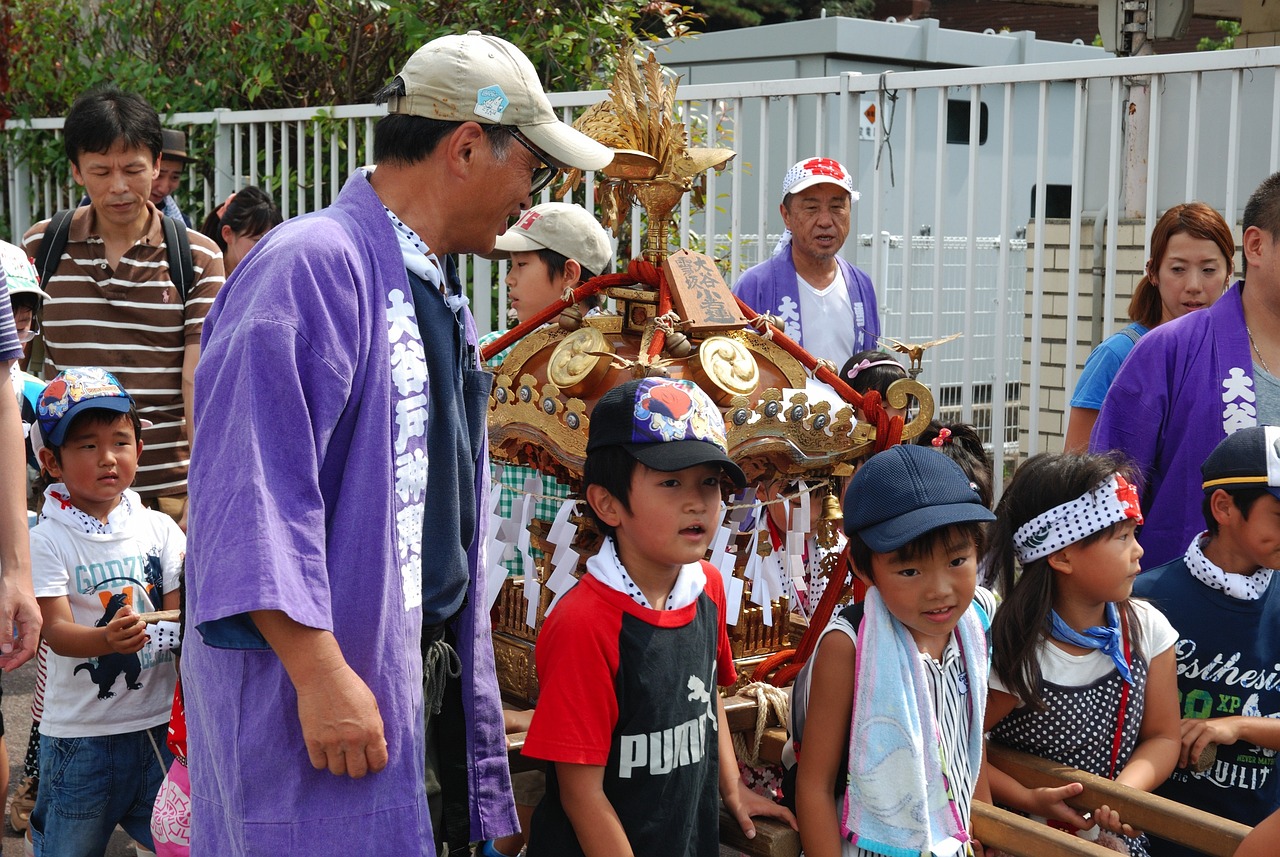
Jidai Matsuri Festival of the Ages and October energy at Heian Shrine Kyoto
Jidai Matsuri Heian Shrine Kyoto October 22 Festival of the Ages is Kyoto at its most vivid, when stillness makes room for celebration. Held each year on October 22, Jidai is a parade of people in costumes, with people in costumes from different eras moving through the city like a living timeline.
Even if you’ve attended festivals elsewhere in Japan, the atmosphere around this shrine can feel unusually layered—courtly elegance, local pride, and a warm, bustling hum that’s easy to love if you plan gently.
Where the festival of the ages feels most alive near Heian Jingu
Around Heian Jingu shrine, listen for the cadence of the procession and the small waves of applause that ripple through the crowd. The peak feeling isn’t just visual; it’s the way the city collectively agrees to pay attention, together, for a few hours.
One adventurer we met described being captivated by the vibrant costumes and immersive energy beyond typical sightseeing. It changed their understanding of Kyoto from “beautiful” to “alive”.
Practical support for crowds with calm confidence
Festival days are exhilarating, but you’ll enjoy them more with a few grounded habits:
- Arrive early and choose a spot where you can step back if needed.
- Keep belongings close and hands free for photographs.
- Carry cash for small vendors, as cards may not be accepted.
- Build in patience—Kyoto’s big days reward calm confidence and care.
How to reach Heian Shrine from Kyoto Station Higashiyama Station Tozai subway line Sanjo for seamless logistics
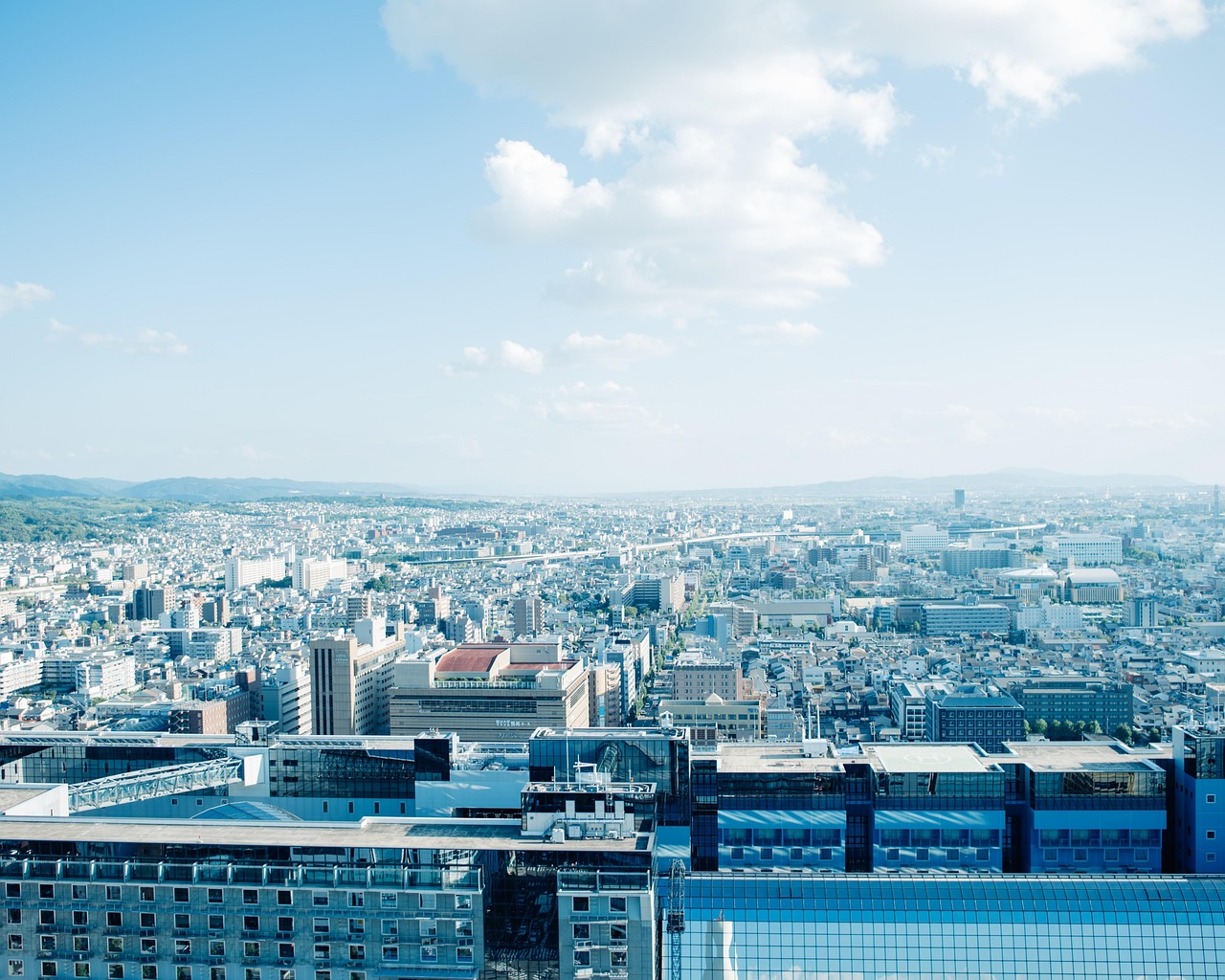
Seamless logistics from Kyoto Station to Higashiyama and Sanjo for Heian Shrine
How to reach Heian Shrine from Kyoto Station Higashiyama Station Tozai subway line Sanjo is refreshingly straightforward, which is part of the luxury here. Heian Shrine can be reached by Kyoto city bus from Kyoto Station in around 20 minutes (traffic depending), or by subway to Higashiyama Station on the Tozai subway line.
For travellers who like to explore on foot, either option can be designed into a satisfying half-day loop with galleries and canals along the way.
The walk from Higashiyama Station on the Tozai
The walk from Higashiyama Station is typically 10–15 minutes, and it’s reassuringly obvious once you know the cues. You’ll pass broad streets, cultural buildings, and pockets of greenery that hint you’re nearing a major shrine precinct rather than a hidden side street.
If you’d rather start with a lively neighbourhood, Sanjo and Sanjo Station on the Keihan line are useful anchors for an on-foot adventure through the area of Kyoto, especially if you’re pairing the visit with cafés or traditional Kyoto cuisine afterwards.
Wayfinding anchors near the kaikan and garden tickets
On the bus, the Kyoto Kaikan Bijutsu-mae stop is the clearest wayfinding cue near the kaikan and the Kyoto Municipal Museum of Art. From there, follow the flow towards the main gate; the entry flow is intuitive at the main shrine building area, and tickets for the paid garden are purchased at the garden entrance rather than at the open courtyard.
If you’d like a broader sense of how this fits into a curated journey, our Trip gallery is a gentle place to imagine what Kyoto could look like with expert planning and trusted support.
Heian Jingū reflections Kyoto shrine gardens feeling after time at Heian Jingu
Heian Jingū reflections Kyoto shrine gardens feeling often arrive later, when you’re no longer standing beneath vermilion beams. What stayed with us was the sensation of moving from the bright courtyard into garden shade, as if the shrine quietly gave permission to slow down without asking anything in return.
Kyoto holds stillness and celebration in the same hand. There are mornings when the pond barely moves, and you hear only distant footsteps; and then there are Jidai days when the air carries a collective pulse, and yet the atmosphere remains respectful.
There’s also a comforting kind of trust in knowing you can explore respectfully, even when you’re far from home. A small bow, a softer voice, a moment of care around others—these become your shared language with a place that welcomes you without performance.
Long after you’ve left, you may still remember light trembling on water, the quiet geometry of a shrine in Kyoto, and the way Kyoto’s classical spirit felt both close and just out of reach—enough to keep you curious, and gently drawing you back, someday.
F.A.Qs: Heian Shrine Kyoto Japan
Is Heian Shrine worth visiting?
Yes—especially if you want a shrine experience that blends bold architecture with calm gardens. The spacious precinct feels unhurried, and the paid garden offers a genuinely beautiful walk that rewards early mornings and seasonal timing.
What is the most famous shrine in Kyoto?
Kyoto has several famous shrines, and the answer depends on what you value—iconic gates, mountain settings, or historic prestige. Heian Jingu is particularly memorable for its vast torii gate, vermilion buildings, and landmark gardens.
Is Heian Shrine free?
The main shrine precinct is free to enter, so you can enjoy the courtyard and buildings without a ticket. The gardens require admission (often around 600 yen), and many travellers find the garden route the highlight of the visit.
How long does it take to see the Heian Shrine?
Plan about 60–90 minutes for a relaxed visit, including the courtyard and the gardens. If you enjoy photography or want to sit quietly by the pond, two hours feels unhurried and more rewarding.