Post Contents
- Arriving in Tokyo: first steps at Nakano Station and fast access to Shinjuku
- Nakano Sun Mall: covered shopping arcade on a classic Tokyo shopping street
- Nakano Broadway: retro otaku shopping complex for anime and manga in Tokyo
- Evening in Nakano: izakaya, bar and restaurant alley for local Japanese food
- Nakano Central Park: nearby attractions, Shinjuku side trips, and outdoor breaks
- What stays with you after Nakano: Tokyo reflections from a day near Nakano Broadway
- F.A.Qs: Nakano Tokyo Japan
Arriving in Tokyo: first steps at Nakano Station and fast access to Shinjuku
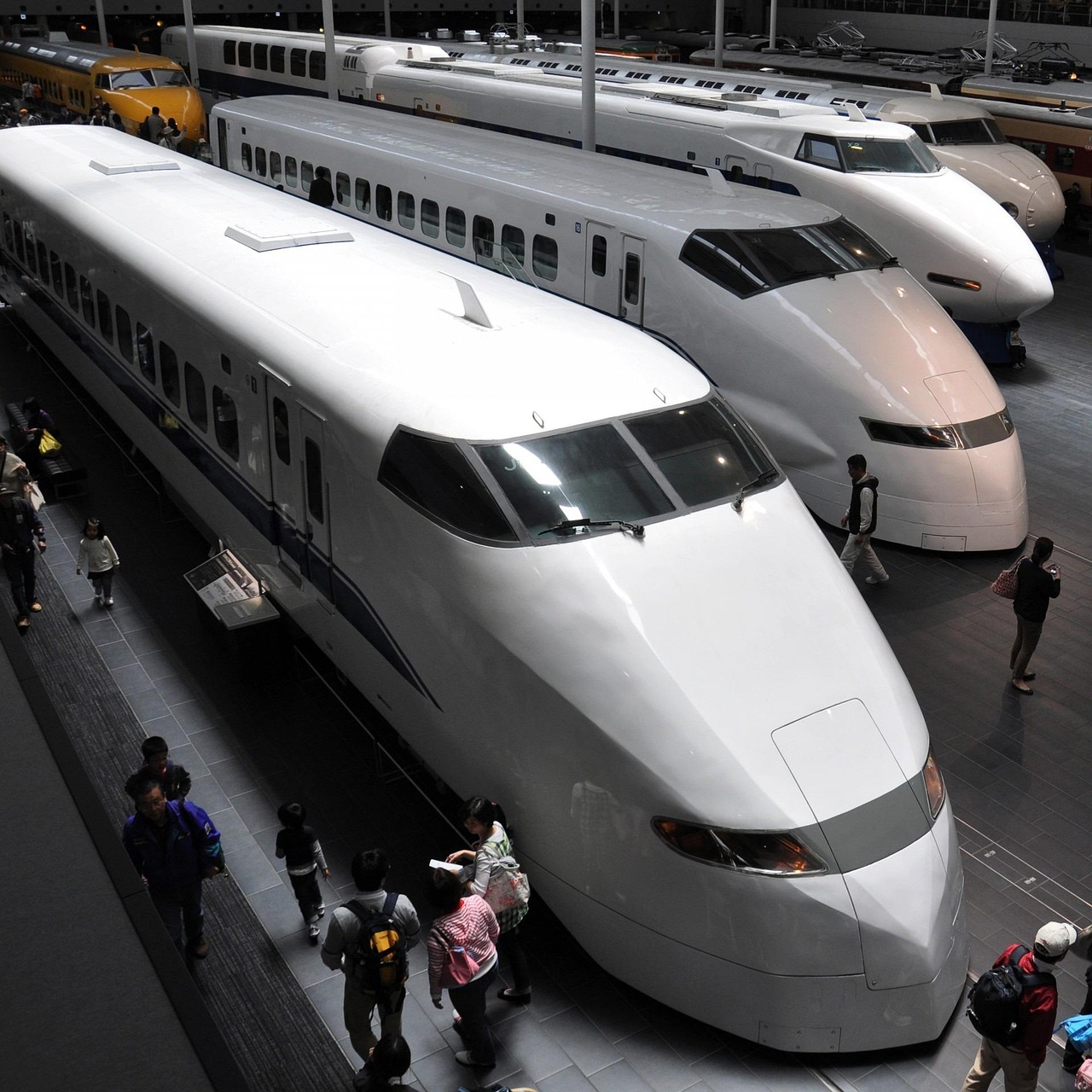
First steps in Tokyo at Nakano Station: an easy JR arrival for exploring west Tokyo
Use this travel guide as your calm first step into Nakano Tokyo Japan—a neighbourhood that feels lived-in, welcoming, and quietly exciting. Nakano works as a practical base because it’s a genuine hub in Tokyo: residential enough to unwind, yet connected enough to keep your plans flexible. From Nakano Station it’s a minute train ride to Shinjuku Station on the JR Chuo Line (JR Chuo), so this tokyo travel day can swing between big-city energy and side-street discovery with confidence.
Arriving is simple, but the first few minutes set the tone. Follow signs toward the north-side gates and take a breath before you step into the bustle—especially during commuter peaks. Tokyo is safe, yet the crowd can compress quickly, so keep an easy hand on your bag and let yourself move at the pace you need.
From the north side: the short walk north from the station into everyday streets
Start at the north exit of Nakano Station; the signage is clear, even if you’re travel-tired. From there it’s a short walk from Nakano Station into the covered shopping streets just north from the station, where the feel shifts from platform urgency to neighbourhood rhythm. This is where you begin to see the Tokyo locals actually use—quick errands, a morning cafe, and small details that make travel feel personal.
A local base with easy connections to Shinjuku
Once you know the route back to the ticket gates, everything feels lighter. Public transport in this part of Tokyo is reliable, and that dependability supports braver choices—turning down side streets, ducking into an arcade, or stopping for a photo without worrying you’ll “lose” the city. Imagine your first treasure-hunt day: camera charged, a little curiosity in your pocket, and just enough structure to explore freely.


Nakano Sun Mall: covered shopping arcade on a classic Tokyo shopping street
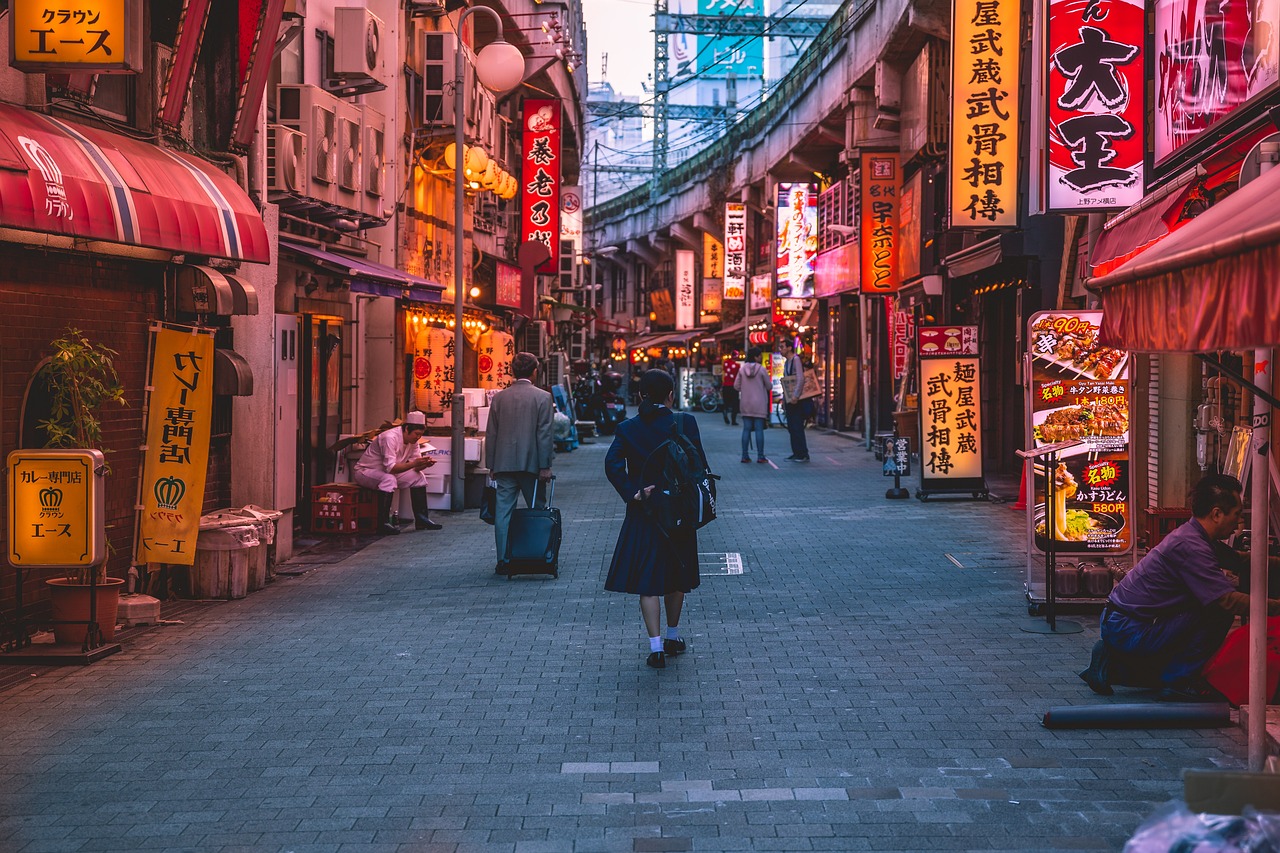
Walking Nakano’s covered arcade: bright signs, local routines, and easy browsing
Make time for this shopping street, because it turns “shopping” into cultural observation. This covered shopping arcade is about 225 meter long, and it’s packed with a wide variety of shops that keep daily life moving—snacks, a grocery stop, cosmetics, small accessories, and even a rack or two of kimono-inspired pieces. It rewards slow attention, especially if you enjoy people-watching and street-level creativity in Tokyo.
To explore with intention, look beyond the obvious storefronts. You’ll spot vintage racks, retro displays that nod to the 80s, and flashes of street art that make the walkway feel like a gallery you’re moving through. When the crowd swells, a quick ice cream reset (or a quiet corner table) helps the experience stay uplifting rather than tiring.
Covered arcade finds, bargain basics, and local etiquette
Shopping etiquette here is easy once you know one rule: in many vintage spots you can negotiate prices politely, but in a chain store the price is the price. If you’re unsure, a warm smile and a small question build trust—staff will usually guide you. The best hidden gems appear when you give yourself time to wander without rushing.
- Confidence tip: if you want to negotiate, keep it gentle and brief, and accept “no” with care.
- Treasure-hunt tip: scan upper shelves and lower baskets—small collectibles often hide there.
- Comfort tip: step aside before checking your phone so you don’t block the flow of the mall.
Food-on-the-go for long walking days in west Tokyo
For adventure seekers, food is part fuel, part story. Budget-friendly bites usually land around 500–1500 yen: crisp tempura, quick sushi at a counter, or comforting japanese food like donburi that keeps your energy steady. If you’re craving something unexpected, you may even find a casual restaurant serving pizza—Tokyo loves surprises, and Nakano delivers them in small, everyday ways.
If you’re collecting moments as well as items, pause for a photo when the light hits the arcade signage. The scene is photogenic, but the real win is the rhythm of the place—people going somewhere, together, without the hard edges you might expect.
Nakano Broadway: retro otaku shopping complex for anime and manga in Tokyo

Inside Nakano Broadway: a retro collector’s maze of anime and manga treasures
If you’ve ever wanted to understand how subculture becomes living history, start with Nakano Broadway. This is Tokyo’s legendary shopping complex: part time capsule, part modern marketplace, and entirely its own world for otaku tastes. Even if you’re not deep into anime or manga, the sheer specificity—tiny shops selling rare finds, displays curated with love, and the hum of collectors comparing notes—offers real insight into modern Japanese pop culture and the city’s many subcultures.
The crowd-smart strategy is simple: arrive early. You’ll get calmer browsing, better odds on a collectible you actually want, and more space to appreciate the design details that give the building its character. Each level feels a little different, and the basement can surprise you with everyday services, snack counters, and unexpected corners that make the whole place feel like a miniature city.
Mandarake and stores specializing in collectibles by floor
The name to know is Mandarake—a cornerstone that helped shape the reputation of Tokyo’s collector scene. Rather than one giant warehouse, you’ll find stores specializing in niche categories, sometimes by character, era, or medium. This is where “shops selling anime” becomes very literal, and where you’ll also see cases focused on selling anime artbooks, soundtracks, and production materials alongside manga and anime history.
One traveller told us they found a rare figurine only after checking several corners of the building—more pilgrimage than purchase. You may also spot an old-school toy shelf or glass cabinets of character merchandise that feel almost museum-like. Set a spend limit with confidence before you begin; it keeps the hunt joyful, and it lets luxury mean comfort and choice, not pressure.
Photography tips for an indoor, retro vibe
Light can be uneven, so look for brighter corridors near shop entrances, and keep your camera discreet in busy passages so everyone feels respected. If you’re doing photography, consider a quiet, close-up style—signage, textures, and small vignettes—rather than sweeping shots that catch faces in the crowd. The best souvenirs here are often the details.
When you step back outside, it’s striking how quickly Tokyo resets. You’re still in the city, but you’ve just uncovered a pocket universe.
Evening in Nakano: izakaya, bar and restaurant alley for local Japanese food
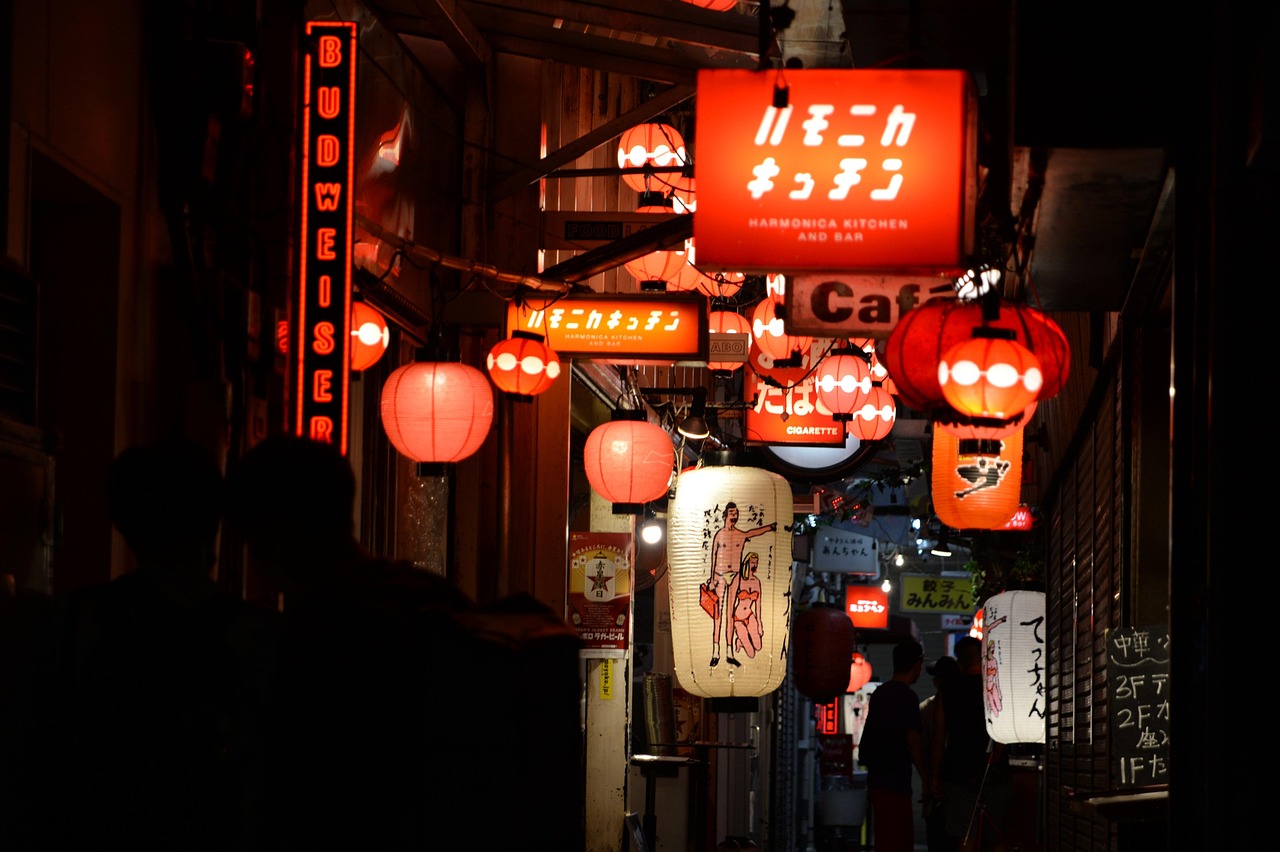
Night in Nakano: warm lights, small counters, and a welcoming alley near the station
As dusk settles, follow this cue: the lanes near the station change mood fast. A narrow alley fills with warm light, quiet conversation, and a welcoming buzz that feels personal rather than performative. This is the Nakano ward at its most human—small spaces, open doors, and a sense that you’re being invited in, not processed through.
For your first round, order with ease. Yakitori-style grills are a safe, delicious anchor, and small plates make it simple to create a shared table even if you’re travelling solo. Seasonal specials are worth trying, and if you want something classic, sushi is best when the place looks focused and calm rather than rushed.
What to order: yakitori, sushi, and Korean-influenced comfort dishes
Nakano’s culinary scene is quietly broad. Alongside Japanese favourites, some menus include korean touches or broader asian comfort food, which can be a relief if you’re balancing adventurous eating with familiar flavours. If you spot vegetables you love, point—many kitchens will happily adapt within reason.
Some izakayas have no English menu, but you can still feel supported. Learn a few phrases—“sumimasen” (excuse me), “kore onegaishimasu” (this, please), and “osusume wa?” (what do you recommend?)—and use point-and-order with a smile. One visitor described bonding with locals over grilled delicacies and sake; shared curiosity did the work when vocabulary ran out, and laughter carried the rest.
Enjoy responsibly: pace drinks, keep your voice gentle, and remember the quiet etiquette on trains afterwards. Tokyo rewards that kind of care, and it helps your night end as smoothly as it began.
Nakano Central Park: nearby attractions, Shinjuku side trips, and outdoor breaks
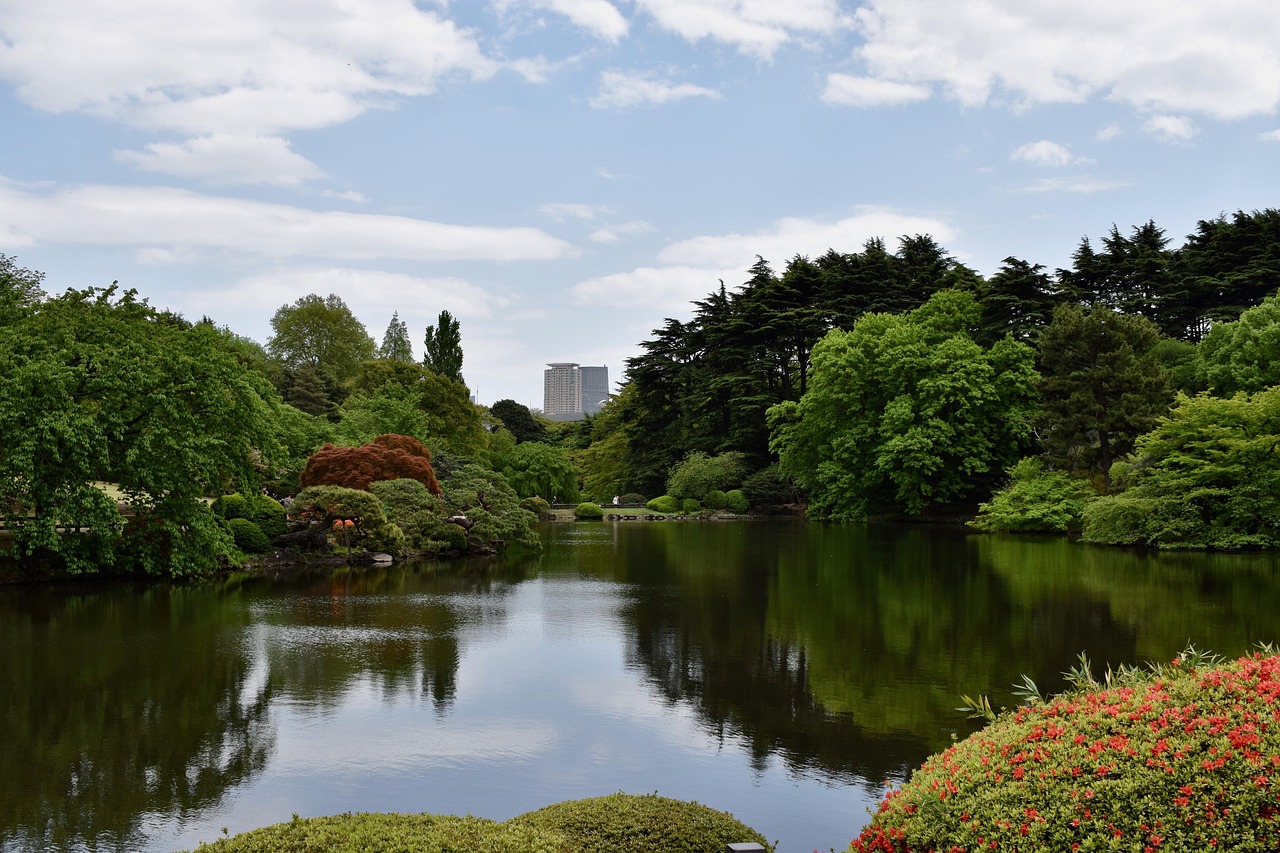
A green pause at Nakano Central Park: benches, snacks, and a slower Tokyo moment
Between shopping bursts, plan a reset. Nakano Central Park is a green pocket that balances the urban pace—ideal for a picnic, family time, or a solo pause with a notebook. One family told us their afternoon here felt like a small gift: a calm bench, a snack spread, and the simple contrast of greenery against Tokyo’s clean lines.
If you like small details, look for a simple statue or playful public art element—nothing grand, just enough to make the scene feel curated. It’s a good moment to create a slower rhythm: breathe, hydrate, and let your finds settle into memory.
A quiet temple visit near Yakushi
For a cultural stop that changes the texture of your day, visit Yakushi. Keep your voice low, bow when greeting, and treat the space with the same care you’d want visitors to offer at home. Even a short visit can feel surprisingly grounding after the bright stimulus of a shopping mall.
Easy add-ons: Shinjuku, Akihabara, and seasonal festival timing
From Nakano, it’s easy to build a half-day add-on. Shinjuku delivers big-city lights and skyline drama; Akihabara offers another collector angle if you want to compare worlds. If you’re visiting in spring or autumn, you’ll likely find the most comfortable weather for long walks; summer can be hot, so plan shade breaks and carry water.
- Festival window: if you catch the Nakano Summer Festival, expect dance, street food, and a lively atmosphere that pulls travellers and locals together.
- Heat and crowd care: go early, take breaks, and keep an eye on belongings in tighter streets.
- Capture-and-carry: bring a spare battery, a small bag, and keep your phone secure when you’re moving through busy areas.
Whether you’re heading to Shinjuku for neon or staying local for a quieter evening, the ease of the connections supports spontaneity without stress.
What stays with you after Nakano: Tokyo reflections from a day near Nakano Broadway
In the days after Nakano, what returns to you isn’t just what you bought or ticked off. It’s the feeling that Tokyo can still hold secrets, and that you can move through them with a steadier kind of confidence—asking small questions, reading the room, and trusting yourself to explore without needing to control every detail. Somewhere between the corridors of Nakano Broadway and the ordinary calm of a side street, you realise discovery doesn’t have to be loud to be thrilling.
There’s also a softness to the memories: the careful courtesy of a shopkeeper, the quiet patience of queuing, the warmth of a tiny counter where strangers made space for you. These moments feel crafted, not in a staged way, but in the way everyday life in Japan often is—thoughtful, precise, and quietly kind. You carry that care forward, and it changes how you notice the world.
Creativity tends to follow you home. Perhaps you start collecting small objects with more intention, sketching window displays, or photographing textures rather than landmarks. Maybe you simply learn to slow down—letting the vibe arrive before you reach for your phone—so each place can meet you properly.
And when you imagine returning, it isn’t to do more. It’s to uncover a different season, a different light, and a new version of yourself moving through the same streets—curious, calm, and quietly open to what might appear.
F.A.Qs: Nakano Tokyo Japan
What is Nakano, Japan known for?
Nakano is best known for Nakano Broadway, a retro shopping complex famous for otaku culture, collectibles, anime and manga goods, and niche specialist stores. In Nakano City, you’ll also find covered shopping streets, casual dining, and a neighbourhood feel that shows a more local side of Tokyo.
How far is it from Tokyo to Nakano?
Nakano is part of Tokyo, so you don’t travel “to” Tokyo so much as across it. From central hubs like Shinjuku, the train ride is very short—often just a few minutes on well-connected lines—making it easy to add to your itinerary without hassle.
Is Nakano known for its nightlife?
Yes, though it’s more intimate than flashy. Around the station you’ll find small bars and casual izakaya counters where you can enjoy grilled dishes, local conversation, and a relaxed evening vibe. It’s ideal if you want warmth and character rather than big-club energy.
Is Nakano expensive to live in?
Nakano can be more affordable than some of Tokyo’s most premium central districts, but prices vary by distance to the station, apartment size, and building age. Its convenience, shopping, and transport links keep demand strong, so it isn’t “cheap”—just often better value than trendier hotspots.
Browse our Trip gallery when you’re ready to dream up what a thoughtfully paced Japan journey could look like.