Post Contents
- Ramen, museum, and the thrill of Yokohama city discovery at the Shin-Yokohama Ramen Museum Yokohama Japan cultural attraction
- Shin-Yokohama ramen time travel with a 1958 Tokyo replica inside the Shin-Yokohama Ramen Museum Japan
- Uncover the history of ramen exhibits at the Shin-Yokohama Ramen Museum Japan and the craft behind the noodle
- Taste across Japan with the best ramen shops in Shin-Yokohama Ramen Museum Japan
- Design a seamless visit with easy access and public transport on how to get to Shin-Yokohama Ramen Museum public transport tickets
- What stays with you after Yokohama through Shin-Yokohama Ramen Museum memories and local connections Japan
- F.A.Qs: Ramen Museum Yokohama Japan
Ramen, museum, and the thrill of Yokohama city discovery at the Shin-Yokohama Ramen Museum Yokohama Japan cultural attraction
Ramen, museum, and the thrill of Yokohama
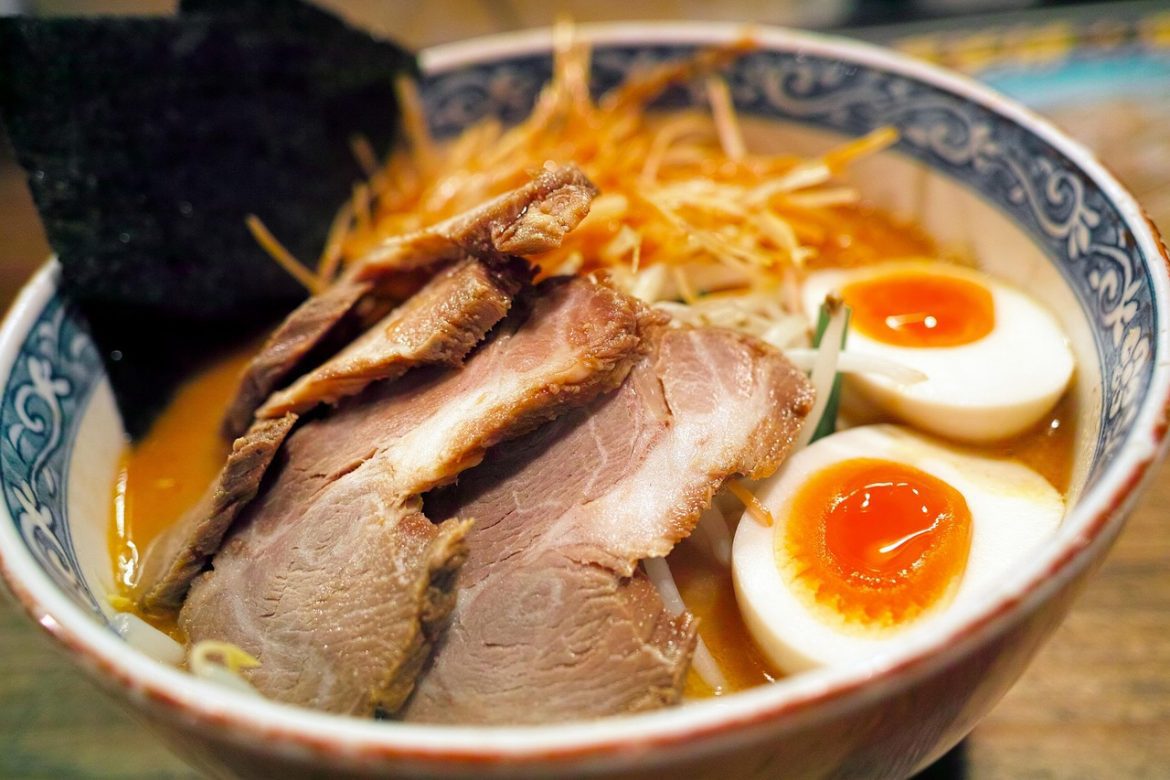
For culinary-minded explorers, the Shin-Yokohama Ramen Museum Yokohama Japan cultural attraction is the sort of place that feels both playful and quietly meaningful. It’s not a sterile gallery of facts; it’s a living, lantern-lit neighbourhood where a bowl becomes a story you can taste. If you love culture but still want a dash of adventure, this is an attraction that rewards curiosity without demanding you sprint from one checklist item to the next.
Locals call it 新横浜ラーメン博物館, and it’s often described as the world’s first ramen-themed, amusement park-style experience—a museum with a theme-park heart. Opened in 1994, it was crafted to celebrate ramen as a Japanese dish with endless variety, and to invite visitors to explore the country’s regional identities through soup, noodle texture, and toppings.
Designer Journeys’ promise is simple: we’ll help you discover it with confidence. We’ll keep the day personal, flexible, and supportive even if you don’t speak much Japanese—because the best food memories happen when you feel relaxed enough to look up, listen, and trust your own appetite.
One small note that saves time: online you may see it written as the raumen museum. It’s the same place—so if you’re searching maps or reviews, you’ll know you’ve found the right ramen museum in Yokohama.


Shin-Yokohama ramen time travel with a 1958 Tokyo replica inside the Shin-Yokohama Ramen Museum Japan
Shin-Yokohama ramen time travel to 1958 Tokyo streets
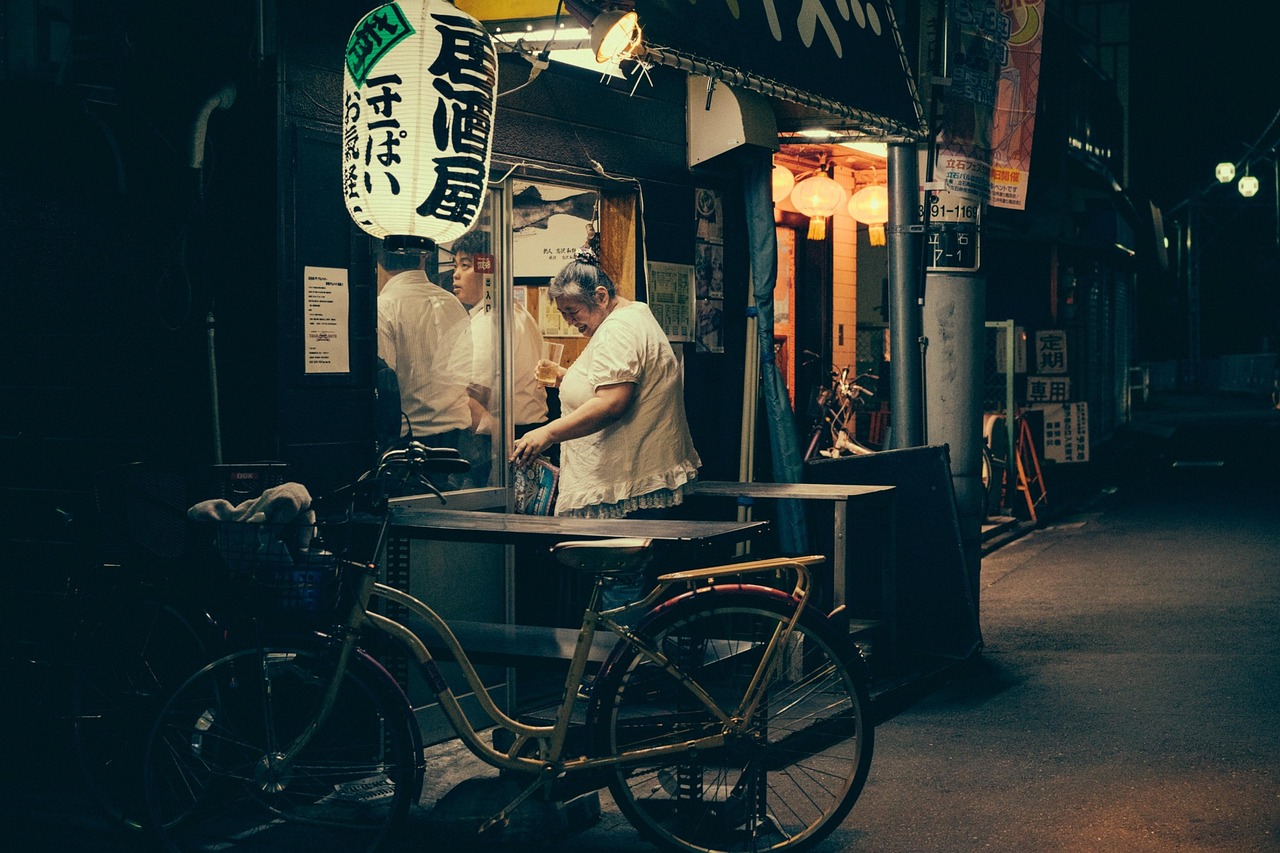
Step into the 1958 Tokyo replica inside Shin-Yokohama Ramen Museum Japan, and the mood changes instantly. Dim lantern light pools across narrow lanes, signage glows softly, and the whole scene hums with a “busy-night” atmosphere that feels more like an evening stroll than an exhibit. The details are lovingly crafted: shopfronts, textures, and the slight hush before conversation begins.
Tokyo, Showa era lanes you can wander slowly
This is a faithful reproduction of 1950s Tokyo streets in the Showa era, designed for unhurried wandering. High-end travellers often appreciate that the experience is immersive without being loud or overwhelming—you can imagine the city as it once felt, then quietly create your own rhythm before you taste anything.
Why 1958 matters to today’s ramen dish
1958 is widely linked with the moment the world’s first instant noodle breakthrough arrived—often referenced as the first instant ramen. That turning point matters because it reshaped how people related to this dish: from something enjoyed at a counter to something that could travel, adapt, and spread. In today’s ramen culture, you can still feel that balance between craft and accessibility—between slow-simmered soup and fast, joyful convenience.
- Let your senses lead: pause for the signage, the sounds, the warm light, and the scent drifting from each ramen shop.
- Don’t rush the first bite: a calm pace keeps flavours distinct, especially if you plan multiple bowls.
- Reset as needed: a short sit-down between tastings is part of a seamless visit, not a failure of stamina.
Uncover the history of ramen exhibits at the Shin-Yokohama Ramen Museum Japan and the craft behind the noodle
Uncover the history of ramen and the craft behind the noodle
To understand the bowl in your hands, it helps to start with the history of ramen exhibits Shin-Yokohama Ramen Museum Japan offers in wonderfully bite-sized form. The story isn’t presented like a lecture; it’s warm, human, and easy to follow even if you’re visiting Japan for the first time. You’ll uncover how influences from traditional chinese noodle dishes evolved, and how Japanese regions made ramen their own through climate, ingredients, and local taste.
From wheat and flour to ramen noodles with texture
The interactive sections make the craft tangible: how wheat and flour become ramen noodles, why water and alkalinity shift the chew, and how timing affects springiness. It’s an expert lesson without the intimidation—perfect for travellers who love an insight that deepens pleasure rather than complicates it.
Soup styles explained in plain language
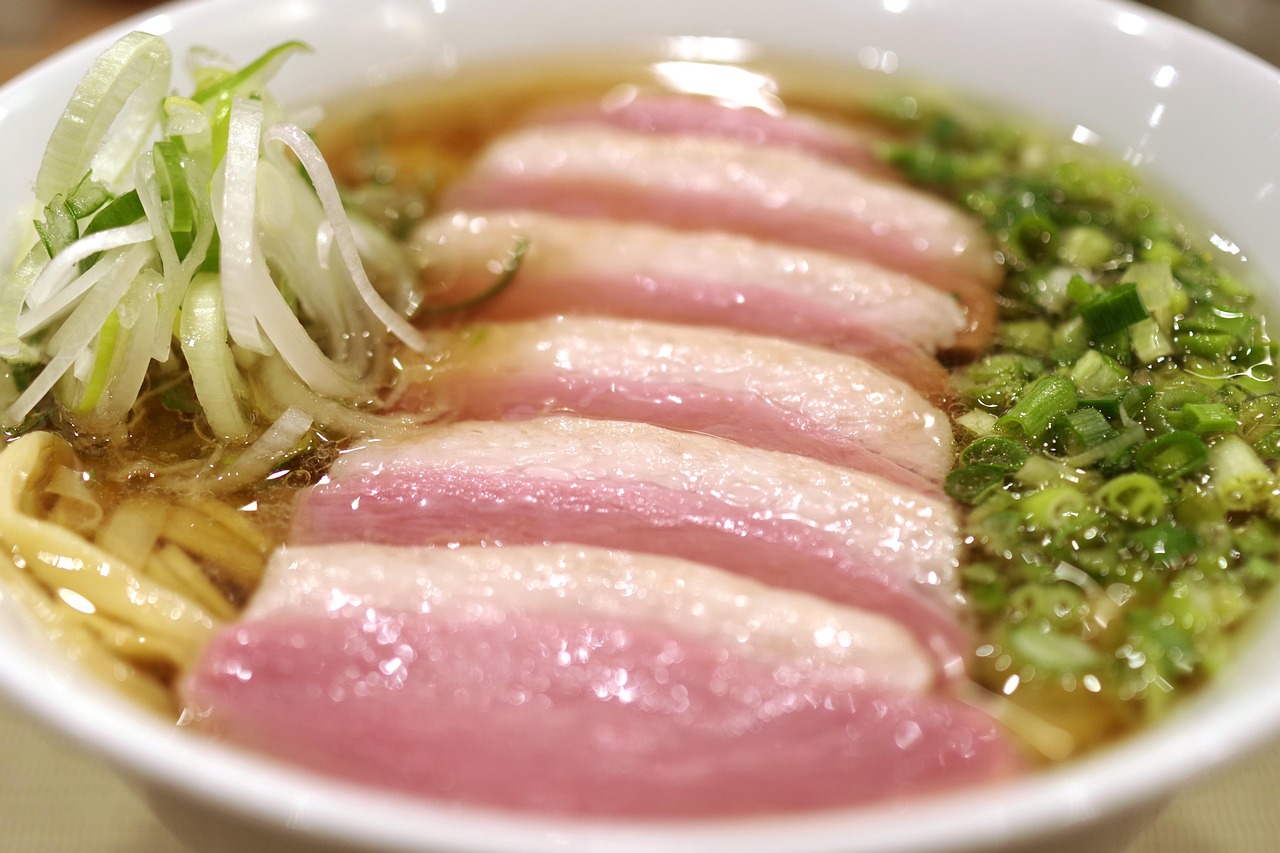
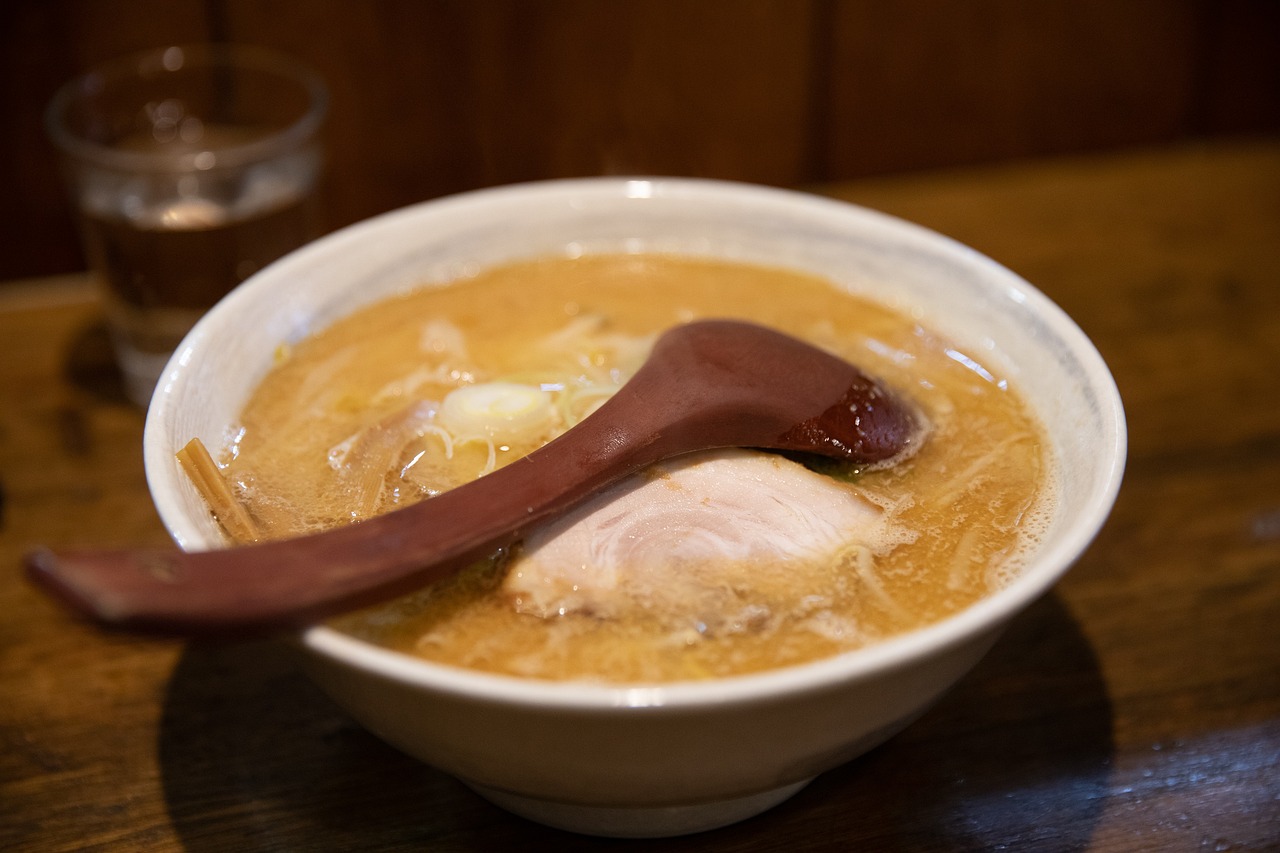
Ramen is as much about soup architecture as it is about noodle. You’ll see how bases are built, from lighter broths to a rich soup style made with pork bones and pork bone broth. The museum helps you taste with clarity: why one bowl feels clean and bright, while another is creamy, coating the palate with comforting weight.
There’s also a brief, thoughtful nod to cultural milestones—instant noodles and even cup noodles—and how creativity plus convenience helped ramen travel far beyond its origins. It’s a gentle reminder that “authentic” isn’t always a fixed point; sometimes it’s a living conversation, including modern ramen restaurant chains alongside fiercely independent counters.
A quiet human thread runs through it all: the founder envisioned a place where learning feels like hospitality. That care shows in how each exhibit guides you towards curiosity, not perfection—so you can explore with trust, not pressure.
Taste across Japan with the best ramen shops in Shin-Yokohama Ramen Museum Japan
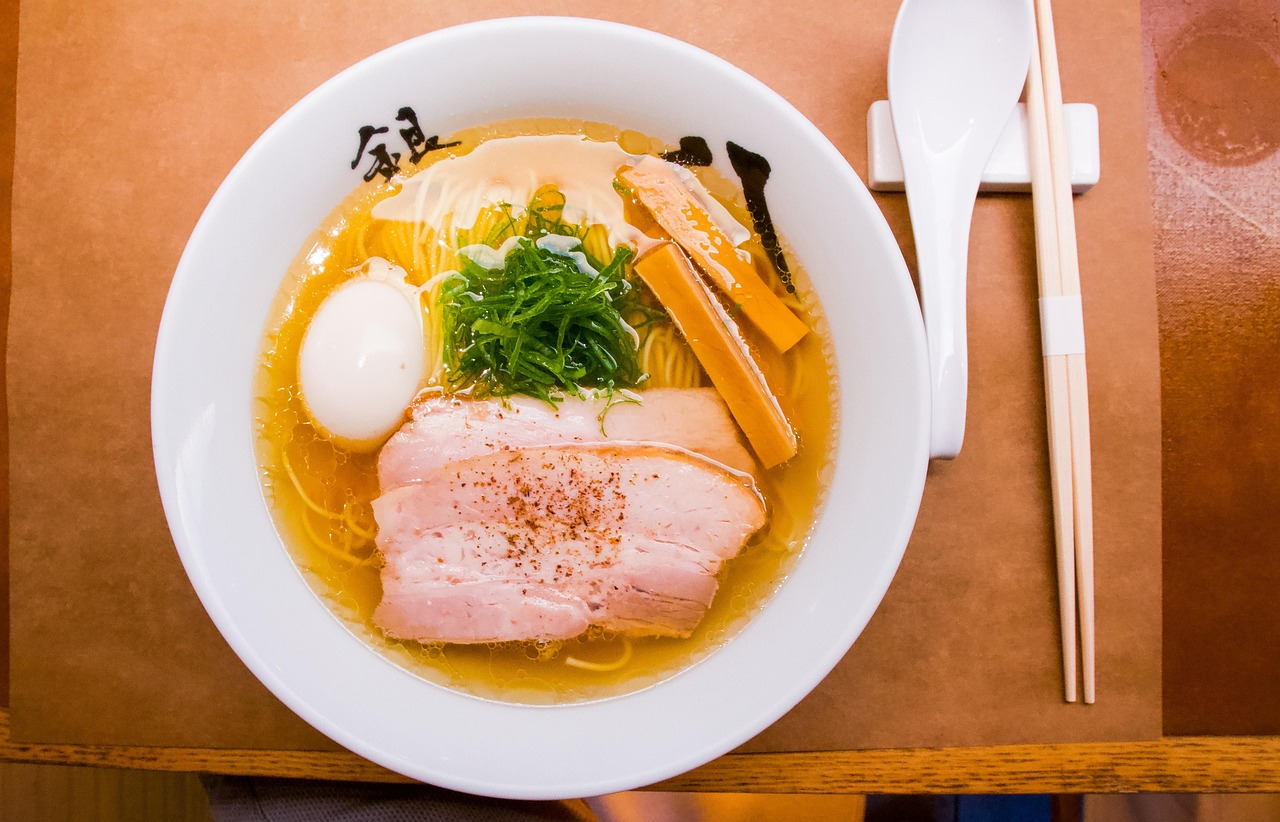
Taste across Japan with eight renowned ramen shops
The heart of the visit is simple and thrilling: the best ramen shops in Shin-Yokohama Ramen Museum Japan bring you eight famous counters from across japan. Instead of rushing between ramen restaurants, you can design a tasting route in a single afternoon—one that feels indulgent, not hectic. For adventure seekers, that “many bowls, one venue” format is a small luxury: high reward, low friction.
Design a tasting route with contrast and care
Start light, then go deeper. Choose smaller portions where offered, share a bowl or two together, and alternate styles so your palate stays fresh. If you’re travelling with friends, this becomes a delightful ritual: a little teamwork, a little laughter, and a growing confidence as you learn what you actually love.
- Order smart: begin with a lighter soup, then move to richer bowls.
- Share and compare: split bowls so everyone tries more variety without feeling overfull.
- Keep notes: a few words per shop (noodle, broth, aroma) makes the memory vivid later.
Regional specialties and the adventure seeker moment
Look out for regional specialties like Hakata-style from Fukuoka, famous for creamy tonkotsu, and ask if there are any okinawa influences or rotating specials that day. Staff are used to curious visitors; a simple request for a recommendation is often met with genuine enthusiasm and helpful support.
Some groups make a friendly challenge of it—taste-and-rate rather than anything disruptive—almost like a ramen cook-off vibe. One set of adventure seekers documented their scores and debates between bowls, turning each queue into a moment of togetherness. It’s playful, personal, and surprisingly bonding.
Practical mechanics matter here. Many stalls use vending machines for ordering; keep coins and notes handy, then hand the ticket to the staff. English menus are common, and if you hesitate, you’ll usually find calm guidance rather than impatience.
If you spot something unusual—say, a tonkotsu cappuccino presentation—treat it as a curiosity hook, not a must. Line-ups change, and part of the joy is trusting the moment. Enthusiasts sometimes chase specific names such as Rokkakuya or Ryukyu Shinmen Tondou, but the most satisfying approach is flavour discovery over box-ticking.
Before you leave, give yourself time for the souvenir shop. It’s not generic: think limited-edition packets, regional blends, and ramen-themed merchandise that feels thoughtfully crafted—gifts that carry the story home without shouting about it.
Design a seamless visit with easy access and public transport on how to get to Shin-Yokohama Ramen Museum public transport tickets
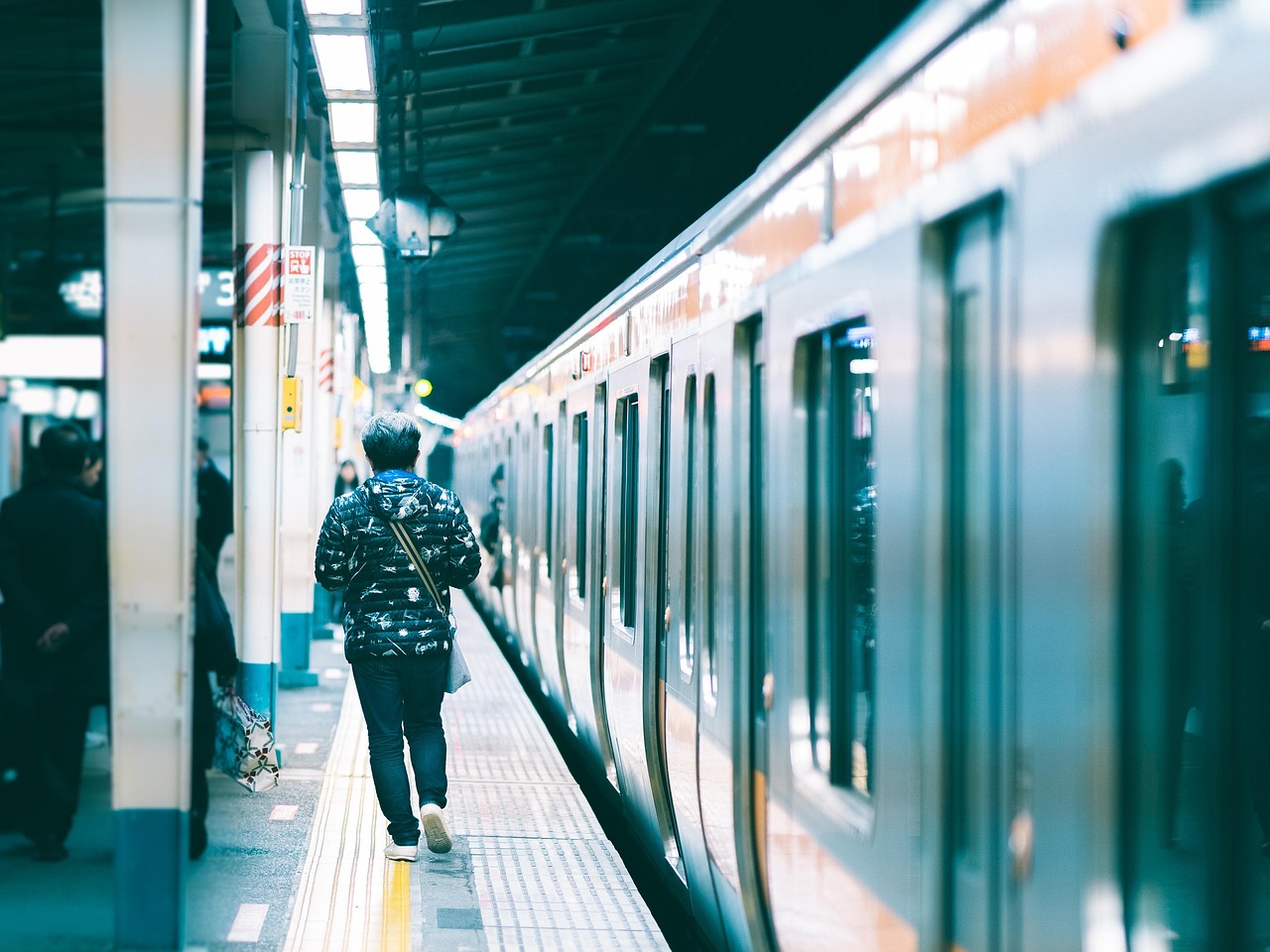
Design a seamless visit from Shin-Yokohama Station
If you’re wondering how to get to Shin-Yokohama Ramen Museum public transport tickets and all, you’ll be relieved: it’s genuinely straightforward. From Shin-Yokohama Station, you have easy access via JR lines and the Yokohama subway, and the final walk is simple. Even on a first trip to Japan, this is the kind of outing that builds confidence rather than draining it.
Tickets, costs, and a calm budget plan
Plan for an entry ticket plus tastings. Most bowls sit around 800–1000 yen, and it’s wise to budget for two or three if you’re sampling widely. High-end travellers often prefer a “less but better” approach: smaller portions, more contrast, and time to enjoy the setting rather than chasing maximum volume.
Crowds, rules, and gentle support on the day
For a more seamless experience, arrive on weekdays when the museum atmosphere is calmer. Expect some queues at peak times; bring water, pace your tasting, and don’t be shy about taking a breather between shops. Do note house rules: photography may be restricted in certain areas, and respectful behaviour towards staff and other visitors keeps the mood warm for everyone.
- Timing: weekdays feel more spacious; early afternoon can be a sweet spot.
- Language help: English menus and staff assistance are common—ask kindly, and you’ll usually get great guidance.
- Simple phrases: “Osusume wa?” (what do you recommend?) goes a long way.
When you’re ready to extend the day, drift towards yokohama city centre for a softer evening pace, or take an unhurried waterfront stroll near InterContinental Yokohama Pier 8. For onward travel, connecting back towards yokohama station and Tokyo is uncomplicated, so you can return without stress—just that comfortable feeling of a day well designed.
If you’d like to weave this into a wider journey with crafted pacing and trusted care, browse our Trip gallery for ideas that pair food culture with beautiful, breathable days.
What stays with you after Yokohama through Shin-Yokohama Ramen Museum memories and local connections Japan
Long after you leave, Shin-Yokohama Ramen Museum memories and local connections Japan offers tend to return as sensations rather than facts. You might remember the lantern light on a quiet corner, the first inhale of steam rising from a bowl, or the way the noodle texture seemed to match the mood of the street around you. The museum becomes less about collecting experiences and more about noticing them—craft, patience, and everyday beauty held in plain sight.
Lin, a Vietnamese traveller, once described bonding with local diners over a steaming bowl of ramen without needing many shared words. A small gesture—passing a napkin, smiling at the right moment—became a bridge. It’s a gentle insight that food can create connection quickly, and that “local” doesn’t have to be earned through bravado; sometimes it arrives softly, with care.
Friends often leave laughing over their tasting notes, still debating which shop felt most “them”. Families carry a different glow: children delighted by exhibits, learning that Japanese culture isn’t only temples and skylines, but also the humble joy of soup, noodle, and topping coming together. And for many travellers, there’s a quiet confidence that grows from trying something unfamiliar with support nearby, then realising it felt natural after all.
In that way, the ramen museum becomes a small metaphor for travel itself. We explore, we uncover, we create stories together—and then we step back out into the world with a little more trust in our own curiosity. And one day, when you catch the scent of noodles in the air, you may find yourself back on those lantern-lit streets for a moment, wondering what other small doors Japan might open.
F.A.Qs: Ramen Museum Yokohama Japan
F.A.Qs: Ramen Museum Yokohama Japan
Is Cup Noodle Museum Yokohama worth it?
Yes, if you enjoy hands-on creativity and modern food culture. The Cup Noodle Museum leans into playful workshops and the global story of convenience. If your priority is tasting multiple regional bowls and soaking up a retro streetscape atmosphere, the Shin-Yokohama Ramen Museum may feel more immersive for a culinary-focused day.
Do you need to book the Ramen Museum in Yokohama?
Usually, you don’t need to book far in advance for entry, but it’s wise to check official guidance during peak travel seasons. Even without reservations, a weekday visit helps you avoid long queues and keeps the experience more relaxed. You’ll still want to plan for ordering time at popular shops once inside.
What is the difference between the Cup of noodles museum and the Ramen Museum Yokohama?
The Cup Noodle Museum is centred on instant innovation, interactive activities, and making your own customised cup. The Ramen Museum Yokohama is a tasting-focused theme experience where you eat at multiple ramen shops and wander a 1958-inspired street setting. One is workshop-led and modern; the other is culinary time travel with regional bowls.
What is special about Yokohama ramen?
Yokohama is special because it’s a gateway city where food culture travels, adapts, and thrives. You’ll find local favourites as well as styles from across Japan, influenced by port-city energy and curious diners. Visiting the ramen museum in Yokohama highlights that mix: tradition, regional identity, and the excitement of discovery in one place.