Post Contents
- Arriving at the Port of Yokohama Japan Terminal Basics and a passenger terminal arrival guide for cruise passengers
- Explore the Port and Harbour by Bike and Promenade with a Yokohama port and harbor tour by bike Minato Mirai 21
- Yokohama Red Brick Warehouse Culture with Crafted Energy and Red Brick Warehouse Yokohama port of Yokohama cultural hub
- Osanbashi Pier and the Yokohama International Passenger Terminal Views with Osanbashi Pier Yokohama international passenger terminal panoramic views
- Chinatown After Dark Food Festivals and a Tourist Tour Rhythm with Yokohama Chinatown night tour Lunar New Year festival Japan
- Yamashita Park and CupNoodles Museum Create Your Own Souvenir with Yamashita Park CupNoodles Museum Yokohama port excursion
- Planning Excursions Beyond the Cruise Terminal with Confidence and Port of Yokohama excursions to Tokyo Kamakura Fuji Daikoku terminal
- What Stayed With Us at Yokohama Port and Yokohama port Japan personal reflections after the journey
- F.A.Qs: Port of Yokohama Japan cruise port questions
Arriving at the Port of Yokohama Japan Terminal Basics and a passenger terminal arrival guide for cruise passengers
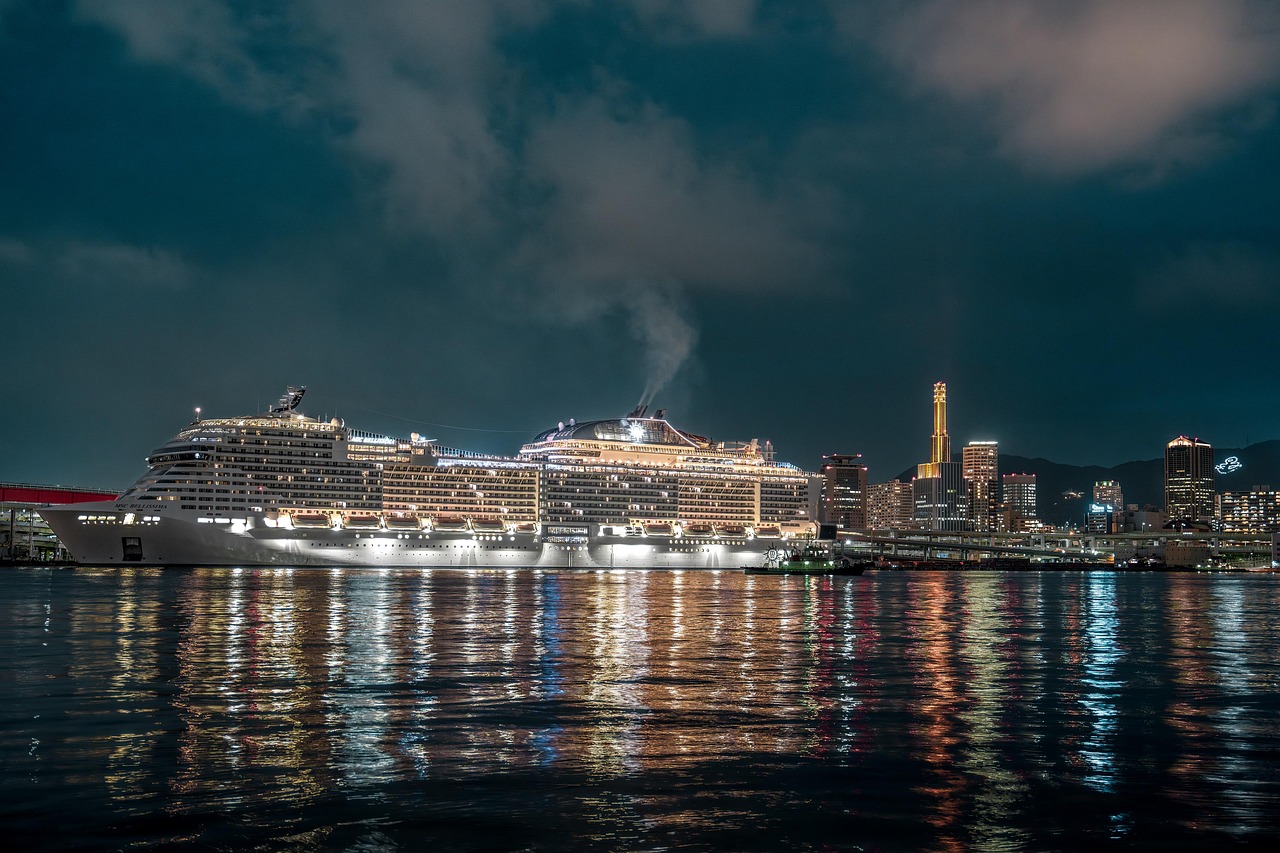
Arriving at the Port of Yokohama Japan Terminal Basics with a cruise ship beside the passenger terminal
If you’re looking for a Port of Yokohama Japan passenger terminal arrival guide, start by knowing there isn’t one single berth. Most cruise passengers use Osanbashi, while some itineraries use the Shinko terminal or the Daikoku terminal, depending on ship size and port operations. The experience usually feels calm and well-signposted, with staff and volunteers who are used to helping visitors move from ship to city with confidence.
On a passenger ship day, the flow is predictable even when your vessel timing isn’t. You’ll disembark, pass through immigration (and occasionally quarantine checks), then emerge into a clean terminal facility with clear exits and meeting points. If your vessel arrives late, keep your plans seamless by choosing flexible first stops near the port—think a waterfront stroll rather than a timed reservation.
Port transport mindset for the city of Yokohama
For a quick orientation, JR Sakuragicho, Nihon-odori, and Kannai station are the names to remember, with Yokohama Station as your big connector for Tokyo and beyond. The easiest route is to design walkable loops with short train hops, so you’re never far from a taxi rank or a station. Use one or two anchor districts, and let the rest be gentle drift.
Customs and calm support near the terminal facility
A little local custom goes a long way: queue neatly, keep voices low indoors, and you’ll feel trust building around you. Toilets are typically inside the passenger terminal and nearby port facilities, and convenience stores are often a short walk away for water, tissues, and cash top-ups. If you need help, try “Sumimasen” and show a map pin—support here is practical and kind.
- Arrive-ready: keep passport and landing card accessible for immigration.
- Small comfort kit: water, light layer, and a power bank for the day.
- First-hour plan: choose a nearby spot so you’re not rushed if you disembark later.


Explore the Port and Harbour by Bike and Promenade with a Yokohama port and harbor tour by bike Minato Mirai 21
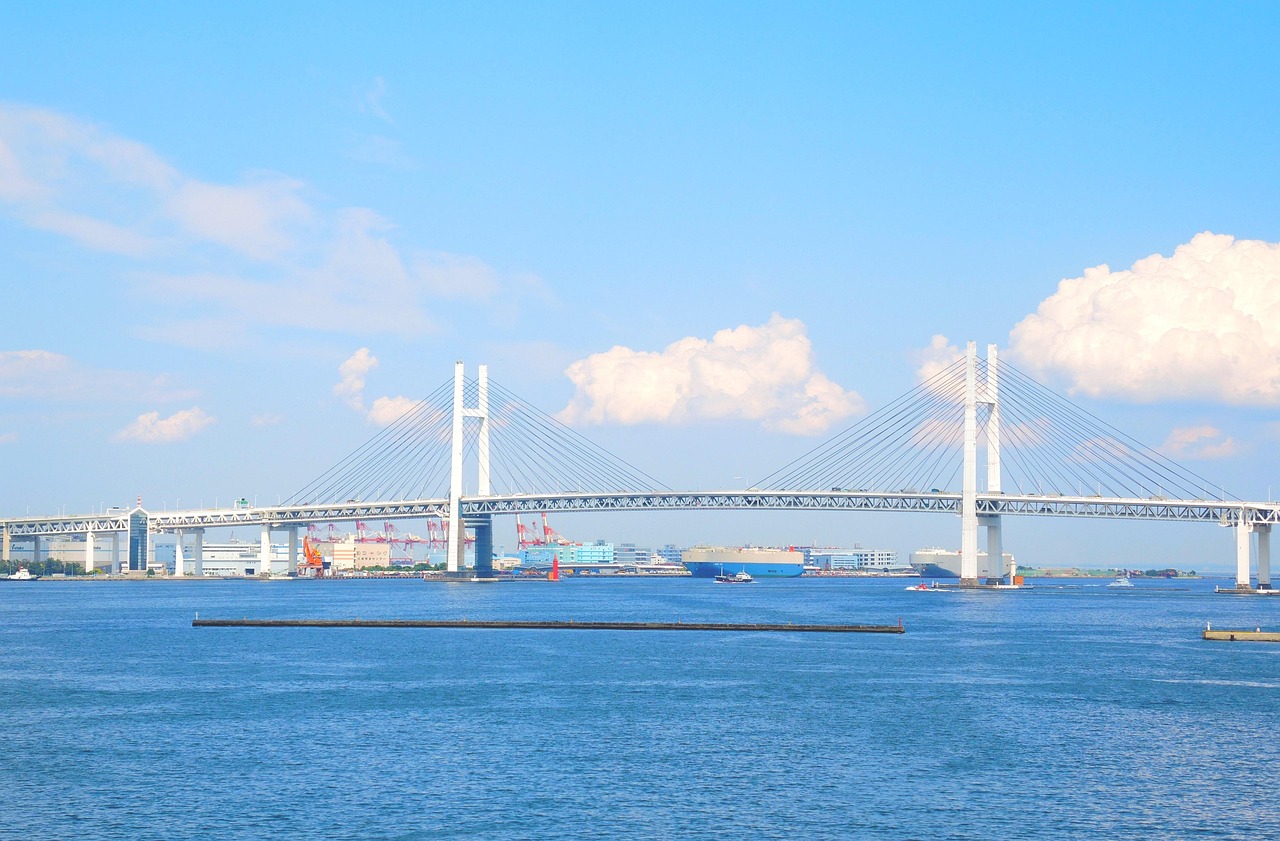
Explore the Port and Harbour by Bike and Promenade along Yokohama waterfront paths
For an active day that still feels curated, a Yokohama port and harbor tour by bike Minato Mirai 21 is one of the most satisfying ways to explore. One adventure seeker described the thrill of cycling with wind off Tokyo Bay, the skyline widening ahead, and that steady rhythm of moving together from pier to park. Yokohama rewards motion: every turn seems to reveal another angle of water, steel, and soft green edges.
A loop that works brilliantly is Sakuragicho to Minato Mirai 21, then past Hammerhead Park and Promenade, tracing the quay where you can pause for photos without blocking commuter flow. You’ll discover pocket viewpoints that feel designed—benches placed for horizon lines, railings that frame the harbour, and just enough openness to breathe. If you want to create a high-end feel, plan one coffee stop and one slow lookout, rather than many rushed detours.
Tour insight from a working port of Yokohama
Yokohama is not a theme set; it’s a living port and harbor with real movement behind the scenes. On some stretches you may glimpse container terminals, cargo zones, and logistics facilities, reminding you how this harbour keeps Japan connected. That contrast—working edges beside stroll-friendly waterfronts—is part of Yokohama’s quiet power.
Safety notes for your port ride
After rain, surfaces near the port can be slick, especially on painted cycle lanes. Be mindful of tides and weather when you’re close to the water, and keep your pace comfortable. Design your ride with water stops and shaded breaks so the day feels expansive rather than demanding.
Yokohama Red Brick Warehouse Culture with Crafted Energy and Red Brick Warehouse Yokohama port of Yokohama cultural hub
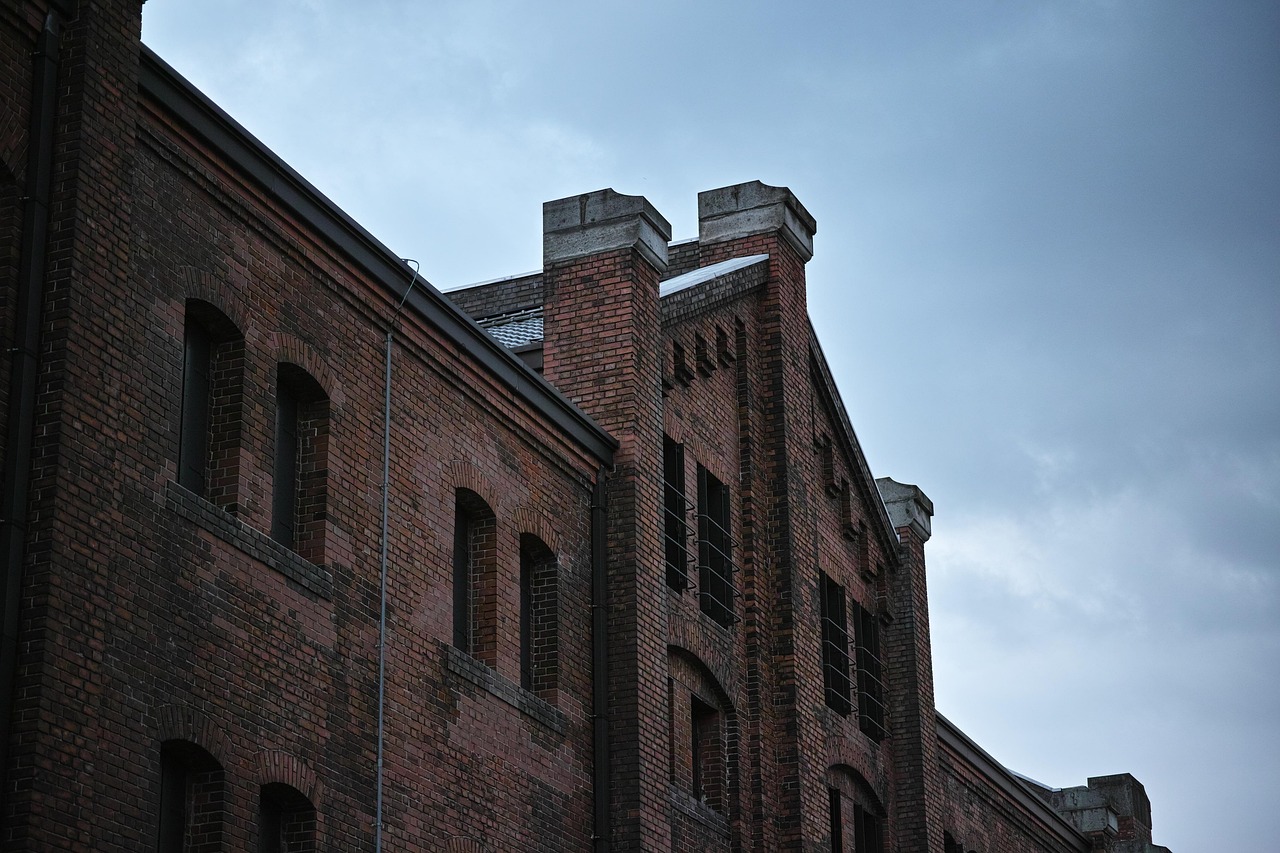
Yokohama Red Brick Warehouse Culture with Crafted Energy in the historic port district
If you’re searching for Red Brick Warehouse Yokohama port of Yokohama cultural hub, you’re in exactly the right place. The red brick warehouse complex is a former port facility turned cultural stage, and it suits the “discover and uncover” mindset perfectly. There’s also a deeper historical hum: Yokohama’s modern international story begins in 1859, and the waterfront still carries that sense of arrival.
Another visitor recalled a night of vibrant art events here—pop-up exhibits, design markets, and live music that felt effortlessly local. The joy is in the blend: heritage textures, modern lighting, and creative work that looks forward while respecting what came before. If you love crafted detail, linger on small objects: paper goods, ceramics, textiles, and collaborations that make a souvenir feel personal.
Tour timing for a calm cultural port stop
Weekends can draw crowds, so arriving early gives you breathing room and better photos. Browse shops slowly by choosing a few anchors rather than trying to see everything, and you’ll keep the experience warm and unhurried. It’s a subtle luxury in Yokohama: letting the pace be yours.
Micro-itinerary along the port
To design a neat walking line, pair the warehouses with a short waterfront café stop and one open-air viewpoint. This creates a seamless port of Yokohama walking tour feel without needing a formal tour. If you want extra inspiration later, keep the Trip gallery bookmarked for future Japan planning.
- Best browse window: early morning for quieter interiors and softer light.
- What to look for: seasonal markets, limited-run collaborations, and exhibition signage.
- Where to pause: outdoor benches facing the water for a gentle reset.
Osanbashi Pier and the Yokohama International Passenger Terminal Views with Osanbashi Pier Yokohama international passenger terminal panoramic views
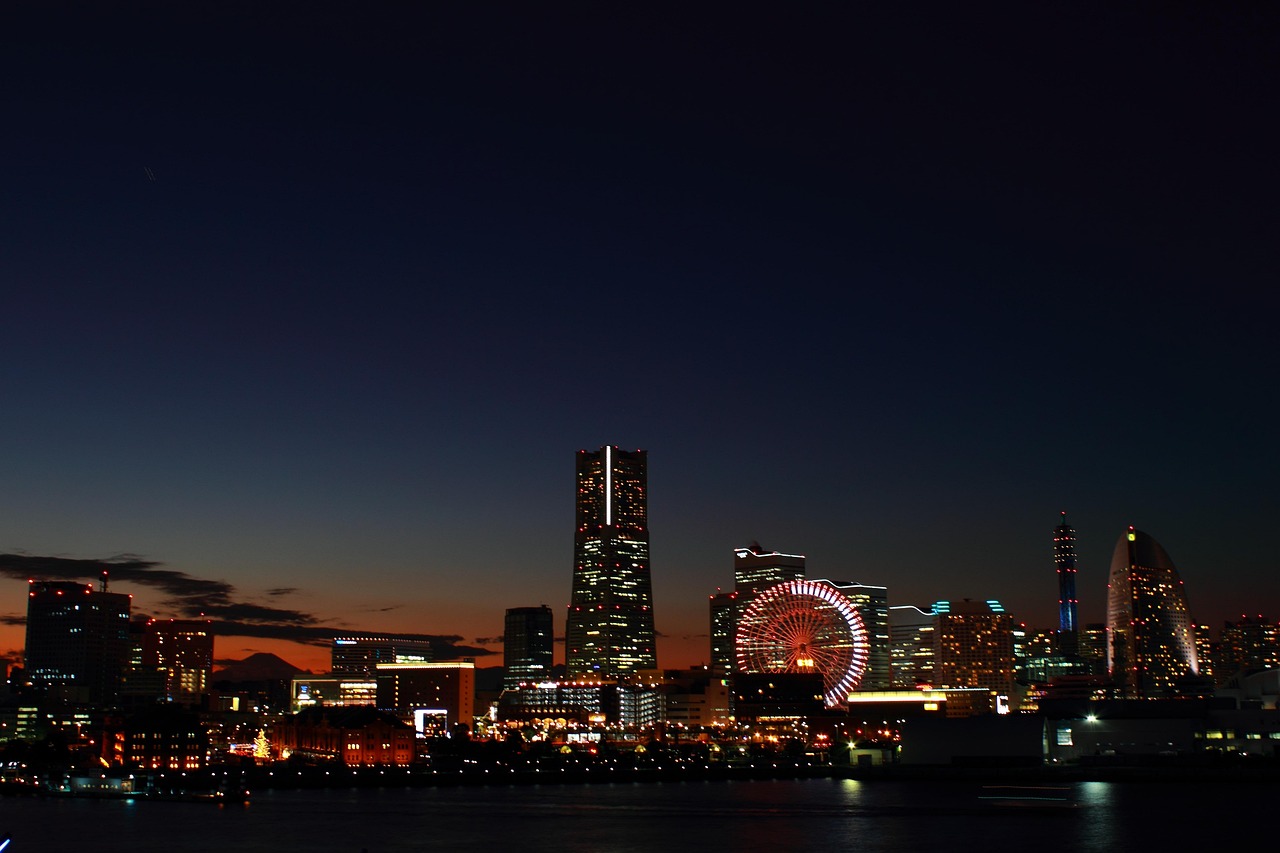
Osanbashi Pier and the Yokohama International Passenger Terminal Views across the harbour
For travellers who search Osanbashi Pier Yokohama international passenger terminal panoramic views, the promise is real. Osanbashi is Japan’s largest international passenger terminal, and its architecture feels made for slow wandering—timber-like deck textures, curving lines, and open space that encourages you to breathe. Even if you’re not embarking, it’s a place to sightsee with intention.
Beyond simply looking, take a slow panoramic circuit: watch cruise ships ease in and out, read the city of Yokohama skyline like a storyboard, and on clear days frame Tokyo in the far distance. It’s a beautiful place to imagine the day ahead, then gently edit your plan so it feels achievable.
Pier quiet spots and hotel anchors
If you want a calm corner, walk towards the edges where seating opens to the water and the sound softens. For orientation, the InterContinental Yokohama and the Minato Mirai waterfront make useful anchors if you’re meeting friends or returning to your hotel. This is also where “doing less” can feel like expert travel design.
Cruise port guide note for ship turnaround days
On turnaround days, parts of the passenger terminal can feel busier as passenger vessels arrive and depart in close sequence. Give yourself a buffer and choose one viewpoint, rather than chasing every angle. A small shift in timing can keep your experience seamless and your photos unhurried.
Chinatown After Dark Food Festivals and a Tourist Tour Rhythm with Yokohama Chinatown night tour Lunar New Year festival Japan
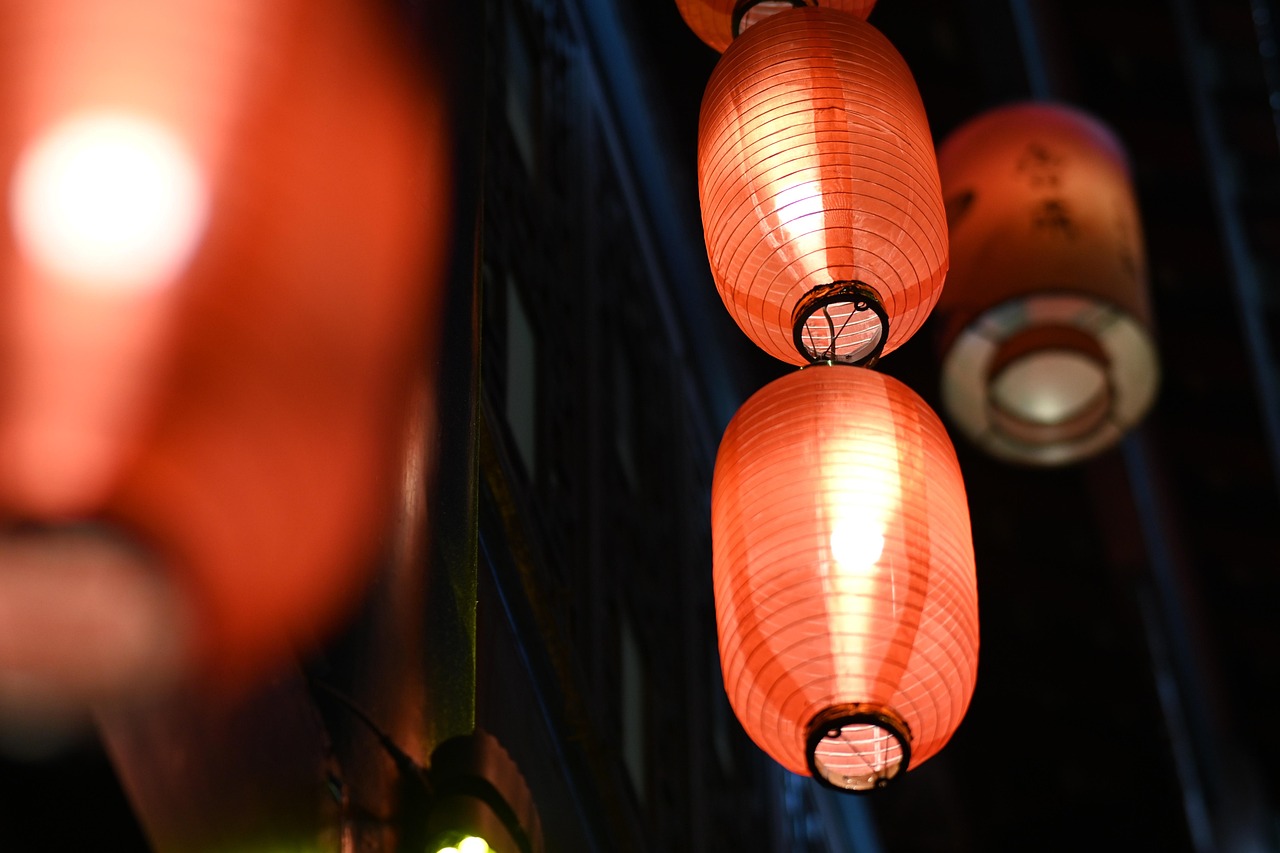
Chinatown After Dark Food Festivals and a Tourist Tour Rhythm under lantern light
If your saved search reads Yokohama Chinatown night tour Lunar New Year festival Japan, consider this your warm reassurance: the energy can be big, and still feel safe. One traveller shared a memorable night walking through Chinatown during Lunar New Year—lanterns glowing, colourful decorations overhead, and dragon dances moving like living artwork through the crowd. The thrill is real, and the streets are well-lit with a steady local presence.
For adventure seekers, design a tasting crawl rather than a sit-down marathon. Move in small bites—steam buns, noodles, dumplings, then something sweet—so you stay light on your feet. Carry cash because smaller vendors in Chinatown may not accept cards, and that tiny bit of preparation keeps everything easy.
Tourist etiquette that builds trust
Chinatown works best when everyone plays their part: queue politely, use bins when you find them, and keep noise levels respectful in tighter lanes. These small gestures are a quiet form of care, and they often bring local kindness back to you in return. It’s also a good moment to slow down and notice details—calligraphy signs, incense traces, and the way families move together.
Nihon-odori evening excursion link-up
If you want a change of pace, weave Nihon-odori into the evening for a straighter boulevard feel between the port area and Chinatown. It creates a gentle contrast: lantern-lit lanes, then a calmer promenade that lets the night breathe.
- Start early on festival nights to avoid the densest crowds later on.
- Plan your spending with a little cash for snacks and small souvenirs.
- Choose one “main” dish, then graze—your energy stays steady.
Yamashita Park and CupNoodles Museum Create Your Own Souvenir with Yamashita Park CupNoodles Museum Yokohama port excursion
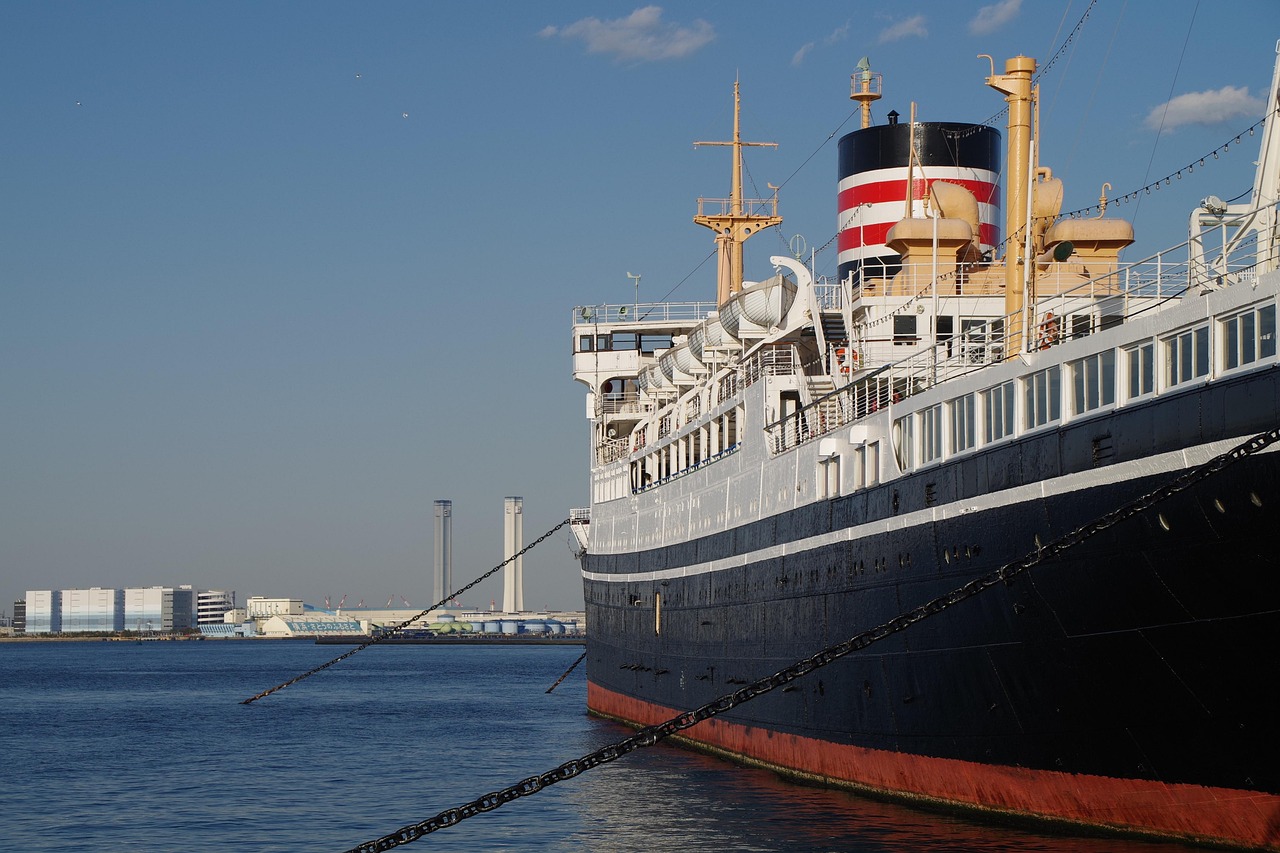
Yamashita Park and CupNoodles Museum Create Your Own Souvenir on a relaxed Yokohama port day
For travellers mapping a Yamashita Park CupNoodles Museum Yokohama port excursion, this pairing is a gift: one part shoreline calm, one part playful creativity. A couple once described a serene sunset picnic at Yamashita Park—the scent of the sea, seasonal flowers, and harbour silhouettes drifting into dusk. It’s a rare kind of luxury: sitting still while the port keeps moving.
Then, shift gears at the CupNoodles Museum, where a family told us their hands-on workshop became the souvenir their kids treasured most. You can create a customised cup, learning the story of instant noodles through interactive displays. Entry to major waterfront spots is often free, while the workshop fee is modest and typically covers the cup, packaging, and the making experience.
Design your pacing for queues and comfort
To avoid queues, arrive earlier in the day for the museum and keep your park time for later light. Carry a small snack, but don’t over-plan—this is a day to feel supported by simple structure. If energy dips, the park benches and nearby cafés offer easy recovery without leaving the waterfront mood.
Tying it back to the port with care
These stops suit cruise passengers especially well because they balance high-energy exploring with gentle reset points. You’ll still feel adventurous, but never stretched. It’s a quiet form of expert planning that protects the rest of your journey.
Planning Excursions Beyond the Cruise Terminal with Confidence and Port of Yokohama excursions to Tokyo Kamakura Fuji Daikoku terminal
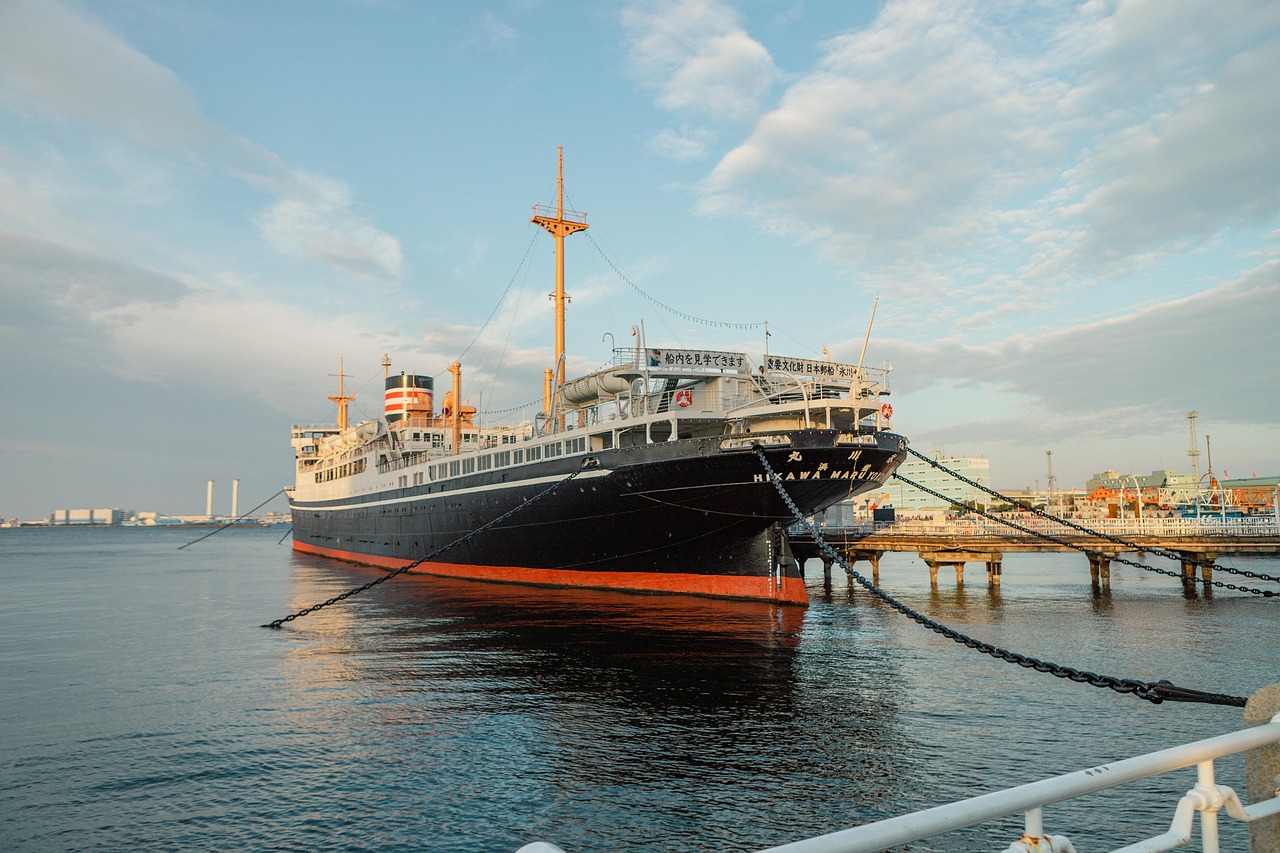
Planning Excursions Beyond the Cruise Terminal with Confidence from Yokohama
If you’re researching Port of Yokohama excursions to Tokyo Kamakura Fuji Daikoku terminal, begin with a simple decision framework. Stay close when your cruise line schedule is tight, or go further when you have generous hours ashore. Even on big itineraries—think Royal Caribbean Cruises as one example—your best day is the one designed around realistic return time, not maximum distance.
For day-trip options, Tokyo offers big-city contrast, while Kamakura gives temples, coastal air, and a softer pace. Weather permitting, Fuji views can be a stunning horizon moment, but keep expectations flexible and protect your buffer. The key is confidence: know your last safe return time, then choose the route that keeps your mind clear.
Port corporation insight around Daikoku and cargo areas
Curious travellers often notice how Yokohama holds multiple identities at once: culture by the water, and heavy industry a little further out. Daikoku and the container areas are part of that story, with container handling and cargo flows that keep the port a global hub. In plain terms, the port authority sets rules and safety standards, while a port corporation or operating bodies manage day-to-day facilities and services across terminals.
That working scale has shaped the city of Yokohama for generations, alongside manufacturing and even automobile logistics linked across the region, including Kawasaki. It’s also a reminder that a port connects places in surprising ways—sometimes you’ll hear travellers comparing Yokohama’s efficiency to Singapore, simply because both feel purposeful and well-run.
Risk-proofing your excursion with calm support
Build buffers for trains, traffic, and crowds, and keep a clear meeting point written down. If you miss a planned tour, don’t panic: return to a known station, take a taxi to the terminal, and let the staff guide you—support is part of the system. The goal is to explore boldly, then return with trust intact and energy to spare.
- Buffer rule: aim to be back near the terminal at least 90 minutes early.
- One plan B: a nearby café or waterfront loop if plans shift.
- Weather check: wind and rain can change waterfront comfort quickly.
What Stayed With Us at Yokohama Port and Yokohama port Japan personal reflections after the journey
Long after the Yokohama port Japan personal reflections after the journey notes have faded from your phone, what remains is a feeling. Yokohama lingers as a place where a working port and harbour coexists with crafted beauty—creative streets, wide decks, and small human moments of care. You remember how easy it was to move from the terminal into the day, and how the city made space for both adventure and quiet.
There’s also a personal kind of trust that grows when a busy passenger terminal city feels navigable. You learn that good travel design isn’t about doing everything; it’s about feeling held while you explore, even with cruise timings and crowds in the background. The memory becomes sensory: a trace of sea air on your jacket, lantern glow in a side street, and the soft rhythm of footsteps on a deck at dusk.
And somewhere in that blend—heritage brick, harbour light, and the patient movement of ships—you may find yourself imagining a return, not as a plan, but as a quiet possibility.
F.A.Qs: Port of Yokohama Japan cruise port questions
Where do cruise ships dock in Yokohama, Japan?
Cruise ships commonly dock at Osanbashi, with some itineraries using Shinko terminal or Daikoku terminal depending on the vessel and port operations. Your documents or cruise line app will confirm the berth, and staff at the passenger terminal can point you to the correct exit and onward transport.
What to do around Yokohama cruise port?
Near the Yokohama cruise port, explore Osanbashi for panoramic decks, the Red Brick Warehouses for culture and shops, and the waterfront paths around Minato Mirai. For food and festivals, Chinatown is a lively evening choice, while Yamashita Park offers a calmer shoreline pause.
Does Yokohama have a port or harbour?
Yes—Yokohama is a major port and harbour with both working cargo areas and visitor-friendly waterfront districts. You can often spot container activity in the distance while still enjoying promenades, parks, and piers designed for walking and sightseeing.
What port does Royal Caribbean use in Yokohama, Japan?
Royal Caribbean itineraries in Yokohama typically use one of the main cruise-capable terminals such as Osanbashi, though assignments can change based on ship size and port schedules. Check your sailing information close to arrival for the confirmed terminal, then plan extra buffer time if you’re travelling in from Tokyo.