Post Contents
- One Day in Yokohama: Relaxed Day Trip Itinerary from Tokyo with City Centre Pacing
- Minato Mirai 21 in Yokohama: Skyline Promenades, Port-City Design & Waterfront Views
- Yamate Bluff in Yokohama: Western Houses, Motomachi Boutiques & Romantic Evening Walks
- Cup Noodle Museum Yokohama: Create Instant Ramen with Momofuku Ando
- Evening in Yokohama: Chinatown Dining, Sankei-en Garden Calm & Things to Do in Yokohama After Dark
- Yokohama Travel Guide Reflection: What Stays With You After Visiting Yokohama
- FAQs: Yokohama Day Trip questions travellers ask
One Day in Yokohama: Relaxed Day Trip Itinerary from Tokyo with City Centre Pacing
A relaxed waterfront start for a one-day itinerary in Yokohama
If you’re planning a single-day itinerary and a day trip from Tokyo, the secret is simple: arrive gently, keep your route compact, and let the waterfront set the pace. In Yokohama city—an elegant escape south of Tokyo—modern design and older neighbourhoods sit side by side without effort. For high-end travellers, this is less about ticking boxes and more about curated moments: crafted views, thoughtful food, and time to take a stroll together.
Imagine beginning with a late breakfast near the Minato Mirai area, spending the afternoon between galleries, promenades and a playful attraction or two, then finishing with lantern light and a calm night walk. This itinerary is designed to feel seamless, with built-in breathing room, short transfers, and gentle transitions that make the day feel like a small retreat.
Getting to Yokohama from Tokyo for an easy day trip
Your ride from Tokyo is refreshingly straightforward. Take JR or subway lines towards Yokohama Station, then connect onwards to the waterfront with minimal friction—ideal when you’re doing Yokohama from Tokyo without overplanning. If you’re staying centrally in Tokyo, you’ll appreciate how quickly the landscape shifts from capital buzz to port-side openness, without the stress of a long transfer.
For peace of mind, aim to arrive mid-morning on a weekday. You’ll avoid commuter edges, and popular places to visit will feel calmer from the start.
Passes, costs, and small details that keep the day seamless
Consider a Yokohama Minato Mirai Pass if you’re planning to hop between trains and buses across the main waterfront zones. Entry fees across attractions in Yokohama are typically modest (many gardens and museums sit around ¥300–¥1,000), while the main observation deck in Minato Mirai is often around ¥1,000—excellent value for such a signature viewpoint.
- Carry cash for smaller vendors (especially later in Chinatown), even though larger establishments accept cards.
- Book ahead where possible for popular museum time slots to keep your schedule calm.
- Plan for comfort: a taxi for one short hop can be a high-value choice when you want support and zero friction.
If you’re upgrading beyond a day trip, Yokohama is quietly brilliant for an overnight. Yokohama Bay Hotel Tokyu is a polished base near the waterfront, with easy access to dining and evening strolls. For a second luxury alternative nearby, consider InterContinental Yokohama Grand for bay-facing rooms and that cinematic “arrive and exhale” feeling.
For inspiration while visiting Japan beyond this area of Yokohama, browse our Trip gallery. It’s a refined side of Japan to add to your wishlist when you’re mapping routes around Japan at your own pace.


Minato Mirai 21 in Yokohama: Skyline Promenades, Port-City Design & Waterfront Views
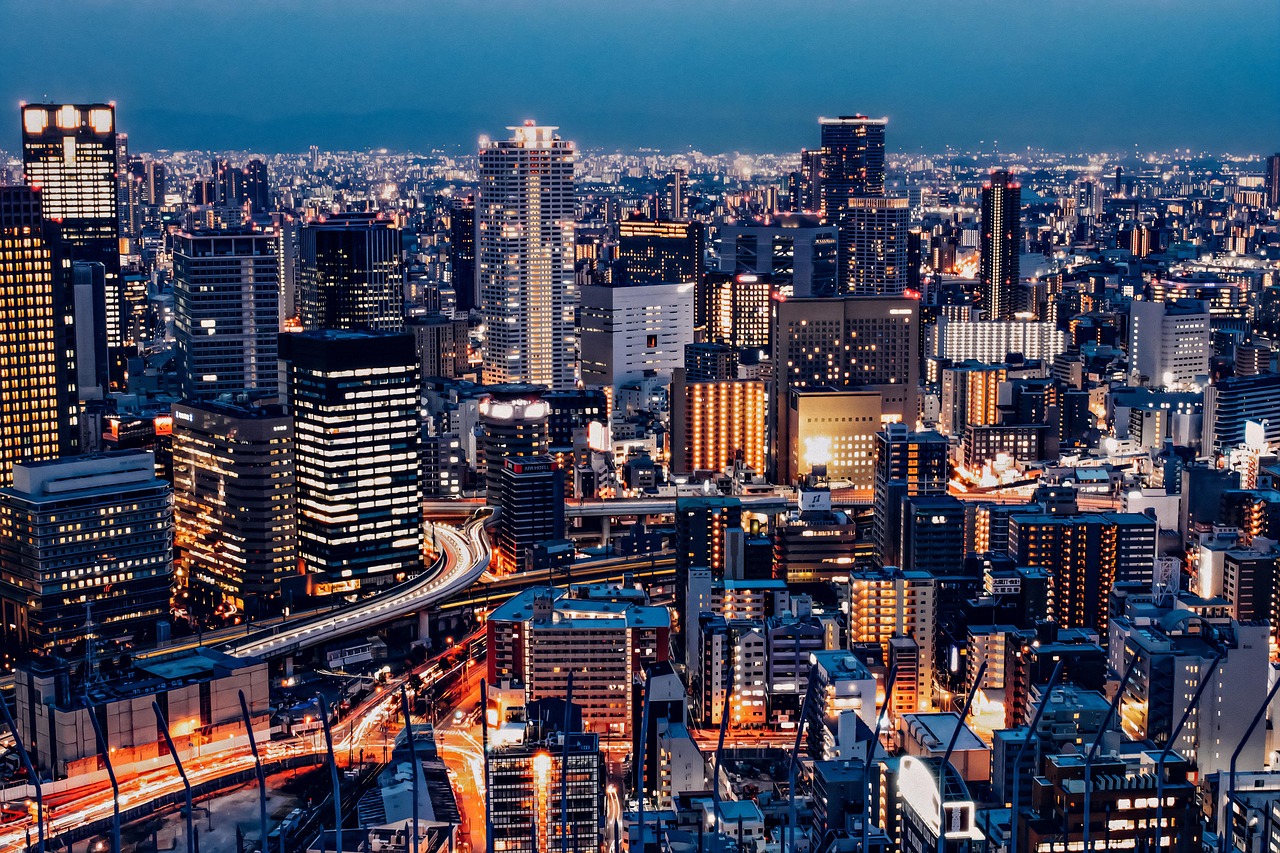
Minato Mirai 21 at dusk, when the waterfront and skyline feel almost cinematic
For Minato Mirai 21 moments in Yokohama, come with a designer’s eye. This district is a study in contemporary architecture, generous promenades, and views of the city that feel almost cinematic. It’s also the most polished expression of this port city, where clean lines, open water, and a confident skyline create a sense of space you can feel in your shoulders.
It’s also where you’ll find some of the most reliably fun things to do without feeling swept into a tourist rush. Choose one or two icons, then let the rest be wandering, photographing, and pausing for coffee with confidence—it’s a quiet must-do if you love design-led cityscapes.
Landmark Tower at sunset – views over Yokohama with golden-hour calm
At the Landmark Tower observation deck, a traveller once told me they arrived just before dusk and watched the harbour darken into velvet. The city sharpened, ships moved like slow brushstrokes, and the atmosphere felt unexpectedly intimate from above—those views over Yokohama changing their sense of scale and calm.
If you can, time your visit for golden hour on a weekday. It’s the simplest way to create a personal moment in a space that can otherwise become busy.
Waterfront walk: Red Brick Warehouse to Osanbashi Pier (and Cosmo World)
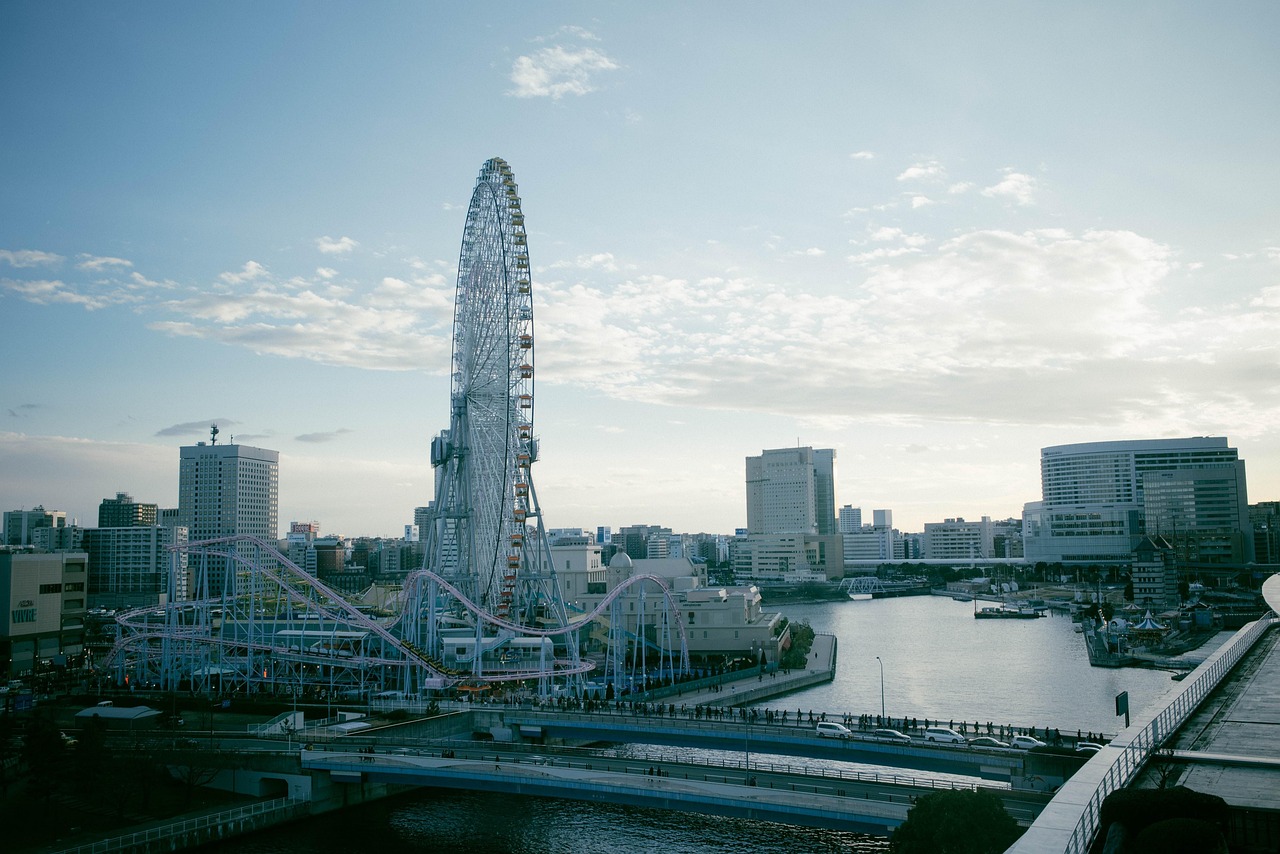
From the Red Brick Warehouse, follow the waterfront towards Osanbashi. This sequence is one of Yokohama’s most refined strolls: open deck lines, sea air, and the soft sound of the Yokohama port settling into evening. For a playful detour, drift past Yokohama Cosmo World—a compact amusement park with just enough sparkle to lift the mood without taking over your plan.
The Cosmo World ferris wheel (the Cosmo ferris) is worth considering for a short, elevated loop—especially if you want a gentle sense of theatre. The waterfront often feels lit up at night, so even an unhurried walk reads like a carefully staged scene.
Optional: for another viewpoint, Yokohama Marine Tower can be a calmer alternative in quieter late-afternoon slots. If you want a modern pop-culture stop, the nearby Gundam Factory is an easy add-on—an impressive gundam experience that still fits a relaxed schedule. Along the way, you may also want a pause in Yamashita Park for sea air and a long look across the water.
Yamate Bluff in Yokohama: Western Houses, Motomachi Boutiques & Romantic Evening Walks
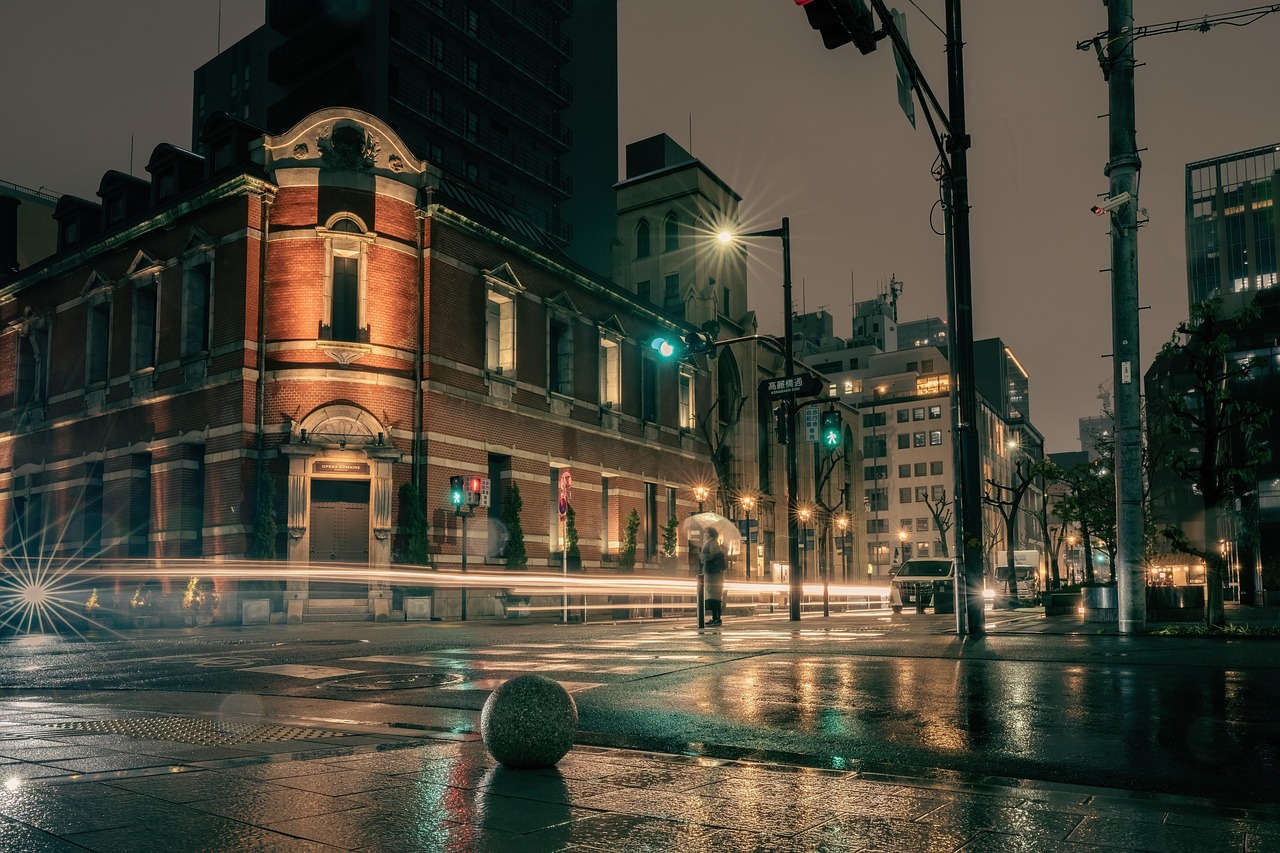
Yamate Bluff at twilight, when historic homes and quiet lanes feel especially romantic
The phrase “Yamate Bluff” barely hints at how transportive this hillside can feel. Up here, preserved residences recall the era of foreign trade in 1859, when the city of Yokohama opened to the world and began shaping its international character. It’s a softer, slower contrast to the waterfront—quiet lanes, pocket gardens, and façades that photograph beautifully in changing light.
A couple once described their evening walk here as “stepping out of time”. They moved past lamplit gates and carefully kept homes, speaking almost in whispers, and felt a romantic calm that didn’t require planning—just presence.
Yamate etiquette: small courtesies inside historic interiors
Many historic houses are compact and intimate, so small courtesies matter. Removing shoes when asked, giving others space on staircases, and keeping voices low helps everyone feel welcome. It’s a simple kind of trust between traveller and place—one that makes a day here feel more personal.
- Shoes: follow signs and bring easy slip-ons if you can.
- Sound: speak quietly and let the atmosphere do the work.
- Timing: weekday visits are calmer and more photogenic.
Motomachi: shopping in Yokohama with cafés and an unhurried pause
Pair Yamate with Motomachi for thoughtful browsing—boutiques, small design finds, and cafés where the service feels gentle and local. This is shopping in Yokohama at its most composed, and a lovely way to add texture to your itinerary without rushing.
For photography, late afternoon is ideal: façades glow, shadows soften, and the streets feel less busy. It’s an easy way to shape a day in Yokohama that feels quietly elevated.
Cup Noodle Museum Yokohama: Create Instant Ramen with Momofuku Ando
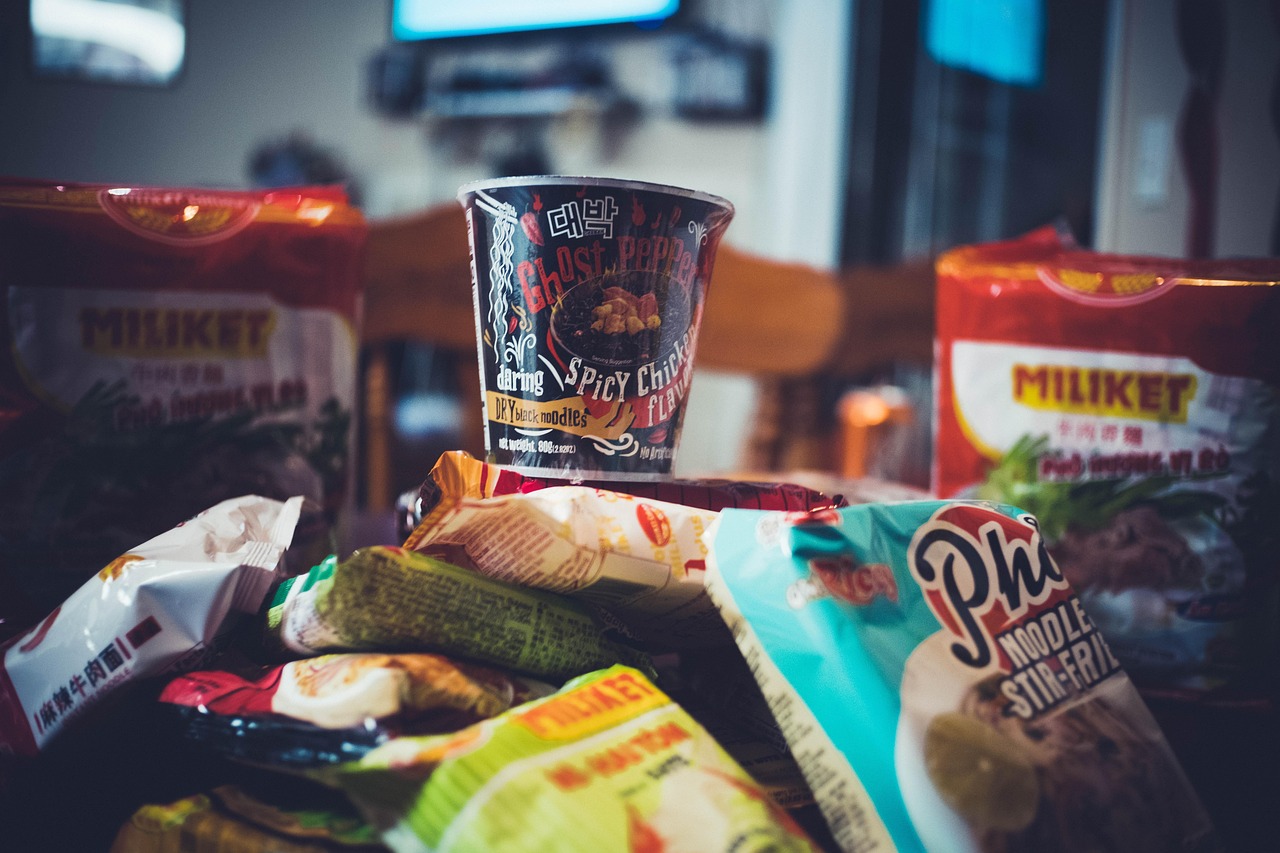
Inside the Cup Noodle Museum: playful, creative, and surprisingly heartfelt
The Cup Noodle Museum experience is playful, themed, and surprisingly moving. You’ll explore the history of ramen through invention, resilience, and everyday creativity—centred on Momofuku Ando and the idea that one breakthrough can change how people eat.
It’s also one of the most interactive things to do in Yokohama Japan, especially if you’re travelling as a couple or family and want a break from “just looking” at exhibits. The storytelling is smart, and the hands-on studio makes even a short visit feel like a highlight.
Create your own instant ramen cup and take home a real souvenir
The hands-on highlight is designing your own cup and choosing flavours—your chance to create a souvenir you can genuinely keep (and eat). A family once told me their children concentrated with real seriousness on colours and characters, then lit up when the finished cups were sealed and bagged like precious art. That small moment of pride made the whole visit feel personal and memorable.
Even for adults, it’s a reminder that great travel can include laughter and lightness, not only fine dining.
Planning a smooth visit (plus a Shin-Yokohama ramen museum add-on)
To keep it smooth, arrive early (or choose a late afternoon slot) and avoid weekends if you can. Queue times are the only real stressor here, and a simple timing choice keeps the energy calm. If your curiosity runs deeper, consider a side trip to the ramen museum in Shin-Yokohama to sample regional ramen styles in one place.
To balance playful food culture with a high-end finish, book a reservation-friendly sushi dinner nearby. After an afternoon of noodles and instant ramen creativity, that contrast feels beautifully composed.
Evening in Yokohama: Chinatown Dining, Sankei-en Garden Calm & Things to Do in Yokohama After Dark
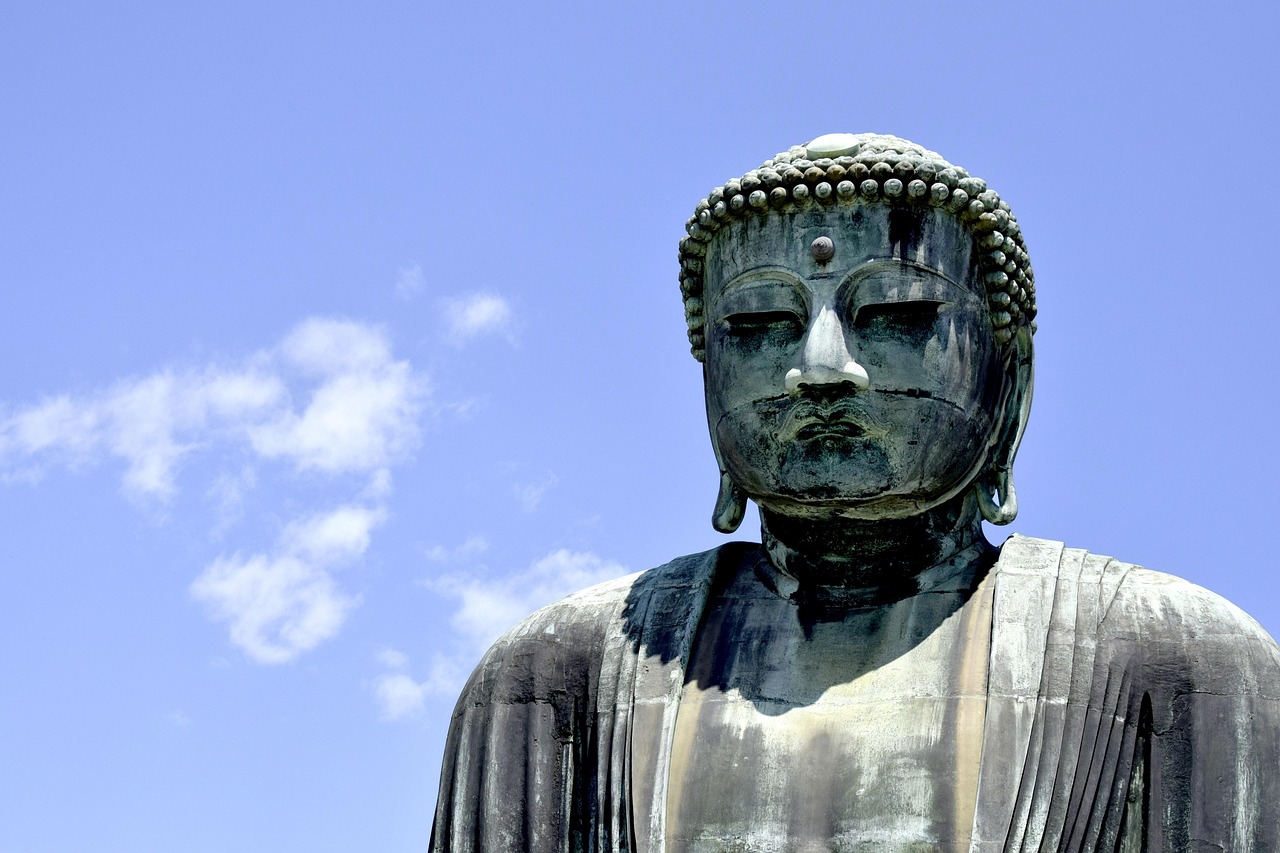
Lantern-lit streets and calm garden moments—Yokohama after dark
If you’re searching for things to do in Yokohama in the evening, think in contrasts: vibrant appetite followed by quiet restoration. Chinatown here is the largest chinatown in Japan, a place of bold flavours, colour, and lantern-lit alleys where you can explore with curiosity and still feel supported.
One visitor described arriving during the Mid-Autumn Festival and being swept into a happy tide of people and scent—steam rising from buns, skewers sizzling, sweets perfuming the air. They wandered slowly, tasting and photographing, letting the celebration carry them without losing their grounding.
Chinatown street food: themed food, noodles, and dining with confidence
In busy counters, ordering can feel fast, but it doesn’t need to feel stressful. Many vendors prefer cash, so it’s worth keeping notes ready—though cards are generally fine in bigger restaurants. Choose one or two specialities, then pause at the edge of the lane to eat, rather than juggling bags in the crowd; it’s the easiest way to enjoy the energy and still feel in control.
- Cash first: best for small stalls and quick bites.
- Go early evening: the atmosphere builds, but you can still move with ease.
- Order simply: point politely, smile, and take your time—staff are used to visitors.
If you want another waterfront breather, Yamashita Park is close enough to soften the night with sea air before you head back.
Sankei-en: a traditional Japanese garden reset in the Kanto region
After the lanterns, Sankeien brings you back to stillness. This is a traditional japanese garden of ponds, historic architecture, and seasonal flowers—especially beautiful in spring (March to May) and autumn (September to November). Come on a weekday morning for the quietest paths, and speak softly so the calm remains shared.
In the wider Kanto region, it’s rare to find a garden that feels so complete within reach of the city; it’s one of those attractions unique in how quickly it restores your breathing and attention. You’ll also be visiting a corner of Kanagawa prefecture that rewards patience, detail, and unhurried walking.
If you’re travelling with children and want a different sea-facing stop later, Yokohama’s waterfront also has an aquarium option with sea life exhibits—easy to weave in when you’re shaping the mood of the day.
Yokohama Travel Guide Reflection: What Stays With You After Visiting Yokohama
In the days after visiting Yokohama, it isn’t a checklist I remember. It’s the hush of the waterfront as evening settles, and the way the water holds light a little longer than you expect. It’s the feeling that the city knows how to host—how to offer beauty without demanding urgency.
I think about small conversations and shared tastes: choosing a snack in a bright lane, stepping gently through old rooms, looking up at the city lights and realising you’re calmer than you were an hour ago. Yokohama’s confidence is quiet, and it invites the same from you.
Perhaps that’s why a visit to Yokohama lingers. Modern lines and older streets don’t compete; they simply exist together, like different chapters of the same story. As Japan’s second largest city, it’s close to Tokyo yet feels like its own world—especially when you end the evening by the harbour and watch the last reflections slip away.
FAQs: Yokohama Day Trip questions travellers ask
Is Yokohama, Japan worth visiting?
Yes—especially if you want a refined escape close to Tokyo. Yokohama blends waterfront promenades, panoramic viewpoints, cultural neighbourhoods and calm gardens in a way that feels easy to navigate and pleasantly spacious. It’s well-suited to high-end travellers who value comfort, design, and atmosphere as much as major sights.
What to do in Yokohama in a day?
Start in Minato Mirai for waterfront architecture and an observation deck view, then walk via the red brick waterfront district towards Osanbashi. Add Yamate Bluff for historic Western-style homes and a café pause, then finish in Chinatown for dinner. If you prefer quieter moments, swap an extra neighbourhood stop for Sankei-en Garden.
What is Yokohama best known for?
Yokohama is best known for its beautiful bay setting, modern Minato Mirai cityscape, and one of Japan’s most vibrant Chinatowns. It also has a distinctive international history tied to the port opening in the 19th century, which you can still sense in areas like Yamate and Motomachi.
Is 1 day enough for Yokohama?
Yes—one day is enough to enjoy the highlights at a comfortable pace, particularly as a short day trip. You can combine Minato Mirai, a waterfront walk, and either Yamate Bluff or Chinatown without rushing. If you’d like slower mornings, more dining, or extra boutique time, staying one night makes it feel even more effortless.