Post Contents
- Arriving in Nagoya and Designing a Seamless Base for Nagoya station arrival tips luxury stay in Nagoya Japan
- Nagoya Castle at Sunrise and the Tokugawa Story for Nagoya Castle luxury visit Hommaru Palace Tokugawa Japan
- Atsuta Shrine and a Gentle Pause in the Woods for Atsuta Shrine visit guide Nagoya Japan sacred shrine
- Toyota Commemorative Museum of Industry and Technology Nagoya Japan for modern Toyota craftsmanship
- Osu Shopping District Sakae Oasis 21 Mirai Tower Nagoya Japan for an after-dark route
- Day trip from Nagoya Japan Takayama Shirakawa-go Inuyama with minutes by train ease
- What You Carry Home from Nagoya for Nagoya travel reflections Japan luxury destination guide
- F.A.Qs: things to do in nagoya and travel planning
Arriving in Nagoya and Designing a Seamless Base for Nagoya station arrival tips luxury stay in Nagoya Japan
Arriving in Nagoya and Designing a Seamless Base around Nagoya station
If you’re planning a trip and want Nagoya station arrival tips plus a luxury stay in Nagoya Japan, the good news is that the city is designed for ease. Many guests fly into Chubu Centrair International Airport and take the Meitetsu line straight into town, arriving with a feeling of seamless control rather than travel-day friction. Just as often, you’ll roll in on the shinkansen to JR Nagoya from Tokyo or Osaka, step onto a wide concourse, and feel the pace soften.
Nagoya is the capital of Aichi Prefecture, and it wears its polish well: efficient, understated, and quietly ambitious. It’s also Japan’s fourth most populated city, yet it rarely feels overwhelming—especially when you choose the right neighbourhood as your anchor.
Nagoya station as your anchor to explore Nagoya city
Think of Nagoya station as your centre point, then picture three easy spokes. Sakae sits to the east for modern architecture and evening lights, Osu is to the south for characterful lanes, and City Hall is north-west for civic elegance and a morning loop that pairs beautifully with a castle visit. Once you have that mental map, you can explore Nagoya with confidence and create days that feel crafted rather than crammed.
Within the city centre, typical hops between the key districts often take about 7 minutes on the metro, which makes it simple to design your day around mood: culture in the morning, a café pause at noon, and a dressed-up evening without long transfers.
Where to stay in Nagoya with calm, skyline, and value
For a refined base, choose a hotel Nagoya address that keeps your evenings quiet while staying well-connected. Around Nagoya Station, you’ll find sleek, international-standard properties that suit early departures and late returns, while Sakae is better if you want to step out for cocktails and people-watching. For a skyline-forward option, Nagoya Prince Hotel Sky Tower is a favourite for high floors, clean-lined rooms, and that satisfying sense of arriving somewhere special.
When comparing Nagoya offers and hotel offers, look for value in the details: lounge access, flexible check-in, and breakfast that lets you start slowly. If you like traditional design, some properties also have tatami rooms or tatami details that bring a gentle Japanese texture without sacrificing comfort.
On the ground, buy a prepaid IC card like Manaca for seamless transit and tap-through ease. If you’re combining rail companies, you may also encounter Kintetsu on certain routes, and the same rhythm of punctuality applies—arrive a few minutes early, and the city will reward you with its calm order.
- Arrival choice: Chubu airport to the city by Meitetsu, or shinkansen into JR Nagoya from Tokyo or Osaka.
- Transit shortcut: Manaca makes station transfers and quick metro rides feel effortless.
- Choose-your-splurge: a private guide, Michelin dining, or a car service on a key day—small upgrades that change the whole texture of a trip to Japan.
If you’d like inspiration for a longer route and curated pacing, our Trip gallery offers a beautiful starting point for designing something personal.


Nagoya Castle at Sunrise and the Tokugawa Story for Nagoya Castle luxury visit Hommaru Palace Tokugawa Japan
Nagoya Castle at Sunrise and the Tokugawa Story with Hommaru Palace
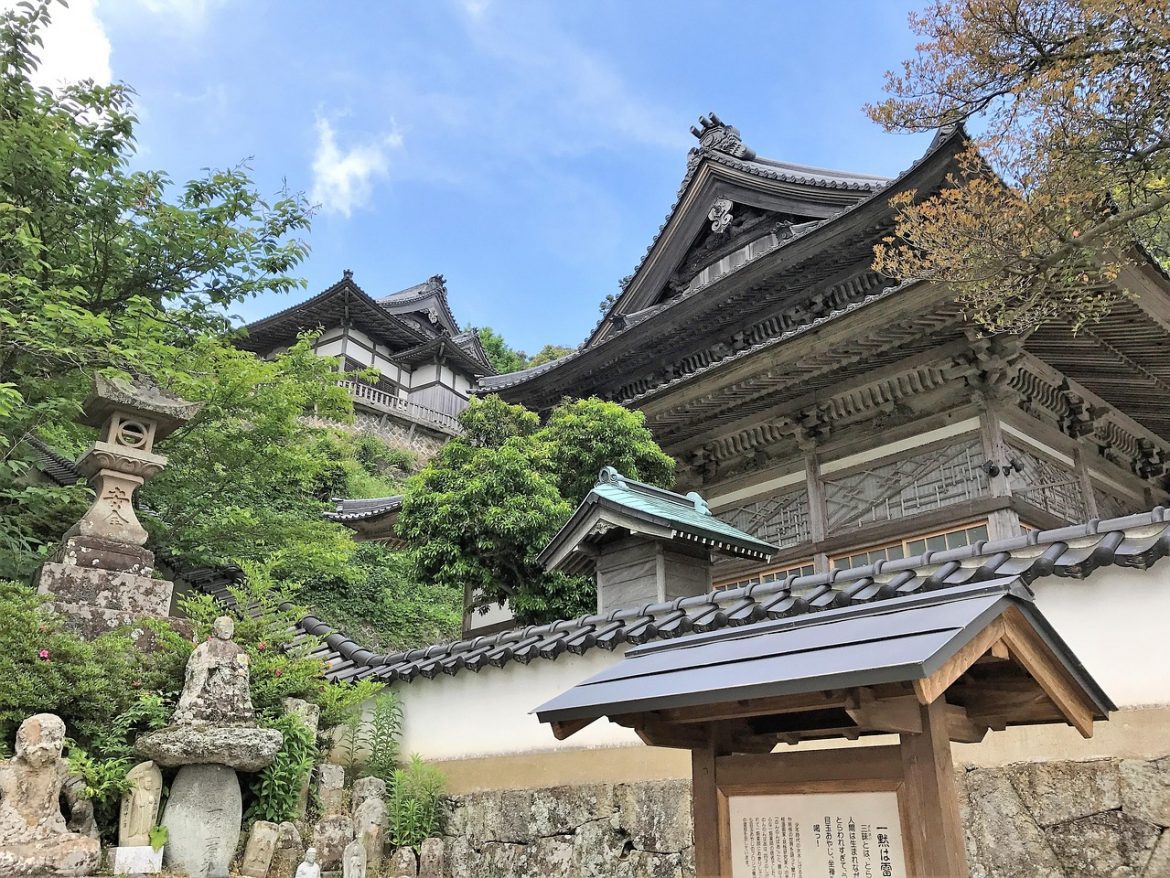
For a Nagoya Castle luxury visit that truly lands, start early and let the city wake up around you. Nagoya Castle is one of the most recognisable castles in the country, and its story is inseparable from the Tokugawa lineage and the Edo period—power expressed through proportion, materials, and ceremony. Even if you’ve seen castles elsewhere, this one invites you to slow down and notice design choices that still feel modern.
A luxury traveller once told us that arriving at Nagoya Castle at sunrise gave them a tranquil, breathtaking start—without the crowds, just soft light on stone and gardens. That quiet space to breathe is the kind of private luxury that no upgrade can replicate.
Hommaru Palace and how to see like a designer
Inside Hommaru Palace, linger over the screen paintings and the way they guide your eye through each room. Notice how light falls across timber, how thresholds create gentle pauses, and how the sense of order feels calming rather than strict. It’s a rare attraction where you can uncover a design philosophy as much as a historic site.
There’s also a human honesty here. The site was affected by air raids, and parts were rebuilt with care; the mood today is respectful and quietly timeless, with the grounds offering a steady sense of continuity.
Practical polish for an elegant morning loop to City Hall
Tickets are often around 500 yen for core entry, with occasional special areas priced separately. For photographs, aim for early angles that catch the rooflines and gold details before the day brightens. After your castle visit, stroll to City Hall on foot for a graceful civic-architecture contrast—an easy loop that feels like a curated morning rather than a rush.
If you want a small story thread to hold onto, remember this: nagoya castle is one place where the past feels present, not performed.
Atsuta Shrine and a Gentle Pause in the Woods for Atsuta Shrine visit guide Nagoya Japan sacred shrine
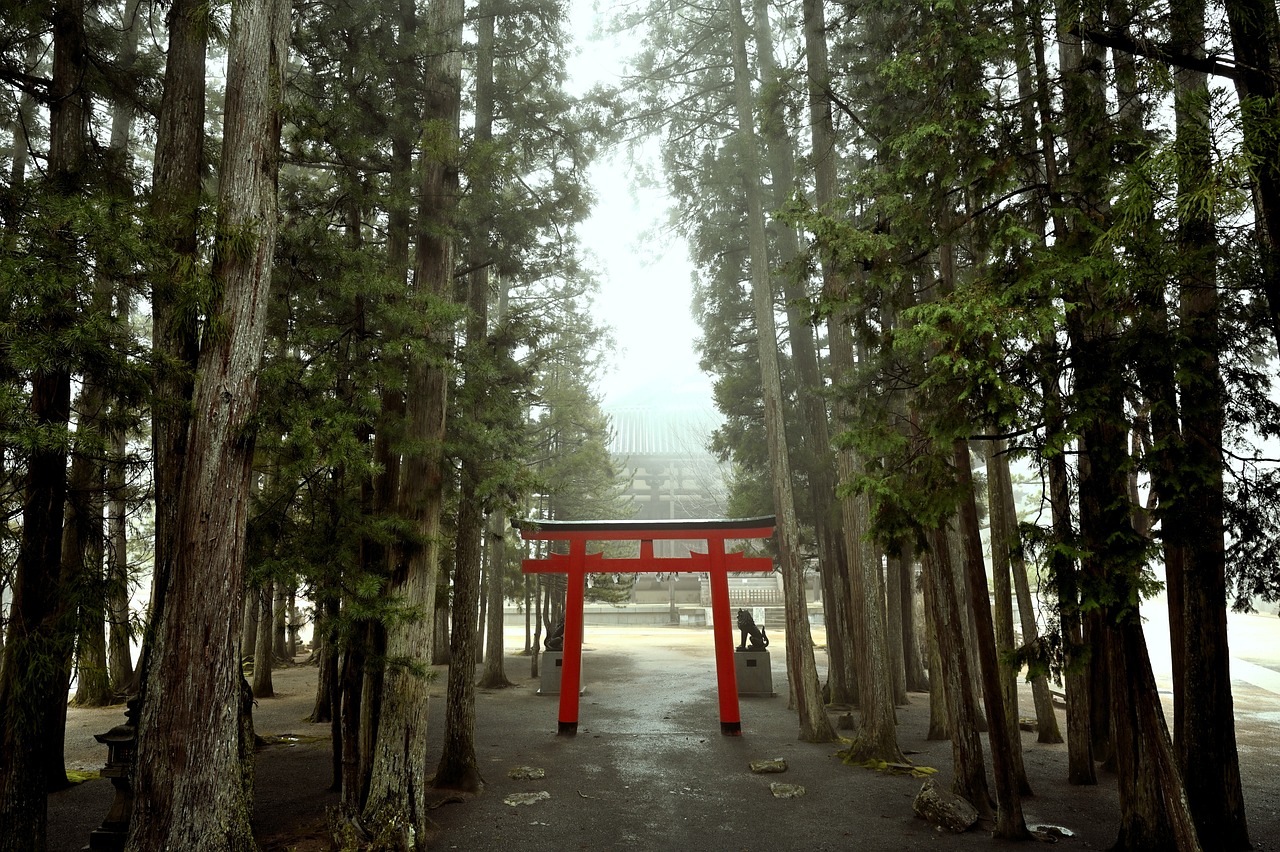
Atsuta Shrine and a Gentle Pause in the Woods for a sacred shrine visit
If you’re looking for an Atsuta Shrine visit guide in Nagoya Japan, begin by letting it be what it is: a sacred shrine set in serene woods, and a calming counterpoint to city sightseeing. Atsuta Shrine is one of Japan’s most revered Shinto sites, and it offers something high-end travellers often crave—space to be quiet together, without needing to do anything at all.
Many travellers mention the warm hospitality here, and the feeling of being spiritually rejuvenated simply by walking the shaded paths. The atmosphere is gentle and welcoming, and you’ll feel supported even if this is your first shrine visit.
Etiquette with confidence at Atsuta
You don’t need to overthink it. Bow lightly when greeting, keep voices low, and be respectful with photographs—especially around worshippers. At the torii, pause for a moment; it’s a threshold that signals a change in pace as much as a change in place.
- Move calmly: follow the flow, and give others space at the main hall.
- Dress thoughtfully: you don’t need formalwear, just neat, comfortable layers.
- Timing tip: mornings feel especially serene if you prefer quiet over spectacle.
High-end comfort with an English-speaking guide or a slow tea pause
If you enjoy cultural nuance, an english-speaking private guide can add gentle insight—without turning the visit into a lecture. Alternatively, design a slower self-guided hour and finish with Japanese tea nearby, letting the calm settle into your day. Either way, this is a stop where trust and care matter more than ticking boxes.
From here, it’s easy to return to the city centre for a restful lunch, then continue with museums or a dressed-up evening plan.
Toyota Commemorative Museum of Industry and Technology Nagoya Japan for modern Toyota craftsmanship
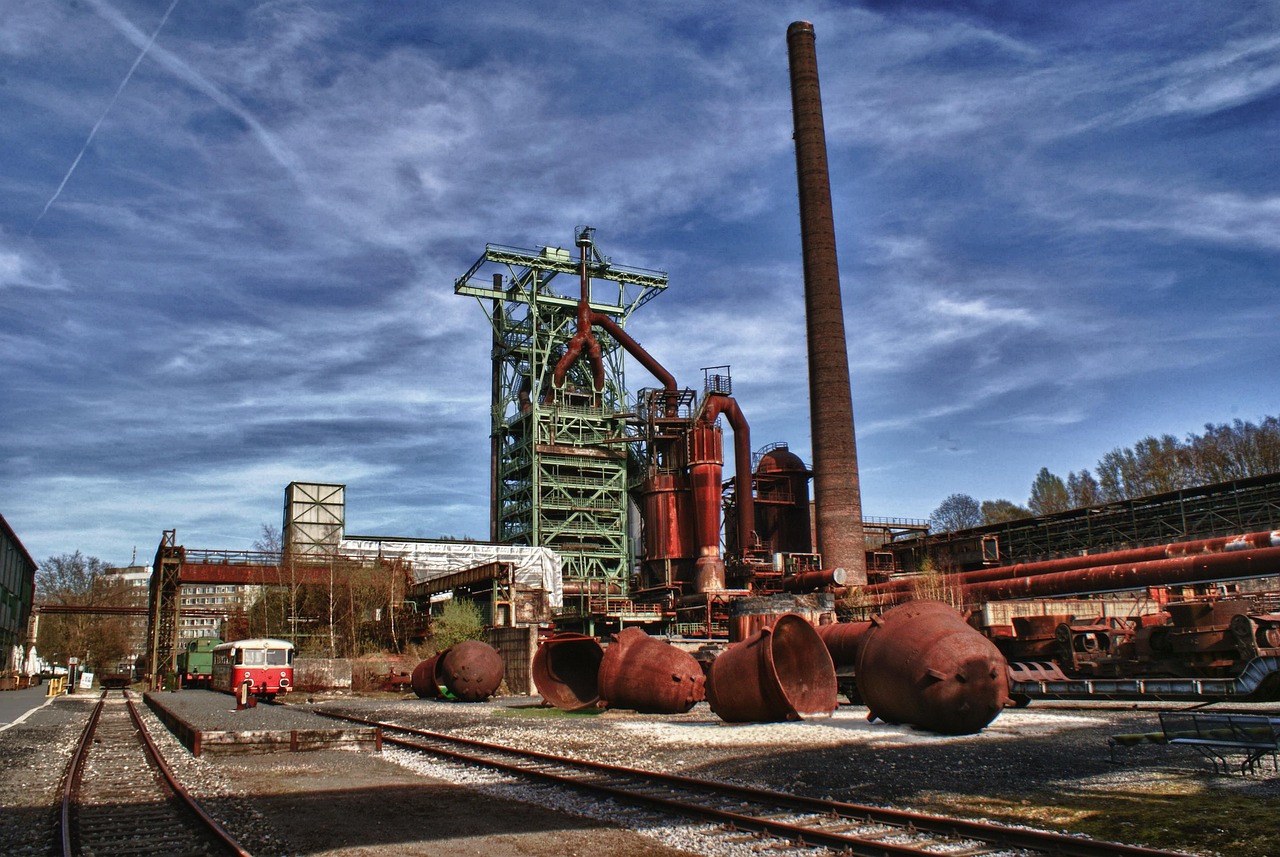
Toyota Commemorative Museum and Modern Craftsmanship in Nagoya city
The Toyota Commemorative Museum of Industry and Technology Nagoya Japan is a top attraction for discerning travellers because it treats craftsmanship as a living language. The Toyota Commemorative Museum is not just about cars; it’s about how ideas become objects through discipline, iteration, and pride in detail. If you love design, engineering, or simply well-made things, you’ll feel right at home.
One visitor described a memorable hands-on experience at the Toyota Museum, engaging with interactive exhibits that made Japanese craftsmanship feel personal rather than abstract. It’s the sort of place where you can imagine the human hands behind each process, and appreciate how teams work together to create reliability at scale.
From red-brick textile factory to modern innovation
The setting matters: a red-brick textile factory origin gives the museum a warm, tactile character. You’ll follow the narrative from looms and fibres into automotive evolution, and the transition is elegantly told—crafted, not flashy. It’s a quiet celebration of how the past can be repurposed rather than erased, something Nagoya does particularly well.
For travellers who enjoy transport history, you may also hear about the SCMAGLEV story in the wider region—another thread of forward-looking engineering that suits Nagoya’s temperament.
Optional pairings for rainy-day brilliance
If the weather turns, extend your learning with the Nagoya City Science Museum, a stylish afternoon of discovery that feels surprisingly grown-up. Art lovers can balance the industrial with the poetic: a refined hour at Nagoya City Art Museum offers a quieter tempo, while the Tokugawa Art Museum is ideal for collectors’ curiosity—lacquer, textiles, and the graceful residue of samurai culture in the Owari domain.
In the evening, return to your hotel with that satisfying feeling you get after a museum day done well: mind awake, body rested, and the city still waiting outside the lobby doors.
Osu Shopping District Sakae Oasis 21 Mirai Tower Nagoya Japan for an after-dark route
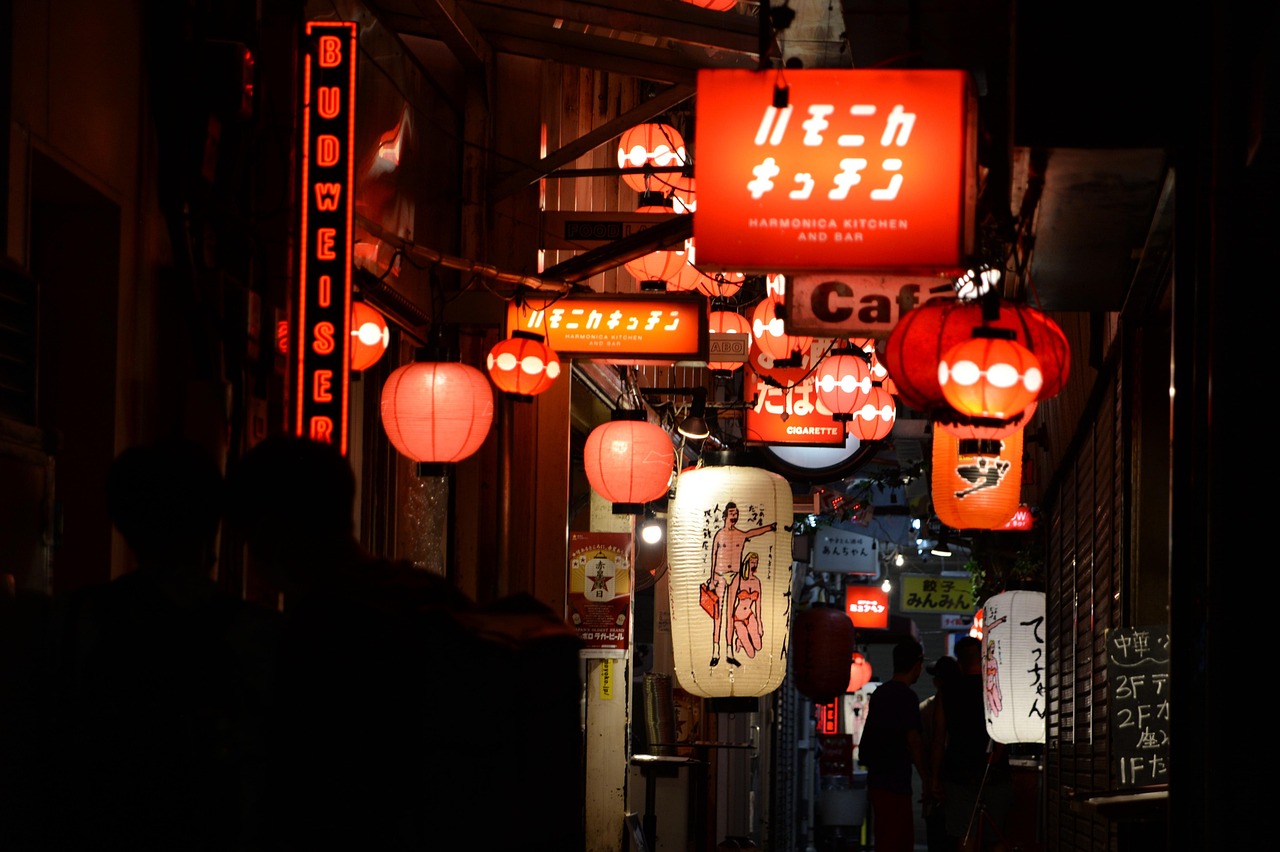
Osu After Dark and Sakae Skyline Sophistication via Oasis 21 and Mirai Tower
For an evening that feels both local and elevated, plan an Osu Shopping District to Sakae route—Osu Shopping District Sakae Oasis 21 Mirai Tower Nagoya Japan is the mood in one line. Begin in osu with its mix of vintage finds, design-led boutiques, and sweet shops, then drift towards the modern skyline for architecture and cocktails. Start with Osu Kannon, then let the lanes pull you onwards at your own pace.
A couple once told us their most romantic memory was a slow walk through the illuminated Osu district—vibrant yet relaxed—before finishing with artisanal cocktails. It’s an easy kind of glamour: no pressure, just good light and good company.
Osu Kannon temple as the cultural anchor before shopping
Pause at Osu Kannon temple and take a moment to reset your attention. Even a short stop adds depth to an evening that could otherwise become pure retail. From there, choose shops and cafes that feel calm and curated; a well-placed café break is often the difference between a night that feels rushed and one that feels designed.
Oasis 21, Chubu Electric landmarks, and Mirai Tower views
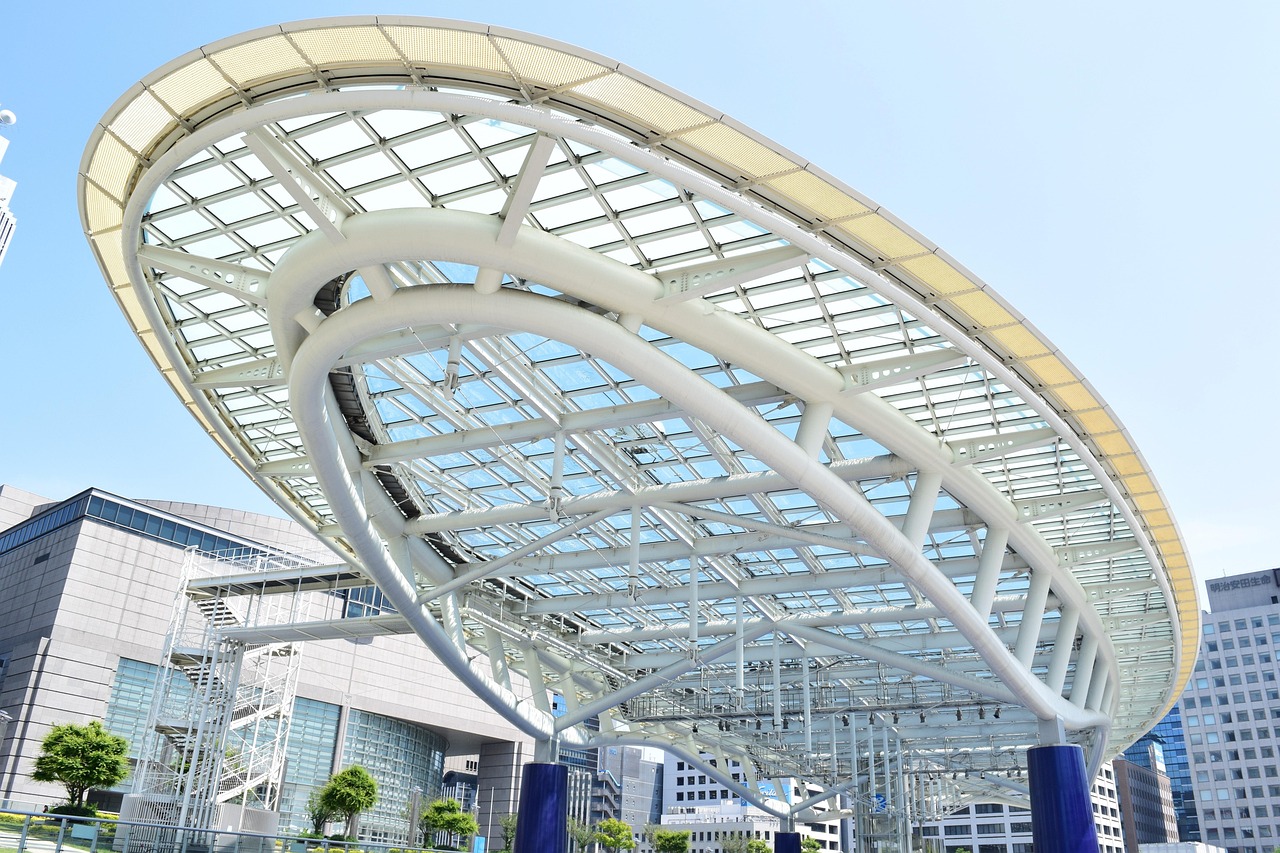
As you move into Sakae, Oasis 21 delivers contemporary architecture and easy people-watching. The area is also dotted with familiar orientation cues, including Chubu Electric branding, and you’ll hear locals still refer to the Nagoya TV Tower when pointing out the skyline. Head up towards Mirai Tower for a view that makes the city feel intimate rather than sprawling, especially after dark.
From Sakae station, many key spots are linked by a simple 10-minute walk, which makes meet-ups and last-minute changes feel effortless.
And then, dinner. A foodie once highlighted their delight in savouring hitsumabushi at a Michelin-starred restaurant: layered flavours, elegant presentation, and the chef’s pacing that makes each bite feel intentional. Pair it with miso-forward sides—Nagoya’s signature depth—and you’ll understand why the city’s variety of restaurants is quietly exceptional.
- Best meet-up: Sakae station for easy navigation and taxis afterwards.
- Walking rhythm: allow a 10-minute walk between anchors, with time for browsing.
- Dining tip: reserve hitsumabushi ahead, especially for Michelin-level rooms.
Day trip from Nagoya Japan Takayama Shirakawa-go Inuyama with minutes by train ease
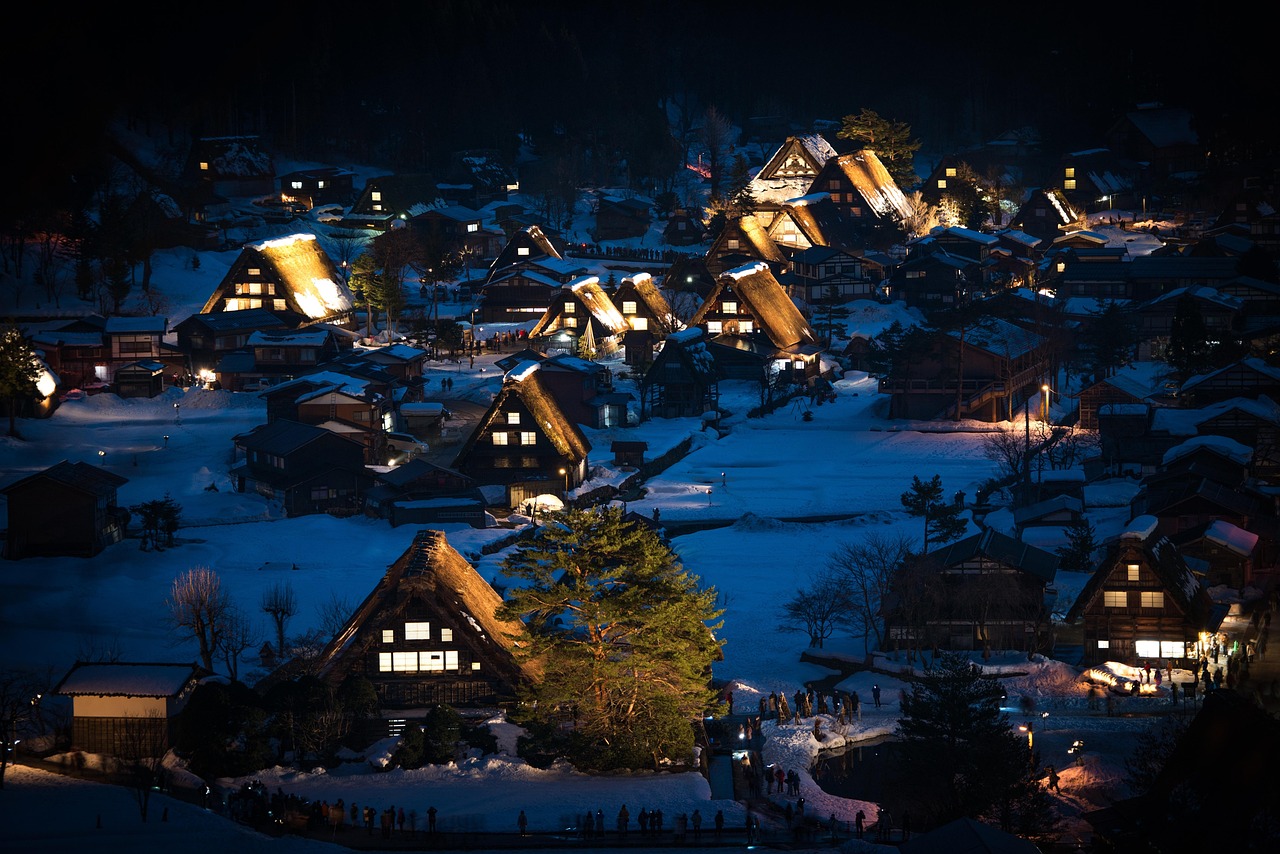
Day Trip Refinement from Nagoya to Takayama, Shirakawa-go, and Inuyama
A day trip from Nagoya Japan to Takayama, Shirakawa-go, or Inuyama is where this city becomes an ideal base rather than just a stop. Use a “minutes by train” mindset for planning, then decide when it’s worth choosing a private car for comfort—especially if you want to linger for photographs, stop for a countryside lunch, or travel with family.
Because Nagoya sits on the Tokaido corridor between Tokyo and Osaka, it also fits naturally into a longer itinerary. You can design a route that flows: Tokyo to Nagoya to Osaka, with the option to weave in Yokohama or Nikko at the start, and even a Tokyo Tower night view as a final, glittering full stop.
Takayama, the Hida region, and Shirakawa-go seasonal magic
For a classic alpine pairing, choose Takayama in the Hida region for preserved streets and warm wooden facades, then continue to Shirakawa-go for thatched-roof scenery. Shirakawa-go is UNESCO World Heritage listed, and in winter it can feel like a lantern-lit illustration—beautiful, but best enjoyed with careful timing and good footwear. If you prefer a softer look, autumn is particularly photogenic, while spring offers crisp air and gentle colour.
Alternatives for variety including Inuyama and Gujo
If you want something compact, Inuyama offers a charming castle town with riverside views and a satisfying sense of completion by mid-afternoon. Gujo is another option for travellers who love crafts and water—quiet lanes, skilled makers, and an unhurried pace that feels like a secret.
For families seeking polished fun, Legoland Japan is an easy half-day when you pre-book tickets and keep your return schedule flexible. It’s the kind of plan that feels supportive rather than exhausting, especially if you’re balancing adult interests with younger travellers.
Whichever day trip you choose, the key is refinement: fewer stops, better spacing, and a return to your hotel before the evening so you can dress, rest, and step out again with ease.
What You Carry Home from Nagoya for Nagoya travel reflections Japan luxury destination guide
These Nagoya travel reflections often arrive later, when you’re home and the noise of everyday life returns. You might remember the quiet sunrise light on the castle stone, and how your footsteps sounded softer than you expected. You might recall the hush of the shrine woods, the way you instinctively lowered your voice, and how that small act of respect changed the texture of your own thoughts.
Nagoya has a talent for making craftsmanship feel intimate. It shows up in the patient logic of a museum, in the clean geometry of a skyline, and in the care of a meal—each element designed to be enjoyed rather than consumed. There’s a subtle invitation here: to notice materials, to trust your own pace, and to let travel create a calmer kind of confidence.
Long after you’ve left, the city can stay with you as a mood more than a checklist—quietly modern, quietly kind, and gently certain of itself. And perhaps that’s why, when you least expect it, you’ll find yourself wondering what else might be waiting in that soft space between tradition and tomorrow.
F.A.Qs: things to do in nagoya and travel planning
What is Nagoya best known for?
Nagoya is best known for Nagoya Castle, its deep connection to the Tokugawa legacy, and its role as a centre of manufacturing and design through Toyota. Visitors also remember the city’s distinctive food culture, including hitsumabushi and miso-rich specialities, plus easy day trips into the mountains and historic towns.
Is Nagoya worth visiting in Japan?
Yes, Nagoya is worth visiting if you enjoy a calmer, more design-led side of Japan. It offers heritage and modern craft in balance: a headline castle experience, a sacred shrine set in woods, and standout museums. It’s also an easy base between Tokyo and Osaka, making travel feel seamless.
Is 2 days enough for Nagoya?
Two days is enough to experience Nagoya well if you keep the pacing refined. You can devote one morning to Nagoya Castle and nearby sights, then enjoy Atsuta Shrine and an evening in Osu and Sakae. On day two, choose the Toyota museum or a single day trip for a satisfying, unhurried rhythm.
What do tourists do in Nagoya?
Tourists typically visit Nagoya Castle, explore museums like the Toyota Commemorative Museum of Industry and Technology, and take a peaceful break at Atsuta Shrine. Evenings often include shopping and street scenes in Osu, skyline views around Sakae, and dining on local specialities such as hitsumabushi.