Post Contents
- Things to Do in Kanazawa Japan – Ultimate Guide to Kanazawa, a Relaxed Itinerary, and District-by-District Tips
- Getting to Kanazawa: Kanazawa Station Arrivals, Japan Rail Pass Options, and Easy Connections Between Districts
- Kenrokuen Garden: A Serene Start to Your Day, Seasonal Highlights, and Classic Things to Do in Kanazawa
- Kanazawa Castle Park: Stone Walls, Kaga Domain History, and a Must-See Attraction in Kanazawa
- Higashi Chaya District: Geisha Culture, Teahouse Evenings, and Gold Leaf Craft in Kanazawa’s Most Atmospheric District
- Omicho Market and the 21st Century Museum: Food in Kanazawa, Design, and a Modern Cultural Counterpoint
- Around Kanazawa: Day Trip Ideas, Nagamachi Samurai District Walks, and the Ninja Temple Experience
- What Stayed With Me After You Visit Kanazawa: A Personal Reflection on Craft, Calm, and District Life
- F.A.Qs: Things to know before you visit Kanazawa
Things to Do in Kanazawa Japan – Ultimate Guide to Kanazawa, a Relaxed Itinerary, and District-by-District Tips
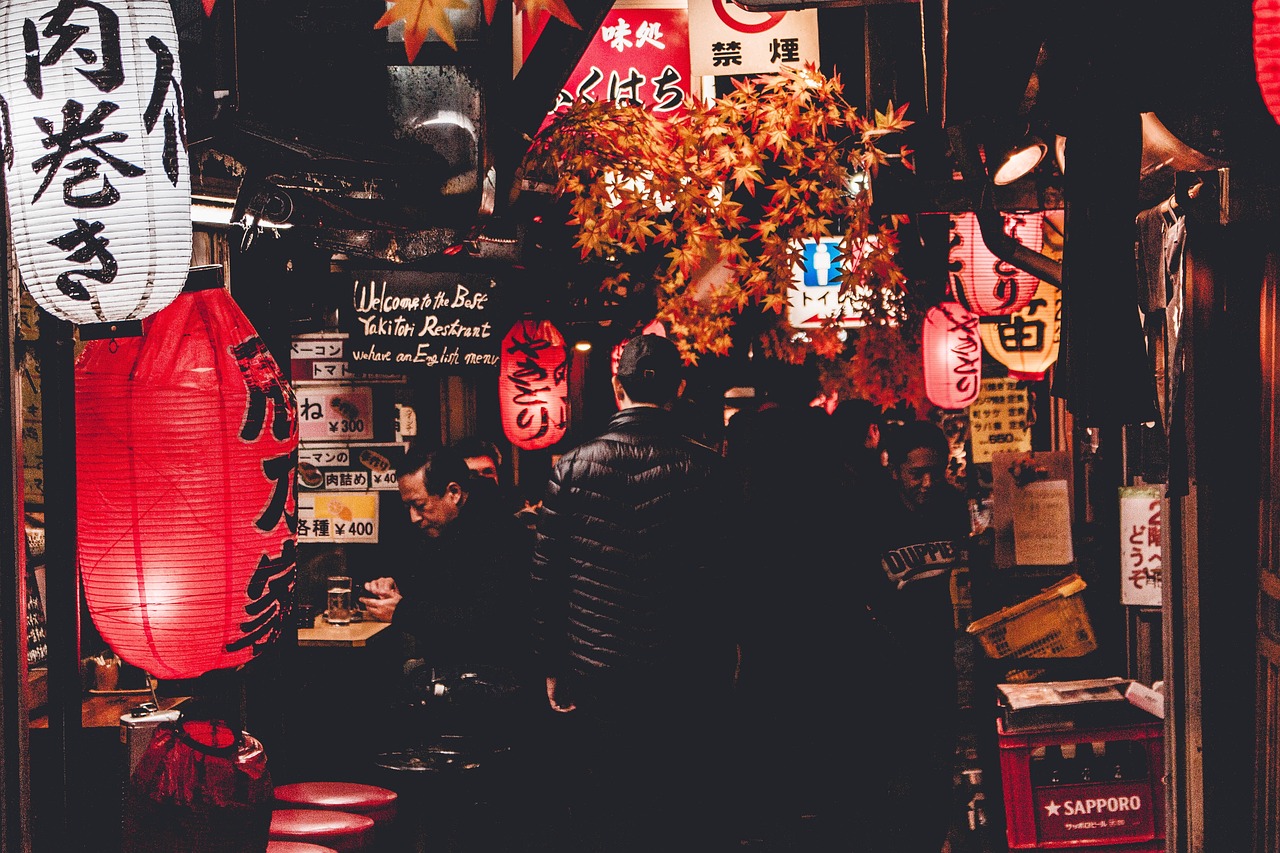
Visit Kanazawa with Confidence The Ultimate Guide and Itinerary in Kanazawa
This ultimate guide to kanazawa starts with context, because this destination feels richer when you understand what shaped it. Kanazawa city is the capital of Ishikawa Prefecture, and its cultural confidence comes from the Maeda clan, who ruled the Kaga domain and nurtured the arts through feudal Japan. That patronage still shows up quietly—in lacquer, ceramics, refined cuisine, and the gentle pride of local craft across every district.
For high-end travellers, the question is rarely “can I see it all?” and more “can I feel it properly?”. The sweet spot is a day and a half for the essential highlights, or two full days if you want a deeper tour of Kanazawa with time for artisan studios and lingering lunches. Kanazawa is one of those cities in Japan where pace is part of the pleasure, and where exploring districts in Japan can feel surprisingly intimate.
Best time to visit: seasonal calm, light, and crowds
Your time to visit matters most for Kenrokuen’s mood: spring for cherry blossoms and autumn for vivid foliage. Yet winter has its own theatre—especially when “creeping snow” rests on pine branches and stone lanterns, turning the garden into something almost hushed. If you’re shaping a broader Japan itinerary around Tokyo, the Sea of Japan coast, and Kyoto, Kanazawa fits beautifully as a restorative pause.
A sample Kanazawa itinerary designed around texture, not checklists
To create a seamless flow, think in districts and textures rather than ticking every attraction. Below is a flexible structure for things to do in kanazawa that still leaves space for a hidden café, a gallery detour, or a slow stroll—without feeling rushed.
- Day 1 morning: Kenrokuen Garden, then the short pairing to Kanazawa Castle and a quiet tea stop nearby.
- Day 1 afternoon: the 21st century museum of contemporary art and a design-led walk through central shopping streets.
- Day 1 evening: Higashi Chaya District for lantern light, gold leaf details, and a carefully chosen dinner.
- Day 2: Omicho Market brunch, Nagamachi’s samurai textures, then a shrine pause or artisan workshop.
For inspiration as you design your route around japan, you can browse our Trip gallery and imagine how Kanazawa can sit alongside Tokyo and Kyoto with ease.
Where to stay in Kanazawa: ryokan charm or modern design hotels
If you want to stay in Kanazawa with a sense of calm luxury, split your choice between intimate ryokan hospitality and contemporary design. Hotel Kanazawa Zoushi is a strong anchor if you like modern polish and easy access to key districts. For travellers drawn to quiet artistry, Maki no Oto Kanazawa offers a more intimate feel—think careful materials, softer lighting, and a sense of private retreat.
When choosing among hotels in Kanazawa, ask for what supports your style of travel: a concierge who can secure museum times, a room that feels like a sanctuary after walking lanes, and breakfast that’s genuinely local rather than generic. This is the difference between simply sleeping in a district and truly settling into it.


Getting to Kanazawa: Kanazawa Station Arrivals, Japan Rail Pass Options, and Easy Connections Between Districts

Getting to Kanazawa Station to Districts Made Seamless
This chapter focuses on getting to kanazawa in a way that feels reassuring from the first booking to the first taxi door closing. The Hokuriku Shinkansen is the simplest link from Tokyo (usually around 2.5 hours), running on the key shinkansen line into Ishikawa. Arrival at Kanazawa Station is beautifully civilised—clear signage, spotless facilities, and an immediate sense that you can move with confidence from district to district.
For a first-class style arrival, choose reserved seats, travel mid-morning for softer crowds, and keep one small bag accessible for onboard comfort. If you’re travelling with premium luggage, consider forwarding bags between cities so you can step off the platform feeling light and ready to explore.
From Kyoto: timings, transfers, and limited express comfort
If your journey begins in Kyoto, Kanazawa is often described as 2 hours from Kyoto, depending on your exact connection. A classic option is to take the limited express Thunderbird; this limited express ride is comfortable and scenic, and it’s a smooth transition from the old capital’s temples into Kanazawa’s quieter districts.
For travellers balancing days in Kyoto with time elsewhere, Kanazawa can feel like a calmer, more intimate counterpoint—especially if you appreciate craft and food as much as landmark sightseeing.
Japan Rail Pass vs point-to-point tickets (and getting around once you arrive)
The Japan Rail Pass can be excellent value if you’re moving across multiple regions in a short timeframe. Many key rail legs are covered by the Japan rail network, which means you can keep plans flexible. If you’re travelling at a slower rhythm—perhaps fewer cities, longer stays—point-to-point tickets may be simpler and sometimes better value, especially if you’re choosing specific departure times.
Kanazawa is compact, and once you arrive, the city’s districts are easy to link together with minimal friction. You can use the loop bus for straightforward routes, a taxi when comfort matters more than cost, and a bicycle for a scenic, flexible day to explore waterways and back lanes. Many visitors also rely on the Kanazawa Loop Bus for classic sightseeing circuits and direct access to the main district hubs.
- Loop bus routes: helpful for first-time orientation, especially in rain or summer heat.
- Taxis: ideal before dinner in Higashi or when you’re dressed for an evening out.
- Insider tip: a bike is perfect for moving between districts without waiting times.
Small etiquette moments create trust: a brief bow when greeting, removing shoes in traditional spaces, and handling money or items with both hands. These are simple gestures, yet they support an easy, respectful rhythm in each district you visit.
Kenrokuen Garden: A Serene Start to Your Day, Seasonal Highlights, and Classic Things to Do in Kanazawa

Kenrokuen Garden A Serene Start Your Day in Kanazawa
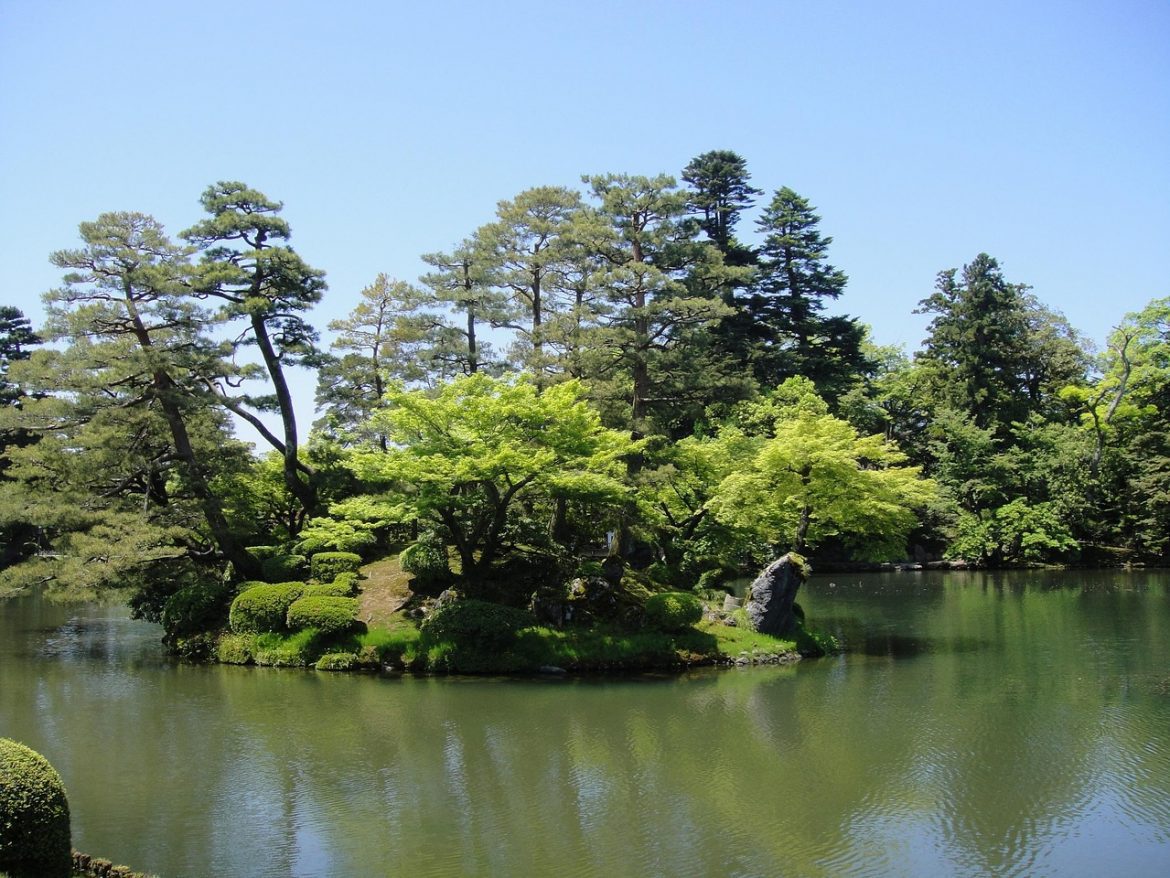
For many travellers, the heart of Kenrokuen Garden is simply arriving early enough that the grounds feel like they belong to the morning. To start your day well, aim for opening time, when the light is gentle and the paths are still quiet. It’s one of the most photogenic experiences in Kanazawa, not because it’s dramatic, but because it’s composed—like a painting that rewards slow looking.
A traveller once told me about a serene winter walk through Kenrokuen, watching delicate creeping snow settle on the pines. The scene wasn’t loud or cinematic; it was intimate, almost protective, as if the garden was offering a private moment of winter grace. That personal memory is why early mornings here feel so special.
Seasonal beauty, viewpoints, and a refined teahouse pause
Each season gives you a different garden. Spring brings cherry blossoms and soft colour; early summer turns everything into fresh greens; autumn delivers confident reds and golds; winter strips shapes back to their essence. Within the grounds, a historic teahouse stop can be a refined pause—warm matcha, a simple sweet, and the quiet insight that Kanazawa’s beauty is designed, not accidental.
Walking loops, quiet corners, and what to expect at the gate
Entry is straightforward and typically modest, but what matters is how you design your route. Choose a gentle loop that passes water features, stone lanterns, and elevated viewpoints, then allow yourself to drift towards quieter corners where you can hear the gravel underfoot. If you’re travelling with someone who enjoys photography, pause more than you think you need; the best frames appear when you stop trying to capture everything.
When you’re ready, the transition to the next stop is effortless: the walk from Kanazawa Castle to the garden is a seamless pairing, keeping you in the same cultural atmosphere without unnecessary transport across districts.
Kanazawa Castle Park: Stone Walls, Kaga Domain History, and a Must-See Attraction in Kanazawa
Kanazawa Castle Park Stone Walls and Feudal Power
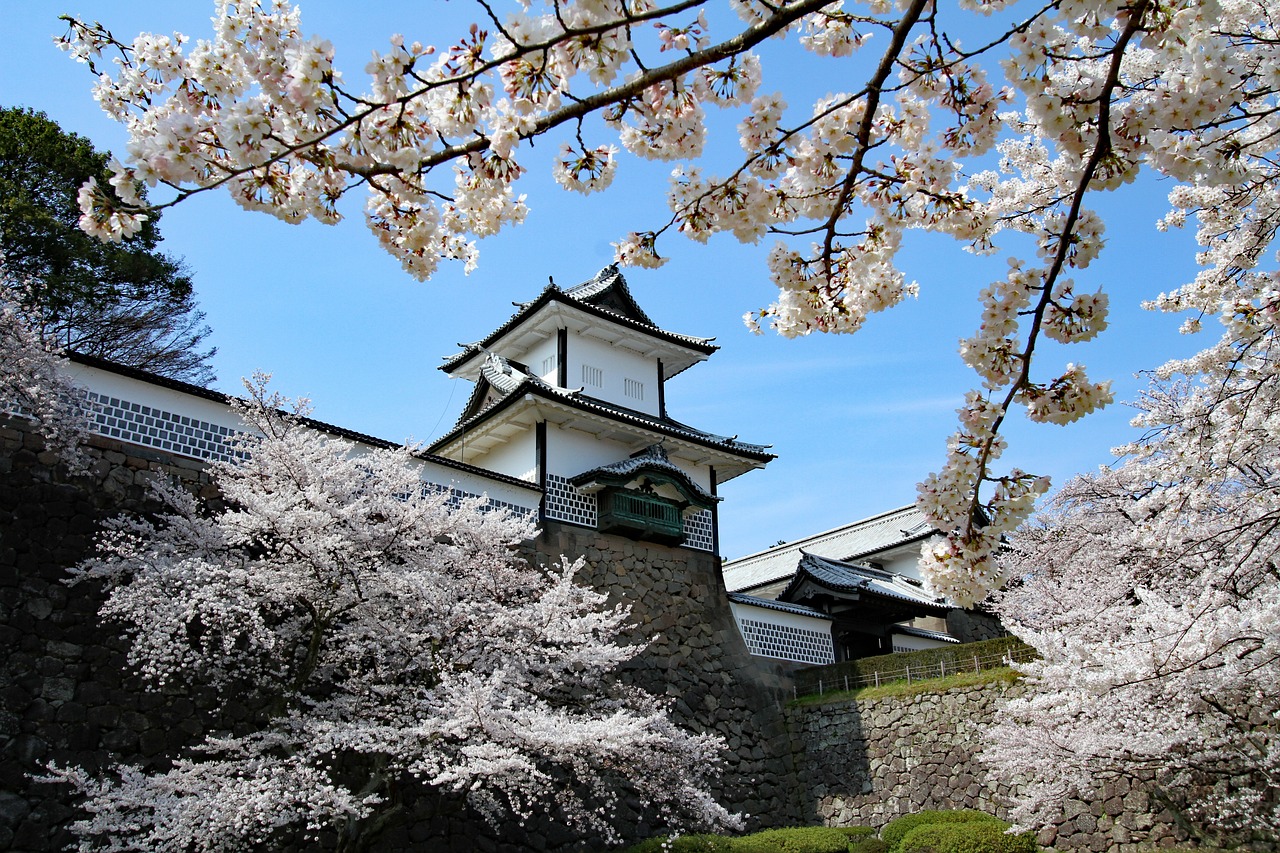
This section focuses on Kanazawa Castle as more than a photo stop. Beautifully restored, it makes the city’s story tangible through scale, stone, and careful design. When you stand near the ramparts, you can sense how power was expressed through engineering, placement, and controlled views across the park.
For a high-end experience, the best approach is not to rush. Choose a route that invites insight: pause at the most dramatic walls, then move slowly through open courtyards where the architecture reveals clean lines and meticulous joinery.
An unhurried route through Kanazawa Castle and the castle grounds
Begin with the main restored buildings, then follow the paths that edge the water and lead you to broader viewpoints. The castle grounds are especially rewarding when you notice small details: the texture of stone, the geometry of gates, and the way the park frames Kenrokuen nearby. It’s an attraction that rewards curiosity as much as it rewards history lovers.
Entry fees, timing, and crafted add-ons in nearby districts
There are entry fees for key interior areas, and it helps to decide whether you want a quick exterior appreciation or a deeper visit. Morning works well if you’re pairing with Kenrokuen; late afternoon can be surprisingly peaceful, when groups thin out and the light becomes warmer.
To connect the castle’s story to Kaga craftsmanship and the wider kaga domain legacy, add a small, design-led pause nearby: a tea salon with seasonal sweets, a ceramics gallery, or a thoughtfully curated shop with contemporary craft objects. These small encounters create a sense of place that feels personal rather than transactional.
- Half-day structure: Kenrokuen → Kanazawa Castle → a calm tea stop.
- If you want a little more: add a small shrine visit for balance and quiet.
Higashi Chaya District: Geisha Culture, Teahouse Evenings, and Gold Leaf Craft in Kanazawa’s Most Atmospheric District
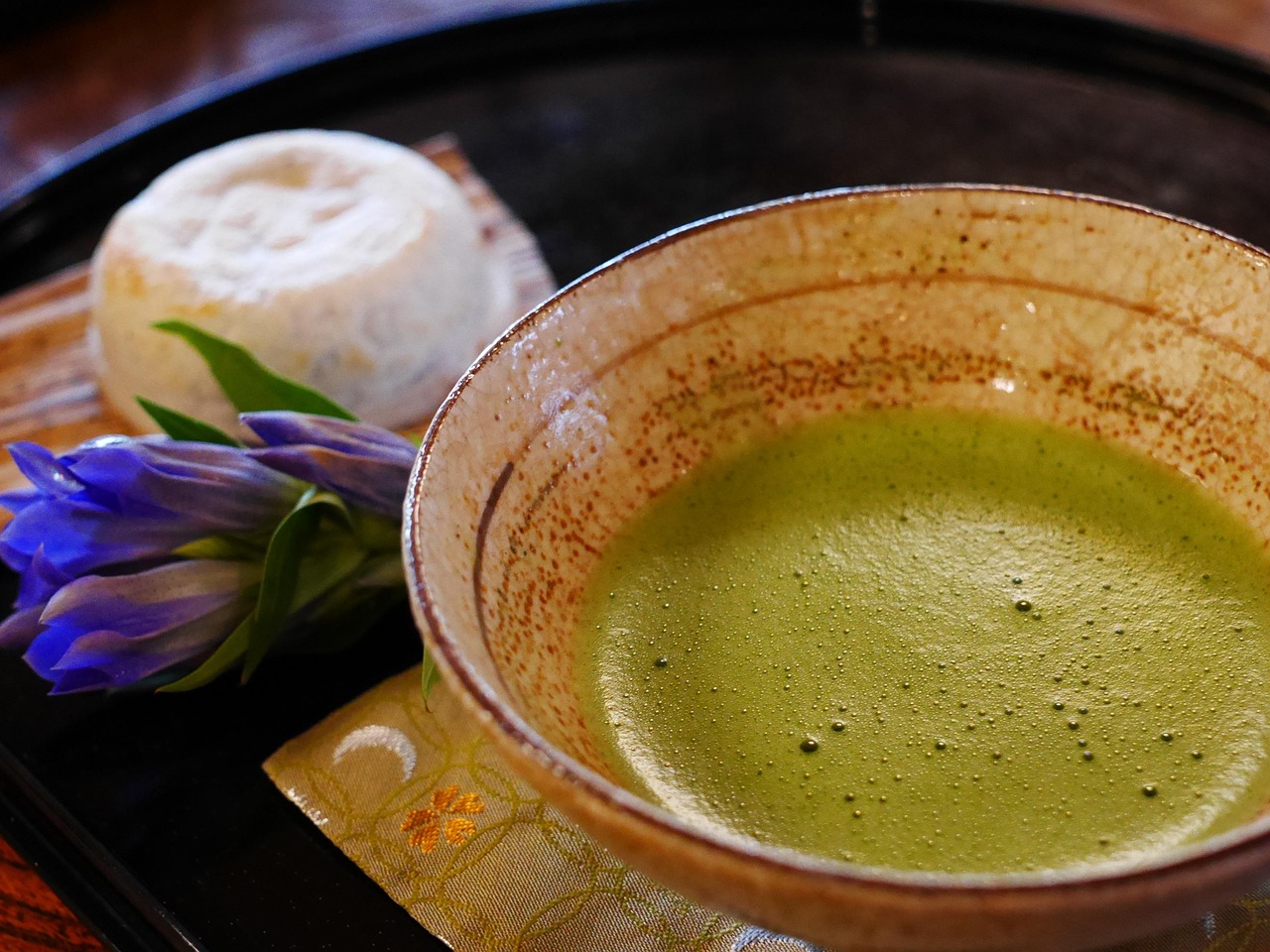
Higashi Chaya District Geisha Evenings and Gold Leaf Craft
If you’re looking for the signature atmosphere of Higashi Chaya, this is where Kanazawa feels most cinematic—yet still gentle. Begin with a slow stroll through Higashi, where preserved wooden façades glow at dusk and small artisan doors open onto a world of craft. The wider chaya district network rewards wandering, especially if you step off the obvious lane into quieter side streets and smaller districts nearby.
One visitor shared an authentic moment dining in a centuries-old room in the Higashi Chaya District, where a geisha performed a traditional dance. The performance wasn’t staged as spectacle; it was offered with grace and cultural context, giving real insight into Kanazawa’s heritage. For travellers, it’s a reminder that the best evenings are curated with respect for the living community of this geisha district.
Etiquette in the geisha district: photos, privacy, and respect
A geisha district is a living cultural space, not a set. Keep photography discreet, avoid blocking doorways, and never chase performers for pictures. If you attend a curated experience, listen closely and follow the host’s lead—quiet attentiveness and considerate language are part of the experience. Treated well, this district reveals culture rather than performance.
Gold leaf workshops, Kanazawa Yasue, and tasteful souvenir shopping
Gold leaf is part of Kanazawa’s signature, and the most refined encounters feel crafted rather than kitsch. Consider a hands-on workshop where you can create a small object, or browse shops selling contemporary pieces—subtle jewellery, stationery, or homeware that makes a tasteful souvenir. If you enjoy museum-style context, a stop connected to Kanazawa Yasue can deepen your understanding of the technique and why it flourished here.
If you’ve spent days in Kyoto, you’ll notice the contrast: Kanazawa’s geisha and samurai districts feel calmer, more intimate, and easier to experience without the sense of performing your visit. It’s not “better” than Kyoto—just different, and often wonderfully unhurried in each district.
Omicho Market and the 21st Century Museum: Food in Kanazawa, Design, and a Modern Cultural Counterpoint
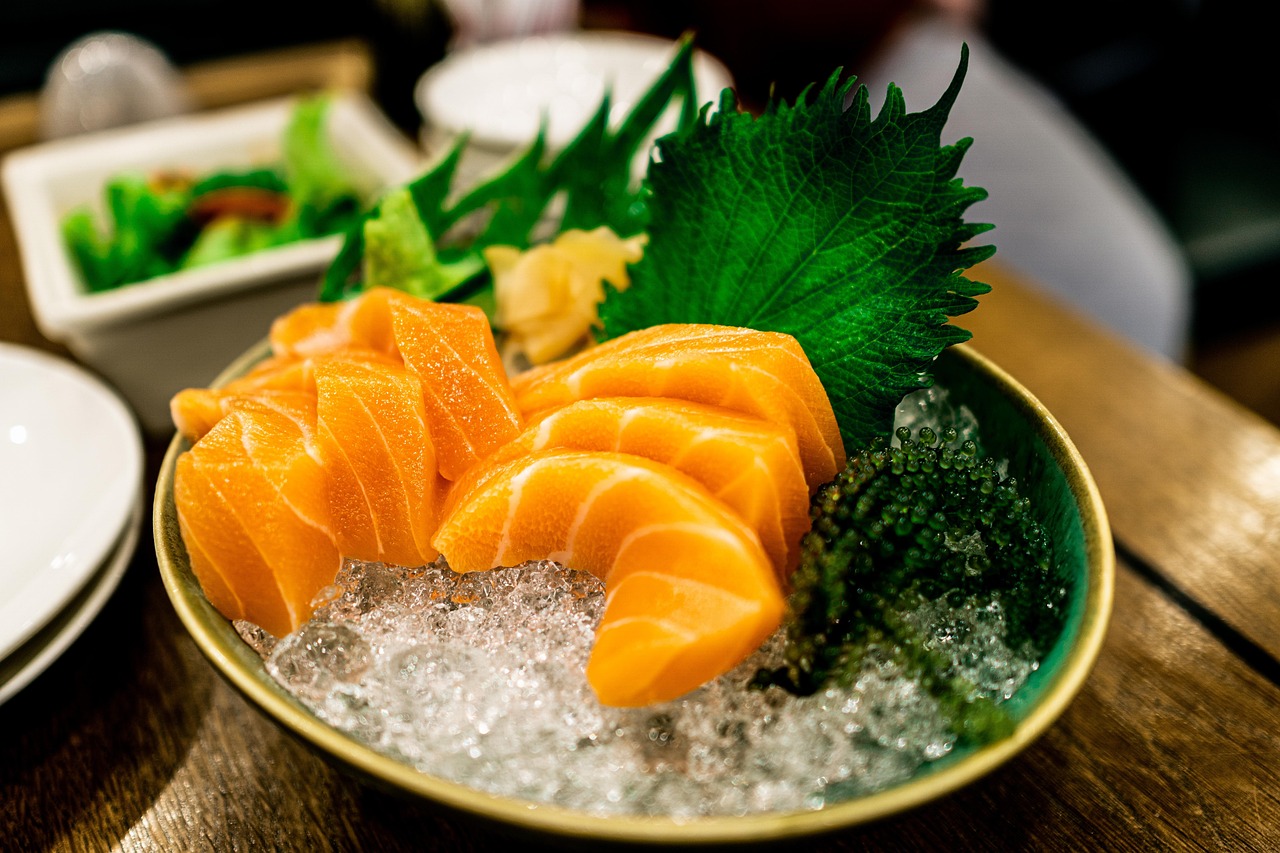
Omicho Market and 21st Century Museum of Contemporary Art Contemporary Taste and Design
For an indulgent, easy win, build your morning around Omicho Market planning, then shift to contemporary creativity. Known as “Kanazawa’s Kitchen”, the market is the place to discover premium seafood with the Sea of Japan close by. Go early for the calmest browsing, then settle into a refined lunch where the quality speaks for itself—this is market and Kanazawa in one delicious moment.
A luxury traveller once described savouring sashimi prepared by local masters who source the freshest fish daily. It’s the kind of meal that feels simple and expert at the same time. You’ll see “best sushi” claims around the market; take them as friendly enthusiasm, with a gentle caveat that the most celebrated counters may come with queues.
Food in Kanazawa: what to eat, what to splurge on, and local comfort
Think of food in Kanazawa as elegance without fuss. Look for bowls topped with seasonal seafood, grilled fish with immaculate rice, and small bites that reflect Kaga restraint. Between fine meals, don’t overlook Kanazawa curry—comforting, local, and surprisingly satisfying after a morning of walking between districts.
- Budget idea: plan for a premium seafood lunch plus a few tasting bites as you explore stalls.
- Timing tip: arrive early, then eat before noon to avoid peak crowds.
21st Century Museum of Contemporary Art: tickets, timing, and nearby streets
In the afternoon, shift to modern creativity at the museum—an architectural statement that feels airy and open. You’ll also see it referred to as the Century Museum of Contemporary Art in casual conversation, but it’s the same essential experience: innovative installations, playful visual ideas, and a welcome contrast to castle stones and historic lanes.
There are entry fees for special exhibitions, and it’s worth checking timed access if you’re travelling in peak seasons. Pair the museum with nearby shopping streets for design objects and refined gifts, then finish with a relaxed night in Kanazawa—perhaps a small bar, a seasonal kaiseki-style dinner, or simply an early return to your hotel for deep rest.
Around Kanazawa: Day Trip Ideas, Nagamachi Samurai District Walks, and the Ninja Temple Experience

Around Kanazawa Samurai Districts Ninja Temple and Day Trip Ideas
When you’re ready to look around kanazawa for add-ons and slower experiences, you’ll find the city is generous. Nagamachi is the obvious next district to explore: earthen walls, narrow lanes, and waterways that catch the light. The Nagamachi Samurai District invites a slower pace, where textures—stone, wood, water—feel like part of the narrative of samurai districts.
In Kanazawa, the pairing of geisha and samurai districts can be done elegantly over two full days. Spend one evening in Higashi’s chaya lanes, then give the following morning to Nagamachi’s quiet order. This balance keeps your days in kanazawa from becoming a checklist and lets each district land properly.
The ninja temple—often called Ninjadera—adds a sense of story to your visit. It’s not a temple of ninjas in the Hollywood sense, but it is full of clever architectural features and defensive design rooted in practical, feudal thinking. You’ll need to book in advance, tours are guided, and photography is typically limited; go in with curiosity and you’ll uncover a playful, intelligent spot in kanazawa that feels unlike anywhere else.
Shrine pauses and one day trip extensions near Kanazawa
Between museums, markets, and historic districts, a small shrine stop can restore equilibrium. Choose a serene option close to your route, stay quiet, and let the pause do its work—these small cultural asset moments often become the memories you trust most.
If you’re extending your Japan travel route beyond Tokyo and Kyoto, consider a day trip out of the city. A day trip to Shirakawa-go is the classic choice for architecture and landscape, and it makes an excellent day trip from Kanazawa if you want a dramatic change of scenery. As a near Kanazawa alternative, look at coastal or onsen towns that offer a softer, less crowded day—still compelling, but more personal. If you only have time for one day trip, choose the one that matches your mood: alpine heritage or restorative water and sea air.
What Stayed With Me After You Visit Kanazawa: A Personal Reflection on Craft, Calm, and District Life
In this visit kanazawa personal reflection, what returns to me isn’t a list of sights, but a feeling. It’s the hush of Kenrokuen when the city is still waking, and the way a garden can make you breathe more slowly without asking anything in return. It’s the warmth of a lantern-lit room in Higashi, where culture is offered with quiet pride, and where your role as a visitor is simply to receive with gratitude.
I remember the crisp generosity of market mornings—how a perfectly cut slice of fish can carry the sea, and how a vendor’s simple nod can feel like welcome. I remember the solidity of Kanazawa Castle’s stones, and then, almost in the same breath, the openness of contemporary art that asks you to see differently. Old and new don’t compete here; they sit together, as if the city has made peace with time.
What stays, too, is a renewed trust in slow travel. When a journey is thoughtfully designed, small local encounters become the real luxury: a quiet bench, a well-made cup of tea, a short conversation where you feel seen rather than processed. Kanazawa gives back calm beauty, crafted culture, and a gentle sense of belonging—then lets you carry it home, lightly.
And perhaps that is the finest gift: the sense that you could return in another season, to the same districts and the same lanes, and still uncover something new in yourself—without ever needing to hurry.
F.A.Qs: Things to know before you visit Kanazawa
Is Kanazawa, Japan worth visiting?
Yes—especially if you value craft, food, and a calmer cultural pace than larger cities. Kanazawa pairs icons like Kenrokuen and the castle with contemporary art and exceptional seafood, all in a city that feels elegant, walkable, and easy to navigate between districts.
What not to miss in Kanazawa?
Don’t miss an early visit to Kenrokuen Garden, time at Kanazawa Castle, an evening stroll through Higashi Chaya District, and a seafood lunch at Omicho Market. If you have space, add the 21st Century Museum for a modern counterpoint.
What is Kanazawa best known for?
Kanazawa is best known for Kenrokuen, well-preserved historic districts linked to geisha and samurai culture, and outstanding seafood from nearby waters. It’s also celebrated for Kaga craftsmanship, including gold leaf work and refined design traditions.
How many days in Kanazawa is enough?
For highlights, a day and a half works well with thoughtful pacing. For a deeper experience—adding Nagamachi, artisan workshops, and the ninja temple—two full days feels ideal, with room to linger and keep the trip genuinely restorative.