Post Contents
- Onsen in Japan: A refined first soak for luxury travellers and hot spring bath etiquette
- Kurokawa Onsen: Kyushu onsen town ryokan charm and riverside footbath calm
- Ginzan Onsen in Yamagata, Tohoku, offers nostalgic open-air rotenburo ryokan experiences.
- Hakone private onsen luxury resort with Fuji views and a calm Tokyo day trip
- More Japanese hot springs worth the detour: the best onsen towns in Japan
- FAQs: Onsen in Japan quick answers
- What stayed with us after Japan’s onsen nights
Onsen in Japan: A refined first soak for luxury travellers and hot spring bath etiquette
Onsen in Japan: A refined first soak for luxury travellers and hot spring bath etiquette
This onsen in Japan guide for luxury travellers focuses on hot spring bath etiquette, but more importantly, it helps you choose the onsen style that feels right. An onsen is a natural hot spring, and in Japan it’s also a ritual: washing, soaking, and letting silence do its work. A ryokan stay can feel uniquely intimate because the day is gently structured around the onsen—before dinner, after dinner, and again at sunrise.
It helps to know the choices. Some guests love the social ease of a public bath, where the warm water and steady routine quickly become reassuring. Others prefer privacy, choosing an onsen ryokan or hotel that offers reserved bathing times, in-room tubs, or smaller bath houses that feel calm and discreet.
Designing your onsen bath for body and mind
A great onsen experience is quietly “designed” with details you can learn to notice. Water temperature varies, and the best onsen for you is the one that helps your body and mind soften rather than endure. Views matter too—mountain cedar, snowfall, steam lifting from river stones—and so does the seasonal mood that Japan does so well.
Think about what you want to uncover: do you crave an open-air bath with a view, or candle-like indoor lighting that feels cocooned? Do you want a gentle soak before kaiseki dining or a late-night dip where the corridor is hushed, and the world feels far away?
Onsen etiquette and tattoo care for the foreigner
For many travellers, the only worry is etiquette. The reality is kinder: onsen rules are simple, and staff will guide you with care if you ask. Policies on tattoos vary by inn and resort, so it’s worth checking at booking; some places offer covers, private bathing slots or are simply more flexible.
- Wash thoroughly before you enter the onsen baths; the soaking is for clean bodies.
- Keep your towel out of the water, and avoid splashing or swimming.
- Speak softly, especially in the evening when others are winding down.
- If you’re unsure, ask your host—this is Japanese culture at its most quietly expert and considerate.
One last reassurance: the “naked” aspect feels unfamiliar at first, especially for a foreigner, but it becomes matter-of-fact quickly. Many travellers tell us the moment they stop overthinking and simply bathe, they begin to trust the ritual—and themselves.


Kurokawa Onsen: Kyushu onsen town ryokan charm and riverside footbath calm
Kurokawa Onsen Kyushu onsen town ryokan charm and riverside footbath calm
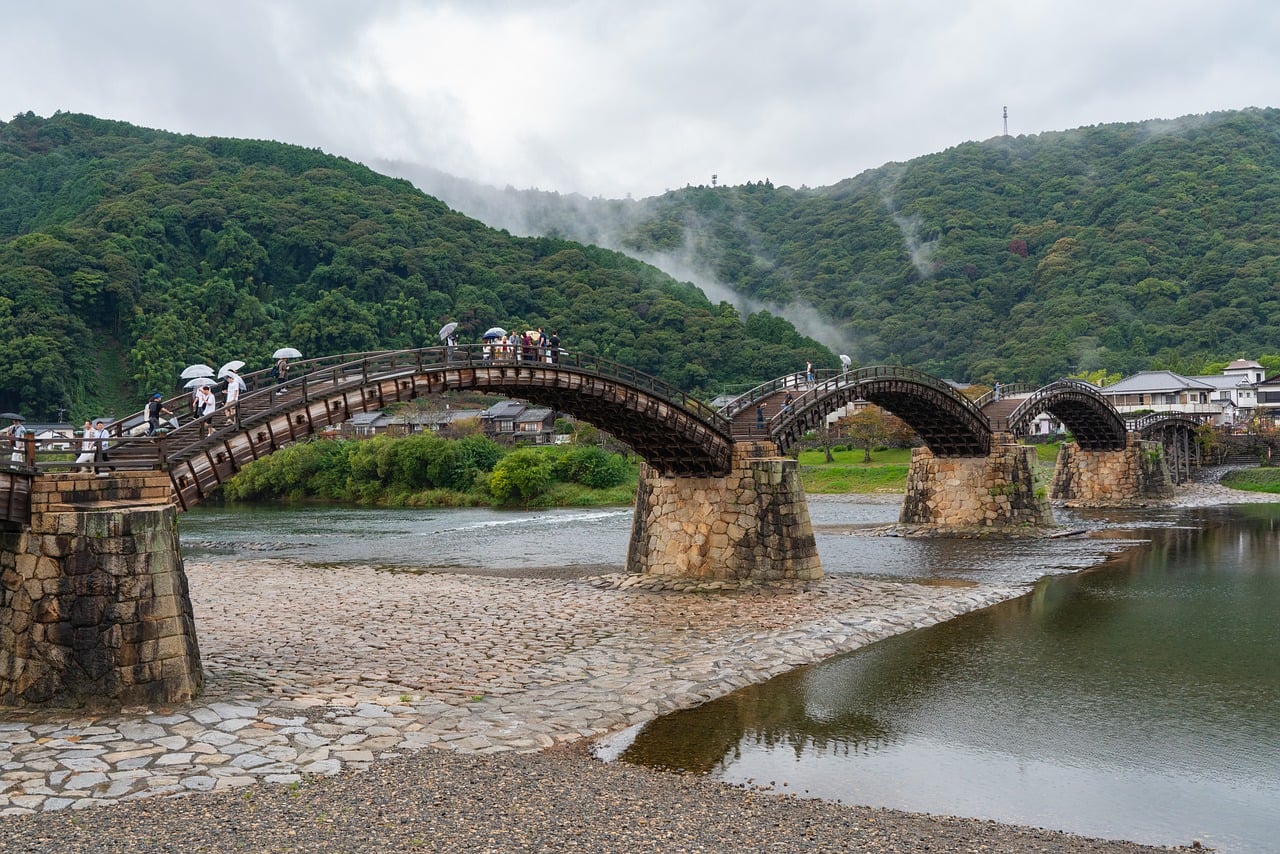
‘Kurokawa Onsen, Kyushu onsen town, ryokan, footbath, best onsen’ is a mouthful, but it captures the essence: this is a small onsen town that rewards slow wandering. In Kyushu, Kurokawa feels rustic in the most refined way—wooden bridges, lantern-lit lanes, and an understated elegance that never asks you to hurry. It’s the sort of Japan that encourages you to explore with curiosity, then return to warmth.
Spring and autumn are the most forgiving seasons here, with mild weather and luminous fall colours that make each stroll feel gently cinematic. The landscape supports a restorative rhythm: hike a little, soak a little, eat well, sleep deeply, repeat.
Kyushu onsen town wandering with footbath pauses
Between soaks, Kurokawa offers simple pleasures that feel curated rather than commercial. A riverside footbath becomes a small ritual—shoes off, shoulders lowering, and conversation softening. You’ll find cafés for a slow coffee, little craft shops with local ceramics, and quiet corners where tourism feels distant.
One couple shared how finishing a day’s hiking and then sinking into the onsen together changed the tone of their whole trip. The heat eased tired legs, the steam blurred the edges of thought, and what remained was a grounded, intimate sense of “together”—a luxurious feeling without any show.
Ryokan nights and booking confidence
For high-end travellers, the sweetest indulgence is often how seamless the evening becomes in an onsen ryokan. Staff guide you with warm professionalism, dinner arrives as a crafted sequence, and the onsen is waiting when you’re ready. When you’re comparing accommodation, look for in-room meals or private dining, and confirm whether baths are gender-separated, mixed-gender, or reservable.
Budget matters even in luxury planning: many ryokans sit around 10,000–30,000 yen per night with onsen access, depending on season and inclusions. If you want a particular room style or view, book early for weekends and autumn dates.
Ginzan Onsen in Yamagata, Tohoku, offers nostalgic open-air rotenburo ryokan experiences.
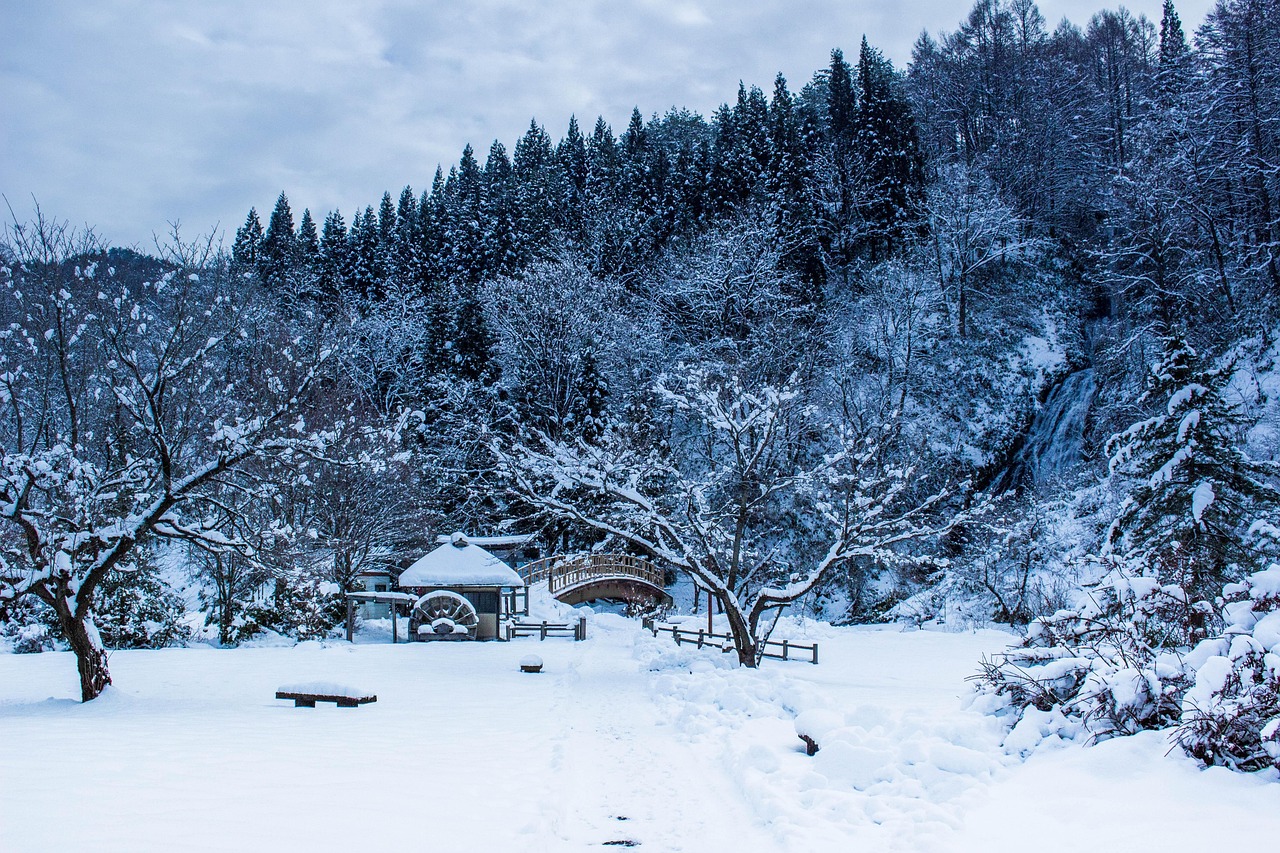
Ginzan Onsen Yamagata Tohoku open-air bath rotenburo ryokan nostalgia
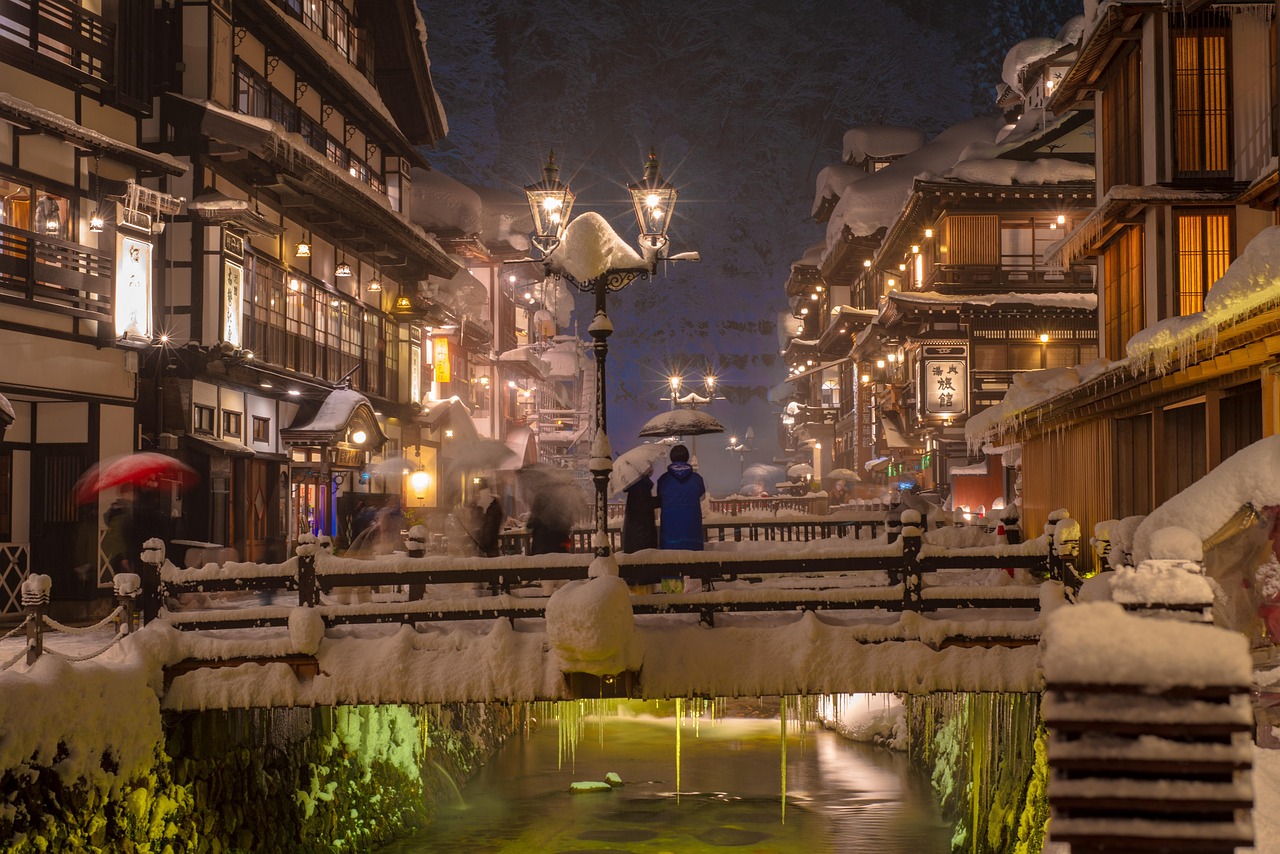
‘Ginzan Onsen, Yamagata, Tohoku open-air bath rotenburo ryokan’ is the kind of phrase that instantly conjures a scene—and the reality meets it. Set in Yamagata Prefecture in Tohoku, Ginzan Onsen is a ribbon of Taisho-era architecture, gas lamps, and river sound, framed by mountains. In winter, it feels like stepping into a storybook; in shoulder seasons, it’s calmer and wonderfully atmospheric.
The town’s charm is in its restraint. You don’t “do” Ginzan so much as you let it happen: a slow walk, a pause by the water, then the quiet pull of the bath.
Ginzan Onsen logistics from Oishida Station
Arriving is straightforward if you follow the classic route: travel on the JR Yamagata Shinkansen to Oishida Station, then take a short bus ride into town. If you can, time your arrival for late afternoon so you can settle in before lanterns glow, then wake early for near-empty streets.
- Winter evenings are magical, but book early and pack warm layers for the walk between buildings.
- Early mornings offer space for photographs and a calmer pace before day visitors arrive.
- Carry cash for small purchases; this is a small onsen town with old-world habits.
Rotenburo open-air bath moments under snowfall
The signature highlight here is the rotenburo—an open-air bath where the cold air sharpens the senses, and the hot spring heat feels even more enveloping. One traveller reminisced about wandering the snowy streets of Ginzan Onsen, ending the day in a quaint ryokan’s outdoor bath while sipping sake and listening to a crackling fire. It wasn’t loud luxury; it was a kind of care that felt unspoken.
Because many properties are small, evening etiquette matters. Keep noise low in corridors, move gently, and let the stillness support everyone’s rest. The reward is a deep calm that lingers long after you’ve dried off.
Hakone private onsen luxury resort with Fuji views and a calm Tokyo day trip
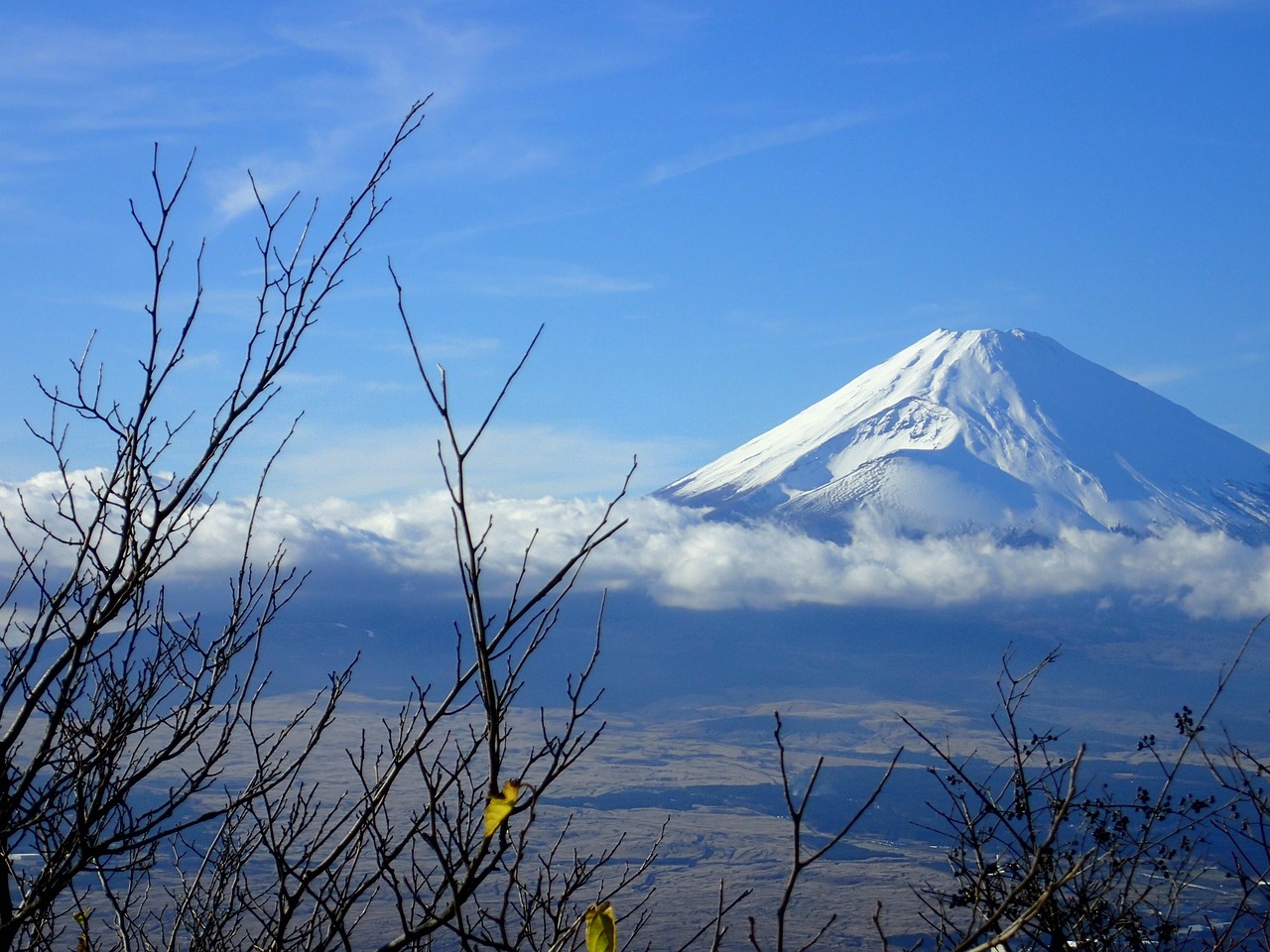
Hakone private onsen luxury resort with Fuji views and Tokyo day trip calm
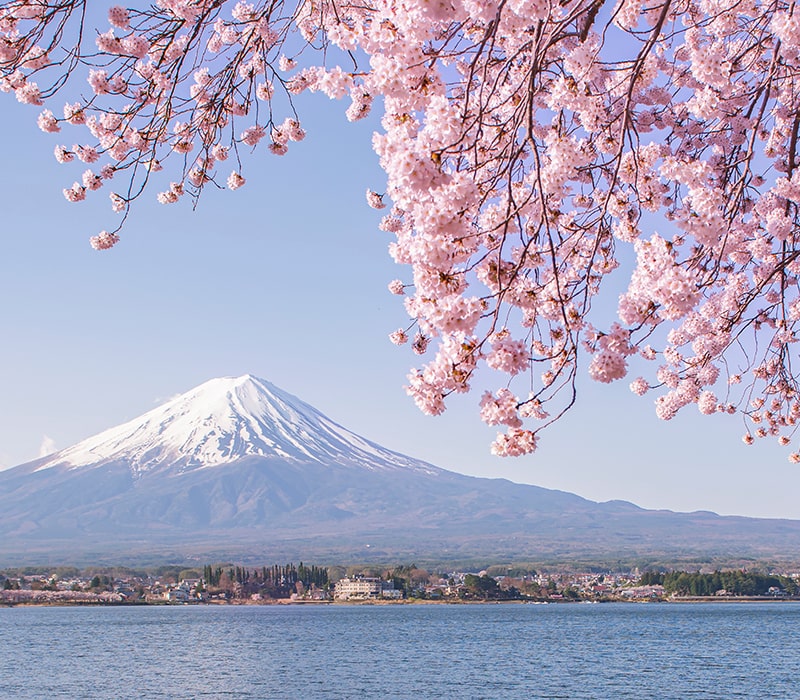
Hakone private onsen luxury resort Fuji views A Tokyo day trip to an onsen is exactly the promise Hakone fulfils: a polished gateway from Tokyo with transport connections you can rely on. For travellers who want contemporary design, curated comfort, and minimal friction, Hakone is a masterclass in a seamless escape. On clear days, Fuji appears like a calm presence on the horizon, turning a simple soak into something quietly unforgettable.
Hakone also suits shorter itineraries. You can arrive from Tokyo, drop bags at your hotel, and be in warm water before you’ve had time to fully switch off and then wonder why you waited so long.
Hakone resort comfort and balcony bath details
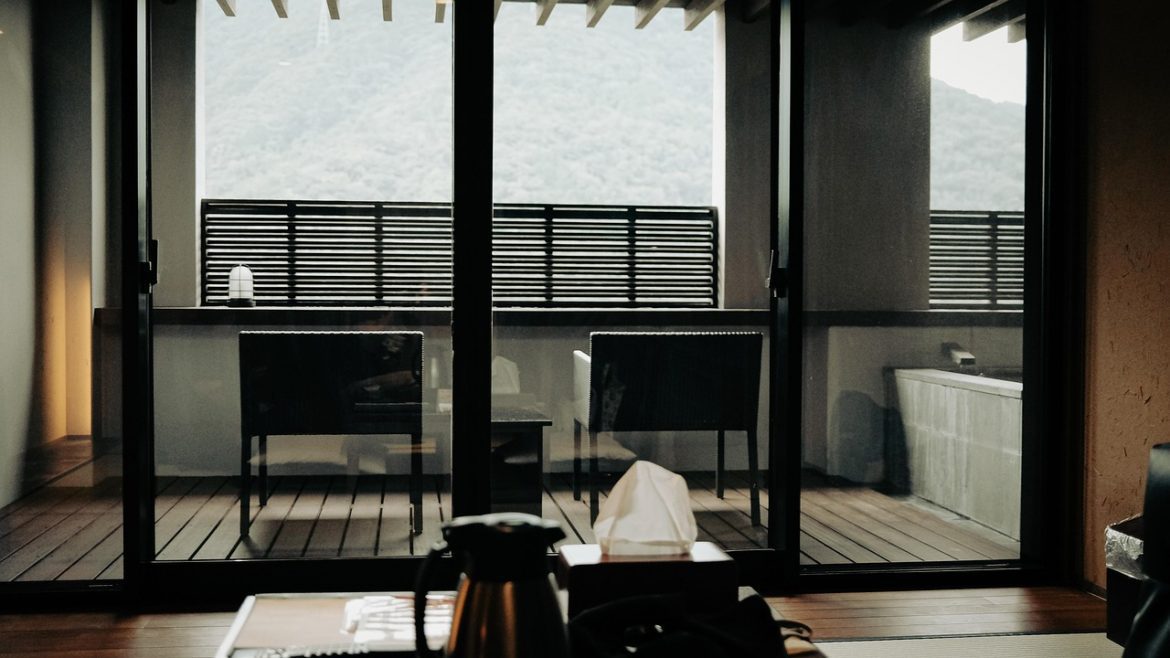
For a high-end angle, look for rooms with an onsen-fed tub or a balcony bath that lets you breathe in cool air between dips. Some properties offer reserved bathing times in smaller facilities, which can feel more personal than a busy public bath. If you’d like extra privacy, book an option that includes flexible dining—either in-room or timed seating—so your evening stays unhurried.
If you have a tattoo, Hakone often has more choice, but it’s still wise to check policies at booking. Staff are usually discreet and helpful when you ask with confidence and warmth.
Create a soak-plus-culture day at the Hakone Open-Air Museum
Hakone’s special talent is blending well-being with creativity. Design your day as “soak plus culture” by pairing hot spring time with the Hakone Open-Air Museum, an outdoor sculpture park that feels like art you can breathe with. One art enthusiast told us they spent a morning soaking, then wandered among sculptures and forested paths, feeling as though the onsen had tuned their senses to colour and form. The combination was crafted and restorative—proof that relaxation and inspiration can belong in the same day.
If you want to extend the art-led calm, consider a loop through nearby lakeside viewpoints; on a clear day, even a brief overlook can become one of your most treasured memories.
More Japanese hot springs worth the detour: the best onsen towns in Japan
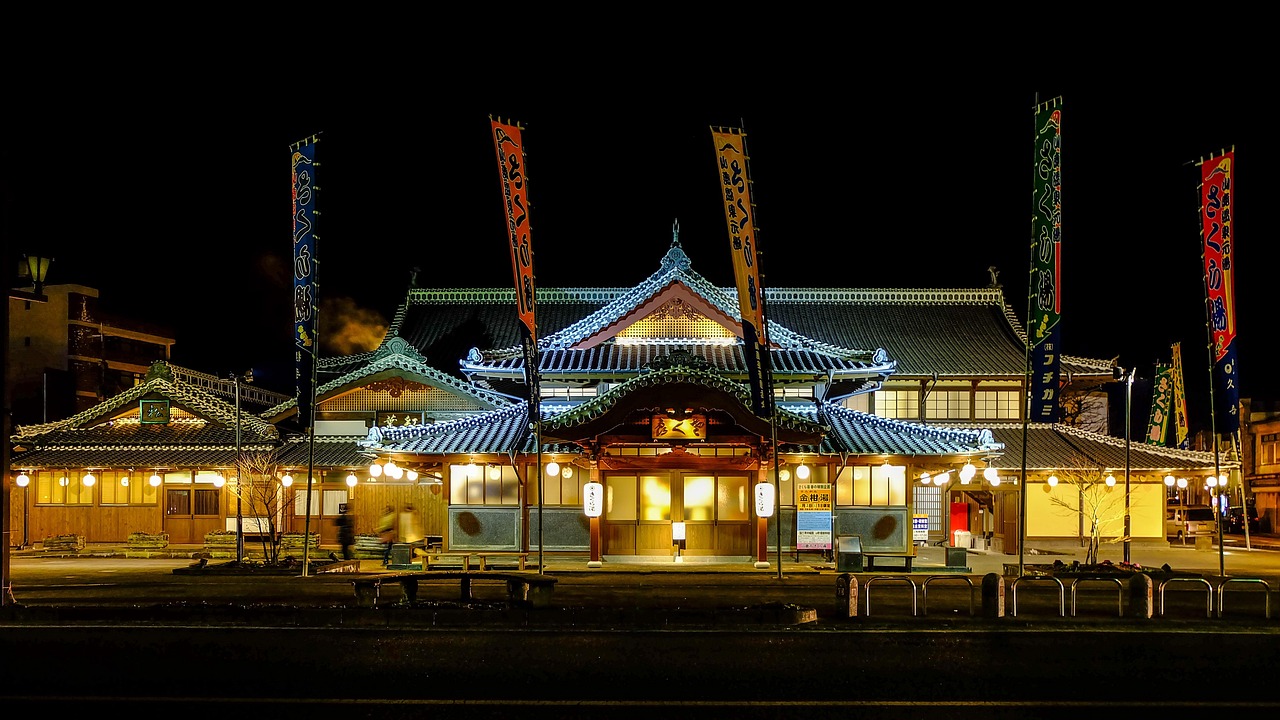
More Japanese hot springs worth the detour best onsen towns in Japan
Best onsen towns in Japan: Kusatsu, Arima Onsen, Nyuto, Yufuin, Yunomine are a useful shortlist when you’ve tasted the classics and want a different onsen mood. Japan rewards detours, and the right hot springs in Japan can shape an entire itinerary—whether you’re seeking powerful waters, secluded forests, or the quiet spirituality of an old pilgrimage route.
Rather than chasing the most popular onsen, consider what you want to feel. Some places energise; others quieten the mind. The art is choosing the onsen that supports your season, time, and budget.
Different onsen by region from Kansai to Tohoku
If you want intensity, Kusatsu is known for strong, mineral-rich hot spring baths and a proud bathing tradition. In Kansai, Arima Onsen makes an elegant addition to time in Kyoto, offering a refined contrast to temple mornings and evening lantern walks. For a nature-led soak, Nyuto Onsen in Tohoku is beloved for its secluded setting—snowy in winter, lush in warmer months, and always quietly immersive.
Further south on Kyushu Island, Yufuin offers boutique calm with galleries and cafés, while Kagoshima pairs onsen with volcanic landscapes that feel elemental and bold. These are the moments that remind you Japan travel can be both polished and wild.
Itinerary routing, booking insight, and quiet spiritual stops
For a soulful detour, Yunomine near the Kumano Kodo pilgrimage route offers a slower, more contemplative connection to living tradition. It’s less about sightseeing and more about noticing the steam in cool air, a wooden door sliding closed, and the sense of being held by routine.
- Easy pairing: Tokyo with Hakone, then branch north to Tohoku (Ginzan Onsen and Nyuto Onsen) for winter atmosphere.
- Warm-weather route: Kyushu (Kurokawa Onsen, Yufuin) for spring or autumn walking and restorative soaks.
- If you’re looping between regions, plan one “still” night after a travel day—your onsen sleep will feel deeper.
If you’re curious about more lakeside scenery, Kawaguchiko can complement a Fuji-view stay, while Shikoku offers quieter pockets that feel refreshingly under the radar. Wherever you go, thoughtful booking—matching bath style, meal timing, and transport—keeps the experience calm rather than complicated.
FAQs: Onsen in Japan quick answers
What are the top 3 onsen in Japan?
For an iconic, high-end-friendly trio, many travellers choose Kurokawa Onsen in Kyushu for ryokan charm, Ginzan Onsen in Yamagata for a Taisho-era winter atmosphere, and Hakone for easy access from Tokyo with art and Fuji views. Each delivers a different onsen mood—rustic calm, cinematic nostalgia, and polished comfort—so the “top” choice depends on the pace and setting you prefer.
What city in Japan has the best onsen?
Japan’s best onsen are often in small towns rather than major cities, but as a base, Hakone is one of the easiest areas to reach from Tokyo and offers excellent onsen variety. If you want deeper tradition, you might plan an overnight in a dedicated onsen town such as Kurokawa or Kusatsu, where the entire local rhythm revolves around bathing, walking, and slow meals.
Which onsen is best for foreigners in Japan?
Hakone is often the most comfortable first step for foreigners because transport is straightforward, English support is more common, and accommodation ranges from modern hotels to traditional inns. Kurokawa Onsen can also feel very welcoming thanks to its calm pace and the clear, gentle guidance offered by many ryokans. Wherever you go, checking tattoo policies and bath rules at booking makes the experience more relaxed.
Can you wear undies in an onsen?
No—generally you should not wear underwear or swimwear in an onsen. Japanese onsen etiquette expects guests to bathe nude after washing thoroughly, as fabric is considered unhygienic in shared water. If you feel uncertain, choose a property that offers a reservable bath or in-room bathing so you can follow the rules with more privacy. Staff can also explain the routine discreetly.
What stayed with us after Japan’s onsen nights
This onsen experience in Japan—reflections shaped by ryokan corridors, hot spring steam, and the soft pause before a bath—stays in the body long after the suitcase is unpacked. The real gift wasn’t ticking off places; it was the way the ritual gently changed our pace. In Japan, an onsen night can turn travel into something steadier: fewer rushed decisions, more trust in what you actually need.
Small details return at unexpected times. The faint scent of cedar on a wooden floor, the whisper of a sliding door, the feeling of warm water easing the day from your shoulders. Even sulphur in the air—once unfamiliar—becomes a signpost for comfort.
The quiet luxury of warmth, silence, and care
There’s a particular hush before an open-air bath, when you step outside, and the world feels larger than your thoughts. You begin to notice how kindness is expressed in Japan through simple hospitality: a neatly folded robe, a cup of tea, the way a host offers guidance without fuss. It’s luxurious in the truest sense because it’s personal and it’s offered with care rather than performance.
We remember the contrast between movement and stillness: trains and check-ins, then an onsen that asked nothing but presence. The most treasured moments were often the quietest—shared glances, softer conversations, and a steady breath—together in warmth, then back into cool air.
And perhaps that’s what lingers most. Not the urge to collect more, but the confidence to travel slowly; to let comfort be enough; and to imagine one future evening in lantern light, where unspoken kindness is all around, and the world feels gently held.