Post Contents
- Onsen in Japan: Why Hot Spring Culture Feels Sacred for luxury travellers
- Choosing an Onsen Ryokan Designed for Privacy and Ease in Japan accommodation
- Hakone Onsen: A Hot Spring Sunrise with Mount Fuji views day trip from Tokyo
- Kinosaki Onsen town seven public bathhouses yukata stroll and onsen visits
- Beppu hot spring experiences in Hells of Kyushu, Japan, with mineral-rich waters
- Beyond the Classics: Best Onsen Towns and Japan’s National Park Landscapes
- How to visit an onsen: Japan etiquette tattoo swimwear mixed-gender baths
- FAQs: hot springs in Japan
- What Stays With You After Japan’s Onsen: reflection, personal journey, calm after travel
Onsen in Japan: Why Hot Spring Culture Feels Sacred for luxury travellers
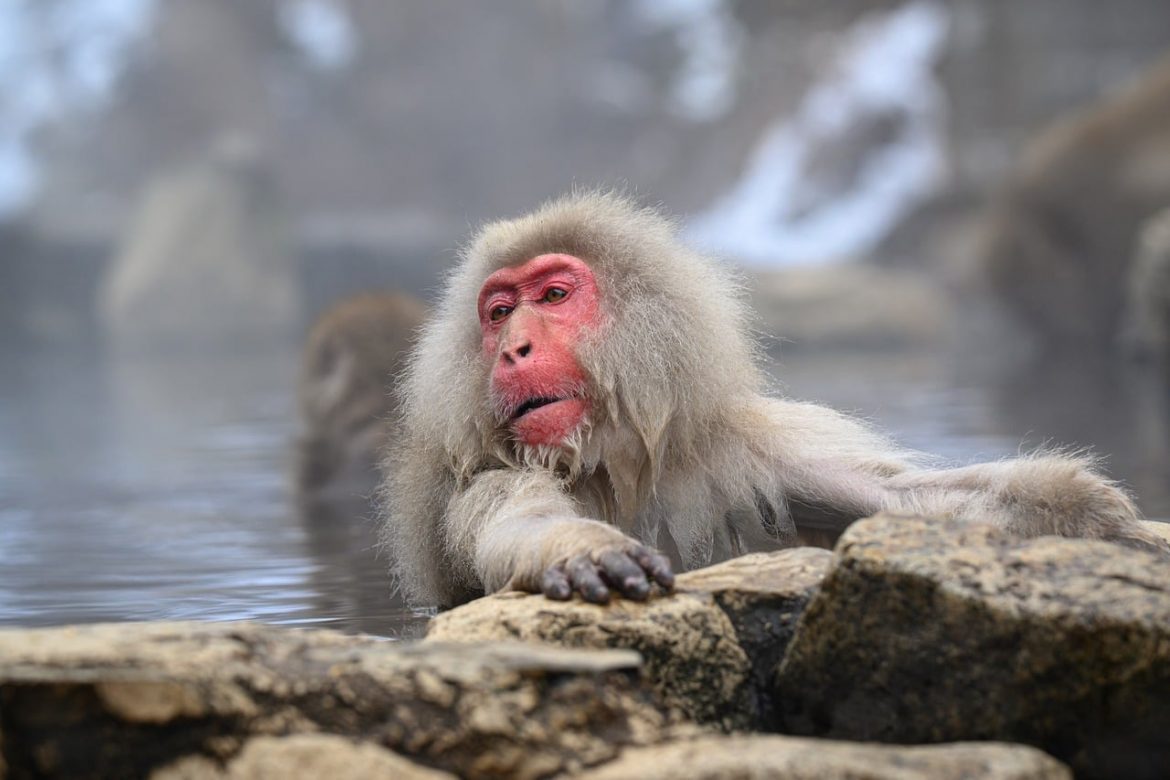
Onsen in Japan: Why Hot Spring Culture Feels Sacred with snow, steam and stillness
An onsen in Japan guide for luxury travellers begins with a simple truth: an onsen is a natural hot spring, and the act of bathing is treated with care rather than spectacle. The experience can feel almost sacred because it’s designed to soften the edges of the day—quiet voices, unhurried movement, and an unspoken agreement to support each other’s calm. Even first-time guests often sense that they’re stepping into something older than a trend, shaped over thousands of years.
Onsen water varies by region, and the minerals are part of the local story—iron-rich springs that appear amber, sulphur springs with a distinct scent, or clear waters that feel silken on the skin. People speak of different health benefits in everyday terms: soothing tired muscles, easing travel stiffness, and settling the body and mind after long flights. This is not a promise of cures—more an insight into why locals return again and again to the same hot spring, season after season.
Onsen etiquette can look formal from the outside, yet it’s really a shared language of trust. You wash before you enter the bath, you keep your towel out of the water, and you move gently so others can relax together. That structure is reassuring—especially in a new country—because it removes uncertainty and lets you simply be present.
How onsen towns offer distinct landscapes across Japan
Across Japan, onsen towns offer entirely different atmospheres: volcanic valleys, cedar forests, sea-air resorts, and mountain hamlets where lanterns glow early in winter. You can design an onsen experience around scenery and mood, whether you want a refined resort feel, a traditional Japanese inn rhythm, or a small onsen town where the only plan is to soak, stroll, and sleep well.


Choosing an Onsen Ryokan Designed for Privacy and Ease in Japan accommodation
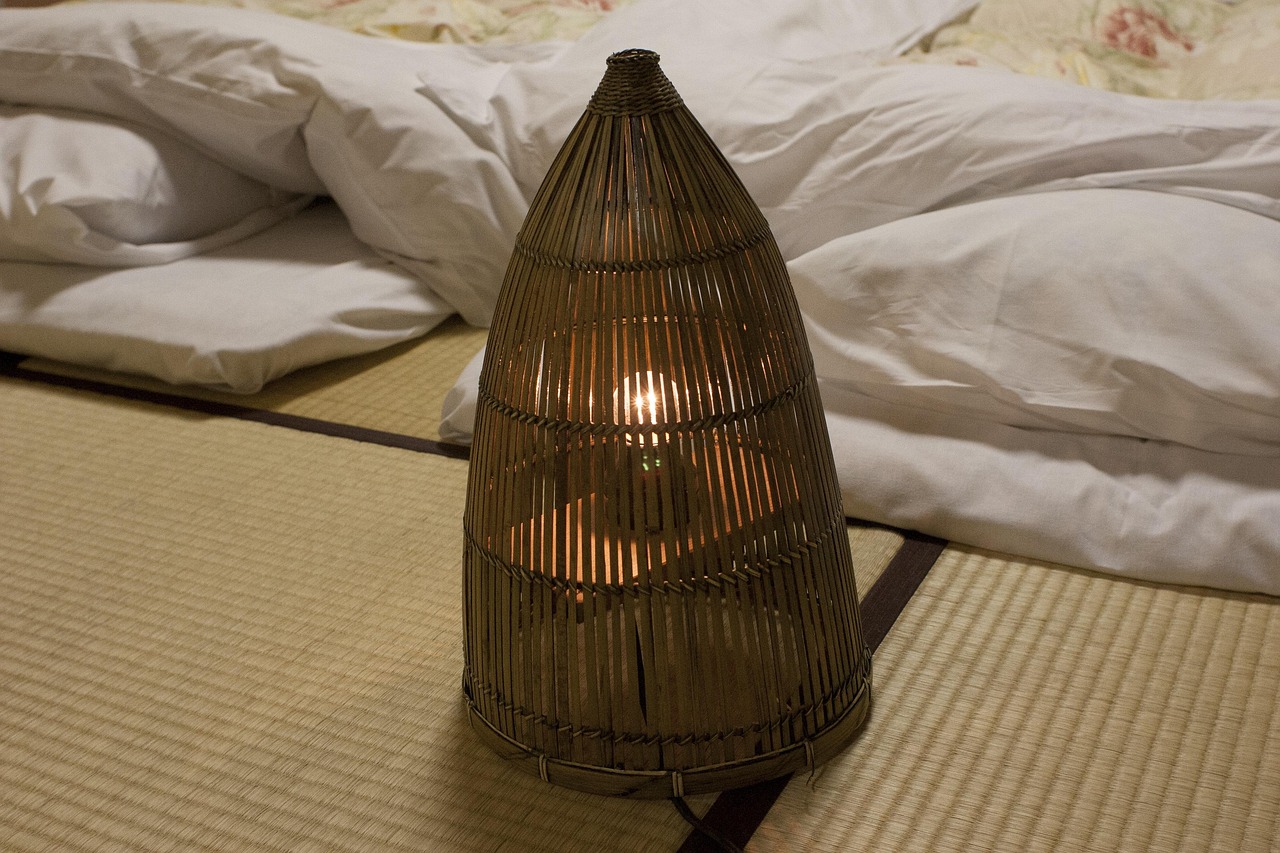
Choosing an Onsen Ryokan Designed for Privacy and Ease with serene guest rooms
When guests search for onsen ryokan Japan luxury accommodation private bath, they’re usually seeking something very specific: privacy, attentive service, and a sense that everything has been crafted around rest. A ryokan is a traditional Japanese inn, often with tatami rooms and thoughtful rituals—tea on arrival, slippers for each space, and staff who read the room with expert ease. In high-end ryokan, guest rooms may open to gardens, rivers, or mountain views, and kaiseki-style dining becomes part of the journey rather than an add-on.
For comfort, it helps to choose your bathing style upfront. Some travellers love the social serenity of a shared onsen; others want a private open-air option where you can seclude yourself from the world. Many ryokan also offer polished alternatives: hotels and public bath access in the same area, so you can pair modern convenience with an authentic hot spring routine.
Accommodation choices from rotenburo to reservable family baths
Here’s how to create a stay that suits your pace and privacy:
- In-room bath: ideal for early-morning soaks and a completely personal routine.
- Private open-air rotenburo: open to the sky, often with a view and a sense of exquisite stillness.
- Reservable family baths: perfect for couples, friends, or anyone wanting a gentle introduction.
- Shared onsen: the classic ritual—serene, spacious, and beautifully maintained in many ryokan.
Seamless planning and tattoo guidance with care
A little planning keeps everything seamless. Consider luggage forwarding between cities (especially if you’re linking Tokyo, Kyoto, and an onsen town); share dietary notes ahead of time; and be on time for dinner—kaiseki is paced carefully. For towel etiquette, your small towel is for modesty and drying, not for the pool itself.
Tattoo policies are often tied to tradition and local comfort rather than judgement. If you have a tattoo, look for tattoo-friendly properties or ask, politely and directly, whether cover stickers are accepted. A good host will usually offer support—suggesting a private bath slot or recommending another inn where you’ll be welcomed with the same care.
Hakone Onsen: A Hot Spring Sunrise with Mount Fuji views day trip from Tokyo
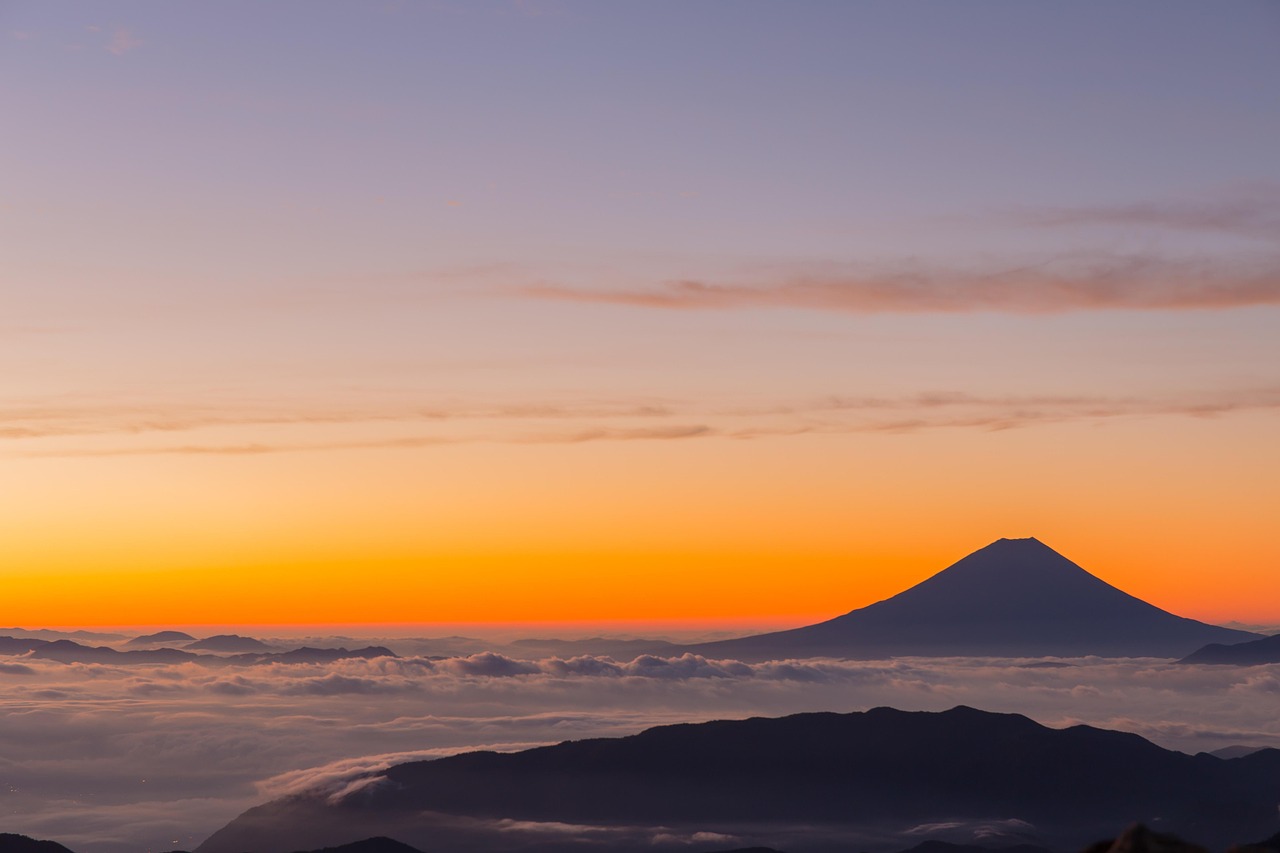
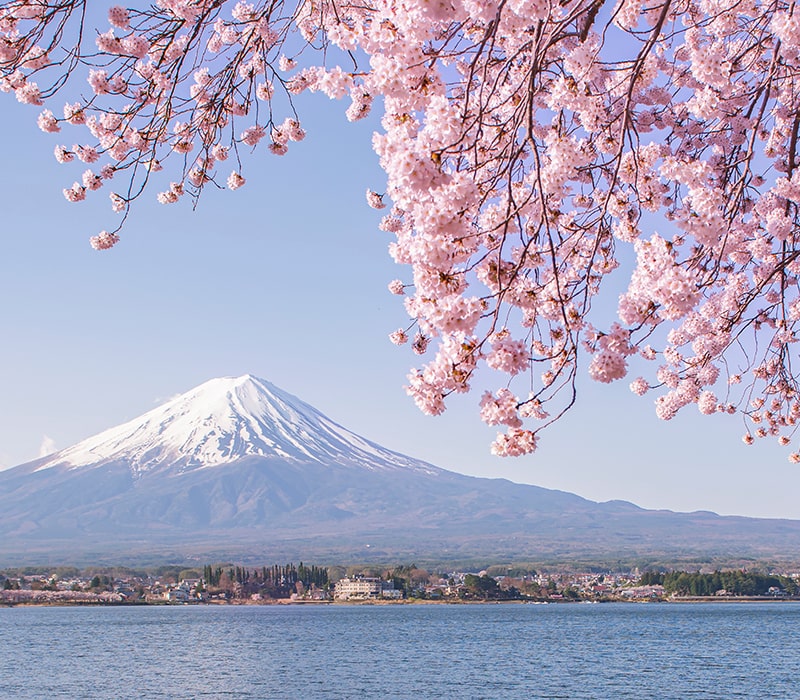
Hakone Onsen A Hot Spring Sunrise with Mount Fuji and misty morning light
For many travellers, the Hakone onsen hot spring baths and Mount Fuji views day trip from Tokyo is the moment Japan slows down and becomes deeply personal. One guest described slipping into an open-air bath at sunrise, the water steaming as the sky lightened, and Fuji appearing almost like a painting beyond the treeline. It wasn’t dramatic—just profoundly peaceful, the sort of calm that makes you breathe more quietly without trying.
Hakone is also wonderfully practical. From Tokyo, it’s about a 1.5-hour train journey depending on your route, and the area is designed for easy exploring. If you like your days to feel designed rather than hectic, the Hakone Free Pass can simplify local transport—trains, buses, and the lake cruise—so you spend more time soaking and less time decoding tickets.
Hot spring experiences in Hakone with a luxury-forward rhythm
A refined Hakone itinerary doesn’t need to be packed. Arrive late morning, explore an art museum or a quiet garden, then take a Lake Ashi cruise for fresh air and wide views. Checking into your ryokan in time for a slow transition—tea, a change into a yukata, and a first onsen before dinner sets the tone for the evening.
After kaiseki, return to the hot spring when the corridors have gone silent. This is where Hakone’s onsen experience shines: the world feels softened at the edges, and you can soak without any sense of performance.
Uncover seasonal scenery in autumn and winter
Autumn colour brings a gentle glow to hillsides, while winter air makes the hot spring feel warmer and more atmospheric. The contrast is part of the pleasure: stepping from crisp night into the water, then back out to cool down slowly. If you’re chasing a Fuji view, clear winter mornings often feel like the best chance—quiet, bright, and beautifully defined.
Kinosaki Onsen town seven public bathhouses yukata stroll and onsen visits
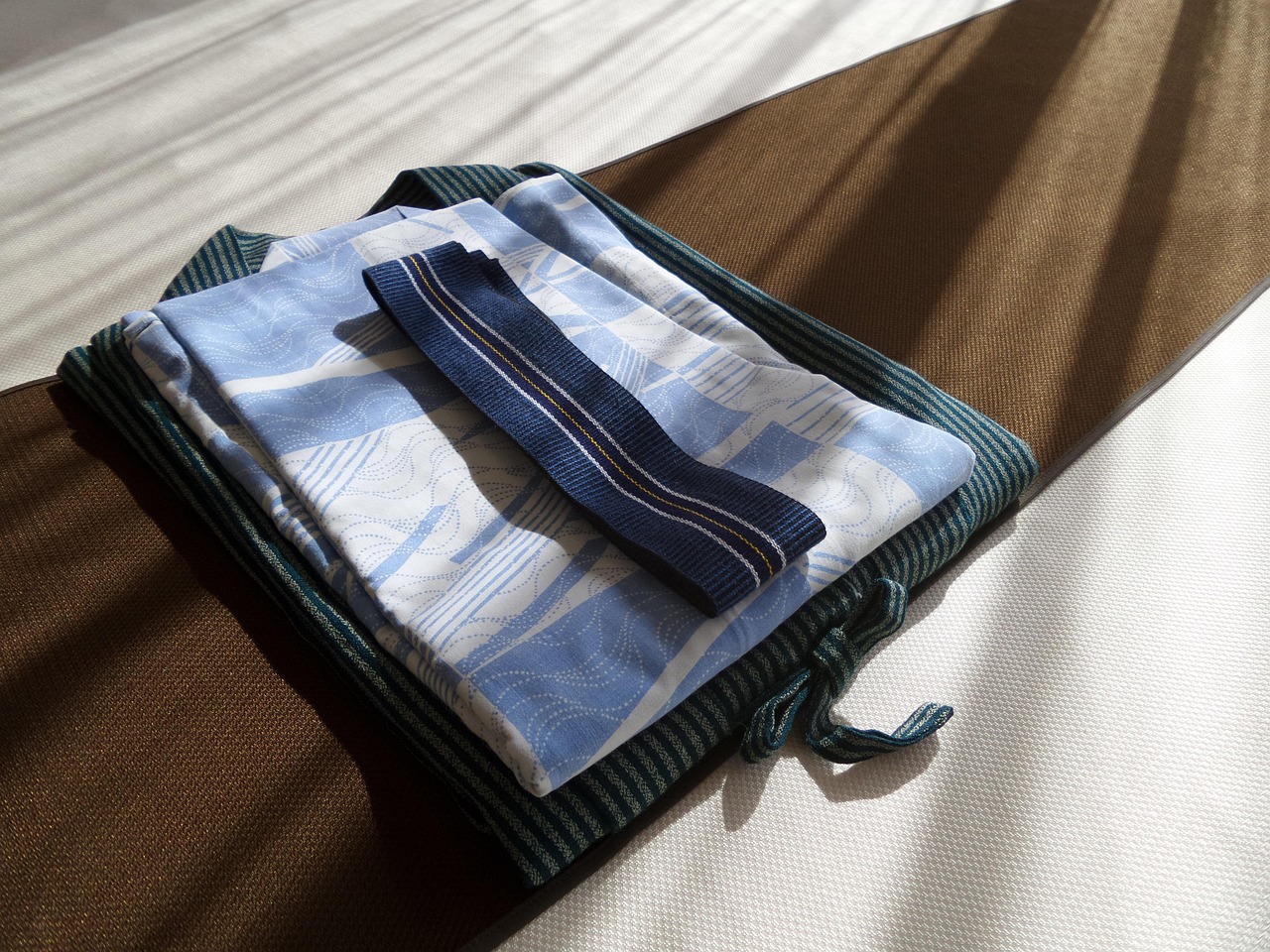
Kinosaki Onsen Town Seven Public Hot Springs and Yukata Nights along lantern-lit streets
If you’re drawn to Kinosaki Onsen Town’s seven public bathhouses, the yukata stroll experience makes you feel like the whole town is an extension of the inn. In the early evening, you’ll see guests in yukata stepping out of the ryokan lining the willow-fringed canal, geta sandals tapping softly as they stroll towards the next bath. It’s an elegant rhythm—bathe, cool off outside, then bathe again—designed to be enjoyed slowly.
Kinosaki is famous for its seven public hot springs, each with its own character, from cave-like pools to open, brighter spaces. The town makes it easy to explore without pressure, and that’s part of its charm: you can be among people, yet still feel unhurried and serene.
Onsen visits logistics for public bath confidence
A day pass for the bathhouses is typically around 1,200 yen, and many ryokans include access for overnight-stay guests. To keep things comfortable, pace the seven bathhouses over an afternoon and evening rather than trying to “complete” them. Peak times are usually after dinner; if you prefer quieter pools, go earlier or later when the lantern-lit streets are quieter.
- Start with one bath to settle in, then take a tea or dessert break between soaks.
- Bring a small towel and keep it out of the water; use it to dry before you step back onto the street.
- If you want photos, take them outside only—inside is for quiet, shared respect.
Local culture, friendship and public hot springs etiquette
Local guesthouse owners often share a favourite story: guests who arrive as strangers, then form lifelong friendships while hopping between bathhouses. There’s something about the simplicity—no phones, no rushing—that makes conversation feel easy or makes silence feel comfortable. You’re together but never obliged.
Etiquette is straightforward: wash thoroughly before entering the bath, keep voices low, and move mindfully in smaller spaces. If you have a tattoo, consider choosing a tattoo-friendly ryokan or covering it discreetly where permitted, so everyone feels at ease.
Beppu hot spring experiences in Hells of Kyushu, Japan, with mineral-rich waters
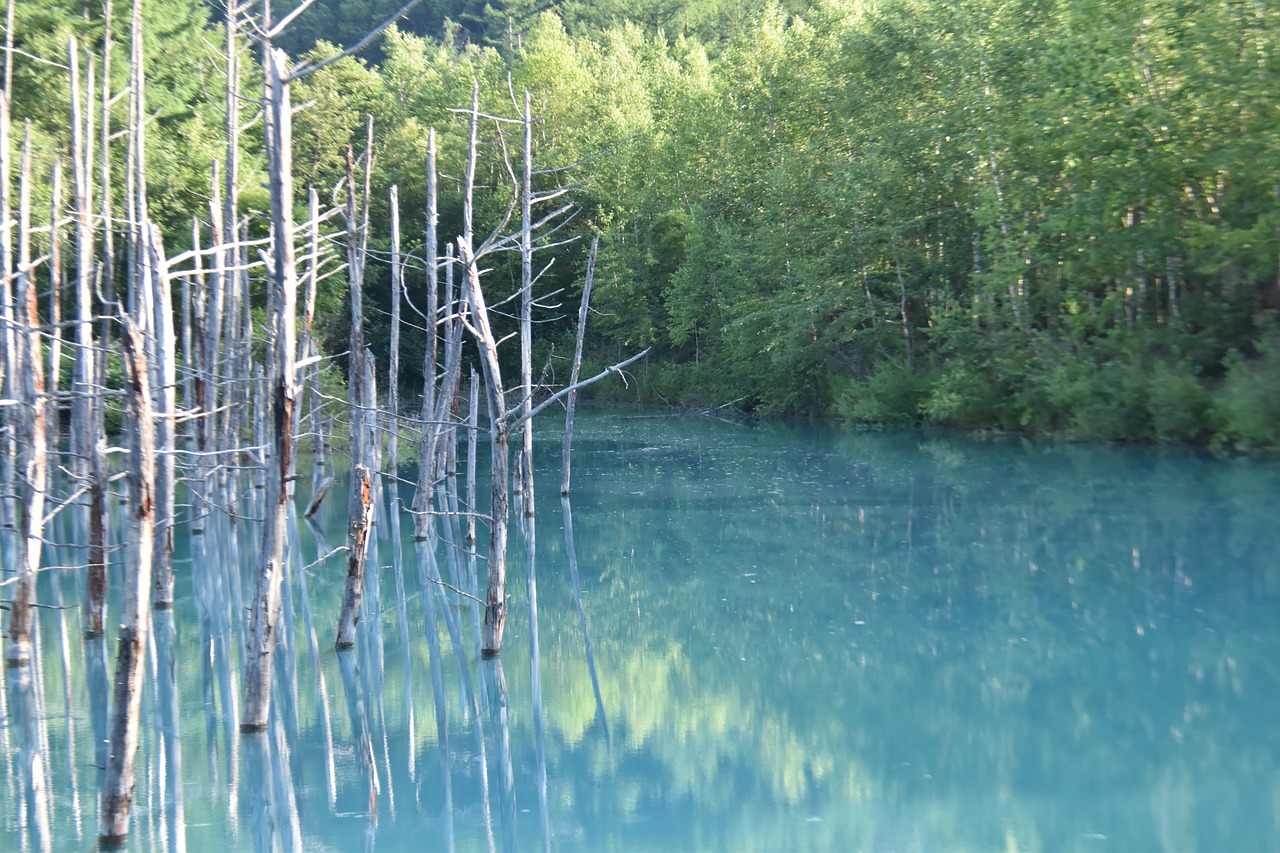
Beppu Hot Spring Experiences The Hells of Kyushu with surreal steam and colour
To understand Beppu hot spring experiences in the Hells of Kyushu, Japan, it helps to know that the “Hells” are primarily for viewing, not bathing. These are intensely mineral-rich waters—vivid blues, milky whites, and iron reds—often accompanied by sulphur in the air and dramatic plumes of steam. It’s nature’s theatre, and it’s meant to be witnessed with a little reverence.
Visitors often describe their first sight of the Hells as a once-in-a-lifetime natural wonder experience. The colours can look unreal, yet they’re grounded in geology: Beppu sits in one of Japan’s most active hot spring regions, where the earth’s heat is never far from the surface.
Explore Kyushu with a full day designed for ease
Beppu is easily reached by train from Fukuoka, and it also connects well from Osaka if you’re building a longer route. Allocate a full day so you can explore at an unhurried pace—arrive, visit several “Hells”, pause for a local lunch, and take breaks between sites. The experience is more enjoyable when you give yourself time to simply stand and look, letting the steam and silence settle your thoughts.
Balance spectacle with a restorative onsen bath
After the visual intensity, choose one gentle soak to bring you back to yourself—perhaps a quiet onsen in a calm neighbourhood or a reservable private bath at your accommodation. That contrast is what makes Beppu memorable: wonder first, then comfort. It’s a beautifully designed pairing, and one that leaves you feeling cared for rather than overwhelmed.
Beyond the Classics: Best Onsen Towns and Japan’s National Park Landscapes
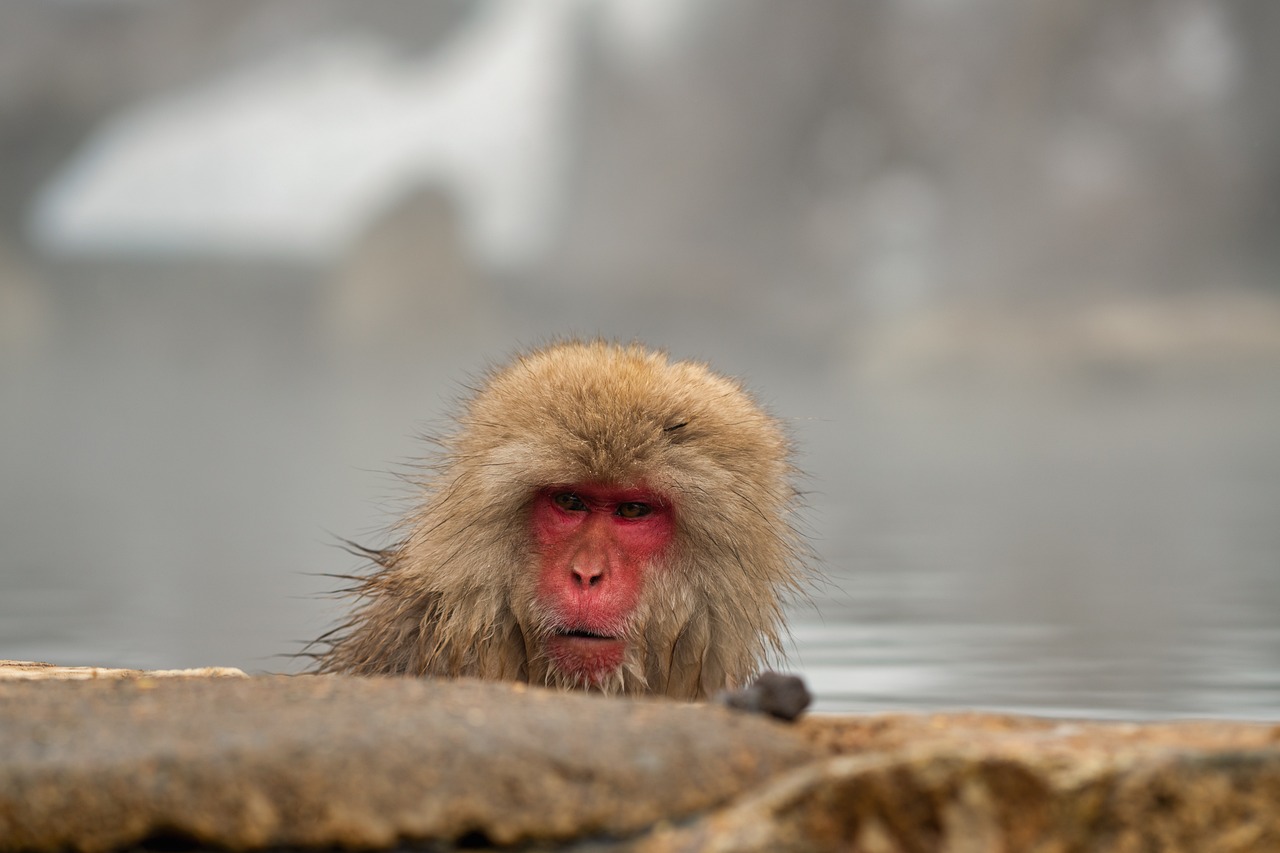
Beyond the Classics Popular Onsen Towns in National Park Landscapes with winter wildlife
For travellers searching for the best onsen towns in Japan’s national park Jigokudani, Nagano, think of this as a second journey—one that broadens the map beyond the most photographed icons. Many onsen sit close to protected landscapes, and that setting changes everything: the hush of forests, the clarity of mountain air, and the sense that your hot spring is part of the land rather than a standalone attraction. With the right choices, popular onsen can still feel intimate, especially midweek or outside holiday peaks.
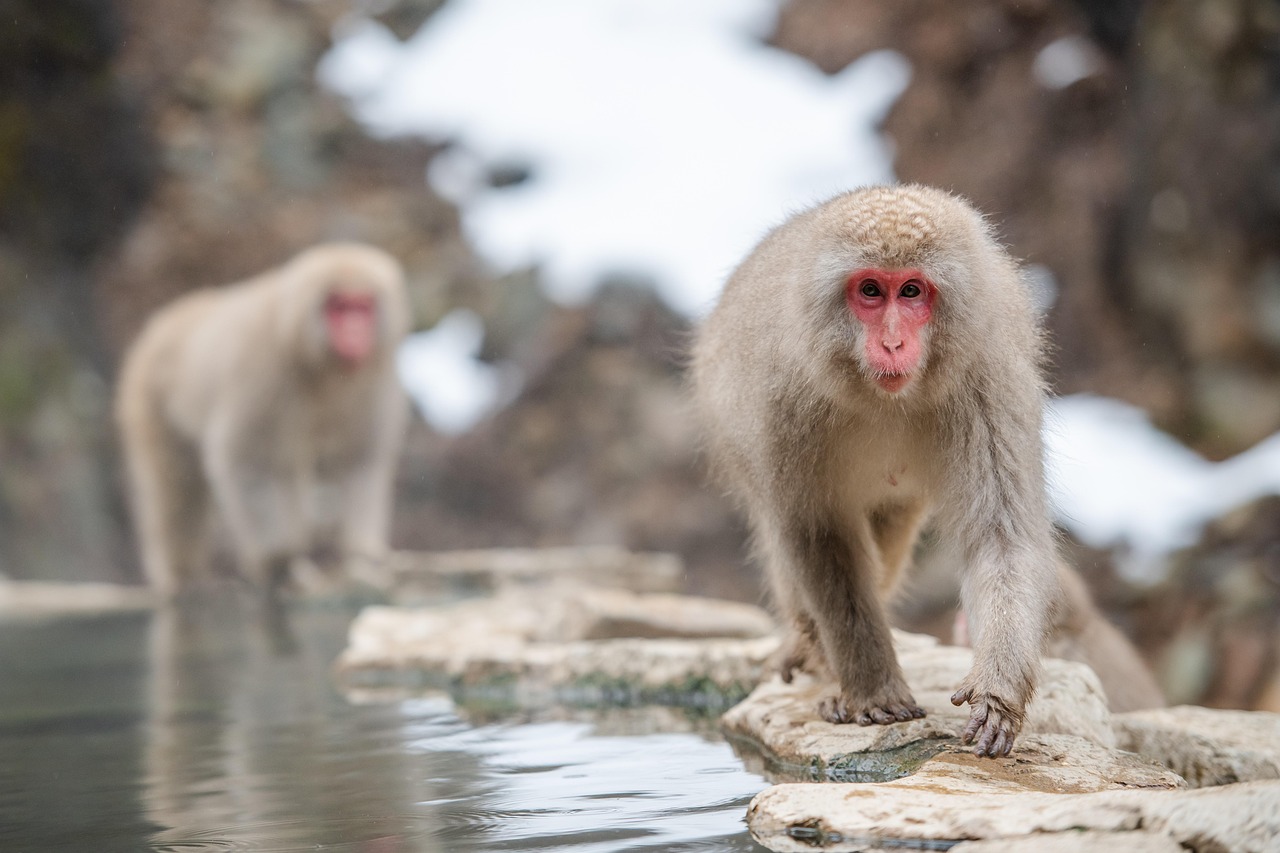
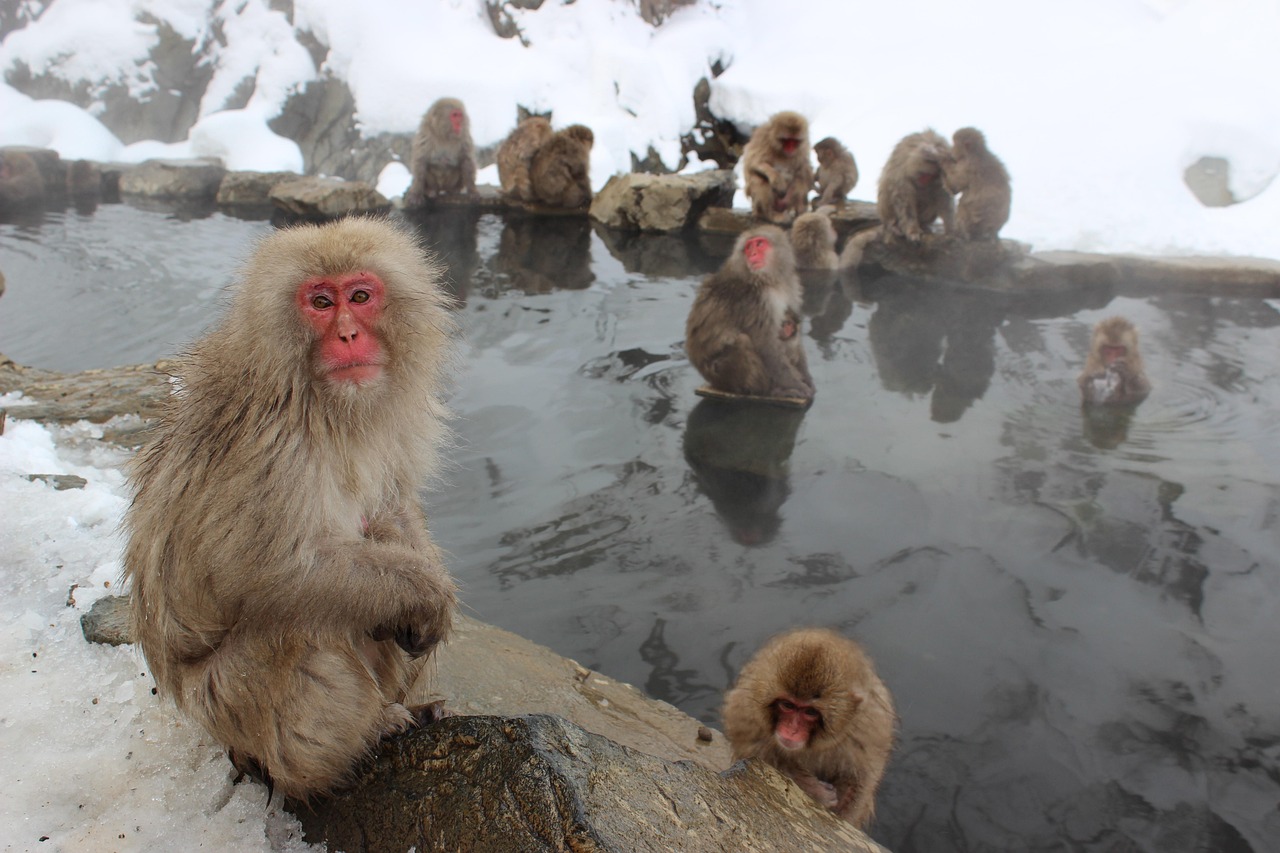
Start with Jigokudani in Nagano, known for snow monkeys that soak in steaming pools when winter arrives. Watching them from a respectful distance can be unexpectedly moving: a small, wild moment that makes you feel like a guest in nature’s home.
Popular onsen towns across Japan for a second journey
To explore across Japan with confidence, consider this curated shortlist:
- Jigokudani (Nagano): snow monkeys, snowy paths, and crisp mountain stillness.
- Ginzan Onsen (Yamagata): Taishō-era charm and evening lights that feel cinematic.
- Kusatsu (Gunma): famously hot waters and a lively centre balanced by quiet ryokans nearby.
- Sukayu Onsen (Aomori): rustic mountain atmosphere and a deeply traditional bathing culture.
- Nyuto Onsen (Akita): forested seclusion and a hidden-away feeling, especially in mist or snow.
Design choices around landscape and national park rules
Design your onsen stay around the landscape you crave: a gorge-side inn, a lake-edge resort, or a mountain village where the day ends early. Where a national park setting applies, keep things simple—follow marked paths, respect quiet hours, and avoid leaving the baths area in wet footwear. With that small care, the environment stays pristine, and your onsen’s calm feels earned rather than consumed.
How to visit an onsen: Japan etiquette tattoo swimwear mixed-gender baths
How to Visit Onsen with Confidence: Etiquette, Tattoos, and What to Pack in Winter Japan
If you want to visit an onsen, Japanese etiquette, tattoos, swimwear, and mixed-gender baths without second-guessing yourself, the key is to follow the same gentle routine locals do. Onsen bathing is quietly methodical: rinse first, wash properly at the shower station, tie up your hair, and step into the bath slowly so you can adjust to the hotter temperature. In most places, the goal is to keep the shared water clean and the mood calm.
Nude bathing is the norm in Japanese hot springs, and it can feel vulnerable at first. Yet the atmosphere is usually so unselfconscious that discomfort fades quickly, replaced by ease.
Swimwear, mixed bathing and when rules change
Most onsen require nude bathing in gender-separated areas, but there are exceptions. Some mixed-gender or scenic pools ask for swimwear, and some private baths allow it, especially for families. Your ryokan or front desk can offer expert guidance—if you’re unsure, ask with confidence, and they’ll support you kindly.
What to pack for comfort, care and trust
Pack lightly, but pack well. A small towel, water to hydrate, and simple skincare for after the bath will carry you through most onsen days. In winter, the contrast between cold air and hotter pools can feel intense, so take breaks, cool down between soaks, and listen to your body.
Tattoo considerations are best handled with openness. Policies exist to protect shared comfort, but options are growing—look for tattoo-friendly inns, book a private slot, or use covering patches where accepted. If you’re travelling a longer route—perhaps linking Kyoto with the Kumano Kodo pilgrimage route—choosing one flexible onsen stop can make the entire journey feel more seamless.
FAQs: hot springs in Japan
Are there any natural hot springs in Japan?
Yes. Japan has abundant natural hot springs thanks to its volcanic geography, and many regions have established onsen towns around reliable sources. You’ll find everything from mountain valleys to coastal areas where hot spring water rises naturally and is carefully managed for bathing.
Can foreigners go to hot springs in Japan?
Foreigners are welcome at most onsen across Japan, and staff are typically used to guiding first-time visitors. If you choose a ryokan, the process is often easier because staff give calm instructions at check-in, helping you enjoy the bath with confidence.
Are Japanese hot springs clothes-optional?
In most Japanese hot springs, you bathe nude in gender-separated bathing areas, so it’s not a case of clothing being optional—it’s generally not worn. Some mixed-gender facilities or certain private baths may require or allow swimwear, so it’s best to confirm locally.
Can you wear undies in an onsen?
Generally, no. Underwear is not worn in the onsen bath because it can affect water cleanliness, and the bathing routine is designed around washing first and entering without clothing. If you prefer more privacy, consider booking a private bath or an in-room onsen where you can relax more comfortably.
If you’re ready to explore these moments in your own way, browse our Trip gallery and start imagining the onsen that fits your pace.
What Stays With You After Japan’s Onsen: reflection, personal journey, calm after travel
A Japan onsen reflection, personal journey, calm after travel is often felt in the smallest places: the warmth that lingers in your shoulders, the softened pace of your thoughts, and the way you stop reaching for your phone quite so quickly. Long after the steam has faded, the memory returns as a sensation rather than a picture—an inner quiet you can find again, even on ordinary mornings. Japan’s onsen can feel like a lesson in simplicity, offered without words.
Something timeless lives in the shared silence of the bath. Strangers step carefully around one another, local rituals hold everyone with the same gentle care, and you realise how easily trust can be built when expectations are clear and kind. Even if you never speak, you leave with the sense that you were looked after, together, by a culture that understands rest as something worth protecting.
And perhaps that is the real souvenir: the confidence to slow down, to choose what is restorative, and to let beauty be enough. Somewhere in the back of your mind, you can already imagine another onsen—another place where water, weather, and stillness meet—and you quietly wonder what it might reveal next.