Post Contents
- Rail passes, such as the Japan Rail Pass (JR Pass), are the best way to travel in Japan.
- JR Pass prices and when the rail pass is worth it for a trip to Japan
- Bullet train shinkansen luxury with Japan Rail Pass Green Car Gran Class
- Seat reservation JR Pass train travel in Japan Shinkansen strategy
- Travelling across Japan by train with the JR Pass, exploring Tokyo, Kyoto, Osaka, and hidden gems.
- What stayed with us after Japan by train: a reflection on the Japan Rail Pass journey
- FAQs: Japan Rail Pass and JR Pass
Rail passes, such as the Japan Rail Pass (JR Pass), are the best way to travel in Japan.
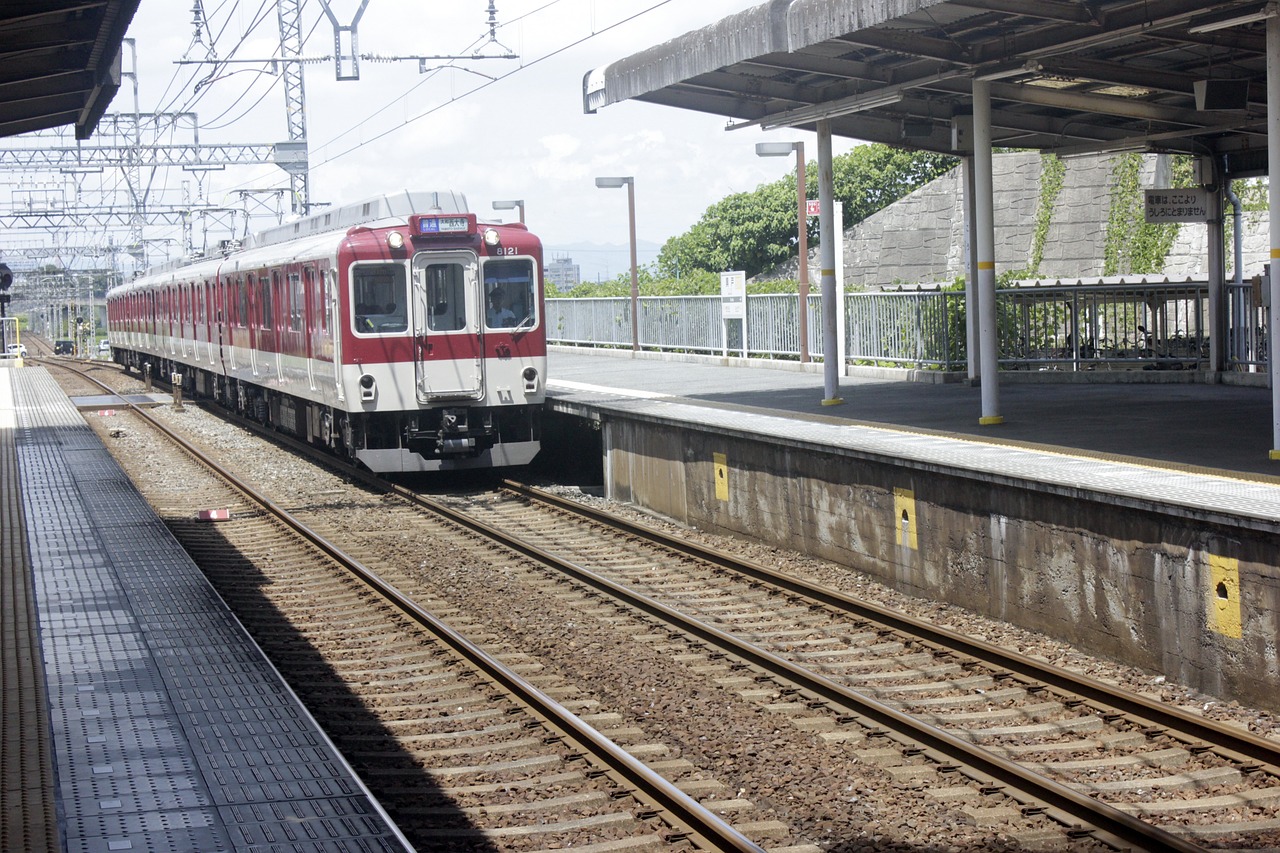
Rail passes and the Japan Rail Pass as a way to travel in Japan with elegant platform rhythms
For many high-end travellers, rail passes—the Japan Rail Pass, often called the JR Pass—are a refined way to travel in Japan. Japan by train feels quietly luxurious: precise, unhurried, and impeccably cared for, so you can explore with confidence rather than constantly recalculating routes. The best rail experience here isn’t just speed; it’s the graceful predictability that lets you design days around art, food, and scenery.
The official Japan Rail Pass is designed for short-term visitors who want simple, wide coverage across the JR Group network. Think of it as a key: it opens access to a vast railway system, letting you travel on trains between major cities and into regional landscapes—often with the feeling of being gently guided rather than pushed along.
Eligibility basics for the Japan Rail Pass and JR Pass
To use the JR Pass, you generally need temporary visitor status (the stamp or digital record you receive at immigration). Your pass is valid for consecutive days once activated, and you’ll choose the start date to match your itinerary. Within Japan, many services are operated by JR, but some routes are run by a private railway, which sits outside the JR network—so it’s worth checking your day’s lines before you commit to a platform.
JR is not a single monolith: you’ll notice regions such as JR East around Tokyo and JR West in areas like Kanazawa and parts of Kansai, all under the wider JR Group umbrella. The scale is what makes rail passes feel so empowering: you can travel across large distances, then step straight into local neighbourhoods without the stress of driving.
How to purchase the JR Pass outside of Japan
The simplest route for most travellers is to buy the Japan Rail Pass online or through a trusted travel agency outside Japan. In many cases, buying before you arrive in Japan offers real savings and avoids higher local pricing, especially if your plan includes long-distance travel. Always confirm you’re buying the official website product or an authorised seller—this small step builds trust before you even board.
A family we worked with still mentions their first hour in Japan: they’d pre-arranged their paperwork, arrived in Japan, and transferred from Narita Airport to central Tokyo with minimal waiting. With their Japan Rail Pass ready, they avoided the uncertainty of taxis and the intensity of negotiating a private transfer after a long flight—choosing care and calm pacing instead.


JR Pass prices and when the rail pass is worth it for a trip to Japan
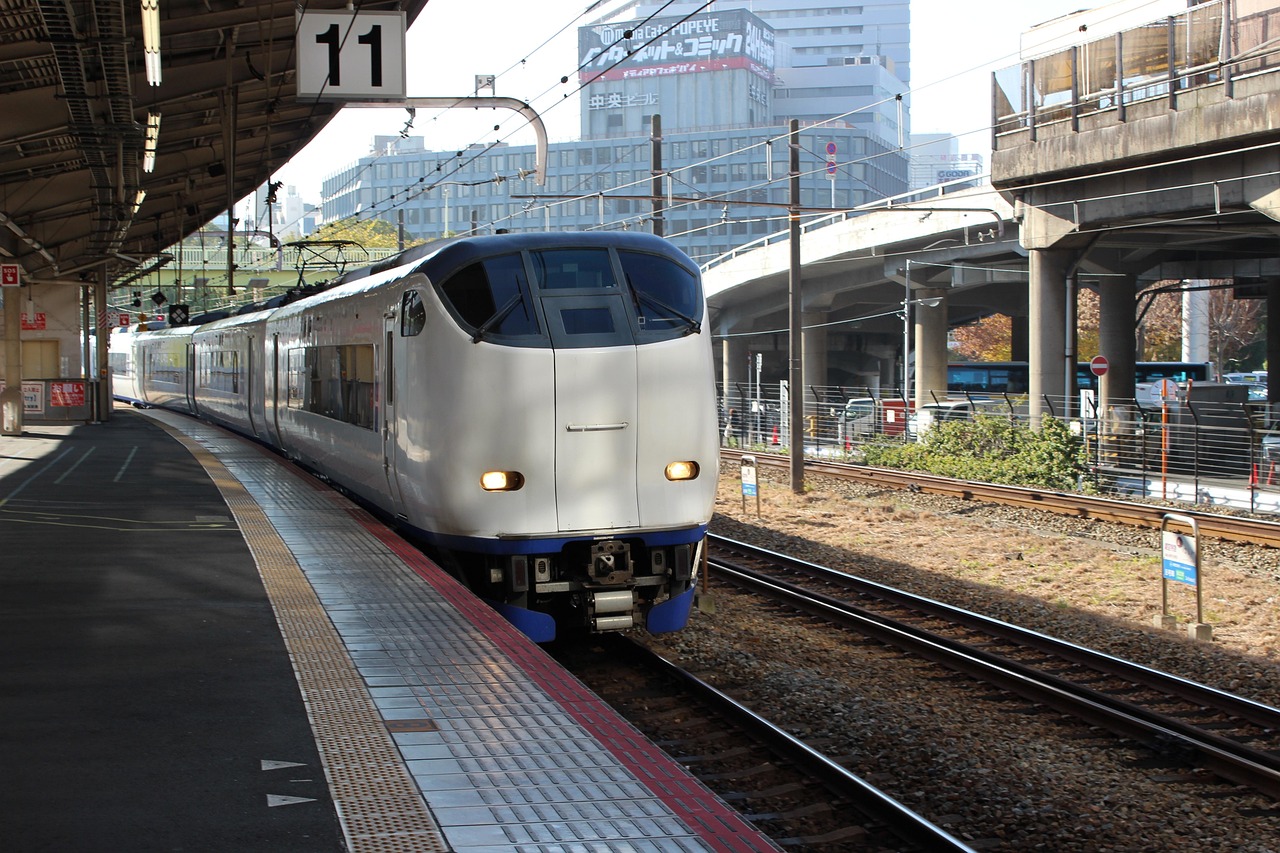
JR Pass pass prices and when a rail pass is worth it for a trip to Japan across key JR routes
Understanding JR Pass prices is less about doing exhausting maths and more about matching your rhythm to the map—so you can decide if a rail pass is worth it for your trip to Japan. Start with your likely long-distance travel (for example, Tokyo to Kyoto, then onwards to Osaka and beyond) and compare it to point-to-point tickets. When your itinerary includes multiple intercity hops, the Japan Rail Pass can make planning feel seamless, especially for travellers who value flexibility.
For design-led itineraries, the pass makes sense when you want the freedom to uncover a gallery opening in one city, a garden in another, and still return for dinner without overthinking ticket counters. If you’re staying put in one region—say, only Tokyo with a single day trip—the pass within that limited radius may not be the best value, and a local IC card plus individual tickets can feel more elegant.
Limitations explained with reassurance for Japan Railways
A few limitations matter, and none need to feel intimidating. On the Tokaido and Sanyo corridor, the pass cannot be used on certain fastest services—specifically Nozomi and Mizuho. You’ll still have excellent alternatives on the same shinkansen lines, just a touch slower, and still beautifully comfortable. Put simply: Nozomi and Mizuho are restricted, but your journey remains straightforward.
Also note what the pass doesn’t cover: some private lines, a few premium sightseeing trains, and occasional supplements. If you choose to upgrade compartments, there can be an extra cost—but many travellers find that choosing a better seat helps make the day feel curated.
Exchange order workflow and choosing your start date
Depending on how you buy, you may receive an exchange order (an order for a Japan Rail product), which you convert after arrival. In practice, this is simple: you take your exchange order for a Japan pass to a designated JR counter, confirm your passport status, and select the activation date. That date matters because your pass is valid for consecutive travel days—whether that’s a 7-day pass, 14 days, or even 21 days (and some travellers refer to it as a 21-day plan).
When you activate, you’ll receive your pass (or effectively receive your JR Pass) and can begin to use the JR Pass immediately or on your chosen start date. This is where a little expert planning helps: activate it when your longer hops begin, then let the early days in a single city unfold more slowly.
- When the pass is best: multiple city-to-city journeys plus day trips, with room for spontaneous detours.
- When it may not be: one base city with minimal rail movement or heavy reliance on a private railway network.
- What to confirm: which routes are valid on JR and which require separate tickets.
Bullet train shinkansen luxury with Japan Rail Pass Green Car Gran Class
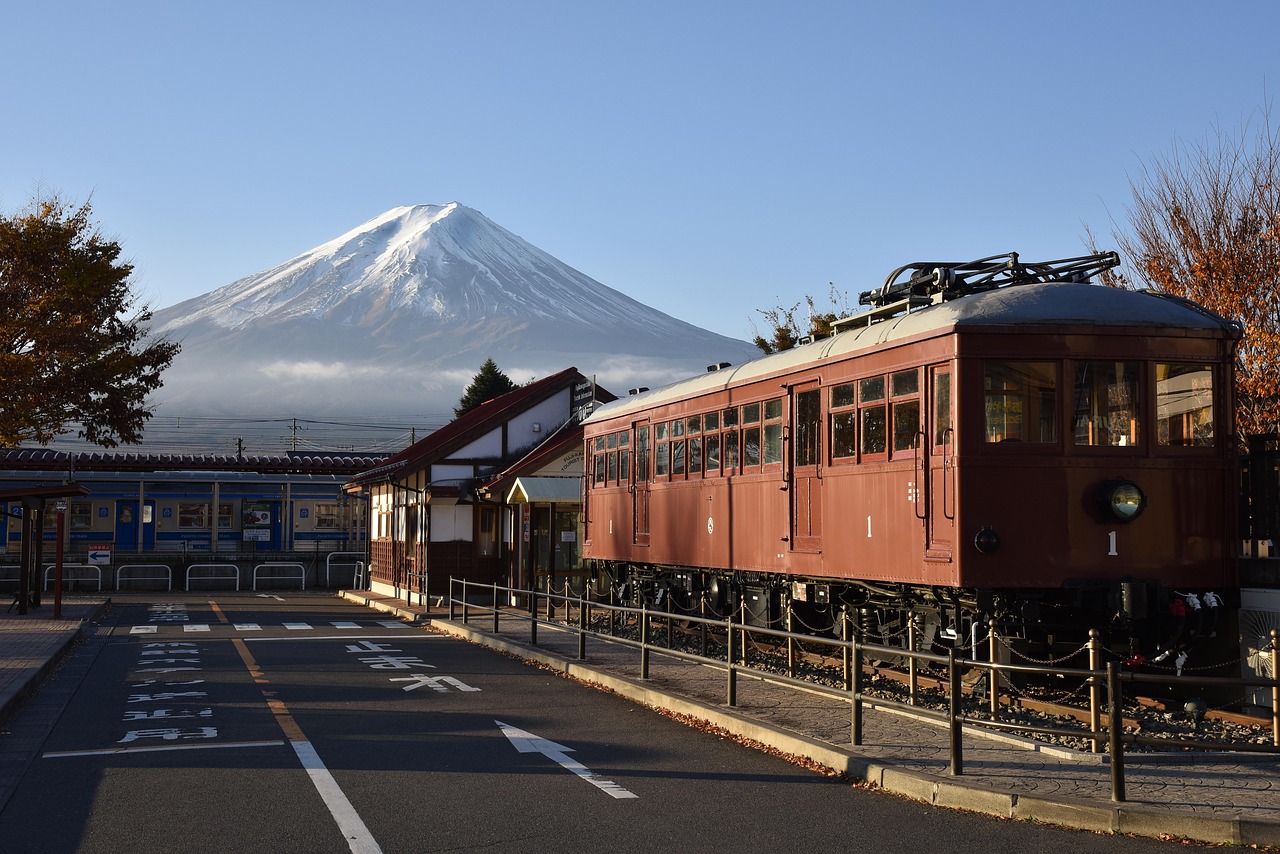
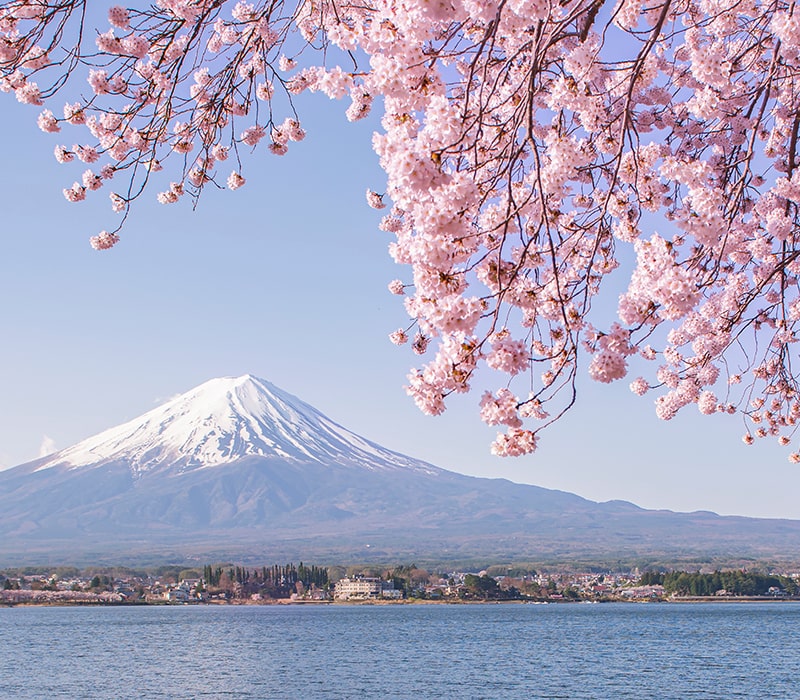
Bullet train shinkansen luxury with Japan Rail Pass Green Car and Gran Class as Mount Fuji appears
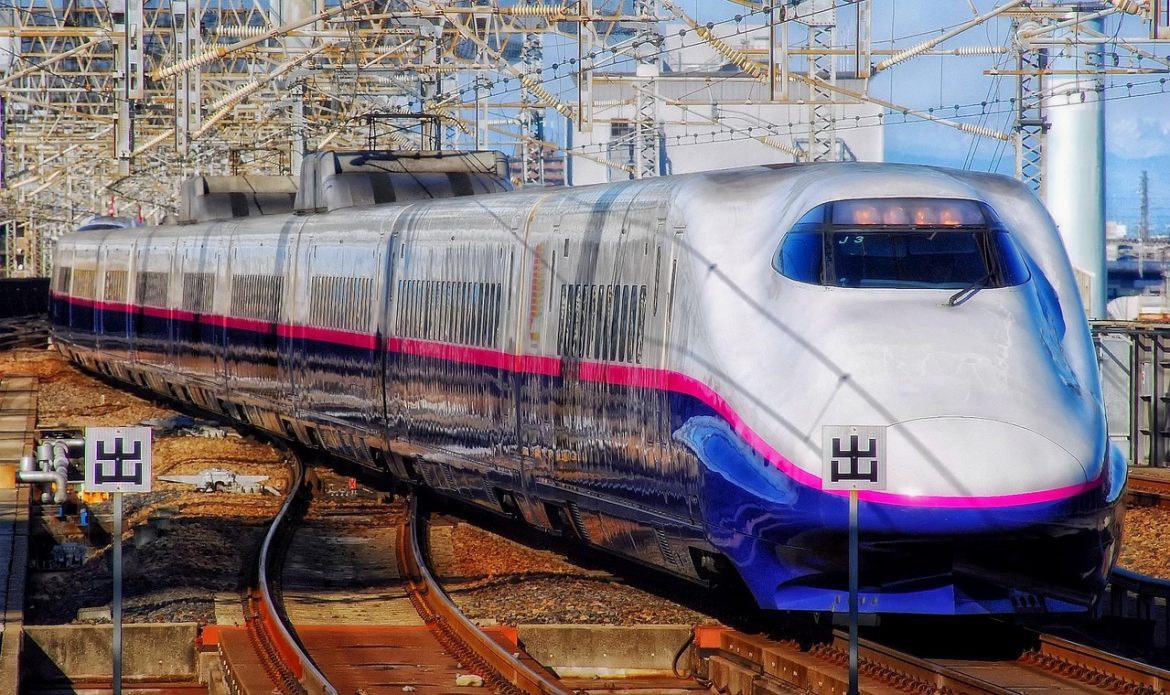
The bullet train experience is where many travellers fall in love with Japan: shinkansen journeys that feel more like a moving lounge than transport. In the first minutes, you notice the hush, the punctual departure, and the effortless cleanliness of trains in Japan—details that create space in your day for museums, meals, and rest. With a Japan Rail Pass, those moments become easy to repeat, without the drag of buying tickets each time.
An entrepreneur once told us the Shinkansen gave him a new kind of freedom: he could leave Tokyo, hold day meetings in Osaka, and return the same evening—focused, unruffled, and still able to read, reply, or simply look out of the window. That’s the real luxury: not speed alone, but the confidence of a railway that behaves exactly as promised.
Green Car comfort and first-class feel with the JR Pass
For high-end travel, consider the Green Car option, which offers wider seats, a quieter ambience, and a more spacious, first-class-style experience. On select services, you can step into Gran Class, a premium tier with elevated service that feels carefully designed rather than flashy. If you need assistance, station staff will offer clear support—Japan’s rail culture is built around small, thoughtful gestures that keep travel feeling safe and together.
A couple still talks about their Gran Class ride as if it were a tasting menu on rails: gourmet dishes, attentive pacing, and Mount Fuji gliding by like a slow reveal. It’s personal and cinematic without being loud—exactly the kind of crafted memory that stays with you.
Tokaido and Sanyo shinkansen lines for westbound design itineraries
Most luxury routes begin on the Tokaido corridor between Tokyo, Kyoto, and Osaka, then continue on the Sanyo route if you’re heading further west. These shinkansen lines are the backbone of a classic itinerary, and the Tokaido and Sanyo shinkansen lines are especially convenient when you want to blend city hotels with countryside ryokans. For travellers exploring beyond Kansai, the Sanyo Shinkansen becomes a graceful bridge to regions where fewer visitors linger.
Seat reservation JR Pass train travel in Japan Shinkansen strategy
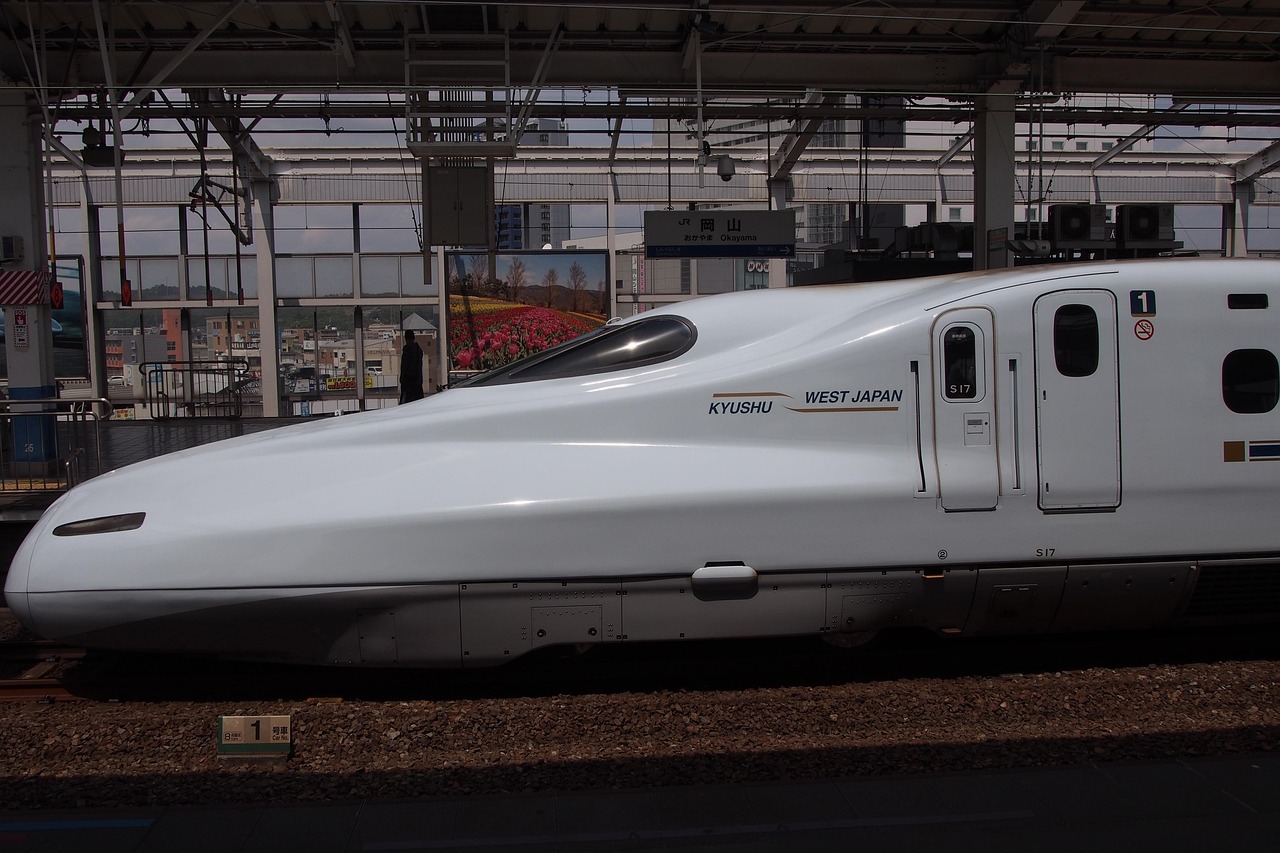
Seat reservation strategy for JR Pass train travel in Japan on the Shinkansen with calm boarding
Smart seat reservation planning is the quiet secret behind truly relaxed train travel in Japan, especially on the Shinkansen. The phrase “seat reservation JR Pass train travel in Japan Shinkansen” may sound technical, but the reality is gentle: you decide whether you want a reserved place or you choose a non-reserved carriage and keep your day more open.
Reserved seats suit families, travellers with large luggage, and anyone who wants a specific side for scenery. A non-reserved option can be calm on quieter days—especially mid-morning—yet it becomes a risk in peak weeks. If you do go flexible, try to arrive early and line up at the marked spot for your non-reserved seat.
Reserved and non-reserved options and how to reserve seats
To reserve seats, head to a ticket office or a travel service centre at major stations (and many airports). You’ll simply show your JR Pass and your desired train time, and the staff will hand over a reservation ticket. At the gates, you may need to show your JR Pass again, depending on the station’s setup, then proceed to the platform with confidence.
Once you’re on the train, the experience is intentionally intuitive: carriage numbers are clearly displayed, announcements are frequent, and signage is designed to guide you through busy hubs with minimal friction. If you ever feel unsure, pause—staff are attentive, and support is offered with warmth.
Peak-season booking and on-board etiquette with care
During cherry blossom weeks, Golden Week, and peak autumn foliage, booking early protects the seamless experience you’re paying for. You don’t have to plan every minute—just the key long-haul departures—then leave generous space to explore locally.
- Book ahead for: Tokyo–Kyoto and Kyoto–Osaka departures during peak travel windows.
- Keep it elegant onboard: quiet voices, phones on silent, and mindful luggage placement.
- Boarding rhythm: stand behind the line, let passengers off first, then enter together in order.
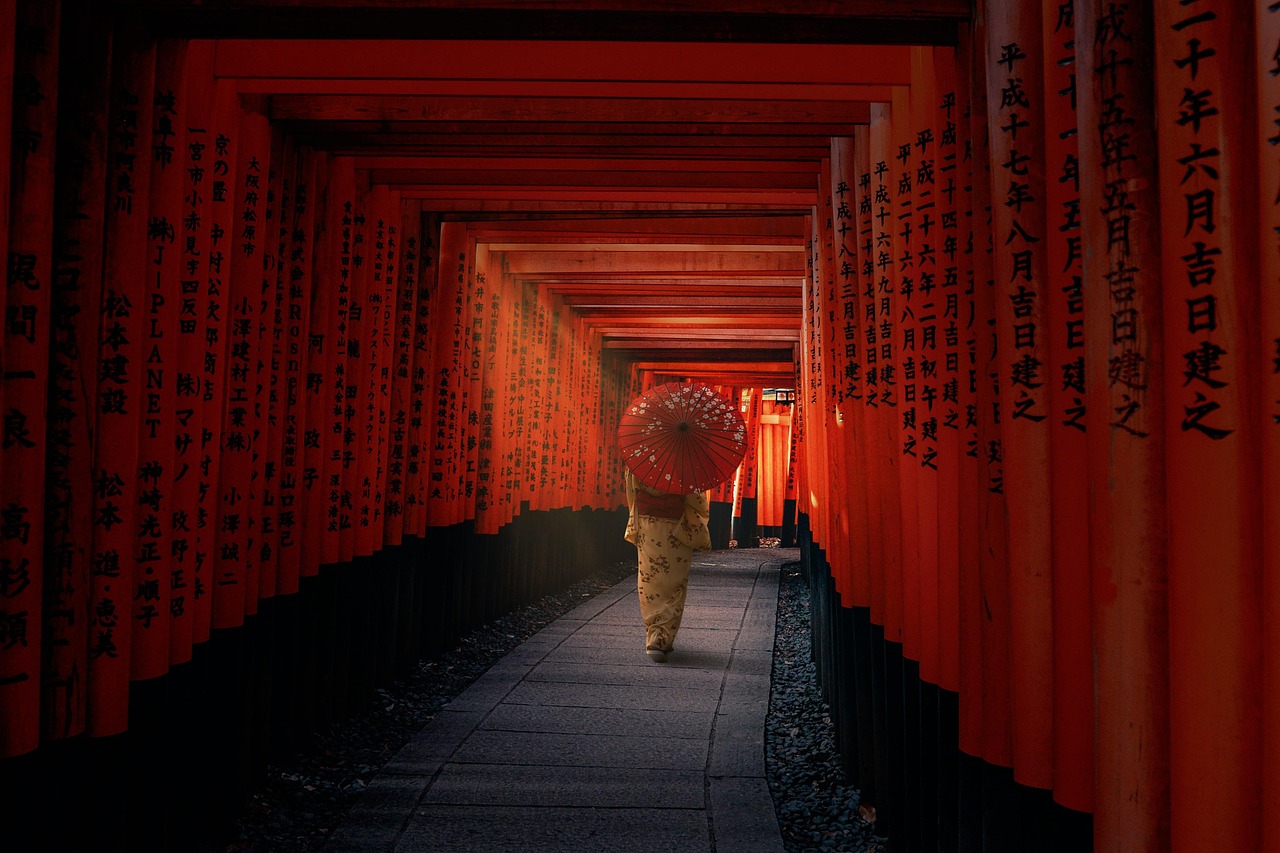
Across Japan JR Pass itinerary from Tokyo Kyoto Osaka Japan by train with serene shrine moments
If you’re dreaming of an across-Japan route, “Across Japan: JR Pass, Tokyo, Kyoto, Osaka, Japan by Train” is the classic backbone—and it’s popular for a reason. The shinkansen bullet trains make the triangle feel effortless, so you can design each city around neighbourhood restaurants, galleries, and beautifully considered hotels rather than logistics. With the right pacing, you can travel across the country without ever feeling hurried.
Japan Rail Pass for 7 and a crafted 7-day pass outline
A Japan Rail Pass for 7 days (a 7-day pass) often works well when you cluster your longer hops into one week. Imagine Tokyo for design and dining, then Kyoto for temples and craft, then Osaka for theatre, markets, and contemporary food culture. A luxury traveller once shared how the Japan Rail Pass elevated her Tokyo-to-Kyoto journey: she could change plans mid-trip to discover a new art museum, then continue onwards to an upscale ryokan—without the nagging sense that a ticket choice had locked her in.
In Tokyo, you’ll feel the scale of JR East in the station architecture and frequency; in Kansai and beyond, you’ll notice JR West shaping many of the most convenient intercity links. This is where rail passes shine for high-end travellers: the pass allows you to follow curiosity with quiet confidence.
If you’d like visual inspiration for crafted routes and design-led stays, browse our Trip gallery.
Hidden gems via JR lines: Kanazawa and Takayama connections
Beyond the headline cities, JR lines make it easy to uncover places that feel intimate and local. The Kanazawa region rewards travellers with contemporary craft, thoughtful museums, and gardens that change character with the seasons. From there, you can connect towards the mountains with limited express trains and other express trains, arriving in Takayama to find preserved streets, fresh air, and a slower rhythm that pairs beautifully with luxury ryokans.
For luggage, consider forwarding bags between hotels so you can travel on JR with only a light case—especially useful on regional platforms and smaller station stairways. It’s a small act of self-care that keeps the day graceful.
If your journey stretches further, you can pair rail passes with regional passes to move throughout Japan. For snowy landscapes, JR Hokkaido services offer winter scenery; for southern warmth, Kyushu offers hot springs and design hotels, connected by the Kyushu Shinkansen and Kyushu Shinkansen lines. Okinawa is typically reached by flight, but it layers beautifully after rail travel – as a final exhale.
What stayed with us after Japan by train: a reflection on the Japan Rail Pass journey
“Japan by train reflection: Japan Rail Pass journey” sounds like a heading, yet the feeling is much simpler: the hush of the carriage, the soft rhythm of the platforms, and the quiet trust you begin to place in a railway that arrives as promised. After a few days, you stop checking the time so often. You begin to notice the design of everyday things—how queues form without friction, how announcements guide rather than command, how the system makes space for everyone.
What lingers most are the small moments of care. A staff member noticing hesitation and pointing you towards the right lift. The shared glance with a stranger as the countryside slips past. The comfort of moving together—family, partner, friends—without the edges that travel can sometimes bring.
And then there’s the landscape itself: city lights dissolving into rice fields, distant mountains appearing between houses, the sea turning up unexpectedly at the edge of a station. Seamless travel changes your pace; it lets you uncover what you actually came for, beyond the checklist. Long after you’ve unpacked, you may still find yourself tracing lines on a map—less out of urgency, more out of quiet curiosity.
FAQs: Japan Rail Pass and JR Pass
Is it worth getting a JR Pass in Japan?
It can be if your itinerary includes several long-distance journeys in a short window—such as Tokyo, Kyoto, and Osaka with added day trips. For slower, single-city stays, it may not offer the same value. The best approach is to map your planned routes, compare them to individual fares, and choose what supports a seamless, well-paced trip.
Is it cheaper to buy a JR Pass or individual tickets?
It depends on how much you’ll travel. A Japan Rail Pass can be cheaper when you’ll take multiple Shinkansen and regional services across a set number of consecutive days. If you only plan one or two intercity trips, individual tickets are often better. Many high-end travellers choose the option that reduces friction and keeps plans flexible.
How far in advance should I buy the JR Pass?
Purchase the JR Pass before you travel whenever possible, as buying outside of Japan can be more cost-effective and gives you time to understand the exchange and activation process. In peak seasons, it also helps to plan key departures early so you can reserve preferred trains and keep your journey feeling calm and supported from the start.
What is the difference between Suica and JR Pass?
Suica is a prepaid IC card used for convenient tap-in travel on many local trains, metros, and buses, plus small purchases. The JR Pass is a time-based pass that covers extensive JR travel, including many Shinkansen and limited express services. Many travellers use both: Suica for local convenience and the JR Pass for longer routes.