Post Contents
- Nikko day trip from Tokyo to Nikko: travel guide Japan with Tobu
- Nikko Toshogu Shrine: UNESCO World Heritage Site Japan shrine loop
- Kegon Falls Lake Chuzenji, Nikko, Japan: an attraction for photographers
- Nikko National Park hiking trails Mount Nantai, Senjogahara, Japan
- Nikko onsen accommodation, Kinugawa Onsen public transport Japan
- FAQs: Nikko Japan travel guide
- What stays with you after Nikkō, Japan, reflections after travelling
Nikko day trip from Tokyo to Nikko: travel guide Japan with Tobu
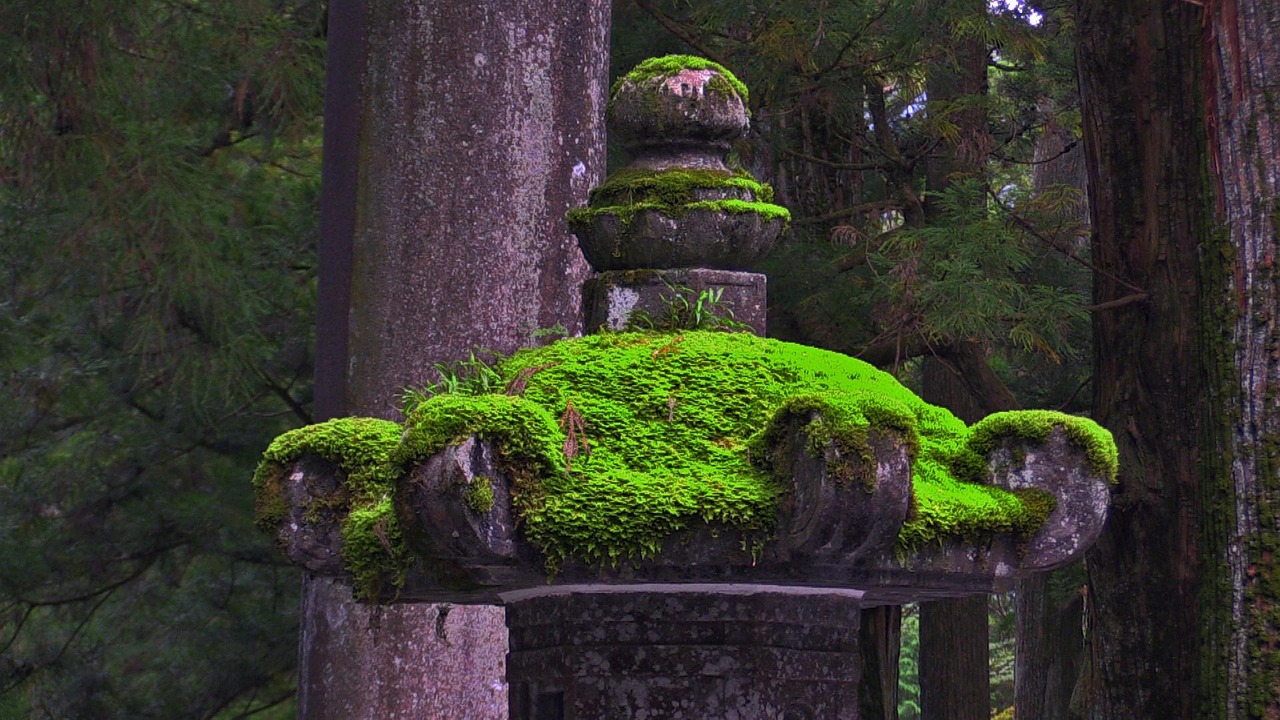
Nikko day trip travel guide from Tokyo with stone lanterns in Tochigi
If you’re looking for a day trip from Tokyo to Nikko travel guide Japan-style—clear, calm, and genuinely usable—start by picturing Nikko in Tochigi as a gateway between culture and mountains. In the morning, cedar-lined approaches and lantern-lit paths feel intimate; by afternoon, the terrain turns properly mountainous. It also works beautifully as a slower 2-day reset if you’d like time for a hot spring and unhurried dinners.
Getting there is straightforward with a little expert framing. Take the Tobu service from Asakusa Station to Tobu-Nikko Station, or use JR lines to reach Nikko Station, then follow signs to the correct train station exit for the bus stands. Do a quick timetable check the night before—small preparation creates confidence when platforms are busy.
For a seamless plan that combines trains with local bus routes, consider the Nikko Pass once and build your day around a simple map logic. Start with the old shrine and temple area, then head to the Lake Chuzenji side via Irohazaka; it’s the most intuitive flow for first-timers and offers easy access to your key points of interest.
- Low-stress start: arrive early and keep coins or an IC card ready for the bus.
- Good value: a bus day pass makes sense if you’ll ride three times or more.
- Quiet confidence: line up neatly, let others off first, and keep phone calls brief on public transport.
Before you go, you might enjoy browsing our Trip gallery to imagine how Nikko can be designed into a wider Japan journey—perhaps paired with a Tokyo Tower view the day before you leave the city. Now, let’s explore the heritage core where Nikko’s story begins to feel personal.


Nikko Toshogu Shrine: UNESCO World Heritage Site Japan shrine loop
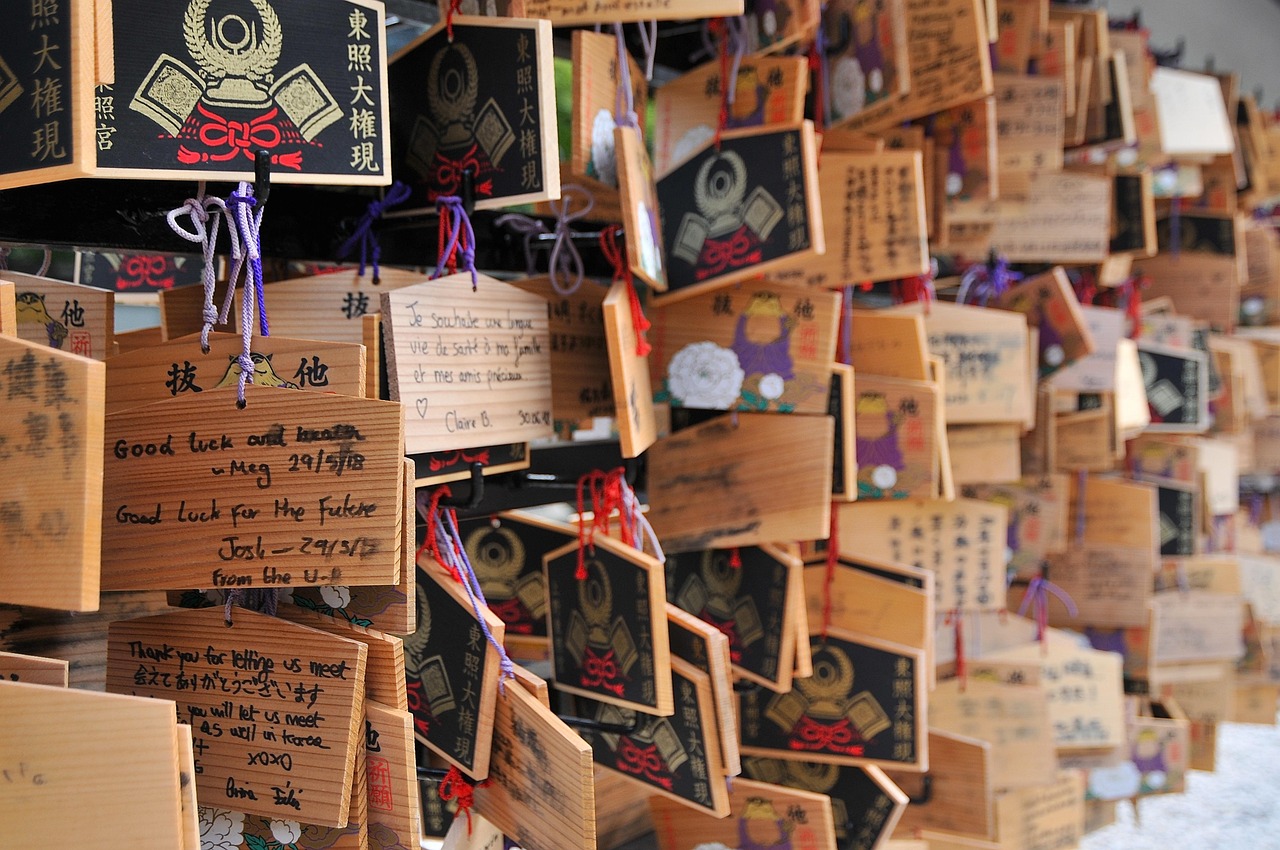
Toshogu Shrine and the UNESCO World Heritage Site core in Nikko
Nikko Toshogu Shrine, a UNESCO World Heritage Site in Japan, is the headline, but the real reward is how the entire precinct feels like living craft rather than a museum. This cluster is recognised as a UNESCO World Heritage Site, and the shrines and temples area is dense with detail—gold leaf, colour, and carved narratives. Pause at the famous monkey panel: one small monkey, one gesture, and suddenly you’re reading a philosophy of restraint in wood.
Toshogu Shrine, Tokugawa Ieyasu and a mausoleum shaped by belief
Here, you’re stepping into a mausoleum built to honour Tokugawa Ieyasu, founder of the Tokugawa shogunate, in a place where Shinto and Buddhist traditions meet without fuss. The architecture is deliberately ornate—power expressed through patience, artistry, and order. If you like to create a deeper connection, consider arranging a private prayer tour through a local guide who can translate small ritual cues with care.
Shrine etiquette with trust and consideration
Move as if you’re a guest in someone’s sacred home. Bow lightly at the torii, keep your voice low, and respect any photography restrictions—especially around worshippers. During the annual Shunki Reitaisai festival, one traveller told us the soundscape stayed with them most: traditional music rolling through the trees and then the sudden thrill of yabusame, the mounted archery display that makes history feel present rather than distant.
To keep your loop meaningful instead of rushed, add Futarasan Shrine nearby for contrast—more restrained, more atmospheric—and then a brief temple stop before you step back into daylight. It’s a compact circuit that balances grandeur with quiet, and it sets up the nature half of Nikko with a steady, grounded pace.
Kegon Falls Lake Chuzenji, Nikko, Japan: an attraction for photographers
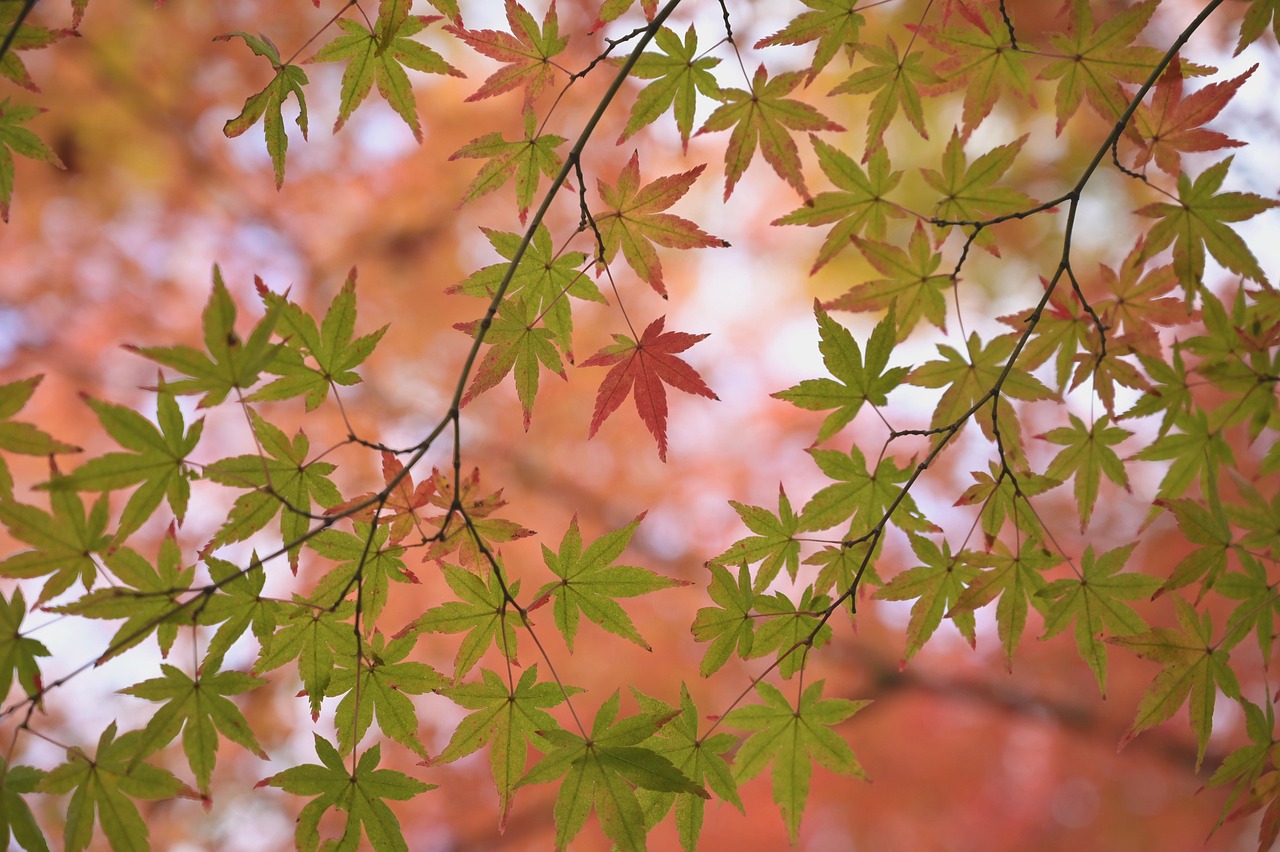
Kegon Falls and Lake Chuzenji for photographers at heart in Nikko
For a Kegon Falls Lake Chuzenji Nikko, Japan attraction day, the transition is part of the magic: heritage streets fall away, and the national park opens up in wide, clean air. The climb includes a memorable bus ride that feels like a curtain lifting—each turn revealing more sky. In beautiful autumn, the slopes glow with layered reds and golds that make even a quick window glance feel like a photograph.
Kegon Falls waterfall viewpoints and timing
Kegon Falls is the headline waterfall, and it rewards patience. Aim for early light if you want crisp detail, or come when mist softens the drop into something painterly; in peak season, autumn colours add a quiet drama that looks expensive even on a phone camera. Give yourself time to simply stand, breathe, and let the scale do its work.
Around Lake Chuzenji with hospitality and local flavour
A family we met described their boat trip around Lake Chuzenji as the moment Nikko felt truly local: gentle waves, friendly staff, and a lunch that leaned into regional flavours—especially yuba, served with warmth that made the meal feel personal. Nearby, you can add Ryuzu Falls for a different texture of water and forest, then ride the Akechidaira Ropeway for a high, cinematic landscape perspective.
You may also hear local lore calling Chuzenji the highest lake in Japan. Enjoy the story for what it is—part pride, part poetry—and let the scenery be the proof of why this high country has inspired travellers for generations.
Nikko National Park hiking trails Mount Nantai, Senjogahara, Japan
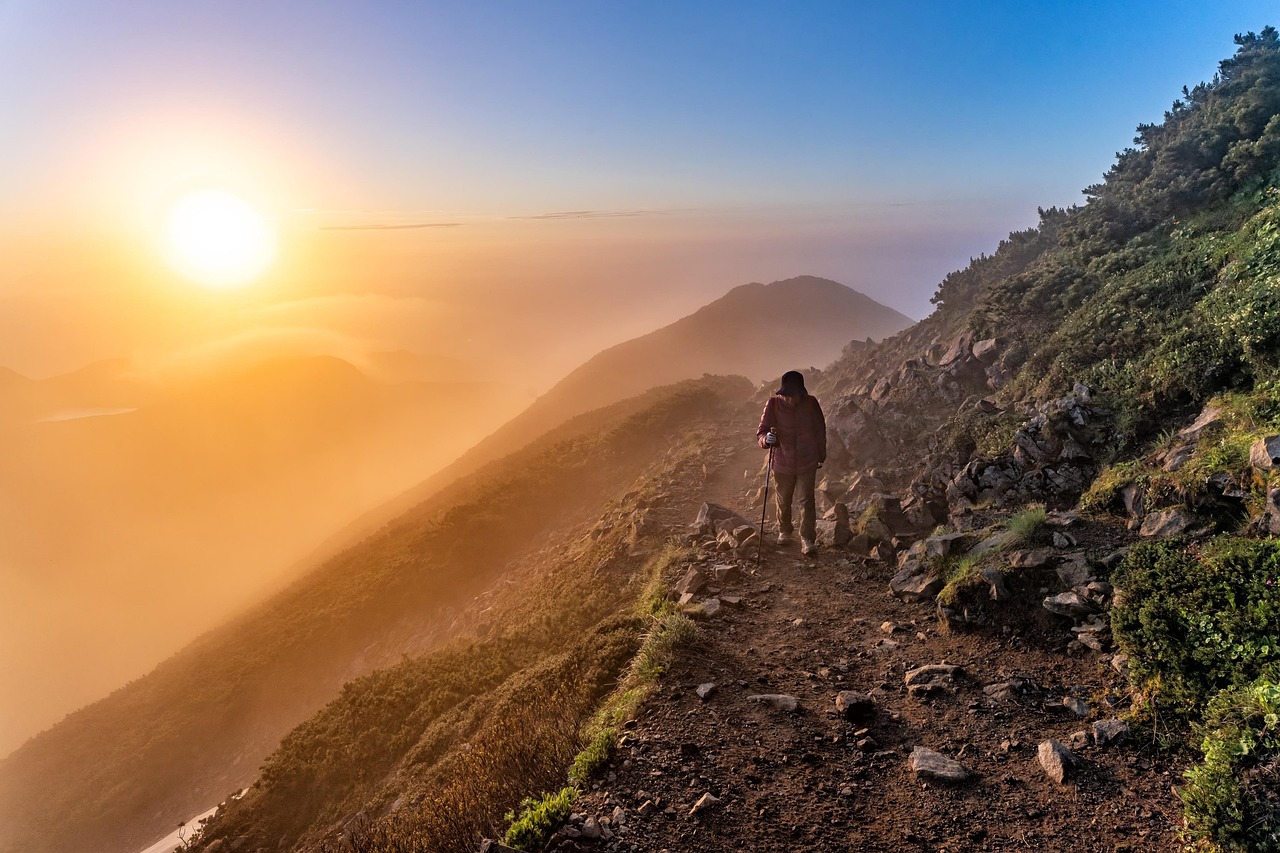
Nikko National Park hiking trails for real adventure around Mount Nantai
If you came for Nikko National Park hiking trails, Mount Nantai, Senjogahara, Japan, you’re in the right place to explore at your own intensity. Start with Senjogahara Marshland: an airy boardwalk through open marshland where you can spot birds and feel the weather changing in real time. Then, if your body and mindset say “more”, step up to Mount Nantai for a demanding climb that earns its views.
Mount Nantai: sunrise, pace and solitude
One visitor shared an early morning ascent that still reads like a letter to themselves: mist hanging on the switchbacks, boots finding rhythm, and a silence so complete it felt like support rather than loneliness. At the top, sunrise arrived without theatrics—just a slow reveal that helped them uncover their own pace. It’s the kind of adventure that doesn’t shout, but it does stay with you.
Waterfalls and an onsen reward
Link your route with a stop at Yudaki Falls, then continue towards Yumoto Onsen if you want your finish to feel restorative. Few things feel as crafted as hot-spring baths after a long hike—heat in your shoulders, cool air on your face, and that calm sense that you’ve done something real.
- Footwear: sturdy soles for wet rock and uneven steps.
- Carry: water, a small snack, layers, and a light waterproof.
- Before you set off: check weather conditions; this national park can shift quickly.
An expert approach is simple: design a route that suits your fitness and daylight, and keep the day enjoyable—not punishing. Nikko rewards ambition, but it respects wise choices even more.
Nikko onsen accommodation, Kinugawa Onsen public transport Japan
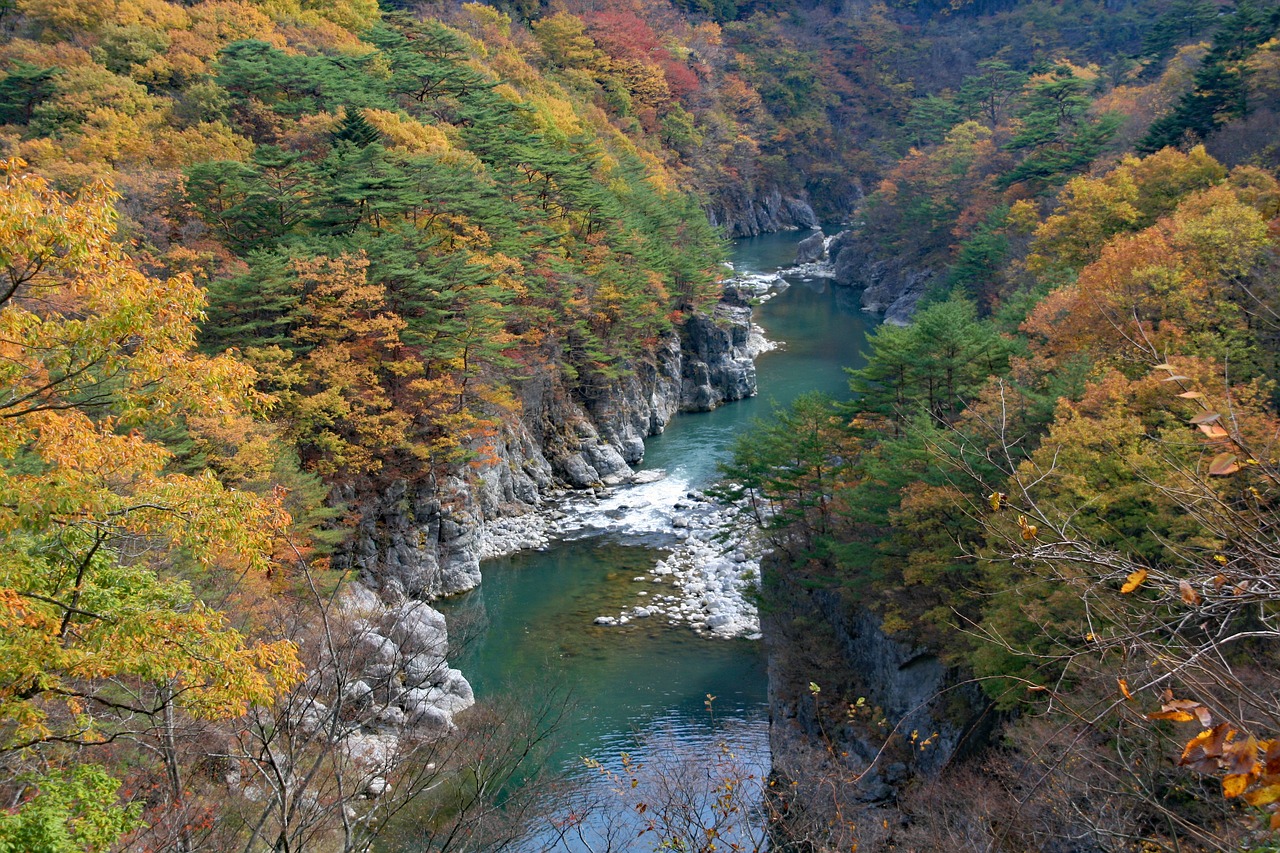
Onsen, accommodation and getting around with local support in Nikko
For Nikko onsen accommodation, Kinugawa Onsen public transport, and Japan planning, think in comfort layers: where you’ll sleep, where you’ll soak, and how you’ll move when weather changes. Nikko offers everything from a polished ryokan to a simple hostel, with Guesthouse Sumica often mentioned as a friendly base to reset between shrine visits and hikes. Your accommodation choice shapes your rhythm more than any single attraction.
Kinugawa Onsen and quieter Yumoto Onsen hot spring options
Kinugawa Onsen is the classic hot-spring town feel—easy to settle into, with evening strolls and river air. For something quieter, Yumoto Onsen feels wrapped in nature, ideal after long hours outdoors. If you prefer discretion, ask your property about a private hot-spring option; staff are usually kind, and often English-speaking support is available if you ask with a smile.
Local transport, guided support and thoughtful keepsakes
Linking everything together is easier than it looks: use the bus network for the main corridors, and keep taxis as a comfort tool for late returns or sudden rain. In shoulder season, a guided tour can be worth it for seamless timing and reassurance—especially if you want to include a nearby theme park in Kinugawa for a lighter, playful afternoon between cultural stops.
- Eat with curiosity: try yuba in soups, over rice, or as a small tasting set.
- Shop with care: choose small handcrafted goods that feel personal, not generic.
- Onsen etiquette: wash before entering, keep towels out of the water, and keep voices low at night.
With Nikko’s mix of wilderness and heritage, a little local support goes a long way. When the day runs long, a warm bath and a quiet room can feel like the most luxurious part of the design.
FAQs: Nikko Japan travel guide
Is Nikko worth visiting in Japan?
Yes—Nikko is worth visiting for the way it blends cultural depth with dramatic nature in a single, well-connected destination. The shrines and temples feel genuinely moving, while nearby waterfalls, lakes, and mountain trails add a sense of scale that suits adventurous travellers. It’s also a place where small moments—forest air, quiet paths, local hospitality—can feel as memorable as the headline sights.
Can Nikko be a day trip from Tokyo?
It can, especially if you start early and focus on one main area: either the heritage core (Toshogu and nearby sites) or the Lake Chuzenji and Kegon Falls side. Many travellers prefer an overnight stay to include hiking or an onsen, but a well-planned one-day visit still delivers a strong sense of Nikko’s atmosphere and craftsmanship.
How long is the train from Tokyo to Nikko?
Journey time depends on the route and service, but it’s typically around two hours from Tokyo to Nikko. Tobu services from Asakusa are popular for convenience, while JR routes can suit certain rail passes. Checking the schedule in advance helps you plan a smooth arrival and maximise your time on the ground.
Can you see MT Fuji from Nikko?
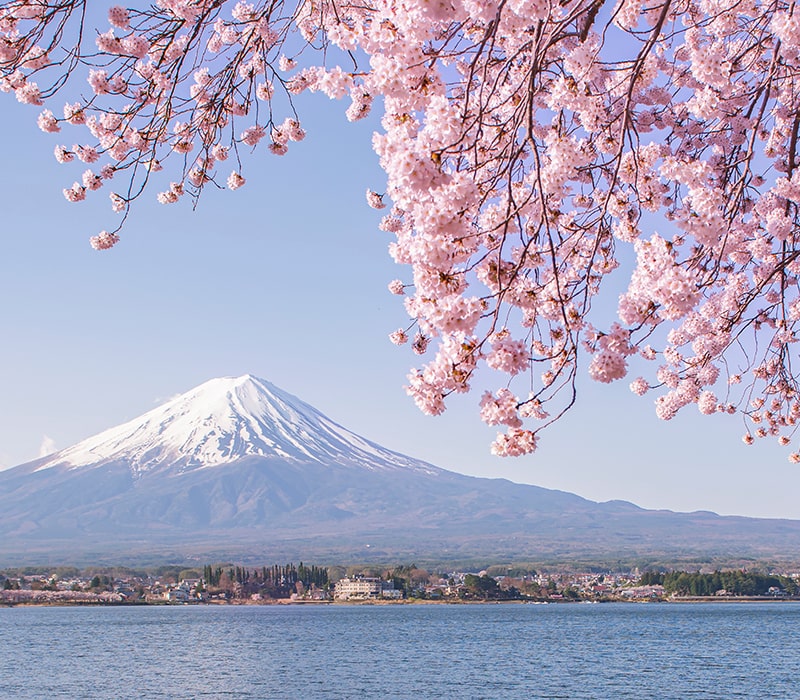
Mount Fuji isn’t a guaranteed view from Nikko, as distance and weather often limit visibility. On very clear days, some high viewpoints in the wider region may offer a distant glimpse, but it’s best to treat it as a bonus rather than a plan. Nikko’s most reliable rewards are its forests, shrines, lakes, and mountain scenery.
What stays with you after Nikkō, Japan, reflections after travelling
For Nikkō, Japan, reflections after travelling, it’s rarely the big moments that return first. It’s the cedar-scented air that seems to follow you home, the way carved details taught you to notice patience, and the hush that arrived before sunrise when the world felt briefly simplified. Nikko leaves a softer imprint than a checklist, and that is its quiet confidence.
Later, you may find yourself remembering how scale works here: a shrine gate framing a forest like a careful painting, a distant ridge dissolving into cloud, and the sound of water you didn’t photograph. Nikko’s gentleness sits alongside its grandeur, and together they create a kind of trust—an understanding that you don’t have to rush to feel close to a place.
And perhaps that’s the real gift: you return, noticing detail, silence, and proportion in everyday life, as if the journey is still designing itself in small, calm moments. In another season, the light will fall differently—and it’s comforting to know the story will, too.