Post Contents
- Visiting Ubud in Bali Indonesia: A Calm, High-End Travel Guide You Can Trust
- Stay in Ubud, Bali: Luxury Villa and Boutique Hotel Choices
- Things to Do in Ubud, Bali: Monkey Forest, Markets, Temples, and Best Things
- Trip from Ubud: Tegallalang Rice Terraces, Goa Gajah, and a Waterfall Day
- Yoga in Ubud: Luxury Spa Wellness, Retreat Rhythm, and Ayung River Dining
- Choosing the right yoga class in Ubud: studios, levels, and atmosphere
- Wellness retreats and luxury spa rituals: traditional Balinese care without over-scheduling
- A romantic evening above the Ayung River: dining well and slowing down
- Coffee plantation visits near Ubud: local families and a careful note on Kopi Luwak
- What Stays with You After Ubud, Bali: Travel Guide Reflections on Meaning
- F.A.Qs: Ubud in Bali Indonesia travel guide
Visiting Ubud in Bali Indonesia: A Calm, High-End Travel Guide You Can Trust
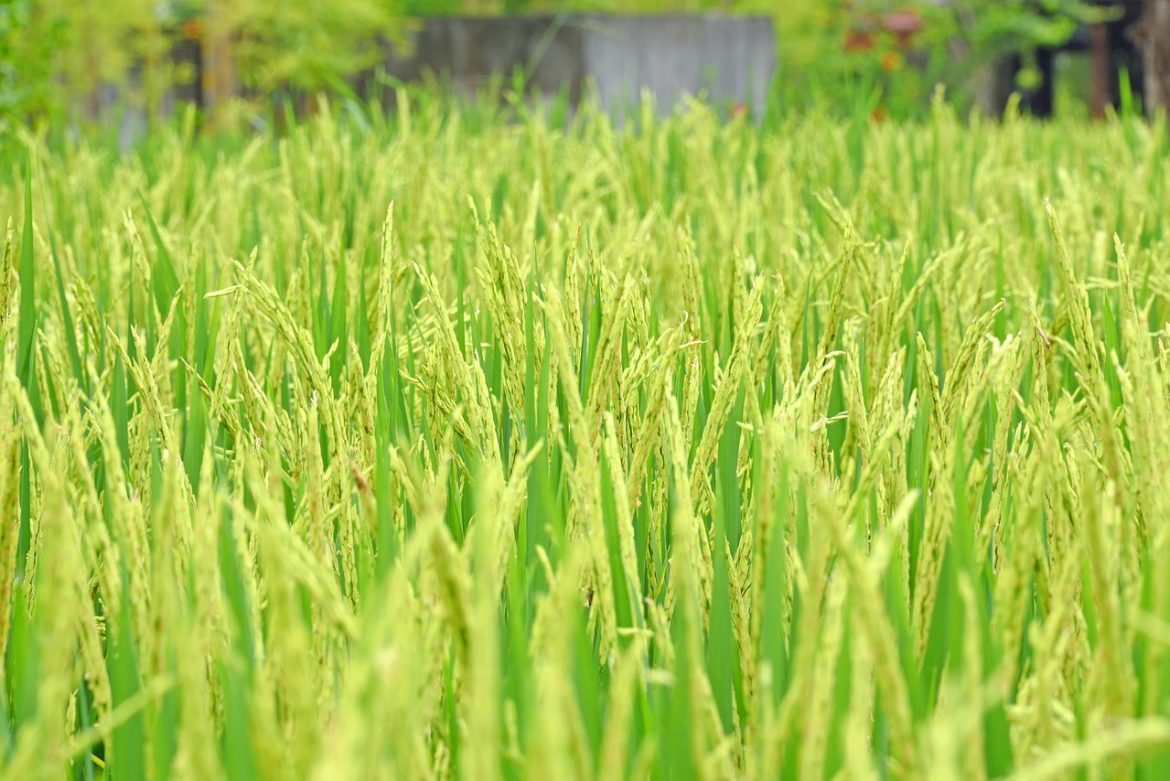
Visiting Ubud in Bali, Indonesia with confidence—orientation tips for central Bali
This visiting Ubud Bali Indonesia travel guide starts with orientation, because ease is a form of luxury. Consider it your travel guide to Ubud for arriving well: Ubud sits in central Bali, wrapped in jungle greenery and artistry, and it can feel worlds away from southern Bali beach clubs and traffic-heavy coastlines. It’s the cultural heart many travellers imagine when they picture Bali—incense, carved doorways, and quiet lanes that open into rice fields and family compounds. For context, the capital of Bali is Denpasar—useful when you’re reading maps or arranging logistics—yet Ubud is the place that often stays with you.
The pace in Ubud invites you to slow down without losing access to exquisite comfort. Think: galleries and cafes in central Ubud, then a five-minute drive into emerald ravines where your villa feels hidden. Ubud is one of those places in Bali where you can explore deeply in a single day, then retreat into stillness at night with the same sense of confidence. It’s also one of the most rewarding places in Bali when you want culture, nature, and design in one base.
Seamless arrival from Ngurah Rai International Airport to Ubud
For high-end travellers, a smooth arrival is the first act of good design. You’ll land at Ngurah Rai International Airport and meet your driver directly, rather than negotiating with a crowd of taxis and tourist touts. On paper, Ubud can be “about 1.5 hours” away, but in real Bali traffic it’s best to allow 2 hours—especially if you’re arriving in the late afternoon.
A private driver does more than move you from A to B. They help you carry luggage, keep the car cool, and ease you into Bali with a calm, local presence. If you’re planning a trip to Ubud as part of a week in Bali, start as you mean to continue: seamless, cared for, and unhurried—then decide whether you’ll add a few days on Nusa for a contrast to Ubud’s inland pace. If you’d like to browse curated routes and inspiration, you can explore our Trip gallery.
Best time to visit Ubud and practical high-end basics for Bali
The ideal season for Ubud is the dry season from April to October, when mornings are crisp enough for ridge walks and the light in the rice terrace valleys is particularly clear. This is the time of year that supports long outdoor days—wandering markets, stepping into a temple courtyard, or taking a gentle walk through rice fields without the constant interruption of sudden rain.
Indonesia is simple once you know the essentials. The local currency is IDR; ATMs are common in the centre of Ubud, but carrying small cash is wise for modest entry fees, donations at a temple, or a quick coconut on the roadside. Tipping is appreciated rather than demanded: 5–10% in restaurants, and a little extra for a driver or therapist who delivers excellent care.
- Entry fees: plan for small, worthwhile tickets at key spots in Ubud, including the Monkey Forest and popular viewpoints.
- Dress: bring a light layer and modest options for temple visits; a sarong is often available, but having your own feels effortless.
- Guides: a certified, expert guide offers context, helps you navigate tourist areas gracefully, and supports local communities with trust.
Design your first 24 hours to protect your energy. Check in, take a gentle stroll through central lanes, then book a light spa reset—something grounding rather than intense. An early night creates space for sunrise rituals the next morning, when Ubud feels like it belongs to you.


Stay in Ubud, Bali: Luxury Villa and Boutique Hotel Choices
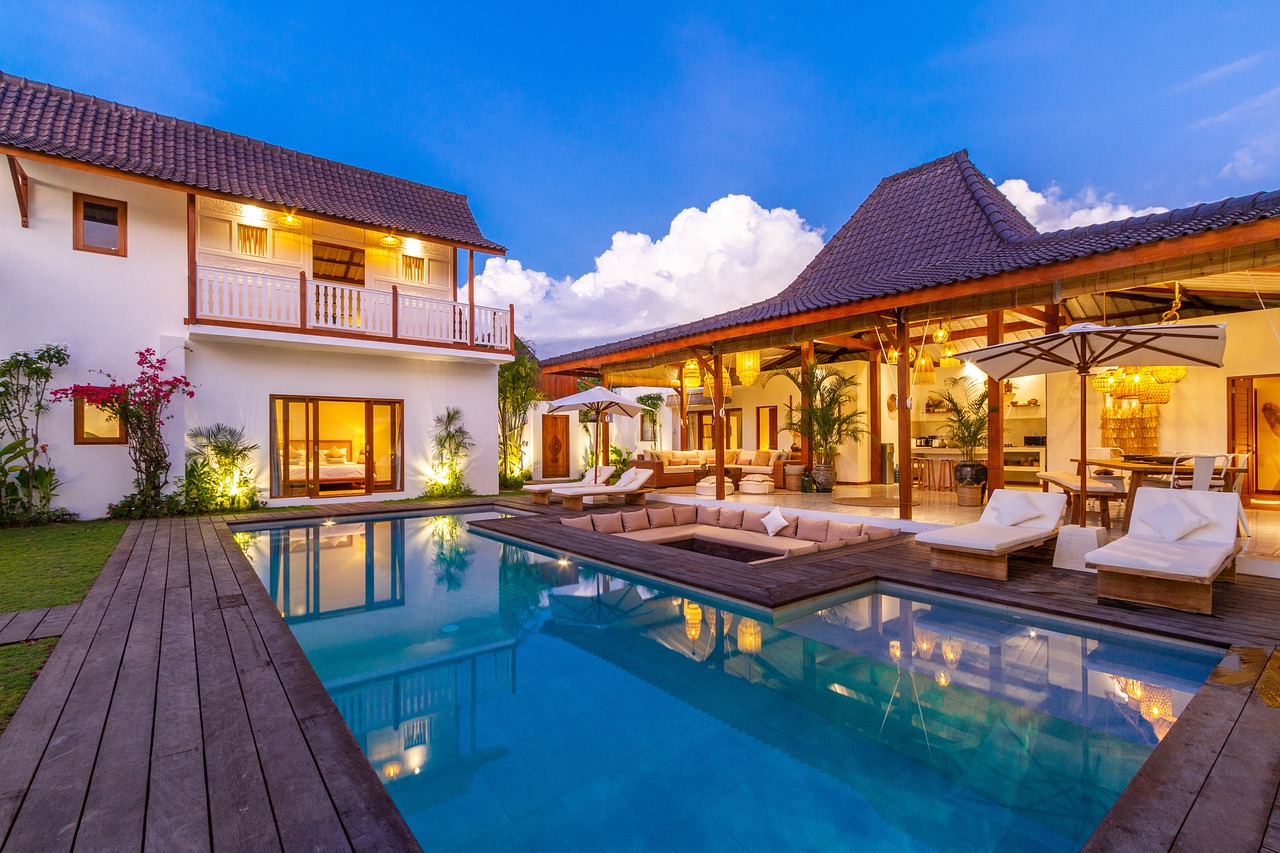
Stay in Ubud—luxury villas and boutique calm with private terraces and restorative design
If you’re searching for how to stay in Ubud luxury villa boutique hotel Bali style, begin by choosing your atmosphere. Ubud rewards travellers who are intentional: stay close to galleries and restaurants if you want walkable evenings, or drift outward for birdsong and uninterrupted green. Many of the most restful places in Ubud sit just beyond the centre, where the jungle folds around river valleys and the mornings feel hushed.
In Ubud, “luxury” is rarely loud. It’s private villa living with thoughtful materials, warm service, and grounds designed for wellbeing—yoga decks, herb gardens, and pools angled towards canopy views in Bali that feel almost unreal. The best stays in Bali feel personal: staff remember your preferred breakfast time, and your room feels like a sanctuary rather than a stopover. If you plan to stay in Bali beyond Ubud, this quieter reset can make the rest of the island feel even richer.
Where to base yourself in Ubud and around Ubud for easy exploring
For first-timers, the centre of Ubud is a confident base: you can pop out for the Ubud Market, galleries, and a quick massage, then return without planning. Yet many high-end travellers prefer the edges, especially north of Ubud where views open over rice fields and the air cools slightly at night. If you’re sensitive to noise, avoid being directly on a main road; in Ubud, a difference of 300 metres can transform your sleep.
Those coming from the coast—say, south of Ubud in beach towns—often describe a physical exhale on arrival. One guest told us their most memorable moment was simply sitting on a terrace at dawn, coffee warming their hands, listening to water and distant offerings bells. Ubud has something quietly elemental: it invites you to notice your own pace again, even in high season.
Choosing a villa or boutique resort in Ubud that matches your travel style
Couples often thrive in Ubud with a private pool villa and one extraordinary dinner reservation. Solo travellers tend to appreciate a boutique resort with easy wellness scheduling and a concierge who can design a day with care. Families usually do best with a two-bedroom villa, a shaded pool, and flexible dining—so children can eat early while adults linger over something beautifully crafted.
As reference points, resorts such as Maya Ubud (a favourite for its river-and-greenery setting) show what a refined Ubud base can feel like. When booking, request the orientation that matches your dream: sunrise light, river sounds, or a deep jungle view. In Bali, the view is part of the ritual.
Peak season is when Ubud is most in demand, so reserve early: villas, private guides, and in-house spa slots. Pre-booking keeps the week feeling seamless; you’re free to explore without constantly negotiating schedules or competing with peak tourist crowds.
Things to Do in Ubud, Bali: Monkey Forest, Markets, Temples, and Best Things
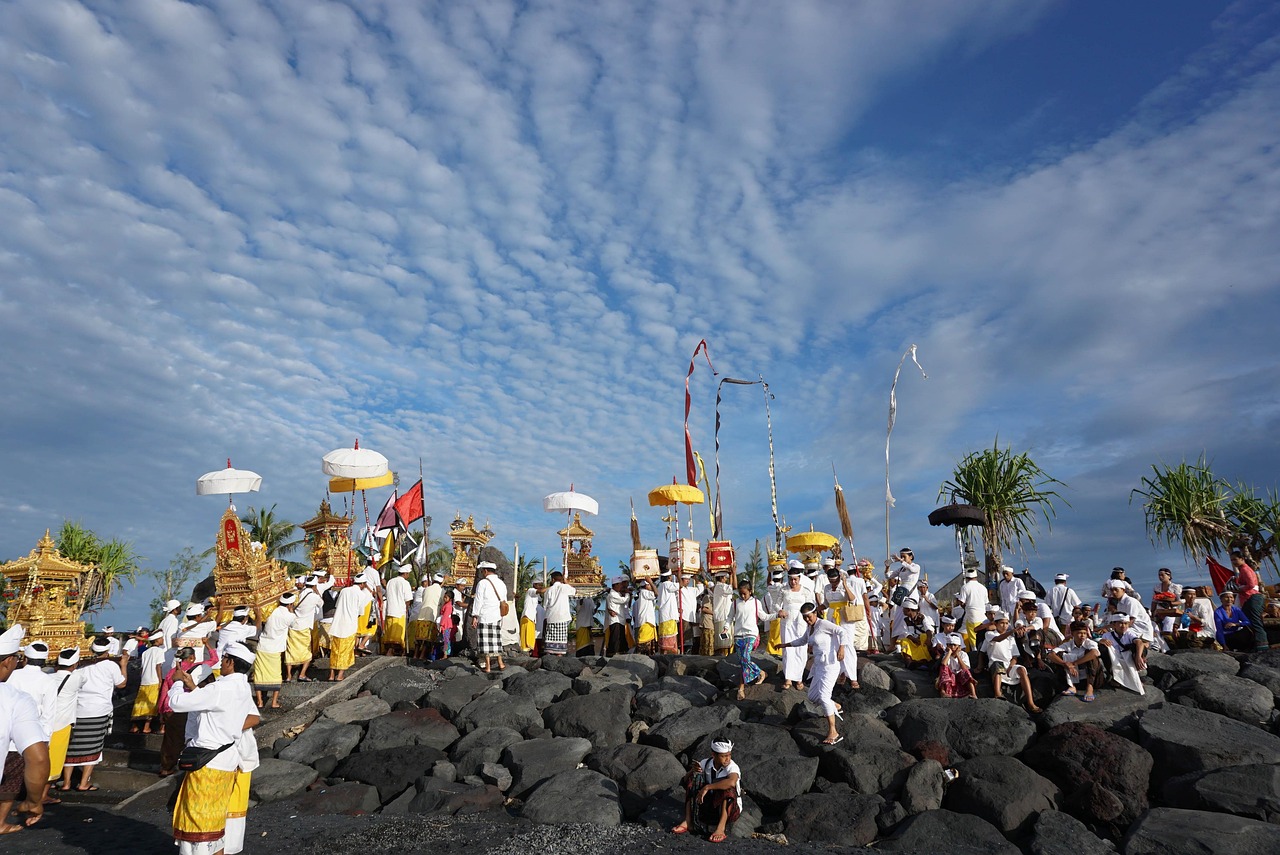
Things to do in Ubud—culture, temples, and artisan design from courtyards to market stalls
This chapter on things to do in Ubud Bali Monkey Forest Ubud Palace market is for travellers who want beauty with context. Ubud is art, daily life, and devotion braided together: a carved doorway leading to a family courtyard, a temple ceremony you glimpse respectfully from the side, and a painter’s studio behind a shopfront. The best things in Ubud are often simple—when you approach them with curiosity, trust, and care—and that’s one of the best things about travelling in Bali slowly.
Sacred Monkey Forest Sanctuary: etiquette, safety, and what to expect
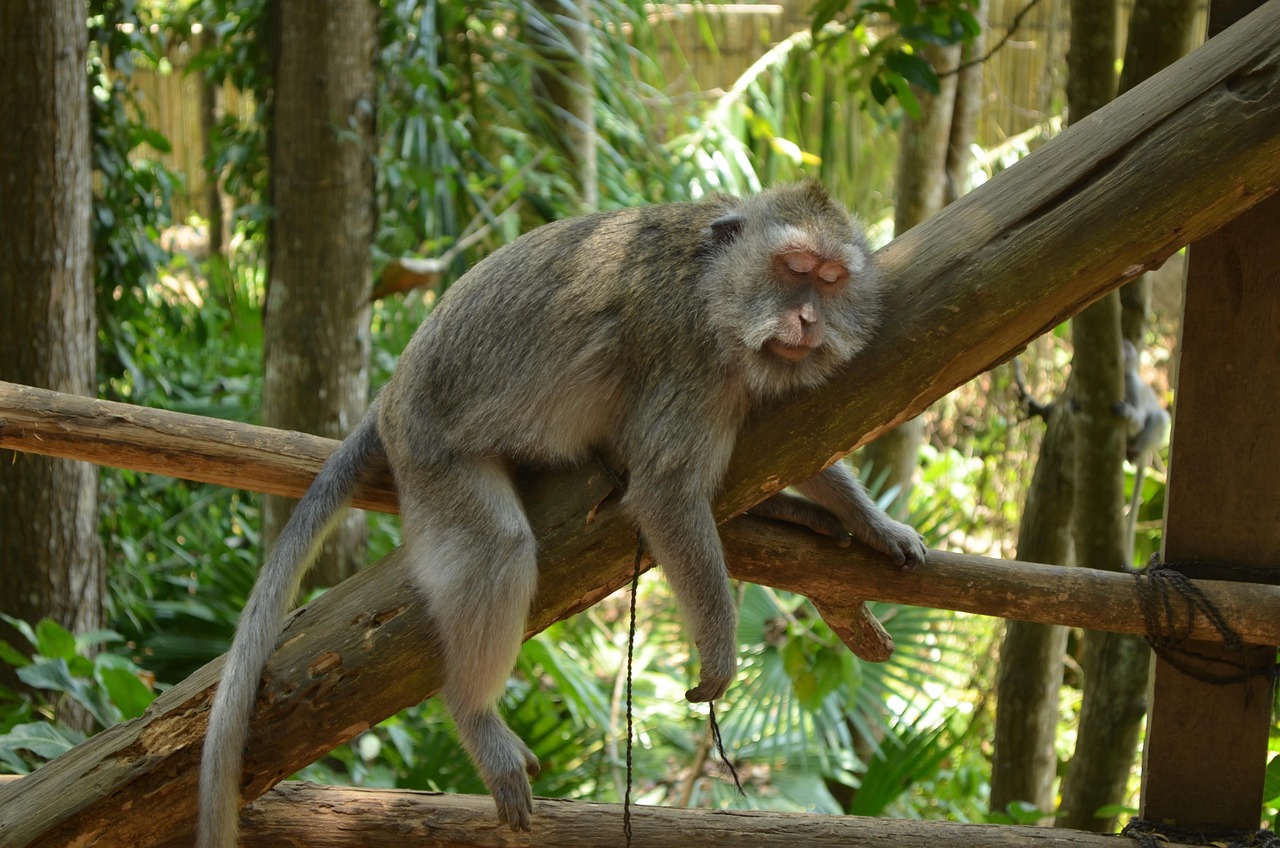
The Sacred Monkey Forest is a forest sanctuary where ancient temple structures sit inside dense greenery. It’s one of the best things to do in Ubud early in your stay, because it helps you understand how nature and temple life coexist in Bali. Go in the morning for cooler air and softer light in the canopy.
A few reassuring rules make the Monkey Forest feel easy rather than intimidating. Secure sunglasses and phones, don’t feed macaques, and keep a respectful distance—especially from mothers with babies. Before you go in Ubud for this visit, pack light, zip your bag, and keep your hands free. Staff are present and experienced, and you’ll feel more relaxed if you’re not juggling snacks or loose items. It’s an energetic, slightly mischievous corner of Ubud, and when you treat the monkeys as wild animals rather than props, the experience becomes genuinely special.
Palace evenings in central Ubud: traditional dance performances and atmosphere
Ubud Palace is a beautiful anchor for an evening in town: Balinese architecture, carved stone, and a sense of royal history right in the centre. If you can, plan for the dance performances held here—an elegant way to end a day of exploring. Arrive a little early so you can settle, take in the setting, and watch the courtyard transform as the light changes.
Even if you’ve seen performances elsewhere in Bali, the intimacy here feels different. The musicians, the costume detail, the patience in each gesture—Ubud makes artistry feel like a living practice rather than a show. It’s a gentle window into Balinese culture that doesn’t require a full tour day.
Ubud Art Market and Ubud Market: shopping slowly and meeting local makers
The Ubud Art Market (often simply called the Ubud Market) is best experienced as a conversation rather than a sprint. Slow down, ask questions, and uncover the story behind a textile, basket, or carving. Many pieces are made by families living just outside Ubud, and the value is in the time and skill, not only the price tag—especially in the busiest tourist months.
One luxury traveller shared how they bonded with artisans here, learning which motifs were inspired by temple guardians and which patterns echoed rice terrace geometry. That personal insight changed the purchase from “souvenir” to something more meaningful—an object that carries place and togetherness back home.
If bargaining feels uncomfortable, set a fair intention: pay respectfully for craftsmanship, and choose fewer, better pieces. In Ubud, design is everywhere; the right item will find you. If you need a break, step into a quiet cafe nearby and watch daily life flow past.
Balinese cooking class and temple etiquette: learn with a trusted local guide
A cooking class is a half-day ritual that fits beautifully into time in Ubud. Many begin with a market visit, then move into spice pastes, sambals, and slow-simmered dishes you can recreate at home. You’ll learn why certain flavours appear at ceremonies, and how everyday Balinese cooking mirrors the island’s devotion to balance.
Temple visits deserve the same respect. Dress modestly, cover shoulders and knees, and remove shoes where required. A certified guide can support your understanding of Balinese culture without turning sacred places into a photo checklist—especially if you’re exploring Ubud’s temples during a ceremony. If you’re ever unsure, follow the locals’ lead with quiet humility, and remember that traditional Balinese life is woven through these spaces.
Trip from Ubud: Tegallalang Rice Terraces, Goa Gajah, and a Waterfall Day
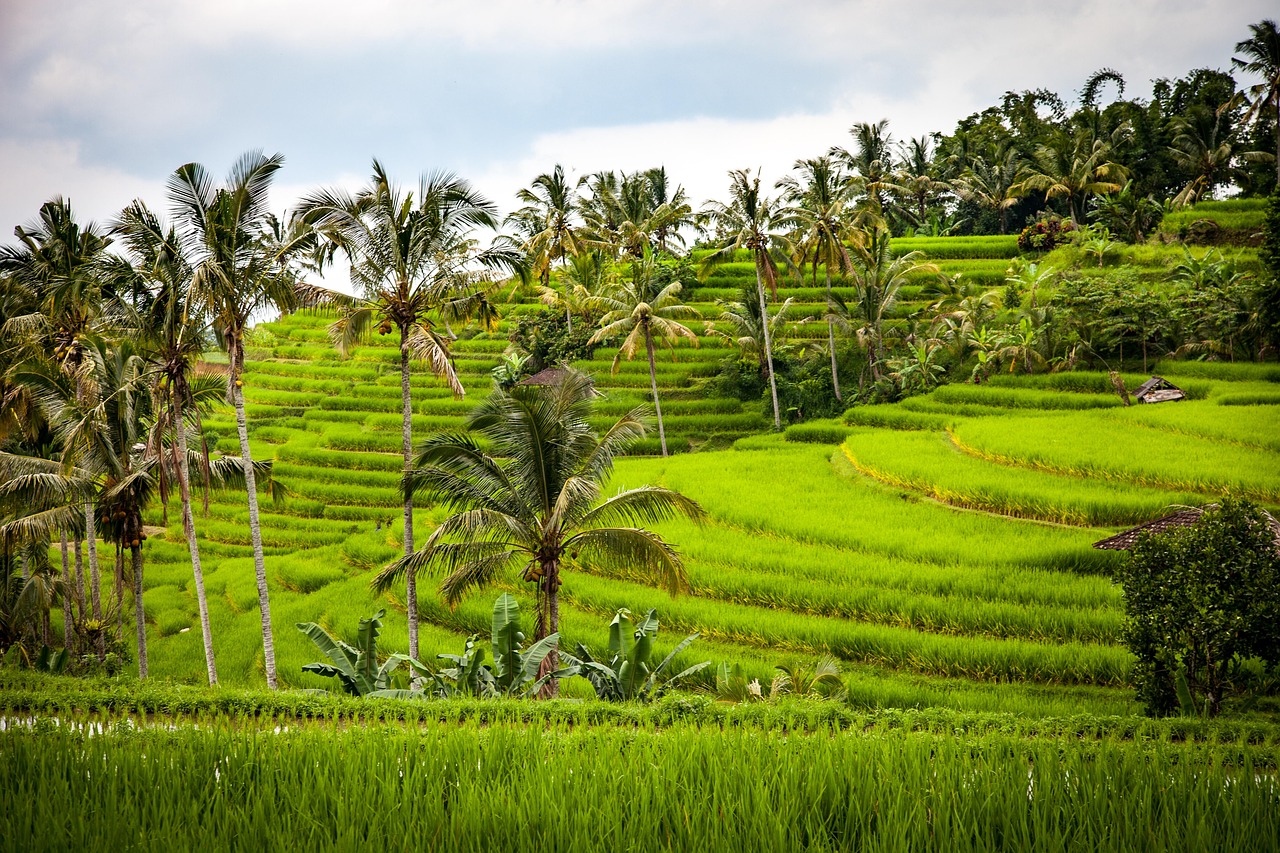
Explore around Ubud—rice terraces, temple visits, and a waterfall day designed for comfort
This day-out chapter is about exploring beyond town while keeping everything seamless. Around Ubud, the landscapes broaden: valleys of rice fields, ancient temple courtyards, and sacred water rituals that remind you Bali has been spiritually alive for centuries. With a private driver, you can design a day that feels crafted rather than crammed—one or two strong experiences, then a graceful return to your villa.
Tegallalang rice terraces: classic rice fields and subak insight
The Tegallalang rice terraces (also spelled tegalalang rice on some signs) are iconic for a reason: layered green steps, palm silhouettes, and that cinematic Bali light. Arrive early to avoid crowds and to feel the quiet rhythm of farmers at work. This is the moment to learn about subak, the cooperative irrigation system that connects water, community, and devotion across rice paddies.
With an expert guide, a rice-walk becomes more than a viewpoint. You’ll understand the seasonal cycles, how offerings are woven into agricultural life, and why these rice fields are an expression of togetherness rather than a backdrop. It’s one of the best things you can do around Ubud if you love landscapes with meaning. If you enjoy photography, choose a quieter path and let the terraces reveal themselves slowly.
Campuhan Ridge Walk: a gentle morning escape above the jungle
The Campuhan Ridge Walk is a surprisingly restorative contrast to busy lanes. Go early, ideally with a guide who knows the quieter turns, and you’ll feel how Ubud can still offer solitude. A group we hosted remembered the gentle breeze, bird calls, and the sense of serenity—an almost floating feeling above the valley before the heat rises.
Wear breathable clothing and bring water. The walk is not difficult, but the sun can be strong, and Bali’s humidity can surprise even fit travellers. Afterwards, reward yourself with a slow breakfast back in Ubud, when the day still feels open and unrushed.
Waterfalls in Bali near Ubud: choosing the right waterfall for comfort
When travellers ask about waterfalls in Bali, we suggest keeping it elegant: choose one or two waterfall stops rather than chasing five. Near Ubud, you’ll find a waterfall tucked into jungle ravines where the air turns cool and mineral-sweet, and the sound drowns out the road. A good driver times arrivals to avoid peak crowds, and a thoughtful plan includes towels, water shoes, and a change of clothes waiting in the car.
Some paths can be slippery, so take your time and protect your footing—this is about presence, not proving anything. If you want a touch more ease, choose a waterfall with simpler access and spend longer there, lingering in the soundscape and light.
- Timing: go early for softer light and fewer tourist groups.
- Footwear: grippy sandals or trainers; avoid smooth soles.
- Comfort: bring a small dry bag for phones and valuables.
Tirta Empul Water Temple and Goa Gajah Elephant Cave: sacred sites with context
This revered temple is where purification rituals take place, and visiting can be deeply moving when approached with care. Wear modest clothing (a sarong is typically required), move quietly, and never treat the ritual area like a stage. If you choose to participate, let a local guide explain the sequence and meaning so your presence supports, rather than disrupts, the space.
Continue to Goa Gajah, also known as the Elephant Cave, east of Ubud. The ancient stonework and carved entrance (often described as an elephant-like mouth) widen your sense of how old and layered Ubud’s spiritual landscape is. It also helps place the many temples in Bali into context: each temple is distinct, yet all share a devotion to harmony.
If you have extra time, an optional water palace day trip can add a different texture—formal gardens and reflective pools—made simple with a private driver who keeps the day calm and beautifully paced.
Yoga in Ubud: Luxury Spa Wellness, Retreat Rhythm, and Ayung River Dining
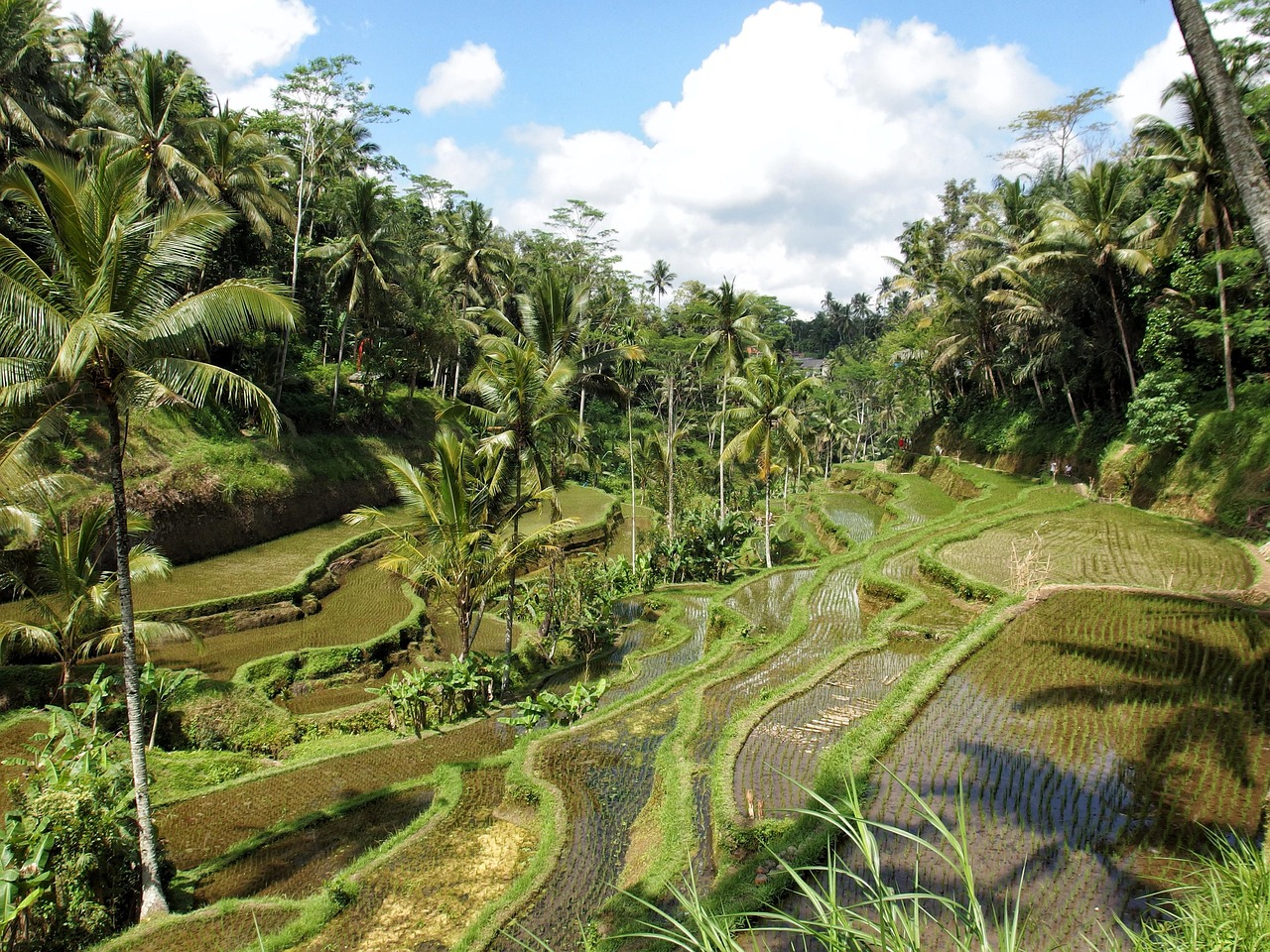
Yoga and spa in Ubud—wellness rituals and crafted dining near the Ayung River
This yoga in Ubud luxury spa wellness retreat Ayung River dining chapter is for travellers who want restoration without performance. Ubud is famous for wellness, yet the most meaningful experiences are often quiet: a morning class where your breath syncs with distant birdsong, or a massage where Balinese herbs soften tension you didn’t realise you were holding. If you’re planning a week in Ubud, consider this your permission to slow the agenda and deepen the feeling.
Choosing the right yoga class in Ubud: studios, levels, and atmosphere
Practice here can be transformative, especially in open-air spaces overlooking rice fields. Many luxury travellers recount unforgettable mornings in an airy studio, moving gently as the light shifts across the valley—describing a deep sense of peace and connection to nature. Choose classes by level, and don’t be shy about starting with a beginner or slow flow if you’re arriving tired.
The Yoga Barn is the best-known hub, lively and communal. If you prefer quieter energy, seek a smaller yoga studio slightly outside the main lanes; you’ll often find more personal attention and a softer atmosphere. Either way, Ubud rewards consistency: two or three sessions spaced across your stay can change the quality of your sleep, mood, and presence.
Wellness retreats and luxury spa rituals: traditional Balinese care without over-scheduling
Wellness in Ubud doesn’t need to be extreme to be effective. A gentle retreat rhythm might include breathwork, sound sessions, and restorative movement—balanced with long breakfasts and time to read. The key is not over-scheduling, especially if you’re also fitting in temples, markets, and day trips. Let the island set the tempo, and build in pauses that allow the experience to land.
When it comes to spa time, Bali excels. Look for treatments using traditional Balinese herbs, warm oils, and grounding techniques that focus on circulation and calm. Pre-booking supports a seamless experience: you can request your preferred therapist, choose a time when you’ll naturally want rest (late afternoon is ideal), and return to your villa without feeling like you’re still “running the day”.
A romantic evening above the Ayung River: dining well and slowing down
For couples, one of the best things in Ubud is a dinner designed around atmosphere. A pair we know still talk about their cliffside table overlooking the Ayung River: the pacing was unhurried, the service felt intuitive, and the Balinese fusion menu was tailored to their preferences with gentle confidence. Imagine candlelight, a warm breeze, and the river far below—romance without any need for spectacle.
To dine well, choose a mix: one refined tasting-style dinner, one relaxed warung with exceptional local flavours, and one chef-led spot focused on seasonal produce. Ubud is where “healthy” food can still feel indulgent, and Bali’s best kitchens often include local ingredients with thoughtful technique and a sense of place.
Coffee plantation visits near Ubud: local families and a careful note on Kopi Luwak
A coffee stop can be unexpectedly personal. A solo traveller told us about visiting a family-run plantation near Ubud, where she learned how coffee is cultivated and processed, then sat on a porch sampling cups with a view into the green. The kindness was simple and genuine—conversation, laughter, and a feeling of being looked after without being sold to.
If you’re curious about Kopi Luwak, choose producers with transparency you can trust. Ask questions, look for humane practices, and don’t feel obliged. In Ubud, the best taste notes are often from straightforward, well-roasted beans enjoyed slowly, with the jungle humming in the background.
What Stays with You After Ubud, Bali: Travel Guide Reflections on Meaning
This Ubud travel guide reflection isn’t about planning your next stop; it’s about noticing what changed while you were here. Ubud is home to a kind of stillness that doesn’t announce itself. It arrives in small ways—how you walk more slowly, how you listen more carefully, how you stop checking the time because the day feels complete without constant accomplishment.
You may remember a temple bell in the distance, or the scent of frangipani near a courtyard wall. You may remember the quiet confidence of Balinese hands arranging offerings, or the way a stranger’s smile made a busy moment feel human again. In Ubud, together can mean many things: sharing a path on the ridge walk, exchanging a few words at the market, or simply being held by the landscape without needing to explain yourself.
Long after you leave Bali, the beauty of Ubud can return in flashes. It might be the memory of morning light on rice fields, or the feeling of warm water on your hands at a temple fountain, or a single textile you bought after a long conversation—something you didn’t rush, something you chose with care. A recent trip to Ubud often becomes a reference point: proof that presence is possible, and that patience can be practised like a craft.
And perhaps that’s the lasting gift. Not a checklist of places in Ubud, but a softer attention you carry back into ordinary days. When the world feels too loud, you may find yourself thinking—without urgency, without longing—of dusk settling over rice paddies, and the quiet idea of going back to Ubud. If you’re ever unsure where to start, remember that Ubud travel guide planning can be simple: pick one temple morning, one market stroll, one nature walk, and let the rest unfold.
F.A.Qs: Ubud in Bali Indonesia travel guide
Is Ubud in Bali worth visiting for first-timers?
Yes—Ubud is one of the best places in Bali for culture, nature, and wellbeing in one setting. You can explore a temple, walk through rice fields, enjoy boutique design stays, and reset with yoga or a spa ritual. For high-end travellers, Ubud is especially rewarding because private drivers, expert guides, and thoughtful villas make the experience feel calm and personal rather than busy. If you’re visiting Ubud for the first time, focus on a few meaningful experiences instead of trying to see everything.
Is $1000 enough for a week in Bali if you base yourself in Ubud?
It depends on your travel style and where you stay in Bali. For a luxury week in Ubud, $1000 is unlikely to cover high-end villas, private drivers, and refined dining, especially once you add entry fees and a few spa treatments. For a mid-range trip, it may be workable with careful choices, simple guesthouses, and fewer paid tours. If you want seamless comfort, plan a higher budget so experiences—like private guides and curated day trips—feel unhurried.
Is it safe to walk in Ubud at night as a tourist?
Ubud is generally considered safe, and many travellers enjoy evening walks in central streets. That said, take sensible precautions: stick to well-lit areas, watch for uneven pavements, and be mindful of scooter traffic. If you’re staying outside the centre of Ubud, it’s often more comfortable to use a driver after dark. Keep valuables secure, as you would in any tourist area.
Is Bali friendly to Americans visiting Ubud?
Yes—Bali is widely seen as welcoming, and many Americans feel genuinely cared for by local hosts. In Ubud, kindness often shows up in small gestures: helpful directions, patient explanations at a temple, or warm conversation at a market stall. Respectful behaviour matters anywhere: dress modestly for temple visits, follow local guidance, and approach Balinese culture with curiosity and care.