Post Contents
- Why visit Ubud’s Sacred Monkey Forest Sanctuary in Bali, Indonesia – what to expect
- Inside the Sacred Monkey Forest Sanctuary in Ubud, Bali, Indonesia – jungle paths, statues, and living temples
- Long-tailed macaque safety tips for Ubud Monkey Forest in Indonesia – meet monkeys with confidence
- Ubud Monkey Forest entrance fee and ticket prices – best time to visit for a seamless plan
- Sangeh Monkey Forest vs Monkey Forest in Ubud, Bali, Indonesia – which fits your style?
- Ubud, Bali, Indonesia reflections after visiting the Sacred Monkey Forest Sanctuary
- FAQs: Monkey Forest in Bali Indonesia
Why visit Ubud’s Sacred Monkey Forest Sanctuary in Bali, Indonesia – what to expect
Why visit Ubud’s Sacred Monkey Forest Sanctuary in Bali, Indonesia
If you’re deciding whether the monkey forest in bali indonesia belongs on your itinerary, Ubud’s Sacred Monkey Forest Sanctuary is one of the easiest places to see culture and wildlife side by side. It’s a popular attraction for travellers who want a genuinely balinese atmosphere, while still getting that electric, unscripted moment when a monkey crosses your path. For adventure seekers, it’s a must-see because the walk is simple, but the encounters never feel staged.
The Ubud Monkey Forest sits in the heart of Ubud, so it’s effortless to combine with cafés, galleries, and a temple stop without racing across bali. It’s also one of the most memorable things to do in Ubud because you’re not watching from a distance—you’re moving through a living landscape where belief, conservation, and daily life overlap. If you decide to visit the sacred monkey forest, expect a gentle stroll with sudden, funny bursts of monkey drama.
Visit Ubud with local insight from Padangtegal village – a community-run monkey sanctuary
What many first-time visitors don’t realise is how closely the sanctuary is tied to local life in padangtegal. The forest is managed with community care, and its temples remain active within daily balinese hindu practice, so it still feels like a working sacred space rather than a theme park. You’ll notice quickly that this isn’t a zoo-like cage environment; it’s a shared place where travellers are guests and respect is the price of entry.
That’s why a calm approach matters. When you move slowly and give each monkey room, the sanctuary reveals small details—offerings near a temple gate, the hush under trees, and the way the groups flow around you as if you’re simply passing through their home. It’s also a good mindset to bring on any visit ubud day: observe first, react second.
Know before you go: Ubud Monkey Forest guide for a relaxed first visit
To help you plan a confident visit to ubud, this guide focuses on what you’ll see, how to stay calm around a bold monkey, and how to keep your walk safe, seamless, and respectful. I’ll also share moments travellers often recount—like baby monkeys approaching with mothers nearby—so your expectations feel clear rather than nervous. Consider this your “know before you go” promise for a smoother, more enjoyable experience.
If you’d like to browse more crafted ideas for island-hopping, temples, and wild landscapes across Indonesia, you can explore our Trip gallery.


Inside the Sacred Monkey Forest Sanctuary in Ubud, Bali, Indonesia – jungle paths, statues, and living temples
Inside the Sacred Monkey Forest Sanctuary in Ubud, Bali, Indonesia
Stepping into the sanctuary, you’ll notice the temperature drop before anything else—the shade deepens, the air softens, and the path narrows beneath banyan trees. A serene river threads through the grounds, and stone guardians turn mossy with time, creating an almost storybook stillness. This is inside the sacred monkey forest as many travellers imagine it: green, atmospheric, and quietly alive.
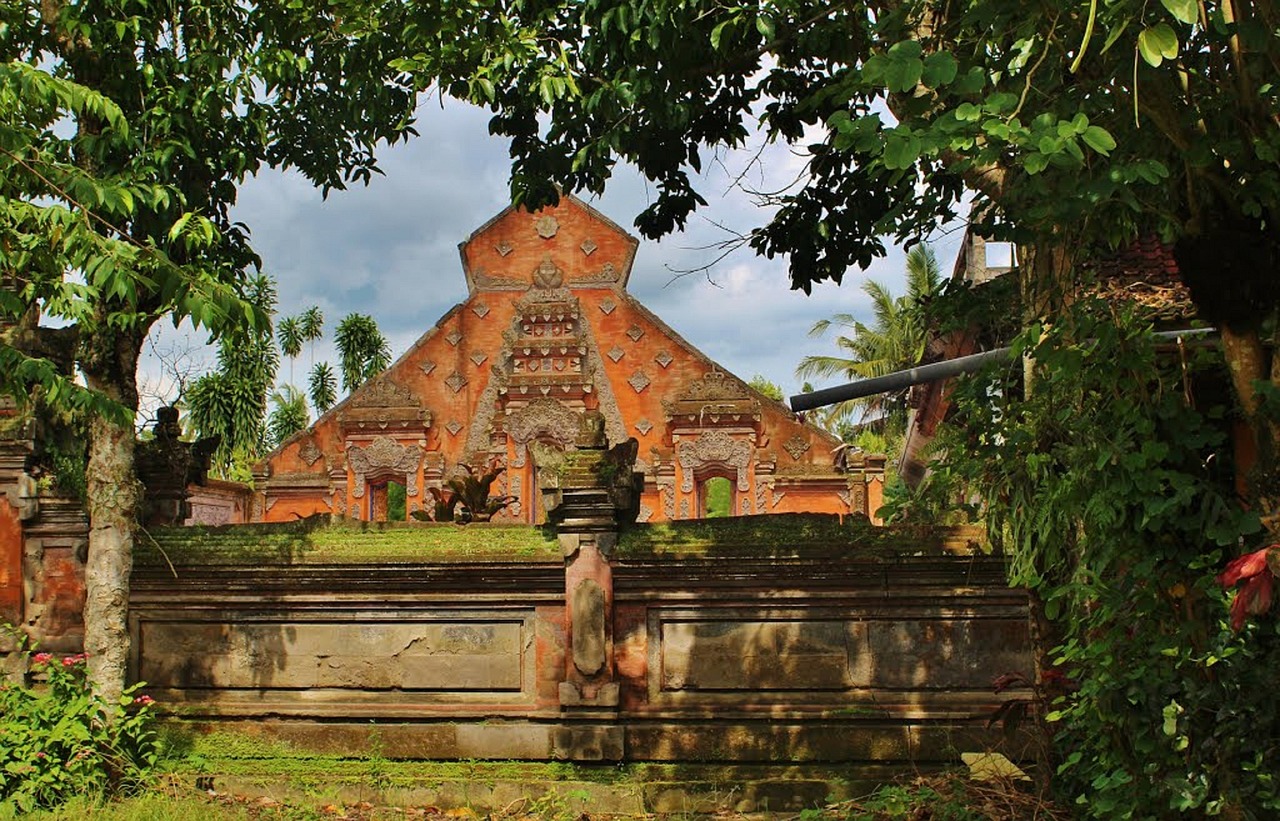
The sanctuary is a nature reserve and temple complex, designed for slow wandering rather than rushing. You’ll cross carved bridges, pass weathered carvings and moss-covered statues, and pause in shaded clearings where a monkey may be grooming, dozing, or negotiating its place in the group with comic seriousness. It’s one of the rare places where a temple complex and wildlife viewing feel naturally interwoven.
Temple etiquette in Bali: three temples, ancient temples, and 14th-century temples
Within the grounds are three temples, with the main shrines often described as ancient temples and commonly referenced as 14th-century temples (sometimes linked broadly to the 14th century in local storytelling). Whether you’re deeply spiritual or simply curious, treat these spaces as living sacred sites rather than photo props. Dress modestly, follow signage, and avoid stepping into restricted areas.
Pura Dalem Agung is the spiritual centre here, and you may also see it written as pura dalem agung padangtegal. It is a hindu temple dedicated to shiva, and that context shapes the mood—quiet, reverent, and community-protected.
Best photo spots without crowding worship spaces
If you enjoy taking lots of photos, you can do it with care and space. Look for moss-covered statues near the pathways, banyan roots curling around old stone, and split-gate angles that frame jungle depth behind temple architecture—these are some of the best photo spots without interrupting worship. Pause, let others pass, and you’ll often capture a cleaner composition and a calmer scene.
One small expert habit: take a few images near the entrance, then put your camera away for five minutes. When you reconnect with the sounds of water and leaves, you’ll notice subtle details—stone textures, filtered light, and small group interactions—that make your next shots feel more personal.
Long-tailed macaque safety tips for Ubud Monkey Forest in Indonesia – meet monkeys with confidence
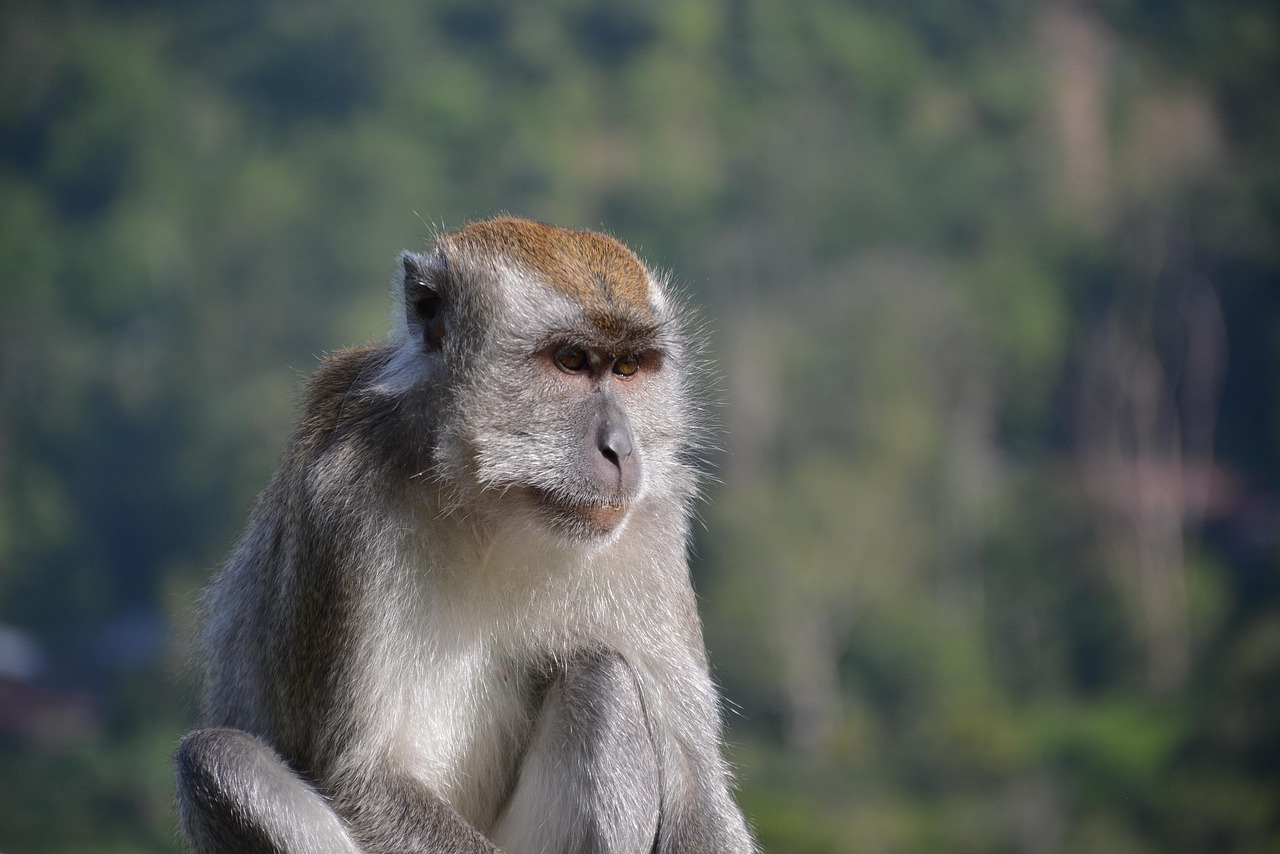
Long-tailed macaque safety tips for Ubud Monkey Forest in Indonesia
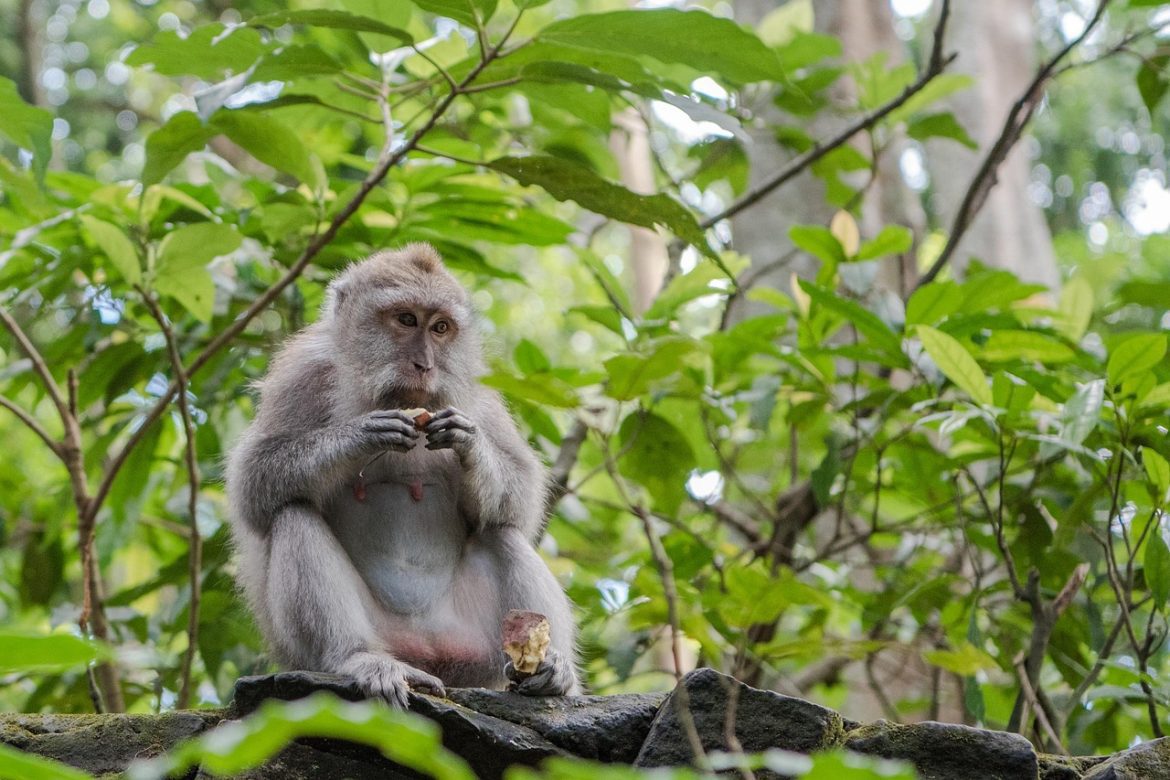
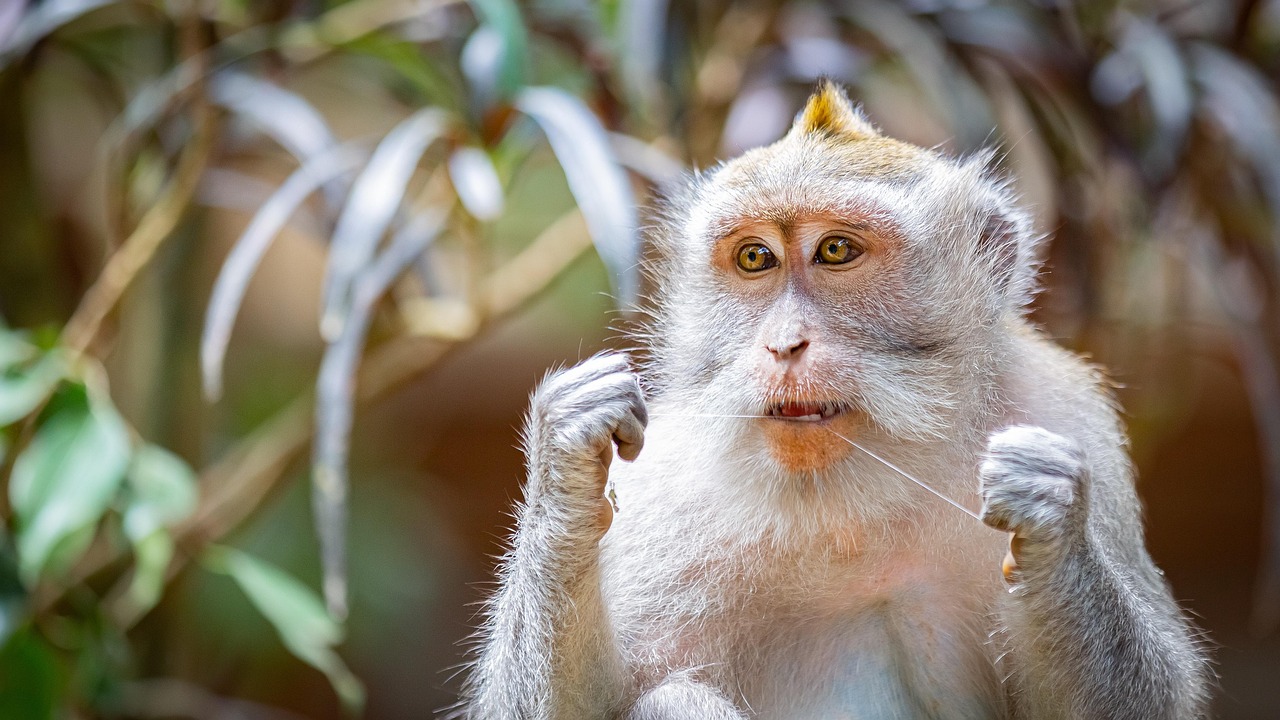
If you’re searching for long-tailed macaque safety advice, you’re really asking one thing: how do I enjoy this without feeling on edge? The residents here are balinese long-tailed macaques (macaca fascicularis), also known as the crab-eating macaque. They are wild animals living in their natural habitat, and that’s what makes a long-tailed macaque encounter so energising.
In the Ubud Monkey Forest, a monkey may approach as if you’re mildly interesting rather than intimidating. The key is to respond with calm confidence—no sudden movements, no dramatic reactions, and no bargaining with snacks.
How to stay calm: confidence cues with playful monkeys
Think of body language as your quiet conversation with a macaque. Avoid prolonged eye contact, keep your posture relaxed, and leave a clear route so you’re not cornering a monkey or blocking its escape. Playful monkeys test boundaries, especially if they spot food, attention, or anything shiny swinging from a strap.
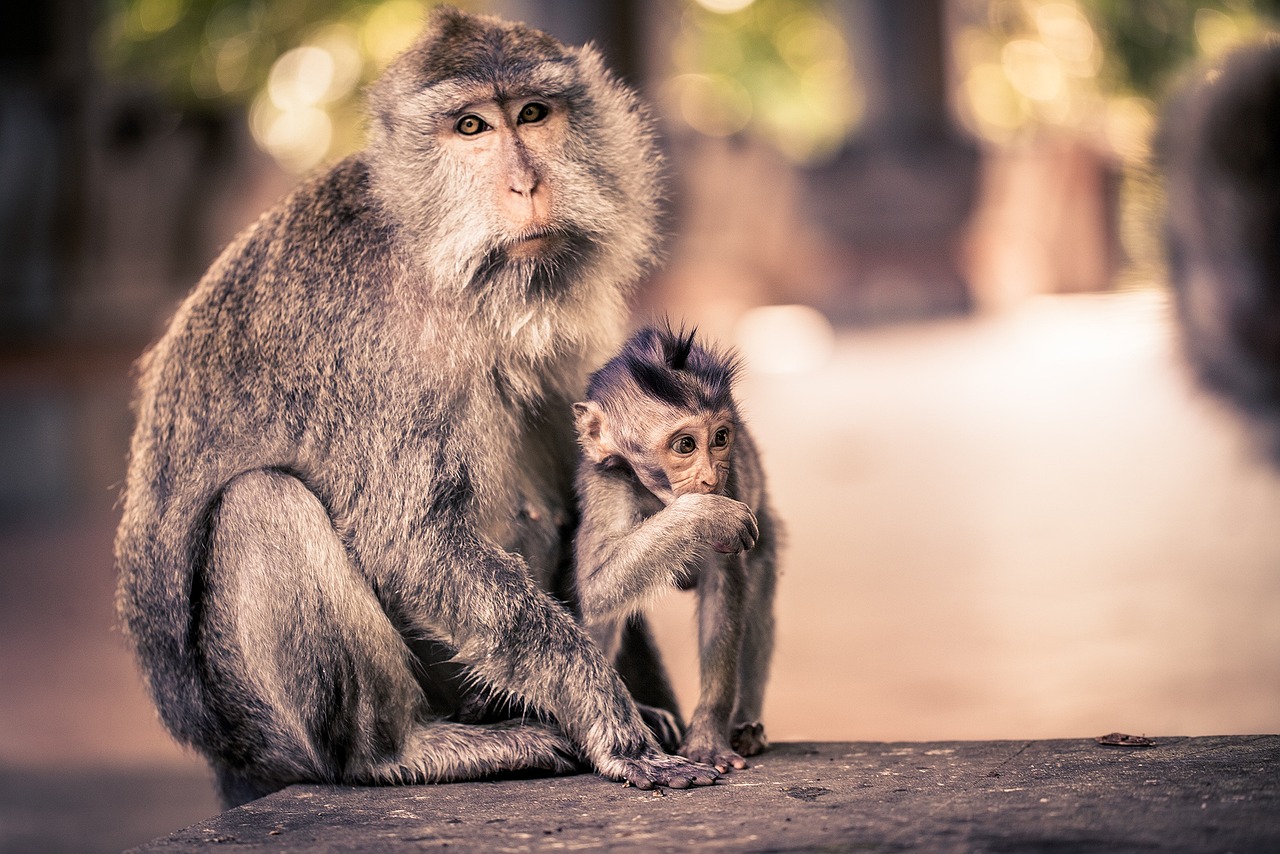
Many stories from travellers are unexpectedly tender. One described young monkeys approaching cautiously, guided by their mothers, and said it felt like being invited into a family’s careful circle. Another laughed about a quick shoulder-hop moment—thrilling, photogenic, and a reminder that stillness beats excitement when a long-tailed visitor decides you’re part of the scenery.
Monkey selfie rules, feed the monkeys safely, and rabies awareness
Interactive moments can happen, but they must be responsible. Staff may allow you to feed the monkeys only with approved food; if you choose to do it, follow guidance, keep your hands open, and move slowly. Never offer human food, and never tease a monkey for a reaction just to get a monkey selfie—the best photos happen when the animal stays relaxed and in control.
It’s also wise to be plain about health: rabies risk exists anywhere wildlife and humans meet, even if incidents are uncommon. If you are scratched or bitten, wash the area immediately with soap and water, seek medical advice promptly, and tell staff so they can support the right next steps.
Ubud Monkey Forest entrance fee and ticket prices – best time to visit for a seamless plan
Ubud Monkey Forest entrance fee and ticket prices
If you’re researching the Ubud Monkey Forest logistics, the good news is that it’s easy to organise—especially if you plan with intention. The sanctuary is open daily, and most visitors spend 60–120 minutes inside, depending on how long they linger for quiet observation and photos. This makes it a simple add-on before lunch, a massage, or a temple visit elsewhere in Ubud.
The entrance fee is approximately 80,000 IDR (treat all ticket prices as subject to change and confirm on arrival). It’s reassuring to know your ticket supports conservation, site maintenance, and local management, which is part of why this experience feels thoughtful rather than extractive.
When to go for a quieter experience in central Ubud
Early morning or late afternoon tends to deliver a quieter experience, with softer light and paths that feel more less crowded than midday. In the rainy season, expect humidity and slick stones—shoes with grip help, and a small towel can feel like a luxury. Take breaks, hydrate, and treat the walk as a slow exploration, not a checklist.
Travel tips for getting there, belongings, and what to do if a monkey grabs something
As a reference point, ubud monkey forest is located near jalan monkey forest in central ubud, so you can arrive by taxi or scooter from ubud town in minutes. Parking exists, but it fills quickly in peak periods; if you’re planning a smooth day, ask your driver to drop you and meet you later. Bali’s walkable café-and-gallery rhythm makes this stop easy to slot between other plans.
- Secure belongings: Monkeys love anything shiny. Tuck away sunglasses, keep phones close, and avoid dangling straps.
- Skip visible snacks: Don’t carry food openly; keep water bottles inside a bag when possible.
- If a monkey snatches something: Don’t chase. Step back and ask staff for support—calm de-escalation protects you and the animal.
- What to wear: Modest clothing for temple areas, plus comfortable shoes for uneven stone paths.
- Toilets and comfort: Facilities are available; plan a quick stop before you head deeper into the forest lanes.
This is the kind of site where a little preparation creates a noticeably calmer visit. When you remove friction—heat stress, loose items, uncertainty—you leave more room for wonder and observation.
Sangeh Monkey Forest vs Monkey Forest in Ubud, Bali, Indonesia – which fits your style?
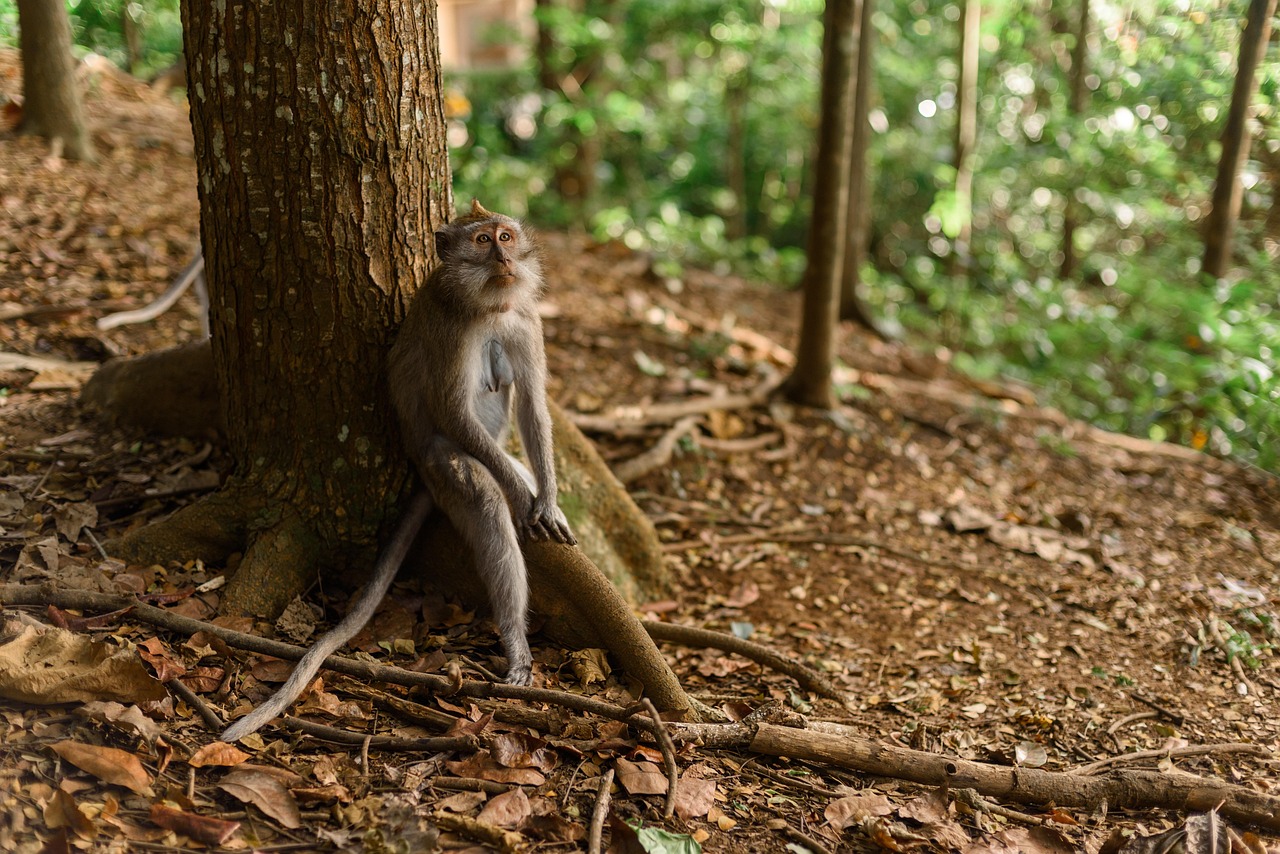
Sangeh Monkey Forest vs Monkey Forest in Ubud, Bali, Indonesia
If you’re comparing sangeh monkey forest with the monkey forest in ubud, you’re already travelling like an insider—curious about pace, atmosphere, and setting. The Ubud site is immersive and iconic, with an active temple presence and a constant flow of people along the pathways. Sangeh can feel more spacious and calm, which some travellers prefer for a slower wildlife-focused stroll.
Both places can be meaningful, and both ask for the same core approach: respect each monkey’s space, follow local rules, and choose sites that support community stewardship. If you’re staying in Ubud, the Ubud option is the most convenient; if you’re exploring wider Bali, Sangeh is a great alternative day stop.
Sightsee beyond Monkey Forest Bali – temples, crafts, and natural beauty
To extend the nature-and-culture thread, consider pairing monkey forest bali with experiences that balance adrenaline and calm. You might visit a nearby temple, then slow the pace at rice terraces, or drop into a craft studio where artistry and ritual sit together. The goal isn’t to “do more”, but to build a day that feels coherent—wildlife, devotion, and natural beauty in one arc.
Choose experiences that support conservation and community care in Bali’s cultural landscapes
When you book mindfully and spend locally, you help protect the places you’ve come to admire. Look for transparent ticketing, clear welfare guidelines, and respectful visitor education—especially at high-traffic sites. In Bali’s most beloved places, your presence becomes part of the story, so let it be a story of care rather than consumption.
A gentle rule I live by: if an experience requires an animal to be stressed for your entertainment, it isn’t worth it. The strongest memories are often the quiet ones, when you watch behaviour unfold naturally and leave without disrupting the scene.
Ubud, Bali, Indonesia reflections after visiting the Sacred Monkey Forest Sanctuary
After a morning in Ubud, what stays with you isn’t one perfect photo—it’s the feeling that a peaceful jungle and sudden monkey chaos can coexist. Somewhere near a temple wall, you hear water moving and leaves turning, and the world feels briefly simplified. It’s a reminder that travel can be vivid without being loud.
I keep thinking of a small hesitation: one of the baby monkeys paused at the edge of a path, then stepped forward with its mother close behind, watchful but not panicked. That tiny moment carried a lesson about boundaries and tenderness, and about how confidence can be quiet. The most rewarding sightings are often the ones you don’t force.
Walking back into town, I felt newly attentive—offerings placed with care, locals moving with unshowy respect, and the sense that adventure doesn’t always need noise. The forest asked for observation rather than control, and that request stayed with me, soft but steady. If you’re planning to visit ubud again, it’s a beautiful place to return to with fresh eyes.
Even now, when I imagine returning to Bali, it isn’t to repeat the same steps exactly—it’s to discover what other stories might unfold when you slow down enough to notice them.
FAQs: Monkey Forest in Bali Indonesia
Is it worth going to the Monkey Forest in Bali?
Yes—especially if you want culture and wildlife in one place. The Sacred Monkey Forest Sanctuary offers a lush jungle walk, active temples, and close observation of monkey behaviour without needing a full-day trip. Keep your belongings secure, follow staff guidance, and you’ll have a memorable visit that also supports local conservation.
Which Monkey Forest is best in Bali?
The Ubud Monkey Forest is the most iconic choice for temple atmosphere and easy access, and many visitors like that it’s right in the centre of town. If you prefer a different pace, Sangeh Monkey Forest can feel quieter and less busy. The best option depends on whether you want an energetic cultural hub or a calmer nature focus.
Can you touch the monkeys in the Monkey Forest?
You shouldn’t try to touch them. They’re wild animals, and contact can stress them and increase the risk of scratches or bites. Keep a respectful distance, listen to staff, and avoid encouraging close contact for photos.
What kind of monkeys are in the Ubud Monkey Forest?
The sanctuary is home to Balinese long-tailed macaques, also called long-tailed macaques. You’ll see family groups grooming, playful interactions, and mothers with young along the paths. Watching their social behaviour—without interfering—is one of the most fascinating parts of the visit.