Post Contents
- Uluwatu Temple in Bali cliff overlooking the indian ocean Indonesia with panoramic views
- Guide to Uluwatu Temple opening hours entrance fees sarong sash Indonesia
- Uluwatu Kecak dance kecak fire dance sunset Indonesia at the amphitheater
- Explore uluwatu temple shrine clifftop pura luhur uluwatu Indonesia inside the grounds
- Near Uluwatu Suluban Beach Padang Padang Labuan Sait Beach Indonesia for natural beauty
- Visit uluwatu temple spiritual experience bali Indonesia that stays with you
- F.A.Qs: Uluwatu Temple Indonesia
Uluwatu Temple in Bali cliff overlooking the indian ocean Indonesia with panoramic views
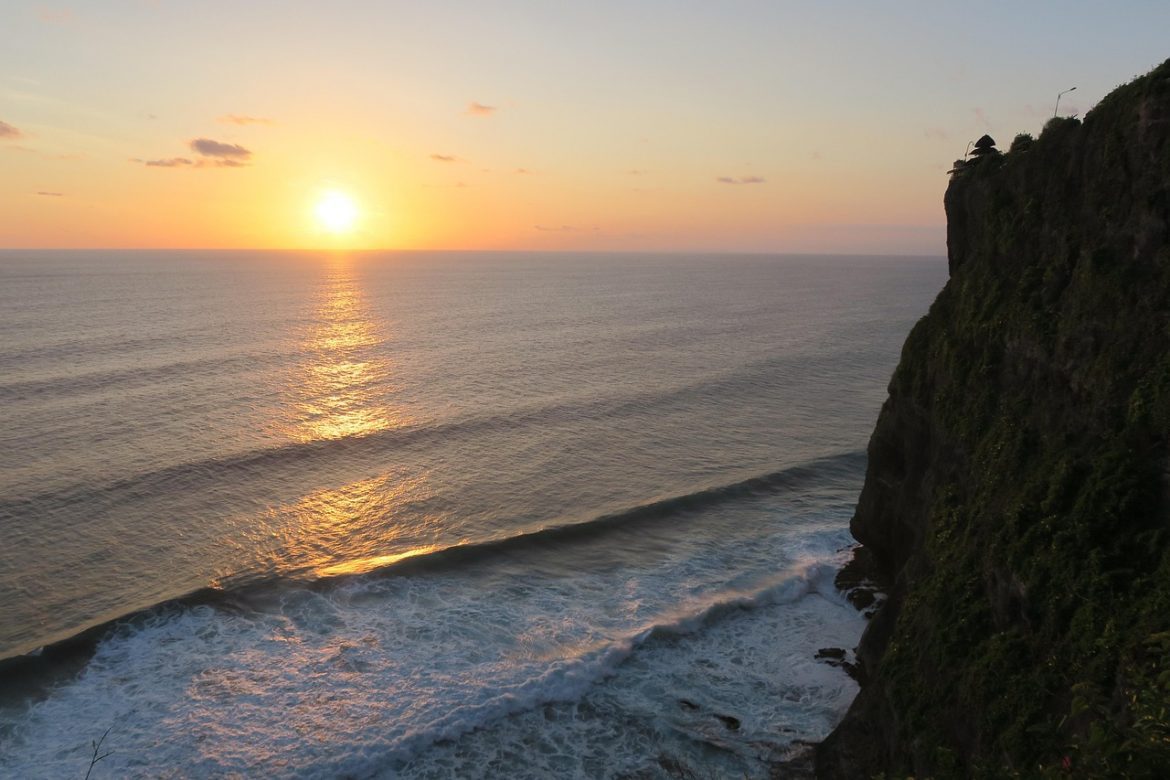
Uluwatu Temple in Bali perched above the Indian Ocean with panoramic clifftop views
For many travellers, Uluwatu Temple in Bali is the moment you truly feel the island’s edge—an ancient temple set on a steep cliff overlooking the indian ocean, about 70 metres above the water. The air here is alive: salt, frangipani, and that unmistakable hush that falls when a place is both beautiful and deeply revered. If you’ve come to Bali to explore with confidence, this is an attraction that rewards you slowly, step by step, view by view.
Uluwatu Temple is one of bali’s six key temples, part of the island’s spiritual guardianship, positioned to revere and protect the coastline. Locals speak of this temple as more than architecture—an anchor point in Balinese culture and a living link to Balinese Hindu tradition. Even if you arrive with cameras ready, you’ll notice how naturally people soften their voices and move with care.
Pura Luhur Uluwatu and the 11th century spiritual story
Known formally as pura luhur uluwatu, the temple is associated with the javanese sage dang hyang nirartha, and a lineage that reaches back to an 11th century spiritual heritage. There’s a sense of continuity here—offerings placed, prayers whispered, and generations learning how to share sacred space together. You don’t need to be an expert to appreciate it; you only need curiosity, trust, and a willingness to let the place speak first.
One personal vignette I return to often is the first time I noticed the contrast: the roar below, and the stillness above. I could smell incense drifting along the cliffside path, while the ocean views opened wider with each turn. It felt like the island was inviting me to imagine travel differently—less about ticking off sights, more about allowing moments to unfold.


Guide to Uluwatu Temple opening hours entrance fees sarong sash Indonesia
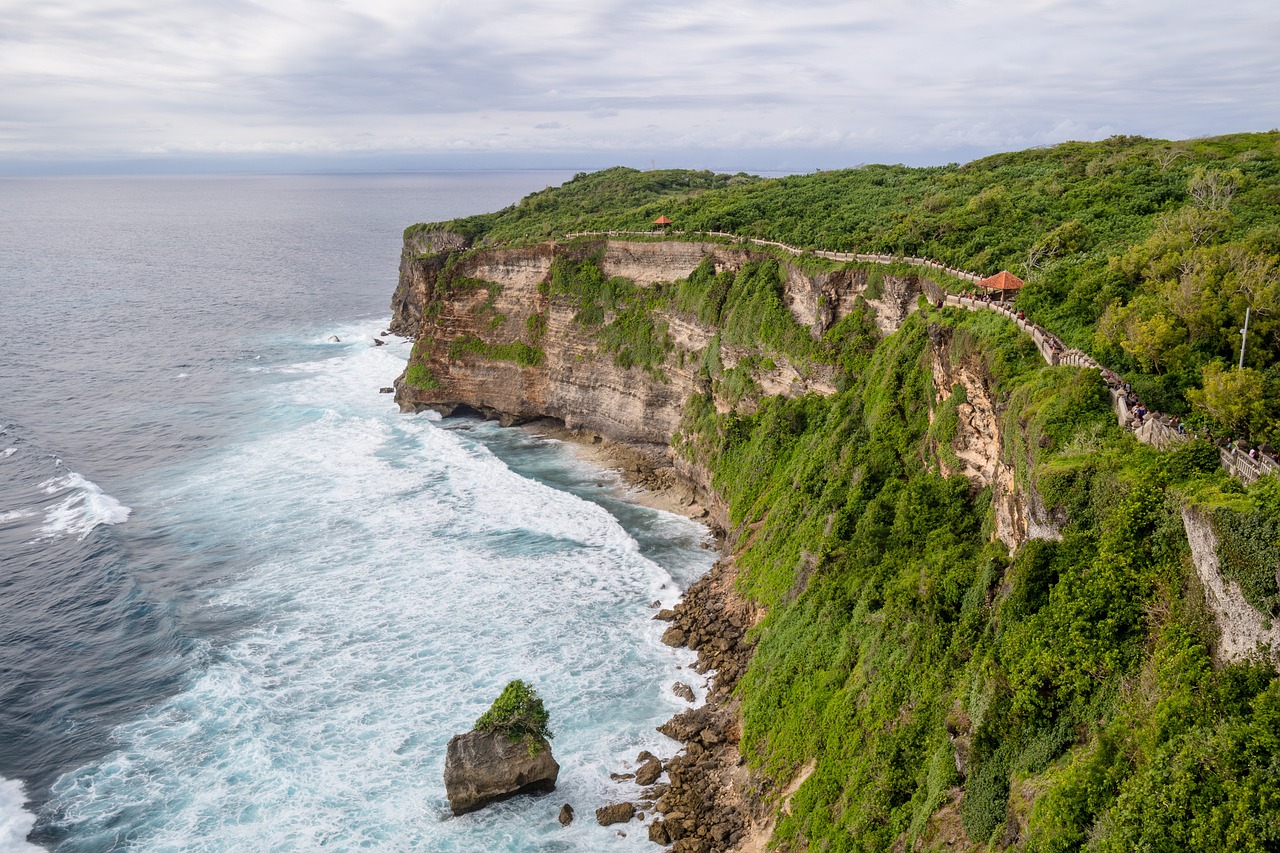
Guide to Uluwatu Temple opening hours, entrance fees, and sarong etiquette in Indonesia
This guide to uluwatu temple planning begins with timing: for most adventure seekers, the sweet spot is late afternoon, when heat eases and the sunset builds without the busiest mid-day crowds. Use this as your crafted rhythm—arrive, settle in, wander the temple paths, then stay for the dance performances as evening arrives. The staff are used to visitors and can support you with calm directions if you’re unsure where to go next.
Tickets, entrance fees, and what’s included
Expect entrance fees of around 50,000 IDR per person, with an additional charge if you’re attending the Kecak show. At entry, a sarong and sash are typically provided; temple etiquette here is simple and warm: must wear a sarong, dress modestly, and remember it is an active place of worship. When you see a worshipper praying, give them space—quiet respect creates a better experience for everyone, including you.
Opening hours can vary slightly by day and ceremony, but the late-afternoon flow generally works well even on busy weeks. If you want more context for your route through Indonesia, you can browse our Trip gallery for design ideas that feel seamless rather than rushed.
Arriving smoothly and staying safe around monkey groups
For transport, arriving by scooter offers freedom, while a taxi or private driver from South Kuta keeps it effortless—parking is near the entrance, which helps you conserve energy for exploring. And yes, the monkey presence is real: you may spot wild monkeys and macaque monkeys close to paths and railings. They’re part of the landscape, but they are curious, quick, and sometimes opportunistic.
- Secure jewellery, hats, and any loose sunglass; keep valuables zipped in a bag or pocket.
- Avoid feeding animals—this protects both visitors and the monkey families.
- If one approaches, pause, breathe, and step away slowly; staff can help if needed.
With a little preparation, you’ll move through the temple with confidence and care—exactly the kind of detail that turns a good day into a designer journey.
Uluwatu Kecak dance kecak fire dance sunset Indonesia at the amphitheater
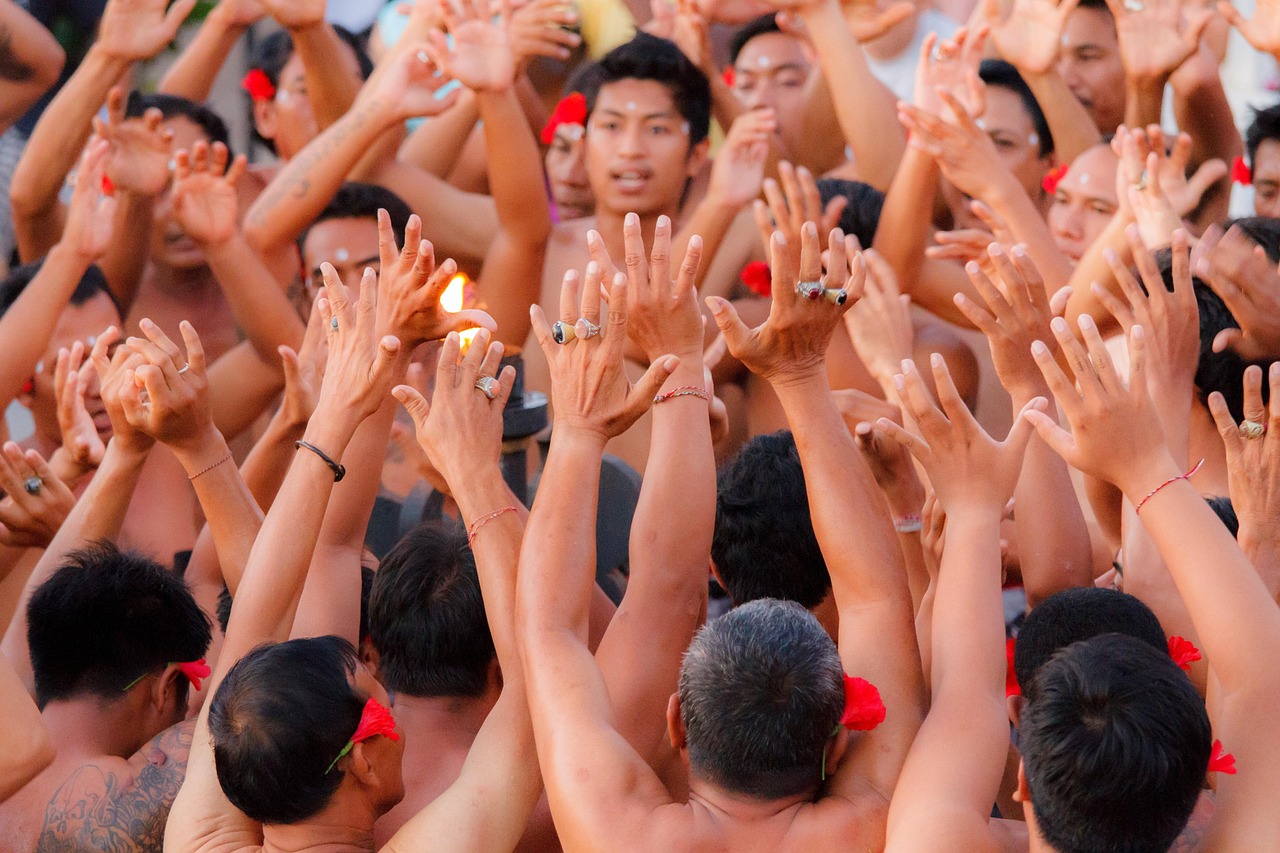
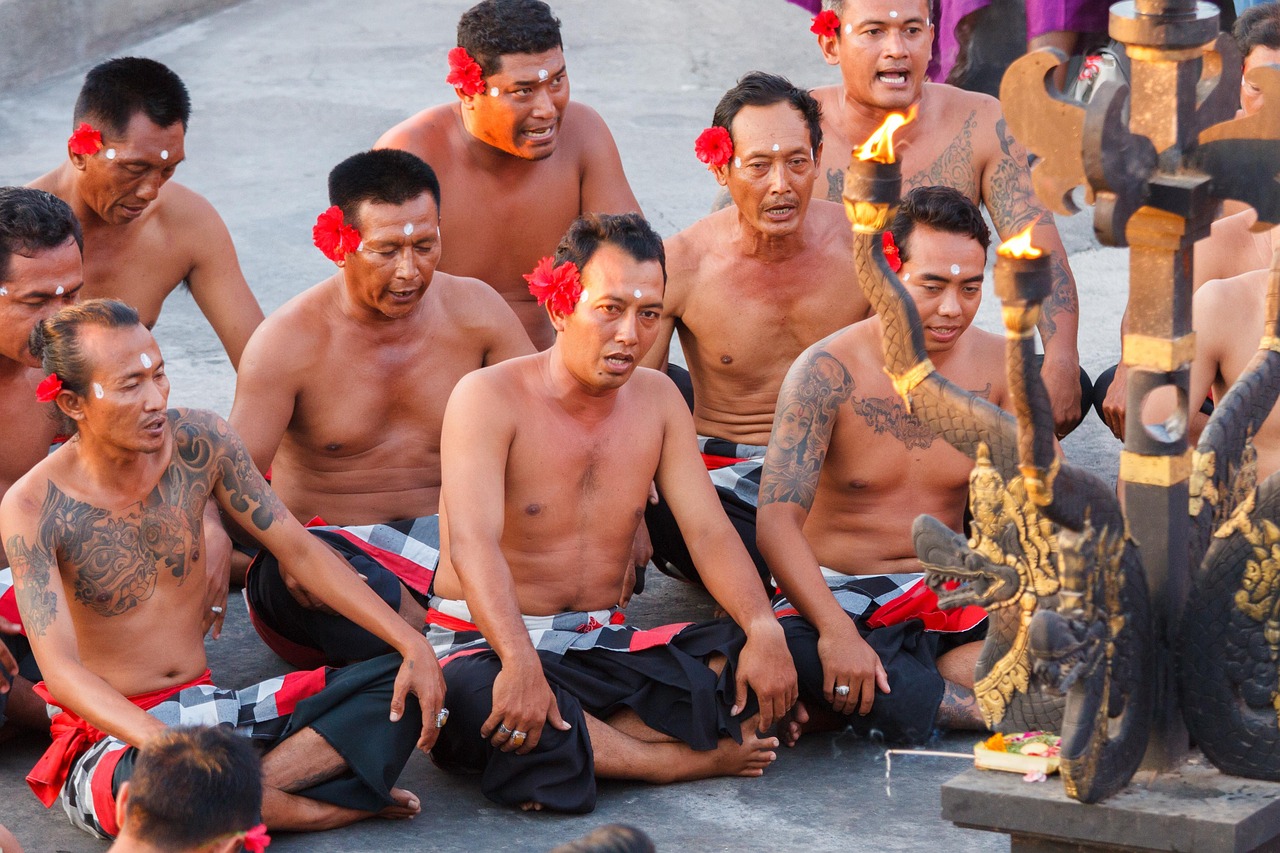
Uluwatu Kecak dance performance at sunset with fire dance energy in Indonesia
The Uluwatu evening is designed by nature: a glowing horizon, a gathering hush, and then the first beat of human voice. For many, the uluwatu kecak dance is the most unforgettable part of visiting Uluwatu Temple—staged in an open-air amphitheater where the sunset backdrop does half the storytelling. As the light softens, the chant rises—“cak-cak-cak”—and you feel the air change.
What makes Kecak so hypnotic at Uluwatu
Kecak is famous for what it doesn’t use: no instruments, just a circle of voices building rhythm and tension through breath and repetition. That vocal pulse wraps around you, and the cliffside setting makes it feel even more immersive. When the fire dance begins, sparks lift into the twilight and the ocean beyond darkens into velvet.
Best seats, timing, and the Ramayana story
To catch the best sunset views and photographs, aim for best seats that face the horizon—usually the upper rows give you a cleaner line over heads and torches. Start times can shift with season, but a common evening performance begins around 07.00 pm; staff will direct you with reassuring clarity if you arrive early and ask. This is where high-end travel can feel beautifully simple: you plan the essentials, then let the atmosphere do the rest.
The story draws from the ramayana: Prince Rama, Sita, and the struggle against Rahwana, the demon king. In many versions, the circle of male performers becomes an ocean of sound, protecting the heroes from evil spirits as the flames flare. Travellers often tell us that as the sun sets and the last light slips away, the performance becomes more than entertainment—it feels like myth and place are briefly stitched together.
Explore uluwatu temple shrine clifftop pura luhur uluwatu Indonesia inside the grounds
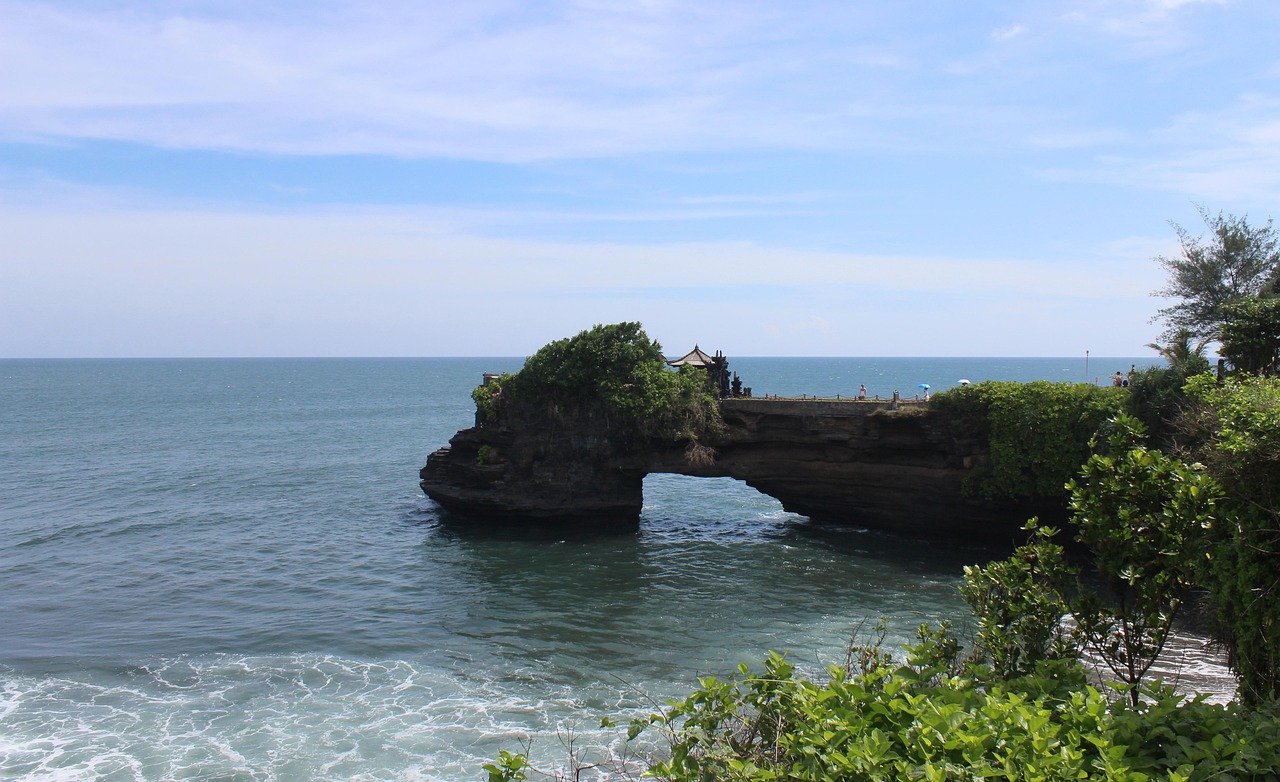
Explore Uluwatu Temple shrine paths and clifftop walks inside the grounds in Indonesia
To truly explore, give yourself permission to slow down. When you explore uluwatu temple shrine clifftop pura luhur uluwatu Indonesia routes, you’ll find a gentle loop of paths inside the grounds, punctuated by viewpoints that make you stop without meaning to. The full circuit takes about an hour if you pause for photos, breathe in the sea air, and allow the space to open around you.
Shrines, symbolism, and cultural heritage in gentle focus
Keep your attention on details: stonework, offerings, and the calm geometry of padmasana shrines. You may hear guides reference Brahma, Vishnu, and Siva Rudra; it’s best received as cultural heritage rather than a lecture—each element can symbolize different aspects of creation, preservation, and transformation. In this context, a revered hindu tradition is something you witness with humility, not something you need to “attain” intellectually in a single visit.
There are also light historical threads tied to mpu kuturan and empu kuturan, reflecting how Bali’s temple system evolved and organised community worship. It’s enough to know that the temple is both ancient and present, dedicated to a balinese hindu deity and cared for by local guardians who keep it alive.
Clifftop comfort and safety for a seamless visit
The clifftop is exposed, and the cliff edge viewpoints can feel thrilling—especially if you’re travelling with an adventure-seeker’s heart. Wear sun protection, stay hydrated, and pace yourself; small choices create a more seamless experience. And while guide is not required, a little local insight from staff or a respectful local guide can deepen your trust in what you’re seeing and why it matters.
- Choose grippy footwear for uneven stone and shaded steps.
- Carry water and pause in shade when you feel the heat build.
- Keep a polite distance from ceremonies and never step over offerings.
Near Uluwatu Suluban Beach Padang Padang Labuan Sait Beach Indonesia for natural beauty
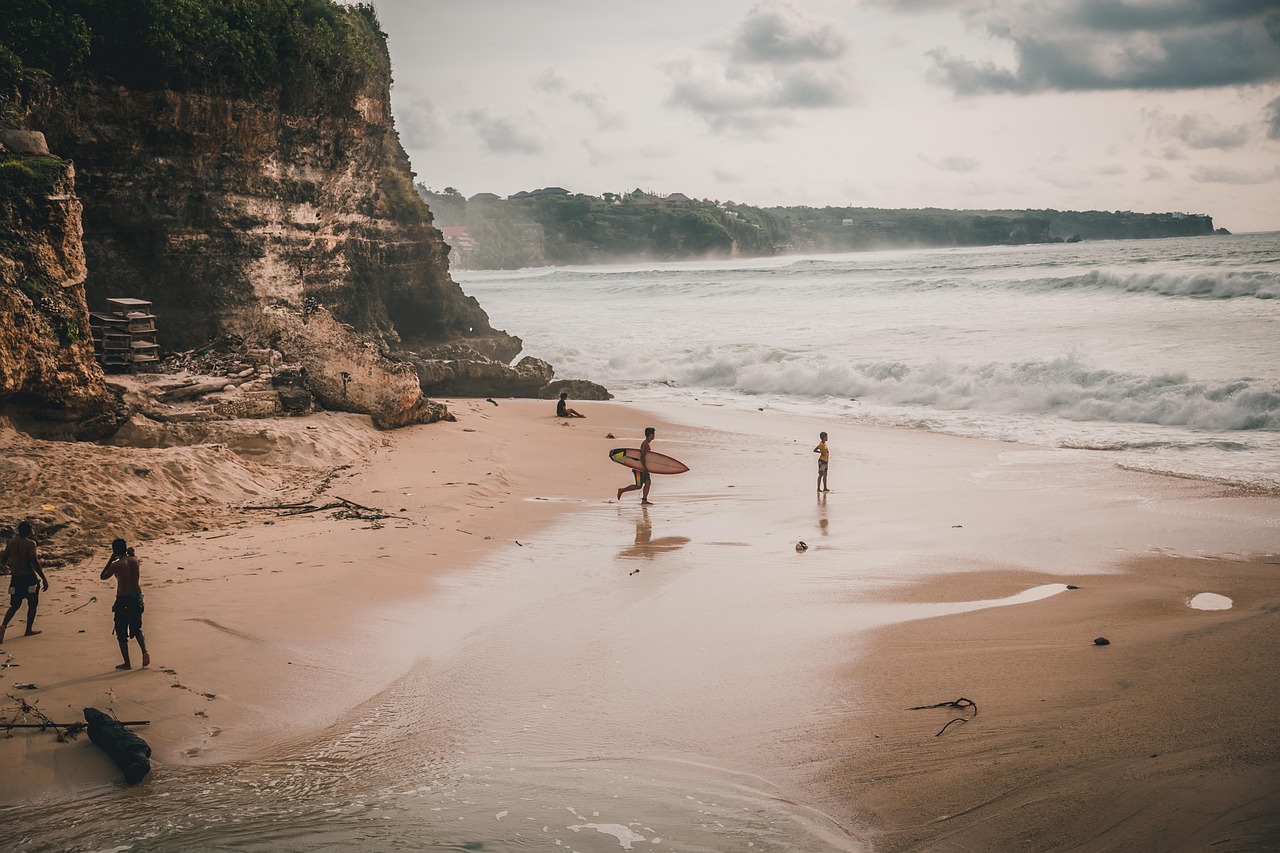
Near Uluwatu, uncover Suluban Beach, Padang Padang, and Labuan Sait Beach in Indonesia
After the temple, your adventure doesn’t have to end—it simply changes tone. Near uluwatu suluban beach padang padang labuan sait beach Indonesia routes are ideal for travellers who want natural beauty with a sense of uncovering something quieter. Think short drives, salty air, and coastal trails that invite you to create a mini escape between culture and ocean.
The classic next step is the steep descent to Suluban: there’s a genuine thrill in navigating the stairways, squeezing between rock walls, and emerging into a hidden-cove world. More than one traveller has shared a personal story of finding a serene spot away from crowds here—surf sound echoing, the day suddenly softer. It’s a wonderful counterpoint to the ceremony and structure of Uluwatu Temple.
For a second stop, Padang Padang is a beautiful, compact beach with a lively energy, while labuan sait beach is often mentioned in the same breath as a flexible add-on. If you’re beach-hopping, keep it simple and safe—especially if you’ve been in the sun since afternoon. This is the kind of crafted pacing that supports different energy levels, whether you want one final swim or an early dinner with sand still on your ankles.
- Late afternoon at the temple, then a calm hour at uluwatu beach coves before dinner.
- If you’re tired, swap the stairs for a viewpoint and a slow drink instead.
- Pack a light layer for after dark—sea breeze can surprise you.
Many travellers say the real luxury is space: a few quiet minutes to reflect, salt on skin, and the feeling you’ve uncovered a gentler side of the cliff.
Visit uluwatu temple spiritual experience bali Indonesia that stays with you
Long after you leave, what often lingers is not a checklist, but a feeling—Uluwatu Temple held against the horizon like a thought you can’t quite shake. The memory arrives in small details: warm stone underfoot, the last echo of chant, and temple lamps beginning to glow as the sea darkens below. It can become a spiritual experience without ever needing to be performative, simply because you moved through a sacred place with trust and quiet care.
There’s something reassuring in how people share this space together—locals, travellers, and every worshipper who arrives with sincerity. In Bali, devotion sits beside daily life, and you’re invited to witness it gently, with confidence rather than certainty. Even if your evening included a single glance at a shrine and a brief pause at the gate, that moment can feel surprisingly personal.
When I think back, I don’t remember rushing; I remember listening. The cliff, the dusk, and the human voices—each one reminding me that distance isn’t only measured in miles, but in how deeply a place can touch you. If you ever return, you may find the same view waiting, and yet discover something quietly new in yourself.
F.A.Qs: Uluwatu Temple Indonesia
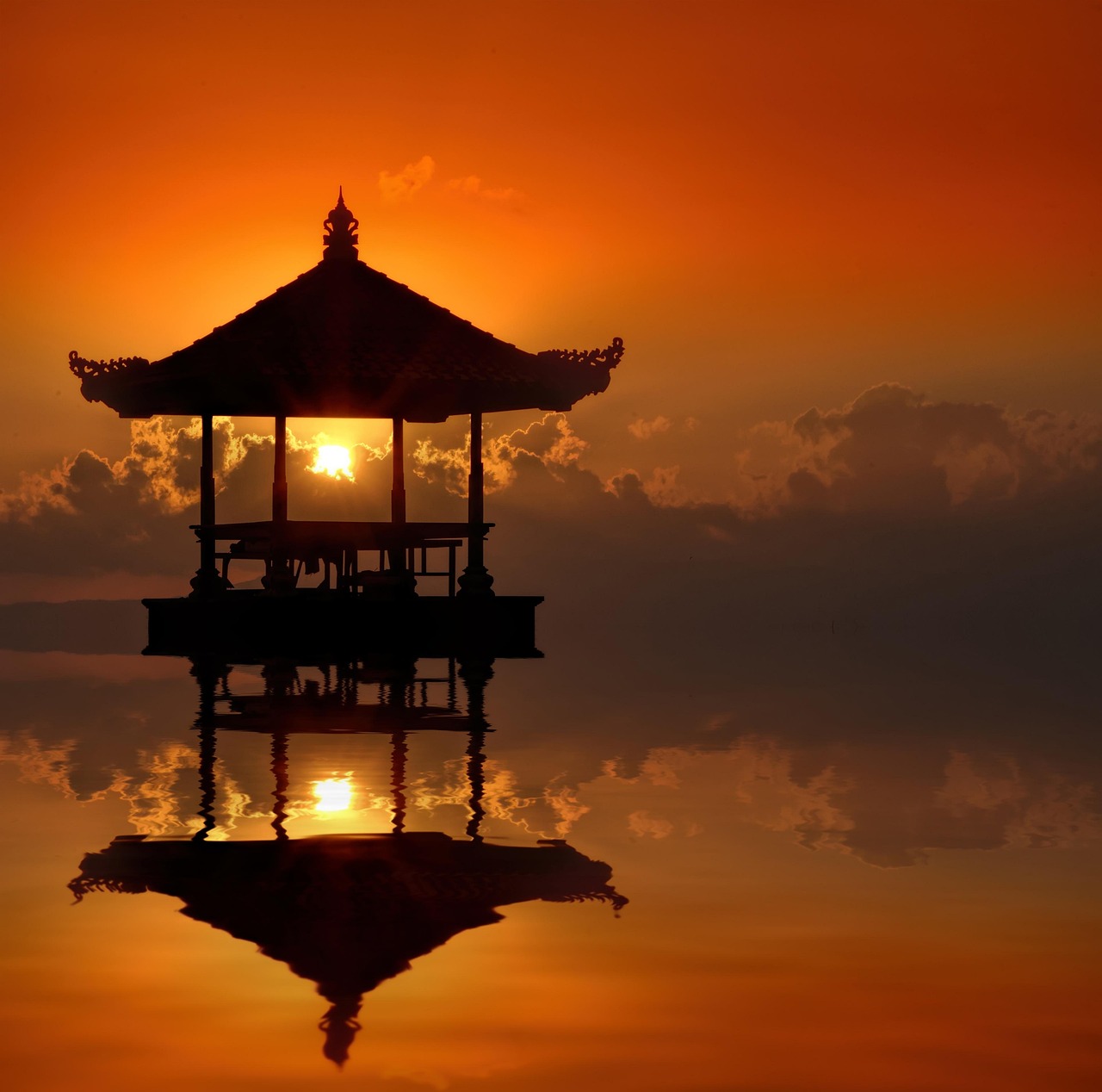
F.A.Qs: Uluwatu Temple Indonesia quick answers for sunset, Kecak, and etiquette
What is special about Uluwatu Temple?
Uluwatu Temple is special for its dramatic setting on a high coastal cliff, its sacred role in Balinese Hindu life, and its famous sunset atmosphere. Many visitors also come for the Kecak performance, where chanting and fire create a powerful experience with the ocean as a backdrop.
Is Uluwatu Temple inhabited by monkeys?
Yes. You’ll often see monkey groups, including macaques, living around the temple grounds. They can be bold, so keep valuables secured, avoid feeding them, and ask staff for support if a monkey becomes too interested in your belongings.
Can tourists enter Uluwatu Temple?
Tourists can enter the main temple grounds and walk the clifftop paths, following local rules. You’ll be asked to wear a sarong and sash, dress modestly, and behave respectfully because it remains an active place of worship with ceremonies taking place.
Which God is in the Uluwatu Temple?
Uluwatu Temple is a Hindu sea temple associated with divine protection and the spiritual guardianship of the coast. Visitors may hear references to Hindu deities and symbolic shrines, but it’s best approached as a living Balinese Hindu sacred site rather than a single “god statue” destination.