Post Contents
- Choosing the Best Islands in Vietnam as a Luxury Destination for High-End Travellers
- Phu Quoc Island Vietnam Luxury Resort Snorkel in the An Thoi Archipelago
- Cat Ba Island Vietnam Island in Vietnam and Lan Ha Bay Private Boat Adventures
- Con Dao Islands Vietnam Luxury Resort on Con Son with Sea Turtle Conservation
- Seamless Planning for Vietnam Islands Flights Ferries and Luxury Travel Costs
- After the Islands What Stayed With Us in Vietnam
- F.A.Qs: Vietnam islands for high-end travellers
Choosing the Best Islands in Vietnam as a Luxury Destination for High-End Travellers
Choosing the Best Islands in Vietnam as a Luxury Destination for high-end travellers
When people talk about the best islands in Vietnam, they often mean one thing: a beautiful beach. Yet the truth is more interesting. The best islands in Vietnam destination guide for high-end travellers begins with a simple reframe—these are not just places to stay, but a curated, north to south set of island experiences you can tailor with confidence, care, and personal style.
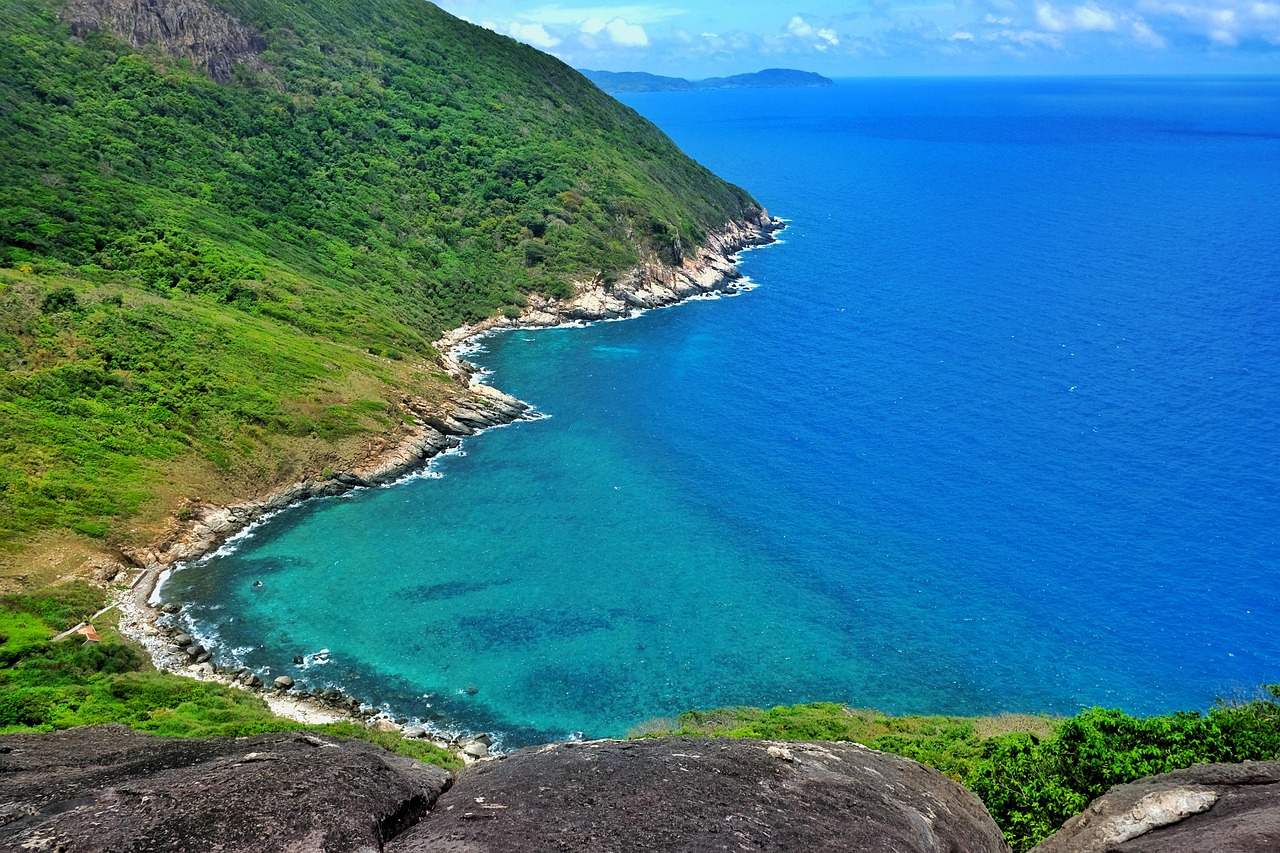
Vietnam’s islands sit along the coast of Vietnam and into the Gulf of Thailand, so the scenery changes quickly: limestone bays in the north, softer sands and reef colour in the south, and volcanic silhouettes in between. Luxury here isn’t only about a resort; it’s the calm that comes from a crafted rhythm—late starts, private transfers, and the freedom to linger when a view asks you to stay.
10 best islands snapshot for orientation
To help you imagine the landscape, here’s a 10 best islands snapshot (not exhaustive), spanning Vietnamese islands located off the coast and a few small islands near major hubs:
- Phu Quoc Island (Kien Giang province) for white sand and easy sophistication
- Cat Ba Island for limestone, national park hikes, and access to calmer bays
- Con Dao for remote nature, history, and private-beach calm
- Cham Island, a cluster of eight islands near central Vietnam and a noted biosphere reserve
- Ly Son for volcanic landscapes and distinctive local life
- Co To Island for clear water and a quieter northern island break
- Phu Quy Island for low-key beaches and a gentle pace
- Binh Ba Island for seafood and local colour—Binh Ba Island offers simple pleasures when done with a guide
- Tuan Chau Island as a launch area for some Halong itineraries
- Other small islands near Halong for day trips and private boat escapes
Think of this as a starting map rather than a rulebook. Islands provide very different textures—some are built for indulgent stillness, others for movement and discovery.
How to choose the best island in Vietnam by mood and time
If you have three or four nights, choose one island and go deeper. With a week or more, you can create a two-island pairing: a reef-and-beach chapter followed by a quieter, reflective island escape. Coral lovers tend to lean south; limestone lovers look to the north; and travellers who want a story-rich destination often choose Con Dao for its depth beyond the shoreline.
Crowd patterns matter, especially if you’re sensitive to noise or “tourist energy”. In peak season, beaches can feel busy near public access points and day-trip docks. The simplest way to protect your peace is to design your days around private boats, early water time, and a tailored pace—so the island feels like it is opening up just for you, rather than performing for tourism.
If you’d like visual inspiration before we begin planning, you can browse our Trip gallery and start to picture which island rhythm fits you best.


Phu Quoc Island Vietnam Luxury Resort Snorkel in the An Thoi Archipelago
Phu Quoc Island White Sand Beaches and An Thoi Coral Reefs in Vietnam
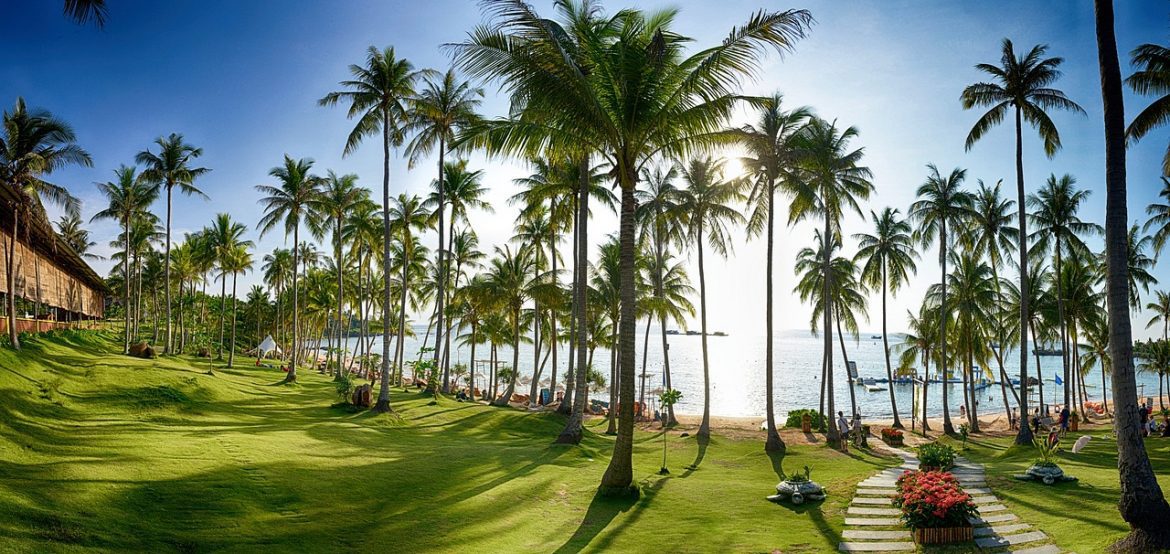
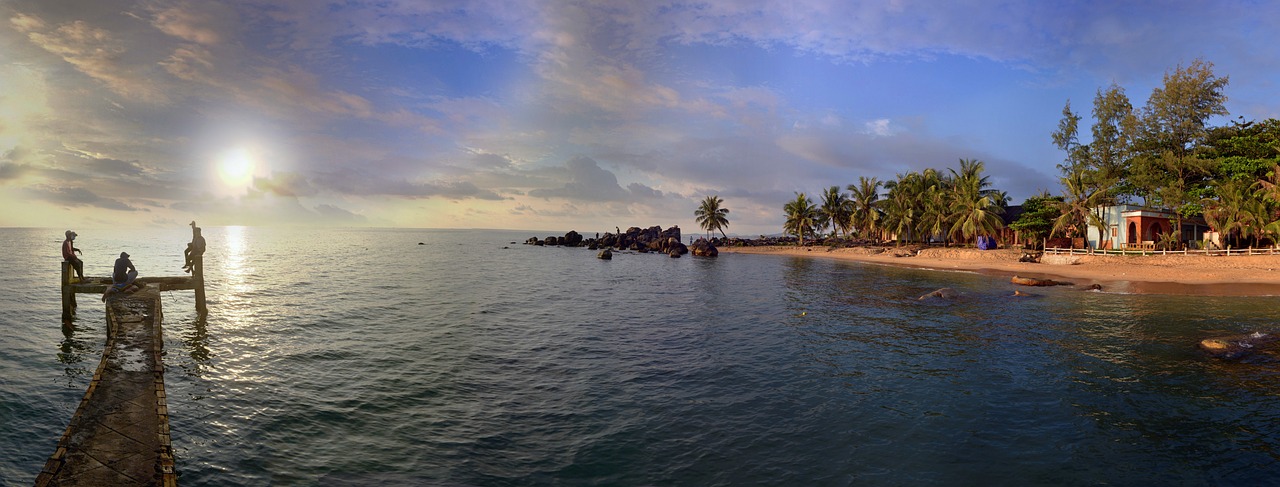
Phu Quoc Island Vietnam luxury resort snorkel An Thoi archipelago is the phrase many high-end travellers type into a search bar—and it makes sense. As Vietnam’s largest island in the Gulf of Thailand, Phu Quoc balances easy arrivals, polished hospitality, and the warmth of local fishing communities. You can wake to a calm beach, spend the day on the water, and still be back in time for an unhurried Vietnamese dinner.
Phu Quoc is also one of those places where “luxury” can be quietly personal. A thoughtful resort concierge can arrange seamless transfers, an expert crew for your sea day, and reservations that feel like care rather than fuss. Beyond the beaches on the island, you’ll find pepper farms, working harbours, and night markets where the pace becomes more human and local.
An Thoi archipelago coral reefs and hon hopping by private boat
South of the main island, the An Thoi archipelago is where Phu Quoc becomes a true tropical island playground—clear turquoise shallows, sandy islets, and coral gardens that reward you for getting on the water early. This is a group of 15 islands and rocky outcrops where you can snorkel, dive, and drift between quiet lagoons. Many guests include a stop at Hon Thom, both for variety and for the sense of space once you pull away from the busier landing points.
A luxury traveller once described their day like this: a crafted itinerary, timed to avoid the loudest boats; chilled towels and sun protection ready before they asked; and an expert guide who pointed out reef movement like a living tapestry. They snorkelled with vibrant marine life, then floated in still water while the crew prepared fresh fruit. “It felt,” they said, “like someone had designed the island day around our breathing pace.”
For the best visibility, choose calm-season mornings and keep your plans flexible. If the sea shifts, a good operator will uncover a sheltered cove rather than push you into choppy water for the sake of a schedule.
Seafood markets, Vietnamese specialities and respectful island etiquette
Part of Phu Quoc’s charm is that the refined and the everyday sit side by side. Early morning seafood markets are a glimpse into island life—baskets of shellfish, squid, and gleaming fish laid out with pride. Try simple Vietnamese dishes that let the ingredient lead: grilled prawns with salt and pepper, a clean broth, a citrusy salad with herbs.
A small note of trust and respect: if you’re photographing boats, working piers, or people repairing nets, ask permission first. The island offers extraordinary access to daily life, but it feels best when your presence is gentle and mutually comfortable. And if you’d like to bring home the experience, many resorts can arrange private cooking sessions using fresh island produce—unrushed, attentive, and quietly unforgettable.
Cat Ba Island Vietnam Island in Vietnam and Lan Ha Bay Private Boat Adventures
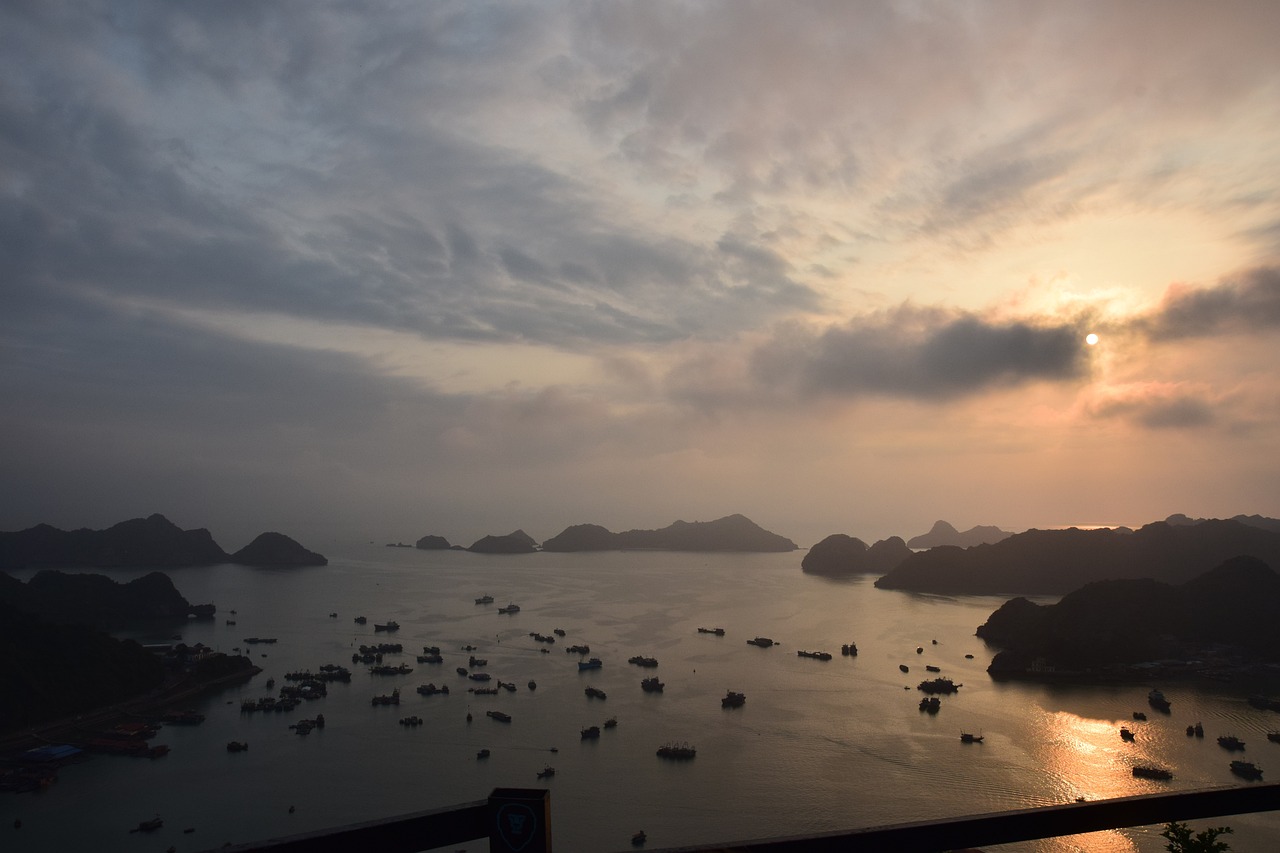
Cat Ba Island and Lan Ha Bay Limestone Adventures by private boat
Cat Ba Island Vietnam island in vietnam Lan Ha Bay private boat is an excellent combination of words to remember, because it captures the real advantage here: cinematic scenery with room to breathe. Cat Ba sits near Halong, but it rewards travellers who want a quieter route through emerald water and limestone formations that feel almost hand-carved.
Done well, Cat Ba is about timing and design. You’ll want a seamless transfer, an early start, and a boat plan that keeps you away from the most crowded channels. That way, you can explore the island’s softer side—small coves, gentle water for kayaking, and long pauses where conversation becomes part of the landscape.
Lan Ha Bay private boat calm away from Ha Long crowds
Lan Ha Bay is often described as less crowded than Ha Long Bay, yet equally striking: jagged limestone, mirrored water, and pockets of stillness between towering forms. A couple we travelled with still talk about their sunset cruise—how the crew quietly adjusted the route so they weren’t sharing the moment with a flotilla. They remember the light shifting on the cliff faces, the sound of water against the hull, and the feeling of being held by the scenery rather than hurried through it.
For a truly personal experience, charter a private boat for the afternoon and ask for a “slow route” with fewer stops. The best crews know where the wind drops, where the water turns glassy, and where you can pause for a swim without feeling watched. It’s also one of the most graceful places to go kayaking: glide into calm coves, slip under overhangs, and let the bay’s scale reset your sense of time.
Cat Ba National Park hikes and panoramic view points
On land, build in at least one morning for Cat Ba National Park. A guided walk can be as gentle or as active as you prefer, and a good local expert will help you spot wildlife quietly rather than chasing sightings. The reward is a panoramic view that helps you understand the whole geography—green hills, water channels, and the way the island sits like a threshold between land and sea.
For regional context, Cat Ba is a gateway to Ha Long waters and nearby routes such as Bai Tu Long Bay. Some itineraries also stage departures from Tuan Chau Island, depending on your boat style and timing. If you want to experience Halong without feeling like you’re following a crowd, this is often the most reassuring way to do it.
Con Dao Islands Vietnam Luxury Resort on Con Son with Sea Turtle Conservation
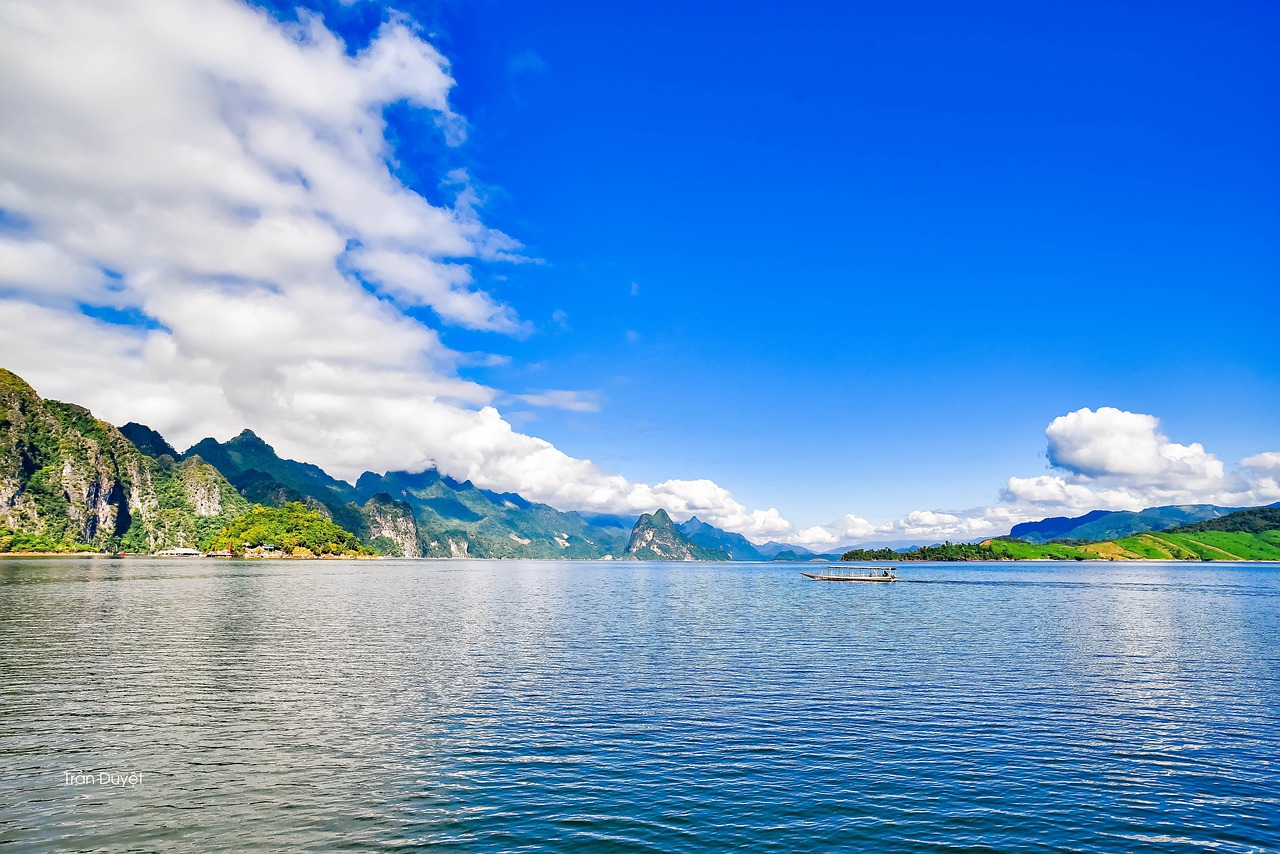
Con Dao Islands Con Son Island nature, history and private-beach calm
Con Dao Islands Vietnam luxury resort Con Son sea turtle conservation is the search phrase that leads many travellers to a rarer kind of island quiet. In southern Vietnam, Con Dao feels intentionally protected—less about nightlife, more about nature, coastline walks, and the pleasure of doing very little in an extraordinary setting. The main island of Con Son is the anchor, and the pace here can restore you if you let it.
This is where “remote” becomes a benefit rather than a challenge. You can settle into a resort with a private beach, listen to the sea change tone through the day, and rediscover what it feels like to travel with space around you. Con Dao is not for everyone—but for travellers who value stillness, it can be profoundly right.
Sea turtle conservation and a meaningful local connection
An eco-conscious traveller once told us their most meaningful island day didn’t involve a boat at all. They volunteered at a sea turtle conservation centre, learning how nests are monitored and how human behaviour on the beach can either support or threaten fragile cycles. The experience was practical, emotional, and deeply grounding—less about “saving” and more about showing up with humility, listening, and contributing in a small, respectful way.
If conservation is part of your personal values, we can help you explore responsible options that are properly managed and community-connected. It’s one of those rare travel moments that creates trust—not only in the destination, but in your own ability to engage gently and thoughtfully.
History with care, then wellness with coconut and herbal rituals
Con Dao’s history asks for sensitivity. The historical prisons turned museums are a stark, reflective visit, offering insight into the island’s past without sensationalism. Go with a guide who can provide context with care, and allow yourself time afterwards to decompress—perhaps a quiet coffee, a slow walk, or simply sitting by the sea.
Then let the island’s softer side bring balance. Many spas here use coconut and herbal extracts in treatments that feel rooted in place rather than copied from elsewhere. Add an early swim, a long shoreline walk, and a dinner that celebrates Vietnamese flavours with local produce. In Con Dao, indulgence feels best when it remains connected to the island itself—simple, attentive, and unforced.
One detail to note for planners: the main island of Con Son is where most stays are based, and Con Son Island is also where you’ll find the most seamless access to guides, boats, and wellness experiences.
Seamless Planning for Vietnam Islands Flights Ferries and Luxury Travel Costs
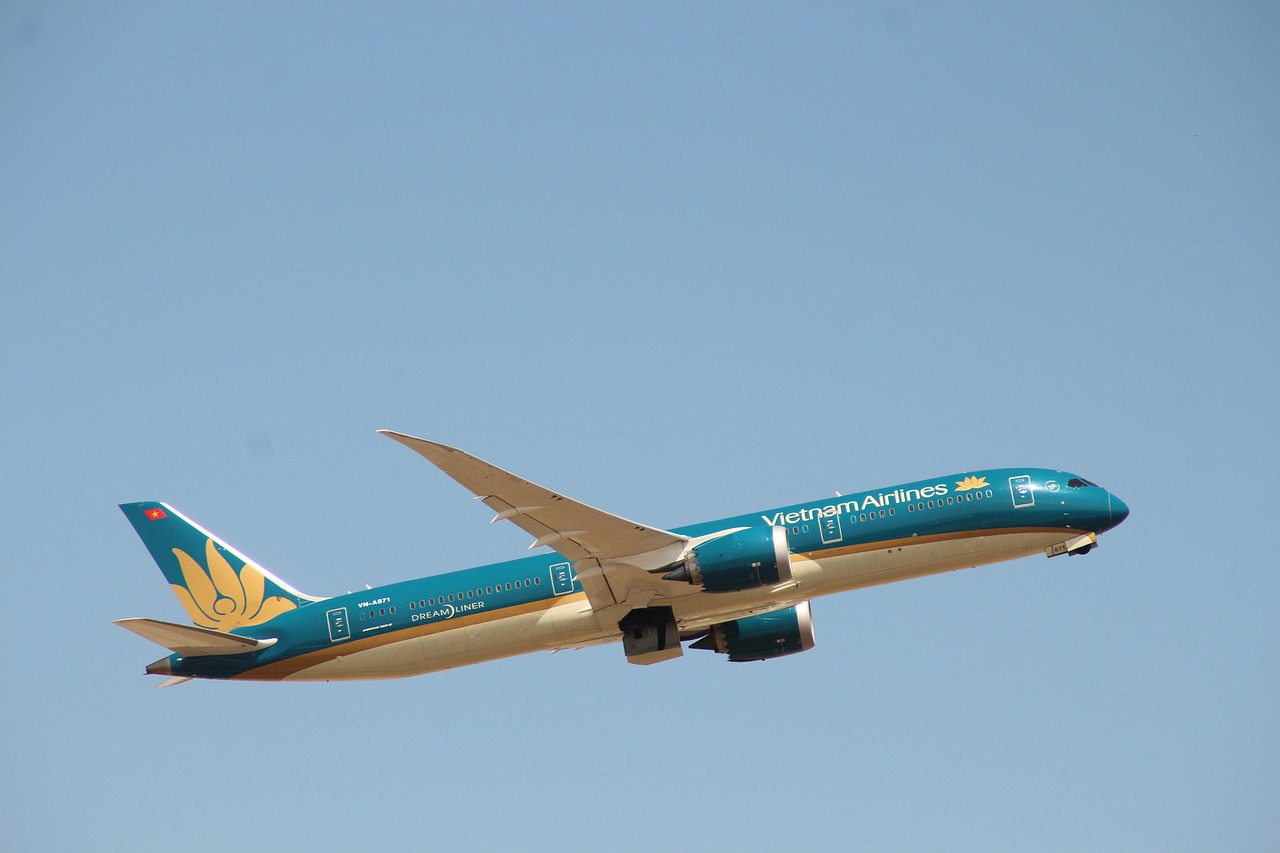
Seamless Planning for Vietnam Islands flights, ferry routes and luxury costs
Vietnam islands best time to visit Vietnam Airlines flights ferry luxury travel costs—this is the practical cluster of questions that makes the difference between a trip that’s merely beautiful and one that feels seamless. Vietnam travel across islands is straightforward once you know the weather windows, the limited routes for remote archipelagos, and where private support genuinely improves comfort.
The reassuring truth is that you don’t need to do everything. You only need the right combination: one island for the beach and reef, another for limestone scenery or reflective calm, and enough time in each place to feel the destination rather than chase it.
Best time to visit and how weather shifts by island
The best time to visit is generally November to April, when seas are calmer and beach days are more reliable. This is especially helpful for snorkel plans and boat days, when visibility and comfort matter. Shoulder months can still work beautifully, but it’s worth designing your itinerary with flexibility—particularly if you’re investing in private boat time.
If you’re combining north and south, remember the weather can differ by region in the same week. A good travel designer will build in gentle contingencies: spa time, a cultural stop, or a quieter lagoon option if the water turns.
Getting there with confidence by flight and ferry
For Phu Quoc, the simplest arrival is a direct flight to Phu Quoc International Airport. For Cat Ba, many travellers route via Hai Phong or take a ferry transfer, including the popular Ha Long City to Cat Ba connection in peak season. For Con Dao, transport is more limited: plan ahead for a domestic flight from Ho Chi Minh City or a ferry when conditions allow, as schedules can change.
For domestic connections, Vietnam Airlines is a common choice for routing that supports a relaxed north-to-south arc. Wherever you’re flying, we recommend padding your connections and avoiding last flights of the day when heading to an island—so you arrive with confidence, not clenched teeth.
Costs vary by season and privacy level, but a realistic high-end range is USD 200–600+ per night for luxury accommodation, plus dining, guides, and private tours. If you’re deciding where to spend, value often comes from three upgrades: a private boat for the bay, a private guide for national park or history days, and a boutique resort known for attentive service and excellent sleep.
A quick safety and comfort checklist, particularly for water days:
- Follow crew guidance for currents and boat ladders; don’t push a swim if conditions shift
- Pack reef-safe sun protection and reapply more than you think you need
- Carry a light layer for sea breeze and air-conditioned transfers
- Respect fishing communities—ask before photographing people or their boats
- Keep travel insurance that covers water activities, including snorkel and dive days
The goal is simple: support your trip with the quiet structure that lets you relax. When the logistics are designed well, the island experience becomes lighter, and you can enjoy it together without constantly checking the clock.
After the Islands What Stayed With Us in Vietnam
Leaving an island in Vietnam is rarely about the moment you board a boat or close a hotel door. It’s about the small, lingering sensations—the salt on your skin that seems to stay through the flight home, the soft light on water at dawn, the way your shoulders dropped on the second day and never fully rose again.
What remains, too, are the human moments that can’t be staged: a shared seafood meal that tasted of the sea rather than a menu description; a gentle conversation with someone mending nets by the harbour; a quiet nod from a market stallholder when you asked permission before taking a photo. These are not “highlights”, exactly. They are the threads that make a destination feel real, and they change the way you remember it.
Perhaps that is the quiet gift of Vietnam’s islands. They don’t just offer beauty; they invite you to move more slowly, to notice more, and to trust your own pace. Long after you return to daily life, you may find yourself pausing at a window, listening for water you can’t quite hear—wondering, with calm curiosity, which island story will meet you next, in its own time.
F.A.Qs: Vietnam islands for high-end travellers
What is the best island to go to in Vietnam?
The best island depends on your mood. For refined beach time and easy access, many travellers choose Phu Quoc Island for white sand and snorkel trips to the An Thoi archipelago. For limestone scenery and private boat days, Cat Ba Island is ideal. For quiet, nature-led restoration with meaningful history, Con Dao is a standout.
What are the islands of Vietnam?
Vietnam has a diverse range of island destinations along its coastline, from northern islands near Halong to southern groups in the Gulf of Thailand. Well-known options include Phu Quoc Island, Cat Ba Island, Con Dao, Cham Island, Ly Son, Co To Island, Phu Quy Island, Binh Ba Island and smaller islands used for day trips and private cruises.
Is it worth going to Phu Quoc Island?
Yes, especially if you want a beach-focused island with a strong mix of luxury resorts, local seafood culture and easy logistics. Phu Quoc is Vietnam’s largest island and offers calm-season snorkel and dive days, plus night markets and fishing village life. Choose a well-run boat operator for the An Thoi islands to keep the experience relaxed and uncrowded.
What are the small islands off Vietnam?
There are many small islands off Vietnam, and the best choice depends on where you are travelling. Near the north, you’ll find small islands used for private boat trips around Halong and neighbouring bays. Elsewhere, Cham Island is a cluster of eight islands off central Vietnam, and the An Thoi archipelago near Phu Quoc includes multiple islets ideal for snorkelling.