Guide to Ajaccio in Corsica for Adventure Seekers and First Timers
Guide to Ajaccio in Corsica for Adventure Seekers by the waterfront
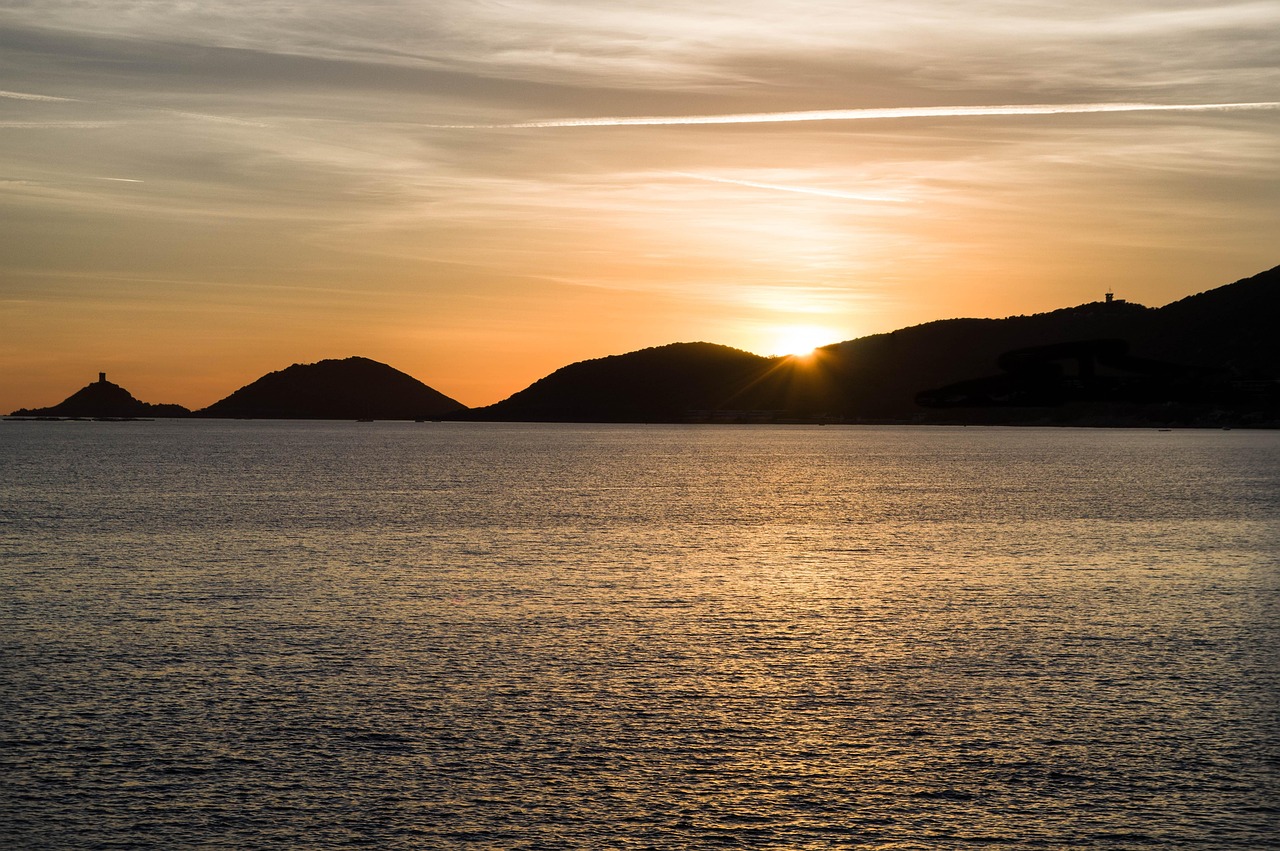
If you’re looking for a guide to Ajaccio, Corsica, things to do in Ajaccio that balance culture with coastline energy, Ajaccio is an easy place to settle in and then push outward. The city is surrounded by lush hills and a wide bay, so the shifts from café to trail feel natural rather than forced. Imagine arriving at a sunlit waterfront, then slipping into lanes where shutters throw striped shadows across stone.
Create a simple mental map first, and the rest of Ajaccio becomes calm to navigate. The waterfront promenade runs alongside the harbour; inland, you’ll find Ajaccio’s old town, where the pace is slower, and the squares invite a lingering pause. Place Foch anchors the everyday bustle, while the coastal road heads west along the Route des Sanguinaires towards bigger skies and wilder viewpoints.
Seamless arrival to Ajaccio from mainland France and beyond
Most travellers arrive via Ajaccio Napoleon Bonaparte Airport, and it’s worth booking flights early for the best value in peak sunshine months. Ferries also connect from mainland France, including Toulon, and there are seasonal links from Sardinia—an elegant option if you want to stitch a wider island-hopping story together. For high-end travellers, pre-arranging transfers can remove friction; for adventure seekers, picking up a scooter or car at arrival unlocks the coast within minutes.
Ajaccio is compact enough to feel walkable, yet it rewards a little transport freedom when you want to explore near Ajaccio or roam around Ajaccio without watching the clock. A scooter suits short hops, and sunset turns; a car feels more comfortable for beach gear, museum shopping, and a slower, Crafted approach to day trips.
Where to Stay in Ajaccio with Confidence
To stay in Ajaccio well, choose your base according to the version of the city you want to wake up to. The harbour and central streets keep you close to restaurants and galleries, while quieter residential pockets offer calmer nights and easier parking. If you like early starts for trails, being slightly outside the centre can be a gentle advantage—less traffic, quicker exits, and more of that dawn hush.
The best window is May to September when the sea turns inviting, and the light feels generous, but you’ll usually feel more breathing space if you avoid July and August crowds. This is Ajaccio at its most reassuring: warm, bright, and friendly without being overwhelming.
Budget-wise, Ajaccio can be surprisingly manageable for a French island with such a strong identity. Museums are often around 10–15 euros, meals in Local restaurants typically sit between 15–30 euros per person, and guided tours are the perfect add-on when you want Expert context without giving up spontaneity.
- Planning rhythm: pair one cultural stop with one outdoor push each day for balance and Trust in your energy.
- Mobility: book scooters and cars ahead of time in summer to keep your arrival Seamless.
- Upgrade gently: choose one guided walk or private transfer as Support on your most complex day.
If you’d like inspiration for extending your journey beyond Ajaccio, browse our Trip gallery and imagine how Corsica can sit alongside the rest of France with quiet Confidence.
Bonaparte Ajaccio and Napoléon Bonaparte in 1769 in the Family Home
Bonaparte Ajaccio and Napoléon Bonaparte in 1769 at Maison Bonaparte
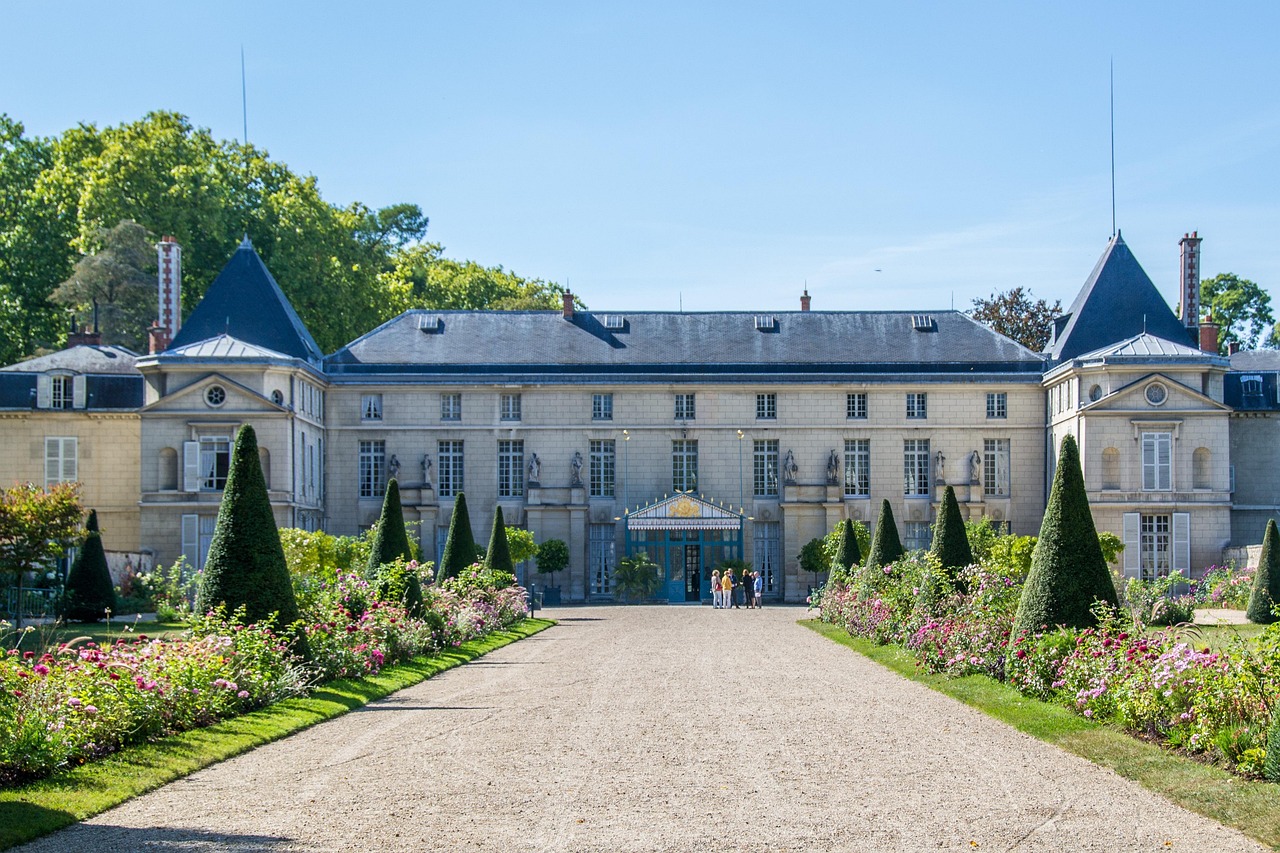
For many travellers, napoléon bonaparte ajaccio maison bonaparte, birthplace of Napoleon Bonaparte, is not just a checklist item—it’s a Personal threshold moment. Ajaccio holds this story close, and you’ll feel it in street names and small squares where the Bonaparte echo is quietly constant. Step in gently and you’ll understand why people describe the visit as a pause in time.
Maison Bonaparte was a family home, later turned into a museum, and its power lies in detail rather than spectacle. Move room by room and notice what has been preserved: the scale of the spaces, the way light hits cool walls, and the ordinary domestic feel that makes history human. Many visitors describe standing still in one of the upstairs rooms, letting the idea of Napoleon’s childhood settle into the silence.
Uncover the birthplace of Napoleon Bonaparte with Care
It helps to hold one date in mind: 1769. In Ajaccio, that year doesn’t feel like distant textbook ink; it’s part of the city’s identity, a thread that ties pride to place. When you uncover the birthplace of Napoleon Bonaparte, you’re not just meeting a figure of empire—you’re meeting the island’s sense of itself, and Corsica’s ability to shape character.
Pair the house with the cathedral where Napoleon was baptised, then let your curiosity guide a short Ajaccio stroll towards the citadel. The citadel and the harbour edge reveal a Genoese layer that predates the Napoleonic century, and the contrast is Insight in itself: Ajaccio is a crossroads, not a single-note story.
A quiet corner, a statue, and a monument for reflection
Look for one meaningful statue to ground the story, then allow yourself a few minutes in a shaded corner where the city noise softens. A single monument can become a surprisingly intimate meeting point with the past, especially if you arrive early and the streets still feel rinsed clean by the morning. These small pauses are where Ajaccio becomes more than a destination—it becomes memory.
Timing makes a difference here. Go early for cooler air and a calmer flow through the rooms, and greet staff with a warm bonjour; even a few basic French or Corsican words can deepen Local encounters with ease and Care.
Musée Fesch Palais Fesch Ajaccio and the Fesch Museum Collection of Italian Art

Musée Fesch and Palais Fesch Italian Renaissance insight in Ajaccio
Set aside time for musée fesch palais fesch ajaccio fesch museum collection of Italian Art, because it’s a must-visit cultural experience that surprises even seasoned travellers. The Musée Fesch brings unexpected depth to Ajaccio, proving that an adventure-forward itinerary can still make room for quiet, Expert looking. Behind the collection sits Cardinal Fesch, whose legacy gives this corner of Corsica a distinctly European artistic heartbeat.
The galleries hold a collection of Italian works spanning the Renaissance and Baroque eras, and you don’t need to be an art historian to feel the impact. Choose a few anchors, such as Botticelli and Titian, and let the rest become atmosphere—colour, fabric, gesture, and sacred light. Ajaccio outside may be all sea-glare and bright pavement; inside, the pacing slows, and your eyes can rest.
Crafted pacing through Musée Fesch for tired legs
Visit after a morning outdoors, when your body wants shade, and your mind wants a story. Start with the main rooms, then drift outward; you’ll appreciate the way the museum’s calm resets you. If you’re travelling in warmer months, carry water and take a pause on a bench—a small Support that keeps the experience pleasurable rather than rushed.
- Simple route: begin with the key Renaissance rooms, then follow your curiosity into quieter side galleries.
- Pause points: choose two benches where you’ll sit for three minutes and simply look.
- Costs: expect a typical entrance fee range similar to other Ajaccio museums, often around 10–15 euros.
Linking Palais Fesch to Ajaccio’s Napoleonic story
There’s also a connective thread back to the city’s Bonaparte identity, so the day feels whole rather than split. The Palais Fesch sits comfortably within Ajaccio’s broader Napoleonic history, and that continuity is part of the pleasure—you’re not switching topics, you’re adding layers. Leave the museum and the streets feel slightly different, as if the city has quietly offered you more than you expected.
Sentier des Crêtes Ajaccio Coastline Beach Days and Sanguinaires Views
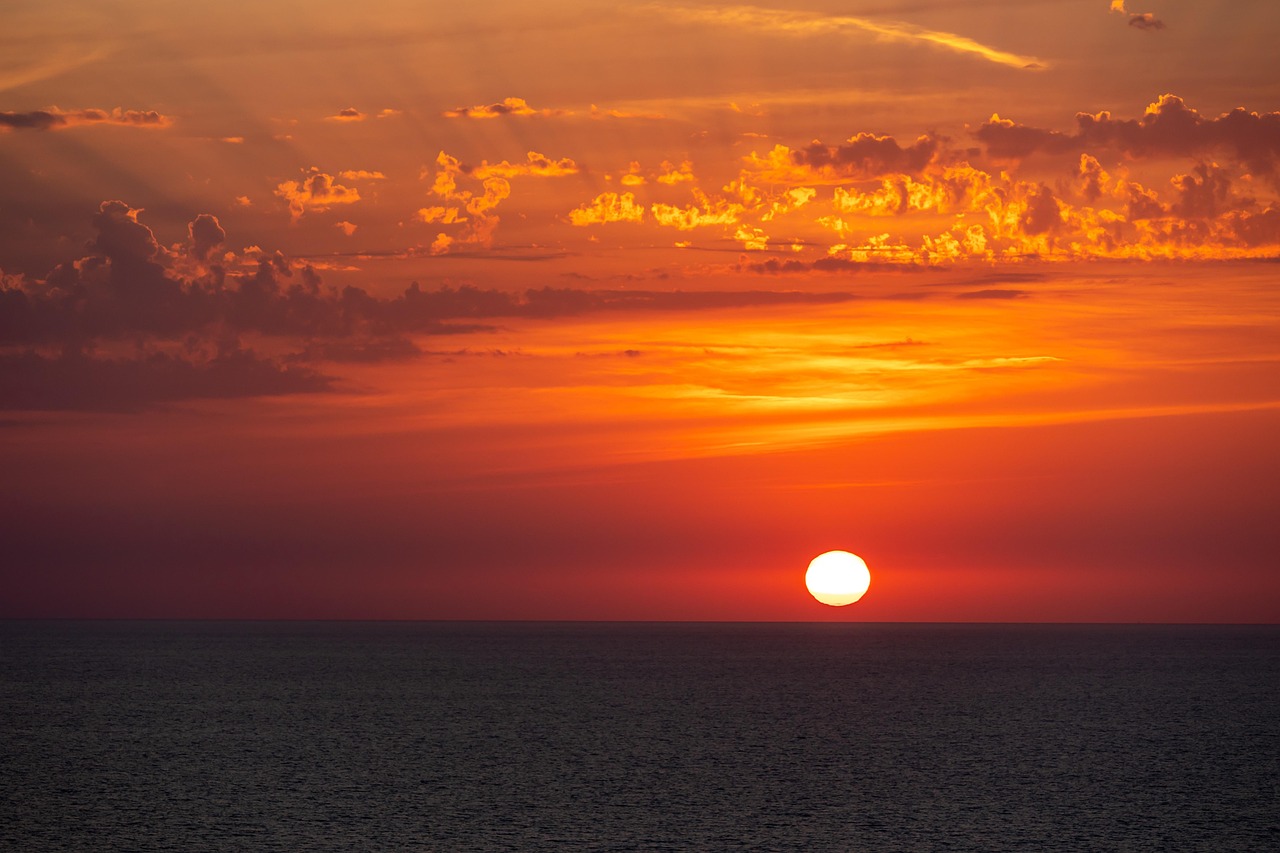
Sentier des Crêtes coastline beaches and Sanguinaires light near Ajaccio
If you’re craving Sentier des crêtes, Ajaccio coastline, beach Sanguinaires, Pointe de la Parata, this is Ajaccio at its most exhilarating. The Sentier des Crêtes is a steep climb that quickly trades city detail for sky and sea, with scenic viewpoints that make the effort feel instantly worthwhile. It’s the kind of walk that resets your sense of scale on the west coast of Corsica, with the coast of Corsica unfurling in long, sunlit arcs.
Create a mini-itinerary that pairs the trail with the Îles Sanguinaires, then continue to the viewpoint at Pointe de la Parata. From the de la Parata promontory, the Gulf of Ajaccio opens like a stage: fishing boats below, headlands layered into haze, and the light shifting minute by minute. Go early, and you’ll feel the drama without the crowds, with more space to breathe and take photographs at your own pace.
Beach choices near Ajaccio for every mood
After the hike, Ajaccio offers soft landings. For a quick plage break, Saint-François is close and convenient; if you want an easy, family-friendly stretch, Ricanto gives you space and calm. For a wilder character, Capo di Feno can deliver turquoise waters and sandy beaches, sometimes with a tranquil cove when the conditions are right.
These are some of Corsica’s most beautiful beaches for mixing adventure with recovery, and you can design the day to suit your energy. One hour of shade and salt water can be as valuable as another kilometre on the trail, especially when the sun is at its brightest.
Safety with Care on the Sentier des Crêtes and the coast road
This coastline rewards early starts, but it also asks for sensible preparation. Avoid travelling alone on evening hikes, carry water and sun protection, and check heat and wind forecasts before heading out along the route des headlands. Ajaccio feels welcoming, yet the landscape is real. Trust your body, and give yourself permission to turn back if conditions change.
- Pack: 1–2 litres of water, sun cream, a hat, and a light layer for wind.
- Timing: sunrise to mid-morning is usually the most comfortable window.
- Footing: trainers can work, but proper shoes add Confidence on rocky sections.
Place Foch Ajaccio Market Corsican Food Wine and Old Town Cafés
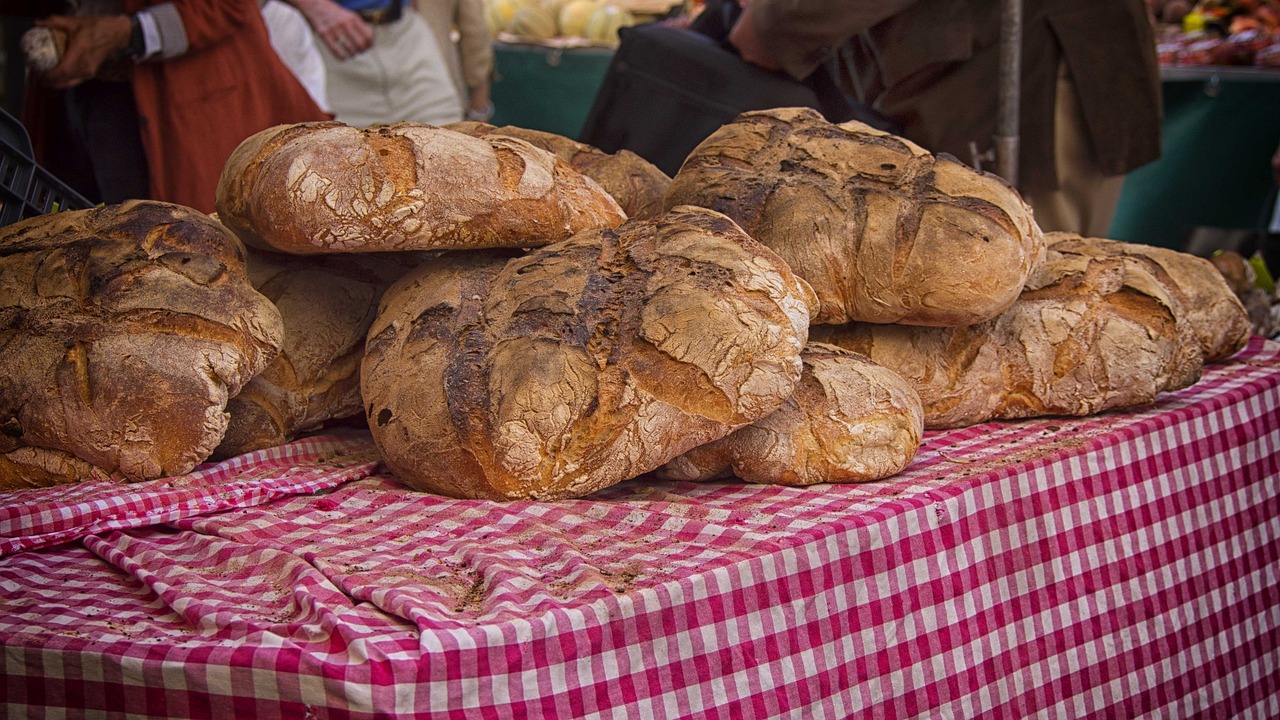
Place Foch Ajaccio market local food wine and night cafés
To understand the Ajaccio marketplace, for Corsican food, local wines, and the Gulf of Ajaccio boat tour, begin in the morning when the marché central is in full voice. You’ll hear the bustle before you see it—stallholders calling out, knives tapping boards, and bags rustling with fruit. Ajaccio becomes wonderfully Local here, and even a simple chat can turn into a recommendation you’d never find in a guidebook.
Taste your way gently through Corsican staples: charcuterie, cured meats, and cheeses that carry the island’s landscape in their salt and scent. Look for local specialities such as wild boar, then design a picnic to eat by the waterfront, where the sea breeze keeps everything fresh. This is the kind of luxury that feels human rather than formal—good ingredients, good light, and no need to rush.
Corsican wine confidence and simple ordering
If you’re curious about Corsican wine, ask for local wines by the glass and try a chilled rosé with your market finds. Many bottles are tied to a protected designation of origin, and staff are often happy to suggest something that matches your food. A simple “un verre, s’il vous plaît” goes a long way, and you’ll often be met with warmth when you make the effort.
Keep it light if you’ve got afternoon plans on the trail, but don’t skip the pleasure of a shared glass. Ajaccio is generous like that—small rituals that make the day feel complete.
A Personal boat loop and nights that feel timeless
One solo adventurer told us Ajaccio gave them the gift of Trust in strangers, in the best way. A fisherman at the harbour struck up a conversation, then offered a spontaneous small boat loop around the Gulf of Ajaccio, gliding into hidden beaches and intimate bays unreachable by road. It’s a reminder that the most crafted moments are sometimes the ones you never planned.
As evening settles, slip into the old lanes for cafés where Corsican music drifts into the street. A group of friends once described their night here as if they’d stepped into one of France’s timeless Mediterranean summer celebrations—communal, bright-eyed, and easy to lean into. Ajaccio doesn’t demand that you perform; it simply invites you to stay a little longer.
What Ajaccio Leaves With You After Corsica
Ajaccio lingers in a way that’s hard to summarise, as if the city quietly rearranges something inside you. You might remember the cool stone rooms where history felt lived-in, then the moment you stepped back into light on the water and everything sharpened. In Corse, those contrasts feel natural, not dramatic—just true.
Often, it’s one sensory thread that returns first. The sun on the path above the sea, the market salt in the air, and the hush that gathered around your thoughts when you finally stopped moving. Ajaccio’s gifts are rarely loud; they arrive with Care, and they stay because they feel Personal.
There’s something tender, too, in the Local exchanges that hold a trip together: a polite bonjour returned with a smile, a suggestion scribbled on a receipt, a shared glance at the changing sky. Adventure, in Ajaccio, doesn’t only mean distance or difficulty—it can mean choosing curiosity with Confidence, and letting the day unfold without needing to control it.
And when you picture returning to Corsica’s southern roads or even tracing the river valleys like the Prunelli, it won’t be with urgency. It will be with a calmer kind of wonder, and a sense that Uncovering France at a thoughtful pace is a lifelong pleasure, waiting quietly whenever you are.