Best times to visit South Korea by season – how to choose the right months to visit with a calm, luxury planning mindset
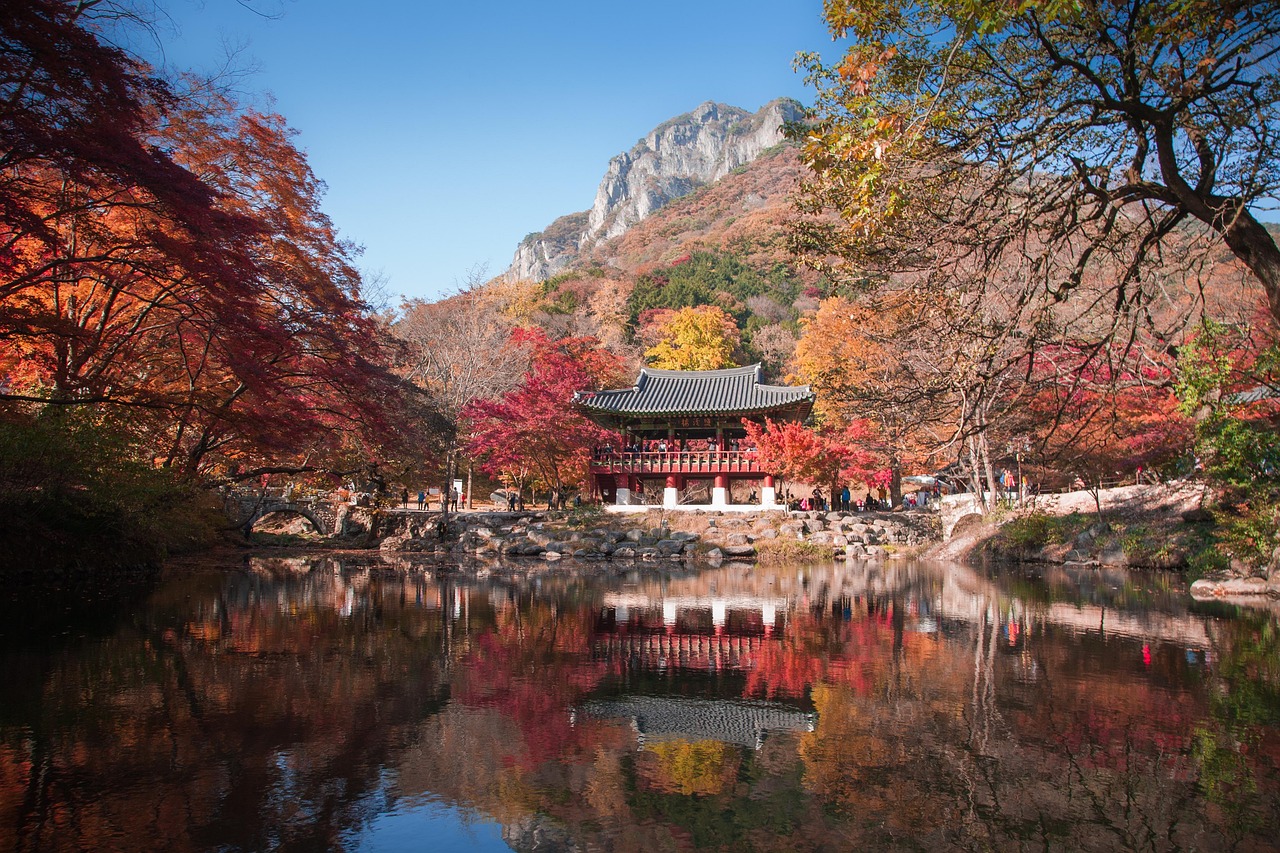
Best times to visit South Korea by season, with tranquil temple scenery and space to breathe
When clients ask about the best time of year to visit South Korea, we start with a simple truth: the most rewarding months to visit are often spring or autumn, but the ideal month to visit South Korea is personal. If you’re googling the best time to visit South Korea, you’re usually really asking what kind of trip you want—an architectural city break in the capital with private museum time and boutique shopping, a coastal reset in Busan, quiet galleries on Jeju Island, or a polished mountain escape with ski and fireside dining. Put simply, your visit to South Korea depends on your preferred pace, light, and mood, not just the calendar.
In broad strokes, weather is mild in the seasons of spring and autumn, which is why many travellers consider them the best season for comfort and colour—often counted among the best times for first-time visitors. The summer months bring higher humidity, occasional high humidity, and shifting rainfall as South Korea’s monsoon season arrives. Winters in South Korea are crisp and can feel properly cold, especially in the north, yet that clarity can be one of the best times for a tailored city stay with clear skies, warm interiors, and a slower rhythm.
South Korea by season: mild weather, what to pack, and a quick overview of temperatures and weather conditions
If you want a reassuring starting point, think of this as your calm compass across the year in South Korea. Spring arrives in waves: from South Korea in March (often transitional) into April, when cherry blossoms bloom more reliably, depending on the weather and local microclimates. Autumn is typically comfortable and luminous, while summer leans into warmth, tropical air, and sudden showers. Winter is dry, bright, and undeniably chilly on many days—a striking contrast that suits design, dining, and galleries.
- Spring: March to May is the peak season for cherry blossom walks, palace gardens, and soft light; a classic choice for first-time visitors to Korea who want culture and gentle outdoor activities.
- Autumn (September to November): September through November is frequently considered the best time for colour and a refined pace—ideal for time for outdoor exploration and riverside paths.
- Summer (June to August): a vibrant window for cities and coasts, but plan around heat and showers; with smart timing, it can still be a beautiful time to enjoy the country.
- Winter (December to February): a crisp season for style, museums, and day trips; many travellers add winter sports or a ski extension for atmosphere and adventure.
Peak seasons to visit South Korea – popular months to visit, crowd levels, and what to book early
The most popular times to visit are blossom weeks and peak foliage weekends. That popularity is wonderful—the capital feels electric, the best places to see can feel like living postcards—but it also affects suite availability, private guide schedules, and Michelin reservations. If you’re travelling high-end, booking early is how you preserve ease: the larger rooms, the best tables, and the calm margins in your days, especially at a popular time like full bloom or peak colour.
For a truly seamless itinerary, we typically recommend holding key elements first (your preferred hotel category, one special dining night, and a private car plan), then building the rest together. These are practical travel tips for anyone planning a trip to South Korea: secure the essentials, then leave space to slow down when a neighbourhood, café, or gallery pulls you in.
Mini travel guides – travel to South Korea, arrival comfort, and domestic travel between the capital, Busan and Jeju
Most luxury itineraries begin with an Incheon International Airport arrival, where premium lounges, fast-track services, and chauffeured transfers set the tone for travel to South Korea. This is also a helpful moment to decide how you’ll move between regions: first-class rail can be wonderfully civilised for intercity journeys, while a private car service offers flexibility for countryside stops, temples, and photo moments that are easy to miss without local insight.
When your design includes Busan and Jeju, domestic travel matters: a short internal flight can save time, while a private driver on the island of Jeju makes shoreline drives and gallery visits feel effortless. For travellers combining Busan and Jeju Island in one trip, we often arrange luggage forwarding and lounge access to keep transitions smooth. For inspiration as you begin to imagine your route, you can explore our Trip gallery and see how different seasons are shaped into crafted journeys.
One gentle expectation to set with care: cherry blossom crowds and peak autumn weekends are a magnet for visitors. An expert planner can support you with timing, vantage points, and calmer alternatives—so you still feel the thrill of the moment, without feeling carried along by it.
Times to visit South Korea in spring
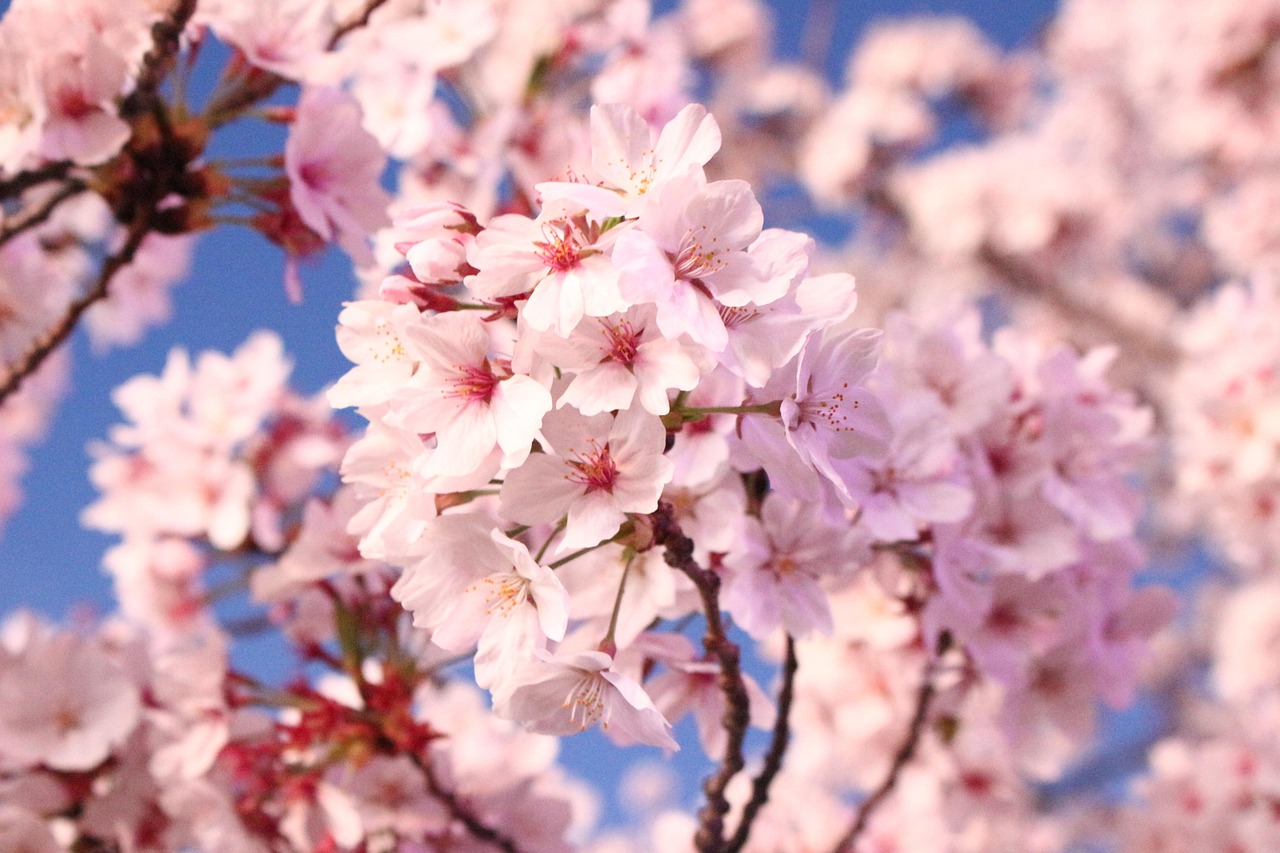
Times to visit South Korea in spring for cherry blossom season and the Jinhae Festival
For many travellers, the most romantic times to visit are in spring, and the phrase time to visit South Korea is often shorthand for blossoms, light, and optimism. South Korea is at its gentlest during spring, from March into April, when cherry blossom season arrives in earnest, and cherry blossoms bloom with more reliability. It’s one of the best times when Seoul softens—stone and glass edged with pale petals, and parks that feel quietly cinematic.
Because blossom timing varies each year, we plan our South Korea trip this month with flexibility. A private driver, a calm start, and a backup plan for rain can turn “we hope it works” into quiet trust, while still giving you the freedom to linger when the light is perfect.
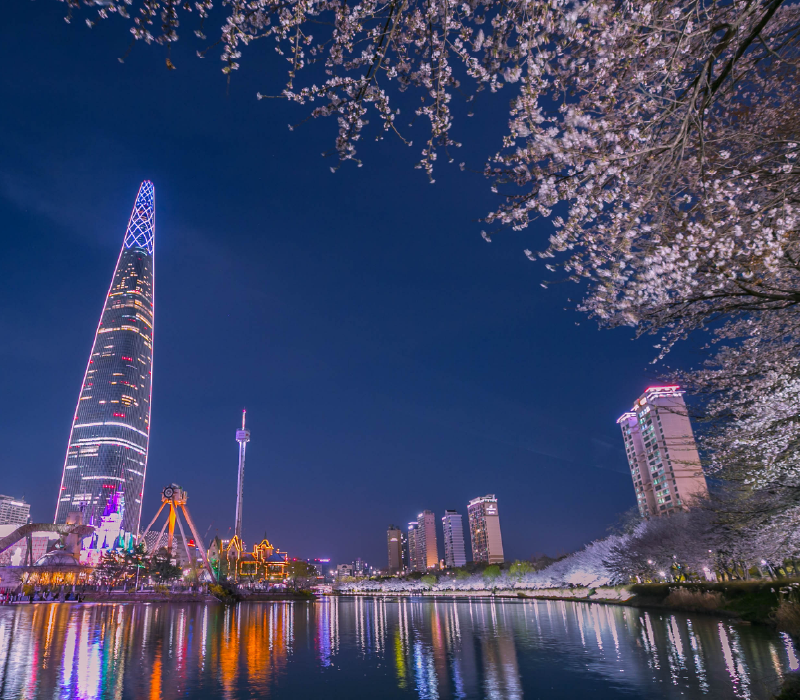
Cherry blossom in Seoul – when cherry blossoms bloom, the best time to see full bloom, and how to avoid the busiest hours
At Yeouido Park, the appeal is the long, elegant pathways and a skyline backdrop that feels unmistakably modern. The secret is not just where you go, but when—early morning offers softer light and more space, and it’s often the best time to see petals at their freshest before the city fully wakes.
For a signature festival moment, Jinhae is the name that comes up again and again. The cherry blossom festival atmosphere is joyful, and with the right pacing, it can still feel refined: arrive early, step into quieter side streets, then retreat for a leisurely lunch before the crowds swell. We often plan the beginning of the month, or a specific part of the month, based on forecast updates, aiming for full bloom without the most congested weekend. If forecasts push later, the end of the month can still work well. As a general rule, we try to avoid mid-afternoon on peak Saturdays if you prefer space and calm.
A traveller once described a serene morning walking beneath cherry blossom canopies: the city was awake but not rushing, and the soft drift of petals made her feel surprisingly connected to South Korean daily life even within the crowd. It wasn’t the scale that moved her—it was the smallness of the moment, the hush between footsteps, and the way the capital seemed to breathe more slowly for an hour.
Luxury layers in spring – hanok stays, tea, palaces, and a good month for culture
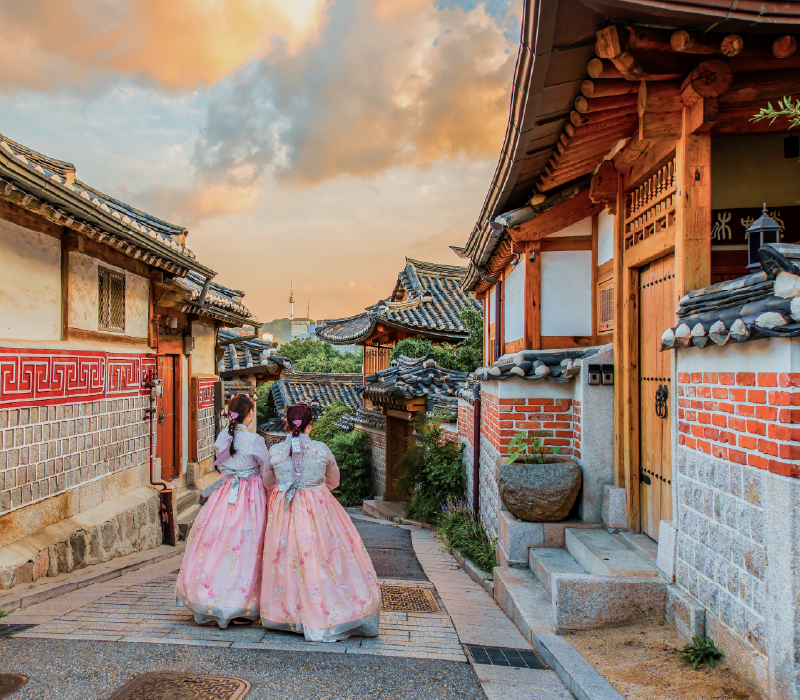
Spring is ideal for creating a cultural rhythm that never feels performative, and for many travellers, April is a good month to combine blossoms with museums and design districts. A curated hanok luxury guesthouse can offer traditional aesthetics with modern comfort: warm wood, thoughtful lighting, and that intimate sense of being held by the space. One couple told us their hanok stay made them feel closer—not because it was dramatic, but because it was quiet and beautifully considered, with breakfast served gently and evenings that invited conversation.
To keep your days seamless, pair blossom walks with a private palace visit (Gyeongbokgung and Changdeokgung are both superb in spring light) and a traditional Korean tea ceremony. Tea is where the time to enjoy outdoor beauty meets inner calm: you sit, you notice, you uncover subtle flavours, and suddenly the trip feels personal rather than scheduled.
Practical notes to stay comfortable: read local forecasts daily in the week before you arrive, pack light layers for changing temperatures, and choose shoes that handle long walks without compromising comfort. If you’re choosing dates, we often find the middle of the month can be a sweet spot between early anticipation and peak crowds, depending on conditions.
Best times to visit South Korea in autumn
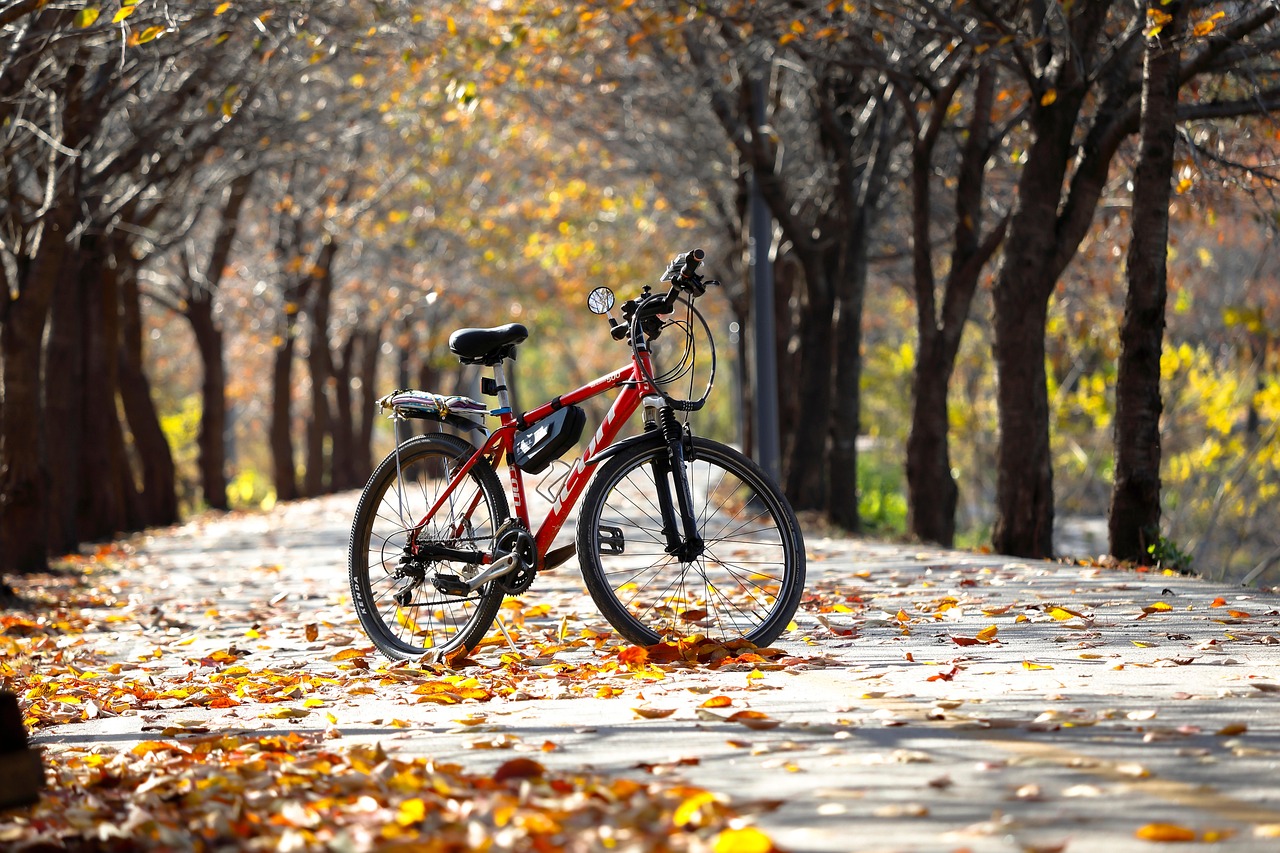
Best times to visit South Korea in autumn foliage at Nami Island and Seoraksan
If your ideal trip includes nature with a Polish twist, autumn is often considered the best time for colour and comfort. The best times to visit for landscape-driven itineraries are September to November, when outdoor activities are at their peak without the summer intensity. In October, South Korea’s autumn foliage is often at its most luminous across many regions, with clear air and honeyed light that make every view feel composed.
Autumn rewards travellers who like a refined pace: a late breakfast, an unhurried drive, then a few glowing hours outdoors before dinner. The magic is not only the colour—it’s the way the whole day feels designed, especially when evenings invite a slower table and a glass of something warming.
Autumn leaves escape – Nami Island romance and Seoraksan drama in autumn colours
For autumn leaves with a gentle, romantic feel, Nami Island offers pathways lined with tall trees and a sense of storybook calm. It’s ideal if you want beauty without steep climbs, or if you prefer a shorter nature experience paired with a city-based itinerary. Choose an early ferry, and you’ll feel the island before it becomes busy, with autumn colours that photograph beautifully in soft morning light.
Seoraksan National Park, by contrast, is about drama: ridgelines, deep valleys, and viewpoints that make you pause. It suits travellers who want a little more adventure, while we can still design it with comfort stops, a private guide, and route options that match their mobility and time constraints. When the weather is still mild in the first half of the month, it can feel effortless; toward the end of the month, evenings can turn brisk, so layers matter.
Autumn festival highlights – seasonal cuisine, pleasant weather, and curated cultural programmes
This is also the season to let Korean cuisine mirror the landscape. Think market-to-table tastings, a chef’s counter menu that leans into mushrooms, chestnuts, and warming broths, and small plates that arrive like brushstrokes. One high-end visitor told us the memory that stayed wasn’t a landmark—it was the scent of grilled seasonal ingredients after a walk through golden trees, the way steam rose from a bowl as the light faded outside.
Autumn also brings cultural programmes and festival calendars that can be genuinely moving—lantern evenings, harvest celebrations, art weeks—especially when they are kept refined. With VIP seating where available, pre-arranged transport, and thoughtful pacing, a festival becomes immersive rather than overwhelming, and the pleasant weather makes it easy to linger without rushing back indoors.
- Light for photography: sunrise is quiet and crisp; late afternoon gives a copper glow on autumn foliage.
- Comfort planning: bring a light coat and a scarf, especially later in October.
- Route choice: select national park trails with rest points, cafés, and scenic benches for gentle pauses.
South Korea in summer
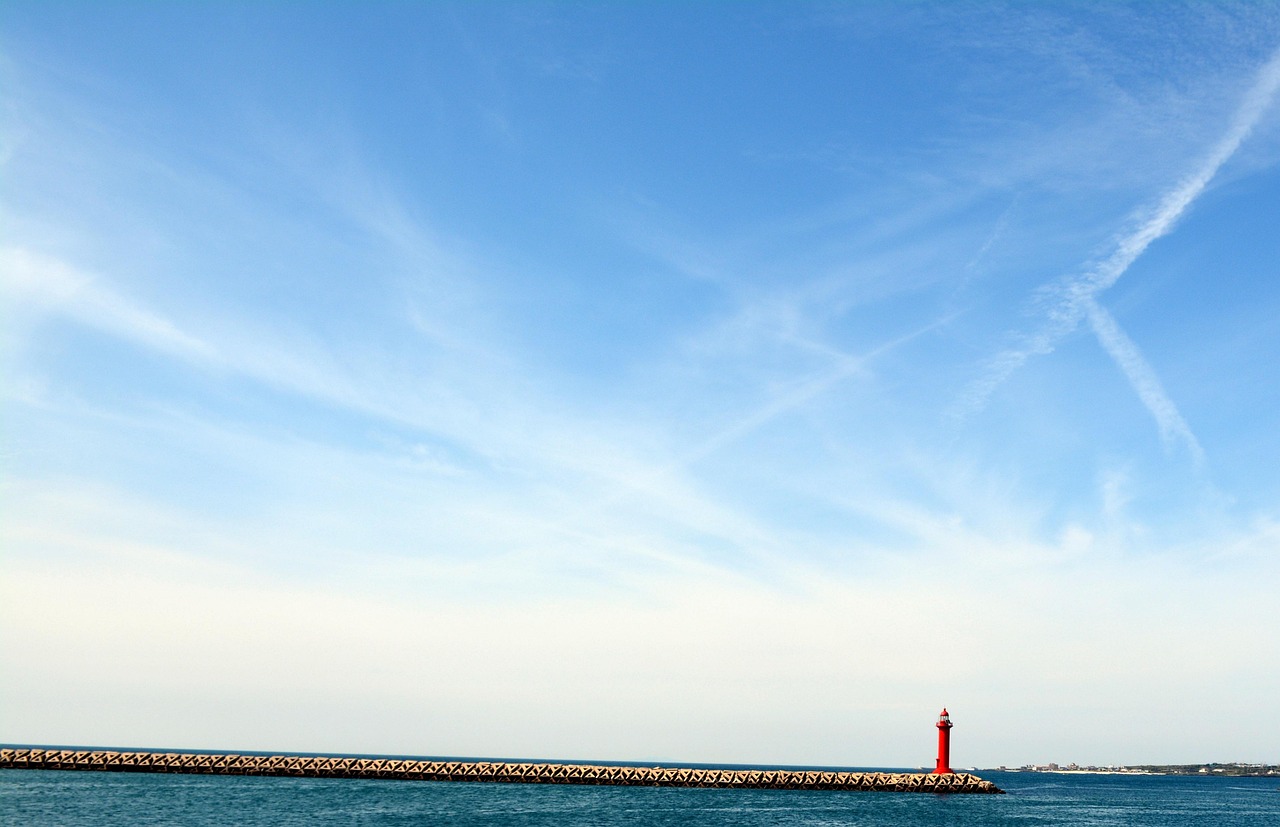
South Korea in summer: monsoon season notes and coastal escapes
It’s wise to go in with clear expectations for summer in South Korea, especially if your trip falls in July and August. Those peak weeks can be hot and humid, with afternoon humidity, noticeable moisture, and shifting rainfall patterns. That said, the best times are not only about perfect weather—summer can still be a memorable time to enjoy the country if you design around the heat with care.
We often reassure travellers that “summer” doesn’t automatically mean discomfort. It simply asks for a different rhythm: later starts, shaded experiences, and evenings that lean into city life when temperatures soften, and dining becomes the highlight of the day.
Korea in July – monsoon planning, monsoon season rhythm, and high-humidity city days
Monsoon weather tends to arrive in phases, so you may have bright mornings followed by heavy showers, or a day of rain that clears into luminous skies. Rather than treating this window as off-limits, consider it a prompt to create variety: museum-and-spa afternoons, a slow lunch, then a night market stroll once the air cools. This approach keeps your itinerary seamless and your mood unhurried, even when the air is slightly humid.
In the capital, summer heat can be balanced with indoor culture—private gallery visits, contemporary design spaces, and restorative wellness time. When the weather turns, premium hotel service really matters: a cool room, a calm lounge, and staff who understand how to support you quietly while the monsoon season showers pass.
Jeju Island and Busan – coastal glamour, gallery stops, and festival nights with shade and ease
If you want sea air, Busan offers coastal luxury, excellent dining, and a confident, contemporary feel. Pair a beachfront stay with a seafood-focused tasting menu and an early-morning walk along the water, before the day warms. For travellers who enjoy a little more retreat, Jeju is an elegant base: Jeju Island is made for shoreline drives, small hikes between volcanic landscapes, and gallery stops that feel local and personal.
Summer festival energy can also be part of the charm—music events, coastal celebrations, cultural nights—especially if your logistics are crafted in advance. Pre-booked tickets, private transfers, and shaded seating turn a busy festival into an easy evening out, whether you’re staying in Busan or slipping away to Jeju for a quieter end to the day.
Packing and planning: choose breathable fabrics, humidity-friendly styling, and shoes that dry quickly. Consider travel insurance that covers weather disruption, and lean on airport lounges and chauffeured transfers to keep transitions calm even when the air feels heavy.
Best time to visit Seoul – visit Seoul in winter, South Korea in January, lunar new year timing, and ski-ready extensions
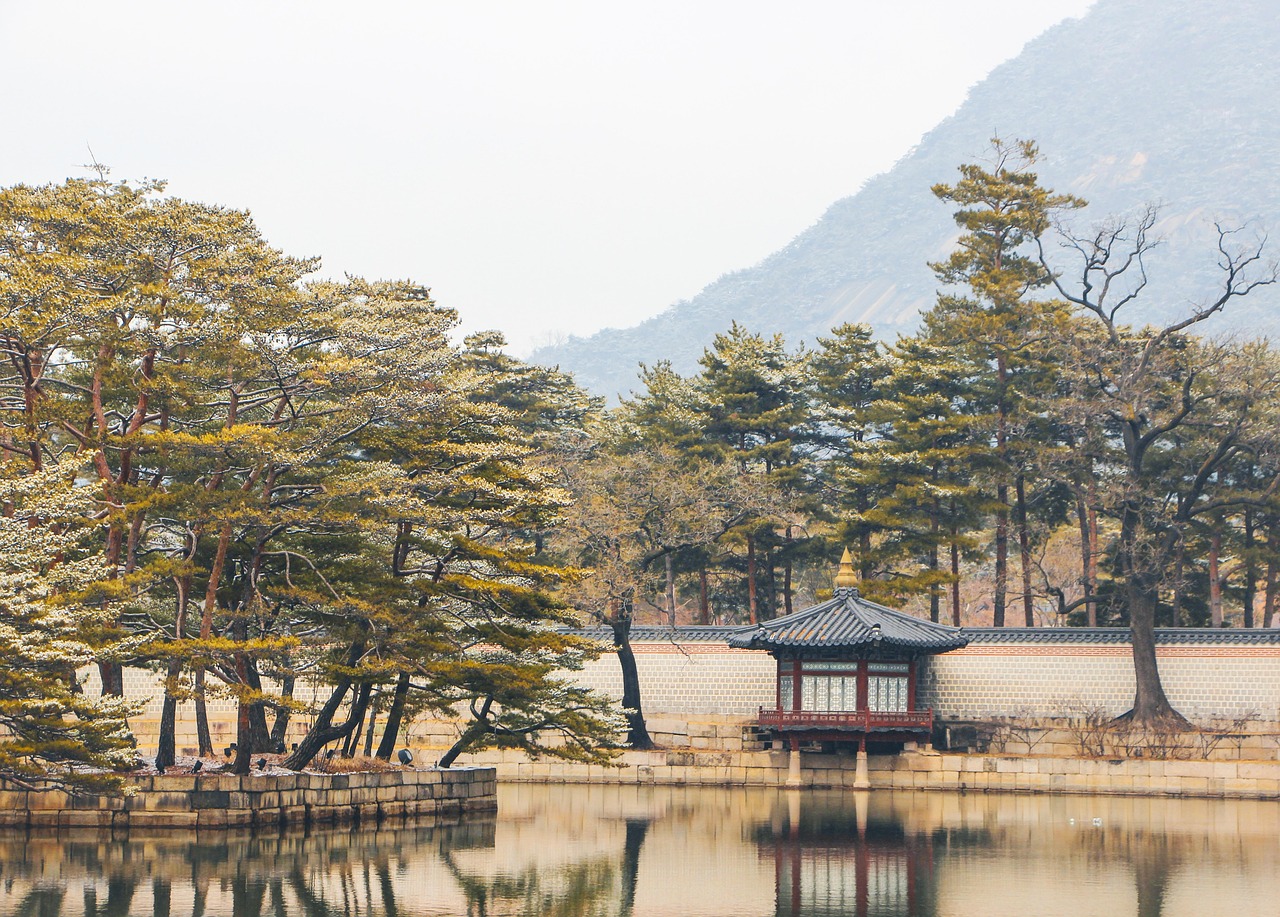
Best time to visit Seoul in winter, with South Korea in January and ski add-ons
For travellers who love crisp air and a tailored city break, the best time to visit Seoul can be surprisingly compelling in winter. In January, South Korea is often at its coldest of the year—and January is the coldest month commonly cited—yet it brings clear skies, sharp light, and cosy interiors that make Seoul feel beautifully composed. If you want cultural depth without peak-season crowds, this month of the year can be quietly rewarding, particularly outside major holiday weekends.
Winter also makes certain experiences feel more intimate: warm tea in your hands, palace courtyards under a pale sun, and evenings where fine dining becomes a kind of shelter. If you plan around lunar new year dates, you can enjoy the celebratory atmosphere without the stress of last-minute closures.
Winter style and design districts – Gangnam and Apgujeong shopping with a polished city itinerary
The luxury shopping districts come into their own in winter. Gangnam and Apgujeong are where you can explore Korean designer boutiques, discover impeccable tailoring, and enjoy personalised services that feel discreet rather than showy. One high-end visitor told us their favourite part wasn’t the labels—it was the care: private fittings, thoughtful recommendations, and the confidence of knowing everything was arranged with ease.
If shopping is part of your itinerary, we suggest scheduling a private appointment and weaving in pauses: a gallery visit, a quiet café, and time to return to your hotel before dinner. It’s a more human way to shop, and it keeps the day feeling crafted rather than busy.
Palaces, tea ceremonies, and ski-day luxury – winter sports atmosphere beyond the city
Winter is also a beautiful time for cultural immersion. A private guide at Gyeongbokgung and Changdeokgung can help you uncover symbolism, architecture, and small courtyards you might otherwise miss. Pair it with a traditional Korean tea ceremony, and you have a perfect balance: grandeur, then quiet.
For a snowy add-on, a ski day can be arranged as a polished excursion, with chauffeur service, equipment fitting, and fireside dining. Even if you’re not an avid skier, winter sports are often as much about atmosphere as adrenaline—fresh air, mountain views, and a warm return to the city.
- Dress well: a proper coat, gloves, and heat-tech layers make palace walks genuinely enjoyable.
- Plan around dates: Korean New Year travel can bring closures and busy rail days, but also a celebratory atmosphere.
- Keep it seamless: pre-book transport and guides so you feel supported, not managed.
F.A.Qs
Which month is best to visit South Korea (April vs October)?
For most travellers, April and October are favourites and often rank among the best times for comfort. April frequently aligns with cherry blossom season in Seoul and beyond, while October brings comfortable days and autumn colour in many regions. If your priority is fewer crowds with comfortable conditions, consider May or late September for a more relaxed version of the peak experience.
What is the 52-hour rule in Korea, and does it affect travellers?
The “52-hour rule” refers to South Korea’s labour standards, which limit most employees to 52 working hours per week (typically 40 regular hours plus up to 12 overtime hours). For travellers, it can subtly influence opening hours, staffing patterns, and how far in advance you should book popular restaurants, drivers, or private experiences—especially at weekends and during major festival periods.
What is the cheapest month to go to Korea for better value?
Prices often soften in late winter (commonly February) and during parts of early summer before peak holiday demand, though this varies by city and events. If you’re travelling high-end, value is usually found by avoiding peak blossom and peak foliage weekends, then prioritising early booking for the best rooms and flight times.
What is typhoon season in Korea, and how should you plan?
Typhoons most often affect South Korea from late summer into early autumn, commonly August to September, though impacts vary year to year. They can bring strong winds and heavy rain, particularly to Korea’s coastal areas. If you travel in this period, build in flexible plans, keep an eye on forecasts, and use pre-arranged drivers and premium accommodation for comfort during weather shifts.
Final Thought
Some journeys don’t announce their impact until you’re home again. You might be back at your desk, making tea, and suddenly you remember the hush beneath blossoms—how the air in Seoul felt lighter than you expected, how the petals turned the street into something almost tender. Or you find yourself thinking of autumn, when copper-gold leaves seemed to hold the afternoon sun, and autumn foliage asked you to slow down without ever demanding it.
What often lingers is not the landmark itself, but the private calm between the moments: the warmth of a hanok floor after a long day, the soft bow of greeting that felt like care, the quiet confidence of knowing where to be and when to pause. The best times are crafted with restraint—enough structure to feel safe, enough space to feel free—so local encounters can be real, not rushed, and never performative.
And perhaps that is the lasting gift of this destination at its best times: a feeling of being gently held by hospitality while you explore with your own curiosity intact. It’s one of the best reasons to return—because the time to visit South Korea you choose next will bring new light, new rituals, and a fresh palette waiting patiently for the next time you decide to look.