Imagine arriving in Tokyo, the most populated city on earth, where centuries of Japanese history blend with the neon pulse of modern skyscrapers and bustling subway stations. From your first moments at Narita International Airport or Haneda Airport, you sense a place that feels both ancient and futuristic—welcoming and exhilarating, traditional and innovative. At Designer Journeys, we believe every journey to Tokyo should be crafted around you. Whether you’re visiting Japan for the first time, exploring with family, travelling solo, or sharing an adventure as a couple, we put genuine care, local insight, and seamless support at the heart of every experience. This is your invitation to discover, imagine, and create the Tokyo itinerary of your dreams—together, with confidence. Let’s dive into the top things to do in Tokyo!
Post Contents
- Quick Answer: What Are the Best Things to Do in Tokyo?
- Must-See Attractions in Tokyo
- Best Tokyo Experiences Beyond the Landmarks
- 10. Explore Harajuku and Takeshita Street
- 11. Experience Digital Art at teamLab Planets
- 12. Eat Your Way Through Tsukiji Outer Market
- 13. Spend an Evening in Golden Gai
- 14. Wander Omoide Yokocho, Also Known as Memory Lane
- 15. Visit the Ghibli Museum in Mitaka
- 16. Try Animal Cafés, Cat Cafés, or Maid Cafés Thoughtfully
- 17. Watch or Learn About Sumo
- 18. Join a Tea Ceremony or Kimono Experience
- 19. Discover Gotokuji Temple and the Lucky Cat Train
- 20. Discover Tokyo’s Tiny Shrines and Quiet Backstreets
- Best Neighbourhoods to Explore in Tokyo
- Best Parks and Nature in Tokyo
- Best Day Trips from Tokyo
- How to Plan Your Tokyo Trip by Area
- What to Do in Tokyo in 3 Days
- Best Time to Visit Tokyo
- Tokyo Travel Tips from a Local-Designer
- F.A.Qs: Things to Do in Tokyo
- Plan Your Custom Tokyo Trip with a Local Designer
Quick Answer: What Are the Best Things to Do in Tokyo?
Tokyo, Japan’s capital, offers an unforgettable mix of ancient temples, futuristic towers, world-class food, peaceful gardens, pop culture districts, and neighbourhood discoveries. Some of the best things to do in Tokyo include visiting Sensō-ji Temple in Asakusa, walking through Shibuya Crossing, seeing the city from Tokyo Skytree, exploring Meiji Shrine, eating your way through Tsukiji Outer Market, and experiencing a visually stunning digital art museum such as teamLab Planets.
For first-time visitors, the most rewarding Tokyo trip combines the city’s headline tourist attractions with slower, more local experiences. Spend time in historic Asakusa, neon-lit Shinjuku, fashion-forward Harajuku, creative Shimokitazawa, and food-focused neighbourhoods like Ebisu or Yurakucho. With the right planning, Tokyo becomes much easier to understand, one neighbourhood at a time.


Must-See Attractions in Tokyo
1. Visit Sensō-ji Temple in Asakusa
Sensō-ji Temple, also written as Senso ji Temple or Sensoji Temple, is one of Tokyo’s most famous attractions. Located in Asakusa, it is Tokyo’s oldest Buddhist temple and one of the city’s most atmospheric historic sites. Enter through Kaminarimon, the Thunder Gate, then follow Nakamise-dori, the main street leading toward the temple grounds. The walk is lined with snacks, souvenirs, fans, sweets, and small gifts.
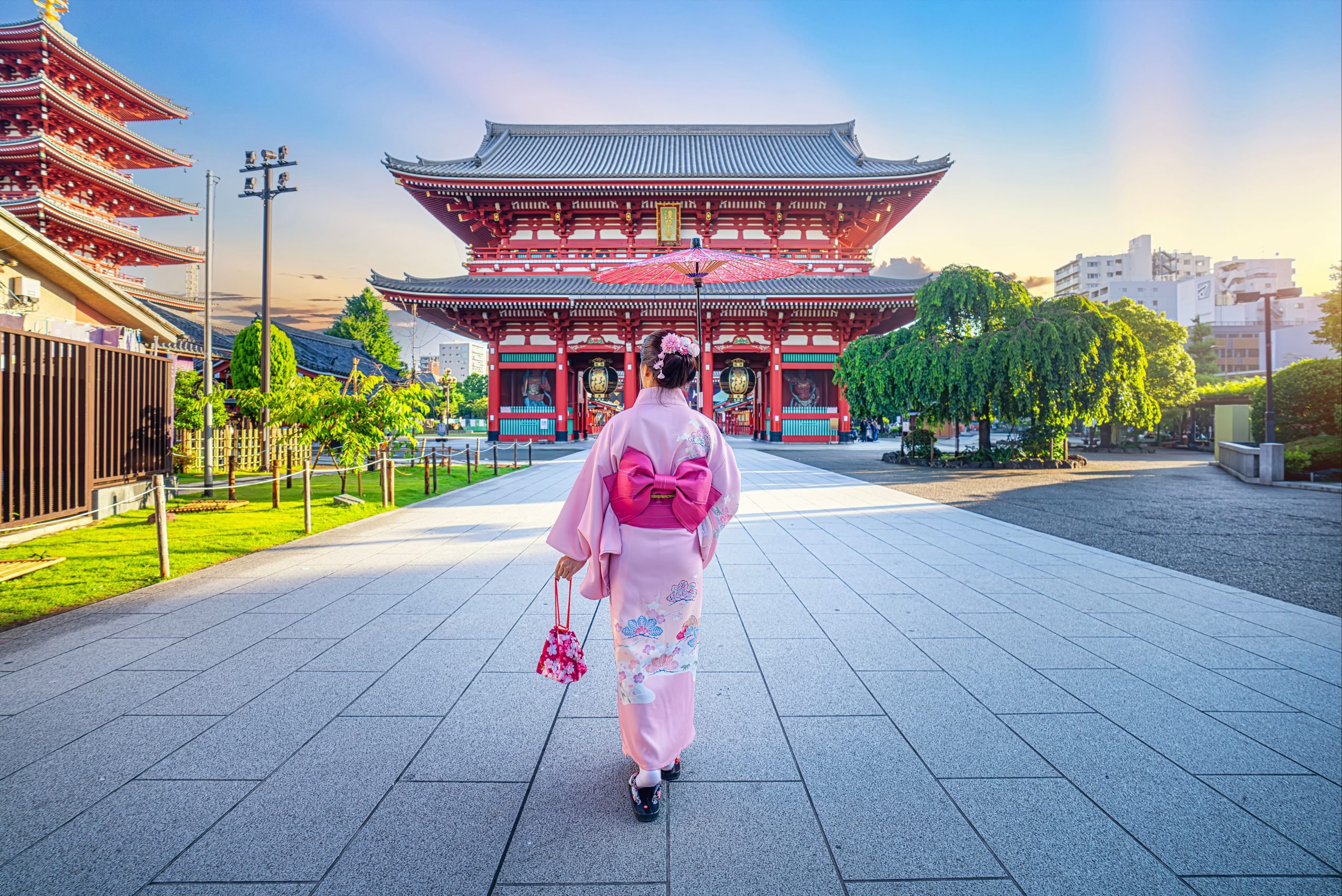
Sensō-ji Temple is one of Tokyo’s most famous attractions
The temple grounds are busiest during the day, but early morning is especially beautiful. You can see the red temple buildings before the crowds arrive, watch locals stop for prayer, and feel the slower rhythm of old Tokyo. At night, the buildings are illuminated, giving the area a quieter, more cinematic mood.
Local planning tip: Sensō-ji is close to Asakusa Station, and Tokyo Skytree is only a short walk or quick train ride away. Pair the temple with nearby Kappabashi Kitchen Street (known as ‘Kitchenware Town’ for its high-quality knives and realistic fake food samples) or a Sumida River cruise for a relaxed half-day.
2. See Tokyo from Tokyo Skytree
Tokyo Skytree rises above the city in Sumida and is one of Tokyo’s clearest visual landmarks. As the tallest structure in Japan and offers panoramic views of the city. The observation deck offers a panoramic view of central Tokyo and beyond. On clear days, you may even see Mount Fuji in the distance.
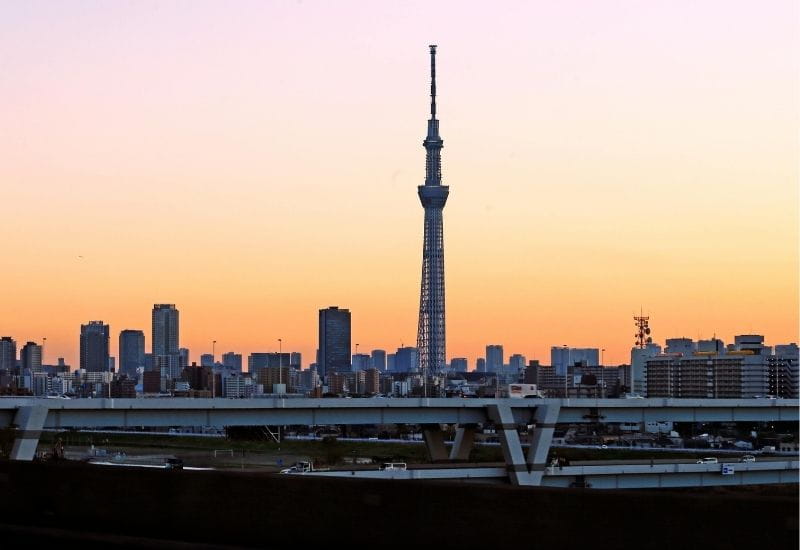
Tokyo Skytree at Sunset Skyline View.
The experience works well for first-time visitors because it helps you understand Tokyo’s scale. From above, the city seems endless, but you can also spot rivers, parks, train lines, and clusters of high-rises that shape each district.
Best time to go: Late afternoon into sunset is ideal. You see the city in daylight, then watch Tokyo shift into a glittering nightscape. Tokyo Skytree Station makes it easy to combine a visit with Asakusa.
3. Cross Shibuya Crossing
Shibuya Crossing is one of the busiest pedestrian crossings in the world and a popular spot for tourists. When the lights turn red, and pedestrians flood the intersection from every side, the movement feels chaotic for a few seconds, then strangely graceful. This busy pedestrian crossing is quick, free, and unforgettable.
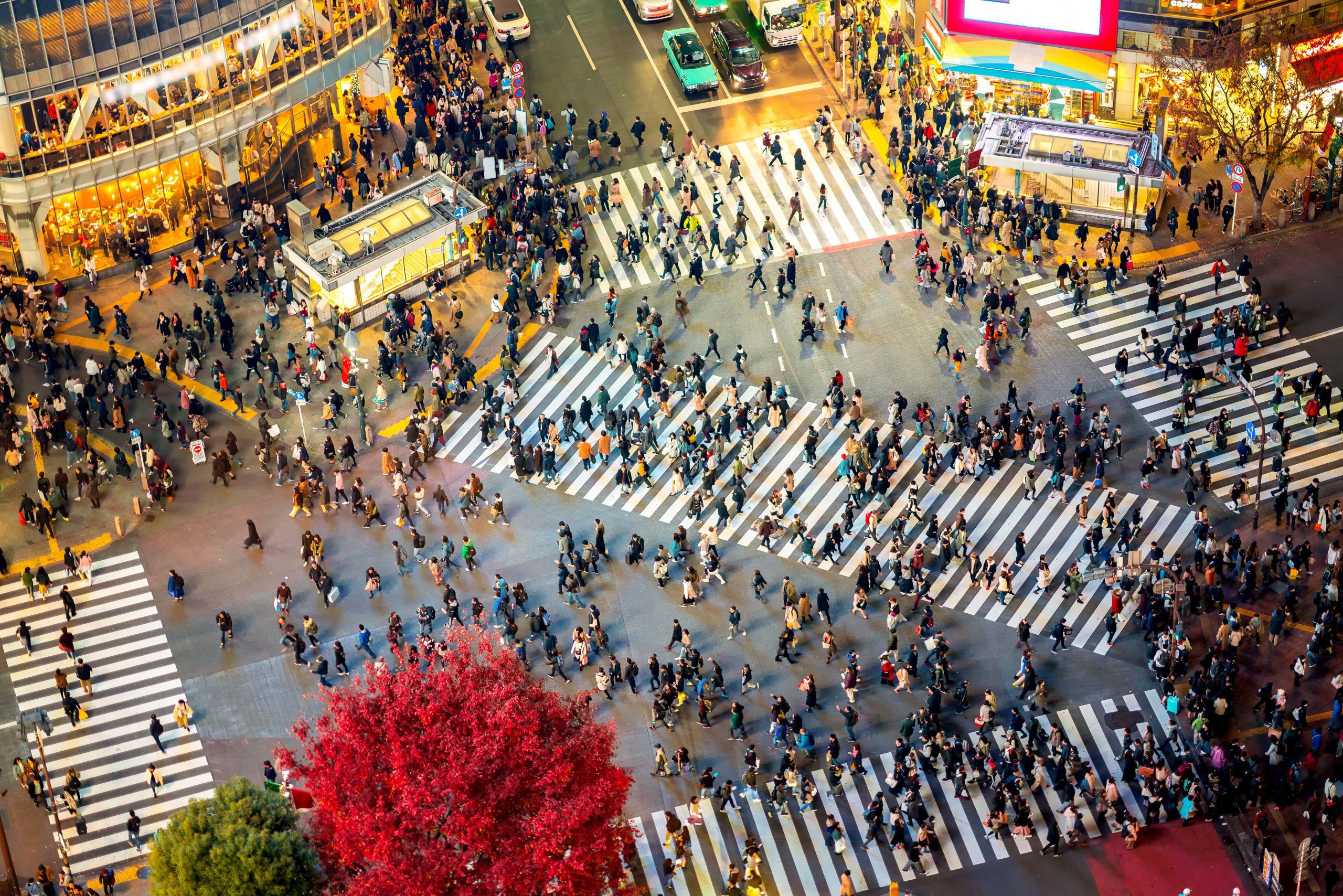
The beating heart of the city, Shibuya Crossing.
You may also hear it called Shibuya Scramble Crossing. After crossing, explore the area around Shibuya Station. Visit Hachikō Square, browse Shibuya’s fashion malls, stop at a record store, or book timed entry to Shibuya Sky for one of the city’s most popular rooftop views.
Local planning tip: Shibuya is best in the late afternoon or evening, when the neon lights begin to glow. For a classic photo angle, head to Mag’s Park Rooftop or the viewing areas around the Shibuya Scramble Square building.
4. Try the Izakaya & Nightlife
The night is when Tokyo comes alive. Hop from izakaya to izakaya (Japanese pubs) in Shinjuku, Ebisu, or Shibuya, sampling small plates, local sake, and seasonal delicacies. Whether you’re travelling solo or with friends, it’s a social and authentic way to experience Japanese popular culture.
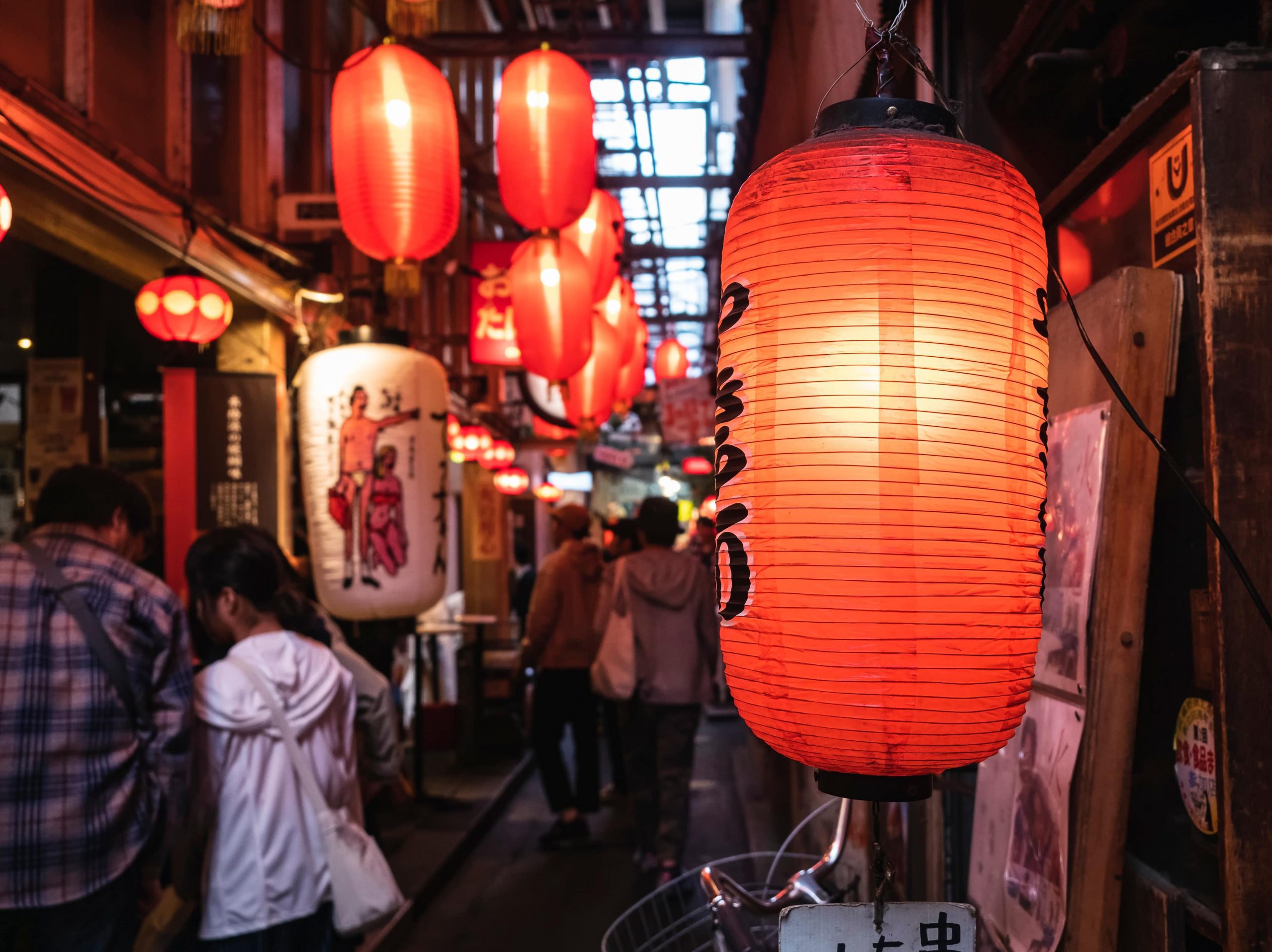
Japan Bar street Izakaya Red light sign with people drinking.
5. Walk Through Meiji Shrine
Meiji Shrine, situated in a broad forest beside Harajuku Station, is a peaceful Shinto shrine located within a dense, quiet forest in Tokyo. The long gravel approach, towering torii gates, and shaded trees create a serene escape between Tokyo’s busier districts.
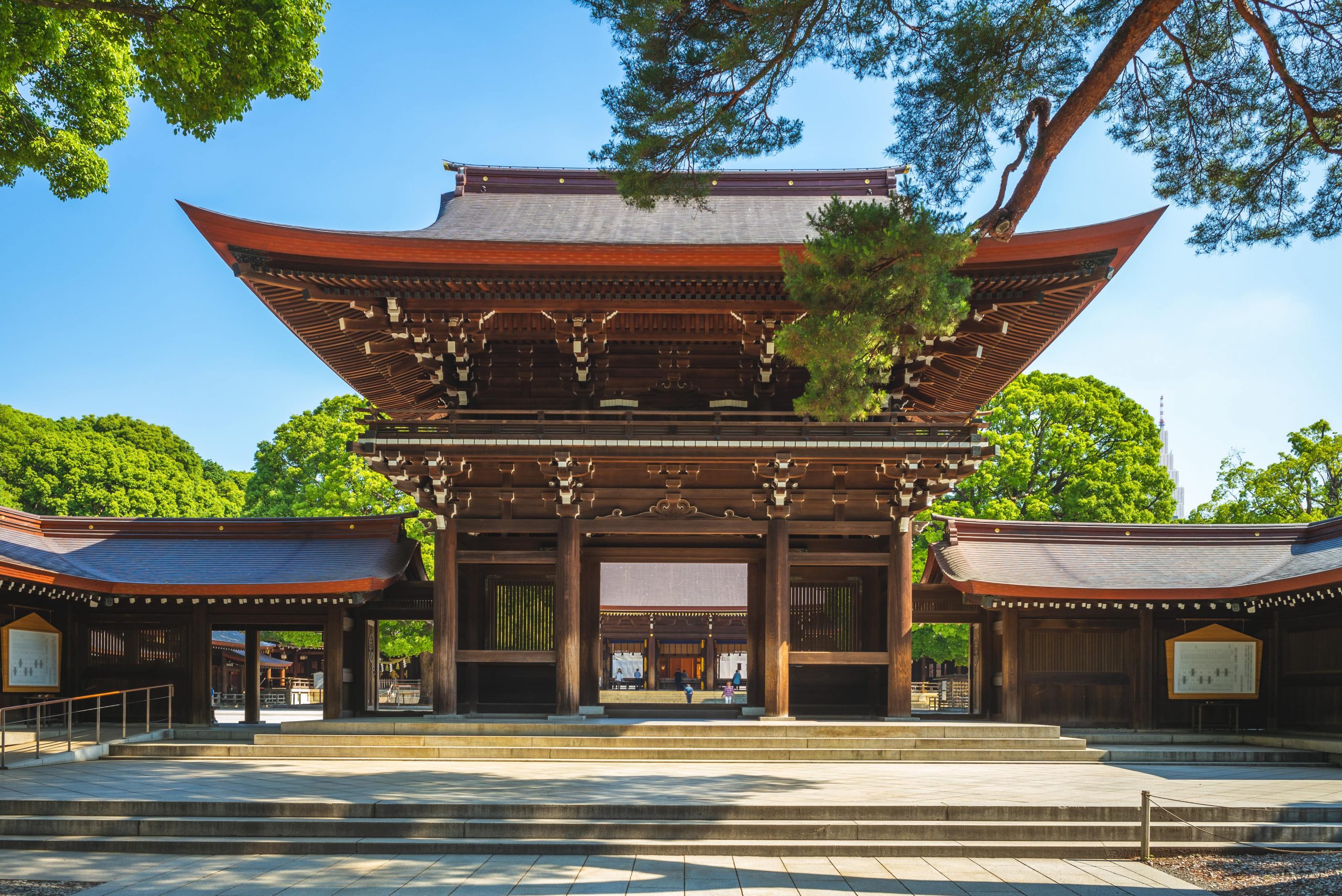
Main Hall of Meiji Shrine in Tokyo.
The shrine is dedicated to Emperor Meiji and Empress Shōken and remains one of Tokyo’s most important Shinto sites. Visitors may see traditional wedding processions on weekends, especially during popular seasons.
Best paired with: Harajuku’s Takeshita Street, Omotesando’s architecture, and Yoyogi Park. The contrast between shrine forest and street culture is one of Tokyo’s classic experiences.
6. Explore the Imperial Palace East Gardens
The Imperial Palace sits on the former site of Edo Castle, close to Tokyo Station. While the inner palace grounds are mostly private, the East Gardens are open to visitors on many days and offer a peaceful walk through stone walls, gates, moats, lawns, and seasonal flowers.
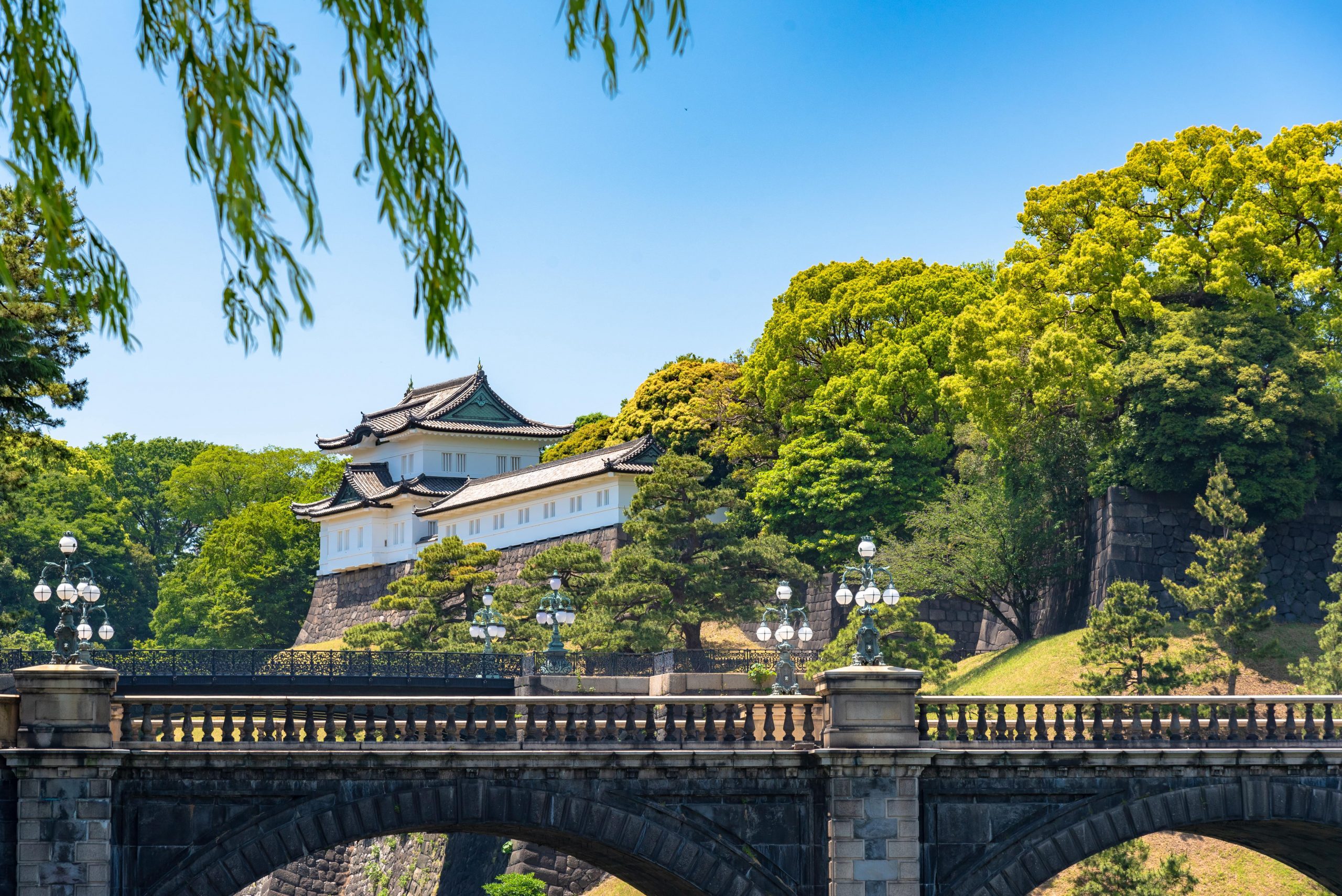
The Tokyo Imperial Palace.
This is a good stop for travellers who enjoy history but do not want a full museum visit. The gardens also work well on arrival day because they are central, easy to reach, and not too demanding.
Nearby idea: After visiting the Imperial Palace area, walk toward Marunouchi or Tokyo Station for architecture, dining, and easy rail connections.
7. Visit Tokyo Tower
Before Tokyo Skytree reshaped the skyline, Tokyo Tower was the city’s great symbol of postwar optimism. Its red-and-white frame still feels nostalgic, especially at night when it glows above Minato.
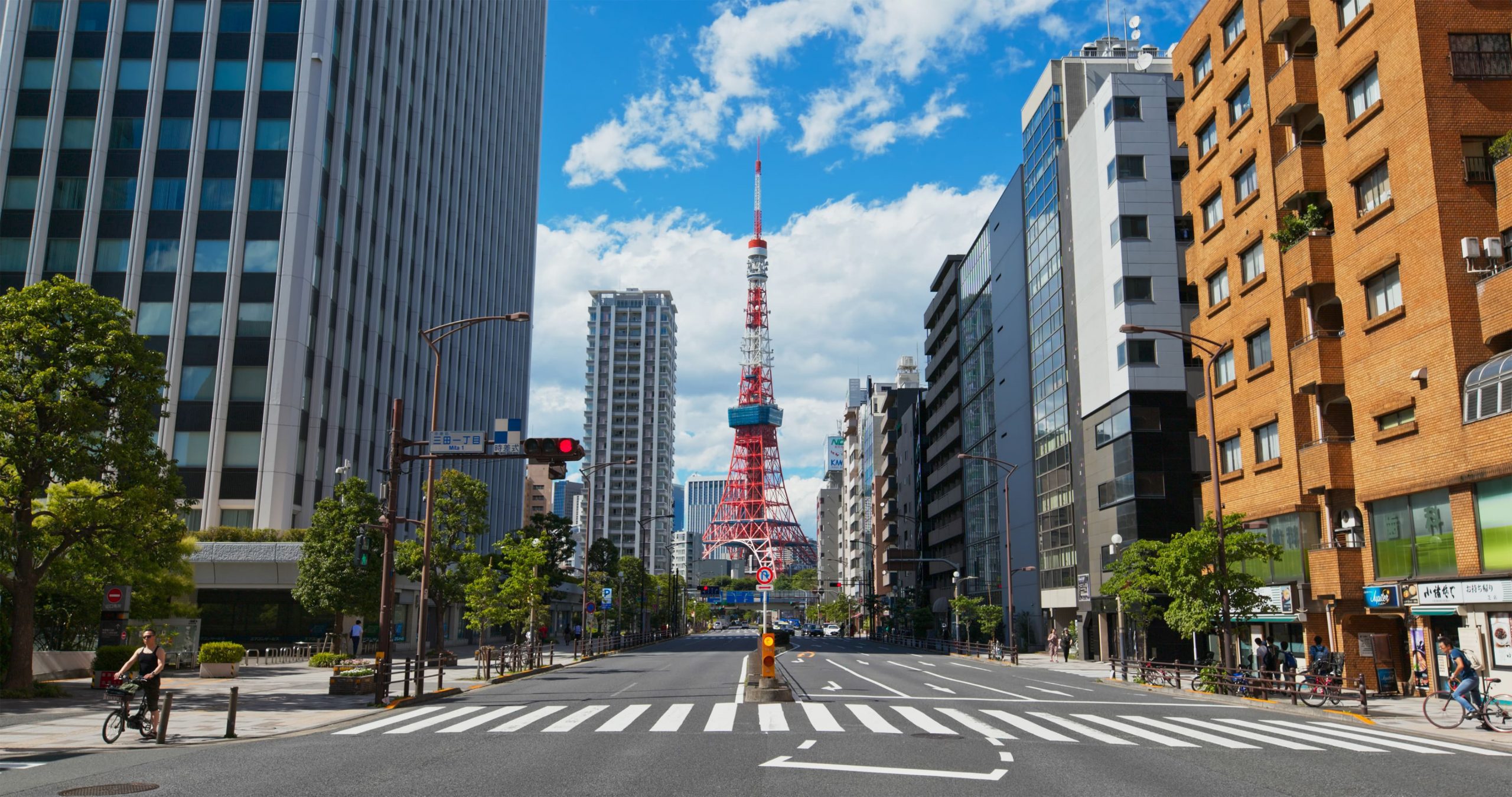
The iconic Tokyo Tower.
Tokyo Tower is not just a viewpoint. It is also close to Zojoji Temple, Roppongi, and Azabudai Hills, making it easy to combine with dining, museums, or an evening walk.
Best for: Travellers who love classic city icons, photography, and night views. Some observation areas also include a glass floor, which adds a small thrill to the view.
8. Visit Roppongi Hills and Mori Tower
Roppongi Hills is a polished urban complex with shops, restaurants, public art, and Mori Tower, one of the best places to see modern Tokyo from above. The area is also known for art museums and international dining, making it a strong choice for travellers who want culture, food, and skyline views in one stop.
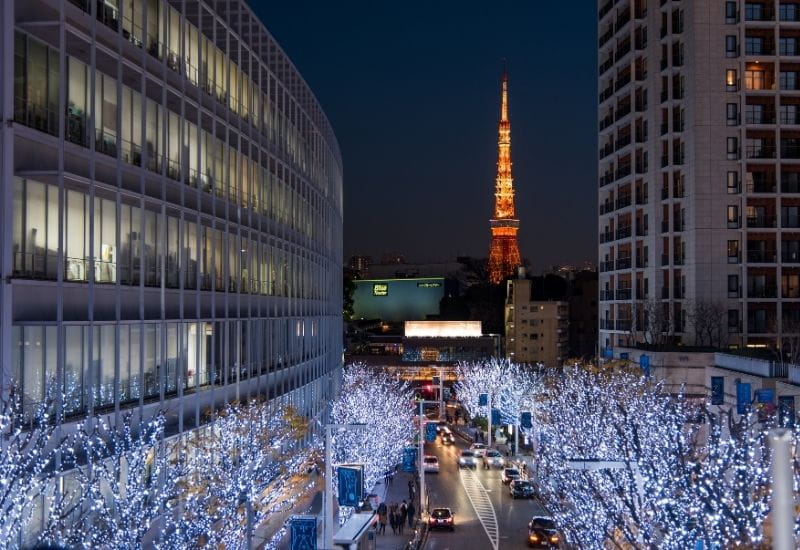
Roppongi Hills is a polished urban complex.
This part of Tokyo feels different from Asakusa or Shinjuku. It is sleek, cosmopolitan, and easy to pair with Tokyo Tower, Azabudai Hills, or a night out in Roppongi.
9. Relax in Shinjuku Gyoen National Garden
Shinjuku Gyoen National Garden is one of Tokyo’s best parks, especially during cherry blossoms and autumn foliage. The national garden blends Japanese, English landscape, and French formal styles, giving visitors several moods within one large green space.
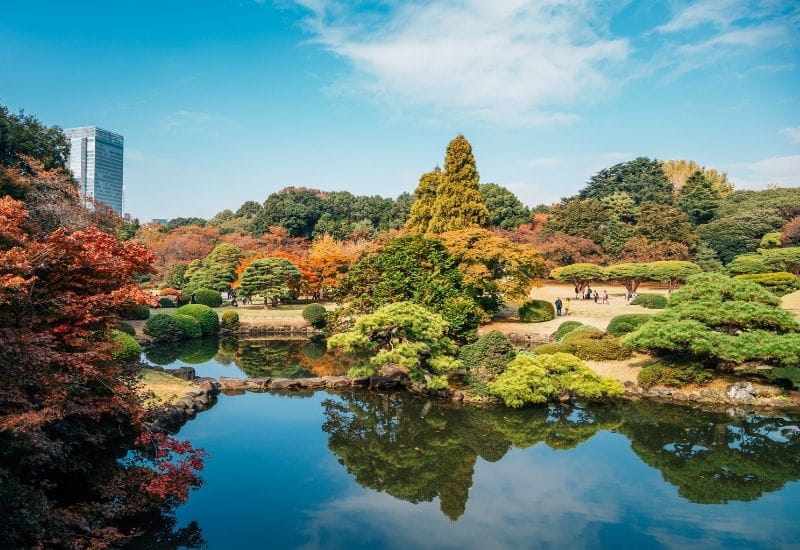
Shinjuku Gyoen Park in Tokyo during autumn.
Because it is just a short walk from Shinjuku Station, the garden is a useful reset between busy sightseeing stops. Bring a snack, slow down, and let Tokyo breathe for an hour.
Best time to visit: Spring for cherry blossoms, autumn for colour, or any clear weekday for a calm break.
Best Tokyo Experiences Beyond the Landmarks
10. Explore Harajuku and Takeshita Street
Harajuku is where Tokyo’s youth culture, fashion, snacks, and self-expression come together. Takeshita Street is the famous starting point, packed with boutiques, crepe stands, character goods, and colourful trends.
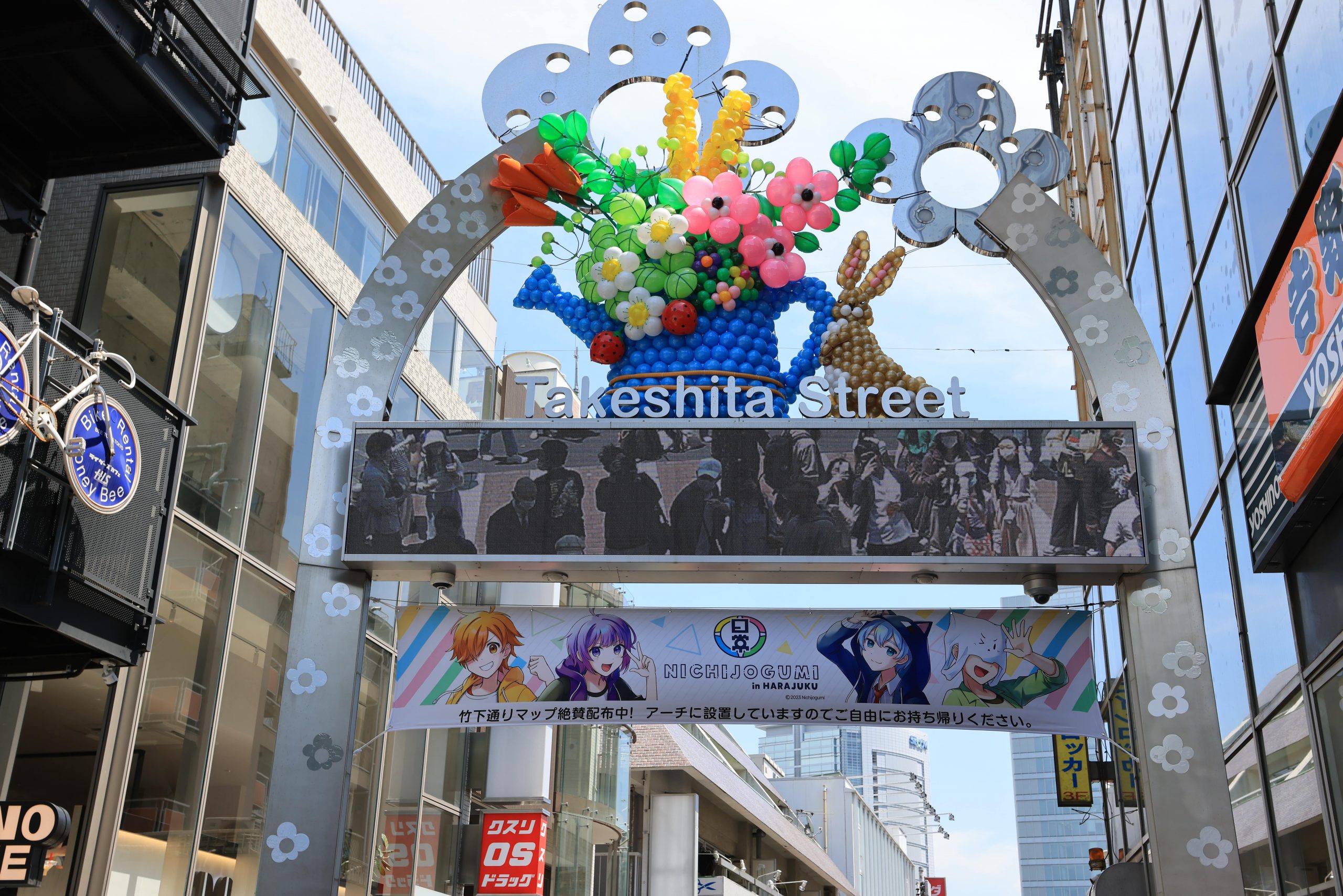
Takeshita Street.
The area is not only about crowds and novelty. Walk a little farther, and you will find quieter lanes, independent shops, cafés, and the polished architecture of Omotesando. This makes Harajuku ideal for travellers who want both playful Tokyo and stylish Tokyo in the same afternoon.
Local planning tip: Start at Meiji Shrine near Harajuku Station, continue to Takeshita Street, then walk toward Omotesando. It is an easy route with a strong contrast.
11. Experience Digital Art at teamLab Planets
TeamLab Planets in Toyosu is one of Tokyo’s most distinctive modern attractions. This digital art museum invites visitors to move through immersive spaces, including installations where you walk through water and interact with reactive floral installations.
It is popular with couples, families, photographers, and travellers looking for something that feels unmistakably contemporary. Book ahead, wear clothing that allows you to move easily, and check the visitor guidelines before going.
Best paired with: Toyosu Market, Odaiba, or a waterfront evening.
12. Eat Your Way Through Tsukiji Outer Market
Tsukiji Outer Market remains one of the best places in Tokyo for a food-focused morning. Although the wholesale tuna auction moved to Toyosu, the outer market is still full of sushi counters, seafood stalls, tamagoyaki shops, knives, pickles, grilled scallops, and small restaurants.
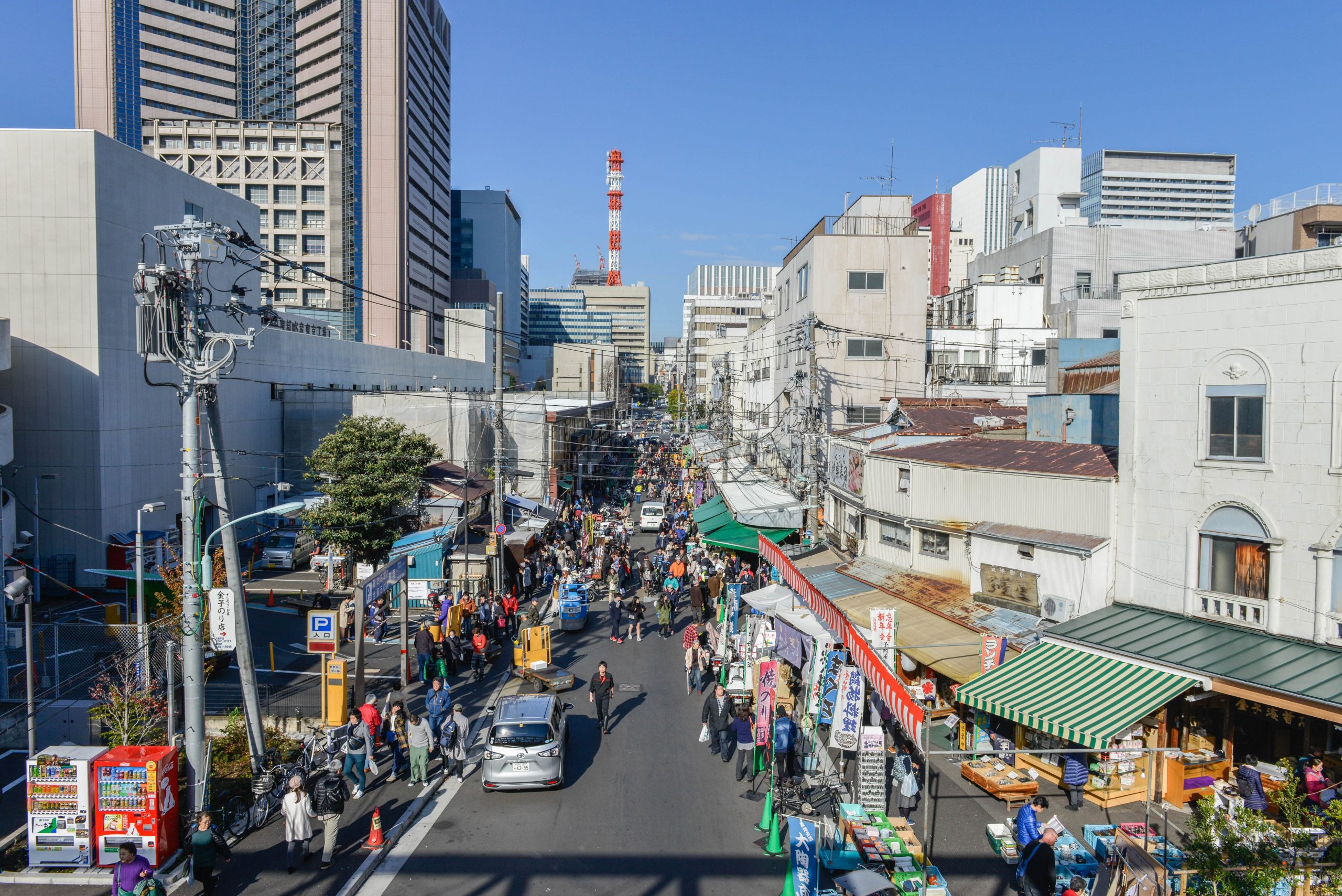
The legendary Tsukiji Fish Market.
Arrive hungry and go early. Tsukiji Outer Market is the best place for a sushi breakfast and exploring hundreds of seafood stalls. Tsukiji Market is famous for its fresh seafood and sushi stands, making it a must-visit for food lovers.
Local planning tip: Tsukiji is close to Ginza, Hamarikyu Gardens, and the Sumida River. It fits well into a morning itinerary before shopping or sightseeing nearby.
13. Spend an Evening in Golden Gai
Golden Gai is a compact nightlife district in Shinjuku made up of narrow lanes and tiny bars. Some venues only seat a handful of guests, and each has its own character, from jazz and film to quiet conversation.
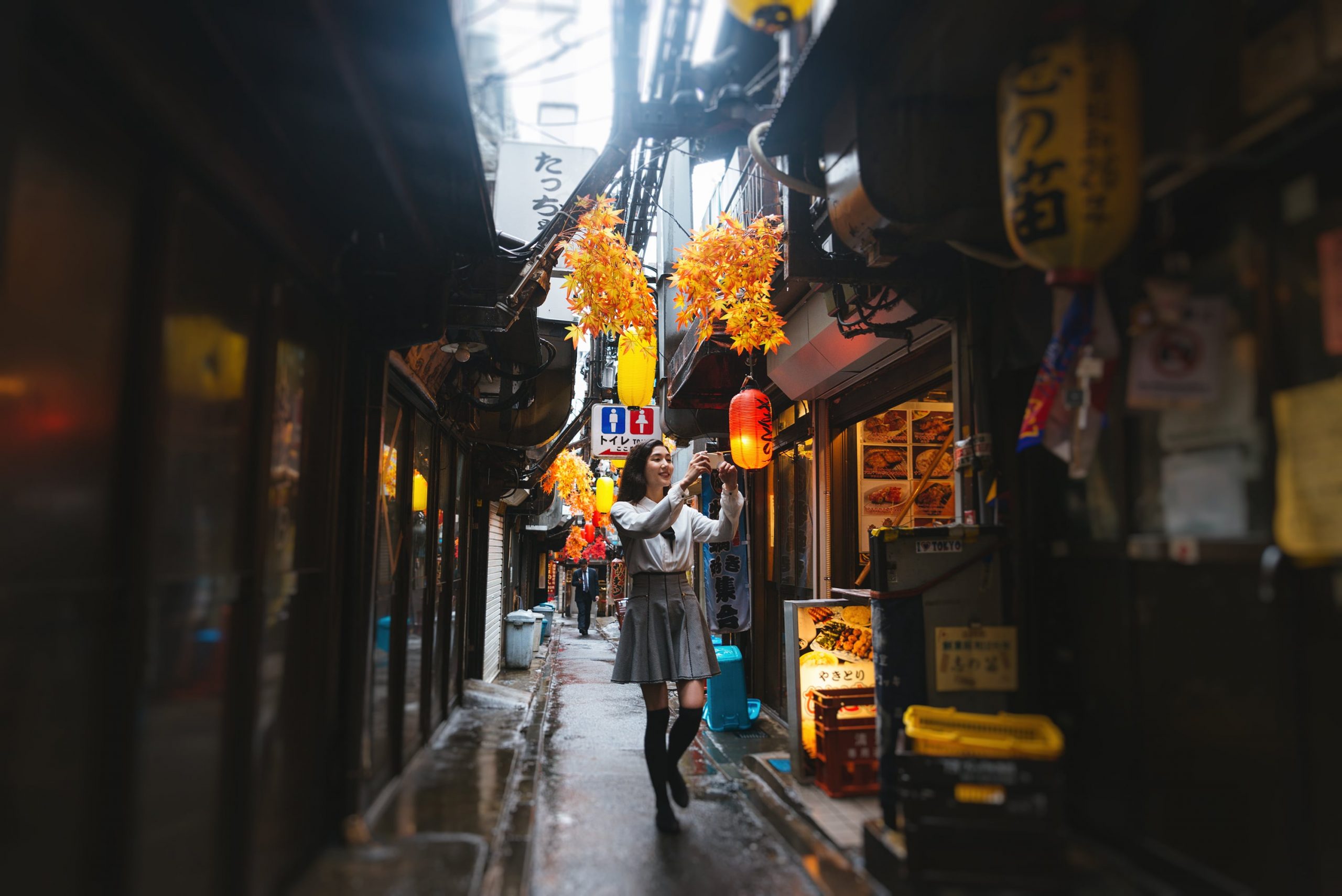
The area is atmospheric, but it is best approached with respect. Many bars have cover charges, some are regulars-only, and photography should be discreet. A local guide can make the experience easier and more comfortable, especially for first-time visitors.
Best for: Couples, solo travellers, and small groups who want a memorable Tokyo night without a large club scene.
14. Wander Omoide Yokocho, Also Known as Memory Lane
Also in Shinjuku, Omoide Yokocho, often called Memory Lane, offers a different kind of nightlife. This narrow alleyway is known for small eateries, smoke from grills, lanterns, and casual food counters. It is a great place to try yakitori, noodles, beer, or a simple late-night meal.
Omoide Yokocho is compact and busy, so do not expect a long, leisurely dinner everywhere. Think of it as a quick, atmospheric stop before or after exploring Shinjuku.
15. Visit the Ghibli Museum in Mitaka
For fans of Studio Ghibli, the Ghibli Museum is one of Tokyo’s most beloved attractions. The museum celebrates animation, imagination, and the creative worlds of Hayao Miyazaki and Studio Ghibli through exhibits, design details, beloved character references, and short films.
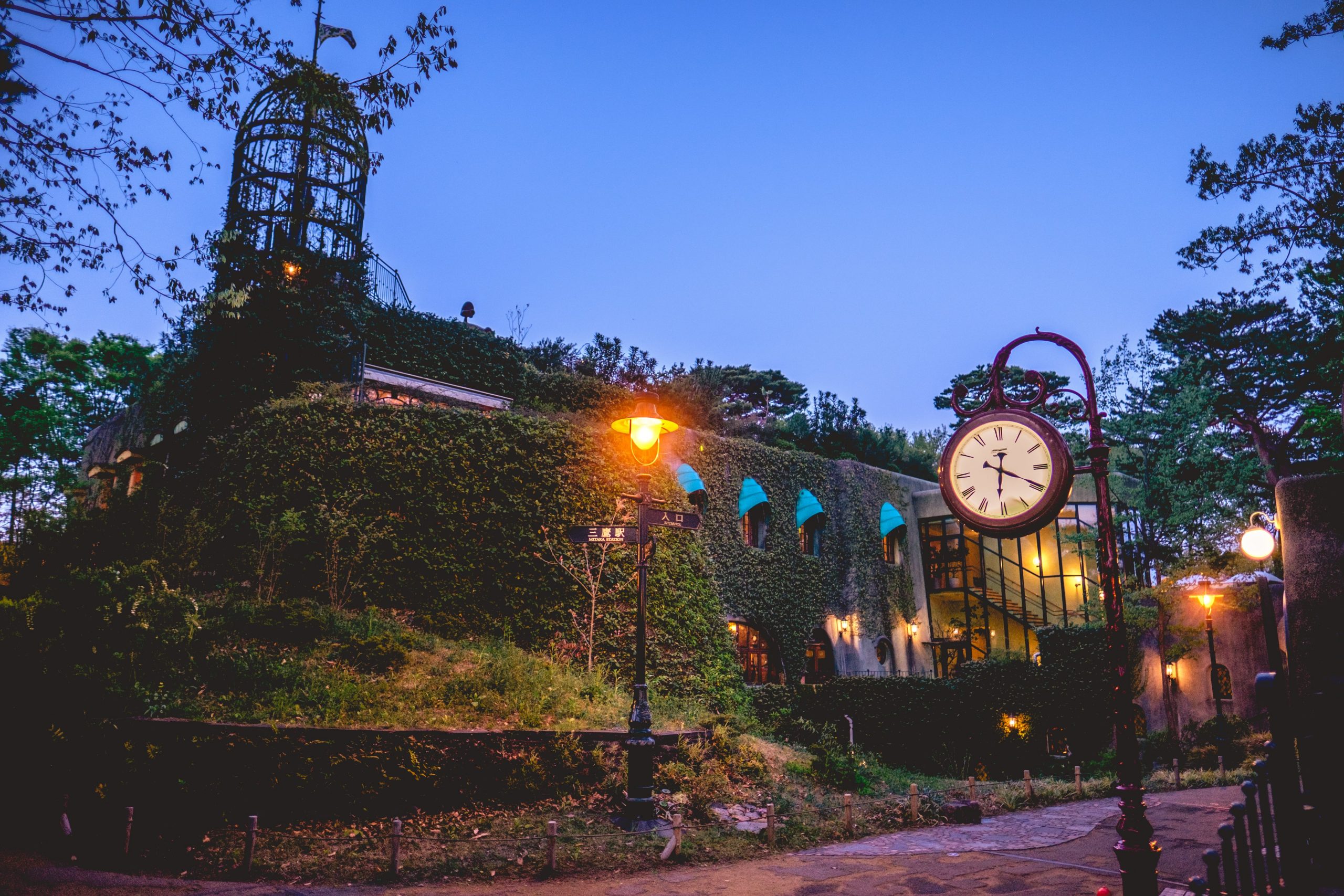
Tickets are by advance reservation only and often sell out quickly, so this is not a place to leave until the last minute. Because it is located in Mitaka, allow travel time from central Tokyo.
Best paired with: Inokashira Park, a relaxed lunch in Kichijoji, or a slower day away from the busiest Tokyo attractions.
16. Try Animal Cafés, Cat Cafés, or Maid Cafés Thoughtfully
Tokyo is known for themed cafés, from cat cafés and other animal cafés to maid cafés in Akihabara. They can be a fun and unique experience in Tokyo, especially for travellers interested in Japanese pop culture, but choose carefully. Look for venues with clear animal welfare standards, clean spaces, and visitor rules that prioritise the animals’ comfort.

Kawaii Monster Cafe in Harajuku.
Image source: @kawaiimonstercafe
Maid cafés are a different kind of themed experience, built around performance, playful service, and otaku culture. They are not for everyone, but they are part of Akihabara’s identity.
Local planning tip: Read recent reviews and use Google Translate when checking menus, rules, or booking pages in Japanese.
17. Watch or Learn About Sumo
Sumo is deeply tied to Japanese culture, ritual, and athletic discipline. If your visit falls during a tournament in Tokyo, attending a match can be a highlight of your trip. Outside tournament dates, some travellers arrange a morning visit to a sumo stable to watch wrestlers train.
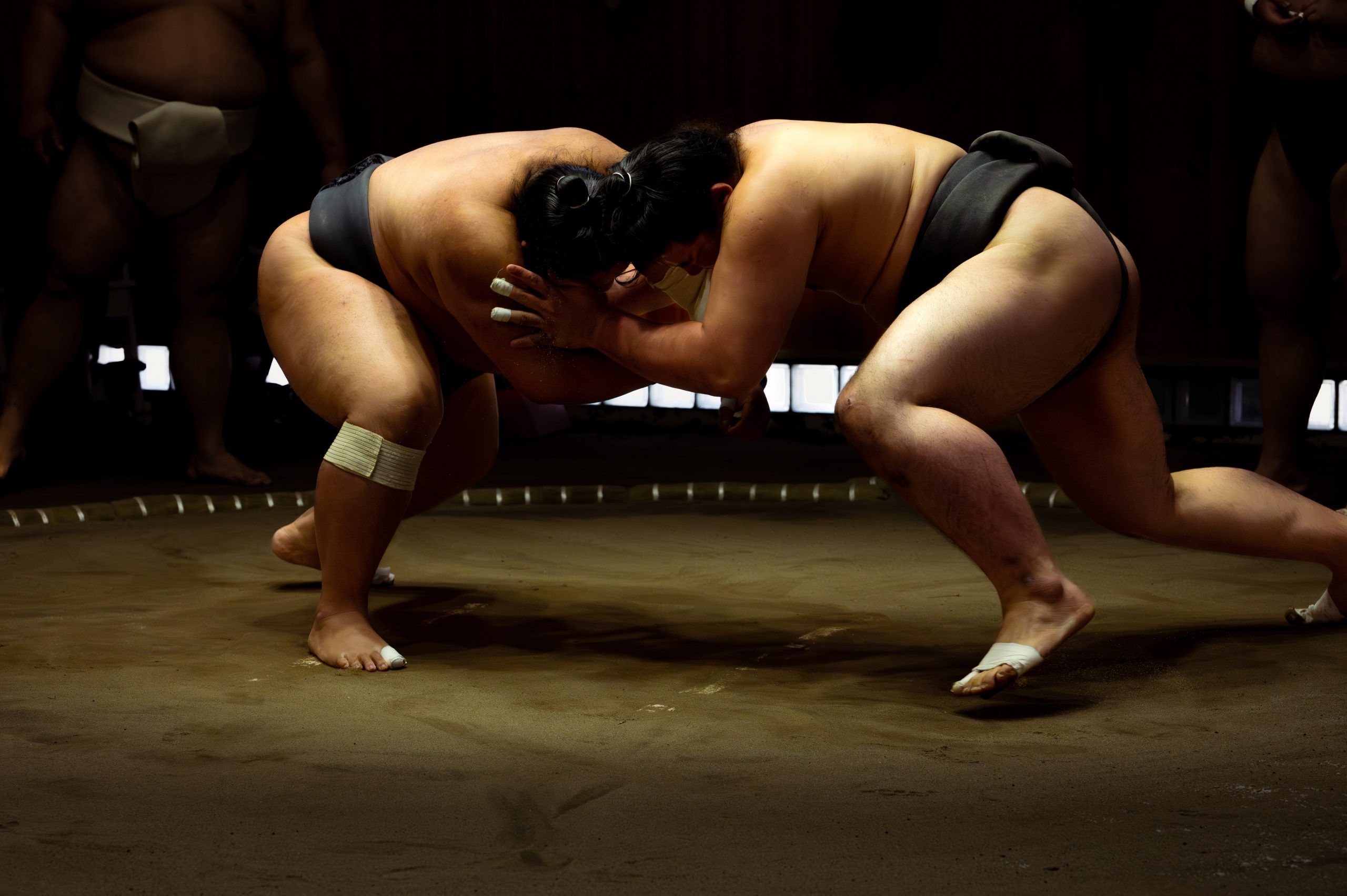
A stable visit requires care and etiquette. Visitors should stay quiet, avoid interrupting training, and follow the host’s instructions. This is exactly the kind of experience that benefits from local planning.
Local planning tip: Sumo wrestling matches can be watched at the Ryogoku Kokugikan during major tournaments in January, May, and September.
18. Join a Tea Ceremony or Kimono Experience
A tea ceremony gives travellers a slower encounter with Japanese culture. The gestures are precise, but the feeling is warm and meditative. You learn how matcha is prepared, how sweets are served, and how hospitality is expressed through small details.
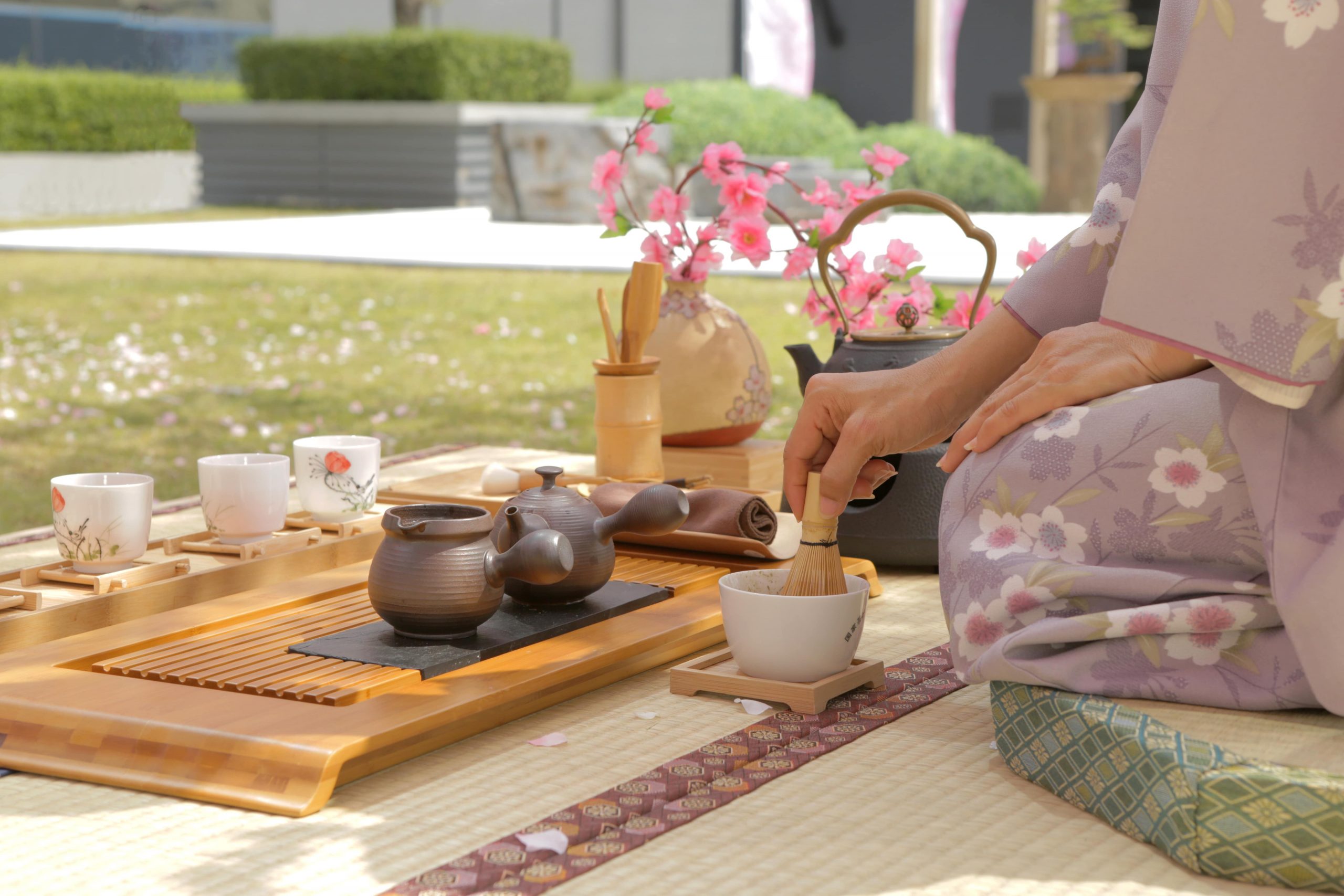
Tea ceremony conducted by local masters.
Many travellers combine a tea ceremony with a kimono experience, especially in Asakusa or historic neighbourhoods. It can be a lovely way to mark a special occasion or add a more personal cultural moment to your Tokyo itinerary.
19. Discover Gotokuji Temple and the Lucky Cat Train
Gotokuji Temple is often associated with maneki-neko, Japan’s beckoning cat figures. It is not in the centre of the city, but it has become a popular attraction for travellers who enjoy quieter temples, local neighbourhoods, and photogenic details.
From Gotokuji Station, you may also spot the cat train on the Tokyu Setagaya Line, decorated with a playful lucky-cat theme. This is not a must-see for every traveller, but it is a charming add-on for cat lovers or anyone looking for a softer side of Tokyo.
20. Discover Tokyo’s Tiny Shrines and Quiet Backstreets
Tokyo’s famous shrines and temples are worth visiting, but the city’s smaller sacred spaces are just as revealing. You may find a tiny shrine tucked beside an office building, behind a shopping street, or along a residential lane.
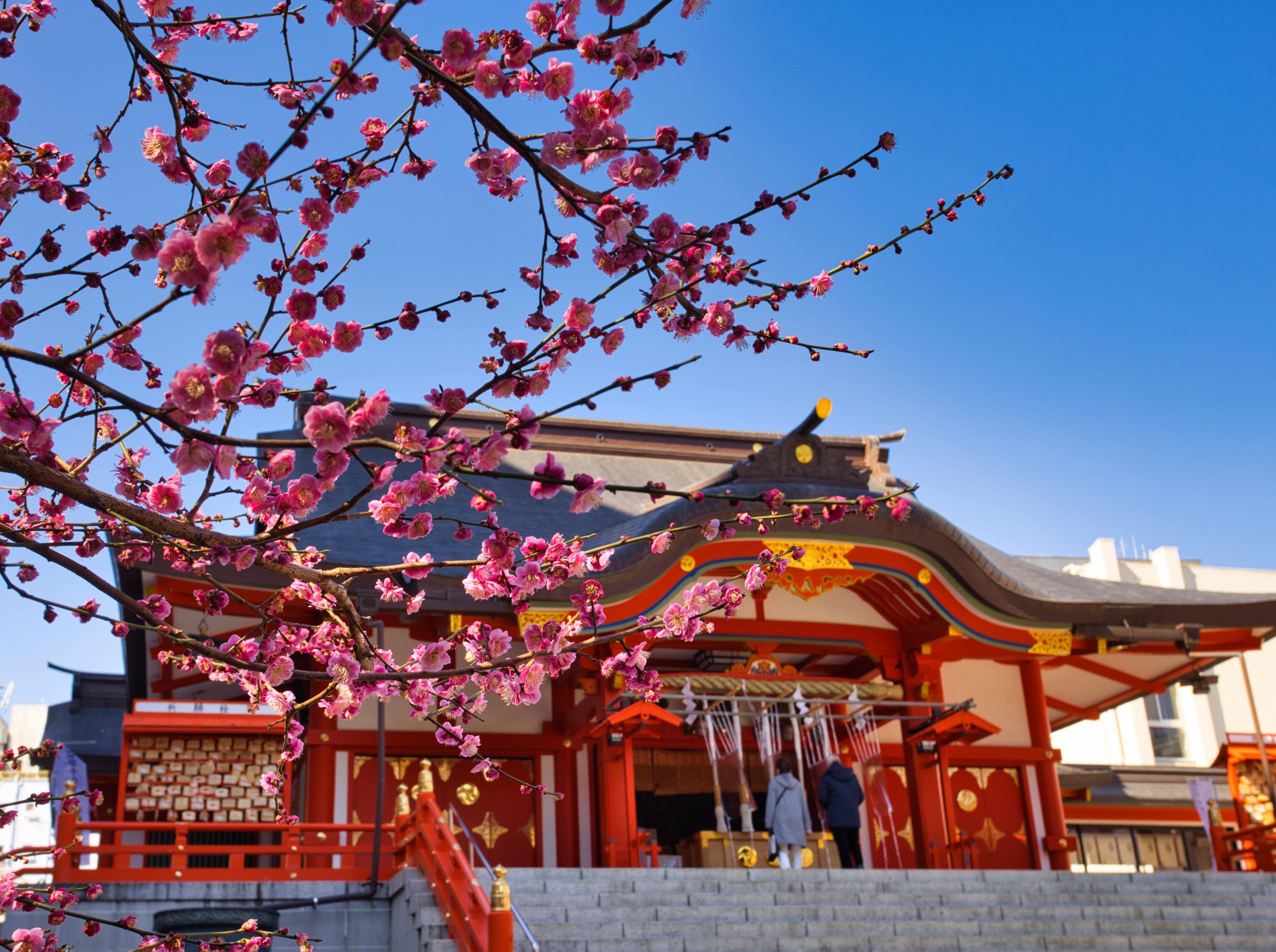
Hanazono Shrine in Shinjuku.
These places show how tradition fits into everyday life in Tokyo. They are not always major attractions, but they create the feeling of discovery that makes a trip memorable.
Local planning tip: Nezu Shrine, Hanazono Shrine, and small neighbourhood shrines around Yanaka or Kagurazaka are rewarding additions if you want a gentler side of the city.
Best Neighbourhoods to Explore in Tokyo
Shinjuku: Nightlife, Views, and Big-City Energy
Shinjuku is Tokyo at full volume. It has one of the world’s busiest stations, vast shopping complexes, neon lights, entertainment districts, food alleys, hotels, bars, and quiet gardens all packed into one area.
First-time visitors often stay near Shinjuku Station because it is convenient for transport and nightlife. Even if you stay elsewhere, plan at least one evening here. Visit Shinjuku Gyoen by day, see the skyline from an observation deck, eat in Omoide Yokocho, then explore Golden Gai after dark.
Asakusa: Historic Tokyo and Riverside Views
Asakusa is the best neighbourhood for experiencing Tokyo’s older side. Sensō-ji is the anchor, but the surrounding streets add texture: traditional snacks, craft shops, kimono rentals, rickshaws, and riverside paths.
From Asakusa, you can easily see Tokyo Skytree across the Sumida River. This makes the area ideal for travellers who want to combine historic atmosphere with modern views.
Akihabara: Anime, Gaming, and Electronics
Akihabara is Tokyo’s electric town, known for anime stores, manga, gaming arcades, electronics shops, collectable figures, maid cafés, and themed cafés. It is colourful, loud, and highly specific, which is exactly why many travellers love it.
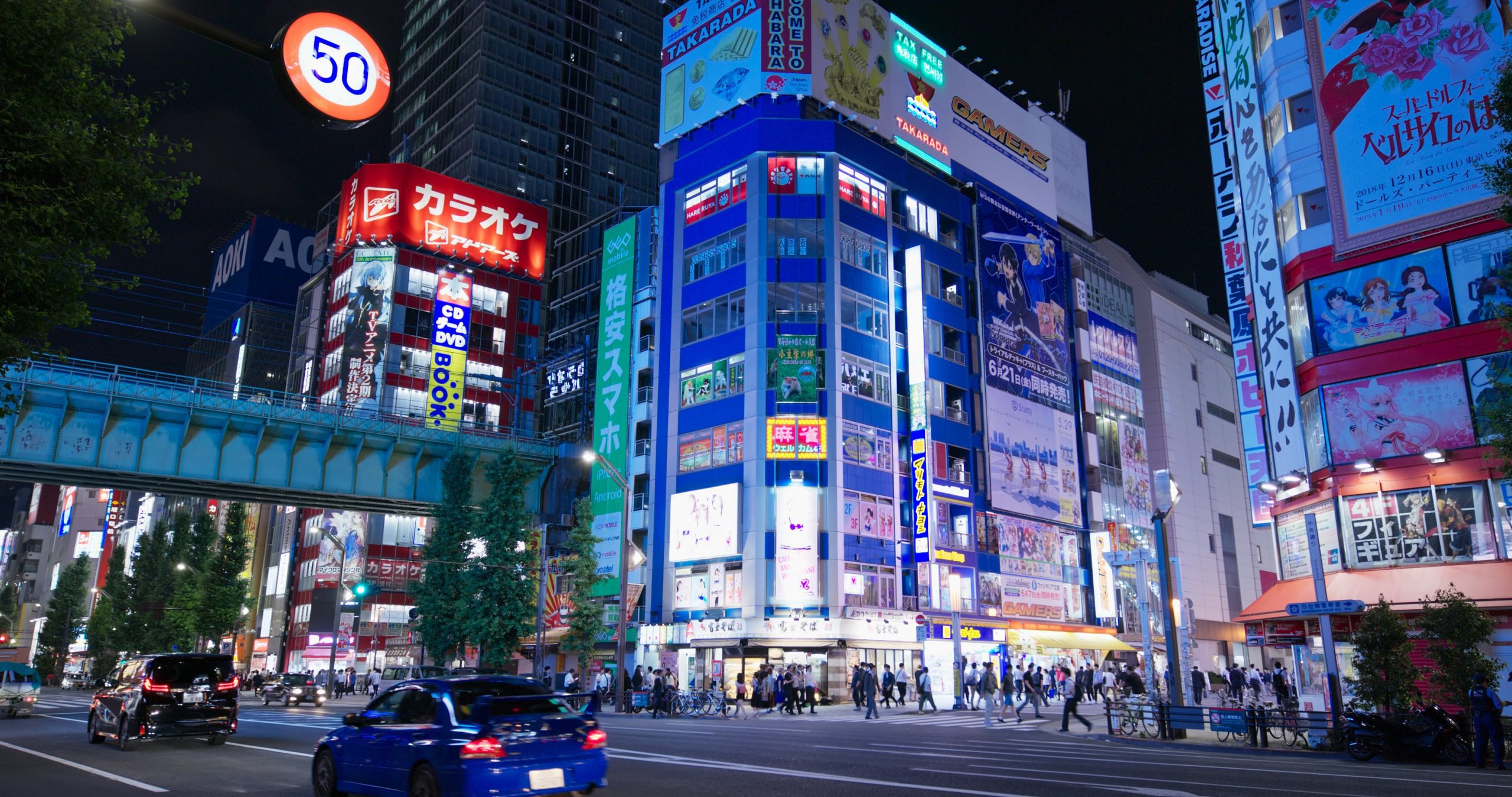
Akihabara in Tokyo at night.
Even if you are not a major anime or gaming fan, Akihabara is worth visiting for its cultural energy. For fans, it can easily fill half a day.
Ginza: Shopping, Dining, and Polished Tokyo
Ginza is Tokyo’s elegant shopping district, home to department stores, luxury boutiques, design shops, galleries, and refined restaurants. It feels especially good on weekends when the main shopping street is often closed to cars.
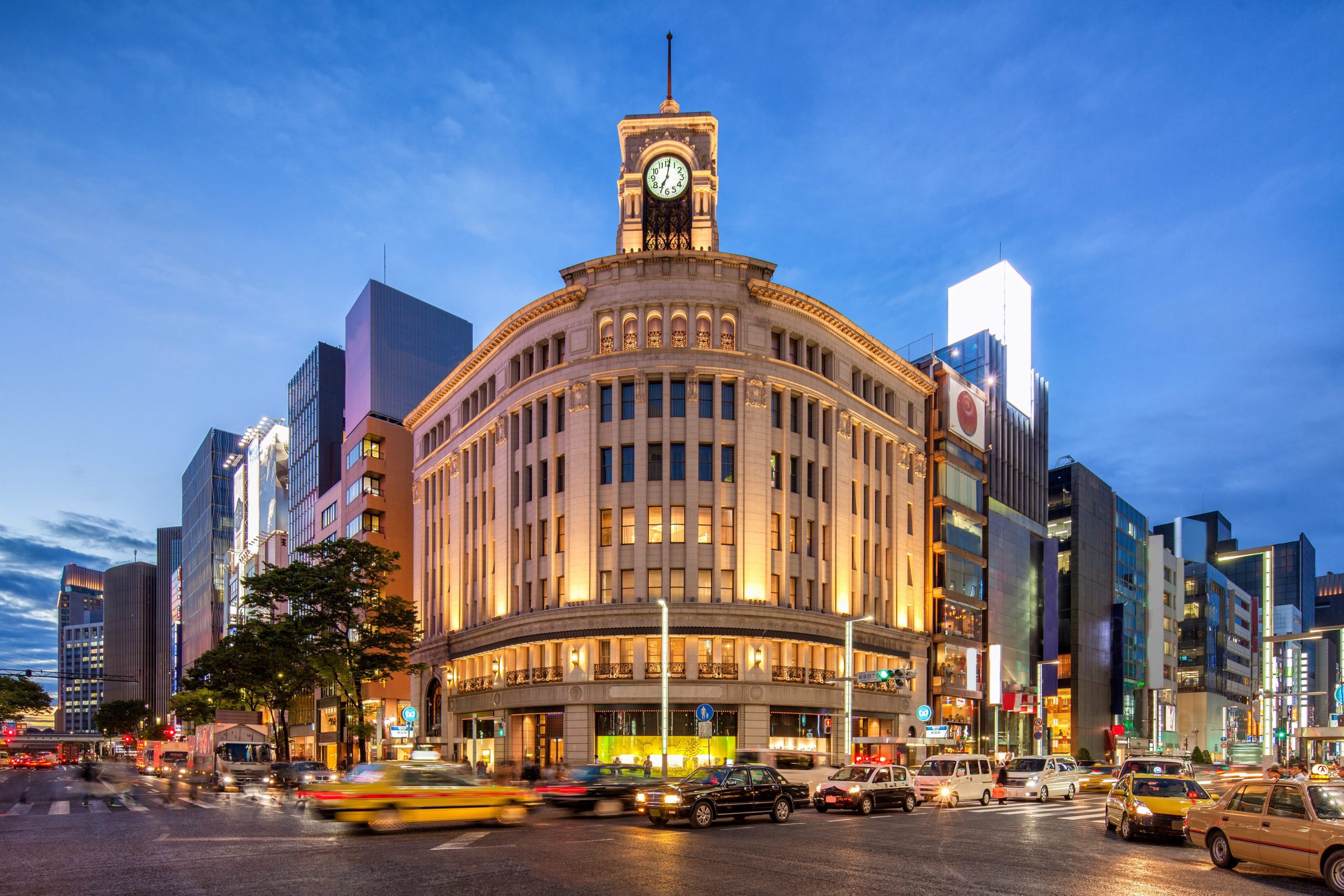
Ginza is also close to Tsukiji Outer Market, the Imperial Palace area, and Tokyo Station, making it easy to include in a central Tokyo day.
Shimokitazawa: Vintage Stores and Indie Cafés
Shimokitazawa has a more relaxed, creative feel than Tokyo’s big commercial districts. It is known for vintage clothing, record shops, small theatres, cafés, curry restaurants, and live music.
This is a good neighbourhood for travellers who have already seen the major sights or want to experience a younger, more local Tokyo. Spend a few hours wandering without a strict plan.
Ueno and Yanaka: Museums, Parks, and Old-Tokyo Atmosphere
Ueno is home to Ueno Park, museums, temples, and the popular Ameyoko shopping street. Nearby Yanaka offers narrow lanes, older houses, small shops, and a slower pace that feels different from central Tokyo’s vertical rush.
Together, Ueno and Yanaka make a rewarding day for travellers who like museums, walking, food stalls, and neighbourhoods with history.
Best Parks and Nature in Tokyo
Yoyogi Park
Yoyogi Park sits beside Meiji Shrine and Harajuku, making it one of the easiest parks to add to a sightseeing day. On weekends, it often fills with musicians, dancers, families, runners, and friends picnicking under the trees.
It is less formal than Shinjuku Gyoen, which is part of its charm. Visit when you want a casual pause between Harajuku and Shibuya.
Ueno Park
Ueno Park is one of Tokyo’s most important cultural green spaces. It contains museums, shrines, ponds, performance areas, and Ueno Zoo. During cherry blossom season, it becomes one of the city’s most famous hanami spots.
Even outside spring, Ueno is useful because it combines nature, culture, and food. After the park, head to Ameyoko for snacks, shops, and lively street-market energy.
Hamarikyu Gardens
Hamarikyu Gardens offers a calm contrast to nearby high-rises. The landscaped garden features tidal ponds, bridges, seasonal flowers, and a teahouse where you can pause with matcha.
Its location near Shiodome and Tokyo Bay makes it easy to pair with Tsukiji, Ginza, or a river cruise. For travellers who enjoy photography, the mix of garden and skyline is especially striking.
Best Day Trips from Tokyo
Hakone: Hot Springs and Mount Fuji Views
Hakone is one of the most popular day trips from Tokyo, especially for travellers hoping to see Mount Fuji or Mt Fuji from a scenic viewpoint. It is known for hot springs, Lake Ashi, mountain scenery, natural beauty, art museums, and ryokan stays.
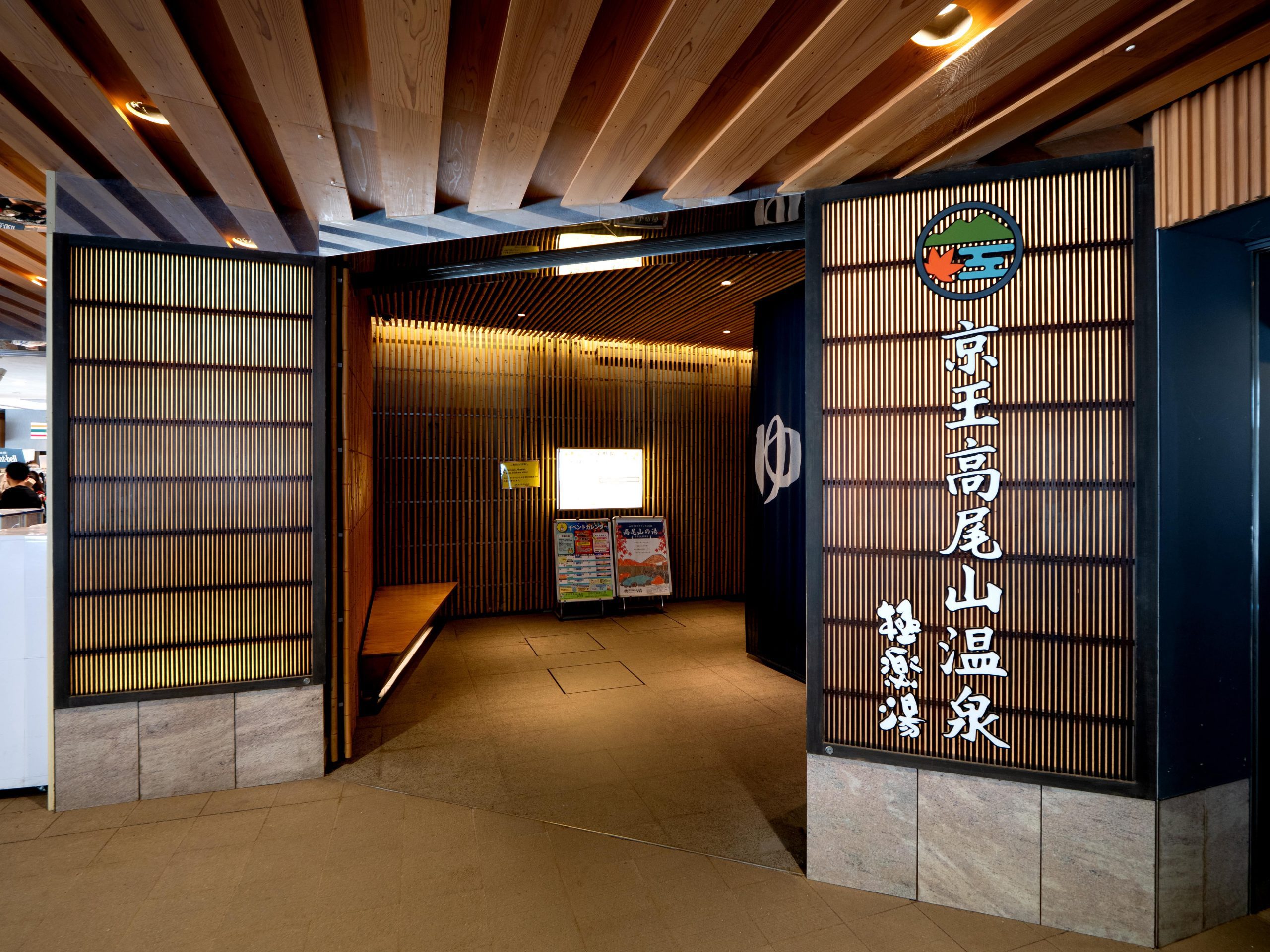
Keio Takaosan Onsen is adjacent to Takaosanguchi Station. Credit moonrise – stock.adobe.com
While Hakone can be done as a day trip, it is more relaxing as an overnight stay. One night gives you time for an onsen, a traditional dinner, and slower travel between the area’s mountain transport routes.
Nikko: UNESCO Shrines and Mountain Scenery
Nikko is a strong choice for history and nature. The area is known for ornate shrines, forested paths, waterfalls, and cooler mountain air. It is especially beautiful in autumn, though that is also when it becomes busiest.
Nikko is best for a full-day trip or an overnight stay because travel time and sightseeing can add up.
Kamakura: The Great Buddha and Coastal Temples
Kamakura is a coastal city south of Tokyo, famous for the Great Buddha, temples, shrines, hiking trails, and easy access to the sea. It offers a slower, more open feeling after several days in the capital.
Kamakura is a great choice for travellers who want culture without the crowds of a major city. It can also be paired with Enoshima for coastal views.
Mount Takao: An Easy Nature Escape
For a simpler nature day, Mount Takao is one of the easiest escapes from central Tokyo. You can hike, take a cable car part of the way, visit temple buildings, and enjoy views on a clear day.
It is a good option if you want fresh air without committing to a long day trip.
Kyoto Add-On: Bamboo Grove and Traditional Streets
The famous bamboo grove that many travellers picture is not in Tokyo. It is in Arashiyama, Kyoto, and is best saved for a wider Japan trip that includes Kyoto, Osaka, or Kansai. If you only have time to visit Tokyo, choose a local green escape, such as Shinjuku Gyoen, Hamarikyu Gardens, Yoyogi Park, Ueno Park, or Mount Takao.
Tokyo Disneyland, DisneySea for Disney Fans
Tokyo DisneySea is technically in Urayasu, Chiba, but many travellers include it in a Tokyo itinerary. For Disney fans, it is one of the most distinctive Disney parks in the world, with themed ports, detailed design, and areas such as Arabian Coast.
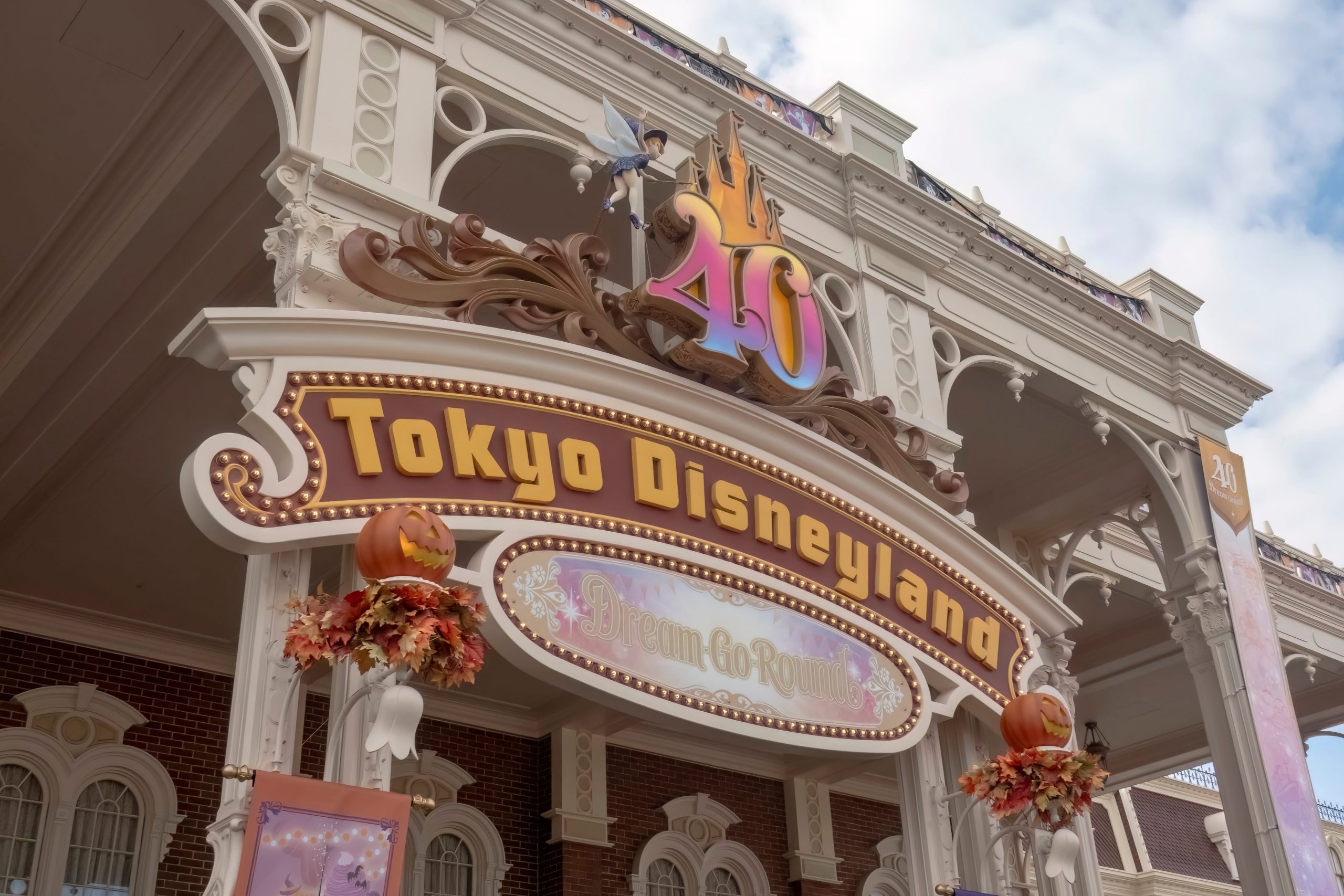
Tokyo Disneyland. Credit: oasisamuel – stock.adobe.com
This is a full-day experience rather than a quick stop. Build it into your itinerary as its own day, especially if you are travelling with children, teens, or anyone who loves theme parks.
How to Plan Your Tokyo Trip by Area
Tokyo is much easier when you stop thinking of it as one giant list and start planning it as connected clusters. Here are simple ways to group the city.
Asakusa and Sumida: Sensō-ji Temple, Nakamise Street, Sumida River, Tokyo Skytree, and Tokyo Skytree Station.
Shibuya and Harajuku: Shibuya Crossing, Shibuya Scramble Crossing, Shibuya Sky, Shibuya Scramble Square, Meiji Shrine, Takeshita Street, Omotesando, Yoyogi Park, and Harajuku Station.
Shinjuku: Shinjuku Gyoen National Garden, Tokyo Metropolitan Government Building, Omoide Yokocho, Golden Gai, Kabukicho, and Shinjuku Station.
Ueno and Yanaka: Ueno Park, Tokyo National Museum, Ameyoko, Yanaka Ginza, local temples, and food stalls.
Ginza and Tsukiji: Tsukiji Outer Market, Ginza shopping, Hamarikyu Gardens, Tokyo Station, and the Imperial Palace East Gardens.
Roppongi and Minato: Roppongi Hills, Mori Tower, Tokyo Tower, museums, dining, and city views.
Akihabara and Kanda: Anime shops, electronics, arcades, bookshops, cafés, and easy rail connections.
When you create your custom Tokyo tours with Designer Journeys, this type of grouping is key. It keeps the pace realistic, reduces time on trains, and leaves room for the small discoveries that make Tokyo special.
What to Do in Tokyo in 3 Days
Day 1: Classic Tokyo
Start in Asakusa at Sensō-ji Temple before the biggest crowds arrive. Walk Nakamise Street, then continue toward the Sumida River and Tokyo Skytree. In the afternoon, head to Ueno Park or the Tokyo National Museum. End the day with dinner in Ueno, Asakusa, or a local izakaya.
Best for: First-time visitors who want history, views, and an easy introduction to the city.
Day 2: Modern Tokyo
Begin at Meiji Shrine, then walk into Harajuku and Omotesando. Spend the afternoon in Shibuya, crossing the famous intersection and exploring shops, cafés, and side streets. Book Shibuya Sky for sunset if the weather is clear. In the evening, stay in Shibuya or continue to Ebisu for dinner.
Best for: Fashion, photography, youth culture, neon lights, and skyline views.
Day 3: Food, Gardens, and Nightlife
Start with breakfast at Tsukiji Outer Market, then walk or take transit to Hamarikyu Gardens or Ginza. In the afternoon, visit Shinjuku Gyoen National Garden or explore department store food halls. Spend your final evening in Shinjuku, with dinner in Memory Lane and drinks in Golden Gai if that suits your travel style.
Best for: Food lovers, garden breaks, and a memorable Tokyo night.
Best Time to Visit Tokyo
Tokyo is a year-round city, but the best seasons for most travellers are spring and autumn.
Spring: Late March to early April is famous for cherry blossoms, though exact timing changes each year. Parks such as Shinjuku Gyoen National Garden, Ueno Park, Yoyogi Park, and Nakameguro riverfront are popular hanami spots. Book accommodation early if you travel during this period.
Summer: Tokyo is lively in summer, with festivals and fireworks, but it can be hot and humid. Plan indoor breaks, start early, and avoid overpacking each day.
Autumn: November is one of the most comfortable and beautiful times to visit, with crisp weather and autumn colour in gardens and parks.
Winter: Winter is cooler, clearer, and often easier for sightseeing. Illuminations, hot ramen, and possible Mount Fuji views make it a rewarding season.
Tokyo Travel Tips from a Local-Designer
Leave space in the itinerary. Tokyo rewards wandering. A fully packed schedule may get you to more attractions, but it can also make the city feel stressful.
Book special experiences early. The Ghibli Museum, teamLab Planets, popular restaurants, seasonal tours, day-trip tour options, and private cultural experiences often require advance planning.
Plan meals by neighbourhood. Tokyo has excellent food everywhere, but the best experience often comes from knowing where to go before you are tired and hungry.
Respect local etiquette. Stand on the correct side of escalators, keep voices low on trains, avoid eating while walking in crowded areas, and ask before photographing people or small venues.
Use a local expert when the trip matters. Tokyo is easy to enjoy but hard to master. A local designer can help shape the city around your interests, whether you care most about food, art, family-friendly pacing, anime, architecture, luxury stays, natural beauty, or hidden neighbourhoods.
F.A.Qs: Things to Do in Tokyo
How many days do you need in Tokyo?
Most travellers need at least three to four days in Tokyo to see the main sights and explore several neighbourhoods. If you want day trips, food tours, museums, Tokyo DisneySea, or slower local experiences, five to seven days is more comfortable.
What should I do in Tokyo on my first trip?
On a first trip to Tokyo, visit Sensō-ji Temple, Tokyo Skytree, Shibuya Scramble Crossing, Meiji Shrine, Harajuku, Shinjuku, Tsukiji Outer Market, and at least one major park or national garden. Add one evening food or nightlife experience to see the city after dark.
What is the best area to stay in Tokyo for tourists?
Shinjuku and Shibuya are popular for nightlife, dining, and transport. Ginza is good for shopping and a more polished atmosphere. Asakusa is atmospheric and often a better value. Tokyo Station and Marunouchi are convenient for rail connections.
What is the best time to visit Tokyo?
Spring and autumn are often considered the best times to visit Tokyo. Spring brings cherry blossoms, while autumn offers comfortable weather and colourful leaves. Winter is also a good option for clear skies and fewer crowds than peak seasons.
Is $5000 enough for a week in Japan?
Yes, $5,000 is usually enough for a comfortable one-week trip to Japan for one person, especially if flights are not included. It can cover mid-range hotels, trains, meals, entrance fees, and guided Tokyo tours. Couples or families may need a higher budget, depending on the hotel style, shopping, private transfers, and day-trip tour options.
What is best to buy from Japan?
Some of the best things to buy from Japan include matcha, Japanese knives, ceramics, stationery, skincare, snacks, tea, vintage clothing, anime goods, character merchandise, and regional crafts. In Tokyo, try Ginza for polished shopping, Asakusa for traditional souvenirs, Akihabara for anime and gaming, Harajuku for fashion, and department store food halls near Tokyo Station or Shinjuku Station for beautifully packaged gifts.
Plan Your Custom Tokyo Trip with a Local Designer
Tokyo is one of the world’s most exciting cities, but the best version of Tokyo depends on you. One traveller may dream of sushi counters, jazz bars, and architecture. Another may want temples, gardens, family-friendly museums, and a gentle pace. Someone else may want anime shops, hidden cafés, private guides, and a day trip with views of Mount Fuji.
With trusted Local Designers in Japan who use destination insight, local knowledge, and travel planning expertise to build a trip around your interests. Explore our gallery of extraordinary travel experiences, connect with a Local Designer, then book and travel with confidence. Every trip to Tokyo is a chance to discover, explore, and design new memories—crafted by you, supported by Designer Journeys. Your trip. Your version of extraordinary.
Visit Japan in another place? Check out our guide for your best travel inspiration.
- Things to do in Osaka
- Things to do in Kyoto
- Things to do in Fukuoka
- Things to do in Nagoya
- Things to do in Hiroshima
- Things to do in Nara
- Things to do in Yokohama
- Things to do in Kamakura
- Things to do in Hakone
- Things to do in Kobe
- Things to do in Sapporo
- Things to do in Okinawa
Senso-ji Temple, the oldest temple in Tokyo.