Post Contents
- Busan, South Korea Weather in November
- What to wear in Busan in November
- Luxury hotels in Busan for November travel
- Haeundae Beach in Busan in November – sunshine walks to Taejongdae and Igidae
- Gamcheon Culture Village and Jagalchi Fish Market
- F.A.Qs: Busan in November weather and travel
- Busan in November – travel reflections shaped by weather, sea air, and light
Busan, South Korea Weather in November

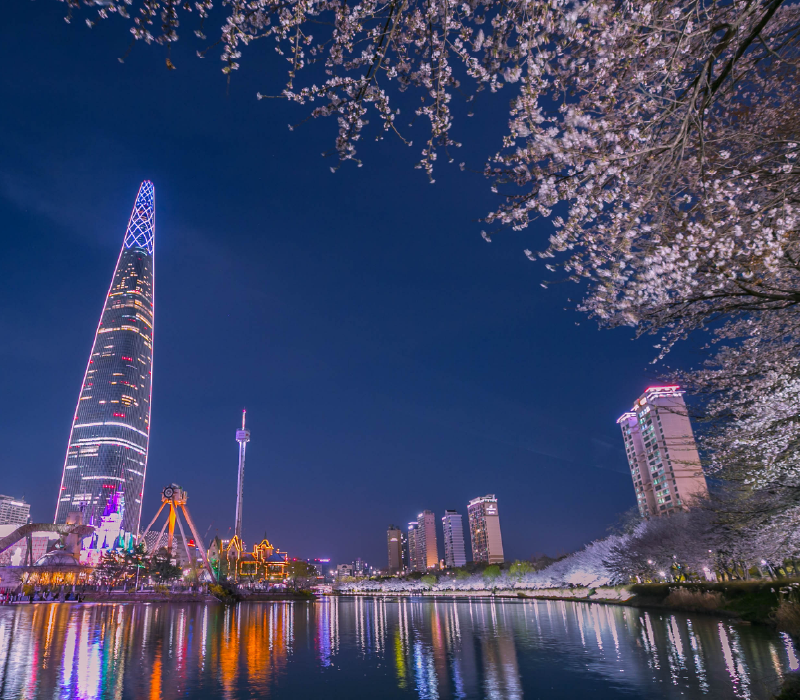
Busan November Weather and Climate at a Glance with coastal skyline views
For planning, the most useful starting point is simple: Busan, South Korea, weather in November is generally mild, with a cooler start to the day and comfortable afternoons. This guide to weather in Busan focuses on what you’ll actually feel in the city—especially along the coast—where sea air can make conditions feel fresher than inland. The average temperature is typically around 13°C, with an average high near 17°C and an average low close to 10°C, but the daily experience can change quickly with a shift in the sky and breeze.
It helps to think in blocks within the month: early morning often sits in the low teens (and can occasionally dip toward 0°c in a brief cold snap), while mid-afternoon usually feels brighter and more forgiving. If you convert to Fahrenheit, the cold edge can feel close to 32 ° F, while most days remain far above that. This gentle range in temperature is exactly why the weather in November works so well for slow exploration—fresh for long walks, easy for café hopping, and rarely extreme. If you’re skimming the forecast, remember that November weather can still vary from one day to the next, especially near the water.
Humidity drop and wind speed in Busan
Humidity tends to drop compared with late summer, which many travellers find immediately soothing. That said, Busan is located on the southeast coast, and the wind can move fast along open promenades. On the waterfront, wind speed may vary widely, and it can blow across the surface of the ocean with surprising bite—especially after sunset when the air turns more chilly.
A simple expert insight: plan shoreline moments for the sunniest part of the day, then shift to sheltered cafés or indoor galleries when pressure changes and the breeze strengthens. If you’re choosing between a rooftop seat and an indoor table, let the coastline guide you—conditions can change quickly, and that flexibility keeps the day feeling effortless.
Precipitation and rainfall in November
Precipitation is usually lower in this month than the peak of July and August, when heat and moisture sit heavily over Busan. In November, the number of days with rain is often modest, and rainfall is typically light—often measured in small mm bursts rather than all-day downpours. It’s one reason November often feels drier than June, when the rainy season can be more intense, and the total can build quickly over a week.
For context throughout the year, a quick comparison helps: July and August can push toward 32°c and feel humid, while September is a softer shoulder with lingering warmth. By December, January, and February, winter brings a sharper edge and more consistent cold, especially when winds arrive from the northeast; on some days, the airflow can swing to the southwest as systems pass. November sits in a calm middle space—more continental in pattern without the deep winter bite, and far less sticky than summer.
To design your day with confidence, check weather data from a trusted station before breakfast, then follow the hourly temperature curve. Many travellers also like to cross-check historical datasets (including reanalysis products such as MERRA-2) for a realistic sense of what’s typical for the week. Build outdoor blocks around daylight and sunshine—note sunrise and sunset times so you’re not surprised by an early dusk (November days are comfortable, but not the longest). It’s a small ritual that creates a seamless day, every day.
What to wear in Busan in November
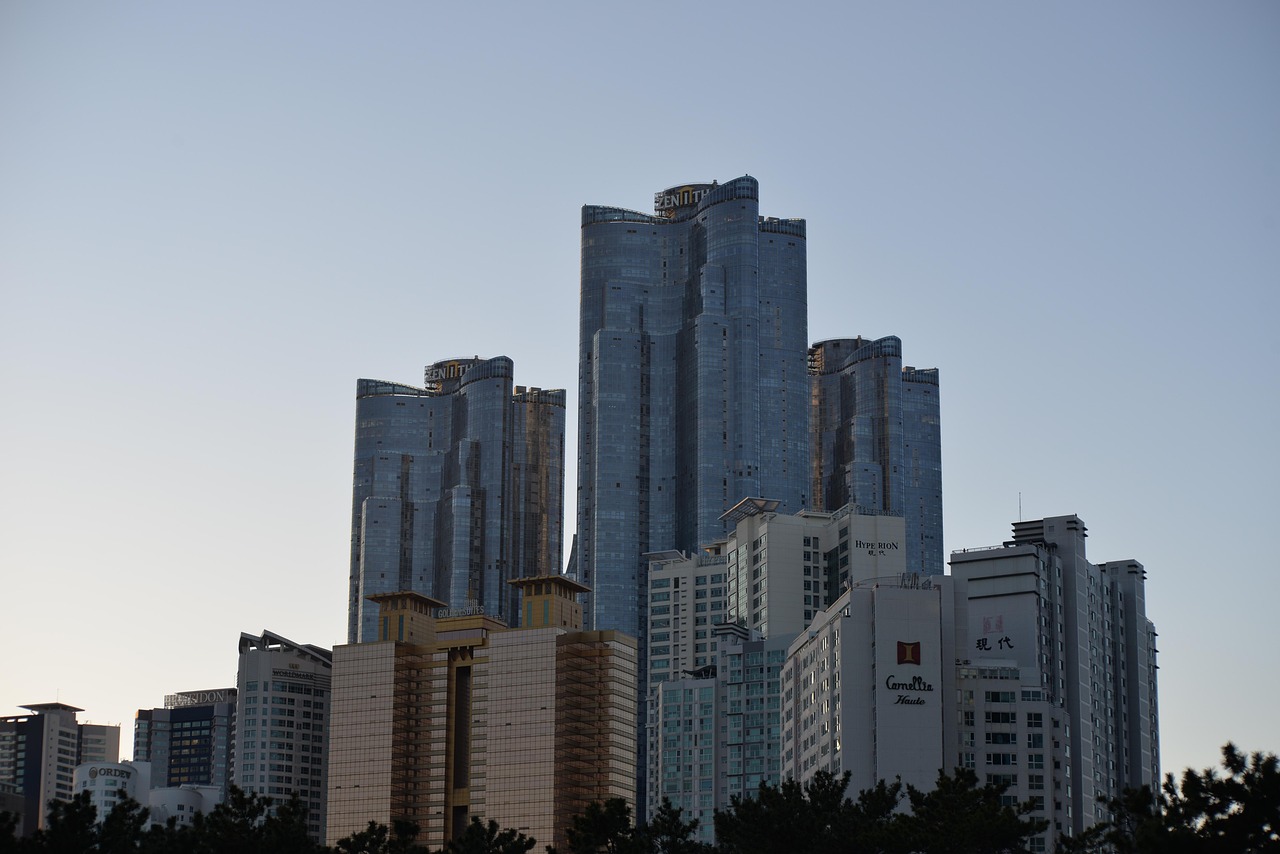
What to Wear in Busan in November for Polished Comfort in central Busan
When clients ask what to wear in Busan in November, luxury packing really comes down to one principle: layers that look polished and respond to temperature shifts. Aim for refined knits, a tailored coat, and a light scarf you can add the moment the wind turns. The average daytime feel can seem deceptively mild, but the low temperature after dark is when you’ll be grateful for that extra layer—and for fabrics that hold warmth without bulk.
Think of your wardrobe as crafted for movement—Gamcheon steps, coastal paths, and a lingering dinner with harbour views. If you’re travelling with confidence, you don’t need more items; you need the right pieces, designed to flex as the day shifts and the daily temperature eases downward in the evening. As a rule of thumb, dress for the morning low and you’ll feel comfortable when the average temperature climbs later.
Layered packing list for Busan’s November weather and conditions
- Base: fine merino or cashmere-blend tops that breathe indoors and warm outdoors
- Mid-layer: a structured cardigan or lightweight down liner for cool evenings
- Outer: a tailored wool coat or elevated trench that blocks wind on exposed streets
- Accessories: a light scarf and gloves for waterfront promenades near the coast and sea
- Essentials: moisturising balm and hand cream as humidity drops
Footwear and weather shifts – from hills to seaside dining
For Gamcheon and coastal trails, choose comfortable walking shoes with grip; you’ll feel the difference on steep steps. Add one dressier option for evenings—something that works with a coat and photographs beautifully against a clear sky. For rain, a compact umbrella is usually enough, and sunglasses matter more than people expect because the sun on a crisp day can feel bright and clean.
If you misjudge the wind or the low, don’t worry—Busan has excellent local shopping, from premium outerwear to thoughtful accessories. The pace here is practical and welcoming; you’ll simply adjust and carry on.
Luxury hotels in Busan for November travel
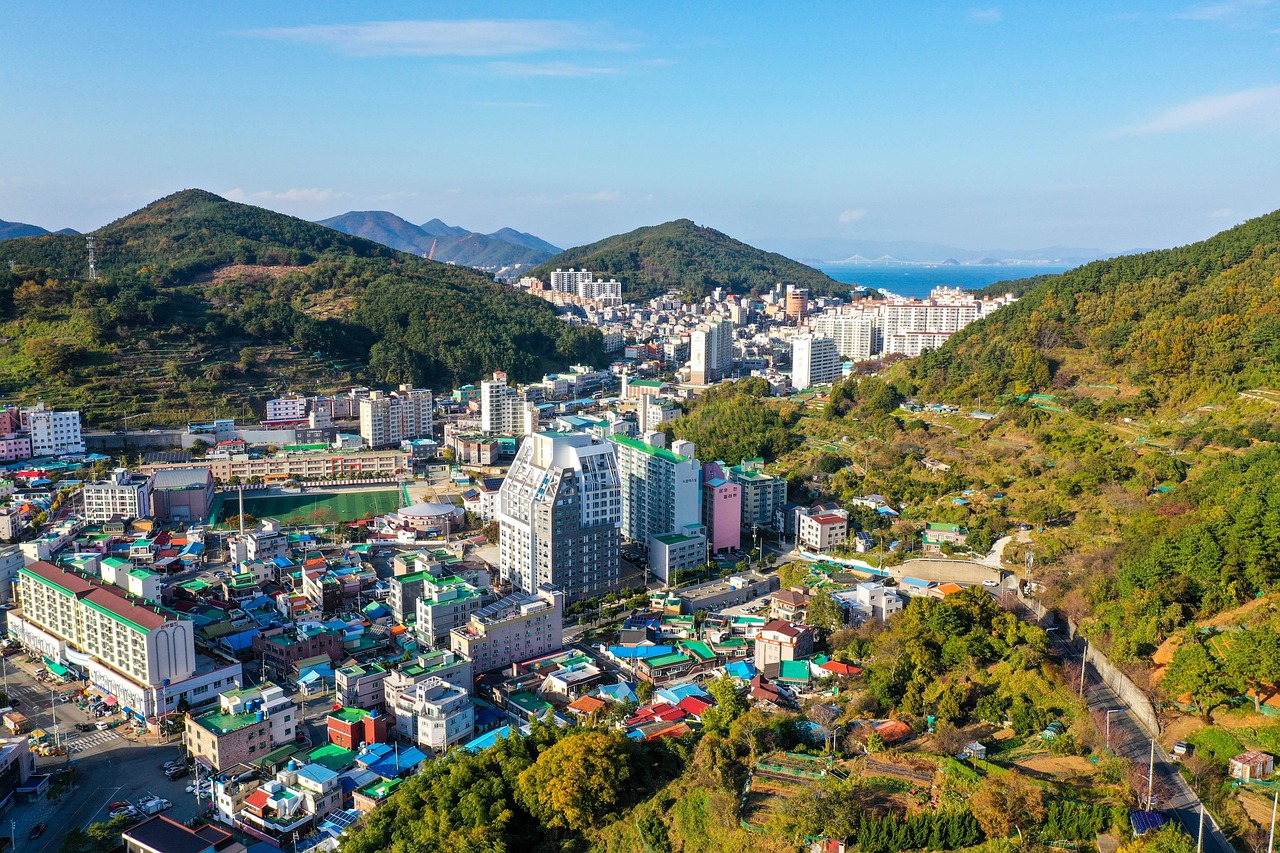
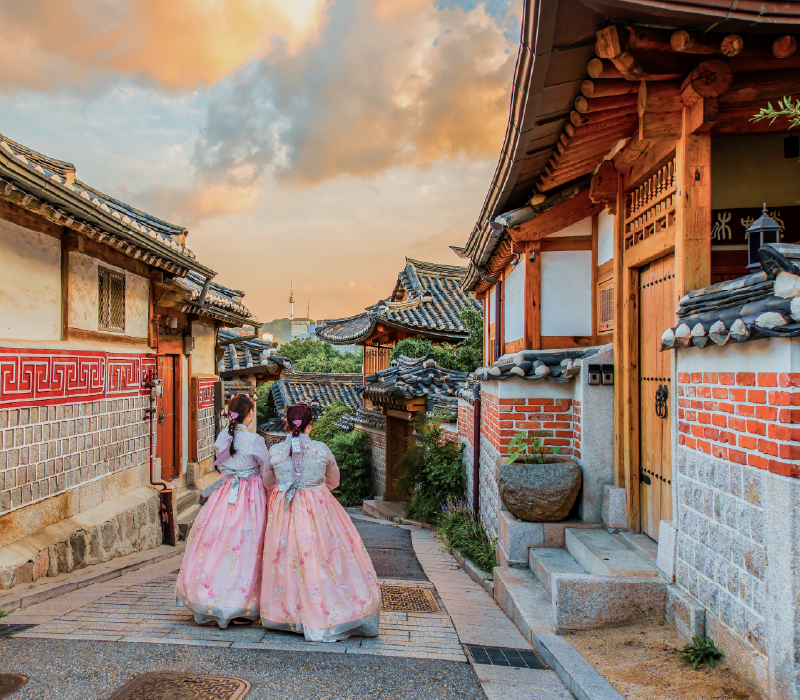
Where to Stay and How to Arrive Seamlessly in Busan with coastal districts
For luxury hotel planning in Busan for November travel, the experience begins the moment you land. Arrive via Gimhae International Airport, then choose the level of service you prefer: premium shuttle service, luxury car rental, or a private transfer that meets you with quiet efficiency. In November, that first impression matters—the air is cooler, the light is softer, and an unhurried arrival sets the tone for the whole trip.
If you’d like inspiration for a crafted route across Korea, you can explore our Korea trip gallery and imagine how Busan fits into a wider, design-led journey.
Neighbourhoods for Busan during November – coast vs central city stays
Haeundae is ideal for beach walks and polished dining, particularly when the average afternoon air feels comfortably mild. Seomyeon offers fast access to the urban core—excellent for evenings when the wind strengthens, and you prefer indoor design, cocktail bars, and a shorter transfer back to your suite. For a quieter pace, coastal pockets nearby provide a sense of retreat, and they also position you well for a quick cultural detour to Gyeongju if you’d like a day trip.
Hotel choice in November – harbour views, spa evenings, and calm weather
November conditions influence the little luxuries you’ll value most: view-facing rooms for morning sun, indoor spa time for cooler nights, and lobbies designed for lingering with a book when it turns cloudy. Book early to mid-November if you can, as this period is prized for calm, upscale travel, and the best suites can sell out quickly.
Local etiquette is simple and welcoming: polite greetings go a long way, and removing shoes is expected in certain traditional spaces. Staff will guide you with care, and that quiet trust makes everything feel more personal.
Haeundae Beach in Busan in November – sunshine walks to Taejongdae and Igidae
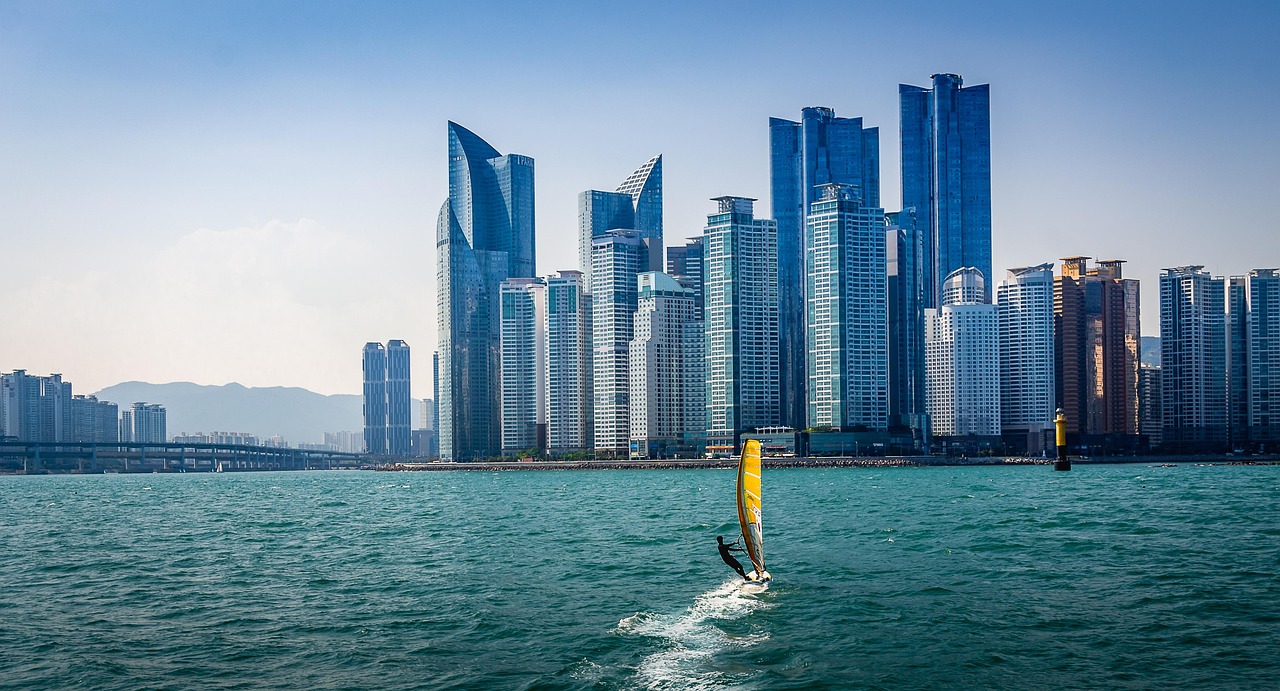
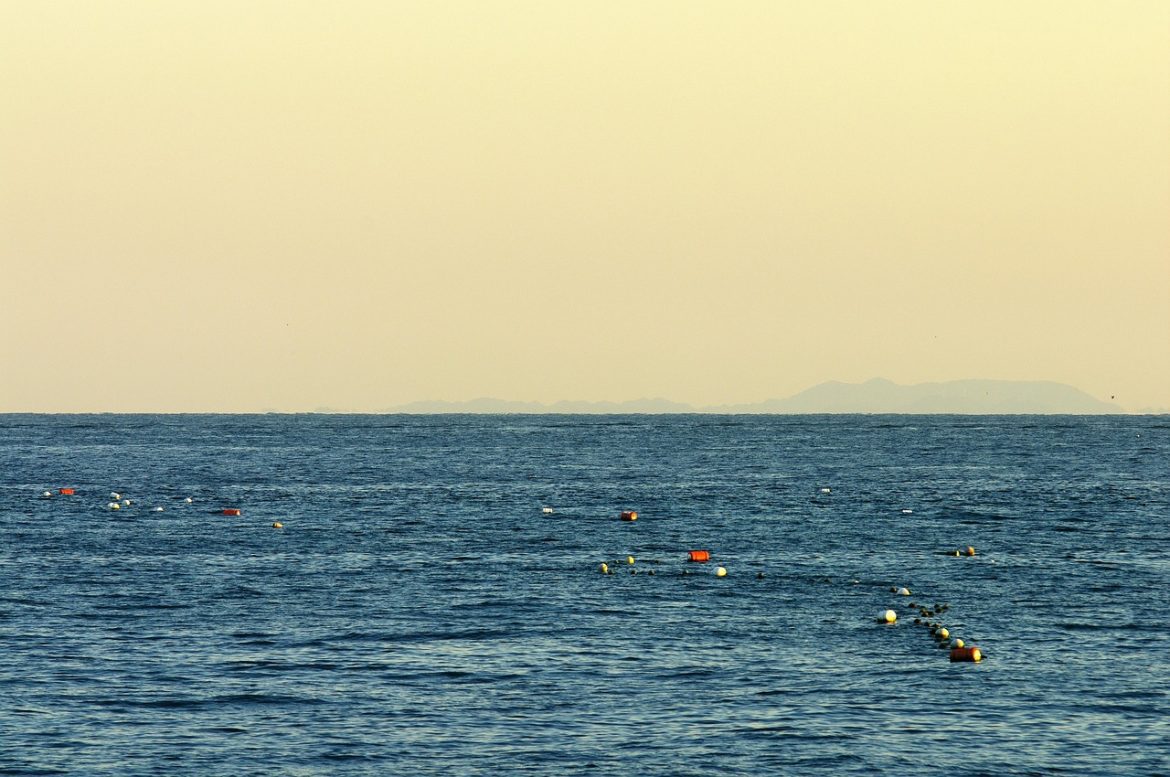
Coastal Busan in November walks, beaches, and clear-sky views at Haeundae
If you’re craving the coastline’s signature, build your days around Haeundae, Taejongdae, and the Igidae Coastal Walk. The air is crisp rather than sticky, and the temperature is often ideal for an elegant pace—explore, pause, and then explore again. This is the month when the shoreline feels designed for walking: long sightlines, calmer paths, and that particular clarity that arrives when late-season rainfall begins to taper after June.
Even on breezier days, the experience can feel surprisingly warm once you’re moving. Keep a scarf in your bag, and you’ll feel ready for anything the weather decides to do.
Haeundae and Igidae – timing your route for the best light and wind
Begin at Haeundae in late morning, when the sun lifts the colour of the water, and the promenade feels inviting. Then consider the Igidae Coastal Walk for a more natural rhythm—cooler temperatures make it easier, and locals often say this season is when hiking becomes genuinely comfortable again. Do note the wind exposure on headlands; start earlier if you want the best light, then return inland as sunset approaches.
Taejongdae Park – clear sky views, ocean edges, and autumn colour
Taejongdae Park is an autumn favourite attraction: cliffside views, a sense of open horizon, and pockets of fall foliage that glow under a clear sky. The air here can sharpen quickly, so plan a warm drink stop and allow extra time for unhurried photos. This is also where Busan’s island-like edges feel most apparent—rock, water, and sky meeting in clean lines.
One high-end traveller once described an evening yacht cruise in November as “cinematic”. The crisp air made the lights sparkle, and the coastline felt newly personal—like Busan was quietly performing just for them.
Gamcheon Culture Village and Jagalchi Fish Market
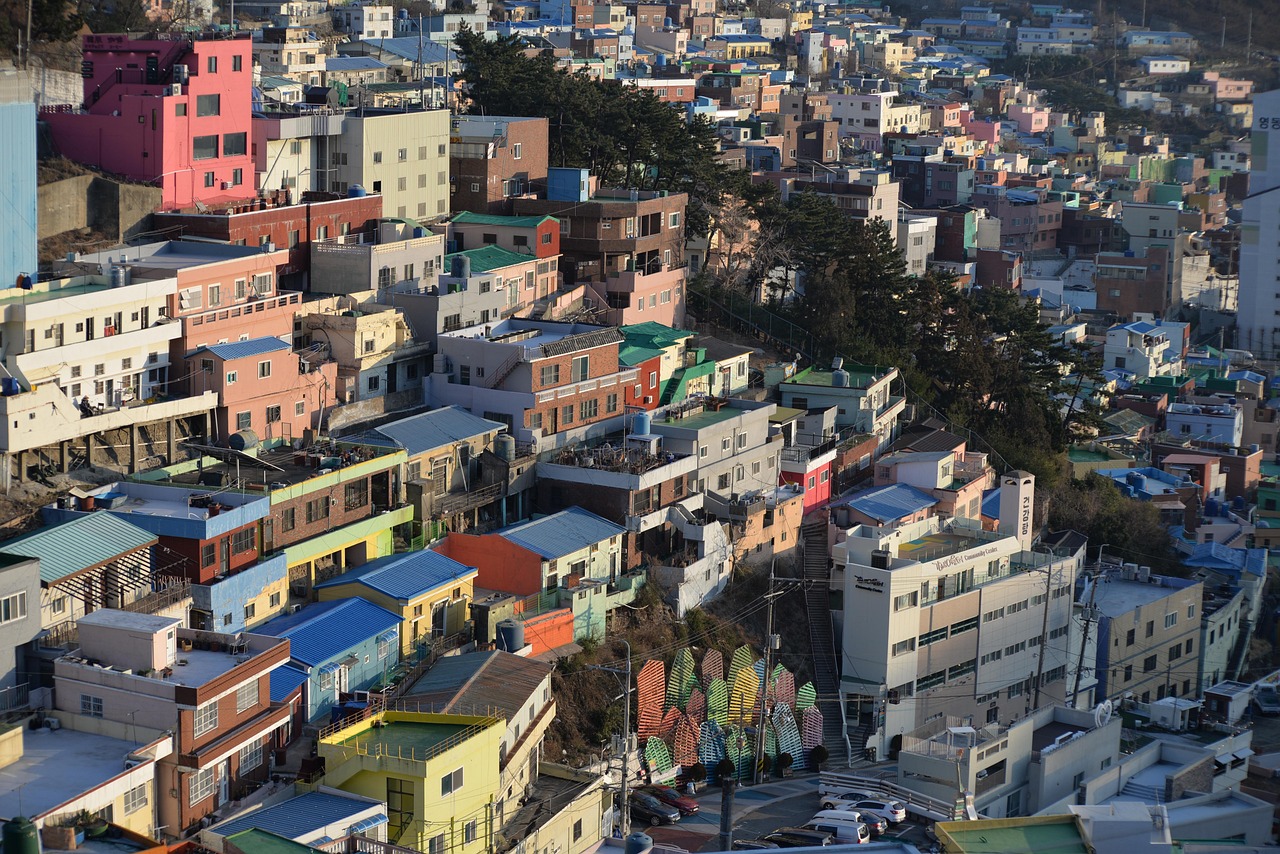
Culture, food, and autumn atmosphere without summer crowds in Busan in November
For Gamcheon Culture Village and Jagalchi Fish Market in Busan, November is about comfort and culture, without the summer crowds. In this month, the streets feel more spacious—queues soften, café tables open up, and you can create days that feel both stylish and deeply local. The cooler air also brings a calmer energy to temples, markets, and hillside lanes.
It’s an ideal season to notice the details: small murals, thoughtful design shops, and the scent of roasting coffee drifting down a stairway under a sunny spell. With lower humidity than late summer, lingering a little longer outside feels easy.
Gamcheon in softer light – viewpoints, design details, and a coffee moment
Plan Gamcheon for the morning, when the light is gentle, and the streets feel quieter. A visitor once told me their favourite moment was a peaceful coffee at a hillside café, looking down over the colours and lines of the village; in November, they could actually hear the neighbourhood breathe. The climb feels kinder in this season, and you can take your time with art installations and viewpoints without feeling rushed.
Jagalchi – seafood warmth, film-festival afterglow, and a serene coastal temple
At Jagalchi Fish Market, the cooler air makes outdoor browsing genuinely pleasant, especially if you’re lingering to choose the finest catch. Budget around $30–$50 per meal for premium seafood, and let the vendors guide you with expert confidence—grilled abalone, sashimi, and warming broths are perfect as the evening turns cool.
Busan’s cultural energy often lingers into the seasonal afterglow after the Busan International Film Festival, with stylish venues and design-led evenings that feel effortless rather than loud. And for a quieter counterpoint, Haedong Yonggungsa Temple in autumn can feel intimate and reflective; travellers regularly note the serene atmosphere compared with busy summer, with soft sunshine and coastal air that invites contemplation.
For refinements: go early to avoid queues at popular photo spots, use public transport for efficiency when traffic builds, and choose private transfers for complete ease. As always, respectful behaviour matters—simple greetings and mindful volume build trust quickly, and the destination responds with warmth.
F.A.Qs: Busan in November weather and travel
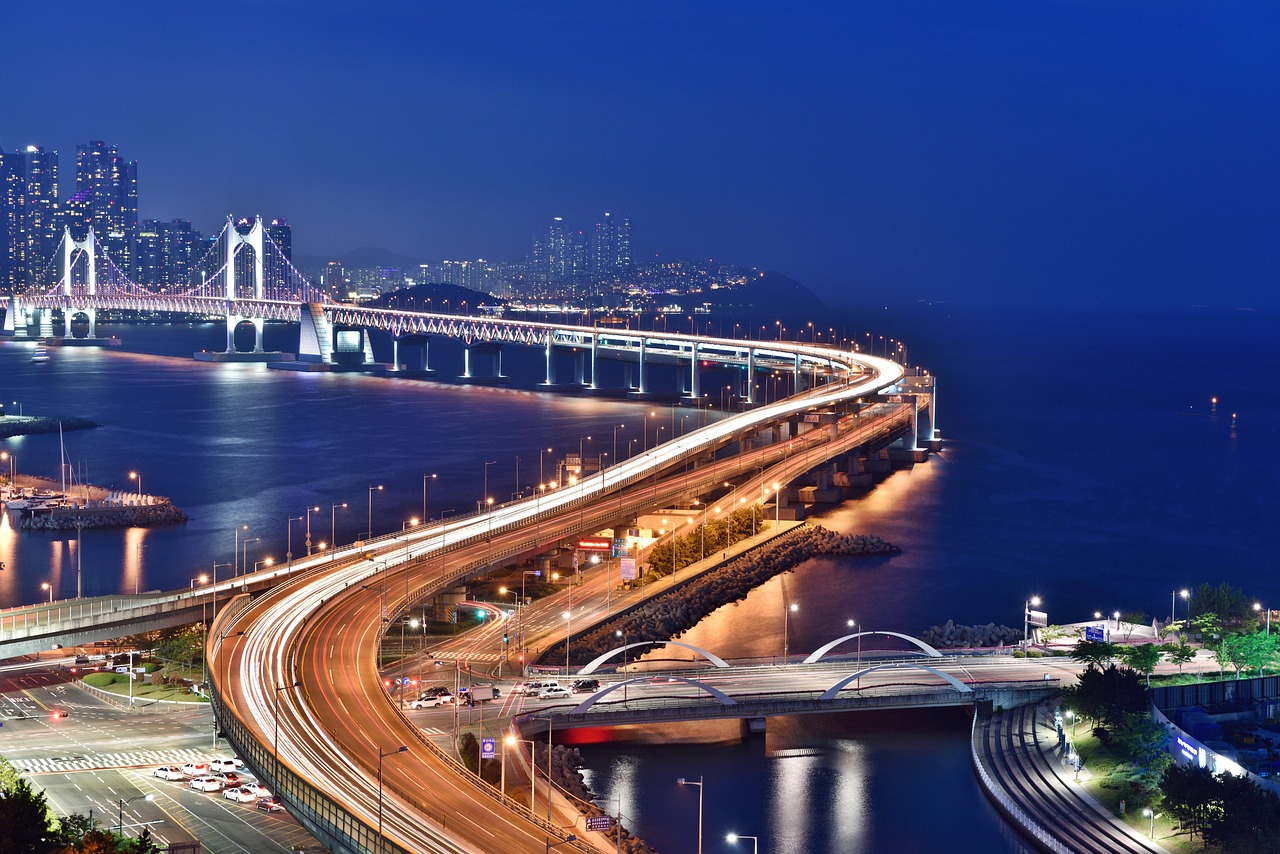
F.A.Qs: Busan in November weather and travel at night on the waterfront
Is it cold in Busan in November?
Busan is usually cool rather than bitterly cold in November. Expect a comfortable afternoon temperature, with cooler mornings and evenings—especially by the waterfront, where wind can make it feel colder. A layered outfit is normally enough, and many travellers find the climate ideal for walking.
What to wear in Busan in November?
Pack layers you can adjust: fine knitwear, a tailored coat or trench, and a light scarf for coastal wind. Add comfortable walking shoes with grip for hills such as Gamcheon, plus one dressier pair for waterfront dining. Bring a compact umbrella for rain and moisturiser as the air becomes less humid.
Is it too cold in November elsewhere in the country?
Inland areas can feel colder, but Busan’s coastal position often keeps conditions milder than in many other places. You’ll still want to plan for chilly evenings and occasional colder days, but most travellers are comfortable with layers. If you’re tracking the average daily pattern, the swing from midday to night is usually the main adjustment.
What is the best month to go to Busan?
The best month depends on your style: November is excellent for calm luxury travel, comfortable walking weather, and a more refined pace. Spring can be beautiful for fresh colour and gentle warmth, while summer suits beach energy but brings higher humidity and more rain. For many high-end travellers, November balances atmosphere and ease—especially when you keep an eye on the day’s condition and dress accordingly.
Busan in November – travel reflections shaped by weather, sea air, and light
There is something about Busan in November that stays with you, long after the final meal and the last hotel door closes behind you. The air feels clean-lined and honest, as though the month has edited away the excess and left only what matters. You remember the sky at dusk—how quickly it deepens—then the soft glow of streetlight on water, and the way the sea seems to hold the coastline in place.
What lingers isn’t a checklist; it’s the feeling of moving at an unhurried pace, with space to notice small things. The quiet warmth of a café when the wind strengthens outside. The calm rhythm of walking, pausing, and walking again—letting the day design itself, without forcing it.
And then there are the human moments: a polite exchange that turns into unexpected kindness, a smile from a shopkeeper, a gentle gesture of support when you hesitate at a step. In November, Busan feels like it has time for you—time to be personal, time to be present, time to be real.
When you picture it afterwards, you don’t only see places; you feel a season. And somewhere in that memory is a quiet curiosity about how the same shoreline might look in spring, or how winter might change the light—waiting patiently, whenever you’re ready to return.