Post Contents
- Guide to Visiting Tokyo: Luxury Itinerary Planning With Confidence, Style, and Everything You Need
- Things to Do in Tokyo: Meiji Shrine, Harajuku & Shibuya for Morning Calm to City Spark
- Fun things to do in Tokyo Japan: Asakusa, Senso-ji & Old-World Charm
- teamLab Borderless in Tokyo: Borderless Digital Art Museum Magic for Futuristic Nights
- Ginza Fine Dining + Tsukiji: Michelin Sushi and a Perfect Tokyo Day of Taste
- Things to Do in Tokyo: Shinjuku Nights in Golden Gai + Shinjuku Gyoen Garden Quiet
- Best View in Tokyo: Observation Deck Options From Shibuya Sky to Tokyo Tower and Roppongi
- Private Tea Ceremony in Tokyo: A Quiet Luxury Experience of Japanese Culture
- Visiting Tokyo: Suica/Pasmo Transport, Itinerary Tips, and Day Trip Ideas Around Tokyo
- What Tokyo Leaves With You: Quiet Details, Big Energy, and a Reason to Return
- F.A.Qs: Tokyo luxury travel and fun things to do
Guide to Visiting Tokyo: Luxury Itinerary Planning With Confidence, Style, and Everything You Need
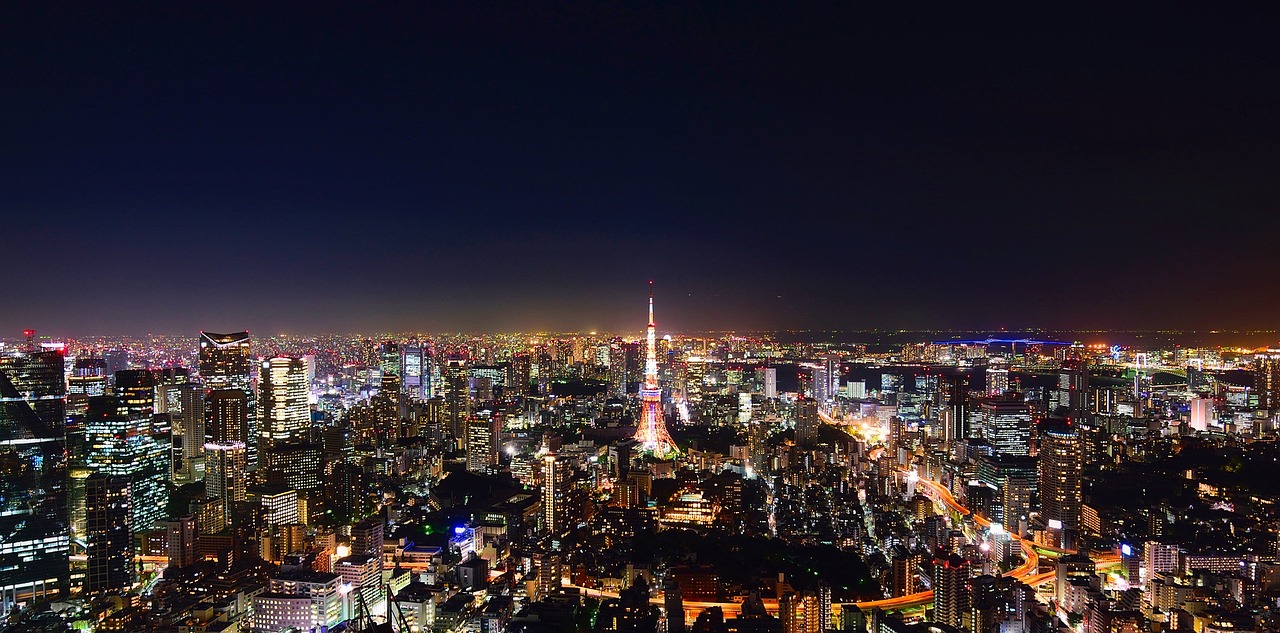
Guide to Visiting Tokyo With Confidence and Style for a Luxury Itinerary in Japan
If you’re looking for fun things to do in Tokyo Japan with a luxury-leaning pace—elegant, efficient, and never rushed—Tokyo is a city you can tailor to your taste. Tokyo is a city that rewards intention: the best things often arrive in the pauses, from a quiet temple lane to a perfectly made coffee to an observation deck ride timed with the first evening lights.
For your first trip to tokyo, start by choosing a base that matches your rhythm and the neighbourhood vibe you want. Ginza suits travellers who love polished service and Michelin-level dining; Shibuya is dynamic and fashion-led; Shinjuku is practical for transport and late-night atmosphere; and the Marunouchi area is exceptionally convenient for connections and day trip planning. For inspiration, browse our Trip gallery and map out a simple itinerary that balances icons with breathing space.
Where to stay in Tokyo and what to book first (hotels, teamLab, dining)
Book your hotel early if you’re visiting Tokyo in March to May (hello, cherry blossom season) or October to November for crisp, luminous days. Then reserve the experiences that sell out: teamLab, a private tea ceremony, and any Michelin counters—many restaurants in Tokyo require reservations weeks ahead. A good concierge can help with timings, special seating, and calm alternatives if plans change.
To keep choice from becoming overwhelm, create a simple Tokyo bucket list framework: culture (shrines and temples), art (digital and contemporary), food (sushi and seasonal menus), and views (skyline at golden hour). This structure in Japan’s capital helps you move with trust—especially if you only have a short visit to Tokyo rather than weeks in Tokyo, and it keeps your trip to tokyo feeling curated instead of packed.
Tokyo is a city where the most luxurious moments can be wonderfully simple. Early-morning walks to a Shinto shrine can be free to visit and offer a rare hush, and a few city viewpoints cost nothing at all. Keep one “breathing space” each day so you can wander around, pause in a cafe, and let the neighbourhood pace set itself.


Things to Do in Tokyo: Meiji Shrine, Harajuku & Shibuya for Morning Calm to City Spark
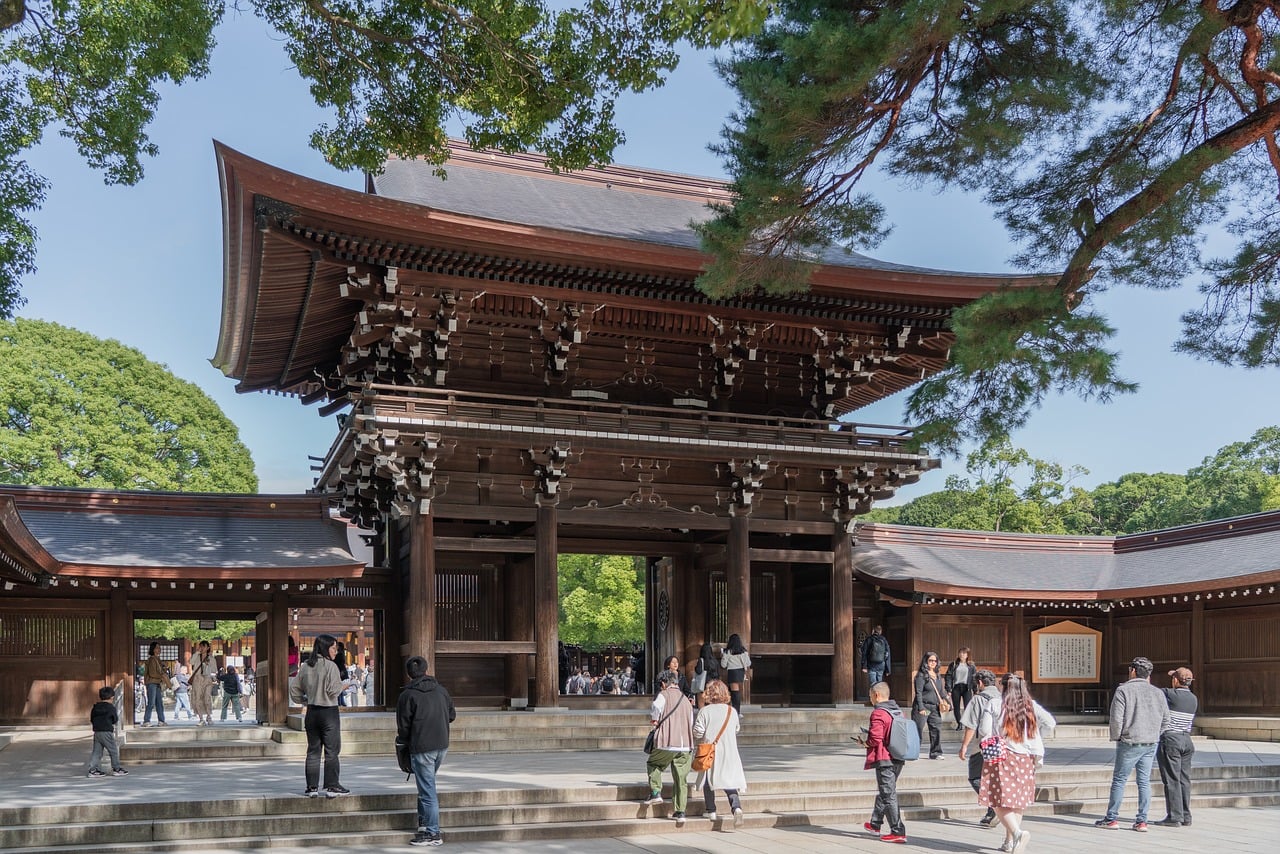
Meiji Shrine Morning Calm Then Harajuku and Shibuya Spark in Tokyo
For classic things to do in tokyo with a calm start, begin before the streets fully wake. One traveller told us their early stroll through Meiji Shrine felt like stepping into another world: the soft crunch of gravel, the forest air, and the quiet dignity of Shinto rituals—an unforgettable contrast to the city’s fast pace.
Meiji Shrine at dawn: forest approach, etiquette, and a reset in the city
Arrive early to Meiji Shrine for space, birdsong, and a sense of care in the details: torii gates, cleansing water, and respectful bows. The tree-lined approach and nearby Yoyogi Park create a gentle reset, especially if you’re arriving from a long-haul flight or building an itinerary for a first time in Japan stay. Keep voices low, follow local cues, and allow a little silence to do some of the talking.
If you’re lucky, you may witness a traditional ceremony passing by—observe from a distance and let the moment stay personal rather than performative. This is one of the best things for travellers who want meaning without feeling “busy”.
Harajuku to Shibuya: Takeshita Street style, Shibuya Crossing, and Shibuya Sky views
From the shrine, it’s easy to shift gears: Harajuku offers Takeshita Street for playful fashion and Omotesando for architecture and curated boutiques. Then continue to Shibuya for one of the most iconic city scenes—Shibuya Crossing, also known as the Shibuya scramble—where the movement feels like choreography. Time your arrival at Shibuya Sky for a thrilling, open-air best view; build in a little flexibility so you can catch late-afternoon clarity without stress.
To keep the day seamless, set a meeting point at Shibuya Station before you enter department stores or underground passages. Tokyo rewards preparation, but it also rewards curiosity—don’t miss the small side streets that connect the main avenues, where you’ll find quieter coffee bars and design shops tucked between the crowds.
Fun things to do in Tokyo Japan: Asakusa, Senso-ji & Old-World Charm
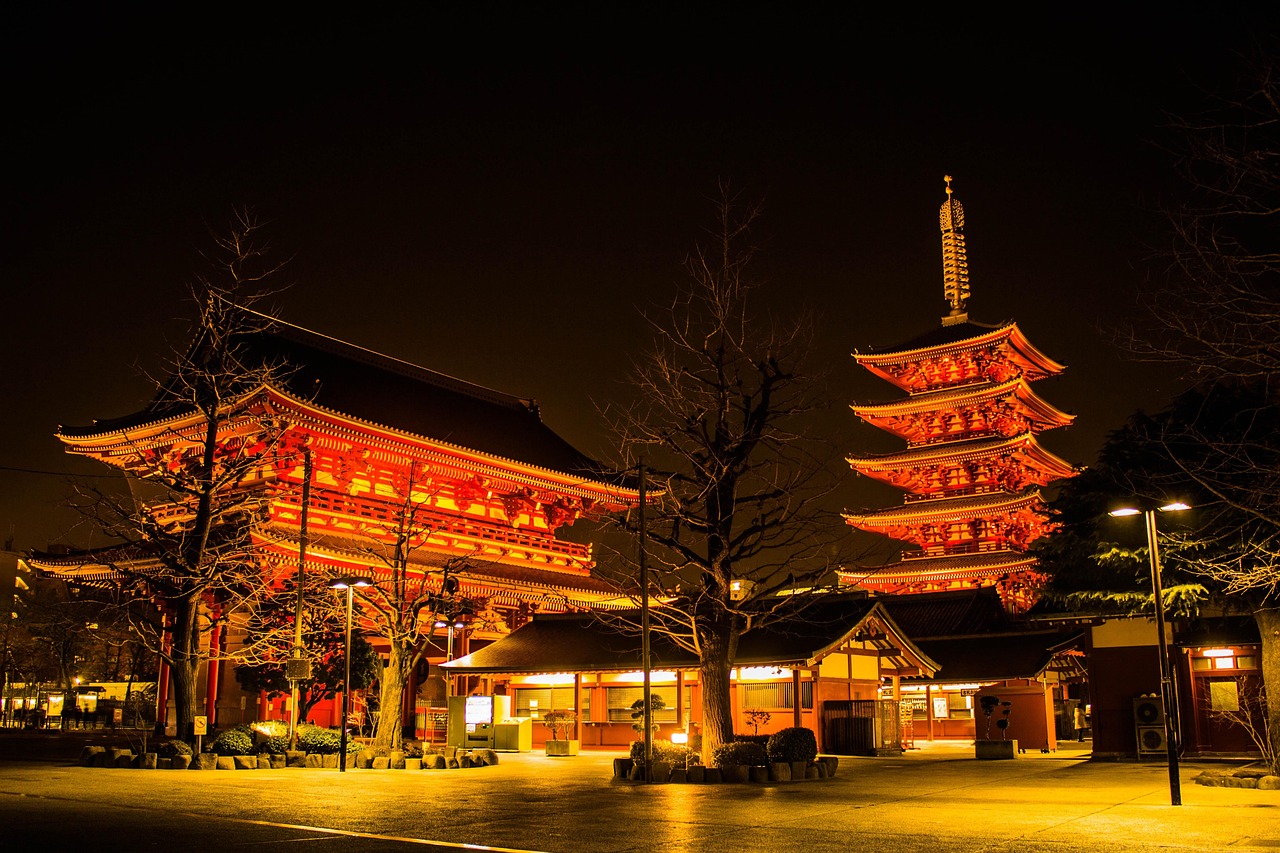
Asakusa Old Tokyo Charm at Senso-ji and Nakamise Street
If you’re collecting fun things with a timeless atmosphere, this is where older rhythms feel close enough to touch. Asakusa is easy to visit, beautifully photogenic, and full of local warmth—especially in the morning before the busiest day trip crowds arrive.
Asakusa etiquette: Senso-ji calm, incense ritual, and respectful pacing
At Senso-ji, one of the city’s most loved temples, follow simple etiquette with trust: cleanse hands if you wish, waft incense smoke gently, and be mindful of queues. This isn’t about perfection; it’s about respect. A small bow, a quieter step, and a little attention to others create an effortless, reassuring experience that’s worth a visit even if you only have a short window.
Nakamise Street flavours: snacks, crafts, and skyline contrast
Nakamise Street is a joyful corridor of snacks and crafts—sweet rice crackers, filled pastries, and charming gifts with a sense of place. One visitor fondly remembered shopping here because friendly vendors shared stories of their work, making each purchase feel crafted and meaningful rather than generic. Carry cash: smaller shops can be cash only, and tipping is generally not practised in Japan.
For a skyline contrast, pair Asakusa with Tokyo Skytree after sunset. The night lights offer a clean, modern frame—perfect for photographs that hold old and new together—and many travellers will also recognise it written as Tokyo Sky Tree.
teamLab Borderless in Tokyo: Borderless Digital Art Museum Magic for Futuristic Nights
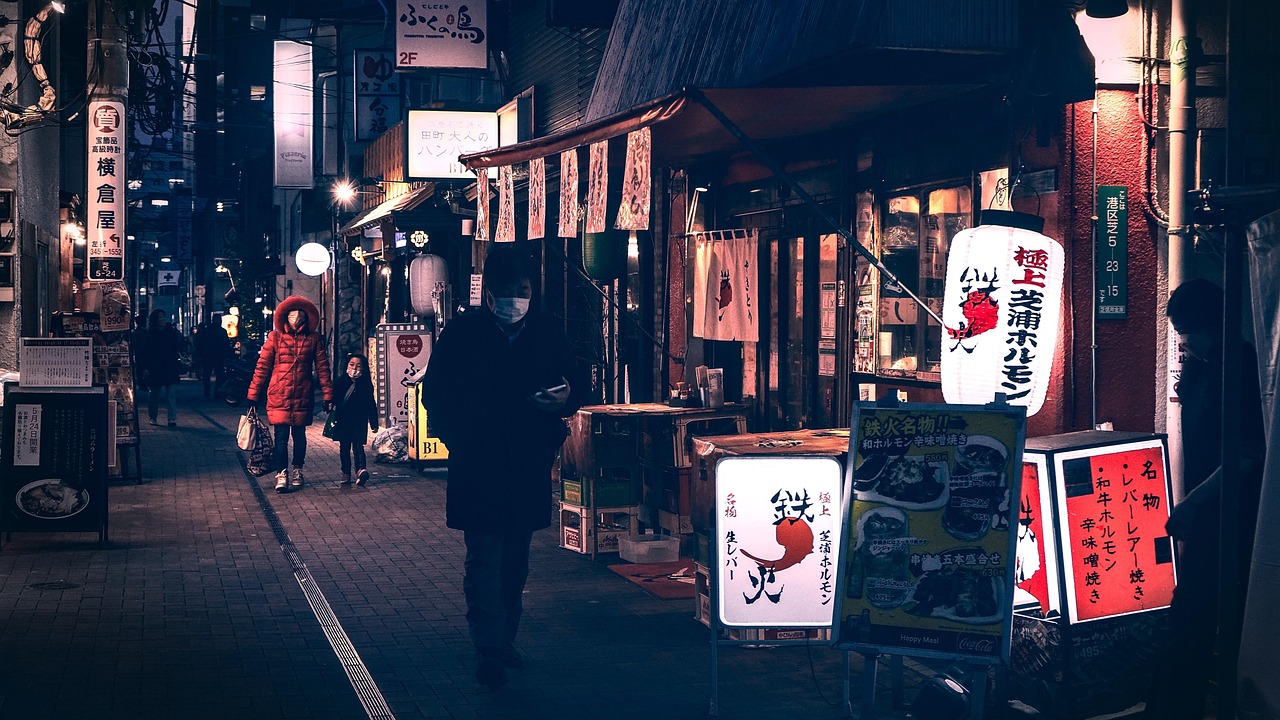
teamLab Borderless Magic and Futuristic Tokyo Nights
Among the most talked-about digital art experiences, teamLab Borderless is an evening that feels like stepping inside imagination. A luxury traveller shared their awe at the interactive rooms—how light and sound responded to movement—describing it as a magical atmosphere unlike any museum visit before.
How Borderless works: routing, pacing, and your ticket in advance plan
TeamLab Borderless is designed without a single, fixed route; artworks drift, merge, and reappear, so you create your own path. Buy your ticket in advance online, choose a quieter entry time if you can, and allow space to linger rather than “complete” it. The most memorable moments come when you slow down and let the installations find you.
Wear comfortable shoes and keep your phone away now and then—one of the best things here is how immersive it feels when you let your senses lead. If you’re travelling with family, it can be a rare shared “wonder” moment for every age.
Odaiba after teamlab: sunset stroll, waterfront calm, and dessert stops
After teamlab, continue into Odaiba for waterfront air, futuristic architecture, and a relaxed evening stroll. It’s a gentle comedown after the sensory intensity of borderless spaces, and a lovely place to discover a refined cafe or dessert stop before returning to your hotel. In Tokyo, even the night can feel designed—movement, colour, reflections—like a living gallery.
Ginza Fine Dining + Tsukiji: Michelin Sushi and a Perfect Tokyo Day of Taste
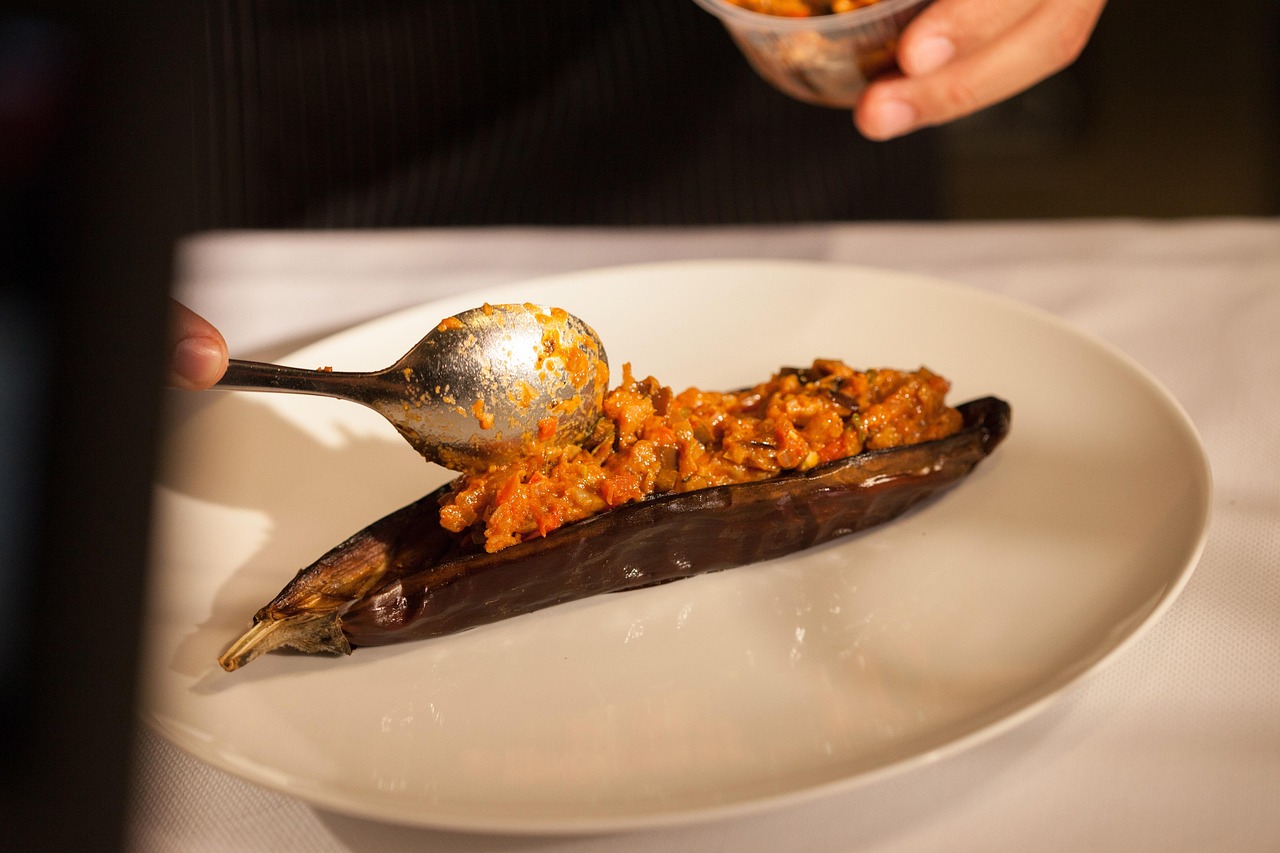
Ginza Evenings Michelin Sushi and a Tsukiji Market Morning
For a high-end food day, the Ginza-and-Tsukiji pairing balances polish with local authenticity. Ginza is a refined dining district, where service is quiet, precise, and deeply attentive—ideal if you want evenings that feel special without being showy and you’re chasing the best food with minimal friction.
Ginza evenings: Michelin counters, timing, and the artistry of sushi
A couple once recalled their romantic evening in Ginza at a Michelin-starred sushi bar: the chef crafted each piece with meticulous artistry, placing it at exactly the right moment, as if the counter itself was a stage. That’s the magic of great sushi in Tokyo—simple ingredients, expert hands, and trust between chef and guest.
Reservation strategy matters. Many venues release seats far ahead, with strict cancellation policies and punctual seating. If you’re celebrating, a concierge can support with timing, dietary notes, and a calmer experience—especially when language or last-minute changes could add stress.
Tsukiji market morning: fish market energy, tools, and tasting with confidence
Start early at Tsukiji market for fish market energy, tastings, and beautifully made tools—knives, pantry items, and gifts that travel well. Guided walks can offer insight into what to try and how to buy with confidence, and you’ll find it easier to enjoy the area if you arrive close to opening before the busiest lanes fill up.
If you’re designing a perfect “taste” day, consider this simple trio: market tastings, a seasonal kaiseki lunch, then a refined cocktail bar in Ginza for a calm finish.
Things to Do in Tokyo: Shinjuku Nights in Golden Gai + Shinjuku Gyoen Garden Quiet
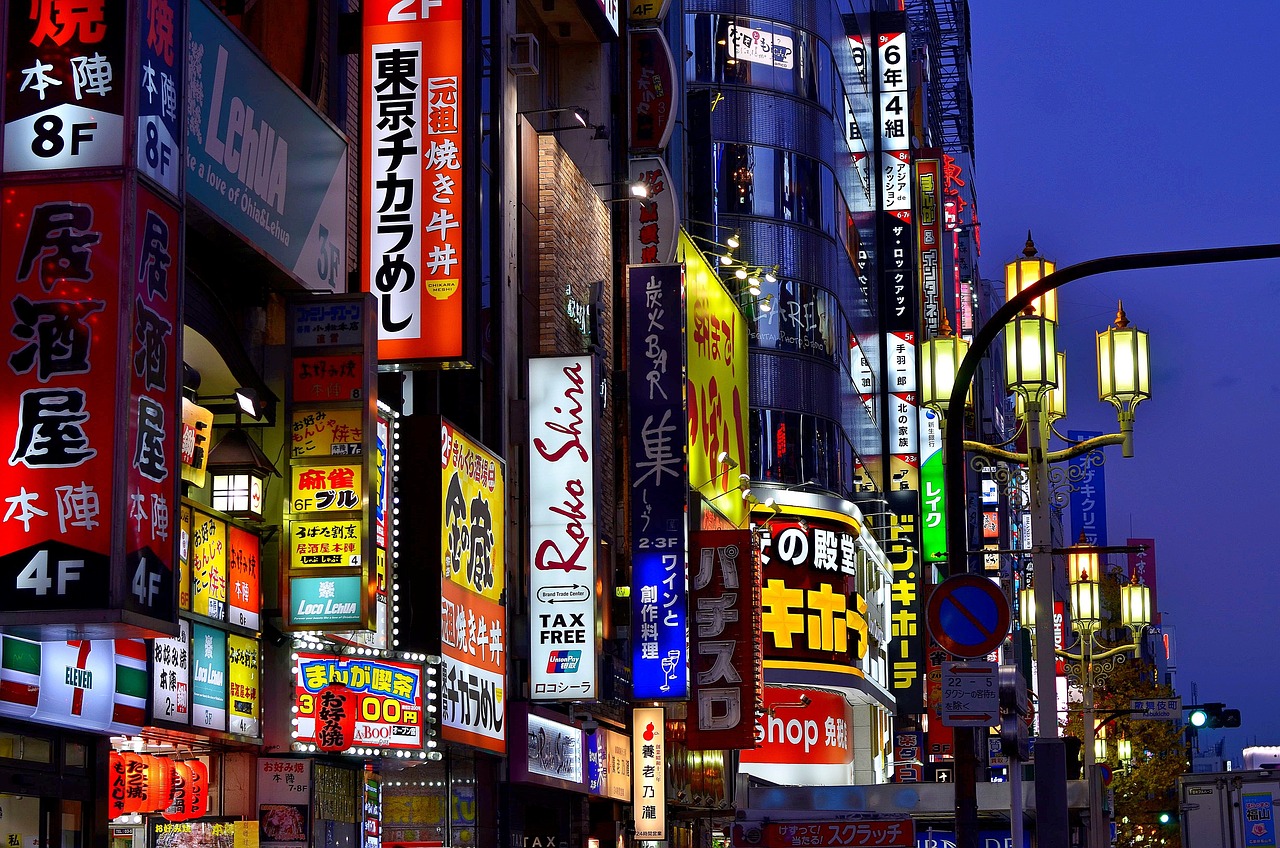
Shinjuku Energy Golden Gai and Shinjuku Gyoen Quiet
The Shinjuku contrast is one of the best things to build into your Tokyo plans: neon nights followed by garden stillness. Shinjuku is vast, but with a few practical anchors, it becomes easy to navigate—and genuinely fun.
Shinjuku after dark: meeting points, taxis, and Golden Gai tiny bars
Choose clear meeting points near Shinjuku Station (a specific exit, a landmark sign, or a hotel lobby) to keep evenings seamless. For dressed-up plans, taxis can be a smart upgrade late at night; you’ll arrive composed rather than searching platforms. In Golden Gai, tiny bars and narrow alleys reward a curated approach—step in politely, ask if there’s a cover charge, and keep voices low so everyone can enjoy the intimacy.
This is nightlife with texture, not chaos, and a lantern-lit street in tokyo can feel cinematic when you let the pace slow down. Be respectful, order a drink per person, and let the bar’s host guide the tone.
Shinjuku Gyoen in the morning: garden stillness, seasonal colour, and blossom views
The next morning, Shinjuku Gyoen offers a quiet counterpoint—wide lawns, landscaped paths, and seasonal colour. In spring, cherry blossom moments here feel soft and cinematic, especially in early light. Even outside blossom season, the garden gives you a place to breathe, reflect, and take photographs without hurry.
Optional upgrade: a private guide can uncover stories behind Shinjuku’s layers, from post-war lanes to modern towers, so the neighbourhood feels coherent rather than overwhelming.
Best View in Tokyo: Observation Deck Options From Shibuya Sky to Tokyo Tower and Roppongi
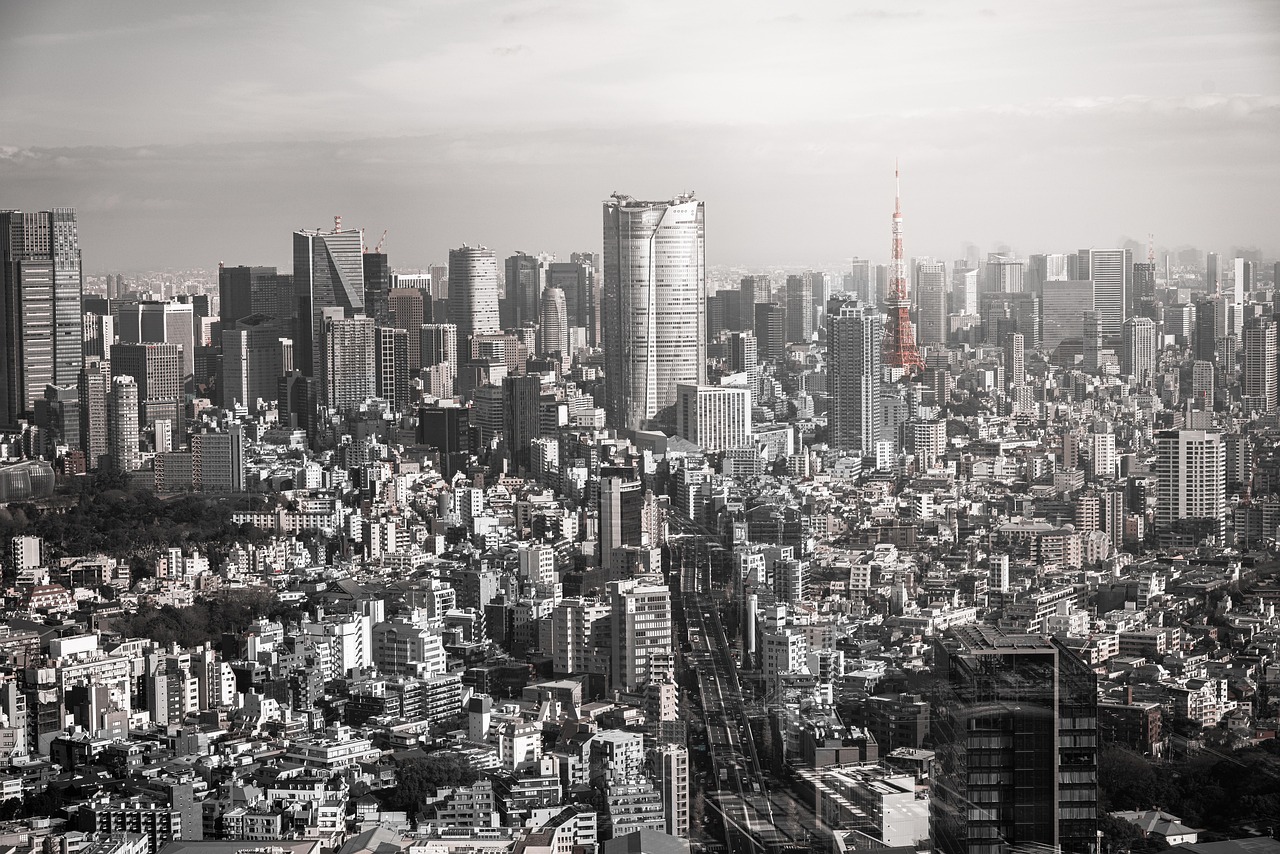
Views of Tokyo From Shibuya Sky to Tokyo Tower and Roppongi
If you’re planning a skyline day, this observation deck trio delivers: Shibuya Sky, Tokyo Tower, and a Roppongi finish. Tokyo looks different from each height—sometimes glamorous, sometimes graphic, sometimes almost calm—an ocean of light that changes with weather and season.
Shibuya Sky first, then Tokyo Tower or Roppongi Hills for a second mood
Begin with Shibuya Sky for open-air perspective and a feeling of being above the city’s pulse. You can’t visit Tokyo without seeing the Shibuya scramble from above or at street level, then choose a second vantage depending on your mood: Tokyo Tower for classic city glamour, or Roppongi Hills for a modern, art-forward angle with galleries and elegant dining nearby. Watching the views of the Tokyo skyline shift across locations is one of the best things to do in Tokyo at dusk.
Free things for skyline lovers: Tokyo Metropolitan Government Building observation deck
For best free panoramic lines, the Tokyo Metropolitan Government Building observation deck is a quietly brilliant choice—especially on a clear weekday, when it’s free things perfection without the crowds. On crisp winter days, you may even catch views of Mount Fuji, a rare, breathtaking frame that makes the whole city feel newly shaped. Build flexibility into your afternoon so you can take the lift when the sky looks promising, and it’s worth timing your visit around sunset.
Private Tea Ceremony in Tokyo: A Quiet Luxury Experience of Japanese Culture
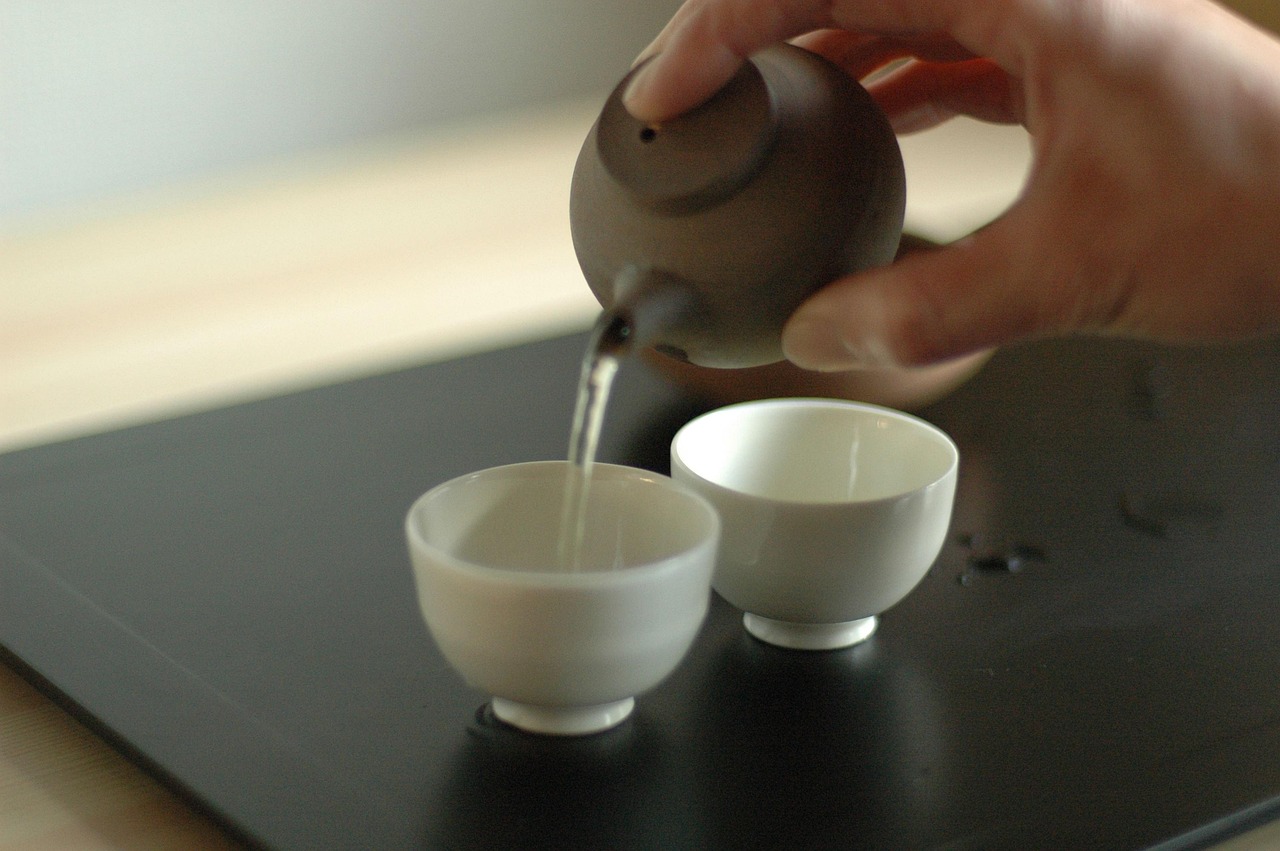
A Private Tea Ceremony and the Soft Power of Japanese Culture
A private tea ceremony in Tokyo is one of those rare experiences that doesn’t just entertain—it re-sets you. A traveller described how the quiet elegance and detailed rituals offered a calm retreat, creating a profound connection to tradition and hospitality.
How to book: English options, pacing, and arriving unhurried
Many tea experiences require prior reservation, and you’ll often find options in English or with a guide for deeper insight. Choose a setting that feels intimate rather than touristic, and allow time to arrive unhurried. This is a moment designed for presence, not performance.
What it means: crafted movements, seasonal sweets, and simple etiquette
The ceremony’s movements are crafted with purpose: how the bowl is turned, how the tools are placed, how the sweets reflect the season. It’s a gentle lesson in attention and care—values you’ll notice throughout the city. Etiquette is simple and warm: bow when greeting, remove shoes indoors, and let silence be part of the experience, together with gratitude.
Visiting Tokyo: Suica/Pasmo Transport, Itinerary Tips, and Day Trip Ideas Around Tokyo
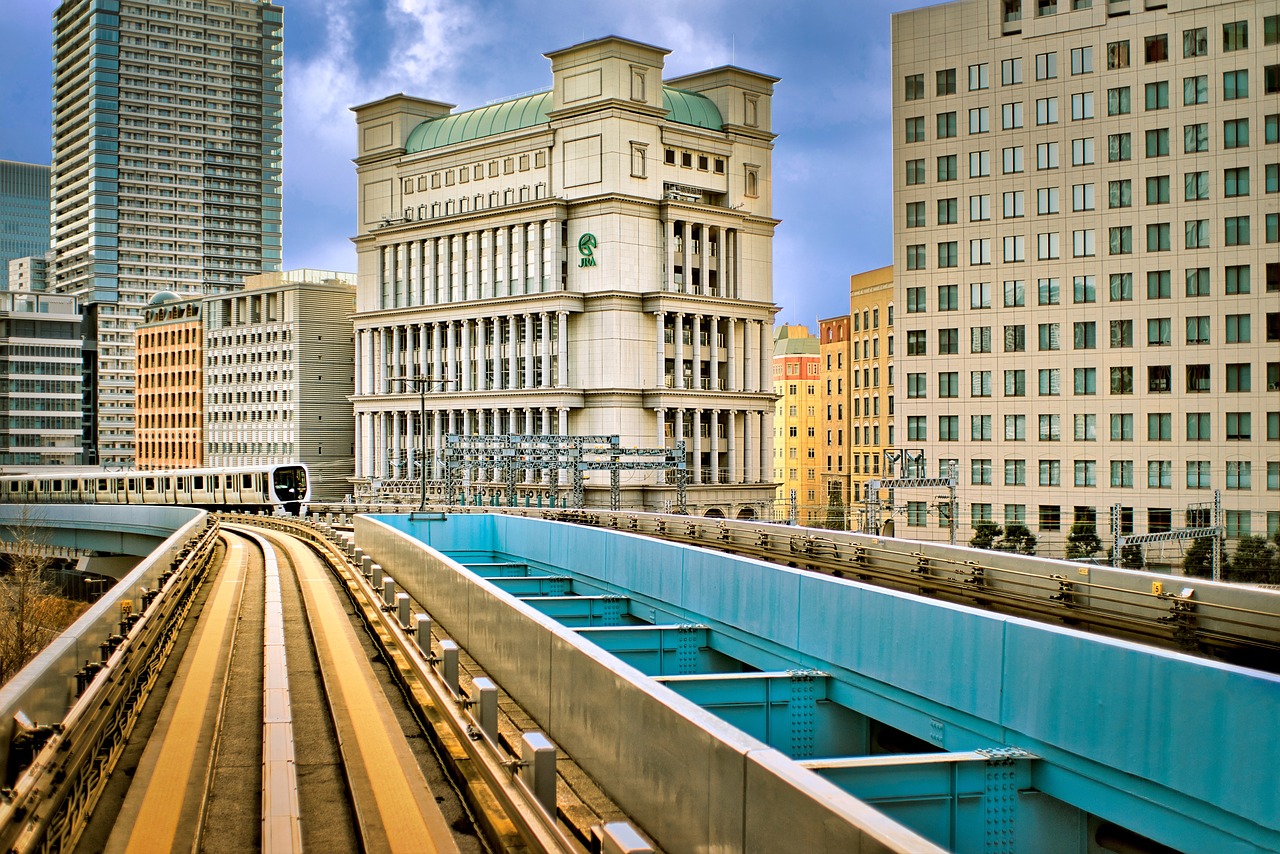
Seamless Tokyo Planning Transport Reservations and Day Trip Ideas
For visiting Tokyo confidence, the goal is simple: fewer friction points, more freedom. Tokyo’s network is extraordinary, but the city feels most luxurious when you move through it without second-guessing, especially if you’re planning tokyo for first time visitors and want to feel sure of every step.
Seamless movement with Suica or Pasmo (and when taxis make sense)
Use a Suica or Pasmo card for quick taps on metro and trains, and try to avoid peak commuter hours if you’re travelling with luggage. Taxis are ideal for late nights, rainy evenings, or when you’re dressed up for Ginza—small choices that keep you comfortable. If you’re travelling from Tokyo Station for day trips, consider reserving seats on longer routes for extra ease.
Quick etiquette support: keep conversations quiet on public transport, and stand to one side on escalators where locals do. These small acts build trust with the city and help you visit Tokyo without feeling self-conscious, even on a first trip to japan.
Tickets, dining logistics, and day trip ideas around Tokyo
Museums like teamLab and popular exhibits are best booked online; follow a “book first, browse later” approach so you’re not queuing when you could be exploring. For fine dining, confirm dress codes, arrival times, and cancellation policies—this is where an expert concierge can be invaluable. If you’re organising tokyo for first planning, keep your itinerary simple: two anchors per day, then room to improvise.
- Day trip idea: a private car or a well-run tour from Tokyo towards fuji viewpoints. On the right day, Mt Fuji can look impossibly sharp against the skyline.
- If weather turns, swap the plan for galleries, a design district stroll, or even a playful option like Tokyo Disneyland or Tokyo DisneySea—both are unique things to add if you want a fun experience that’s impeccably organised.
- For electronics, anime, and modern pop culture, also visit Akihabara for an evening wander; it’s a bright, energetic side of Tokyo that surprises many travellers.
If you have 15 days in Japan or you’re travelling around Japan beyond the capital, this planning style scales beautifully—simple anchors, with room for discovery and a few “splurge” evenings. It’s also an easy to visit approach for anyone balancing work schedules, jet lag, and limited time in tokyo.
What Tokyo Leaves With You: Quiet Details, Big Energy, and a Reason to Return
Tokyo tends to stay with you in the smallest details: the hush of an early morning approach, lantern light catching on a side street, the kindness of a craftsperson who wraps your purchase as if it matters. Even days filled with fun things can feel oddly restful, because the city teaches attention—how to pause, how to notice, how to move with quiet confidence.
You may remember the glow of the skyline, but also the softer power of tradition: a careful gesture, a moment of shared silence, a cup of tea held with both hands. Tokyo’s contrasts don’t compete; they belong together, modern and timeless in the same frame, inviting you to explore with care rather than chase perfection.
When you leave, you don’t just carry photographs—you carry a new sense of trust in your own pace. And somewhere between the last train announcement and the airport lights, you may find yourself imagining a next visit, not to tick off more places to visit in Tokyo, but to return to what felt quietly personal—one of those favourite places that keeps calling you back.
F.A.Qs: Tokyo luxury travel and fun things to do
What are the best fun things to do in Tokyo, Japan?
The best fun things blend energy with calm: an early walk at Meiji Shrine, Asakusa and Senso-ji for old-town charm, teamLab Borderless for immersive art, a Ginza sushi counter, and sunset views from Shibuya Sky or Tokyo Tower. Add a private tea ceremony if you want a restorative cultural moment that feels genuinely high-end.
How much money is enough for a week in Japan?
For a comfortable week in Japan with a premium Tokyo base, many travellers budget for a quality hotel, efficient transport, and a few standout meals. Japan is one place where costs vary sharply by season, room category, and dining choices, so decide what matters most—space, location, or fine dining—then build around it. Reserving key experiences early helps you control spend and avoid last-minute splurges.
What are some unique or unusual activities to do in Tokyo?
For unique things, try teamLab Borderless for art that moves around you, book a private tea ceremony for quiet ritual, or spend an evening exploring Golden Gai’s tiny bars with a respectful, curated approach. If you want something playful yet impeccably organised, Tokyo Disneyland and Tokyo DisneySea can feel surprisingly luxurious when timed well and paired with a calm hotel return.
What are some traditional cultural experiences in Tokyo?
Traditional experiences include visiting Meiji Shrine with respectful Shinto etiquette, exploring Senso-ji in Asakusa, and joining a private tea ceremony where you learn the meaning behind crafted movements and seasonal sweets. Shopping for artisan items on Nakamise Street can also feel cultural when vendors share the story of their work. Go early in the day for quieter, more intimate encounters.