Post Contents
- Top places to visit in China and how to design your route for the best places to visit in China, luxury trip to China itinerary
- Beijing wonders of China, the Great Wall and the Forbidden City for a Beijing Great Wall private tour and the Forbidden City UNESCO World Heritage site
- Xi’an places to visit in China with the Terracotta Army Xi’an first emperor of China private guide to the city wall
- Shanghai and Suzhou are beautiful places with Shanghai luxury experiences and a Suzhou classical gardens day trip from Shanghai
- Spectacular places to visit in China for Zhangjiajie Li River cruise, Yangtze Three Gorges, Jiuzhaigou, and Chengdu panda
- Planning a trip to China with confidence for a seamless, high-end journey with planning a trip to China luxury travel
- F.A.Qs: Top 10 places to visit in China
- After China, what stayed with me was the reflections on visiting China, personal journey, and a trusted travel expert
Top places to visit in China and how to design your route for the best places to visit in China, luxury trip to China itinerary
Top places to visit in China and how to design your route
The “decide where to go” moment shapes everything. When you’re choosing places to visit in China, it helps to think in contrasts: imperial scale and intimate neighbourhoods, bright skylines and misty countryside, a morning of wonders of China followed by an afternoon that lets your mind exhale. The goal isn’t to race through popular places; it’s to create a route that feels both elevated and personal, with time to uncover meaning beyond the headlines.
For high-end travellers, the best places to visit are often the ones you experience at the right hour, with the right support. That can mean entering a landmark early with an expert guide, then returning to your hotel for spa recovery and a slow lunch. It can also mean building in a gentle “buffer day” so travel in China feels spacious rather than compressed.
Trip to China route that flows around China without rushing
A high-level route that works beautifully “around China” is: Beijing → Xi’an → Shanghai (with Suzhou) → a restorative nature interlude (Yangtze, Zhangjiajie, Guilin/Li River, or Sichuan province). Domestic flights are often the most time-efficient way to travel long distances in China, and premium cabins can make the journey feel like part of the holiday rather than a hurdle.
High-speed trains shine on selective legs—think Beijing to Xi’an, or Shanghai to Suzhou—especially when you choose first class and have lounge access. For day trips, a private car and driver adds continuity and calm: no negotiating, no guesswork, just a seamless rhythm from door to door.
Best time to visit China and how to experience the best things with comfort
The best time to visit China is typically spring (April–May) and autumn (September–October). You’ll find clearer skies in northern China, pleasant temperatures in eastern China, and fewer crowds than in peak summer. Do note that major public holidays can spike demand and pricing, so a well-timed itinerary matters as much as the destination.
Below is our list of the best places to visit—ten stops and experiences in China that combine icon status with genuine atmosphere. If you’d like to see how these journeys look in real life, you can browse our Trip gallery and imagine what a crafted China tour could feel like with thoughtful pacing.
- Design downtime first: schedule late starts after travel days and protect two relaxed evenings per week.
- Choose hotels that restore: strong soundproofing, a true spa, and a concierge who can “hold” your evenings.
- Layer in local moments: a tea ritual, a calligraphy studio visit, or a private tasting can be the memory that lasts.
With that route logic in place, let’s step into the first two icons—must-see for anyone visiting China—done with calm access and thoughtful storytelling.


Beijing wonders of China, the Great Wall and the Forbidden City for a Beijing Great Wall private tour and the Forbidden City UNESCO World Heritage site
Beijing, the wonders of China, the Great Wall and the Forbidden City
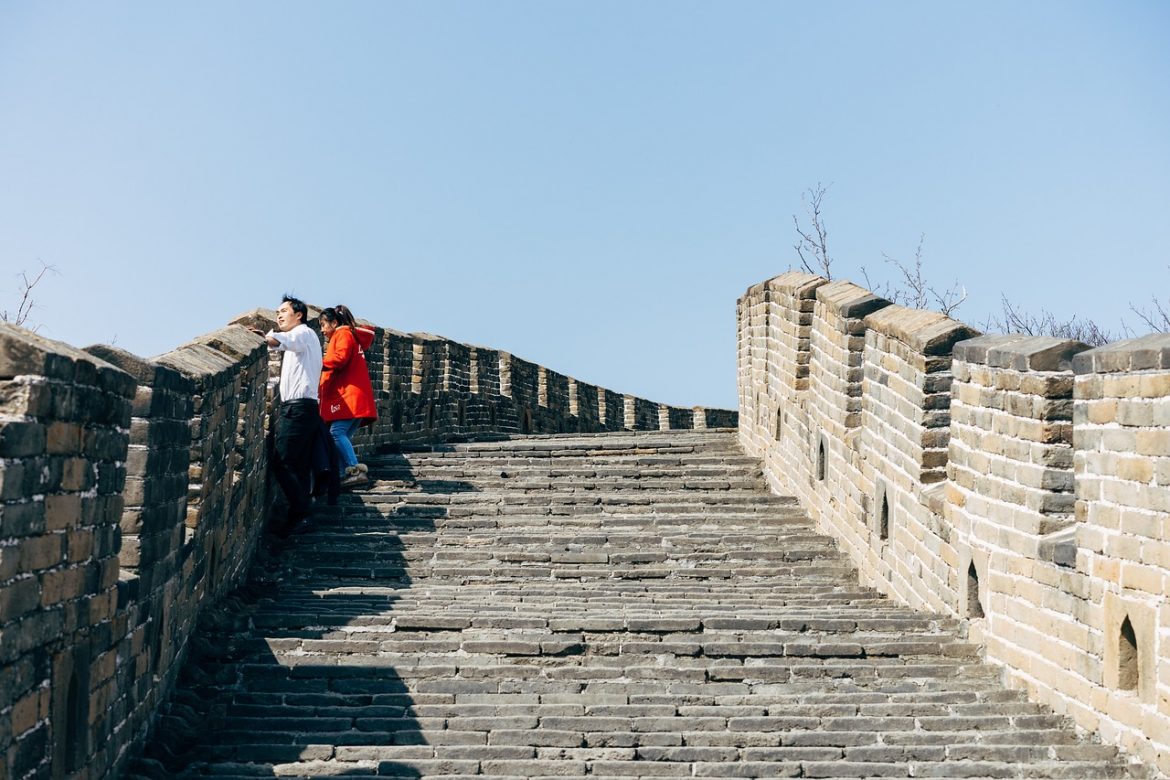
Beijing’s Great Wall, a UNESCO World Heritage site and the Forbidden City are the pairing that defines many first journeys—yet it doesn’t have to feel crowded or hurried. In Beijing, the secret is timing, access, and letting the city’s scale land gently. With a private guide and curated transfers, Beijing becomes less of a “big city” shock and more of an unfolding story you can trust.
Great Wall near Beijing with a sunrise private tour
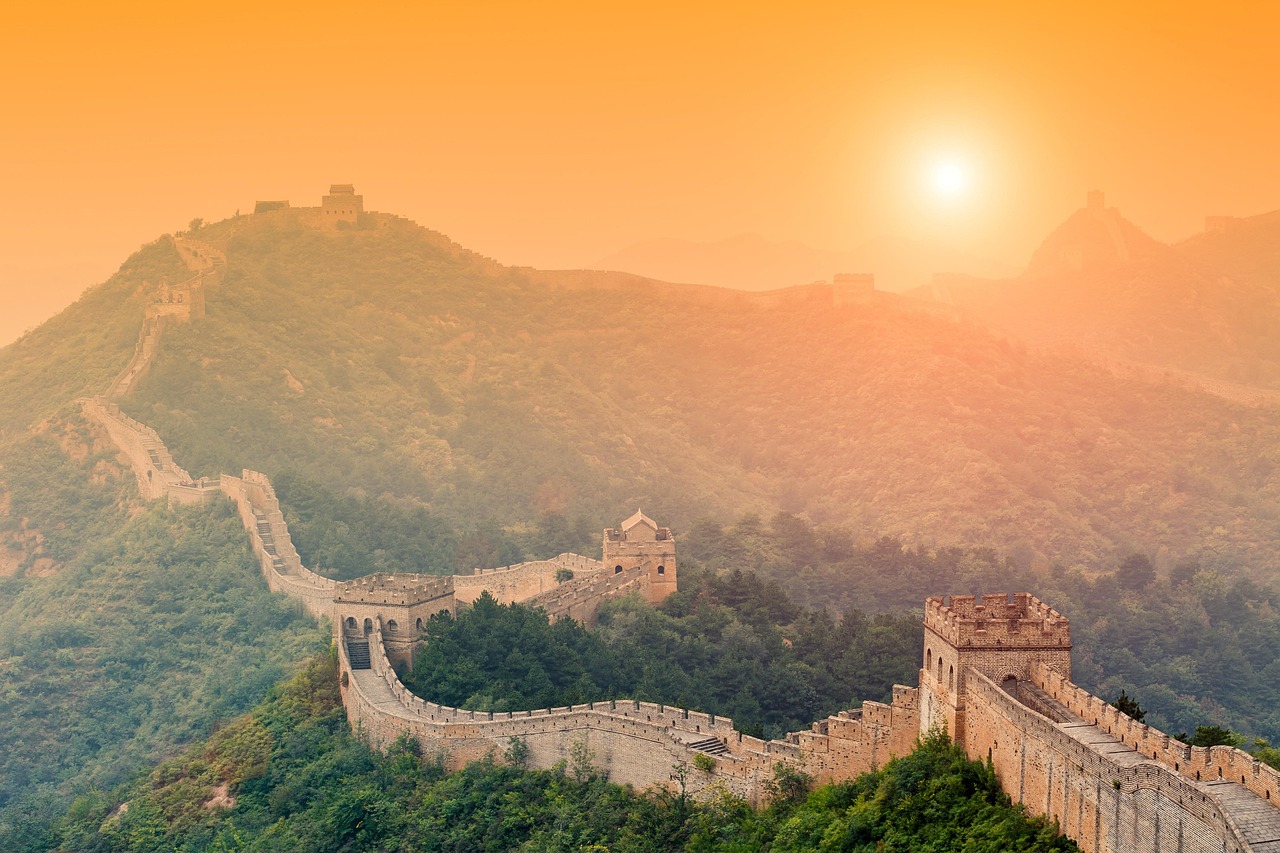
For the Great Wall, choose a section such as Mutianyu (excellent restoration and comfort) or Jinshanling (more rugged, cinematic views). Both are near Beijing, and both allow you to experience the Wall before the day wakes up. Sunrise is often best viewed from higher watchtowers, when the light moves across the ridgeline and the sections of the wall feel almost weightless.
One high-end traveller described their sunrise hike as “the quietest reset I’ve had in years”—the hush before the crowds, the sound of wind in the stones, and the sudden awareness of human effort across mountains in China. That silence, held for a few minutes, can make the Great Wall feel less like a photo opportunity and more like a private conversation with time.
A great place to enhance the moment is a guide-led pause at a lookout: your expert can point out defensive design, signal towers, and how terrain dictated construction. Instead of lecturing, the best guides weave anecdotes—how supplies were carried, how messages travelled, how seasons shaped life on the ridge—so history becomes lived rather than memorised.
Forbidden City, Beijing, UNESCO World Heritage, with thoughtful booking
Back in Beijing, the Forbidden City is an iconic UNESCO World Heritage site where symbolism is everywhere: colour, threshold, hierarchy, and axis. Walk the courtyards with a guide who understands the human layer of a dynasty—ritual, power, daily habits—and you’ll notice details you’d otherwise miss, from guardian beasts to the choreography of gates and halls.
Practical care matters here. Book entrance tickets online in advance to avoid queues, and consider a morning visit when energy is fresh and light is kind. If you can arrange specialist access or private museum hours, the experience becomes calmer and more intimate.
For refined things to do in China beyond the main sites, Beijing can be quietly luxurious: a crafted culinary reservation (think Peking duck done with ceremony), a private gallery viewing, and a seamless return to your hotel for rest. In a city this vast, comfort is not a splurge—it’s support that lets insight land.
Xi’an places to visit in China with the Terracotta Army Xi’an first emperor of China private guide to the city wall
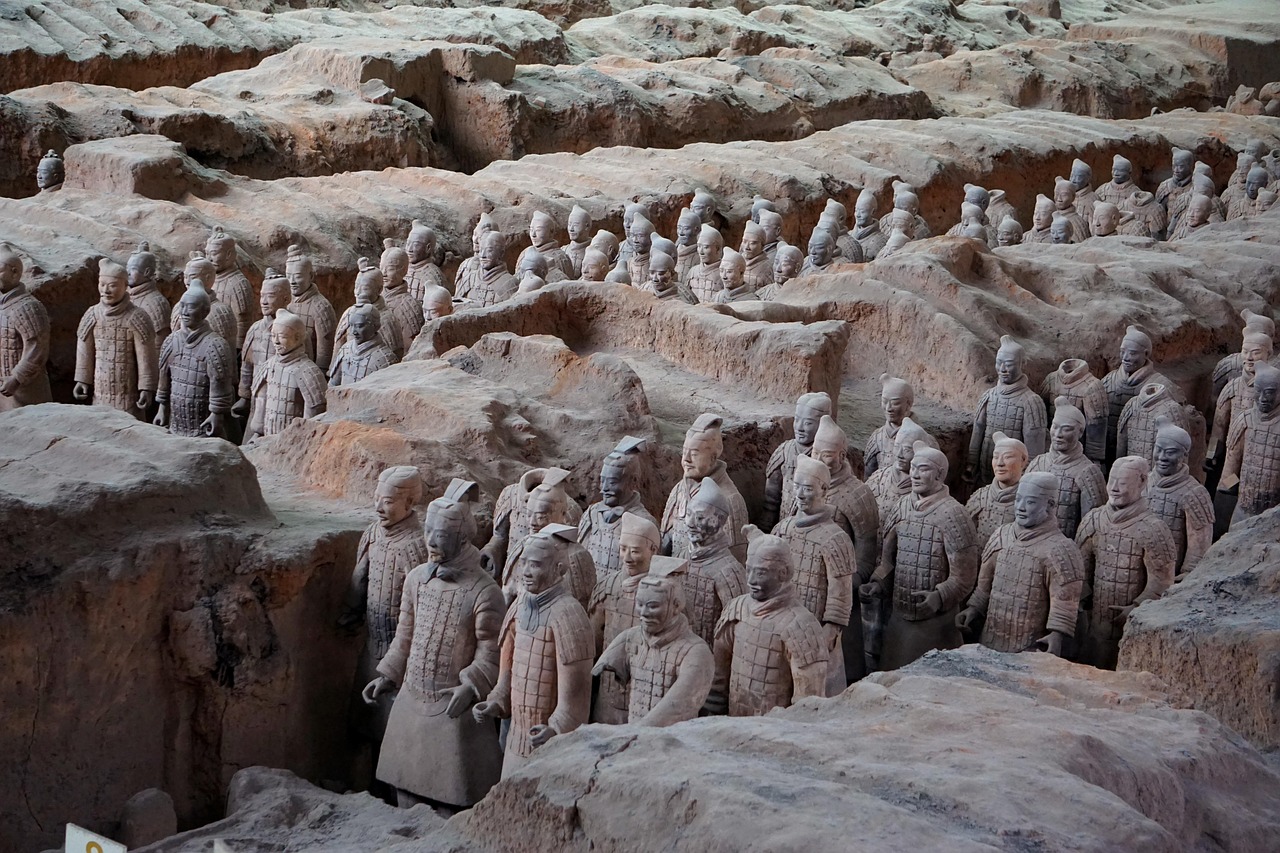
Xi’an places to visit in China, the Terracotta Army and the ancient city wall
Terracotta Army, Xi’an, first emperor of China, private guide, city wall—this is Xi’an at its most powerful, and one of the top things travellers come to see in China. Xi’an offers a different texture from Beijing: less imperial spectacle, more archaeological intimacy, and a sense of the Silk Road’s long exchange of ideas.
Terracotta Army arrival, scale, and space to feel it
Arriving at the Terracotta Army can be unexpectedly emotional. A visitor once told us they felt “moved in the chest” by the scale and detail—thousands of faces, each slightly different—because it made history feel personal rather than distant. Give yourself permission to stand still before you start photographing; the first impression is part of the experience.
From a historic lens, your guide can connect the army to the first emperor of China, and what it reveals about power, belief, and craftsmanship. Ask for one “human detail” that brings it to life—how pigments once coloured the warriors, how hands were formed, or how workshops may have been organised. These small insights help the site feel less like a museum and more like a living question.
For VIP pacing, go early, use a private guide, and plan time for quiet viewing. High-end travellers often value space as much as access, so build in a short break afterwards—tea, a gentle walk, or simply returning to the vehicle to reset.
City wall and a curated evening for food in China
The Xi’an city wall is one of the most tactile places to see: you can walk or cycle along the ramparts and feel the geometry of protection and community. With a concierge-arranged stop for tea, the experience becomes both active and unhurried—an elegant counterpoint to the morning’s archaeology. If cycling isn’t your preference, a slow walk with a photographer-guide can be just as rewarding.
In the evening, Xi’an is a wonderful place to explore flavour—especially in the Muslim Quarter—yet it’s also where reassurance matters. A trusted local guide can curate a route that focuses on quality, hygiene, and confidence for cautious palates, while still letting you discover the city’s warmth through scent, spice, and conversation.
- Comfort tip: Request a table at one or two reputable spots rather than grazing everywhere.
- What to try: biangbiang noodles, lamb skewers from a recommended vendor, and a refined dessert stop.
- Ease factor: return transfers arranged in advance keep the night seamless.
From here, the rhythm shifts again—towards design, skyline, and softness in Shanghai and Suzhou.
Shanghai and Suzhou are beautiful places with Shanghai luxury experiences and a Suzhou classical gardens day trip from Shanghai
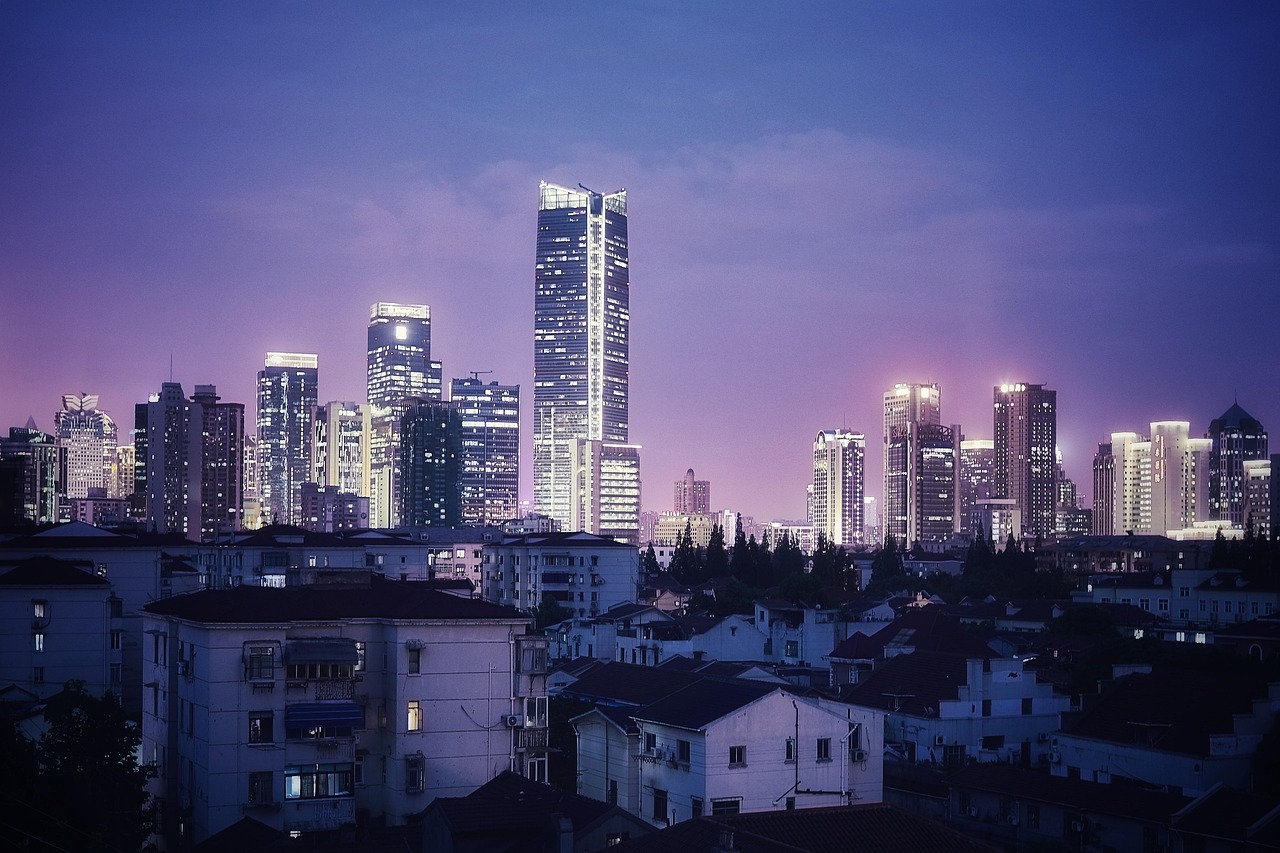
Shanghai and Suzhou are beautiful places where heritage meets design
Shanghai luxury experiences Suzhou classical gardens day trip from Shanghai—this pairing is where heritage meets modern confidence. Shanghai can feel electric, yet it’s also one of those places where luxury planning transforms intensity into ease: your driver appears exactly when needed, reservations are already held, and your hotel becomes a calm base in the middle of the city’s creative energy.
Shanghai is a modern counterpoint for things to do in China
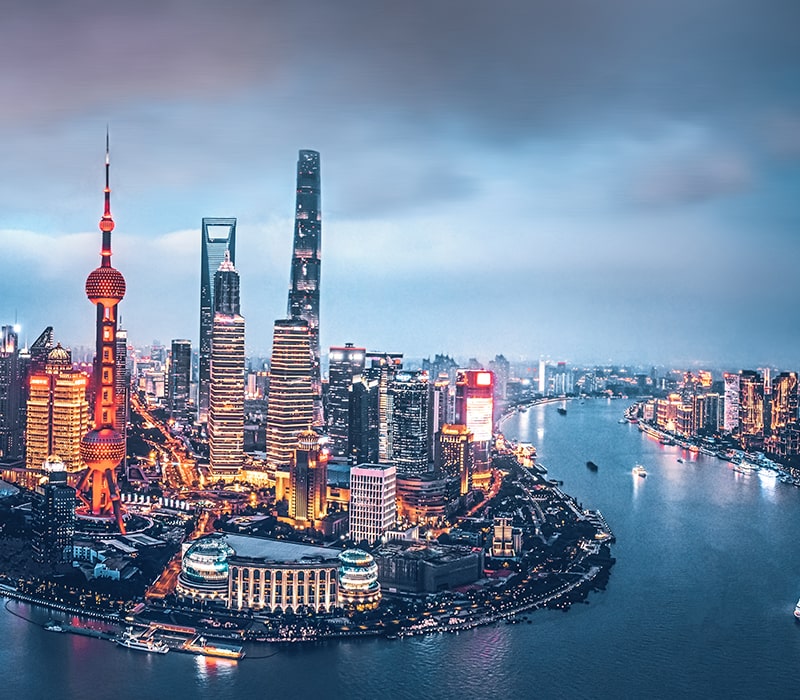
Shanghai is a study in contrast: Art Deco facades, temple courtyards, and an ultramodern skyline that glitters over the river. A traveller once described the city as “tradition and tomorrow in the same glance”—private art viewings in the afternoon, then rooftop cocktail bars along the Bund after dark. For high-end guests, the best things often come through curation: bespoke shopping appointments, studio visits, and a guide who can translate design context as easily as language.
Where to stay matters. Choose a neighbourhood feel that matches your style—historic calm near the French Concession, or waterfront glamour close to the Bund. Strong concierge support makes nights out effortless: you can explore, then return quickly for spa recovery and deep sleep.
Day trip from Shanghai to Suzhou and its classical gardens
For a more relaxed day, take a private car and driver to Suzhou for a day trip from Shanghai. This is a different kind of beautiful places experience: classical gardens where traditional Chinese landscape design becomes an art of framing—windows like paintings, stones like mountains, and water that carries light. The luxury here is time: linger, sit, and let the quiet work on you rather than ticking off viewpoints.
One guest spoke fondly of a private tea ceremony in Suzhou’s gardens: the gentle ritual, the careful hands, the sense of being welcomed into a local rhythm. In unfamiliar settings, small ceremonies can quickly build trust—because someone is guiding you with care, not just showing you a site.
If you’d like a “designer journeys” thread to hold onto, look for how design is felt, not just seen: in garden geometry, textiles, doorways, menus, and the way a space invites you to slow down. When you travel to China with that lens, even a cup of tea becomes a form of insight.
Spectacular places to visit in China for Zhangjiajie Li River cruise, Yangtze Three Gorges, Jiuzhaigou, and Chengdu panda
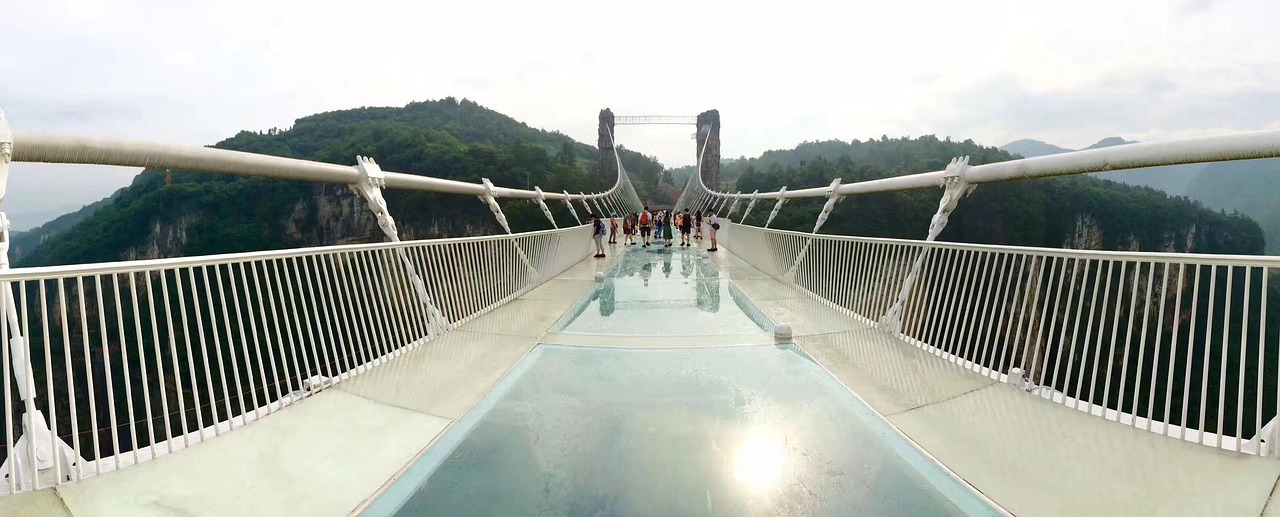
Spectacular places in China, rivers, mountains and natural beauty
Zhangjiajie Li River cruise, Yangtze Three Gorges, Jiuzhaigou, Chengdu panda—this is where China’s natural beauty becomes the heart of the journey. After Beijing, Xi’an, and Shanghai, many travellers find that water and mountains in China soften the edges of a busy mind. These spectacular places are also where comfort logistics matter most: flights, altitude, weather, and choosing resorts that truly restore.
Yangtze River cruise through the Three Gorges
A luxury cruise on the Yangtze is a restorative interlude on a trip to China. Days unfold gently—shore excursions with expert guides, then quiet time back on board. One guest described their evenings as “serene and cinematic”: sunset over the Yangtze’s Three Gorges, paired with fine wines and gourmet meals, as cliffs slipped past like ink wash paintings.
To keep it seamless, choose a cabin category that offers space and quiet, and ask for curated excursions that avoid peak crowds. This is a China vacation moment where doing less can feel like experiencing the best.
Zhangjiajie National Forest Park and its glass-bridge thrill
Zhangjiajie National Forest Park—often shortened to Zhangjiajie National by locals—feels surreal, with pillar-like formations that inspired cinematic landscapes. For high-end travellers, the comfort layer makes all the difference: pre-arranged early entry, a cable car when legs need a break, and a guide who knows quieter viewpoints for photographs without the crush.
A couple once shared how enchanted they felt as they navigated Zhangjiajie’s glass bridges high above the forested pillars. The thrill was real, but so was the reassurance: steady pacing, clear instructions, and the knowledge that someone was holding the details. Zhangjiajie is at its best when you balance adrenaline with calm.
If you’re sensitive to heights, tell your guide in advance. There are many ways to enjoy Zhangjiajie without pushing the most intense routes, and a thoughtful route can help maintain confidence.
Guilin and the Li River in southern China
In southern China, the Li River is one of the most beautiful stretches of water to explore China at a gentle pace. A private boat journey lets you drift past karst mountains and traditional fishing villages, with time to stop for a short walk or a quiet photo from the deck. The textures of rural China—bamboo, river mist, local greetings—feel intimate and grounding.
Ask your guide to weave in a brief, respectful local encounter: a simple market stop, a riverside tea, or a brief visit to a craft studio. These moments often become the “amazing places” feeling you can’t quite explain later—only remember.
Jiuzhaigou Valley in Sichuan province and Chengdu with giant pandas
To visit Jiuzhaigou is to step into colour and clarity. In Sichuan province, Jiuzhaigou Valley is famed for its luminous lakes and pristine forests, offering pure, high-altitude serenity unlike anywhere else in China. Stay in an exclusive resort nearby and take a slow, mindful approach: short walks, long pauses, and the kind of silence that feels almost designed.
Then come down to Chengdu for warmth, culture, and cuisine. A private visit to a giant panda research centre can be transformative when it includes time with researchers. One guest told us they bonded with the team while learning about conservation efforts firsthand—an experience in China that felt hopeful and deeply human.
For dining, a trusted guide can help you balance heat, comfort, and authenticity, especially if you’re not used to Sichuan pepper. The aim is to enjoy Chengdu’s richness without overdoing spice or scheduling.
Optional extensions to explore China further, including Yunnan province
If your calendar allows, southwest China offers a different palette again. Yunnan and Yunnan province are ideal for travellers who want to slow down in landscapes and minority cultures, with boutique stays that feel intimate. Consider Tiger Leaping Gorge for dramatic walking routes with careful support, Jade Dragon Snow Mountain for highland views, and rice terraces that change with the season.
Seasonal add-ons can also be meaningful: Yellow Mountain for sea-of-cloud sunrises, or (in deep winter) Harbin—note the best time to visit Harbin is typically January to February for the ice festivals. These are optional, but they can turn a strong itinerary into the best of China for your personal travel style.
Planning a trip to China with confidence for a seamless, high-end journey with planning a trip to China luxury travel

Planning a trip to China with confidence for a seamless, high-end journey
Planning a trip to China, luxury travel to China, private guides, transfers, best time to visit—these are the foundations that help your journey feel held from start to finish. Travel to China can feel complex at first glance, especially given mainland China’s vast distances, but the right structure turns that complexity into comfort. Think of planning as a form of care: removing friction so your attention stays on what you came for.
Travel to China: foundations and how to plan your China trip
Start with timelines: visas, arrival logistics, and a realistic pace that matches your energy. When selecting cities in China, balance big cities with softer interludes—gardens, rivers, or spa-based stays—so you don’t accumulate fatigue. Aim to plan your days in China with a rhythm: a “high” morning, a long lunch, and a calmer late afternoon, whenever possible.
If you’re planning to visit multiple regions, remember that climates vary sharply. What feels mild in Shanghai might feel crisp in Beijing, and temperatures in mountain areas can shift quickly. Packing layers and staying hydrated are small choices that protect comfort.
Private guides, luxury transfers, and tickets that protect your time
Private guides and luxury transfers are not just indulgences—they’re continuity. Booking early helps you secure the best guides, reliable vehicles, and the kind of support that prevents small issues from becoming stressful. It also allows your guide to tailor storytelling to you, whether you love architecture, food, photography, or dynasty history.
Tickets and timing deserve the same attention. Book online in advance for the Forbidden City and the Terracotta Army, and keep a simple confirmation routine so you can relax.
- 48-hour checklist: confirm hotel names in Chinese, driver pick-up points, and ticket QR codes.
- Reservations: pre-book dining at top restaurants in Beijing and Shanghai to ensure availability.
- Health comfort: check daily air quality indexes in urban centres; masks are optional but reassuring to carry.
On-the-ground etiquette, payments, and getting around
Etiquette is simple when it’s approached warmly. Dress modestly in temples, offer polite greetings, and be mindful of cultural sensitivities—particularly photography restrictions in historic or religious spaces. When in doubt, your guide can gently signal what’s appropriate, so you feel confident without feeling cautious.
For payments, carry some cash in yuan for small vendors, though most high-end areas accept international cards. Getting around efficiently is key: domestic flights are often the fastest option, and business class can make long hops genuinely restful. Trains can be wonderful on shorter routes, especially when you want to arrive in the city centre rather than an airport.
With these pieces in place, tours in China become what they should be: immersive, crafted, and quietly seamless—so you can focus on the list of places that truly call to you.
F.A.Qs: Top 10 places to visit in China
What is the prettiest place in China?
Many travellers nominate Jiuzhaigou Valley for its jewel-toned lakes and quiet forest trails, especially when visited slowly from a well-placed resort. If you prefer dramatic peaks, Zhangjiajie offers surreal pillars and misty viewpoints. “Prettiest” depends on your taste: water and colour in Jiuzhaigou, or vertical scale and atmosphere in Zhangjiajie.
What are the top 10 cities to visit in China?
A classic high-end mix includes Beijing, Shanghai, Xi’an, Chengdu, and Suzhou, then adds landscape-focused gateways such as Guilin (for the Li River) and ports for a Yangtze cruise. Depending on the season, you might include Lijiang or Shangri-La in Yunnan province, and in winter, Harbin for ice festivals. The best list matches your pace and interests.
What crime is punishable by death in China?
China retains the death penalty for serious offences. It can apply to violent crimes such as murder and some non-violent crimes, including large-scale drug trafficking and certain major corruption cases. Laws and enforcement can change, and visitors should rely on official government travel advice and local guidance. For travellers, the practical takeaway is simply to follow local laws carefully and respectfully.
What are the 4 wonders of China?
There isn’t a single universal list, but many references commonly highlight the Great Wall, the Terracotta Army, the Forbidden City, and the Yangtze River, including the Three Gorges. Together, they represent engineering, archaeology, imperial architecture, and natural drama. Experiencing them at a thoughtful time and with an expert guide can make them feel personal rather than purely iconic.
After China, what stayed with me was the reflections on visiting China, personal journey, and a trusted travel expert
Visit China reflections personal journey trusted travel expert—this is where the journey becomes something softer than a checklist. Long after you’ve left Beijing and Shanghai behind, what lingers isn’t only the scale of the landmarks; it’s the atmosphere that settled around them. The hush on the Great Wall at first light, the way cold stone held the day’s first warmth, and the feeling that time can be both immense and intimate at once.
In Xi’an, it’s the weight of history that stays—standing before the Terracotta Army and sensing the lives behind the craft. Not just an emperor’s ambition, but the hands that shaped detail after detail, as if each figure mattered. And then, almost as a counterbalance, the way water and mountains offered quiet relief: a river’s slow bend, the patience of a forest, the softening effect of distance from the city.
What stays with many travellers is also the experience of being cared for as they move through unfamiliar landscapes. Trust in a guide who anticipated your pace, the reassurance of seamless returns to your hotel, and the kindness of local encounters that asked for nothing in exchange. Small rituals—tea poured with attention, a gentle nod in a garden, a moment of shared humour across language—can change the way you remember a place.
And perhaps that is the lasting gift of these beautiful places in China: they don’t ask to be completed. They simply invite you to imagine returning one day, not to finish a list of best places, but to uncover a new corner of the country that meets the person you’ll be then.