Post Contents
- Iwate Prefecture guide Morioka city Japan for first impressions
- Plan your trip Iwate Prefecture Japan getting around travel guide
- Sanriku coast tour Miyako Jodogahama Beach Iwate Prefecture Japan
- Hiraizumi world heritage UNESCO Chuson-ji Temple Iwate Prefecture Japan guide
- Ou Mountains hike yamabushi tour Iwate Prefecture Japan
- After Iwate what stays with you in Iwate Prefecture Japan
- F.A.Qs: Iwate Prefecture Japan travel guide
Iwate Prefecture guide Morioka city Japan for first impressions
Iwate Prefecture guide to Morioka city and first impressions in Japan
This Iwate Prefecture guide to Morioka city, Japan begins where most elegant journeys should: with ease. Morioka is the prefectural capital, and Morioka Station is a quietly efficient hub that lets you design days out to the inland highland, the Pacific edge, and smaller towns without rushing. Compared with headline-heavy routes elsewhere on Honshu, the city feels calm—more craft and conversation than crowds.
What makes this prefecture different is its rural depth and creative spirit: hand-built food culture, thoughtful design in small museums, and a sense of “furusato” pride—rooted, local, and welcoming. For high-end travellers, that translates into a seamless blend of comfort and authenticity: stylish ryokan stays, intimate dining, and guides who share insight without turning the trip into a lecture.
Iwate Prefecture Japan guide to a first afternoon in Morioka
Create a low-pressure start before bigger adventure days. Stroll beside the Kitakami River, then pick a café where you can settle in and let your itinerary breathe—this is where confidence starts to feel natural. If you arrive in spring, the city’s cherry energy can be wonderfully gentle; for a classic scene, note the Rock-Splitting Cherry Tree and, if you’re extending north, the Tenshochi area is a beloved blossom reference point in the region.
Japan travel reassurance on language and local warmth
Outside Morioka city, English signage can be limited, but people are often quietly helpful when you ask with care. Save offline maps, keep key addresses in Japanese, and you’ll be surprised how quickly trust builds—especially when you try a few phrases and approach interactions with a soft voice and patience. If you have time, Hanamaki makes a graceful nearby stop, and seafood in Morioka markets is a delicious bridge before you head towards the coast.


Plan your trip Iwate Prefecture Japan getting around travel guide
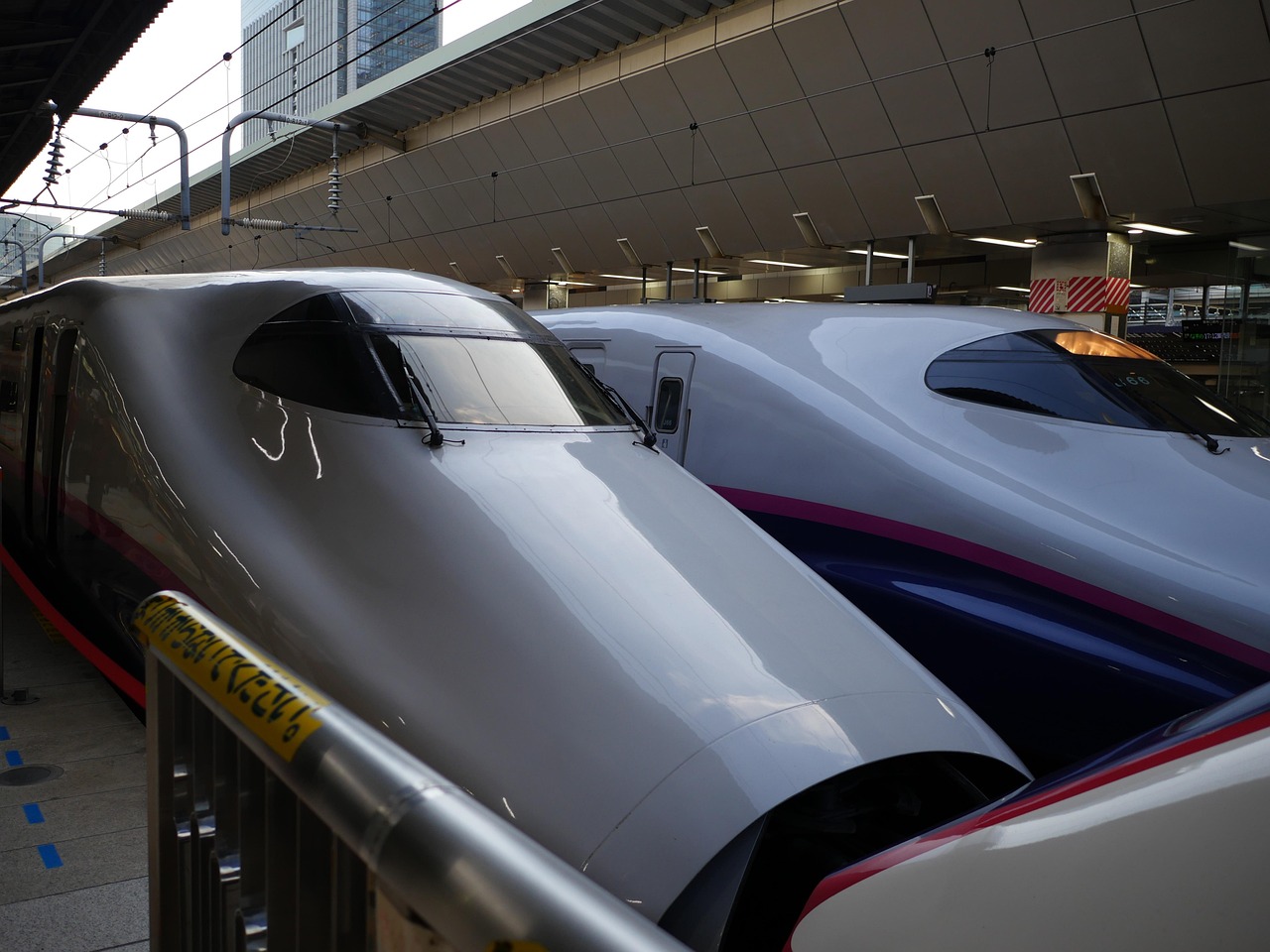
Plan your trip to Iwate Prefecture Japan getting around and costs with the bullet train
To plan your trip to Iwate Prefecture, Japan, getting around well matters more than overpacking your days. The distances in the prefecture are generous, and the reward is space—wide skies, quiet roads, and places to visit that still feel lived-in rather than staged. Think of this as a travel guide that supports you with practical choices so you can explore with ease.
Plan your trip timing for the prefecture in Japan
Spring through autumn is ideal for hiking, festivals, and vivid colour—cherry blossoms early on, and crisp foliage later. Winter is a quieter pleasure, with ski options and serene landscapes that make the region feel almost private. If you’re building a high-end itinerary, consider two bases: Morioka for rail convenience, then a second stay closer to the Sanriku coast or inland valleys.
Getting around Iwate Prefecture Japan by rail, car, and comfort
For access, Tokyo to Morioka is straightforward on the Tohoku Shinkansen; the Hayabusa bullet train makes the arrival feel almost too easy. Hanamaki airport is a useful regional option, while travellers coming from Osaka often find rail connections smooth but longer—best paired with one or two longer stays rather than many hotel switches. For day-to-day transport, buses work well for key corridors, but a rental car creates a more seamless design for remote scenic drives, Kuji exploration, and coast viewpoints.
Budget expectations are reassuringly moderate for cultural sites: entrance fees for Chuson-ji Temple are typically around 800–1000 yen. Festival viewing is generally free, but accommodation books early near major dates; guided hikes and specialist experiences are where you’ll invest more for expert support and safety. For inspiration on higher-comfort routes across Japan, you can browse our Trip gallery and imagine what kind of pace feels right.
Comfort and respect checklist
- Remove shoes indoors, and speak softly in sacred spaces—your presence should feel light.
- Pack layered clothing and proper hiking gear; weather shifts quickly in Tohoku.
- Carry cash for small towns and rural stops; some areas still prefer it.
- Download maps and translation tools; it’s quiet support when signage is limited.
Sanriku coast tour Miyako Jodogahama Beach Iwate Prefecture Japan
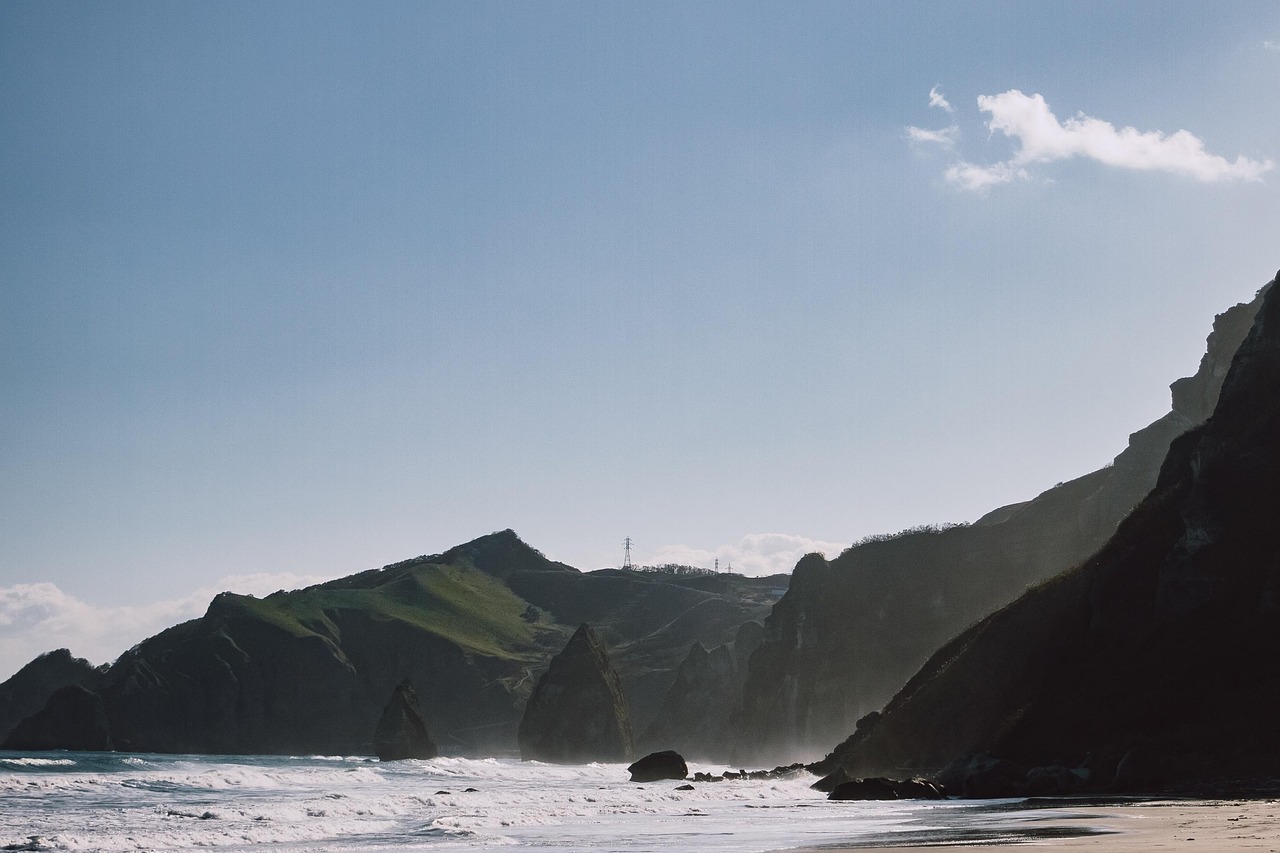
Sanriku coast tour to Miyako and Jodogahama Beach cliffs in Iwate Prefecture Japan
A Sanriku coast tour to Miyako and Jodogahama Beach in Iwate Prefecture, Japan is where the landscape starts speaking in bolder sentences. This stretch of coastline is dramatic and precise—clear water, carved rock, and viewpoints that feel carefully crafted by nature. It’s scenic without being showy, and it suits travellers who want beauty plus a little salt-air exhilaration.
Iwate Prefecture places to visit around Miyako and the coast
At Jodogahama Beach, keep it simple: short walks between lookouts, an easy loop that invites you to pause, and—if conditions are calm—an optional boat ride for a different angle on the white rock formations. Aim for early morning or late afternoon light to uncover texture in the cliff faces and soften the sea’s glare. Stay aware of coastal conditions: winds can turn quickly, and wet stone can be slick, so steady footwear is a small act of care.
Japan guide context with respect and hope
This part of the prefecture also holds the memory of the 2011 tsunami. When you sightsee here, you may notice subtle markers and community spaces that speak to rebuilding; the tone is not performative, but real—grounded, dignified, and quietly hopeful. Travellers often say it changes how they look at the sea: not just as a view, but as a force that asks for humility.
For adventure-seekers, add a coastal walk segment beyond the main viewpoints, wander a fishing harbour for everyday life, then reward yourself with ultra-fresh seafood. One of my favourite “crafted moments” is simply taking a quiet breath at the highest lookout—then heading to a small local eatery where the warmth of the welcome feels like part of the landscape.
Hiraizumi world heritage UNESCO Chuson-ji Temple Iwate Prefecture Japan guide
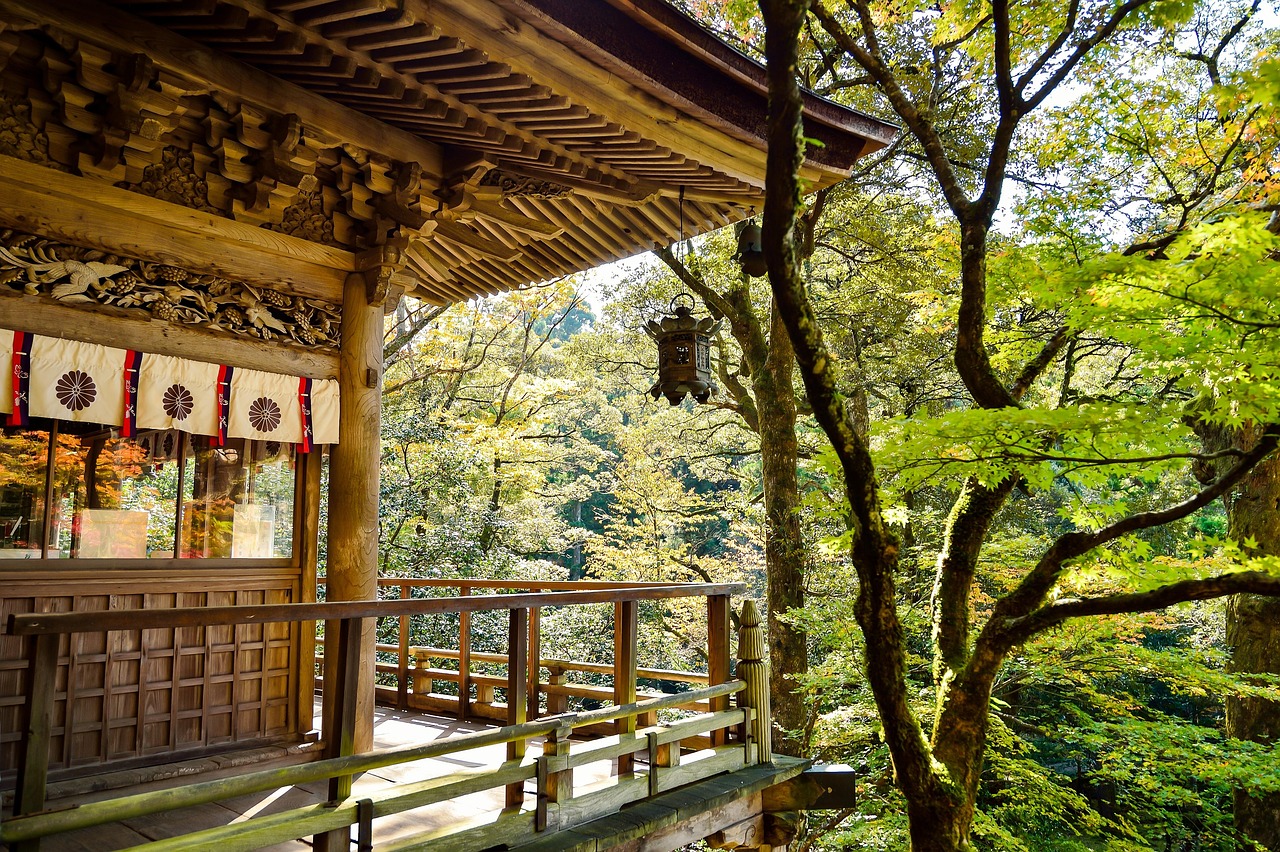
Hiraizumi world heritage sites and Chuson-ji Temple sacred calm in Iwate Prefecture Japan
This Hiraizumi world heritage UNESCO Chuson-ji Temple Iwate Prefecture Japan guide takes you into a different register—less adrenaline, more inner clarity. Hiraizumi is a world heritage centre, and the contrast to the coast is powerful: wooded paths, softened footsteps, and history that feels close enough to touch. In this region of Japan, quiet can be an attraction in itself.
Iwate Prefecture Japan guide to visiting Chuson-ji respectfully
Arrive with time rather than urgency, and keep your voice low as you move through the complex. Notice the way architecture frames the forest, and how small details invite attention rather than spectacle. Chuson-ji is best approached as an experience you feel—one where patience becomes part of the design.
A traveller once told me the Golden Hall left them unexpectedly moved, not because it demanded reverence, but because it offered it. They described a moment of stillness that uncovered spiritual history without explanation—just presence. That’s the gift here: insight that lands gently, then stays with you.
Practicalities are straightforward: allow a half day, and expect modest ticketing. If you want to pair it without rushing, Geibikei Gorge is a graceful add-on—its boat glide feels like a quiet exhale after the intensity of gold and shadow. Keep your schedule spacious, and you’ll leave with more than facts.
Ou Mountains hike yamabushi tour Iwate Prefecture Japan
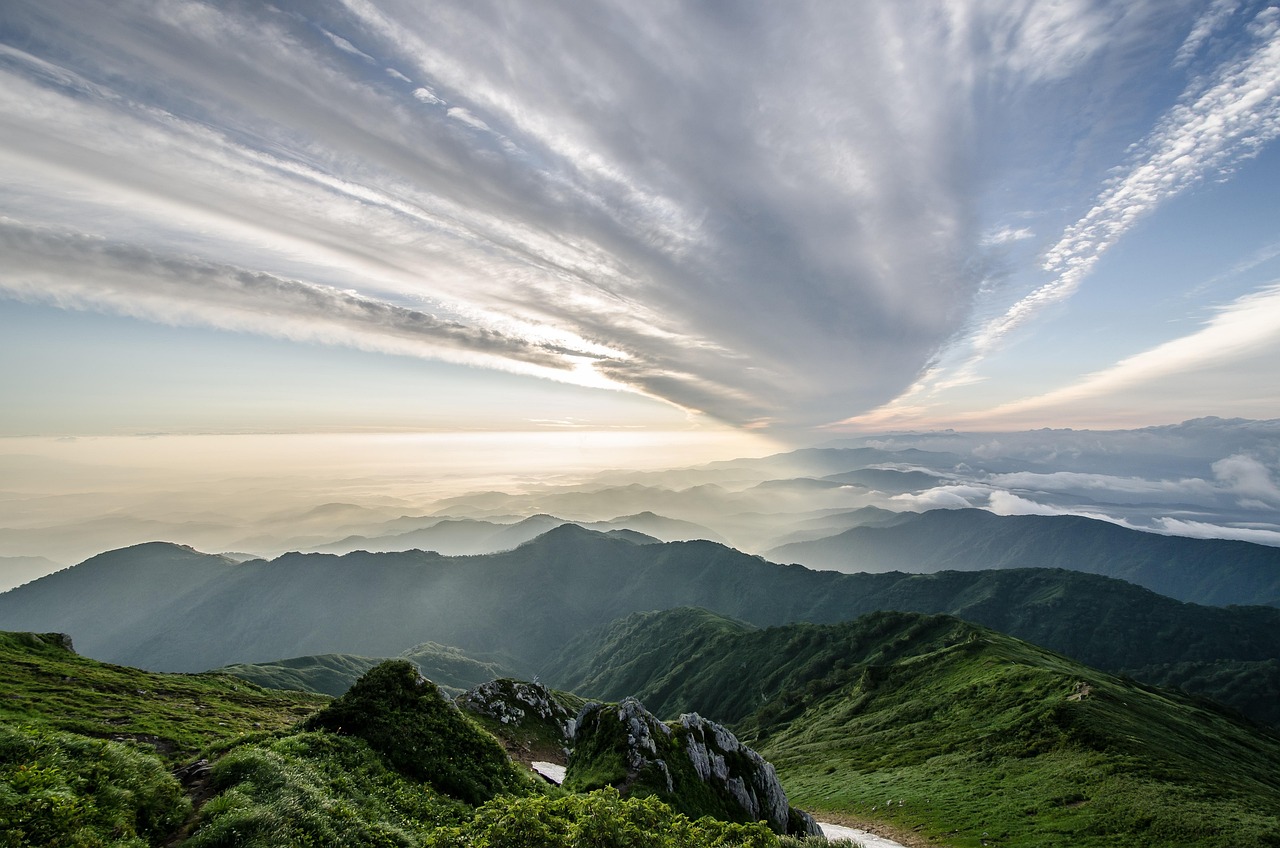
Ou Mountains hike with yamabushi in remote Tohoku region of Iwate Prefecture Japan
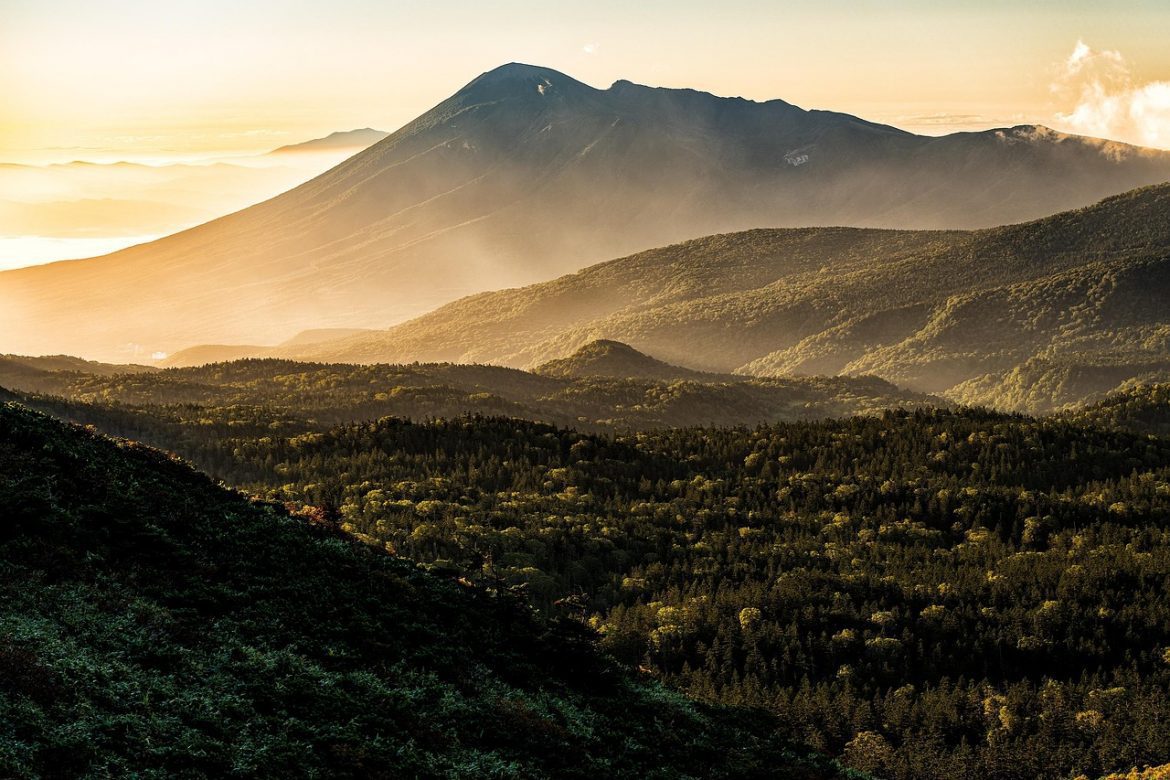
An Ou Mountains hike yamabushi tour in Iwate Prefecture, Japan is the kind of day that changes your posture—physically and emotionally. The Ou range is the prefecture’s highland backbone: rugged, green, and deeply tied to Japanese spiritual practice. In the Tohoku region, these slopes still feel remote in the best way, and that remoteness creates space for new confidence.
Japan travel guide to yamabushi rituals and trust
For visitors, yamabushi experiences can include guided hikes, breathing practice, periods of silence, and simple rites that mark transitions along the trail. You don’t need to “perform” anything—show up with respect, follow the lead, and let the day unfold. Adventurers have recounted the thrill of hiking alongside yamabushi monks: a real physical challenge, paired with cultural perspective that feels personal and unforced.
Getting around and safety support in the Tohoku highland
Weather can shift quickly, so a local guide is more than convenience—it’s care. Wear trail footwear, bring rain protection, and keep layered clothing even when mornings feel warm. If fitness is a concern, ask for route options; a good operator will design the hike so different levels feel supported rather than tested for ego.
For a quick geography anchor as you plan: Akita Prefecture to the west shapes the weather and the feel of these mountain corridors. The peaks can hold cloud and rain unexpectedly, which is part of the atmosphere—just don’t mistake it for unpredictability without preparation.
After Iwate what stays with you in Iwate Prefecture Japan
This Iwate Prefecture Japan personal travel reflection isn’t about ticking off landmarks; it’s about what lingers when the trip becomes memory. There’s something about prefecture-scale quiet that creates space to listen—to landscape, to history, and to your own pace. In a world that often asks you to hurry, Iwate offers a gentler kind of strength.
You might remember the together feeling of small moments: spontaneous local hospitality in Kuji’s onsen towns, where a backpacker once described being guided towards the right bathhouse with such warmth it felt like being looked after by extended family. That kindness is not loud, but it’s steady; it builds trust in the destination and in yourself.
And then there’s light. Some visitors pair this part of Japan with a nearby night of the Nebuta Festival in Aomori Prefecture—giant illuminated floats turning darkness into colour. People describe the fiery glow as unforgettable, like a lantern that stays behind your eyes long after you return to your room.
In the end, you carry home sea air, temple hush, and the confidence that comes from moving thoughtfully through a place that asks for attention. If you ever find yourself longing for a journey that feels both luxurious and real, you may quietly imagine Iwate again—waiting without urgency, ready whenever you are.
F.A.Qs: Iwate Prefecture Japan travel guide
F.A.Qs: Iwate Prefecture Japan travel guide with Morioka as a calm base
What is Iwate Prefecture known for?
Iwate Prefecture is known for its spacious natural landscapes, the dramatic Sanriku coastline, and cultural heritage such as Hiraizumi’s UNESCO-recognised sites. It’s also loved for quiet craftsmanship, restorative hot springs, and outdoor adventure that feels immersive rather than crowded.
Is Iwate close to Tokyo?
Yes. Iwate is comfortably reachable from Tokyo by high-speed rail, making it a realistic add-on to a wider Japan route. Once you arrive in Morioka, travelling onward is easiest with a mix of local transport and, for remote areas, a rental car.
What is the prettiest prefecture in Japan?
“Prettiest” depends on what moves you—iconic peaks, coastal drama, or cultural atmosphere. Many travellers find Iwate especially beautiful because it combines coastline, mountains, and historic calm with fewer crowds, so the scenery feels intimate and unfiltered.
What is the largest city in Iwate?
Morioka is the prefectural capital and the largest city in Iwate. It’s also the most convenient base for first-time visitors, thanks to its rail connections and access to both inland and coastal experiences.
If you’re daydreaming about your next journey in Japan, let it be shaped by the kind of beauty that doesn’t need to shout—something quiet, attentive, and genuinely your own.