Post Contents
- Things to Do in Macau, China – a Luxury-First, Culture-Led Macau Itinerary
- Attractions in Macau Old Town – a UNESCO World Heritage Site walk to Ruins of St. Paul’s and A‑Ma Temple
- Taipa Village – Macanese Flavours, Boutique Streets, and an Egg Tart Pause
- Top Things on the Cotai Strip – Casinos, Venetian Macau, and House of Dancing Water
- Around Macau: museum insight, tea houses, art and Portuguese tasting menus
- F.A.Qs: Things to do in Macau, China, and travel planning
- What Stayed With Me After You Visit Macau – a Luxury Cultural Reflection
Things to Do in Macau, China – a Luxury-First, Culture-Led Macau Itinerary
If you’re researching things to do in Macau, China, start by reframing the destination: Macau is a special administrative region of China and part of China, and it reads like a living design exhibition where Portuguese and Chinese architecture sit comfortably beside contemporary glamour. This curated list of things focuses on Macau attractions that suit a luxury pace—mosaic pavements, incense-soft temple courtyards, and the calm confidence that comes from being well looked after—often as a beautifully simple add-on from Hong Kong.
Things to do in Macau, China: a luxury-first arrival with skyline calm
Macau is compact, which is a gift at the high end: you can explore widely, then return to your Macau hotel quickly to reset—freshen up, change for dinner, or simply pause. That small geography keeps the experience elegant rather than exhausting, especially when you plan around light, temperature, and crowd flow.
Macau itinerary for first-timers across the main areas of Macau
For a first visit to Macau, the best rhythm honours three distinct moods: heritage, neighbourhood, and contemporary showpiece. A quick visit is possible, but many luxury travellers choose to stay in Macau, so their time in Macau includes unhurried evenings and beautifully paced meals.
- Macau Peninsula: begin in old Macau, where early light flatters heritage lanes, sacred sites, and beautifully worn stone steps.
- Taipa: shift to boutique streets and Macanese flavours that show how East meets West in everyday life.
- Cotai Strip: finish with the top things done well—one headline casino resort and a single water show booked with the right seats.
If you’re considering a day trip from Hong Kong, it’s best on a weekday outside school holidays, with a private driver waiting on the Macau side. If your goal is cultural depth—museum time, a tea house conversation, and a long dinner—give yourself at least one night.
Getting to Macau from Hong Kong by ferry with seamless transfers
For most travellers, taking the ferry from Hong Kong to Macau is the smoothest and most predictable route. Look for sailings to the outer harbour ferry terminal, and confirm the exact arrival hall where your driver will meet you before you depart. With smart timing, the ferry ride feels like a calm transition rather than a commute, and it keeps your arrival beautifully controlled.
If you land at Hong Kong airport, you can connect via cross-boundary transport without fully entering the city—your hotel team can advise on the most seamless option and build in buffer time for peak travel periods.
For inspiration across China beyond Macao, you can also browse our Trip gallery and imagine how Macau can sit as a crafted stop within a wider journey.
Best time: October to December is usually the easiest time to visit, with mild weather that makes walking between key sights comfortable. Note major dates like the Macau Grand Prix and Chinese New Year—luxury rooms can sell out, and premium tickets (especially for headline shows) need early booking. On money, you’ll often use Hong Kong dollars; carry some cash for smaller vendors, while most high-end venues accept cards. For calm movement between districts, private car services and luxury taxis keep the pace gentle and the experience under your control.


Attractions in Macau Old Town – a UNESCO World Heritage Site walk to Ruins of St. Paul’s and A‑Ma Temple
When travellers ask for attractions in Macau, what they often want is a route that feels designed rather than frantic. Start with the Historic Centre, part of a UNESCO World Heritage Site, and let your morning unfold on foot: wave-patterned paving, shuttered windows, and corners where Chinese and Portuguese traditions sit together without trying too hard. In this old city, the most meaningful attraction is often the eye-level detail—doorways, tiles, small shrines, and stone steps polished by time.
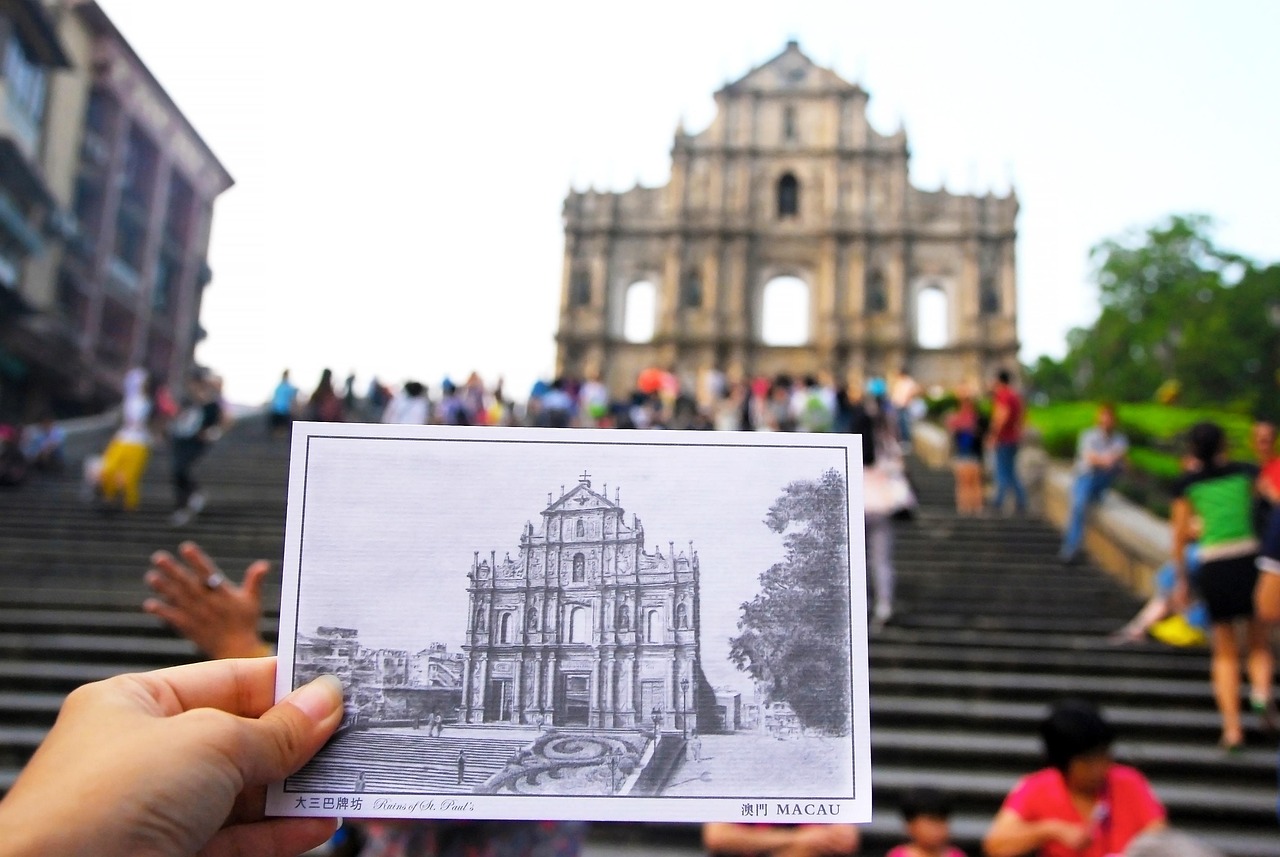
Old town walks in Macau: heritage façades, patterned paving, and slow morning light
Dawn walks through the old town’s wave-paved main square
I still remember an early stroll through Senado Square before the crowds arrived. The air felt cool and slightly salty from the harbour, and the mosaic pavement seemed to ripple under soft light. Old colonial façades held the sun like a quiet secret; without the daytime noise, you start to notice balcony ironwork, pastel paint, and the way local life moves around historic buildings with ease.
For luxury travellers, the tip is simple: ask your concierge to arrange breakfast slightly later, and give yourself 45 minutes to wander first. That calm opening sets the tone for the rest of your day—more observant, less hurried, and far more enjoyable.
Ruins of St. Paul’s: a famous façade and a quiet ruin viewpoint
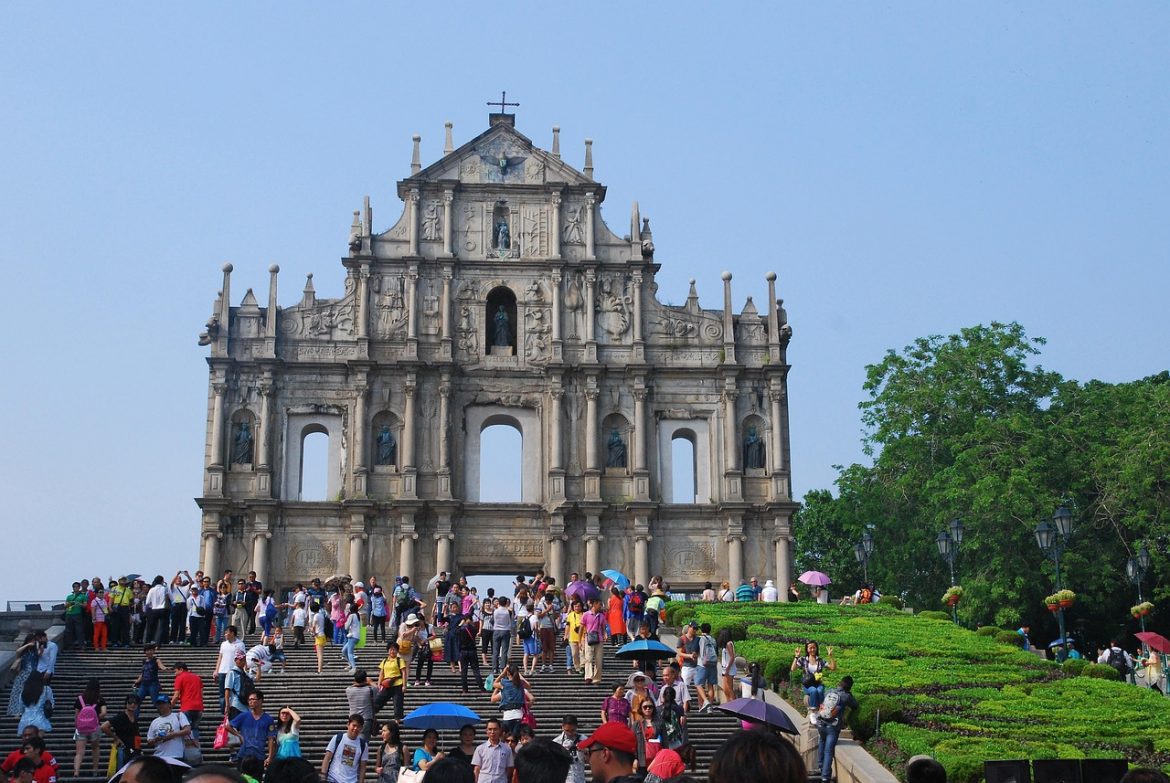
From the main square, continue towards the ruins of St. Paul’s—better known as the Ruins of St. Paul’s. The façade is a classic photo moment, but the richer experience comes when you step into the side streets and pause at a small ruin viewpoint, letting the layers of faith, trade, and artistry settle. Photograph slowly: shoot wide for context, then move close for carvings and weathered detail.
Nearby, you can add A-Ma Temple as a cultural anchor. At an A-ma temple, modest dress is appreciated; cover your shoulders, speak softly, and follow the flow of worshippers rather than cutting across. If you’re unsure, simply mirror local etiquette—Macau is welcoming, and care is understood when it’s offered with respect.
If sacred architecture is your love language, consider an optional stop at one of the largest Catholic churches in Asia. It’s a gentle counterpoint to the temple atmosphere, deepening your understanding of Macau’s spiritual and cultural layers without requiring a long detour.
Taipa Village – Macanese Flavours, Boutique Streets, and an Egg Tart Pause
For travellers who want an attraction that feels lived-in rather than staged, Taipa is a perfect place to visit for something local, stylish, and easy to explore on foot. Colonial-era lanes sit beside contemporary galleries and small design-led shops, and the rhythm invites you to browse rather than tick boxes. It’s an ideal contrast to the bright tempo of resort districts.
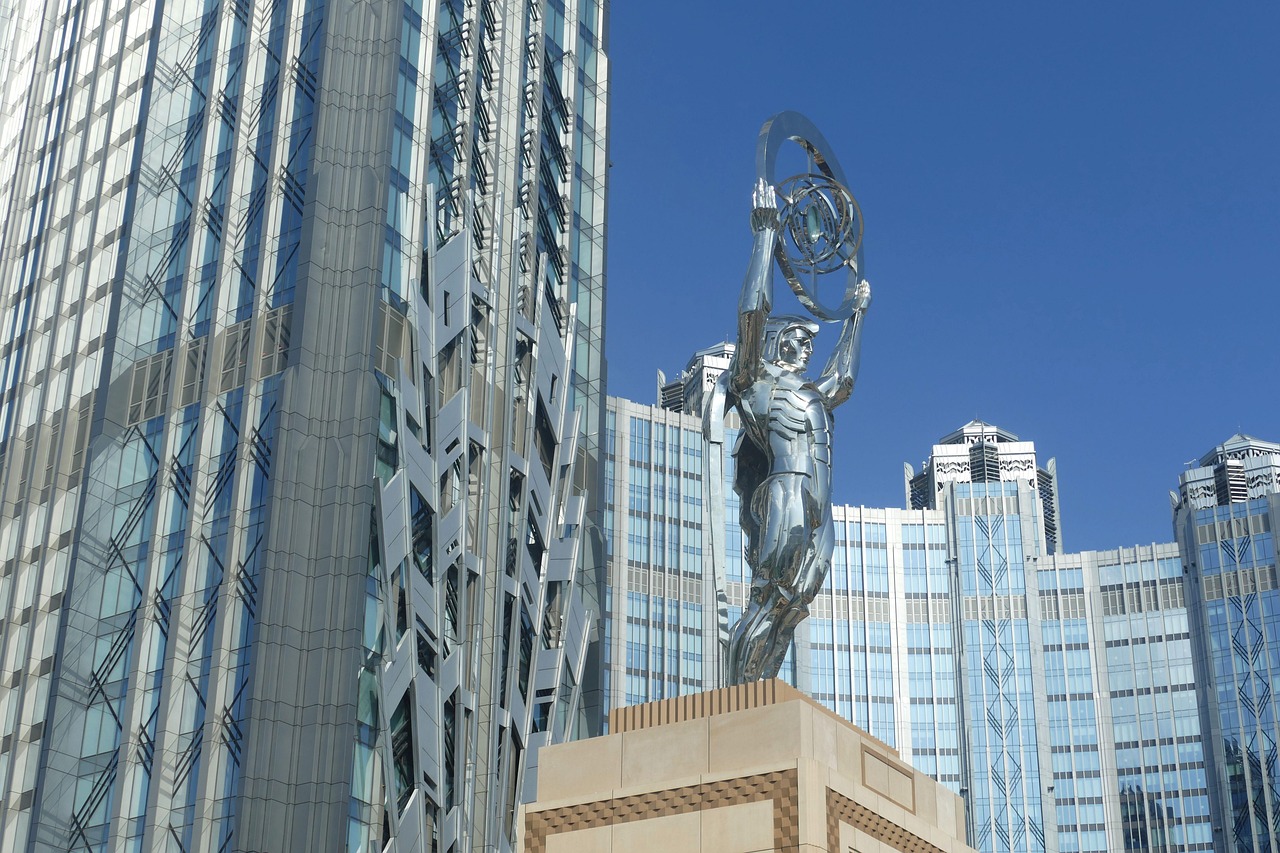
Taipa’s boutique lanes: local stories, relaxed browsing, and heritage charm
Taipa dining with Macanese storytelling, course by course
A couple we spoke to described a private multi-course Macanese meal arranged through a local chef in the village. Each plate felt like a conversation: Portuguese techniques meeting Asian ingredients, spice balanced with elegance, and a sense of trust built course by course. They called it “a culinary story of East meets West”—and that’s exactly what Macanese cuisine does when it’s crafted with intention.
If you’re curious, ask your hotel to arrange a chef-led dinner or a quiet private room. The right setting turns a meal into a cultural experience you carry home, long after your return to Hong Kong.
Egg tart stops and a refined Taipa food map
Yes, you should try an egg tart—but do it in a way that supports the pace of your afternoon. The idea is simple: a warm bite, then a slow coffee, then back to browsing, rather than eating on the move. That Macanese egg flavour—soft custard with a caramelised edge—can be surprisingly memorable when you let it have a moment.
- Classic stop: sample a Macanese egg tart and enjoy it seated with a coffee, so the experience stays calm and considered.
- Alternative: if you prefer less sweetness, look for almond biscuits or a lighter pastry so you can still enjoy dinner later.
- Iconic name check: many travellers seek lord stow’s; go early for the freshest batch and a calmer queue.
Beyond pastry, focus on unique cuisine: African chicken (a Macau classic), bacalhau, prawns with garlic, and rice dishes scented with subtle spice. A curated wine pairing—often Portuguese labels—keeps the experience composed rather than chaotic, especially when guided by a sommelier who can explain provenance with warmth.
Comfort notes: Taipa’s lanes can be narrow and uneven, so wear comfortable, luxury walking shoes and keep hydration close. If you’d like a private guide for Old Taipa Village plus dining reservations, your concierge can coordinate timings, seating, and the kind of conversation you enjoy.
Top Things on the Cotai Strip – Casinos, Venetian Macau, and House of Dancing Water
For top things that feel modern, glossy, and genuinely entertaining, the Cotai Strip is Macau’s stage. Macau is known for its casinos, but you don’t have to let a casino define the night; treat architecture, service, and performance as the lens, and keep your own boundaries clear. The resorts are built around casinos and gambling, yet the best evenings are usually the ones you curate—one standout venue, one great meal, and one performance worth dressing for.
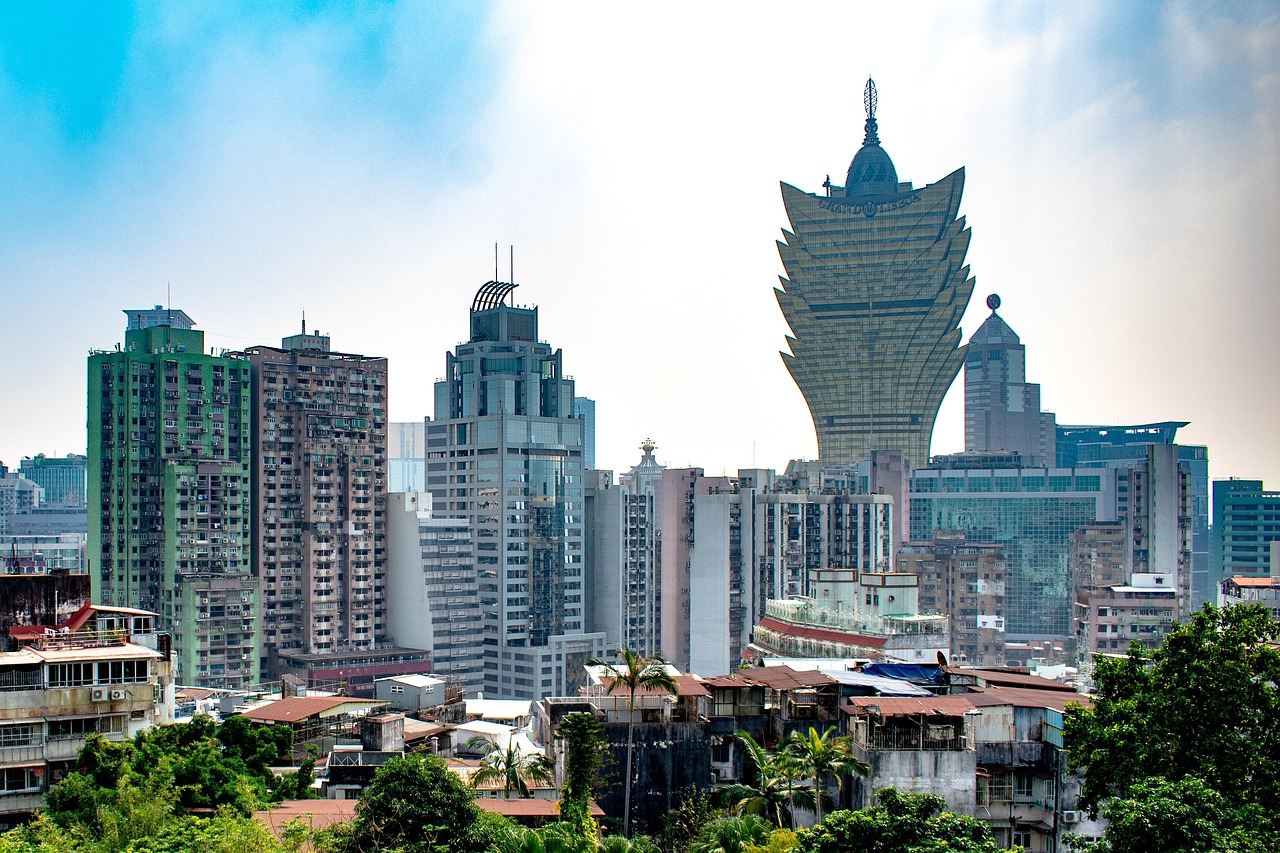
Cotai Strip after dark: theatre-like resorts, polished service, and bright architectural drama
Venetian Macau is a design attraction with a free shuttle ease
Venetian Macau is a playful attraction for design lovers: grand interiors, canal scenes, and excellent people-watching that feels like theatre. If you’re staying on the Macau Peninsula or in Taipa, use the free shuttle system tactically—ride in, see what you came to see, then glide back without the friction of negotiating taxis at peak times. A small decision like this creates a seamless evening that feels curated.
For context, some compare the Cotai Strip to the Vegas Strip. The difference, when done thoughtfully, is that Macau can feel more intimate: shorter distances, faster transitions, and an easy return to quiet.
One traveller told us their highlight was house of dancing water—an elegant water show at City of Dreams where storytelling, acrobatics, and light move together. They described genuine awe at the way the stage transforms in seconds and water becomes architecture, built around the largest water stage you’ll likely ever see. It’s often described as the world’s largest water show, and even if you’re not usually a “show” person, it can be thrilling for kids of all ages.
Premium seating changes everything: clearer sightlines, less distraction, and a sense of immersion that feels almost private. Book in advance, dress smart-casual (or sharper if you enjoy it), and plan a calm dinner either before or after so the night stays crafted.
To round out the skyline story, add a photo moment at grand lisboa, a visual icon that reads like a futuristic flower against the night. If you do choose to step onto a casino floor, keep it simple: set a time limit, decide your comfort spend, and remember that gambling and casinos are only one texture in a far richer fabric. A casino in Macau can be fascinating as a social study—service rituals, design, lighting—without becoming the focus.
If you’re seeking museum insight and slower cultural experiences, this is where Macau becomes deeply personal. Start with the Macau Museum for crisp historical context on Macao’s cultural fusion—timelines, objects, and everyday stories that help you read the streets differently once you step back outside. From there, design a short loop through nearby lanes, letting the new context settle into your afternoon.
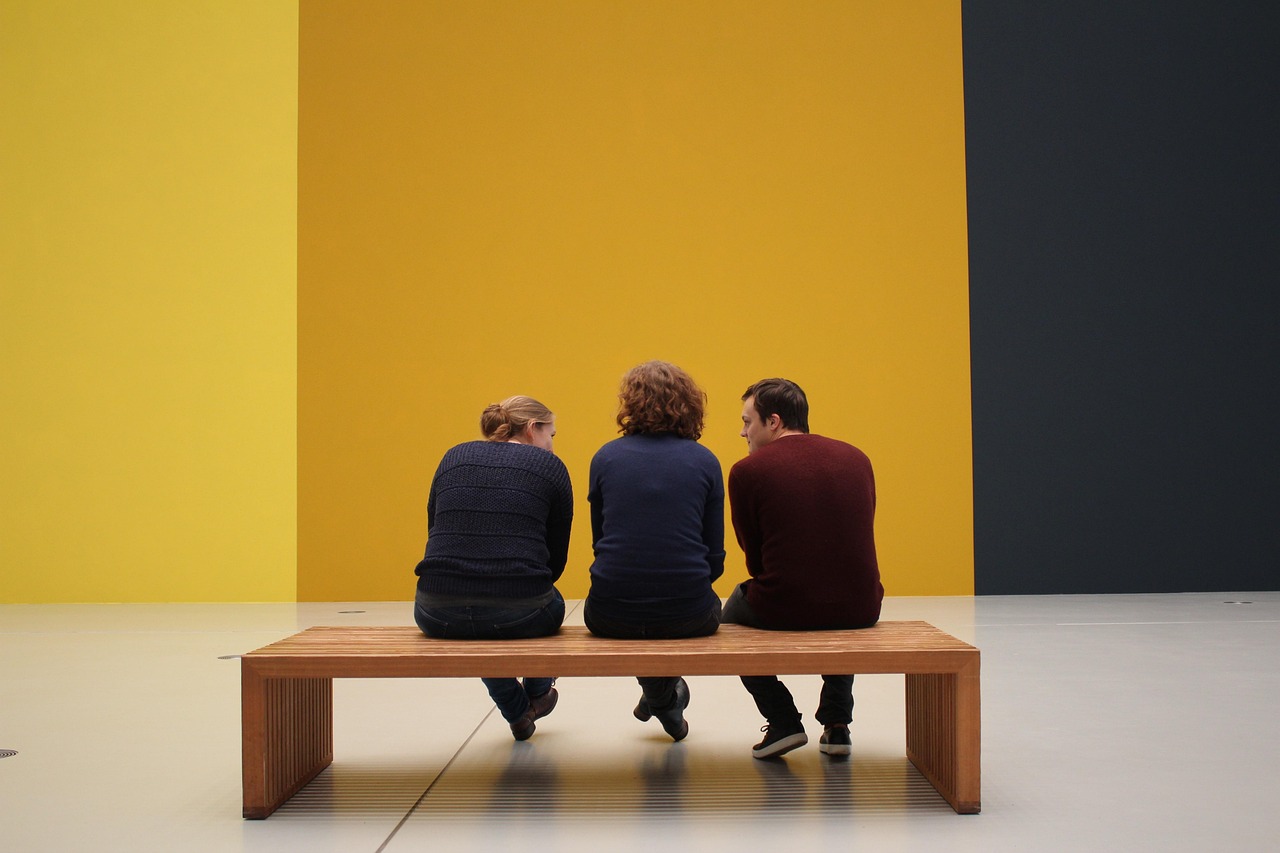
Quiet cultural interiors and thoughtful pauses between Macau’s headline sights
Traditional tea house moments and local art galleries
A traveller once told us about a spontaneous visit to a traditional tea house that became the most meaningful part of their trip to Macau. They sat down simply to rest, but a small conversation with locals unfolded—recommendations, laughter, and gentle questions about where they were from. That unplanned warmth offered insight into Macau’s layered hospitality, and it made the rest of the journey feel lighter.
With an expert guide, you can uncover similar moments without forcing them: a quiet tea tasting, then a walk to local art galleries where contemporary work echoes the city’s blended identity. It’s a refined way to explore culture—slow, respectful, and quietly joyful.
Portuguese gastronomy tasting with a sommelier-led pairing
In the evenings, consider a curated wine-and-Portuguese-gastronomy journey through high-end dining rooms and boutique producers. Ask your concierge to request a chef’s table or a sommelier-led pairing, so the night feels composed—courses explained, wines introduced with care, and pacing that supports conversation. This is where Portuguese flavour becomes luxurious: olive oil, seafood, and spice handled with restraint, not noise.
If you have extra time, add a few easy extensions to keep the trip balanced:
- Coloane: head to Coloane for a quieter coastal feel and a softer, greener rhythm.
- Macau Tower: Visit Macau Tower and ride to the top floor observation deck for the best views and memorable views of Macau across the water and skyline.
- Thrill option: if you’re adventurous, the bungy jump here is famed for a world record for the highest, an intense contrast to the museum’s quiet.
Practical cultural care helps everything land well: Cantonese and Mandarin are common, and English is widely used in hotels. Tipping isn’t always expected, but rounding up for excellent service is appreciated. Whether you’re moving between mainland China and Macau, or returning to Hong Kong, a good guide or hotel team can support accessibility, timing, and reservations seamlessly—so you can focus on experience rather than logistics.
F.A.Qs: Things to do in Macau, China, and travel planning
FAQs for a refined Macau plan: timing, safety, and what to prioritise
Is Macau worth visiting for tourists?
Yes—Macau is worth visiting if you enjoy cultural contrast done beautifully. The city blends Portuguese heritage with Chinese traditions, has an old town with landmark streets and temples, and offers high-end hotels, dining, and performances. It’s compact, comfortable to navigate, and ideal for a short break from Hong Kong with a more design-led, slower pace.
What is Macau best known for?
Macau is best known for its casino resorts and big-ticket entertainment, but it’s equally memorable for heritage walks, the Ruins of St. Paul’s, and neighbourhoods where food and design feel personal. Many travellers love pairing a heritage morning with Taipa dining and an evening performance for a balanced experience.
Is it safe for US citizens to travel to Macau?
Macau is generally considered safe for US citizens, with good infrastructure and high security in major hotels and tourist districts. As in any destination, take normal precautions with valuables, use licensed taxis or hotel-arranged cars, and keep your passport stored securely. If you’re travelling from Hong Kong, plan your ferry timing and keep essentials handy.
What should we do in Macau?
Start on the Macau Peninsula with Senado Square, the Ruins of St. Paul’s, and A-Ma Temple; then spend time in Taipa for boutique lanes and Macanese cuisine. Finish on the Cotai Strip with a signature casino resort and House of Dancing Water if it’s running. Book premium experiences early and keep the pace unhurried for the best feel.
What Stayed With Me After You Visit Macau – a Luxury Cultural Reflection
When I think back, what returns isn’t a checklist—it’s atmosphere. The hush of dawn on stone-paved streets, the way light settles on tiled walls, and the salt-air edges of the harbour that make you breathe a little deeper without noticing. Somewhere between a quiet temple step and a perfectly placed coffee cup, you realise how far good design and gentle service can carry you.
Macau holds its contrasts without asking you to choose: old-town calm and stage-lit spectacle, a soft tea house conversation and the gleam of a late-night lobby. In one afternoon, you can pass a façade carved with centuries of faith, then hear laughter spill into a modern arcade of glass and light. It’s not better one way or the other—it’s simply the city letting different worlds sit side by side.
What stayed with me most was a sense of trust: that it’s possible to wander respectfully, to be welcomed into small local moments, and to feel supported without being hurried. A crafted meal can tell a story you don’t yet have words for; a brief exchange with a stranger can shift your perspective in a quiet, lasting way. Even busy streets feel kinder when you move through them with care.
And then, long after you’ve returned to Hong Kong—or flown onward—there’s a small part of you that can still picture the patterned pavement, as if it’s waiting patiently. Not calling you back loudly, just leaving the door slightly open, in case one day you’d like to step through again.