Post Contents
- Rail passes and the Japan Rail Pass as a way to travel in Japan
- Japan Rail Pass cost in yen and jr Pass prices
- Bullet train confidence using the JR Pass on Shinkansen
- Design a seamless luxury itinerary across Japan with regional JR add-ons
- FAQs: Japan Rail Pass and JR Pass value
- After the rails, what Japan leaves with you
Rail passes and the Japan Rail Pass as a way to travel in Japan
Rail passes and the Japan Rail Pass as a way to travel through Japan by train
This Japan Rail Pass overview brings together Japan Rail Pass eligibility and train travel in Japan, so you can move with calm confidence from city to countryside. Among rail passes, the Japan Rail Pass stands out as a clear foundation: one pass, a beautifully broad network, and the freedom to design days that feel personal rather than pre-packaged. For high-end travellers, it’s not about cutting corners—it’s about removing friction, so the journey feels seamless and supported.
It helps to think of the pass in Japan as the “national backbone” of the rail system. Regional options can be brilliant, but the Japan Rail Pass is designed for travellers who want to explore multiple areas without constantly recalculating tickets. In practice, it’s a way to travel that lets you choose a morning museum, a spontaneous countryside lunch, or an evening arrival in Kyoto without the mental overhead.
Japan Rail Pass eligibility for leisure travel and business travel
Most people use the pass for leisure travel while visiting Japan on a short-term visitor status. It also suits limited business travel between cities—particularly when meetings span several regions, and you want predictable timing. Either way, the feeling is the same: trust. Stations are orderly, signage is clear, and the rhythm of departures makes it easy to arrive composed.
What the pass covers on JR trains and JR lines
In essence, the pass covers travel on JR across a wide range of routes and services, including shinkansen on eligible lines, plus many JR trains such as rapid and local services. It also includes select routes operated by JR—useful travel services like certain buses and ferries in specific areas—though coverage varies by region. The one gap to know about is the private railway: some local lines in big cities and resort areas belong to private companies, so your route may require a separate ticket on those segments.
Once you understand the network, you can create a luxurious cadence: Tokyo as a polished starting point, Kyoto and Osaka for culture and design, and Hiroshima for perspective and history—then, quietly, you uncover smaller places via local JR connections that many travellers miss. The pass makes big distances feel light, which is exactly what a crafted journey should do.


Japan Rail Pass cost in yen and jr Pass prices

Japan Rail Pass cost in yen and JR pass prices for luxury travel
If you’re comparing Japan Rail Pass cost options, start with the basics: Japan Rail Pass cost, yen pass prices, and the Green Car first class in Japan. The headline pass prices are listed in yen because that is the domestic reference currency, and the exchange rate can make the final amount feel slightly different depending on when you buy and which provider you use. For many itineraries, the value comes from stringing together long-distance journeys and then using the pass for local rail days in between.
Typical durations align with the way people plan: the Japan Rail Pass for 7 days suits a focused golden route; 14 days fits a deeper trip to Japan with side trips; and 21 days can work for slow, across-Japan travel with plenty of room for countryside pauses. If you plan to travel with a few long hops plus several local days, the arithmetic often surprises you – in a good way.
Pass prices: Ordinary versus Green Car first class
For high-end travellers, the decision between an ordinary and Green Car is less about status and more about atmosphere. Green Car (often described as first class) tends to feel quieter, with more space and a gentler pace during boarding, which can be especially reassuring on busy routes. If you love arriving fresh—ready for a gallery, a ryokan check-in, or a refined dinner reservation—the Green Car is frequently the most comfortable fit.
As you design your days, consider where comfort matters most: longer shinkansen segments, peak travel periods, and mornings when you want to work or read in calm. A well-chosen pass should feel like an invisible concierge—supportive, never intrusive.
How to buy JR pass outside of Japan with an exchange order
The simplest strategy is to purchase a JR Pass before you fly; buying outside of Japan is often required for the classic national pass and can offer better value. To buy a JR Pass through reputable channels, many travellers use established sellers such as JTB because documentation and support are clear. When you buy a pass, you usually receive a voucher (also called an exchange order) rather than the pass itself.
Here’s what that looks like in real life: you place an order for a Japan Rail Pass, choose your intended start window, and then keep the paperwork with your passport details. Once in Japan, you present the exchange order for a Japan Rail Pass at a major counter, and it is exchanged for the actual pass upon arrival. You will be asked to date the exchange, which sets the activation start date (within the eligible window), and then you will receive your JR Pass, ready for travel.
- Before purchase: check the prices, because totals may differ by vendor and by exchange rate.
- Bring essentials: your passport and your voucher for a smooth exchange.
- Timing: buy a JR Pass early enough to account for delivery or collection, especially in busy seasons.
Bullet train confidence using the JR Pass on Shinkansen
Bullet train confidence using the JR Pass on Shinkansen across Japan
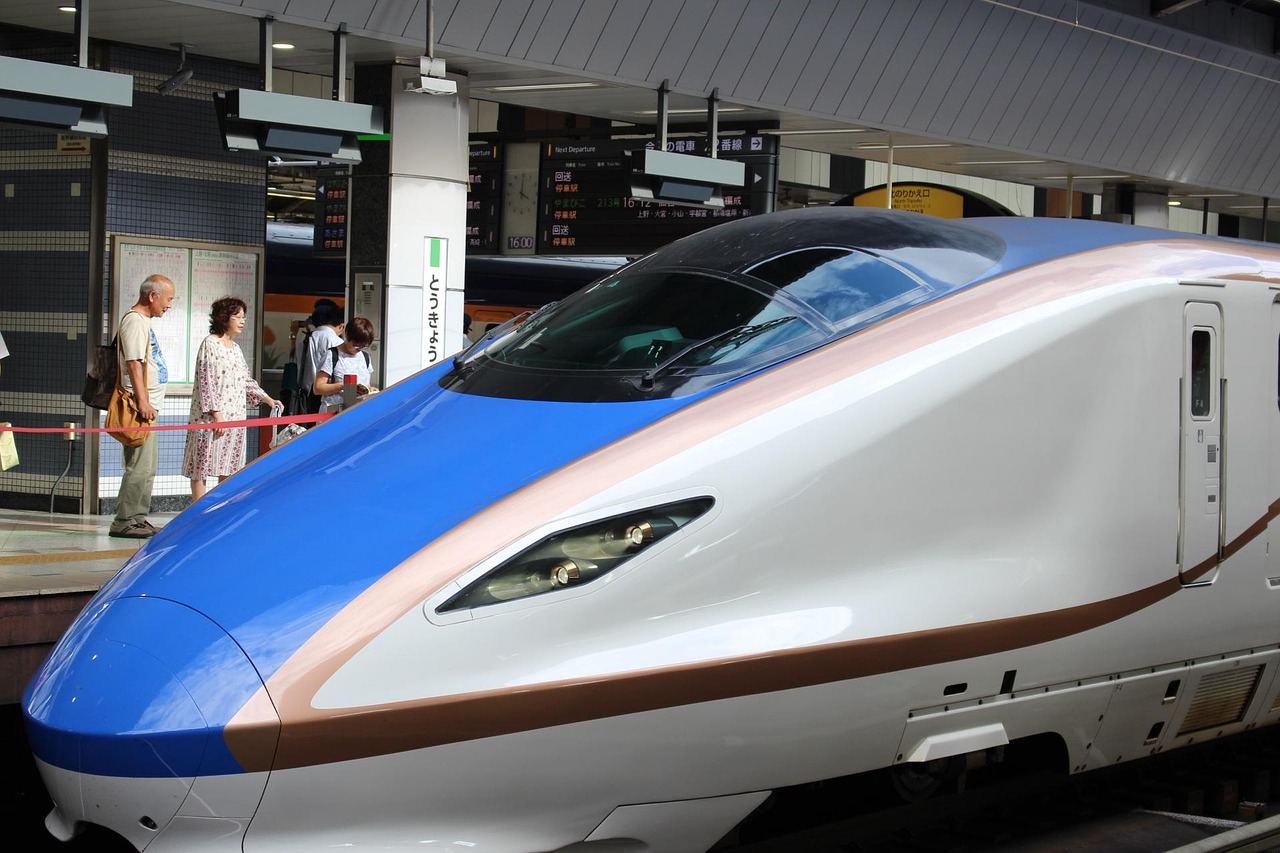
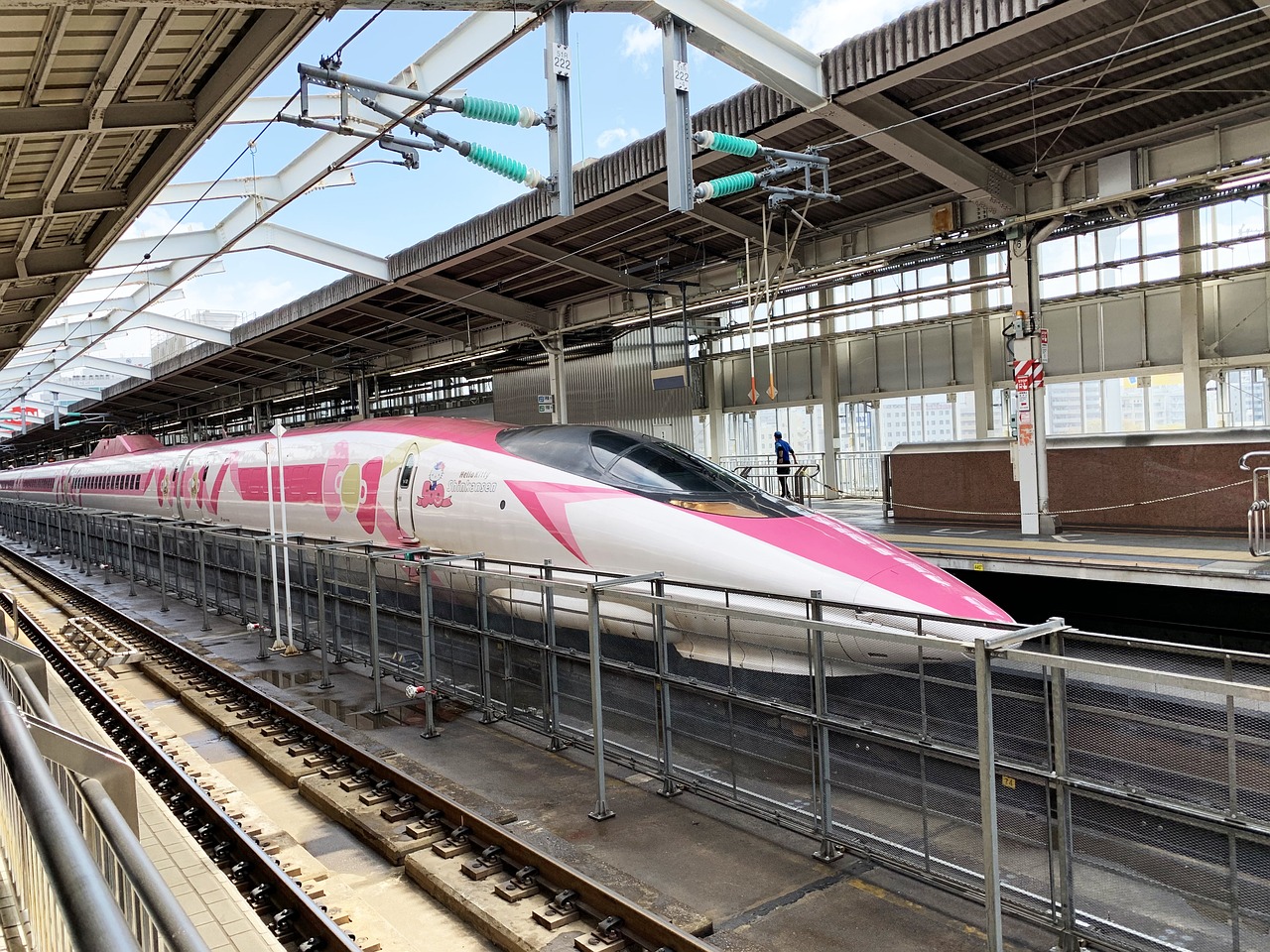
Using the JR Pass for Shinkansen bullet train seat reservations (Nozomi/Mizuho) in Japan can feel daunting—until you see how logical it is. Japan’s shinkansen bullet trains are designed for clarity: platforms are numbered, car positions are marked on the ground, and departures are punctual to the minute. When you travel on trains like this, the “in-between” becomes part of the holiday: a window seat, a bento, and the soft reveal of Fuji on the right day and the right side of the train.
Shinkansen lines, scenic moments, and what the pass doesn’t cover
The main Shinkansen lines connect the country like elegant threads—Tokyo westwards through Kyoto and Osaka, then onwards towards Hiroshima and beyond. One essential note: the pass doesn’t cover the Nozomi and Mizuho services, which are the fastest trains on certain corridors. If you’re travelling between Tokyo and Osaka or planning Kyoto and Osaka hops, simply choose the next-fastest covered services (often Hikari or Sakura depending on the route) to avoid extra cost while still travelling in comfort.
That small adjustment is usually all it takes. You keep the same stations, the same quality, and the same reassuring structure—just a different service name on the departure board.
Seat reservations, reserved and non-reserved cars
Seat reservations are where luxury travellers often feel immediate relief. With the JR Pass, you can request reserved seats at counters or machines in major stations; it’s a calm, human interaction that adds confidence to busy travel days. You can also choose reserved or non-reserved seats depending on your mood—reserved when you want certainty, non-reserved when you want flexibility.
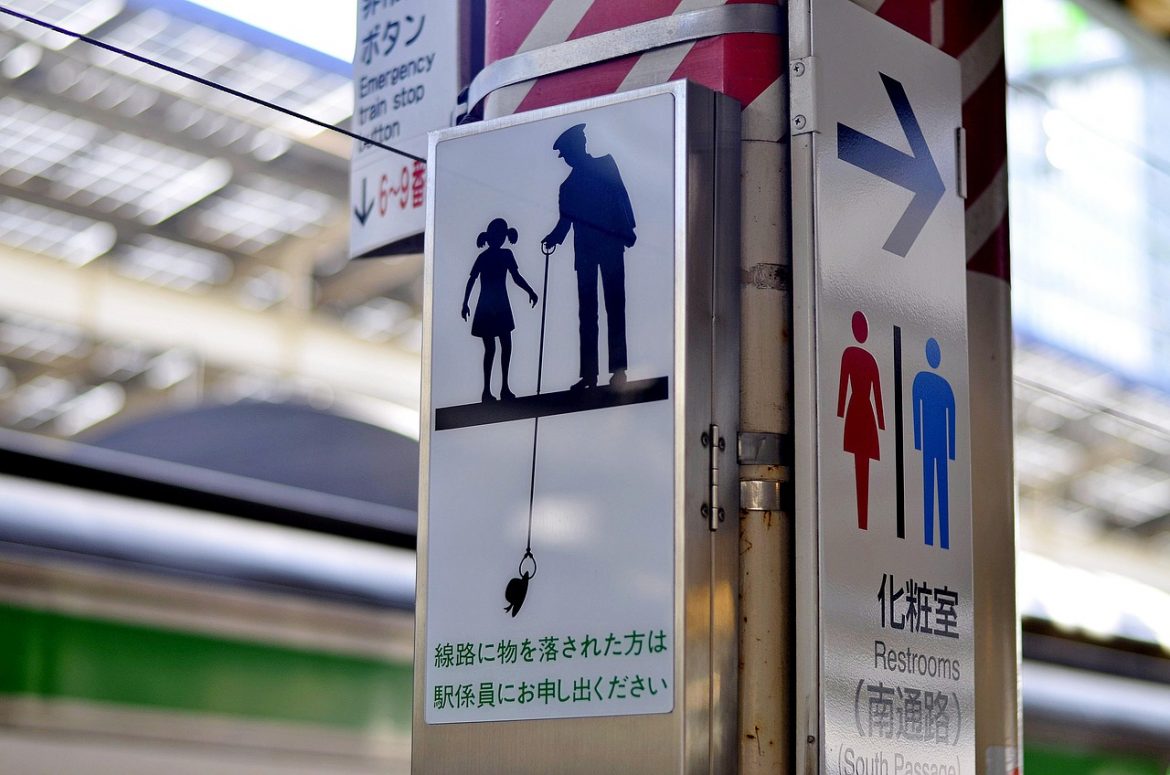
At the gates, you don’t tap like a regular ticket. Instead, show your JR Pass at the staffed gate, and staff will guide you with gentle efficiency. Japan Rail Pass holders often remark that this small moment—being quietly looked after—sets the tone for the rest of the day.
To make it practical, here are route-led examples you can build into a refined itinerary. Tokyo to Hiroshima follows the Sanyo corridor. Once you connect through the main trunk lines, it’s one of the most satisfying long rides in the country. For side trips, limited express and certain limited express trains can link you to Nikko, Hakone, and regional onsen towns—sometimes with a short local train leg at the end. Think of it as layered travel: shinkansen for speed, express trains for reach, and local train connections for intimacy.
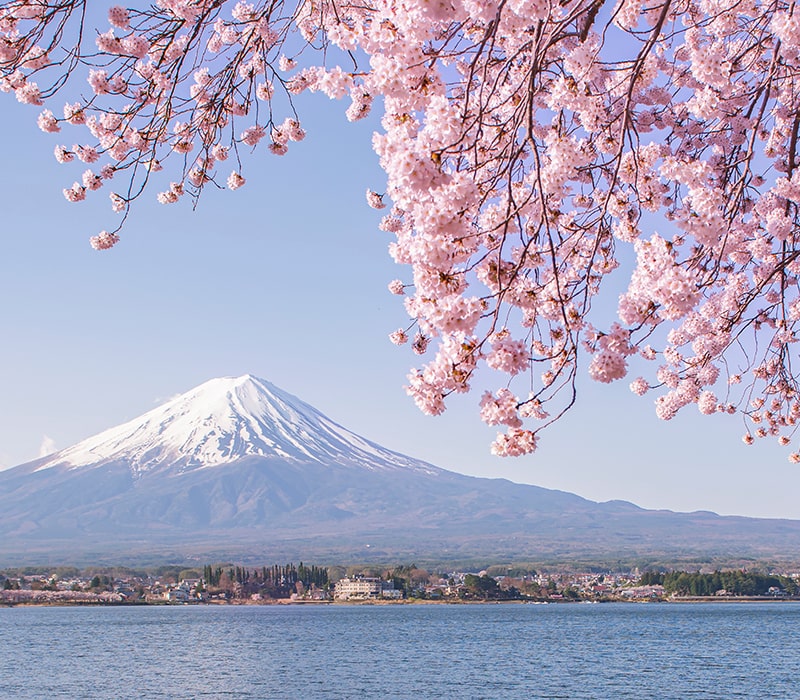
- Fuji views: aim for clear mornings and choose the seaside seat when heading west from Tokyo.
- Busy dates: book seats a day or two ahead for popular departures.
- Station flow: arrive a little early, enjoy a coffee, and let the railway do the rest.
Finally, airport-to-city clarity matters. From Narita Airport, JR services provide a straightforward route into Tokyo; for many travellers, this is where confidence begins—step off the plane, find the signs, and move into the city with quiet support. Even if you simply note “Narita” on your first-day plan, it helps everything feel seamless.
Design a seamless luxury itinerary across Japan with regional JR add-ons
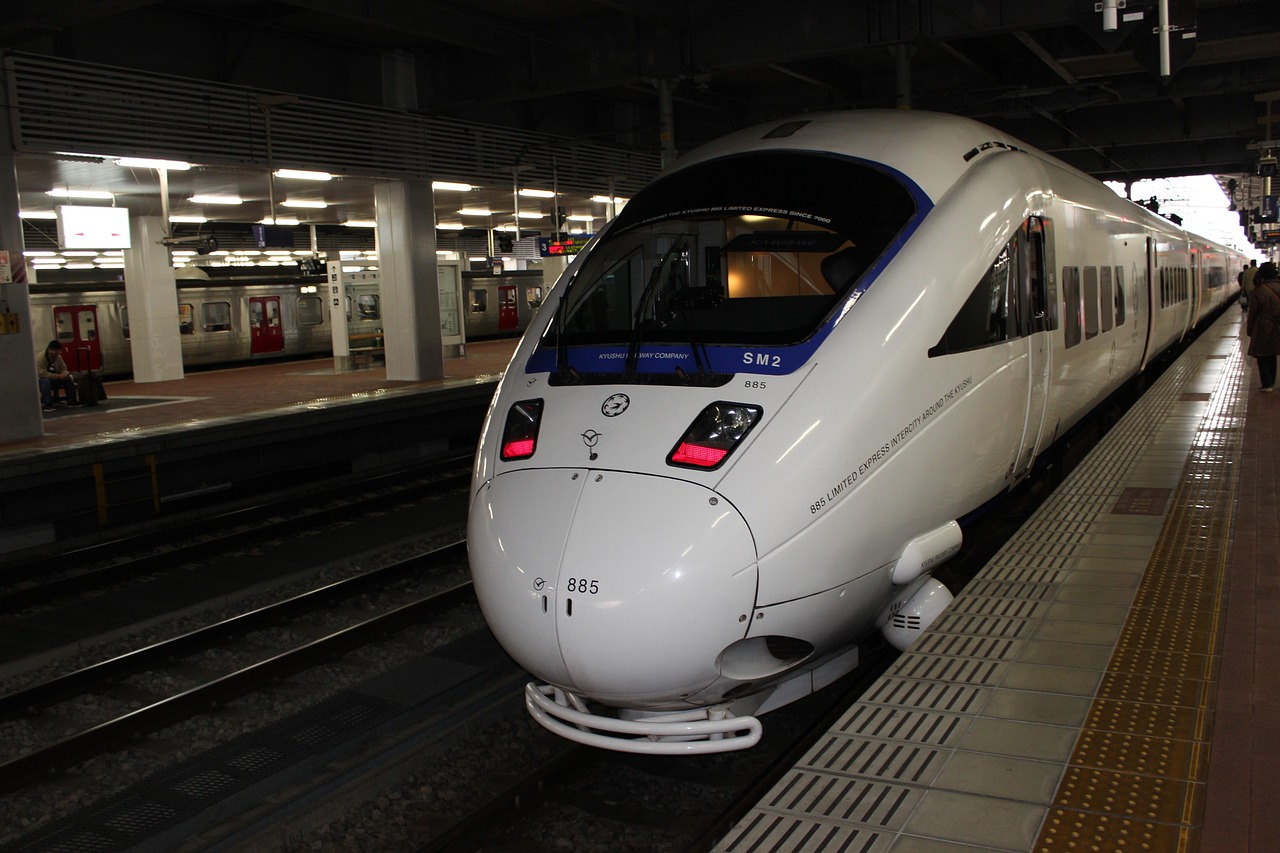
Design a seamless luxury itinerary across Japan with regional JR add-ons
This section speaks directly to luxury itinerary planning in Japan with regional JR East, JR West, Kyushu, and Hokkaido passes—because the best journeys feel designed, not rushed. You can combine the Japan National Pass with regional JR add-ons when it improves access or value throughout Japan. Used thoughtfully, a regional JR Pass can complement your main coverage, especially if you’re lingering in one area after your long-distance legs.
Regional JR networks for travel across and throughout Japan
Here’s a quick orientation to help you plan your travel with clarity. JR East supports alpine and northern day trips, JR West deepens Kansai explorations beyond the headline sites, JR Hokkaido opens wide landscapes and quieter towns, and trains in Kyushu are made for a warmer, slower kind of luxury. In the south, the Kyushu Shinkansen is a pleasure in itself, and Kyushu Shinkansen lines make it easy to move between design-led cities and serene coastal stretches.
The art is knowing when to keep things simple. If you’re moving across Japan with several long hops, the national pass can do the heavy lifting. If you then settle into one region, a targeted add-on may be a better fit than keeping the national pass running. That’s how you keep the itinerary crafted without losing spontaneity.
Luxury rail highlights and personal stories that build trust
High-end travel is often defined by small freedoms. One luxury traveller told us the Japan Rail Pass transformed their week by making spontaneous day trips effortless—Tokyo to Nikko one morning, then a different day out to Hakone—because the JR Pass removed the “Should we?” hesitation. Families share a different kind of story: unlimited train access feels like a safety net with children, because you can change plans without penalty and still arrive calm.
And then there’s the comfort detail that surprises even seasoned travellers: the seamless transition between premium shinkansen cars and rural connections. People often mention the same thing—impeccable hospitality, spotless carriages, and a sense of care even when you’re simply stepping onto a platform. It’s the kind of support that makes you feel you’re travelling together with the country, not pushing against it.
For those looking to uncover a once-in-a-lifetime rail experience, consider iconic luxury journeys such as Seven Stars in Kyushu. While these experiences are separate from the standard pass, regional planning can still support a rail-first holiday that feels deeply personal. If you’d like visual inspiration for designing your route, you can browse our Trip gallery to imagine what a seamless journey could look like.
Practical polish matters. Activate your pass at a major JR station with English support, and allow a few extra minutes the first time so it feels unhurried. Observe local etiquette—quiet voices, respectful queueing, and mindful phone use—and you’ll blend in with ease. For landscapes that feel especially cinematic, late spring and autumn are shoulder seasons that pair pleasant weather with colour, without the intensity of peak crowds.
FAQs: Japan Rail Pass and JR Pass value
Is the Japan Rail Pass still worth it?
It can be, especially if you’re taking several long-distance journeys in a short window and want flexibility on JR routes. Value depends on your itinerary, the trains you choose, and whether you prefer simplicity over buying separate tickets each day.
Is it cheaper to buy a JR Pass or individual tickets?
Individual tickets are cheaper if you’re staying in one city or only doing one or two intercity rides. A JR Pass may cost less overall when you’re travelling between multiple regions, adding day trips, and using JR local services in between.
Is a Suica card cheaper than tickets?
Suica is primarily a convenient way to pay, not a discount pass. It can make local travel smoother, but it typically doesn’t reduce fares in a meaningful way compared with buying the same journeys as single tickets.
What is the best train pass for Japan?
The best pass depends on where you’re going. A nationwide Japan Rail Pass suits multi-city routes, while regional passes can be better for focused areas. Many travellers combine a national pass with regional planning to match pace, comfort, and value.
After the rails, what Japan leaves with you
What lingers isn’t only the efficiency of rail passes or the quiet pride of a system that runs on time. It’s the feeling of arriving at a platform where everything seems to anticipate you—without fuss—so you can simply breathe and look up. In Japan, even the smallest commutes carry an atmosphere of care, and that changes how you travel.
You remember the soft ritual of buying tea at a kiosk, the gentle hush inside a carriage, and the countryside flashing past in a rhythm that feels almost meditative. Somewhere between Tokyo and Kyoto, or on a late afternoon ride near Osaka, an unplanned stop becomes the story: a garden you didn’t expect, a street you wandered because the timing allowed it. The Japan Rail Pass makes space for discovery, not just movement.
And perhaps that is the real gift—trust in the logistics, so your attention can rest on craft and texture. A neatly wrapped snack, a conductor’s bow, the grace of local encounters that unfold when you’re not checking your watch every minute. In those moments, you’re not collecting places; you’re building a relationship with them.
Long after the final train, you may find yourself thinking about that quiet competence and how it let you explore with confidence. Japan has a way of staying with you like that—subtle, reassuring, and present—inviting you to return one day, not to repeat a route but to uncover what you didn’t yet know to look for.