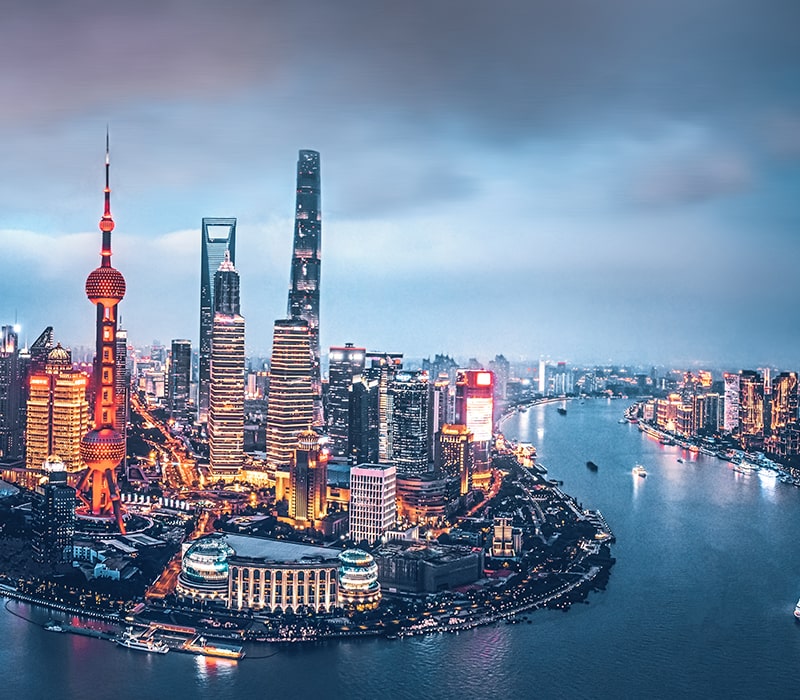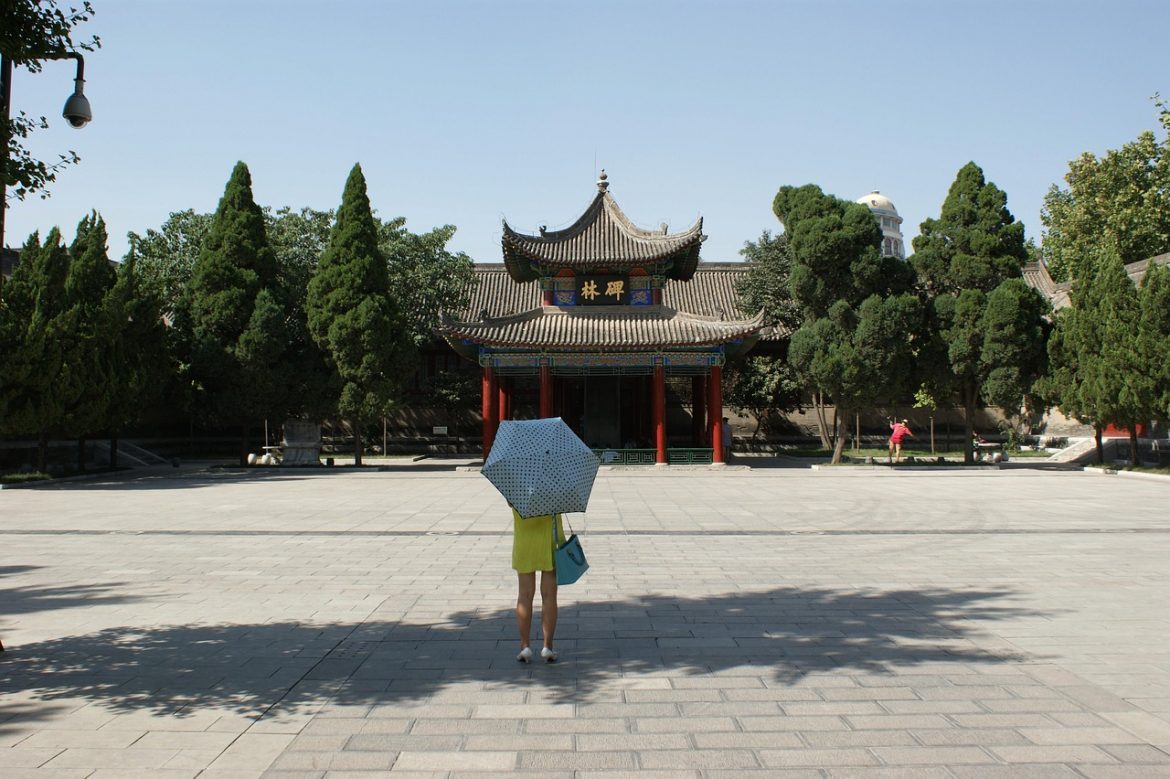
Post Contents
- Designing a China museum Beijing day – a curated cultural adventure tour with the right city rhythm
- Discover free entry to the National Museum of China in Beijing, reservation steps, and how to get to Tiananmen Square.
- National Museum of China must-see exhibition tour – ancient Chinese collection highlights and iconic masterpieces
- Capital Museum Beijing tour – local exhibitions, cultural relics, and a Beijing-first perspective
- Ullens Centre for Contemporary Art (UCCA) Beijing: contemporary art museum tour and standout exhibitions
- FAQs: China Museum Beijing planning, tickets, and National Museum visit tips
- Beijing museum tour reflection: what the National Museum of China and city galleries leave with you
Designing a China museum Beijing day – a curated cultural adventure tour with the right city rhythm
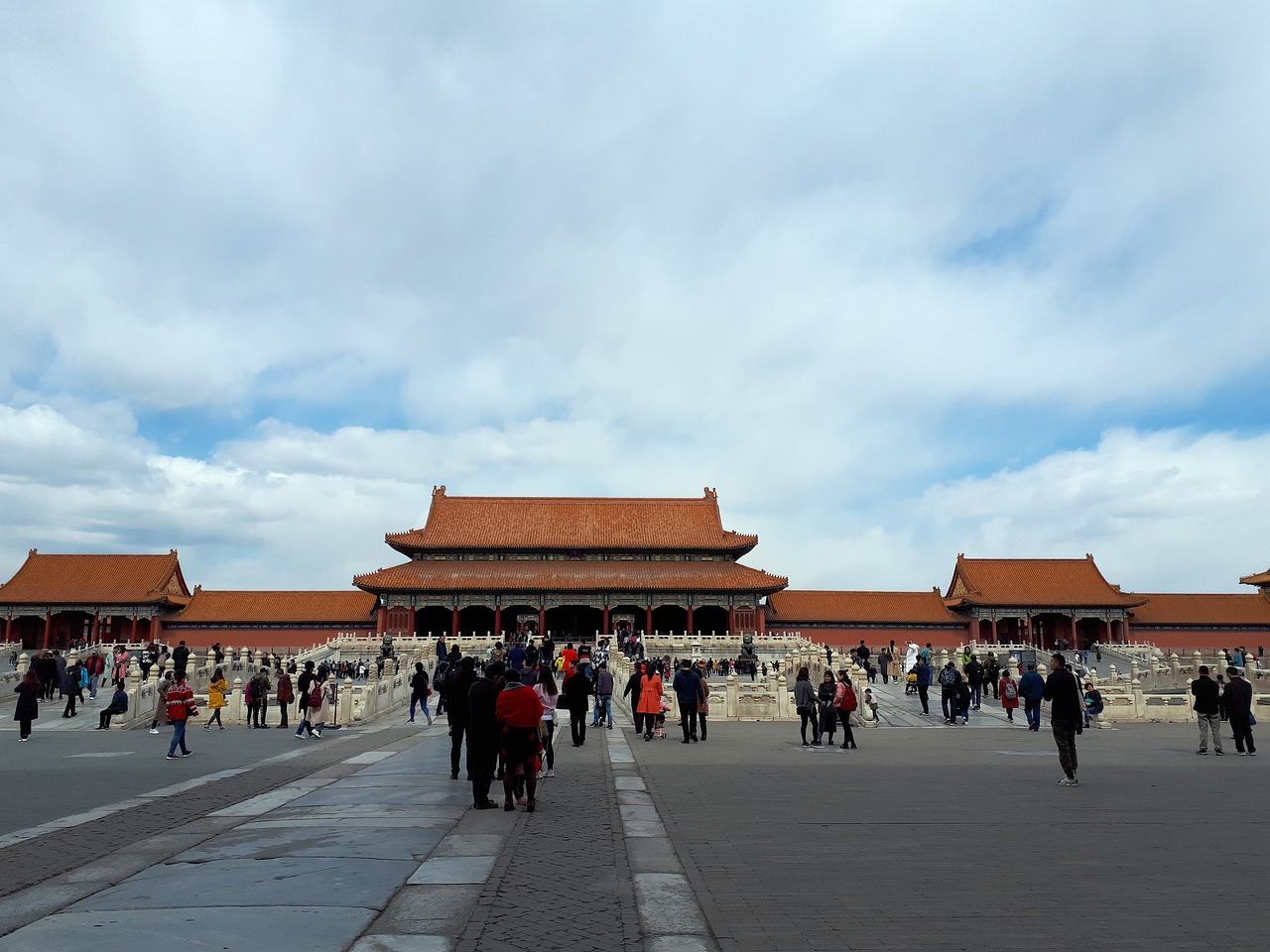
Designing a Beijing museum adventure with calm pacing, smart routing, and cultural focus
For a China Museum Beijing cultural adventure tour, this capital is rare: you can move from imperial scale to quiet detail in a single day without feeling rushed. Many travellers pair the Forbidden City in the morning with the Temple of Heaven for an open-air reset, then finish with the Summer Palace when you want light on water instead of more stone corridors. If you have an extra day, the Mutianyu Great Wall adds mountain air and a dramatic contrast to your city museums.
What makes this kind of itinerary feel high-end is the rhythm: you choose when to go deep and when to keep things light. Museums become the steady anchor of the day, giving you space to slow down, notice design decisions, and build a personal relationship with the stories behind objects, labels, and display choices. With one clear theme in mind, even a packed schedule can feel intentional rather than hectic.
Choose your pace in Beijing: a tour flow with museum highlights, café pauses, and gallery breaks
Think of your day as three chapters you can mix and match. A high-energy morning museum session rewards early arrival, a slower gallery afternoon lets you linger without decision fatigue, and a night wander nearby brings the local layer back in through street food and small restaurants. This structure also makes it easier to include a guided tour while still leaving breathing room for the exhibits that grab you most.
- Morning: one museum, one focus, arrive early for a seamless entry.
- Afternoon: a lighter gallery loop, coffee, and time for reflection.
- Evening: local supper close to your last stop, keeping transit simple.
Museum etiquette in Beijing: respectful habits for a calm, confident tour day
Set expectations kindly: plan for 2–2.5 hours per museum to keep the experience calm and well-crafted. Use quiet voices, don’t touch exhibits, and follow photo rules; that small care keeps shared spaces comfortable for everyone. Security checks are normal in Beijing, so you’ll feel more at ease if you arrive early, keep essentials organised, and let staff guide the flow rather than fighting it.
If you’d like a visual sense of what a curated journey can look like across China, you can browse our Trip gallery and imagine how museum days can sit alongside adventure days.


Discover free entry to the National Museum of China in Beijing, reservation steps, and how to get to Tiananmen Square.
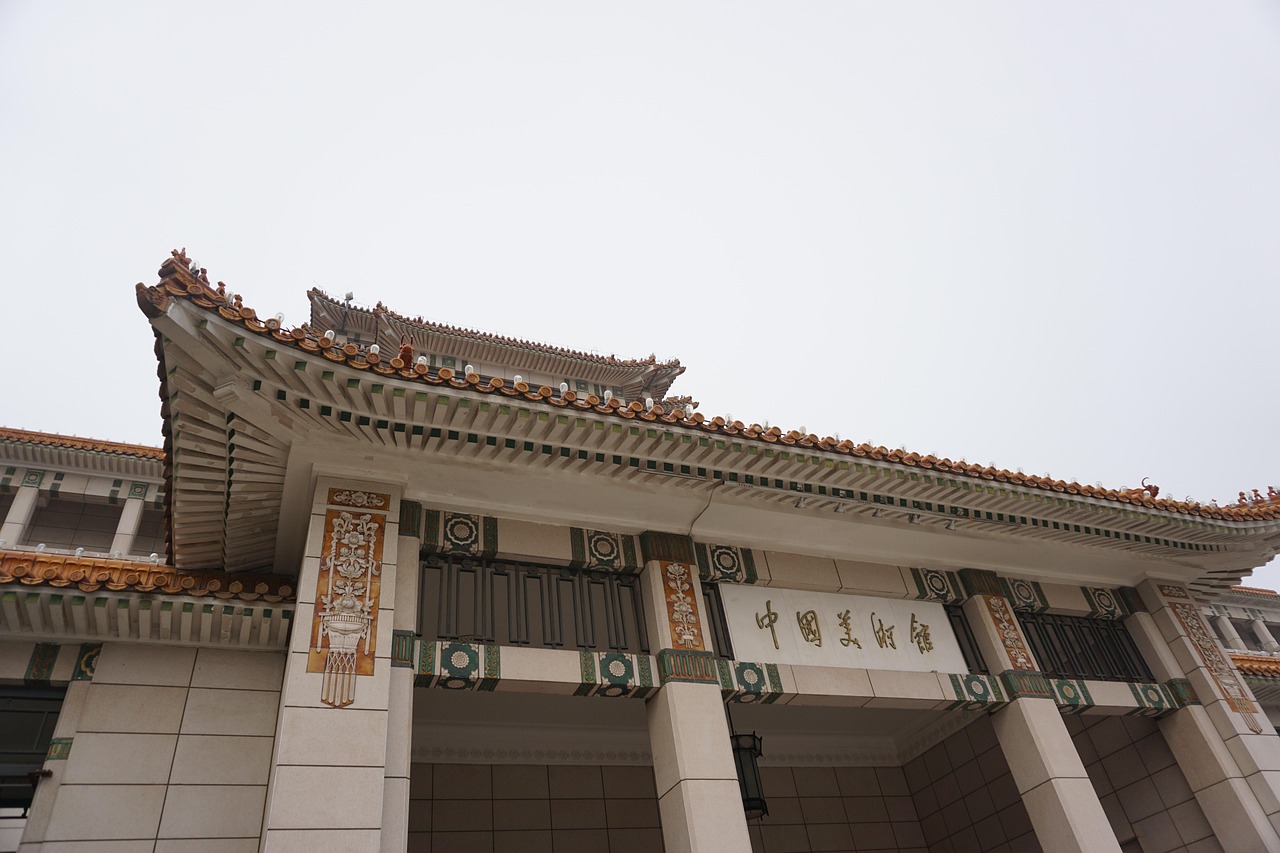
National Museum of China entry made easy beside Tiananmen Square, with a simple reservation process
For a smooth visit, start with the comfort of location: the National Museum of China sits beside Tiananmen Square on Chang’an Avenue, and the subway makes arrival refreshingly simple. Aim for Tiananmen East Station and follow the signs; Beijing’s network is built for travellers who value efficiency, especially at peak hours. Once you surface, you’re already in one of the city’s most symbolic districts, so arrive with a little extra time to navigate calmly.
Ticket basics, clearly: entry is free, but national museum of china tickets must be reserved online in advance for a timed slot. Bring your passport (or an ID card if you’re a resident) and keep your confirmation ready for the security checkpoint. If you’re travelling in a group, double-check that each person’s reservation details match their ID.
Ticket reservation and security checklist: timed entry tips for a smooth museum tour
Beijing runs on order, and that can feel reassuring once you know what to expect. Arrive 20–30 minutes early, travel light, and keep your liquids accessible. If your reservation window feels tight, head straight to the entrance queue first, then pause for coffee only once you’re inside and settled.
- Before you go: confirm your time slot and make sure your ID details match the reservation.
- At the entrance, expect a bag scan and a short line at peak hours.
- If you prefer ease, an expert-led private tour can reduce decisions and keep the day feeling curated.
Plan your route in this palace of history: permanent exhibition highlights and temporary exhibitions
The landmark façade is often described as 42.5 meters high, and the interior land area and long corridors make the scale feel even bigger once you’re inside. Start with one permanent exhibition, then leave space for temporary or special exhibitions that match your interests, so you enjoy the gallery experience rather than racing through it. A simple “one theme + one surprise room” plan is the easiest way to leave feeling satisfied—and to remember what you saw, rather than just how far you walked.
National Museum of China must-see exhibition tour – ancient Chinese collection highlights and iconic masterpieces
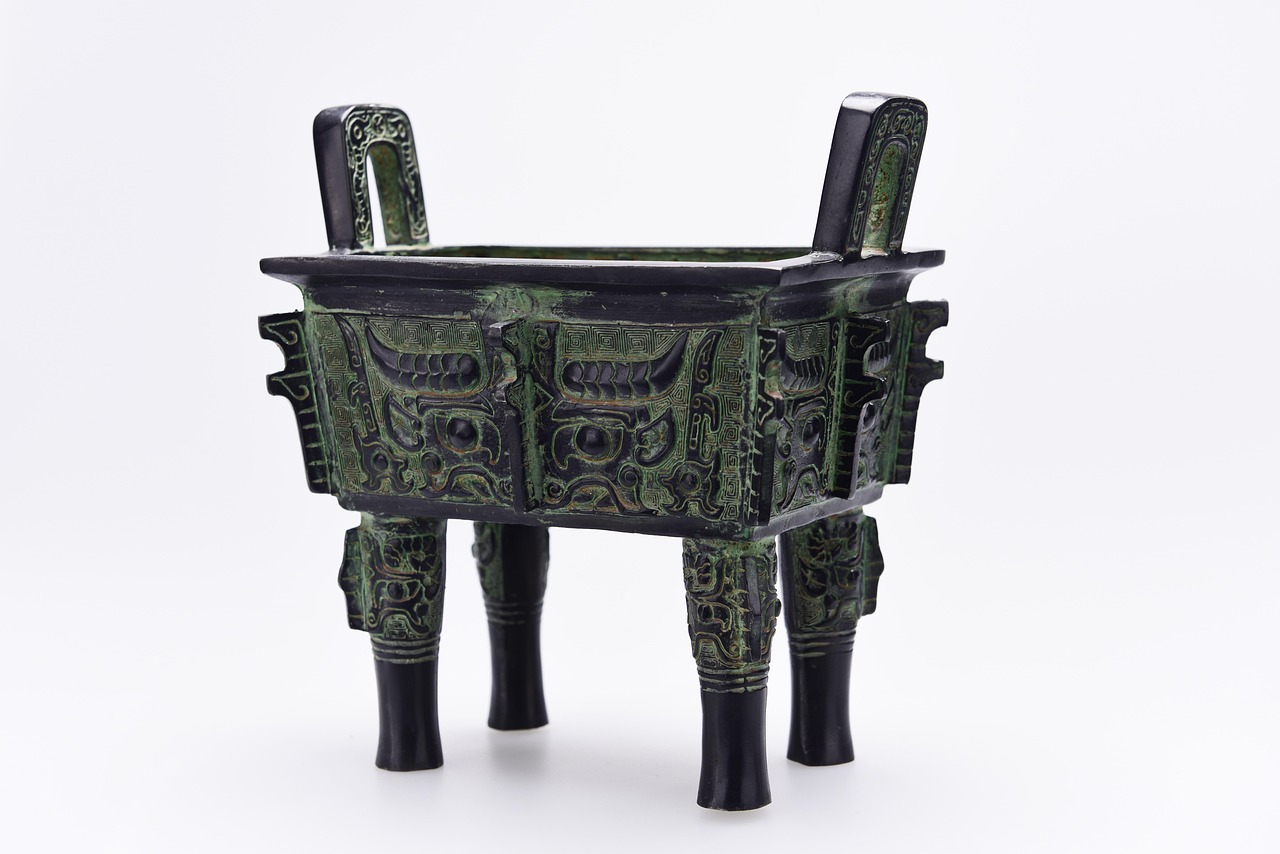
Inside the museum: must-see exhibitions from ancient China to modern life
For a focused tour, it helps to remember what this place is: a comprehensive museum with a huge collection often reported at about 1.4 million items. It’s frequently named among the world’s popular museums because its story arc moves from ancient foundations to modern life, featuring first-class cultural relics and others that still feel immediate. You can see China’s fine traditional culture in materials you can actually study, from technique to symbolism.
Instead of trying to collect every gallery, choose meaning. A strong visit isn’t about memorising dates; it’s about learning how to read an object—how power, belief, and beauty were designed into everyday forms, ceremonial display, and the craftsmanship of ancient Chinese workshops. Pick the rooms that genuinely hold your attention, and let depth replace volume.
Must-see ancient Chinese bronze masterpiece: Houmuwu square cauldron and ritual artefact reading
Begin with bronze work, including the famed Houmuwu square cauldron—a masterpiece that carries weight in every sense. Add an archaeological lens: look for casting marks, inscriptions, and the way ritual shapes suggest a society organised around ceremony and hierarchy, then choose one standout artefact and read its details slowly. This is the kind of must-see object that rewards patience more than speed.
Then move to jade and one memorable jade piece, followed by a single, deliberate porcelain stop. Even one work studied well can give you more insight than ten glanced at quickly, especially in a museum this large.
Choosing an exhibition theme: Silk Road routes, Ming and Qing rooms, Qing dynasty court taste, Buddhist galleries, and cooperation
The museum has a strong exhibition system, so you can follow themes such as the Silk Road, Ming and Qing rooms, or Qing dynasty court aesthetics. Notice how Qing taste often shifts in colour, scale, and decorative rhythm compared with earlier rooms. You can also choose a Buddhist storyline, including Buddhist statues that seem to hold the light, and let one belief tradition guide your route through the building.
Keep an eye out for exchange exhibitions shaped by international cooperation, sometimes supported by a local institute, and occasionally paired with a public seminar. Depending on the year, topical showcases may reference modern milestones such as the 19th National Congress, while discovery-driven features can nod to sites like Sanxingdui and the broader conversation between Chinese and foreign civilisations.
In a museum in the world of this scale, your best luxury is choice: decide what you want to feel, and let the galleries guide you there rather than trying to collect every room. One clear narrative will make your tour feel personal, not overwhelming.
Capital Museum Beijing tour – local exhibitions, cultural relics, and a Beijing-first perspective
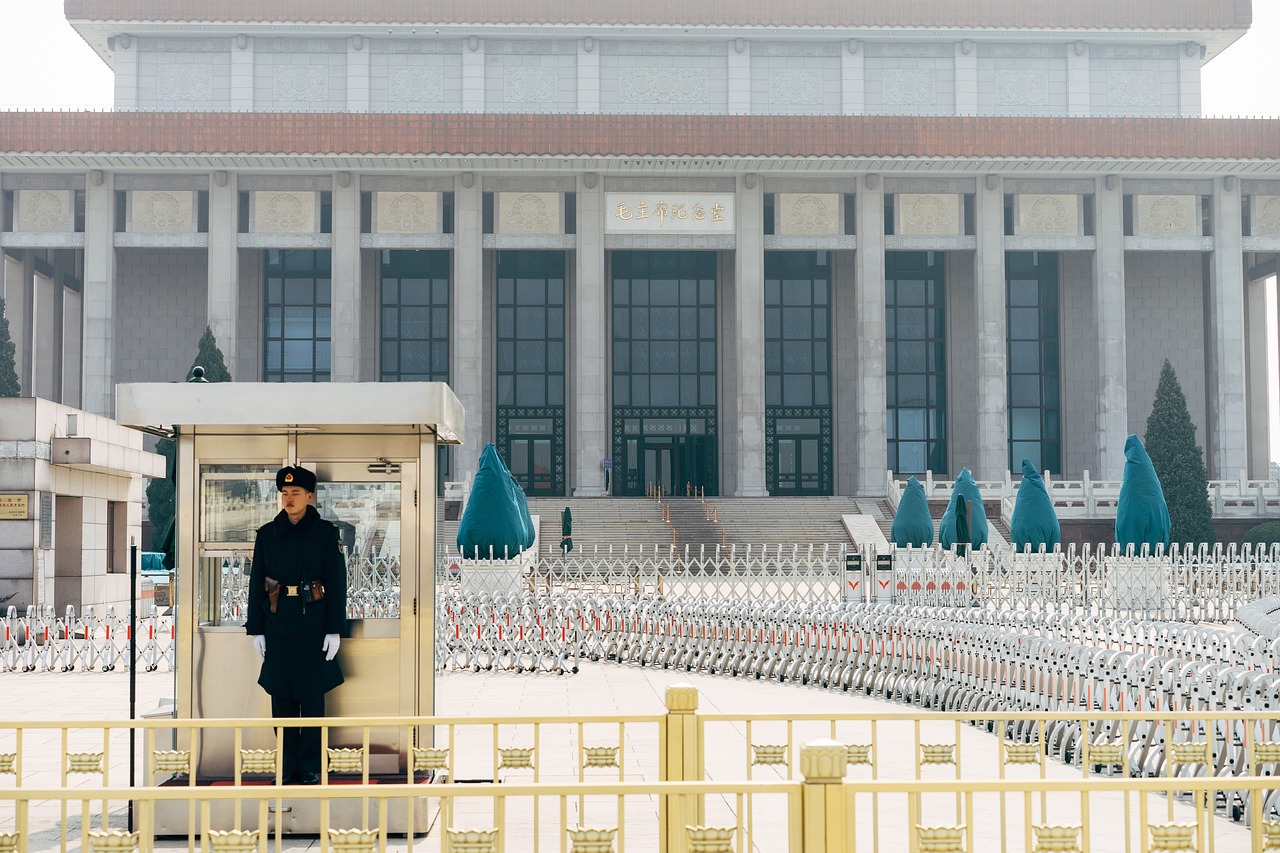
Capital Museum: Beijing cultural heritage, calligraphy, and a relaxed, local-focused gallery day
For a Capital Museum tour, you’re stepping into a “Beijing-first” lens—less about headline monuments, more about the city’s own memory. Expect ceramics, historical relics, and cultural relics connected to the capital, presented with a clarity that helps you understand what you’ve been seeing on the streets outside. It’s an excellent counterpoint after a big national museum day, especially if you want context without overload and a more locally grounded collection.
One adventurer I met described how interactive workshops here changed their whole relationship with the trip. In a hands-on calligraphy session, the act of making one careful stroke created a deeper connection than any hurried photo—suddenly, culture wasn’t something to observe, it was something to practise. That kind of experience can make the rest of your Beijing itinerary feel more textured.
A warm plan to prevent gallery fatigue: simple exhibition loops that still feel complete
Whether you’re travelling solo or with family, keep it simple. Pick one exhibition hall to go deep—read the labels, notice materials, ask staff for support—then follow with a lighter gallery loop so everyone leaves with energy rather than overload. This approach turns a long building into a manageable story you can actually remember.
- Go deep: one hall, slower pacing, fewer distractions.
- Go light: one short loop for variety and a sense of completion.
- Reset: water break, then step outside for street life.
Comfort and etiquette: pair this Beijing attraction with a neighbourhood walk
Keep voices low, follow photo policies, and bring a bottle of water; Beijing museums can be warm when busy. Staff are used to first-time visitors and can support you with directions, especially if you point to the map and ask simply. Afterwards, pair the museum with a nearby neighbourhood wander for small shops and local snacks, grounding the day in ordinary life as well as heritage.
Ullens Centre for Contemporary Art (UCCA) Beijing: contemporary art museum tour and standout exhibitions
UCCA Beijing: modern creativity, contemporary fine arts, and today’s most talked-about exhibitions
For a UCCA visit, expect a confident shift into the present tense. UCCA is widely seen as Beijing’s premier private contemporary space, and it’s where you can discover works of art that challenge assumptions about what “Chinese culture” looks like today. It’s also an easy add-on if your schedule already includes a big history museum and you want a different kind of story.
Travellers often arrive expecting only tradition, then feel genuine surprise and delight here: installation, video, and design-forward pieces that invite you to imagine new narratives. It’s a different kind of adventure—not altitude or speed, but perspective—and it complements a day at a historical museum beautifully.
A question-led tour through fine arts: how to read contemporary work with confidence
Go in with one question you want answered—about identity, city life, memory, or the future—and let the exhibition guide you. If contemporary fine art feels unfamiliar, give yourself permission to slow down; confidence grows when you spend two minutes with one piece rather than ten seconds with twenty. Reading wall text thoughtfully can make even abstract rooms feel accessible.
Practical planning helps: a modest ticket is typical, and weekday visits often feel calmer. Check what’s on for the day so you can choose the show that matches your mood and time.
Materials and global dialogue: from African wood to unexpected media artwork
Part of UCCA’s energy is the material conversation: contemporary shows may mix paint, light, sound, and objects you don’t expect—sometimes even African wood—to speak across borders. Try picking one artwork and describing it to yourself in plain words; that small exercise can unlock the whole gallery.
When you leave, Beijing outside can look slightly different, as if the city has given you permission to see it with more creativity and trust your own reading of it.
FAQs: China Museum Beijing planning, tickets, and National Museum visit tips
Which museum in Beijing is best for a first-time visitor?
The best museum in Beijing depends on your travel style and how much time you have. For scale and a sweeping narrative of Chinese history, the National Museum of China is hard to match, with landmark exhibition halls and nationally important treasures. For Beijing-specific heritage, the Capital Museum is deeply rewarding. For modern creativity, UCCA offers a refreshing contemporary contrast. Many travellers choose one “anchor” museum plus a smaller stop for a balanced tour.
Are National Museum of China tickets free, or do I still need one?
Yes, entry is free, but you usually need an online reservation for your time slot (effectively a timed ticket). Bring valid identification, such as a passport, and expect security checks at the entrance. Arriving a little early helps the visit feel calm and seamless.
What is China’s most famous museum, and how does Beijing compare?
China has several globally famous museums, and the “most famous” often depends on what you want to see. In Beijing, the National Museum is among the best known for its breadth and national collection. Elsewhere, major institutions connected to iconic sites can be equally renowned. If you’re drawn to big-picture storytelling, Beijing’s flagship galleries are a strong place to begin.
Is it worth visiting on a short Beijing tour itinerary?
Yes—especially if you enjoy understanding a place through objects and stories rather than only landmarks. The building is vast, so it’s worth visiting with an exhibition theme in mind and giving yourself at least two to three hours. With a focused plan and a few must-see rooms, the experience can feel personal, moving, and genuinely awe-inspiring.
Beijing museum tour reflection: what the National Museum of China and city galleries leave with you
After a day of a Beijing museum tour, it’s rarely the facts that linger. It’s the echo of ritual forms, the hush that settles around careful looking, and the sensation that time can be held—briefly—in a room shared with strangers who are also trying to understand. The city’s museums have a way of turning “sightseeing” into something quieter and more human.
I still think about the quiet authority of ritual shapes, the tenderness of ink on paper, and the boldness of contemporary spaces that refuse to be neatly explained. In Beijing, those contrasts sit together without conflict, and that, in itself, feels like an insight you carry home from one tour to the next.
Trust, care, and smooth security checks: confidence for any Beijing tour
There’s a particular kind of confidence that grows when you move respectfully through busy places. You learn that care is not restriction; it’s a form of generosity, a way of travelling that builds trust with the city and with yourself. Even the routine of security checks becomes part of that rhythm—order that supports shared access, rather than something to fear.
A crafted memory, not a checklist: how to collect moments that last
What stayed with me most was how one crafted moment can feel more valuable than a full day of sightseeing: a pause in front of a face from another dynasty, a single brushstroke practised slowly, a contemporary room that made me rethink what I had assumed. Back in ordinary life, those moments surface unexpectedly—in a quiet café, in a museum at home, in the way you notice detail on a street corner.
Beijing doesn’t ask you to finish it. It simply leaves a door slightly open, as if the next gallery is still waiting for you to step inside when the time is right.