Post Contents
- How to Choose the Best Beach in Japan best beaches in Japan luxury beach guide
- Okinawa Emerald Beach A Beautiful Beach Made for Snorkel Okinawa Emerald Beach snorkel coral reefs Japan
- Island-Hopping Okinawa Ishigaki Island Kabira Bay and Miyako Ishigaki island Kabira Bay Miyako island Okinawa beach resorts
- Shirahama Beach in Wakayama A Kansai Coastline with Resort Ease Shirahama Beach Wakayama prefecture luxury resort Japan
- Yuigahama Beach Near Tokyo Onsen Calm in Kamakura Yuigahama Beach Kamakura onsen beach near Tokyo Japan
- Izu Peninsula Beaches and Surf with Views of Fuji Izu peninsula beach Shizuoka surf views of Mount Fuji
- Tohoku Region Shores and the Sea of Japan Unexpected Beauty tohoku region Jodogahama beach Sea of Japan coastal escapes
- Seamless Planning Costs Etiquette and Where to Go Next Japan beach trip planning costs etiquette Tokyo Osaka Okinawa
- What Stayed With Us After the Tide Went Out beautiful beach in Japan lasting memories
- F.A.Qs: Japanese beaches
How to Choose the Best Beach in Japan best beaches in Japan luxury beach guide
How to Choose the Best Beach in Japan with a luxury beach guide mindset
This best beaches in Japan luxury beach guide begins with a simple truth: the best beach is the one that matches your pace, your privacy needs, and your idea of effortless comfort. For high-end travellers, shoreline beauty matters—but so does discreet service, clean facilities, and a relaxed atmosphere where you can truly switch off. In Japan, a beach day often feels more considered: quieter, tidier, and shaped by local rhythm.
Start by looking at shoreline quality and swimming conditions. The finest swimming beaches tend to have clear zoning, seasonal lifeguard coverage, and a sensible approach to flags and tides. If you’re travelling with family, you may prioritise easy entry water and soft sand; if you’re travelling for romance, you might choose a scenic coastline with sunset views and a resort that understands calm.
Beach regions across the main islands and beyond
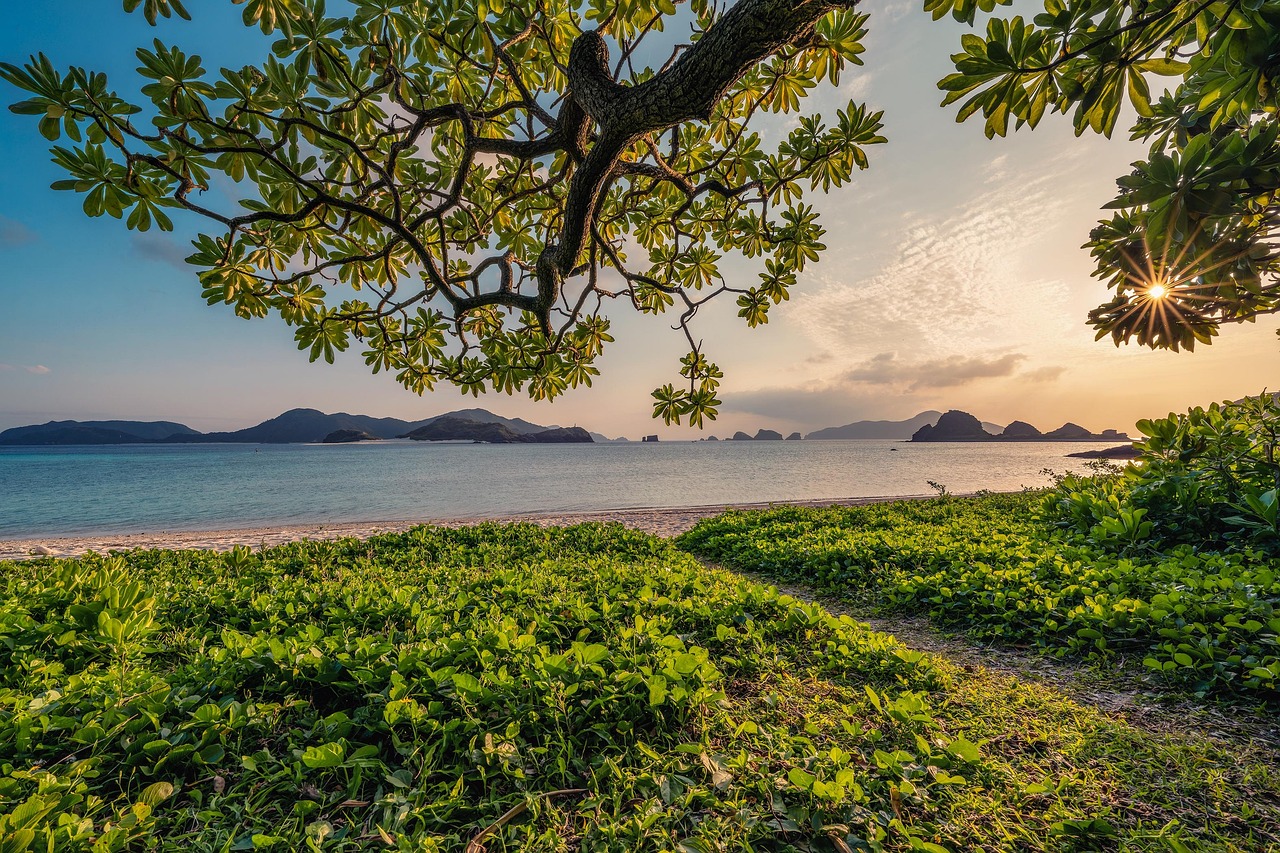
Japan’s main islands offer several distinct beach personalities. The Okinawa chain is your tropical jewel box—warm seas, vivid colour, and island-hopping possibility. The Kansai coastlines (think Wakayama) pair cultural charm with resort ease, while options near Tokyo in Kanagawa and the Izu Peninsula allow elegant, quick escapes from the city without heavy logistics. This variety is what makes Japan travel so rewarding: you can create contrast without feeling rushed.
Swimming season timing and cultural confidence on the beach
Your swimming season planning is half the art. Okinawa Prefecture generally shines from late spring into early autumn, while Honshu beaches can be wonderful in summer but more variable outside it. Typhoon considerations are real in Okinawa, so build flexibility into your design and lean on local updates for sea conditions.
Beach etiquette is simple, but it matters: keep voices low during quiet hours, avoid littering (bins are not always available), and respect modest swimwear norms in more public areas. Arriving with that local insight helps you feel at ease—and helps the beach remain beautiful for everyone.
- Choose for comfort: easy water entry, shower access, shade, and a calm vibe.
- Choose for support: seasonal lifeguard presence, flags, and clear zones.
- Choose for seamlessness: short transfers, private drivers, and concierge timing.
- Choose with care: quieter manners, tidy habits, and respect for shared space.


Okinawa Emerald Beach A Beautiful Beach Made for Snorkel Okinawa Emerald Beach snorkel coral reefs Japan
Okinawa Emerald Beach A Beautiful Beach Made for Snorkel with crystal clarity
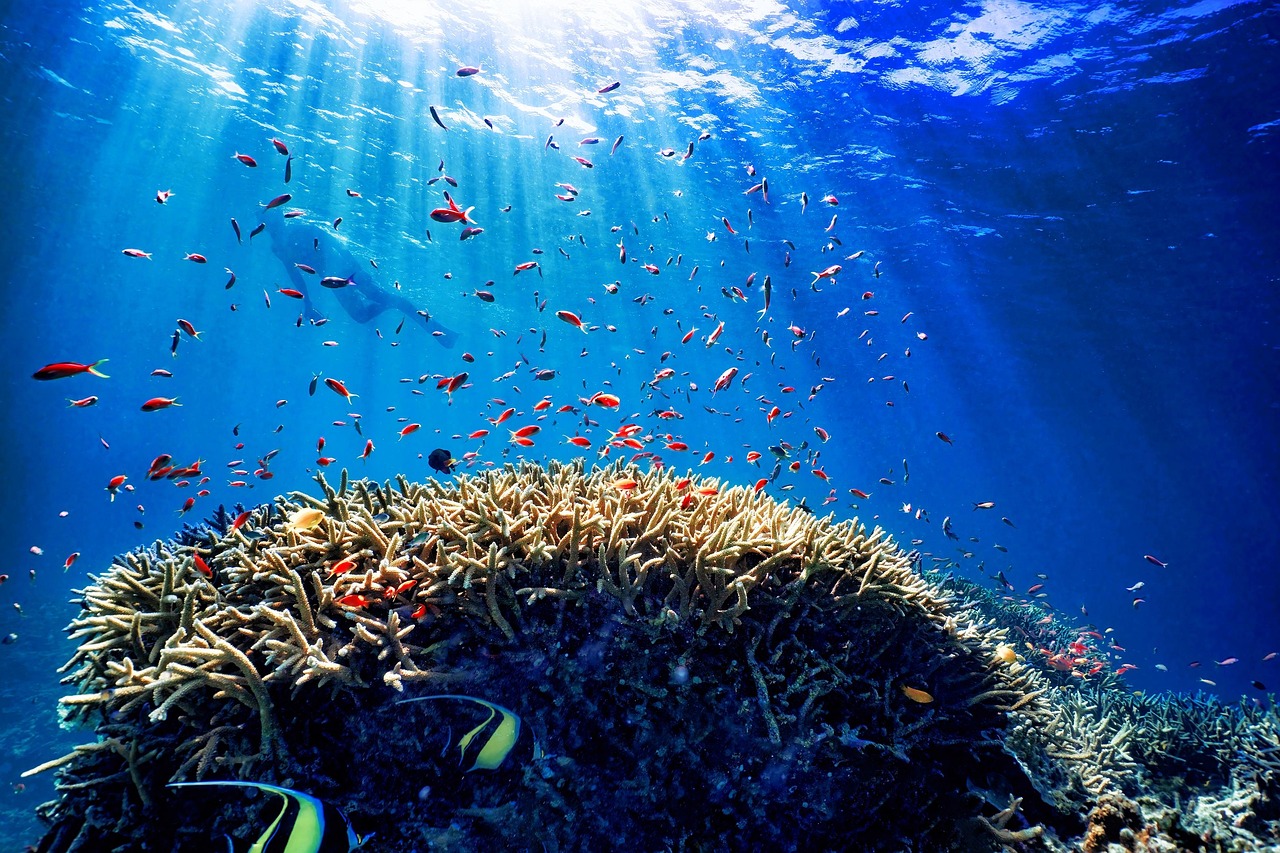
For many travellers, Okinawa Emerald Beach snorkel coral reefs Japan is the phrase that sparks the daydream—and the reality is even more luminous. This beautiful beach pairs white sand with blue waters that shift into turquoise waters as you wade in. Under the surface, coral reefs bring the scene alive, making it one of the most rewarding places in Okinawa to snorkel with confidence.
One traveller we spoke with described an unforgettable dive here: colourful tropical fish swirled around them, and then—quietly, almost politely—sea turtles glided through the water like something from a calm dream. They called it a surreal underwater paradise, and it’s an accurate feeling. With the right guide and good conditions, snorkeling and diving can be both thrilling and reassuring.
Snorkel with confidence around coral reefs
Safety is part of luxury. On days with strong currents, operators adjust entry points, shorten routes, or recommend calmer areas—so you can explore without pushing your limits. If you’re new to the water, choose a small-group guide, ask about flotation options, and keep your pace gentle. The goal is not to “tick off” marine life, but to uncover the stillness and colour that makes Okinawa so distinctive.
When to go and how to arrive in Okinawa
The best time to visit is late spring through early autumn, when visibility is typically best and sea temperatures feel inviting. Fly into Naha Airport, then take a bus, private transfer, or a chauffeured car. Renting a car can be a seamless choice on the Okinawa main island, the largest island in the Okinawa chain, particularly if you want to design a full day that includes lunch, a second beach stop, and a scenic drive. For many, this beach in Okinawa is one you build the whole day around—unhurried, sunlit, and crafted for ease.
Premium gear rental is widely available, but the difference is in the detail: a well-fitted mask, anti-fog prep, and a guide who reads the sea with expert calm. That’s what turns a good day into one you trust.
Island-Hopping Okinawa Ishigaki Island Kabira Bay and Miyako Ishigaki island Kabira Bay Miyako island Okinawa beach resorts
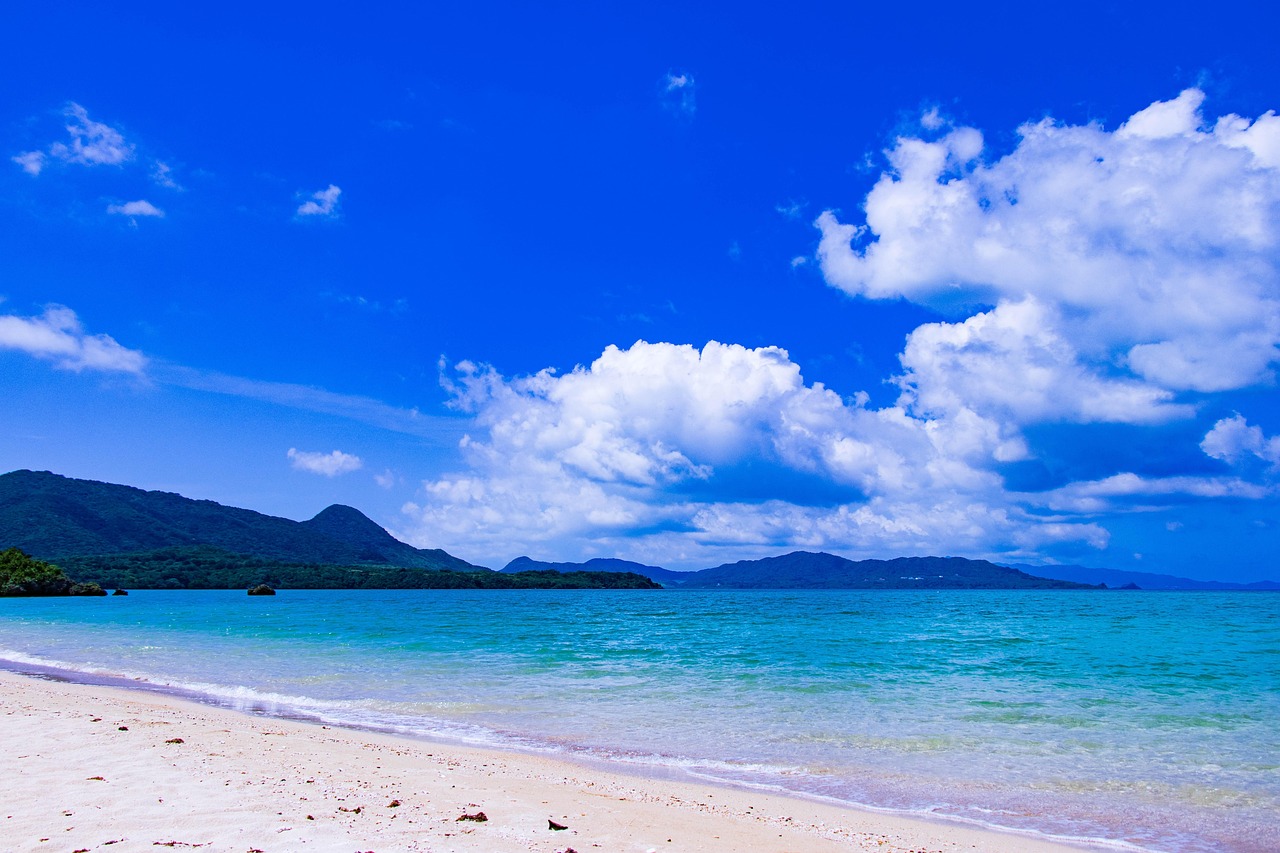
Island-Hopping Okinawa Ishigaki Island Kabira Bay and Miyako for resort calm
If you’re dreaming beyond one shoreline, Ishigaki island Kabira Bay Miyako island Okinawa beach resorts is the natural next step. Think of it as a curated expansion of Okinawa: deeper lagoon colour, quieter mornings, and a resort style that feels personal rather than showy. This is where you explore at a slower tempo—more sea, fewer schedules.
Ishigaki and Ishigaki Island are known for their clarity and that “painted” sea tone that looks almost unreal from above. Kabira Bay is the signature view: glassy water, gentle coves, and boat rides that let you take it in without effort. Swimming rules can vary here, so confirm locally on the day—your concierge can support with the latest guidance.
Design a two-island stay without feeling rushed
Add Miyako Island for postcard sandbars and a romance-friendly pace. The best approach is to choose two bases only—perhaps Okinawa plus Ishigaki, or Ishigaki plus Miyako—so you can actually settle in. A two-island design works best when each beach day has space for a long lunch, a shaded hour, and an early evening swim.
Resort-level seamlessness in the Okinawa islands
Where “resort” means refined, you’ll find villa-style stays, private transfers, and concierge-led snorkel itineraries built around your comfort. Pack baggage-light for quick domestic flights, and keep a small day pouch for sun cream, a light layer, and dry essentials. If you’re moving by ferry between an inhabited island connection, allow cushion time—weather can gently reshape the plan, and flexibility is part of travelling well.
- Keep it elegant: two islands are usually enough for a week.
- Keep it simple: one “big” beach day, one slow lagoon day, one boat day.
- Keep it calm: let your concierge confirm sea conditions and swim zones.
Shirahama Beach in Wakayama A Kansai Coastline with Resort Ease Shirahama Beach Wakayama prefecture luxury resort Japan
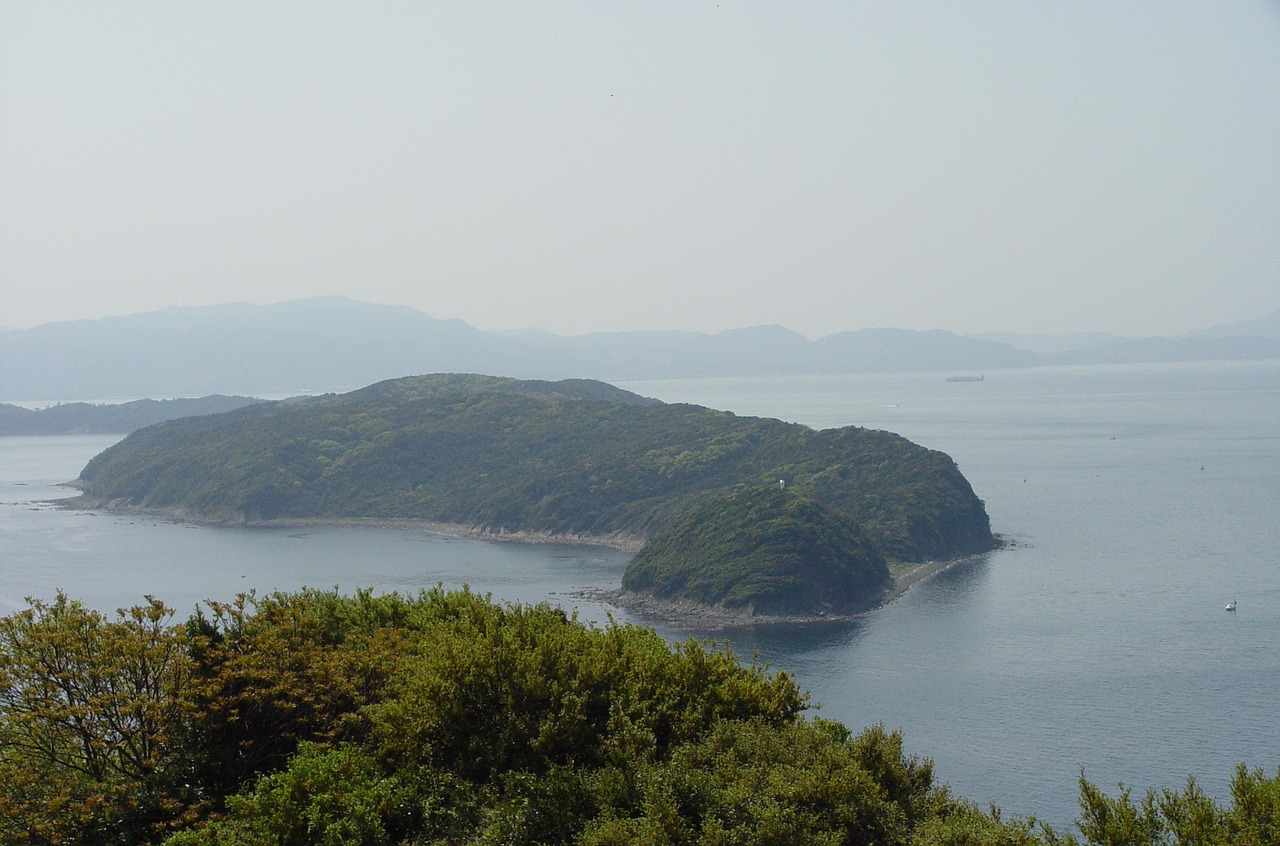
Shirahama Beach in Wakayama a Kansai coastline with resort ease
For travellers who want Honshu elegance, Shirahama Beach Wakayama prefecture luxury resort Japan offers a rare cultural fusion: traditional coastal-town warmth alongside polished, high-comfort hotels. Shirahama Beach answers the “best beach” question for Kansai with a gentle confidence—easy to reach, easy to love, and quietly scenic. It’s also the kind of beach where an evening stroll feels as important as the swim.
A couple once told us their favourite moment was a sunset walk here: the air softened, lantern-lit patios appeared, and dinner became an experience rather than a booking. Local seafood—simple, pristine—tasted even better in the sea breeze. That’s the Shirahama rhythm: relaxed, romantic, and reassuringly straightforward.
From Osaka to beach with limited-effort comfort
From Osaka, you can take a limited express train towards the area and finish with a short taxi ride, or choose a private car for door-to-lobby seamlessness. As a Kansai escape, it’s wonderfully balanced: you can be in the water by afternoon and still return to your suite for an unhurried evening.
Choosing the right sand, suite, and swimming zone
The sand here is soft and welcoming, with clear areas for swimming and sunbathing. Families appreciate the organised feel, and couples appreciate how quickly the beach becomes calm once the day-trippers drift away. This is a popular beach in peak summer, so book early if you want a prime beachfront suite with a terrace and a view.
If you’d like a little extra exploration, day trips along the coastline can add artisan stops and viewpoints—small, local, and full of insight—before you return to your resort for a quiet night.
Yuigahama Beach Near Tokyo Onsen Calm in Kamakura Yuigahama Beach Kamakura onsen beach near Tokyo Japan
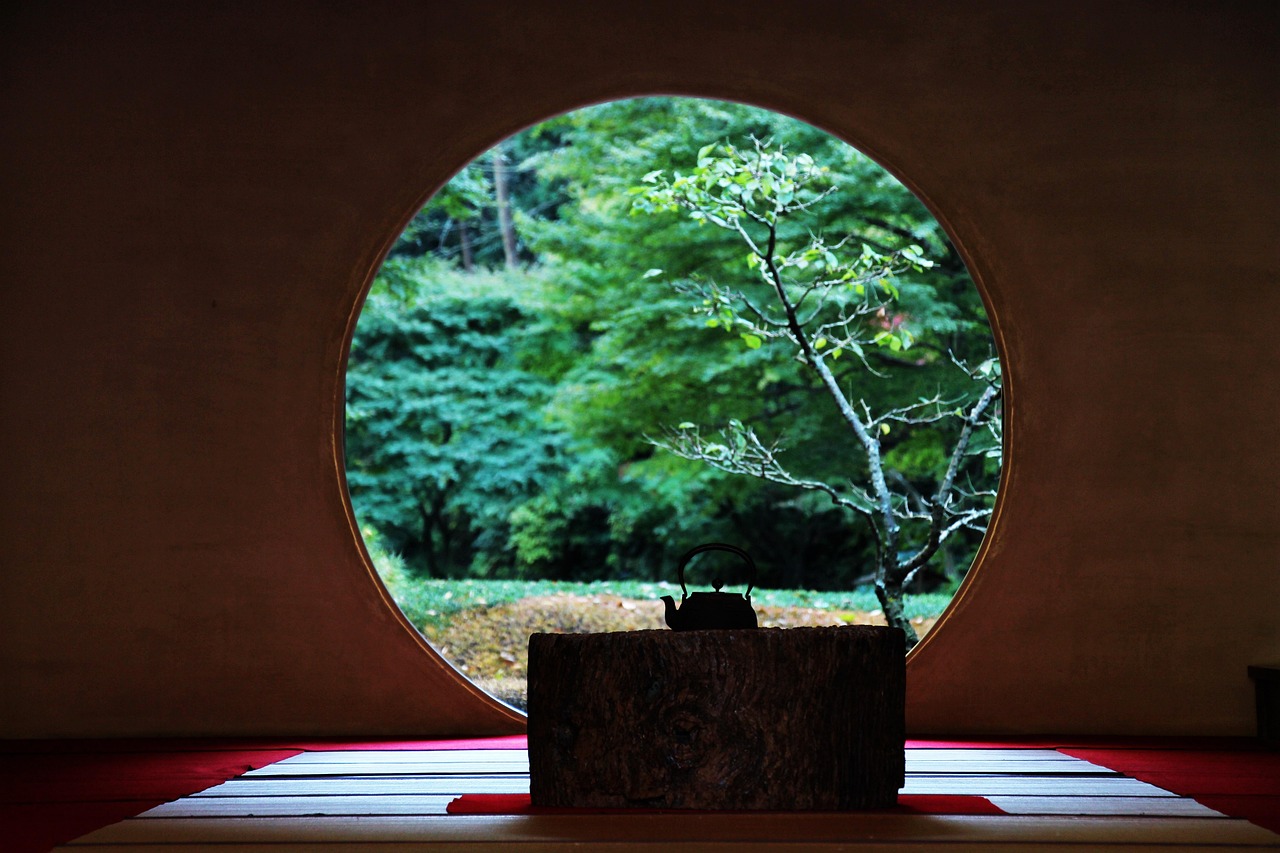
Yuigahama Beach near Tokyo with onsen calm in Kamakura
When you need a coastal exhale close to the city, Yuigahama Beach Kamakura onsen beach near Tokyo Japan is a quietly beautiful answer. South of Tokyo, in Kanagawa, Yuigahama Beach blends sea air with hot spring rituals—where a hot spring soak can feel gently transformative after time in cities like Tokyo. The shoreline is a kilometre long, ideal for an unhurried walk with the sound of waves rather than schedules.
A solo traveller once shared how they found solace here: after a swim, they slipped into an onsen and felt their shoulders finally drop. Later, locals chatted kindly, sharing small stories about Kamakura’s history and traditions. It was personal, and it mattered—the kind of care that turns a simple beach afternoon into something you carry home.
Easy logistics from Tokyo and Yokohama to Kamakura Station
Getting here is simple: arrive via Kamakura Station with frequent trains and buses from Tokyo and Yokohama. If you want a more seamless return—especially after an onsen—consider a private car back to your hotel. The ease makes it an ideal beach near a major city, even for short stays.
Design the day by pairing beach time with temple visits, then schedule onsen sessions on weekdays for a more private atmosphere. Check seasonal closures before you go, and bring a modest mindset into shared bathing spaces: rinse well, keep voices low, and follow the house guidance. With that cultural confidence, relaxation arrives quickly—and stays.
- Best rhythm: morning temple visit, afternoon beach, early evening onsen.
- For privacy: weekdays and earlier time slots tend to feel less crowded.
- For ease: keep a small towel and change of clothes in your day bag.
Izu Peninsula Beaches and Surf with Views of Fuji Izu peninsula beach Shizuoka surf views of Mount Fuji
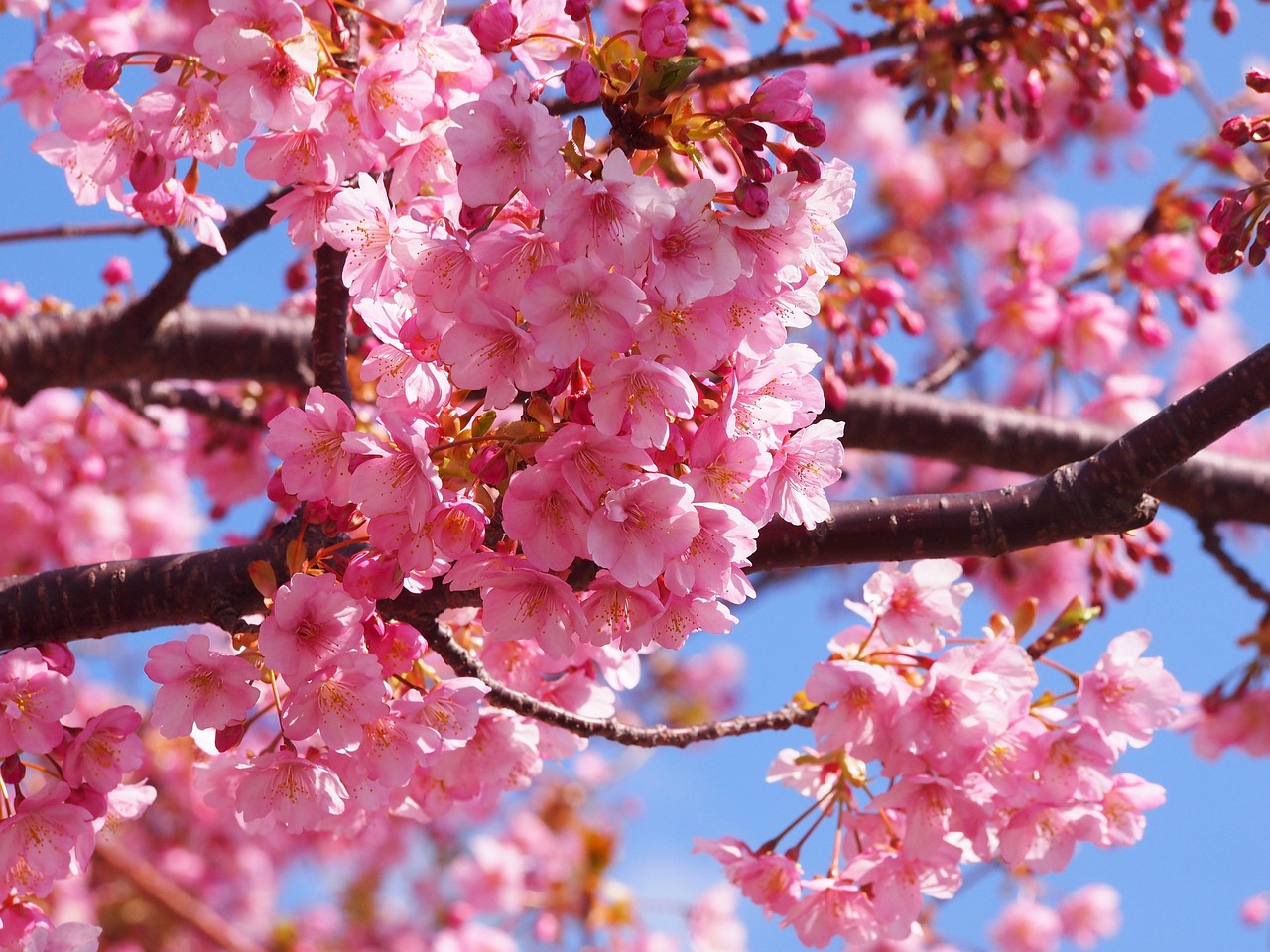
Izu Peninsula beaches and surf with views of Mount Fuji
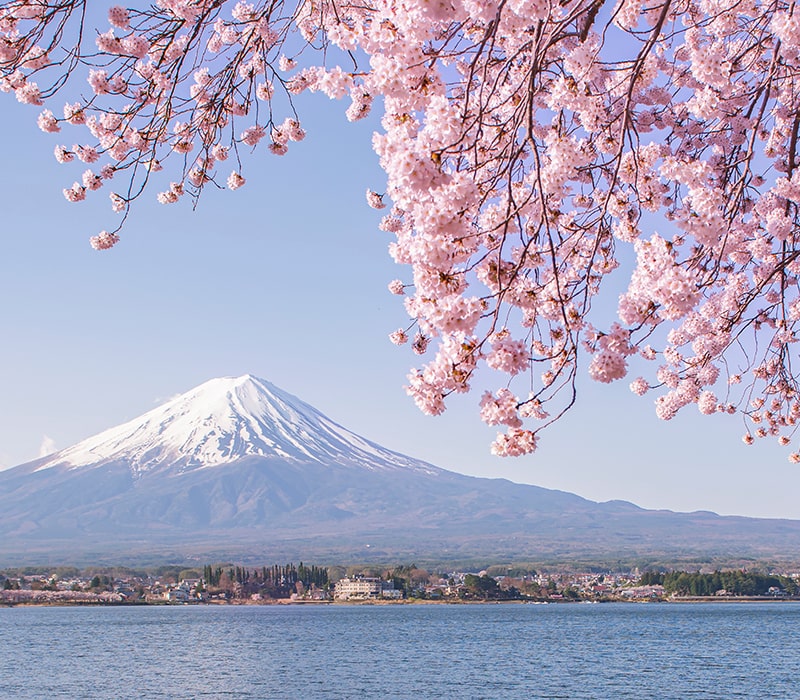
For another elegant beach near Tokyo, Izu peninsula beach Shizuoka surf views of Mount Fuji brings a different mood: sea cliffs, long shoreline walks, and sudden scenic openings. The Izu Peninsula in Shizuoka feels both accessible and slightly wild, especially if you stay overnight and let the coastline slow you down.
This is a scenic beach region where the land has texture—rocky edges, small bays, and stretches where the water catches the light like brushed metal. If you love photography, early hours here can feel like a private showing.
Surf culture is present without being overwhelming. Ask locally about surf spots suited to your level, and arrange a premium lesson with a small instructor-to-guest ratio. The best experiences come from calm guidance and good equipment—wetsuit fit, board choice, and a watchful eye on conditions. Even if you don’t surf, it’s a pleasure to watch skilled locals read the sea.
Chasing Fuji light for a scenic view
On clear days, you may catch views of Mount Fuji from select stretches; plan around early light for the most dramatic atmosphere. Travel by train for simplicity, or by car for freedom to pause at quieter bays. To avoid peak crowds, arrive early, or visit outside weekends—your experience will feel more crafted, and the beach will feel more yours.
Tohoku Region Shores and the Sea of Japan Unexpected Beauty tohoku region Jodogahama beach Sea of Japan coastal escapes
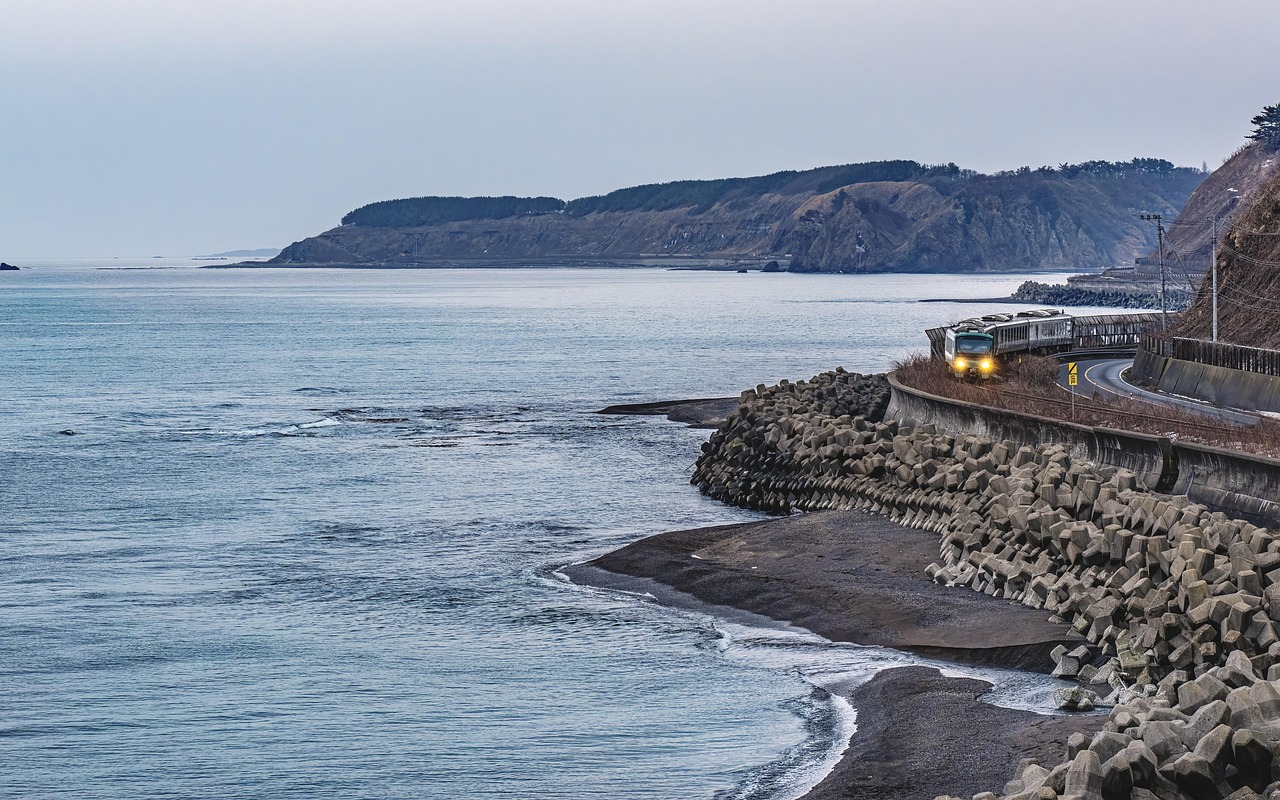
Tohoku region shores featuring Jodogahama beach and quiet coves
If your version of luxury is space and stillness, tohoku region Jodogahama beach Sea of Japan coastal escapes introduces a quieter chapter of Japan’s beaches. Along the Sanriku coast, Jodogahama and Jodogahama Beach are known for pale rock formations and calm coves—an atmosphere that invites slow breathing, long looks, and fewer words.
There’s also value in contrast. On the Sea of Japan side, Kikugahama Beach near Hagi in Yamaguchi Prefecture can be a serene stop for travellers tracing the country beyond the usual routes. It’s not about chasing “the” scene; it’s about uncovering the quieter attraction of a place that doesn’t perform for visitors.
Scenic planning for light, tide, and rock formations
For a more scenic view, plan photography around tide and weather. Soft morning light can make cliffs glow, while wind can reshape the sea’s colour in minutes. Pack warm layers even in shoulder seasons, and bring a hot drink—small comforts that create a more grounded, unhurried morning on the beach.
Comfort, lifeguard realities, and when not to go swimming
Water temperature can be cooler here, and lifeguard presence varies across certain beaches depending on season. Some days are made for a stroll rather than to go swimming, and that’s perfectly in the spirit of the region. The best beach is sometimes simply the one where you feel calm and safe.
- Wear layers: coastal winds can surprise you, even on bright days.
- Check conditions: tides and swell can change quickly around coves.
- Choose gently: if the water is cold, keep the beach experience land-based.
Seamless Planning Costs Etiquette and Where to Go Next Japan beach trip planning costs etiquette Tokyo Osaka Okinawa
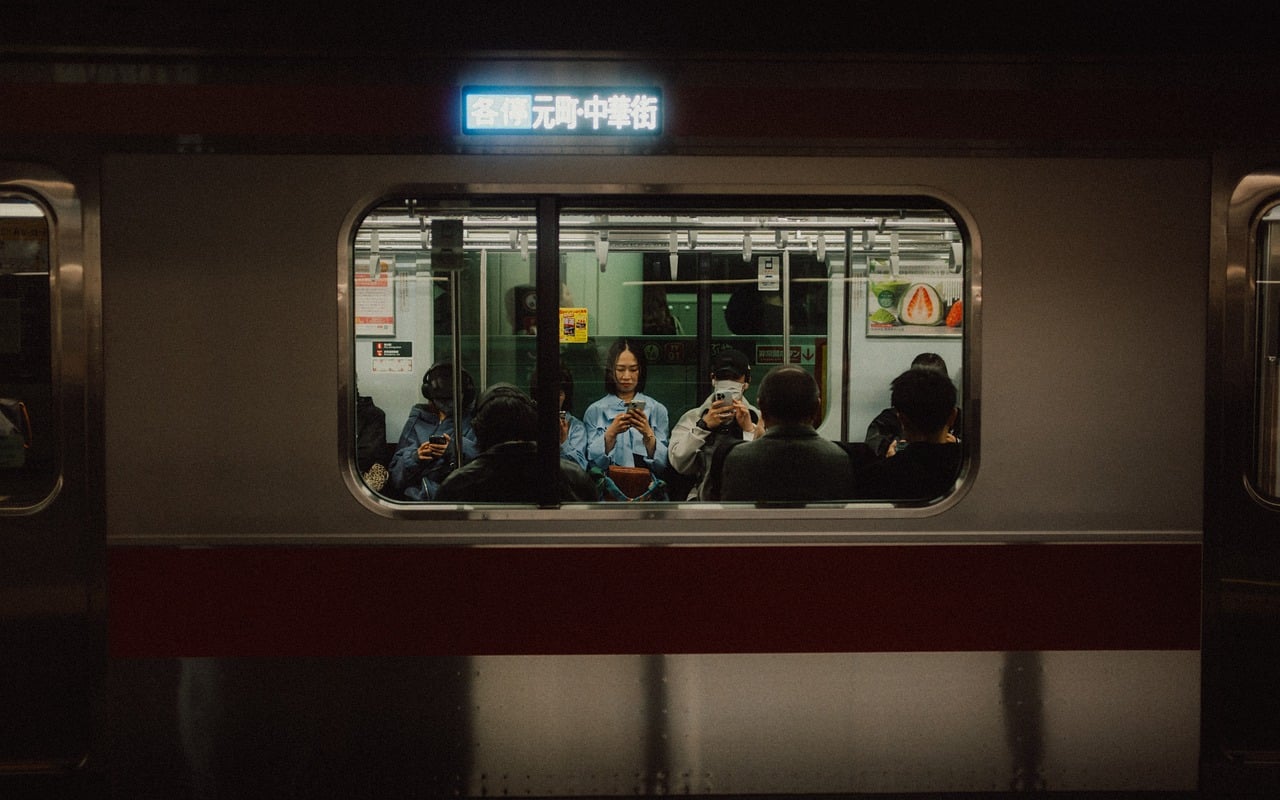
Seamless planning for a Japan beach trip from Tokyo Osaka and Okinawa
For a polished itinerary, Japan beach trip planning costs etiquette Tokyo Osaka Okinawa is where the journey becomes truly seamless. Most beaches are free to enter, but the high-end experience comes from what you layer on top: private transfers, premium shade, guided water time, and well-chosen resorts. With the right design, a beach day in Japan can feel as crafted as a fine dinner reservation.
Costs to consider include snorkel gear rental, private lessons, diving tours, and cabana-style upgrades where available. In Shirahama, book luxury resorts early for peak dates. In Okinawa Prefecture, pre-book small-group water experiences for the support and confidence they provide—especially if you’re new to ocean conditions.
City-to-coast routing from Tokyo, Osaka, and Okinawa
Stitching Tokyo, Osaka, and Okinawa together can be remarkably smooth. Start with urban culture in Tokyo, slip down to Kamakura or the Izu Peninsula for a beach reset, then fly to the island of Okinawa for colour and warmth. If you enjoy slower travel, consider segments via the Seto Inland Sea, especially when moving between Shikoku and Kyushu—scenic, gentle, and wonderfully different from airport hopping.
Etiquette, beach volleyball zones, and water safety
On the ground, follow quiet hours, respect beach volleyball areas, and remember that bins can be limited—carry a small bag for your rubbish. A practical water-safety checklist matters: watch flags, learn tides, and treat currents seriously. If you’re looking for beaches for swimming, choose those with clear zones and seasonal supervision; guided entries are ideal if you want extra support.
For inspiration as you design your route, browse our Trip gallery and imagine how the coastline could complement your time in the cities.
- Budget smartly: beach entry is often free; experiences are where costs sit.
- Book early: prime suites and private guides go first in summer.
- Travel with care: quieter manners and tidy habits support local communities.
What Stayed With Us After the Tide Went Out beautiful beach in Japan lasting memories
The phrase beautiful beach in Japan lasting memories sounds like a promise, yet what remains is softer than a checklist. After the tide goes out, the beach becomes quieter, and you notice what you missed earlier: the hush in the air, the salt drying on your skin, the way light rests on the sand for a moment before it fades.
In Okinawa, what stays is colour—beneath the surface, where coral reefs flicker and sea turtles pass with calm grace. At Shirarahama Beach, it’s warmth at dusk: lantern light, a shared plate of seafood, and the ease of walking side by side with nowhere else to be. At Yuigahama, it’s gentleness—an onsen’s steady heat, and local voices that offer history not as a lecture, but as a gift.
There’s a quiet reassurance in being cared for, in travelling with intention, and in trusting the pace you’ve chosen. When you return home, you may find that the best beach is not the one you photographed most, but the one that helped you breathe differently.
And perhaps, in a future season, you’ll find yourself wondering which shoreline in Japan will meet you next—when you’re ready, and not a moment sooner.
F.A.Qs: Japanese beaches
Does Japan have any good beaches?
Yes—Japan has excellent beaches, especially in Okinawa where white sand and clear water feel genuinely tropical. On Honshu, places like Shirahama Beach and the Izu Peninsula offer scenic coastlines with strong hospitality, while Yuigahama near Tokyo is ideal for a quick, restorative sea day.
Is Okinawa as nice as Hawaii?
Okinawa can feel comparable in beauty, with turquoise water, coral reefs, and a relaxed island atmosphere—so for many travellers it’s a worthy “hawaii” alternative. The feel is distinctively Japanese though, with different food, etiquette, and a quieter tone in many areas, which some guests prefer.
Can you swim in Japan’s beaches?
You can swim at many Japanese beaches during summer, and Okinawa’s swimming season is longer than most of Honshu. Choose designated swimming beaches with clear flags and seasonal supervision, and avoid entering the water when conditions are rough. Guided snorkelling and local advice add extra confidence.
Is $10,000 enough for a week in Japan?
For a high-end traveller, $10,000 can be enough for a week in Japan depending on hotel choices, internal flights, and how many private experiences you include. Tokyo and premium Okinawa resorts can raise costs quickly, but a balanced mix of refined hotels, selective splurges, and smart transport can keep the trip comfortable and seamless.