Post Contents
- Dazaifu from Fukuoka City Planning a Seamless Day Trip from Hakata via Nishitetsu
- Dazaifu Tenmangu Shrine Plum Trees and the God of Learning Tenjin
- Kyushu National Museum near Dazaifu Japan Diplomatic History
- Dazaifu Street Food Umegae Mochi Local Crafts and Souvenirs
- Kamado Shrine Mount Homan Hike near Dazaifu Kyushu
- What Stayed With Me After Dazaifu
- F.A.Qs: Dazaifu Fukuoka Japan day trip and shrine questions
Dazaifu from Fukuoka City Planning a Seamless Day Trip from Hakata via Nishitetsu
For a Dazaifu day trip from Fukuoka City Hakata via Nishitetsu, the joy is how quickly the pace changes—without any stress. Dazaifu sits on the outskirts of Fukuoka as a quiet city on the outskirts, and that contrast is exactly why it’s perfect for a day trip when you want culture that still feels personal. You can arrive curious, explore with confidence, and return to Fukuoka before dinner feeling restored rather than rushed.
Dazaifu from Fukuoka City Planning a Seamless Day Trip
Step-by-step access into the centre
From Hakata or Tenjin, make your way to the Nishitetsu line and ride toward Futsukaichi, then transfer onto the Nishitetsu Dazaifu Line. The final arrival is wonderfully straightforward: from the station it’s an easy walk into the centre, and the first attraction areas appear almost immediately—arched bridges, shopfronts, and the first hints of the shrine approach. Even if it’s your first time in Kyushu, the route feels designed to support you.
If you like to keep everything smooth, screenshot your transfer steps before you go and travel light. Dazaifu is pedestrian-friendly, so you’ll be walking between key places rather than juggling taxis or complicated connections.
Quick planning box for a calm, crafted flow
Here’s how I’d design the day so it feels seamless and spacious—especially helpful during peak tourism seasons.
- Half-day: shrine approach and grounds, tea pause, a few local shops, then back to Fukuoka.
- Full-day: shrine first, then museum in the middle, then street food and souvenirs to close.
- What to pack: socks (for shoe removal where required), a light scarf for temple or shrine spaces, water, and a compact umbrella in case Kyushu weather turns.
Practical reassurance matters: signage is clear, queues move steadily, and there are plenty of quiet edges you can step into when you want a more intimate moment. If you’d like to explore more Designer Journeys routes across Japan, start with our Trip gallery and imagine how Dazaifu could slip into a wider, beautifully paced itinerary.


Dazaifu Tenmangu Shrine Plum Trees and the God of Learning Tenjin
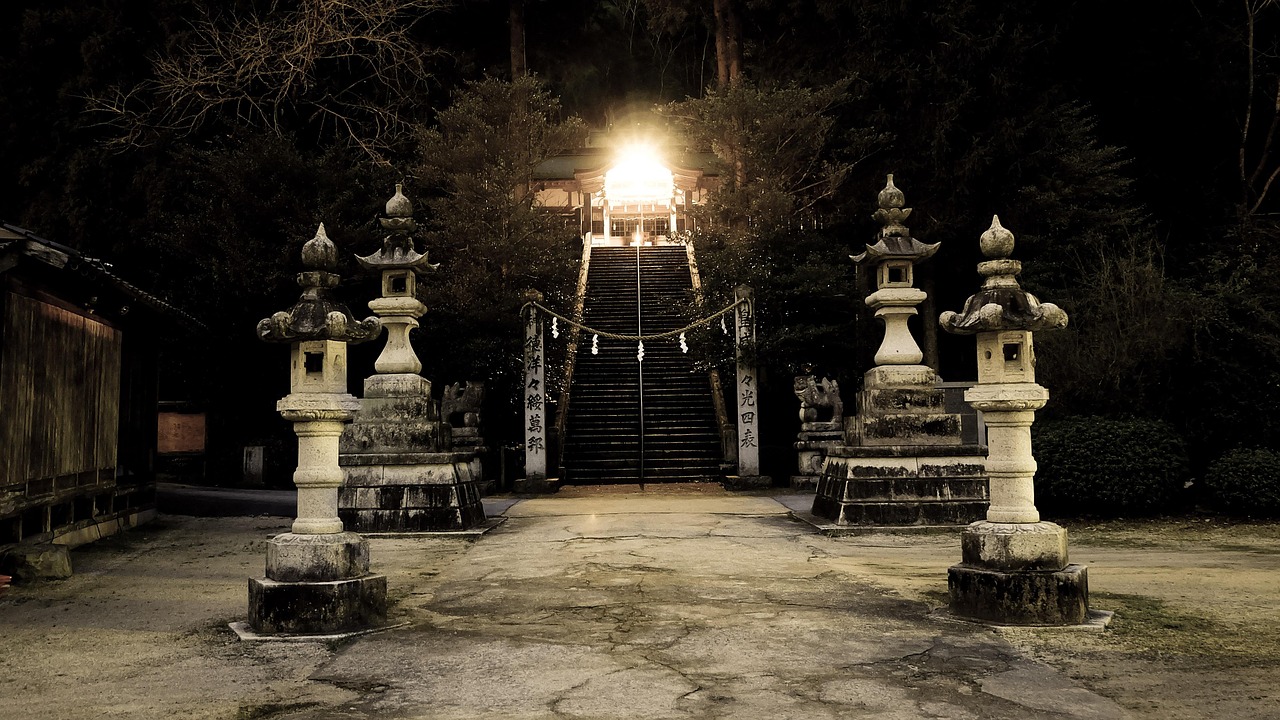
Your first steps into Dazaifu Tenmangu Shrine plum trees god of learning Tenjin territory should be unhurried. Enter through the torii, cross the bridge, and let the approach do its quiet work—this shrine has welcomed an estimated 10 million visitors over time, yet it can still feel remarkably private when you walk with care. Many travellers describe a profound sense of peace here, especially beneath the ancient cedar, where your breath seems to settle into the rhythm of the path.
Dazaifu Tenmangu Shrine Plum Trees and the God of Learning
Shinto insight and Tenjin without the lecture
This is a Shinto shrine dedicated to Tenjin, the deity of learning and a kami closely associated with scholarship. The story begins with Sugawara Michizane, a scholar and poet who served the imperial court and later faced exile far from the capital city of Kyoto. Over time, people came to deify him—partly to soothe fear around natural disasters—until Michizane Sugawara became revered as a protective presence for study and entrance exams.
You don’t need to know every detail to feel the meaning. Watch how locals bow, offer a quiet prayer, and move gently; it’s a living etiquette that invites trust rather than performance.
Seasonal magic on the shrine grounds
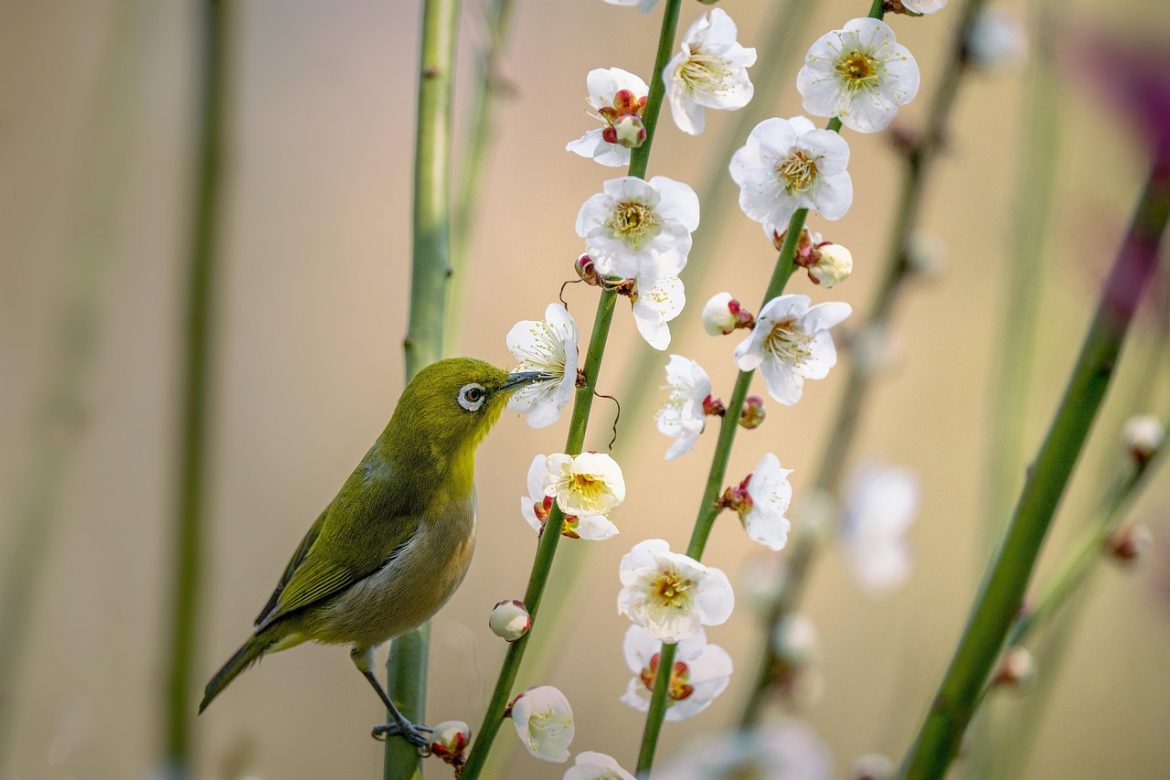
In early March, the plum trees can transform the grounds of Dazaifu Tenmangu into something almost weightless—petals, fragrance, and soft light that makes even quick photographs feel atmospheric. In autumn, the foliage warms, and the pond catches reflections of vermilion buildings and lush greenery, giving you natural places to pause.
Costs and customs are reassuringly simple: entry is free, keep your voice low, and follow small cues about where to walk. If you see a sign for shoe removal, take it as part of the ritual of care—your body participates, not just your eyes.
Kyushu National Museum near Dazaifu Japan Diplomatic History
For Kyushu National Museum near Dazaifu Japan diplomatic history, the transition is beautifully close: you can walk from the shrine area to the museum connection without needing to re-plan your day. After the hush of the shrine, the massive Kyushu National Museum feels like a breath of contemporary design—an elegant contrast that still honours place. It’s a perfect midpoint when you want to keep exploring, but also want shade, air-conditioning, and a curated narrative.
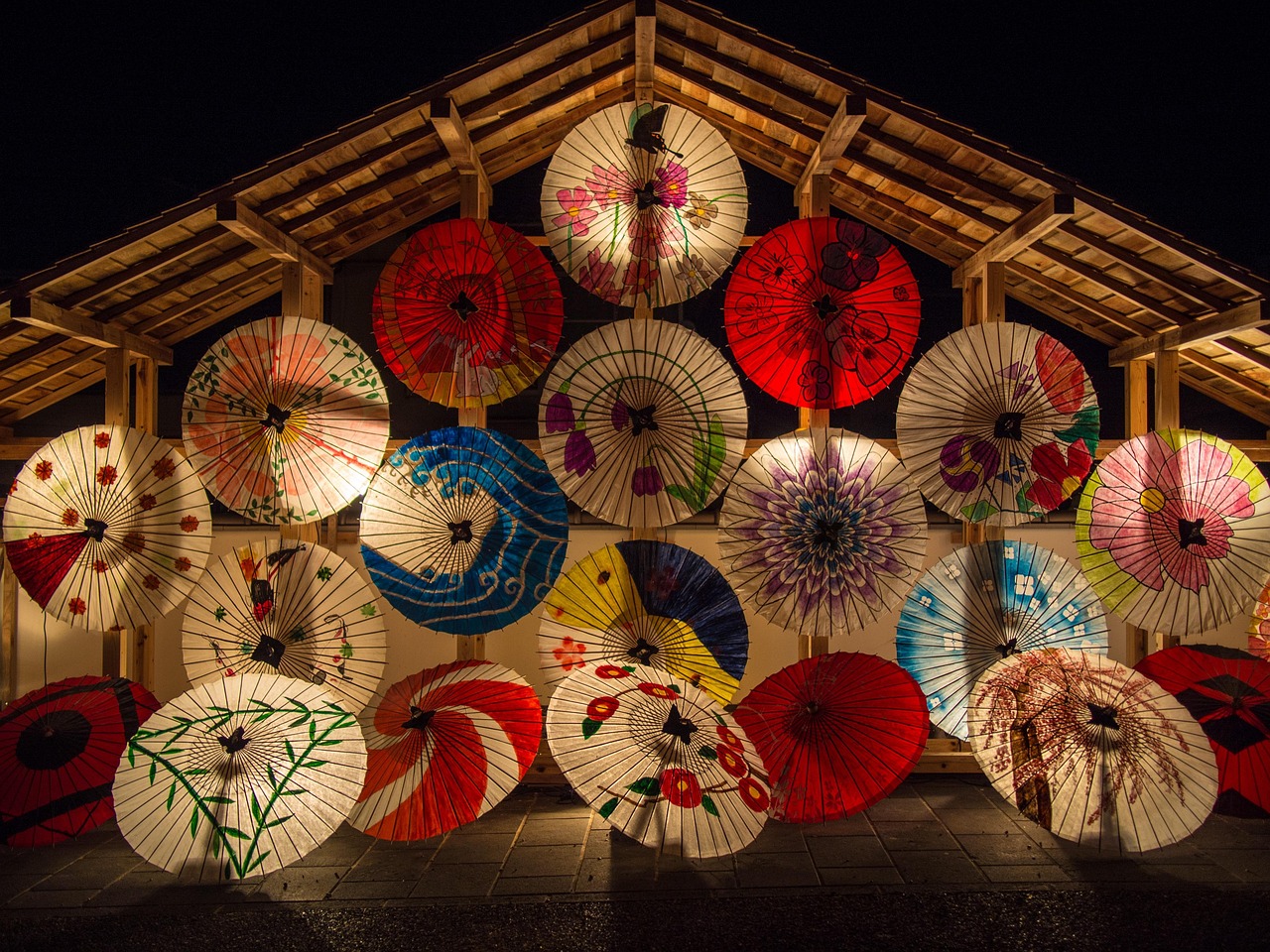
Kyushu National Museum Modern Design and Diplomatic Stories
What to prioritise inside the museum if time is short
Admission is modest (around 430 yen), and the experience is surprisingly dynamic. If you’re short on time, focus on interactive galleries, rotating special exhibits, and any core showcase that maps the history of Kyushu as a crossroads. A group of adventure seekers once told me the hands-on displays sparked their curiosity so strongly that they began to explore Japan’s regional ties with new confidence, connecting objects to places they’d later visit.
The museum’s signature perspective is cultural exchange with mainland Asia, told through trade, ideas, and art rather than battlefield drama. You’ll leave with a clearer feel for how the entire island of Kyushu has long acted as a gateway.
Diplomatic stories and pacing tips for a seamless visit
Look for references to early diplomatic links and sea routes—some exhibits trace shifts as far back as the 7th century, which helps you see Dazaifu in a deeper timeline. If rain arrives or midday heat builds, this is your refuge: take a breather in the café, then return to the galleries when your energy feels steady.
- Best timing: late morning or early afternoon, when outdoor crowds peak at the shrine.
- Keep it seamless: decide your “must-see” room first, then let the rest be a gentle wander.
Dazaifu Street Food Umegae Mochi Local Crafts and Souvenirs
For Dazaifu street food umegae mochi local crafts souvenirs, the approach road is part of the experience rather than just a corridor. The main pedestrian street is quaint, lined with traditional shops and tea houses, and the energy shifts from sacred to social without losing that sense of care. It’s where you can explore with your senses—steam from grills, the tap of cups, and the soft clink of crafted items being wrapped.
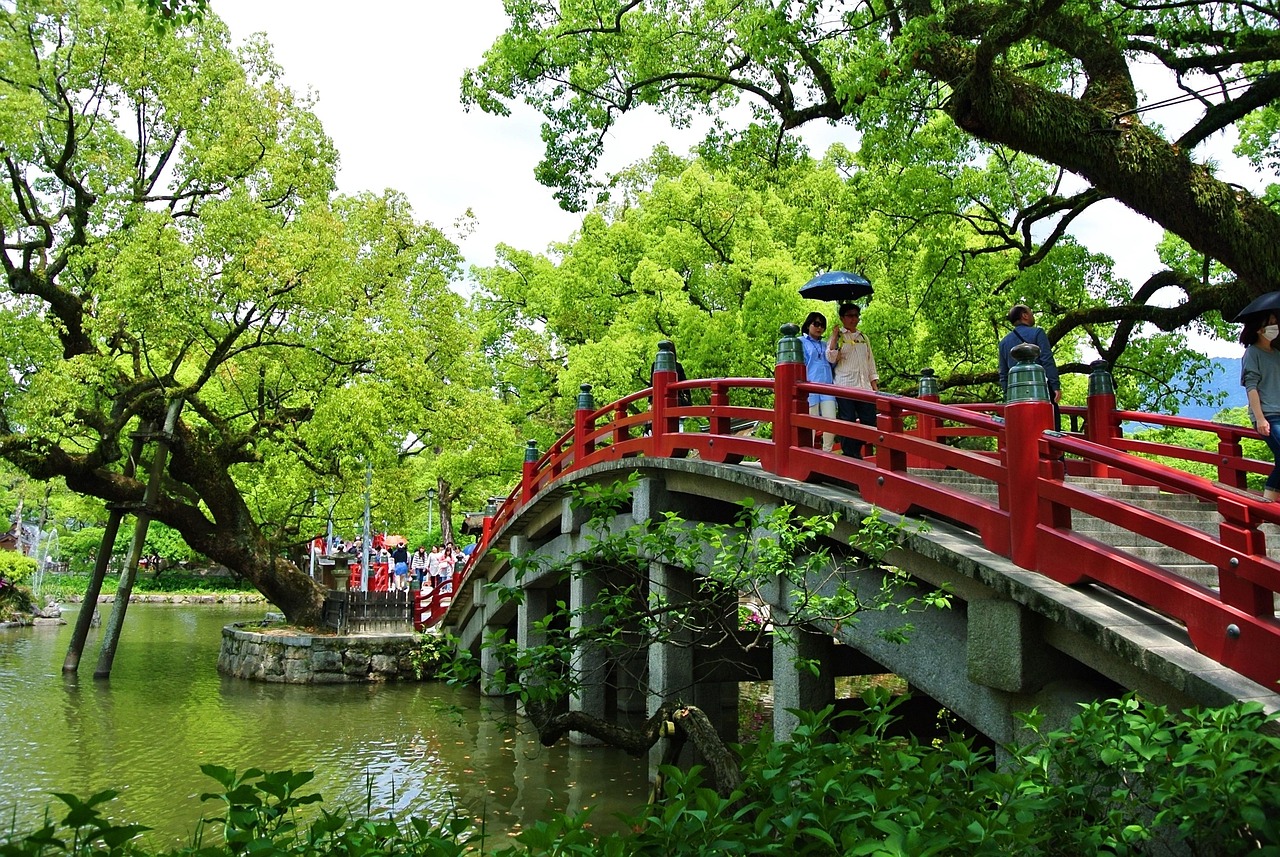
Quaint Streets Local Crafts and Umegae Mochi Moments in Dazaifu
Umegae mochi and the comfort of a warm rice cake
Start with the local specialty: umegae mochi, a warm rice cake with a gently crisp outside and soft mochi bite. A first-time visitor once told me that one simple mouthful became their clearest memory of Dazaifu—proof that culture can be felt as much as learned. Look for a stall with fresh batches; you may also spot fried mochi rice cakes, and some cafés blend small modern comforts like smoothies into the old-town rhythm.
Flavours vary, but if you see green tea and black sesame, it’s worth trying—especially after the shrine’s quiet. Eat respectfully to the side rather than in the middle of the walkway, and carry your rubbish until you find a bin.
Shopping with meaning in the shrine town
If you love bringing something home, choose pieces with a story: small ceramics, textiles, or a single souvenir connected to learning and protection. Ask where it’s made and favour local makers over generic trinkets; it’s a small act of support that keeps the town’s creativity alive.
As you browse, you may notice references to a treasure house and other historic structures tucked behind shopfronts. Even without entering every building, the layering of temples and shrines around Dazaifu gives the street its depth—Shinto and Buddhist worlds existing side by side in everyday life.
Kamado Shrine Mount Homan Hike near Dazaifu Kyushu
For Kamado Shrine Mount Homan hike near Dazaifu Kyushu, you’re stepping into the part of the destination that rewards adventure seekers most. These add-ons let you create a nature-forward counterpoint to the formal shrine visit, while still keeping your day safe, crafted, and calm. If your legs want movement after museum galleries and tea, this is where you can uncover a different kind of quiet.
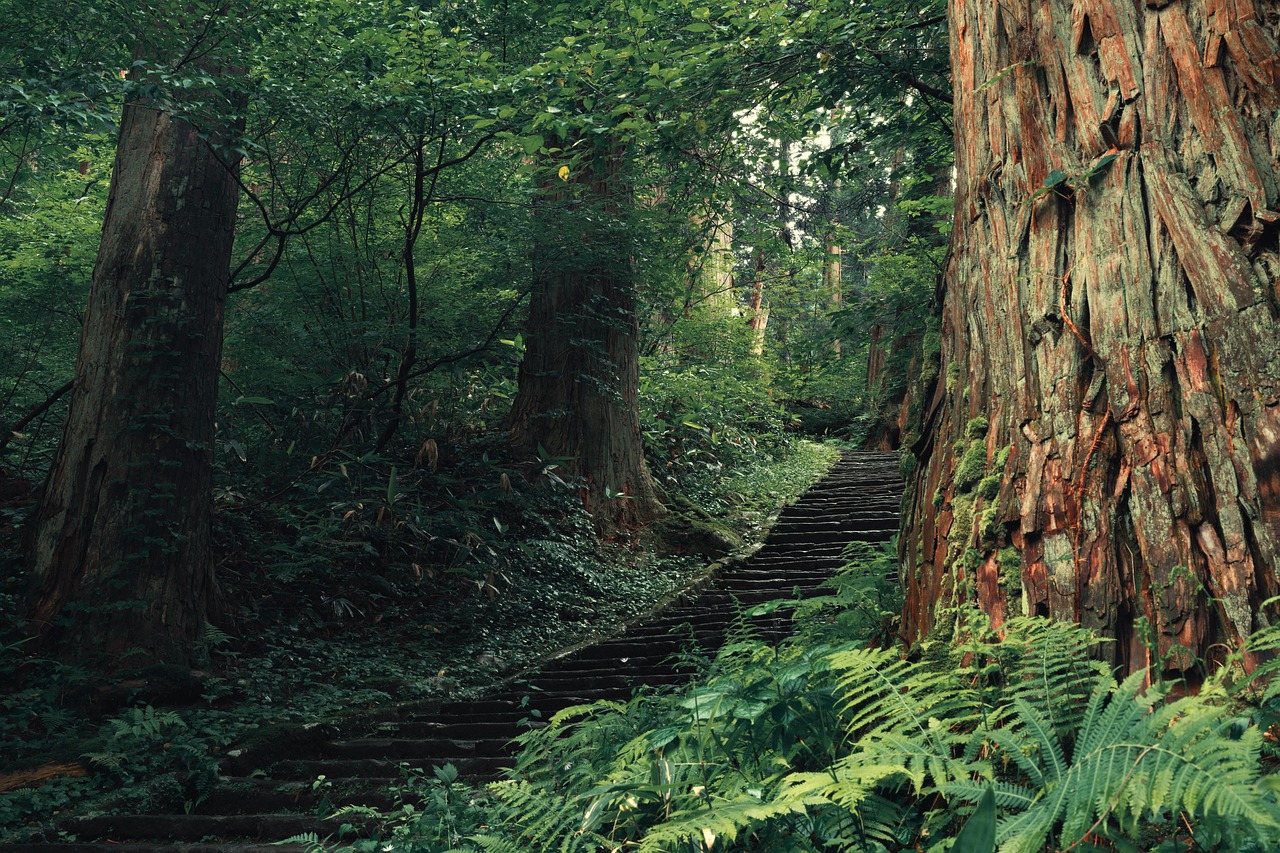
Near Dazaifu Adventure Add Ons Kamado Shrine and Mount Homan
Kamado Shrine for a different atmosphere near Dazaifu
Kamado Shrine offers a softer, more nature-wrapped mood than the main complex—still recognisably Kyushu, but less ceremonial in feel. If you’ve enjoyed the Dazaifu Tenmangu Shrine approach, you might appreciate how this shrine encourages slower looking, with forests that feel close enough to touch. It’s a simple way to expand your day without turning it into a checklist.
Mount Homan and a well-maintained trail with big-sky views
Mount Homan (often shortened to Homan) is the bigger adventure: a well-maintained trail with clear footing, but it still deserves respect. Go in cooler mornings during early spring or autumn, and bring layers because weather can shift quickly.
- Footwear: grippy trainers or light hikers; avoid slick soles after rain.
- Timing: allow generous time for rests and photos, so you don’t rush back.
- Carry: water, a small snack, and a fully charged phone for peace of mind.
At the top, the views across Dazaifu and Fukuoka can feel like a private panorama—city edges, folds of green, and the sense of Kyushu spreading outward. It’s the kind of moment that helps you trust your own pace: museum, temple streets, tea, then trail, together in a rhythm that suits your energy.
What Stayed With Me After Dazaifu
What stays with me is not a list of sights, but the hush of footsteps where the shrine path narrows and the world seems to soften. I remember the scent that lingers near the plum trees, and how the air changes by the water, as if the pond is holding the sky for a moment longer than it should. In Dazaifu, history feels present without demanding explanation, and that gentleness can be unexpectedly moving.
There is a particular kind of confidence that arrives here—quiet rather than loud. You begin to understand that curiosity can be its own form of courage, and that care for culture is also care for yourself: speaking softly, waiting your turn, noticing what your body needs. Even the smallest gestures feel meaningful, like choosing a seat where you can watch people pass, or letting a warm sweet settle your hands.
Long after you return to Fukuoka, the memory can surface at odd times: a sudden thought of cedar shade, a glimpse of vermilion, a feeling of being guided without being pushed. And perhaps that is Dazaifu’s gift—an invitation to keep learning, not as a task, but as a way of belonging gently to time. Next time you find yourself in Japan, you may notice a detail you missed before, and wonder what it is teaching you now.
F.A.Qs: Dazaifu Fukuoka Japan day trip and shrine questions
F.A.Qs on Dazaifu Fukuoka Japan day trip and shrine visits
Is Dazaifu worth visiting?
Yes—Dazaifu is worth visiting if you want culture that feels calm, walkable, and deeply local, without travelling far from Fukuoka. The shrine approach, seasonal gardens, and thoughtful museum nearby create a day that’s both restorative and quietly adventurous.
What is Dazaifu known for?
Dazaifu is known for Dazaifu Tenmangu Shrine, dedicated to Tenjin, and for its plum blossom season in early spring. It’s also loved for traditional shopping streets, umegae mochi, and the nearby museum that highlights Kyushu’s role as a historic gateway.
What to see in Dazaifu, Fukuoka?
In Dazaifu, Fukuoka, focus on the shrine complex and its gardens, then pair it with the Kyushu National Museum for broader cultural insight. Leave time for the approach street—tea houses, crafts, and snacks make the visit feel immersive rather than rushed.
What is the famous shrine in Dazaifu?
The famous shrine in Dazaifu is Dazaifu Tenmangu Shrine. It’s associated with learning and exam success, has beautiful seasonal scenery, and offers a welcoming introduction to shrine etiquette for first-time visitors.