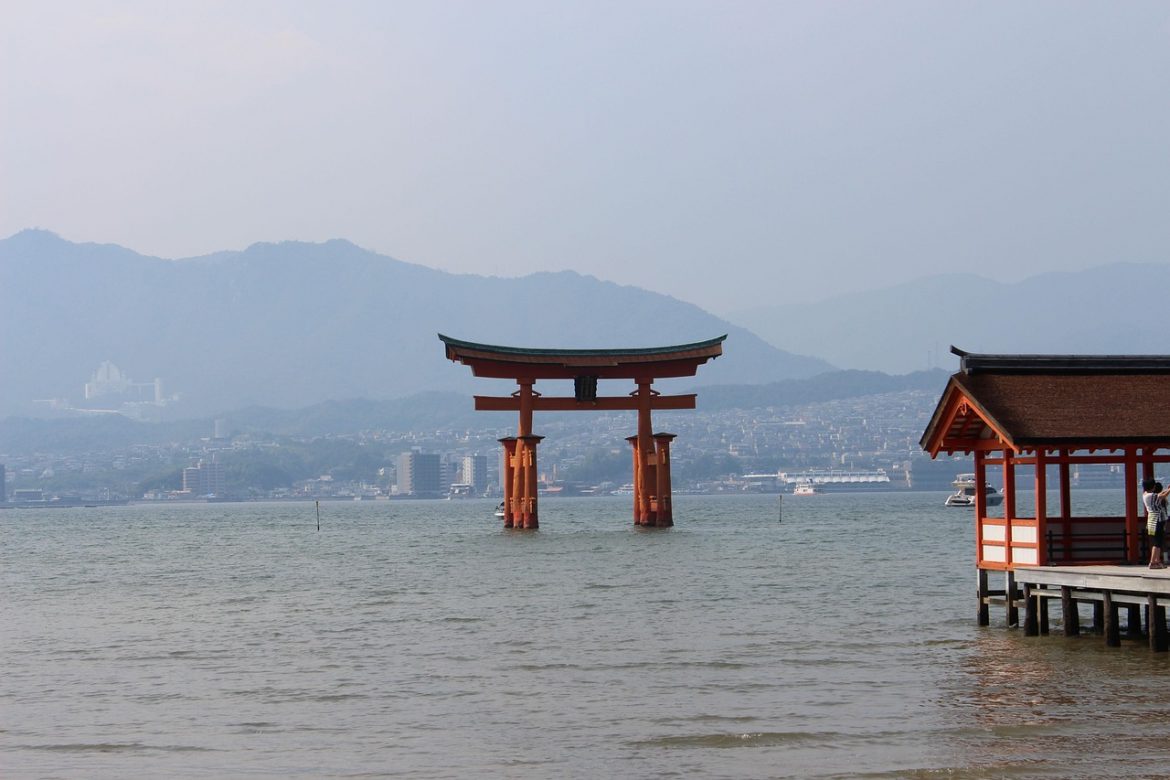
Miyajima Japan is where a short crossing from Hiroshima feels like stepping into another pace of life. On Miyajima island, the famous torii gate can appear to float on the water at high tide, and the atmosphere is quietly cinematic. This is a cultural enthusiast’s route designed for adventure seekers who still want comfort, care, and confidence baked into the day.
In this Miyajima travel guide, you’ll discover how to get there by ferry, how to time the shrine for tides, where to hike or ride up Mount Misen, and how to explore Omotesando without rushing. Expect crafted tips, local insight, and a seamless plan you can make your own.
Post Contents
- Getting to Miyajima from Hiroshima by Ferry for a ferry ride Miyajima island
- Itsukushima Shrine floating torii gate high tide Miyajima shrine
- Mount Misen hike Miyajima Ropeway deer Daisho-in temple misen
- Omotesando shopping street Miyajima local food momiji manju souvenir
- One day in Miyajima things to do in Miyajima Miyajima travel guide day trip
- What Miyajima Leaves With You After You Go Miyajima reflections shrine island Japan
- F.A.Qs: Miyajima travel guides
Getting to Miyajima from Hiroshima by Ferry for a ferry ride Miyajima island
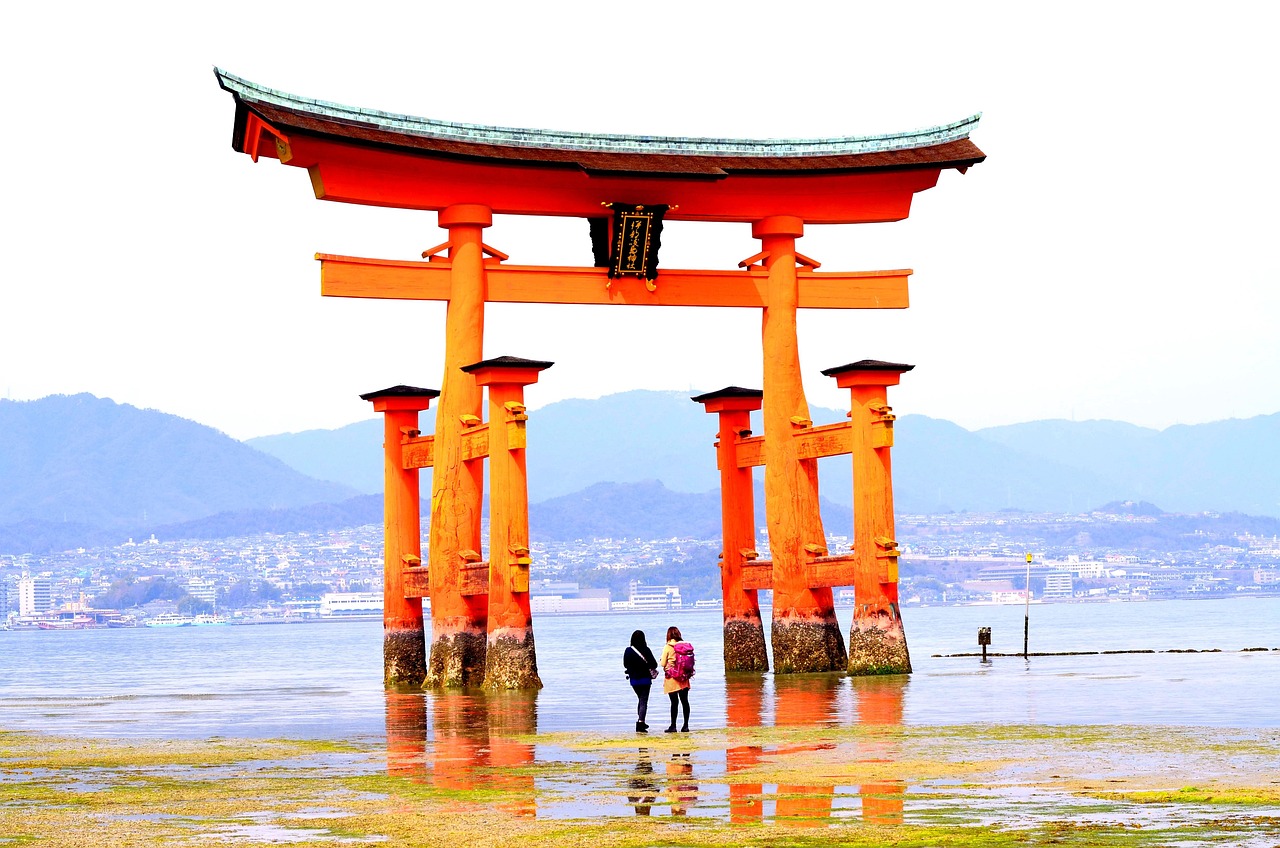
Getting to Miyajima from Hiroshima by Ferry with Seto Inland Sea views
To get to Miyajima from Hiroshima, most travellers make their way to Miyajimaguchi Station on the JR Sanyo Line (the Sanyo Line on maps), then walk a few minutes to the ferry terminal and ferry port. From Hiroshima Station, it’s straightforward, and if you’re using a Japan Rail Pass, it can feel especially seamless. This is one of Japan’s classic micro-adventures: simple logistics, big emotional payoff.
If you’re starting near Hiroshima Peace Park or the Hiroshima Peace Memorial area, you can also reach the waterfront and connect onwards; either way, the rhythm is reassuringly frequent. Ferries typically run often throughout the day, and a round-trip ticket is commonly around 1800 yen, which is easy to plan into a high-end day out. Allow less than an hour from central Hiroshima to arriving on the island when connections align.
Planning a trip to Japan with a calm Miyajima ferry crossing
Don’t treat the crossing as a mere transfer. The ferry glide across the inland sea is part of the design of the day, with soft horizons and islands scattered like brushstrokes. If you’ve been in Tokyo or you’re continuing on towards Osaka, this detour offers a different texture of Japan—water, wind, and quiet anticipation.
I still remember my first arrival: stepping off the boat and noticing how voices naturally lowered, as if the air itself asked for gentleness. That shift is the island’s welcome. Give yourself a supportive buffer—arrive earlier than you think you need—so your day trip to Miyajima starts with ease rather than urgency.
Practical checks before you visit Miyajima
A small amount of preparation creates a confident, comfortable start, especially if you’re blending shrine time with trails. Sure to check tide tables in advance, because timing shapes your shrine experience as much as weather does.
- Pack layers: the water and summit can feel cooler, even in spring.
- Bring cash: small shops and temple counters can be cash-only.
- Carry water: the climb is rewarding, and hydration keeps it peaceful and relaxing.
- Wear grippy shoes: boardwalks and stone steps can be slick after rain.
With that, you’re ready to explore—with trust in the plan and space for discovery.


Itsukushima Shrine floating torii gate high tide Miyajima shrine
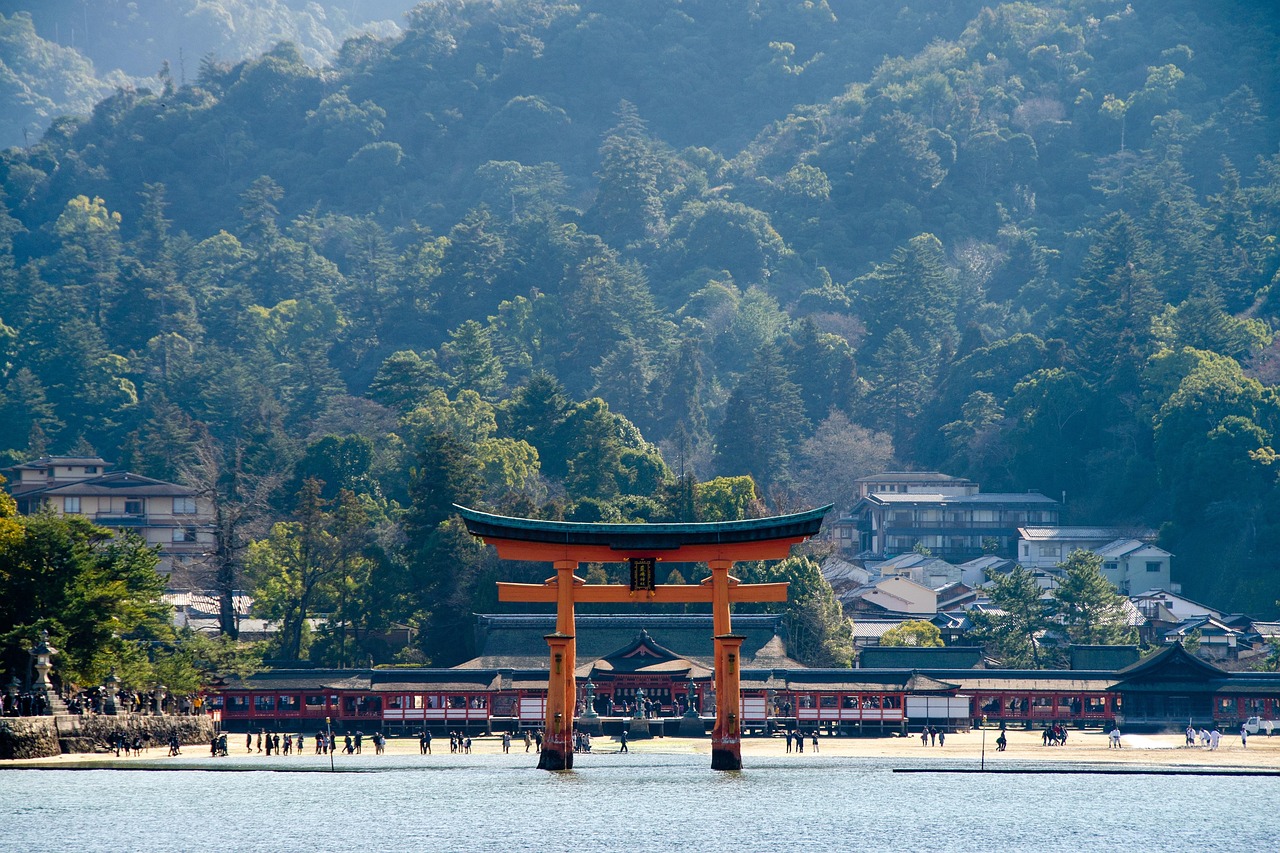
Itsukushima Shrine and the Floating Torii Gate at high tide on Miyajima
Itsukushima Shrine floating torii gate high tide Miyajima is the phrase people search, but arriving in person feels more like entering a story. As a UNESCO World Heritage site and part of Japan’s revered world heritage sites, this shinto shrine is famously built over water, and connected by boardwalks that guide you with a ceremonial grace. The entrance to the shrine can feel like a threshold—gentle, deliberate, and quietly magnificent.
Miyajima means “shrine island”, and here you sense why: water, timber, and ritual are interwoven. The shrine was built to honour deities tied to safe passage and the sea, and it’s also associated with Benzaiten—dedicated to Benzaiten in the wider cultural imagination of music, water, and beauty. It remains one of the three celebrated scenic spots in Japan, and one of Japan’s most photographed sacred views.
Low and high tide moments for the torii gate
Plan to see the torii gate in both low and high tide if you can. At low tide, the shoreline opens and you can walk closer (without crossing boundaries), noticing how the sea floor changes colour and texture. At high tide, the scene becomes pure theatre: the floating torii gate appears to float on the water, and the shrine seems to hover between worlds.
A traveller once told me they felt awe in their chest—surreal, almost spiritual—watching the gate as the water rose. It wasn’t loud or dramatic; it was quiet, like the island was teaching them how to slow down. In a place of worship, that softness matters. Speak gently, and let your presence be part of the care you’d want others to show you.
Etiquette at the shrine with confidence
This is a living sacred space, not a stage set. Avoid touching the sacred gate, and keep your tone low near prayer areas. If the boardwalks feel busy, step to the side, breathe, and create your own calm bubble; visiting respectfully is a form of cultural insight, and it lets you enjoy the moment with confidence.
Just uphill, you can uncover more layers: the elegant pagoda and Senjokaku, also known as the hall of one thousand tatami. Inside, the scale is startling—tradition describes one thousand tatami mats, a tide of woven order underfoot. The structure is linked to Toyokuni Shrine and the ambitions of Toyotomi Hideyoshi, a powerful warlord whose era still echoes through timber and rooflines, as if the island is whispering of ancient times and choices that shaped the nation.
Mount Misen hike Miyajima Ropeway deer Daisho-in temple misen
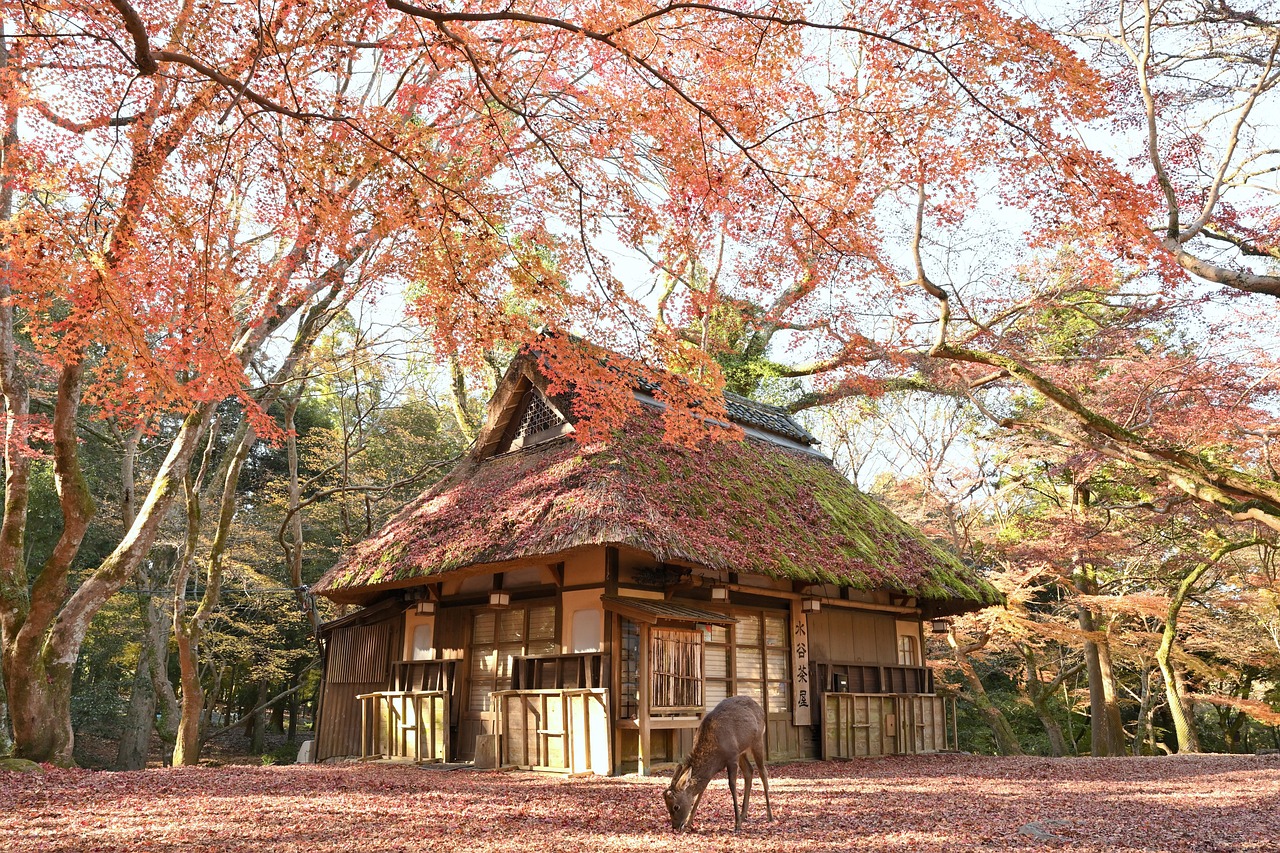
Mount Misen trails with deer encounters and Miyajima Ropeway views
For active travellers, Mount Misen hike Miyajima Ropeway deer Daisho-in temple is where the island’s adventure energy comes alive. You can choose a full hike up Mount Misen or take the Miyajima Ropeway for quicker access to ridgelines and the best views. Either way, you’ll earn panoramic perspectives over the Seto Inland Sea, and the journey feels like a shift from shoreline elegance to forested stillness.
The island is a small island in scale, yet it holds surprising vertical drama. That’s why this section of your day on Miyajima island can feel like a different chapter entirely—more elemental, more wind-and-rock than lacquer-and-lantern.
Mount Misen trails and the mood of maple trees
If you hike, you’ll notice maple trees framing the path, and light moving through the canopy like a slow film. A first-time hiker once described it to me as “quiet discovery”: they spotted old stone markers and little ruins, paused without checking the time, and felt genuinely supported by the trail’s gentle logic. That’s the gift of misen—effort that clears the mind.
If you’d rather conserve energy, take the ropeway and treat the ascent as a crafted experience. This cable car route lets you save your legs for summit wandering, so you can explore without feeling hurried or depleted. Near the upper area, pay attention to viewpoints offering views of the Seto Inland—the kind that make you imagine returning in another season.
Daisho-in and how shrines and temples coexist
Pause at Daisho-in, a treasured buddhist site where you can feel the island’s spiritual diversity. Here, shrines and temples sit in harmony—Shinto and buddhism in close conversation rather than competition. At Daisho-in Temple, you’ll see devotional details and statues with a unique facial expression that can feel deeply human, even playful.
There’s a famous flame said to have been kept since Kobo Daishi; the lanterns are said to have been lit and remembered as lit by kobo daishi in local storytelling. You may also notice references to healing, including the buddha of medicine, which adds a tender note to the visit—care, restoration, and calm at the heart of the mountain.
And then there are the deer. They’re accustomed to people, often gentle, sometimes cheeky. Keep snacks secured, keep hands calm, and trust that a respectful distance is the most reassuring approach—for you and for them.
If you have time for a soothing add-on, take a short walk through Momijidani Park before or after the ropeway. In autumn, the colour feels like the island is quietly showing off, without needing applause.
Omotesando shopping street Miyajima local food momiji manju souvenir
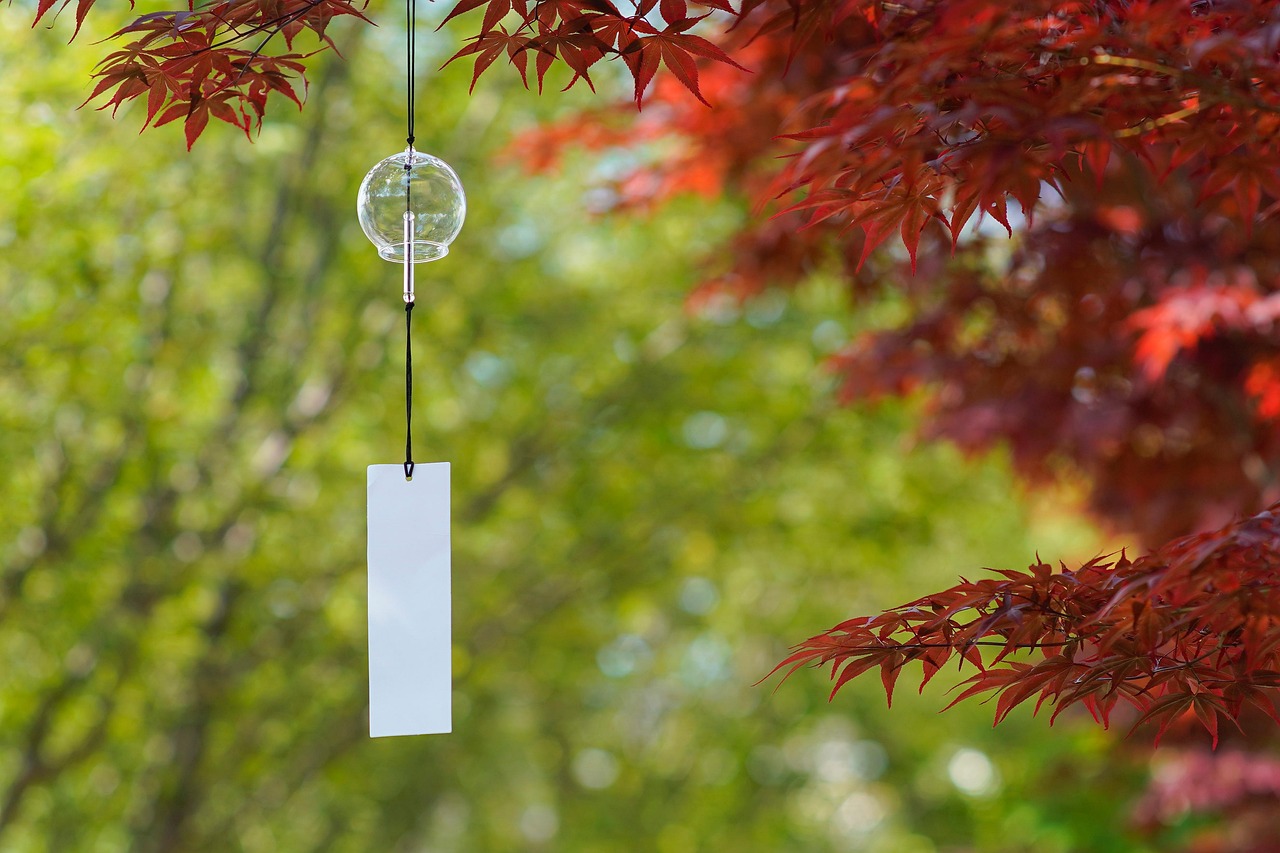
Omotesando Street Food and local craft finds on Miyajima
Omotesando shopping street Miyajima local food momiji manju souvenir is where the island becomes deliciously social. After shrine quiet and mountain air, Omotesando offers a warm, local buzz—shops with wooden counters, steam rising from snacks, and the gentle theatre of artisans at work. For adventure seekers, it’s also a practical reset: refuel, hydrate, and keep your energy smooth for what comes next.
Design your own “Omotesando loop”: browse a few craft stores, taste something seasonal, then step back towards the waterfront when you feel ready. This is a place to explore with your senses, not just your camera.
Momiji manju and the joy of local connection
A visitor once shared a small, perfect moment: biting into freshly made momiji manju—still warm—while chatting with a shopkeeper who insisted they try a different filling “just for comparison”. That tiny exchange felt personal, like being welcomed together into the island’s everyday life. The flavour was good, yes, but the real souvenir was the community spirit behind it.
Try oysters if you enjoy them, sip tea when you need a calmer beat, and keep your hands free so you can taste and photograph without juggling. If rain appears, a weather-proof snack crawl (umbrella, quick stops, a steady pace) can feel surprisingly cosy.
Crafted finds without overbuying
High-end travel is often about choosing fewer things with more meaning. Look for artisan paper goods, small textiles, and simple objects you’ll actually use—then you’ll remember Miyajima every time you touch them. If you want a gentle interlude between shrine and hike energy, the Miyajima aquarium can be a quiet palate cleanser, especially if you’re travelling as a couple or multi-generational group.
- Paper goods: notebooks or prints that feel distinctly Japan’s.
- Textiles: small cloths that pack flat and age beautifully.
- Handmade craft: one piece that feels crafted rather than mass-produced.
Refill your water where you can, and keep cash handy for small purchases—this is the kind of place where spontaneity is part of the charm.
One day in Miyajima things to do in Miyajima Miyajima travel guide day trip
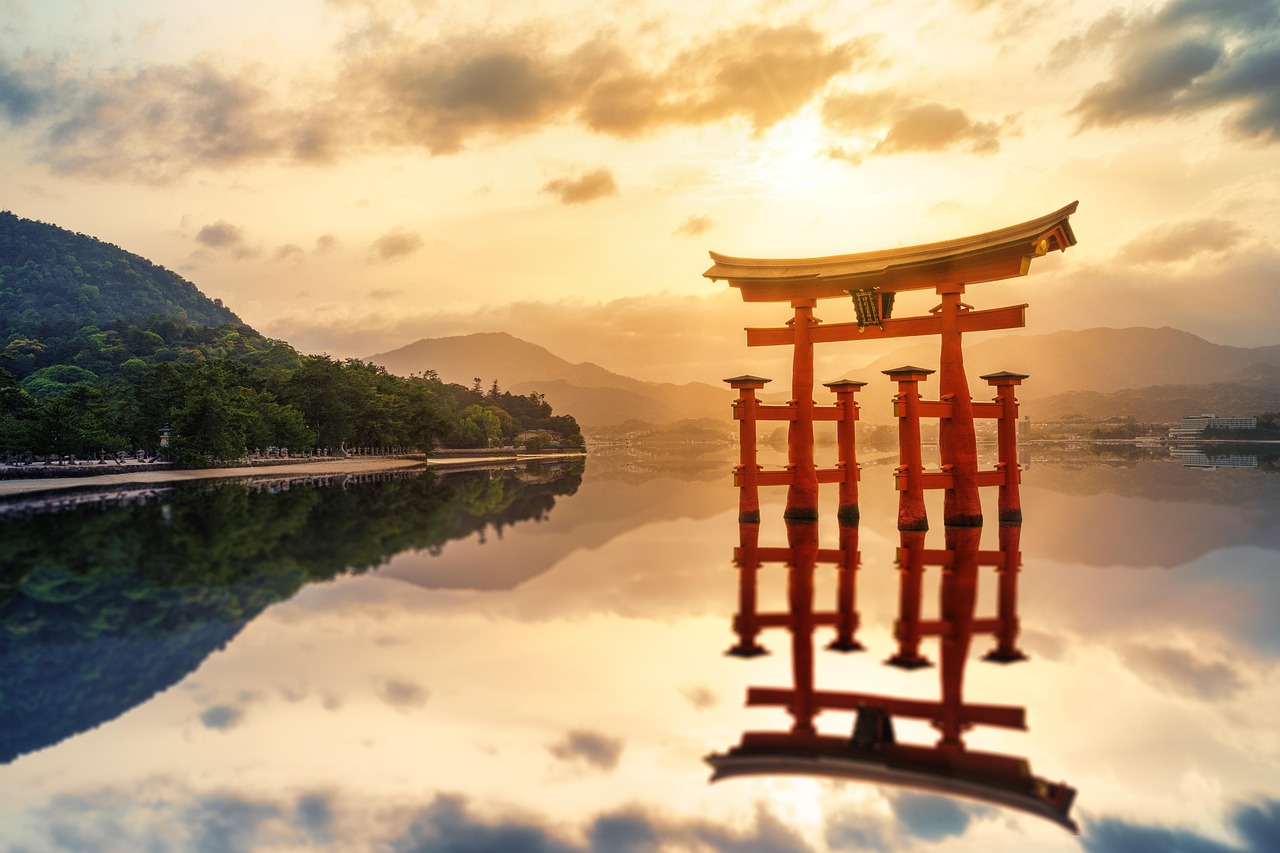
One day in Miyajima plan with things to do in Miyajima and Mount Misen views
If you’re looking for one day in Miyajima things to do in Miyajima Miyajima travel guide day trip, here’s a flexible structure that keeps the experience calm and still adventurous. Think of it as a designer framework: it supports you, but it never cages you. Your aim is a single, unforgettable shrine moment, a meaningful temple pause, and a nature stretch that lets you breathe.
For many travellers, this becomes the highlight of a wider itinerary through Hiroshima, Kyoto, or onwards to Osaka—because it balances culture and landscape so gracefully. The point is not to do everything; it’s to uncover your own rhythm.
A flexible one day in Miyajima timeline
Here’s a plan that prioritises light, tides, and energy, while leaving space for spontaneity. If you want inspiration for extending your route across Japan, you can browse our Trip gallery and imagine how Miyajima fits into a more crafted journey.
- Morning: arrive early, visit to Miyajima begins at the waterfront, then step into the shrine precinct before crowds gather.
- Midday: Omotesando tasting and browsing; choose one meaningful item, then pause for tea.
- Afternoon: Mount Misen hike or ropeway; linger at viewpoints, and return via Momijidani Park if time suits.
- Golden hour: a final shoreline look, then return for the ferry back to Hiroshima with tired legs and a full heart.
Tips for visiting Miyajima with confidence
These tips for visiting Miyajima are small, but they create a noticeably more seamless day. Aim for spring (March to May) or autumn (September to November) for gentle temperatures and clearer light. Many areas are free to wander, while the ropeway and some upper areas require tickets—so keep a little flexibility in your budget.
Comfortable footwear matters if you’ll climb, and speaking softly near any temple or shrine is both respectful and grounding. Be mindful around deer, especially if you’re carrying food; a calm posture builds trust. And if you can, consider staying overnight: sunset and occasional night illuminations at the shrine can feel like stepping into a living ritual, without needing to understand every detail.
Finally, leave buffer time for your return. The last part of the day should feel like exhale, not a sprint—especially after mountain steps.
What Miyajima Leaves With You After You Go Miyajima reflections shrine island Japan
Miyajima reflections shrine island Japan often begin long after you’ve boarded the boat. You might remember the shrine’s stillness more than its size, or the sound of water under timber as daylight shifted and your thoughts softened. It’s not just a place you visit; it’s a feeling you carry, quietly, into the rest of your travels.
A couple once described attending a sunset illumination as “otherworldly”, not because it was flashy, but because it felt sincere. Standing together in the dim, they sensed how tradition can be both ancient and alive, and how reverence can be gentle rather than severe. In moments like that, Japan’s cultural depth doesn’t demand explanation; it simply offers itself.
And then, the contrasts linger. A deer stepping onto the path as if it owns the mountain. A pagoda silhouette against a sky turning silver. The warmth of street food in your hands, and the way a shopkeeper’s kindness can make a new place feel familiar. These details create insight—small, human, and lasting.
Most of all, Miyajima reassures you that you don’t have to ‘do it all’ to feel it. Sometimes the most personal memories arrive when you slow down, notice the ordinary sacredness of a place, and let it change you by degrees. Later, somewhere else entirely, you may hear water moving and find yourself wondering what’s waiting on the next island.
F.A.Qs: Miyajima travel guides
What is Miyajima famous for?
Miyajima is famous for Itsukushima Shrine and the iconic torii gate that appears to float on the water at high tide. It’s also known for Mount Misen views, friendly deer, and the traditional atmosphere along Omotesando, where local snacks like momiji manju are part of the experience.
Is it worth going to Miyajima Island?
Yes—Miyajima Island is worth it if you love culture and landscape in one place. You can move from a UNESCO-listed shrine to mountain trails in the same day, with excellent food and crafts in between. Even a short visit can feel meaningful, especially if you time the tides and slow down near the waterfront.
How long is the ferry from Hiroshima to Miyajima?
The ferry itself is a short crossing, and it’s easy to fit into a day trip. Travel time depends on where you start in Hiroshima, but once you reach the Miyajimaguchi area the boat ride is quick and frequent. It’s best to allow extra time for connections and queues during peak seasons.
Is it better to stay in Hiroshima or Miyajima?
Staying in Hiroshima is convenient for transport and wider sightseeing, while staying on Miyajima offers a calmer, more intimate experience after day-trippers leave. If you can, one night on the island can feel special—early mornings by the shrine and quieter evenings create a deeper connection without adding stress.