Post Contents
- Kashgar and the Silk Road gateway in Xinjiang
- Kashgar Old City and Old Town alleyways to explore
- Sunday Bazaar energy and the livestock market scene
- Id Kah Mosque and the Khoja Mausoleum with respect
- Trip to Karakul Lake in the Pamirs from Kashgar
- Taklamakan Desert edge camel moments and music nights
- Create a seamless Kashgar plan with expert local support
- F.A.Qs: Kashgar China
- What stayed with me after Kashgar
Kashgar and the Silk Road gateway in Xinjiang
Kashgar and the Silk Road gateway in Xinjiang
If you’re planning to visit Kashgar, China, it helps to meet it first as a living Silk Road city rather than a museum piece. The city is an economic and cultural centre where everyday trade still shapes the streets, and where the local name Kashi is used with easy familiarity. I found that simply saying the name out loud—slowly, respectfully—changed my pace; I stopped rushing and started listening.
Kashgar sits in the autonomous region of Xinjiang, a place many travellers know only as a far-west silhouette on the map, yet it’s very much part of China and full of distinct regional character. For a traveller-first perspective, think of Xinjiang as vast and varied: big distances, strong flavours, and communities that value courtesy. When you arrive with warmth and confidence, doors open in small, human ways—an offered seat, a poured tea, a patient smile.
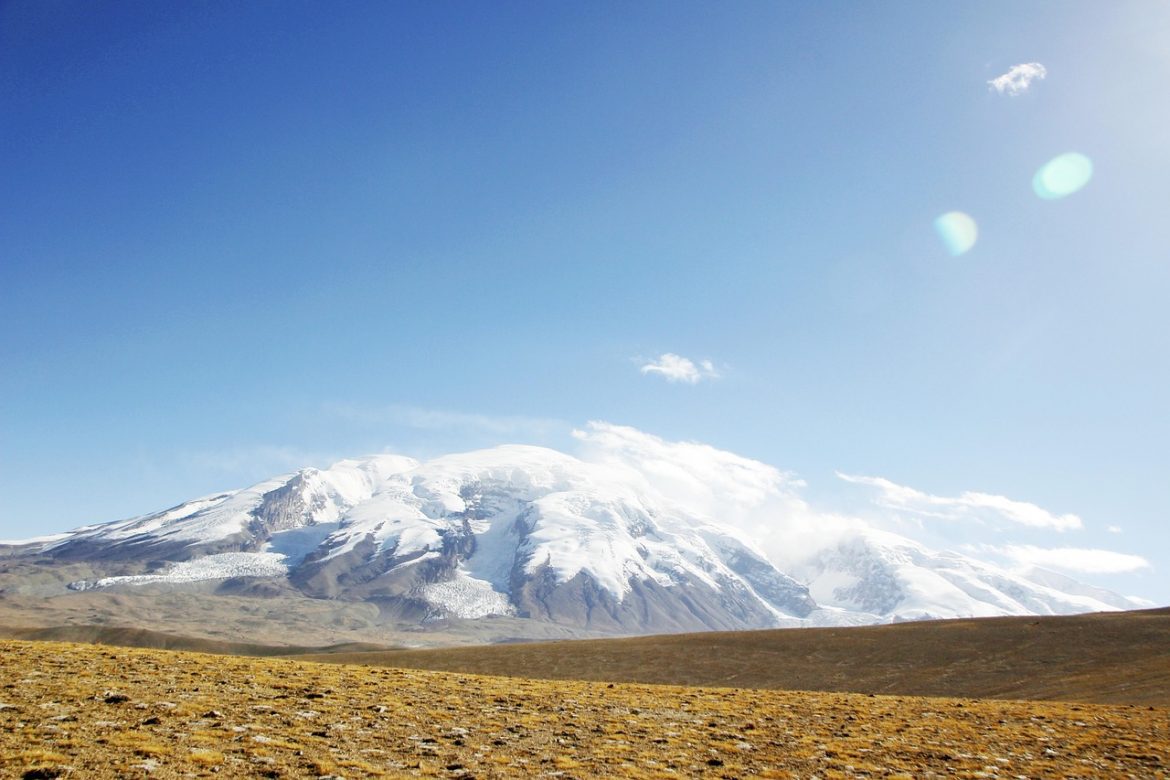
Geography explains why this ancient city matters. Kashgar is a fertile oasis near the Tarim Basin and the Kunlun Mountains, a natural pause point that once drew together traders, craftsmen, and storytellers along the Silk Road. Even today, that oasis logic shapes adventure: you can design a morning in the old quarters, then be climbing towards high passes by afternoon.
My first hour in Kashgar felt like being gently invited into a layered place. There were bicycle bells, a soft call to prayer in the distance, and the steam of tea rising in a shopfront doorway as if it were a signal. I didn’t feel like I’d “arrived”; I felt like I’d been welcomed into a rhythm—one you uncover slowly, with trust and care.


Kashgar Old City and Old Town alleyways to explore

Kashgar Old City and Old Town alleyways to explore
To explore Kashgar Old City, China, begin with your senses rather than your camera. In the old city, lanes tighten into alleyways with carved doorways, sunlit corners, and the kind of shadows that make even a short walk feel cinematic. In the old town, I loved pausing at a quiet teahouse for local insight; it’s where the day slows, and your understanding deepens.
Traditional Uyghur architecture appears in courtyards and workshop fronts—patterns in wood, warm-toned walls, and practical design built for heat and dust. Daily life feels crafted rather than curated: children darting past, a man sanding a doorframe, neighbours calling to one another across a small square. If you’re travelling high-end, this is where you’ll appreciate time as a luxury—because the real details reveal themselves only when you don’t hurry.
Look closely, and you’ll uncover tiny artisan moments that are easy to miss on a rushed itinerary. A handicraft stall might be setting out metalwork; a rug could be half-finished on a loom; pottery dries in the shade where the air stays cool. In season, a pile of jewel-red pomegranates at a doorway becomes its own still life.
Old city pace and how to explore with local support
To create a seamless walk, go early when the lanes feel calm and the photographic light is kind. Choose one neighbourhood and explore it deeply rather than trying to “tick off” the whole quarter, then add a guide for expert context and respectful support. It’s reassuring—especially if you want to ask questions, meet artisans, and understand what you’re seeing without intruding.
- Start early for cooler air and quieter streets.
- Walk slowly; the best details are at doorstep height.
- Ask before photographing, and accept “no” gracefully.
- Choose one focus: craft lanes, courtyards, or food stalls.
Sunday Bazaar energy and the livestock market scene
Sunday Bazaar energy and the livestock market scene
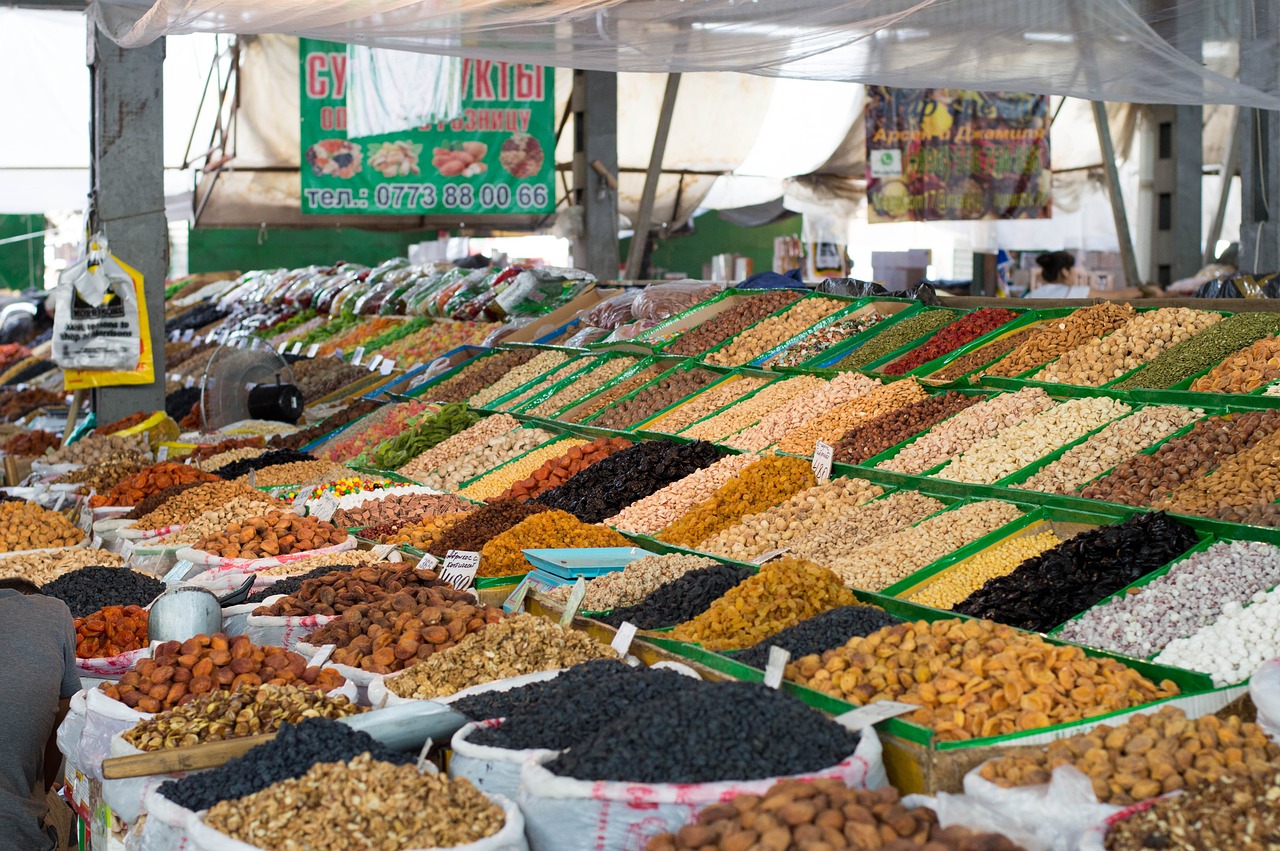
The Sunday Bazaar in Kashgar, China is the kind of market you can feel before you see. This bazaar is one of Central Asia’s great open-air gatherings—spices, textiles, tools, and the everyday items that reveal real life. It’s lively, yes, but it’s also navigable when you arrive with a plan and a steady, curious mind.
An adventure seeker I travelled with still laughs about their most memorable purchase: a simple woven scarf that became a whole conversation. They bargained slowly, smiling, letting the seller lead the tone—then they offered a price that felt fair to both sides. What stayed with them wasn’t the discount; it was the sense of building trust together, in a tiny exchange that felt human rather than transactional.
Bazaar bargaining with confidence and care
Negotiating here is normal, but it doesn’t need to be aggressive. Keep your energy warm, ask questions, and be willing to walk away politely if it doesn’t feel right. When you approach bargaining as cultural exchange, you’ll often receive better stories—sometimes even an extra pinch of spice slipped into your bag with a grin.
The livestock market is a separate sensory moment—usually earlier in the day—and it deserves careful presence. Expect noise, movement, and serious business; keep space, follow your guide’s cues, and avoid getting between animals and handlers. Observing without judgment is a quiet form of respect, helping the experience feel grounded rather than overwhelming.
Small practical choices make the morning seamless. Carry low-denomination notes, keep valuables tucked away, and photograph only with permission—especially if you’re close enough to make eye contact. A few words of greeting go a long way, even if your accent makes everyone smile.
Id Kah Mosque and the Khoja Mausoleum with respect
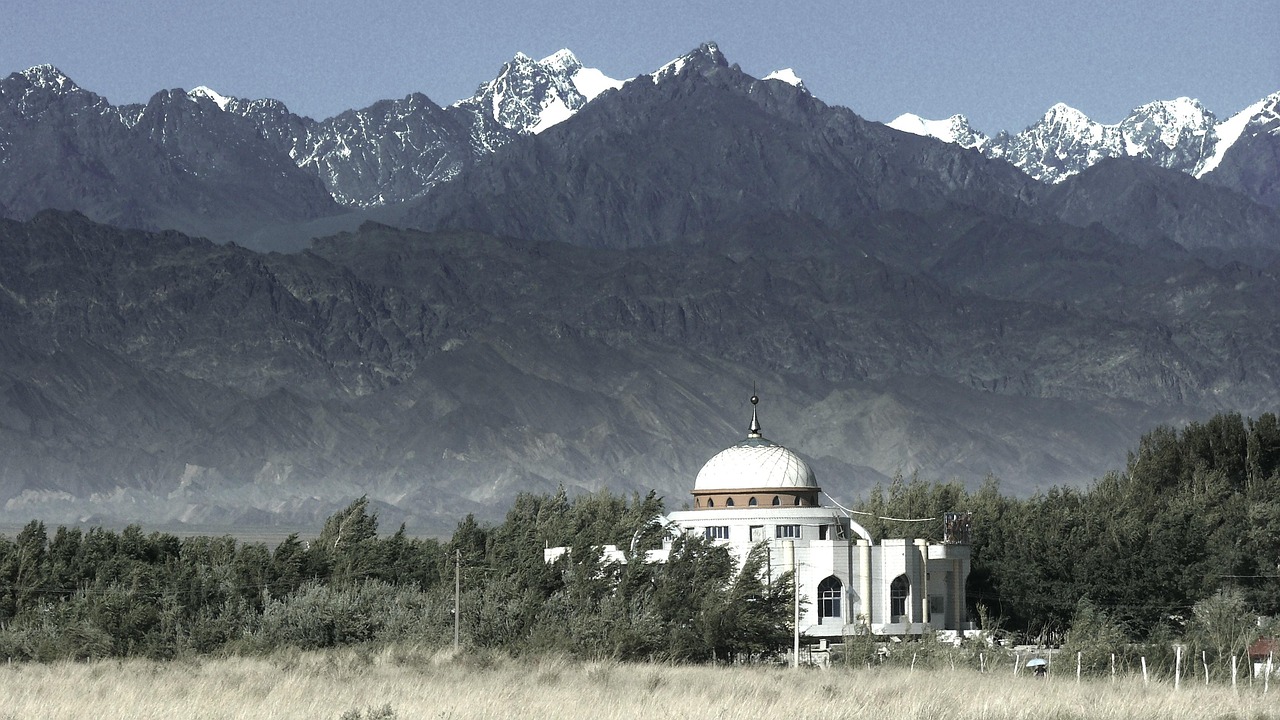
Id Kah Mosque and the Khoja Mausoleum with respect
Visiting the Id Kah Mosque in Kashgar, China, is less about “seeing a sight” and more about entering a space of living meaning. The square outside can be busy, but inside the atmosphere often shifts—cooler air, softer voices, a quieter pace. Dress modestly, keep your presence gentle, and time your visit thoughtfully so you don’t interrupt prayer or community routines.
Not far away, the Khoja Mausoleum offers another layer of history—an architectural ensemble that reads like a memory made of tiles and light. This mausoleum complex (a revered tomb) helps you feel how the city gathered stories from travellers and saints across the ancient Silk Road. It’s a place to stand back, listen, and let your understanding settle.
Mausoleum and Id Kah Mosque etiquette that reassures
- Ask before entering areas that look private or active.
- Remove shoes if signage or a caretaker requests it.
- Be careful with photography; some spaces may be sensitive.
- Speak softly and keep phones silent.
For a deeper thread, remember Kashgar has been shaped by dynasties and trade routes over centuries. Records and influence stretch from the Han dynasty through the Tang era and into the Qing dynasty, each period reshaping movement, governance, and exchange through this crossroads. In older sources, the settlement was called Shule, a reminder that names change even when the place remains itself.
Seen this way, faith and history aren’t “add-ons” to your itinerary—they’re part of the city’s texture. Travel here feels most rewarding when it’s guided by care: you can be curious and still be considerate. That balance is the real luxury.
Trip to Karakul Lake in the Pamirs from Kashgar
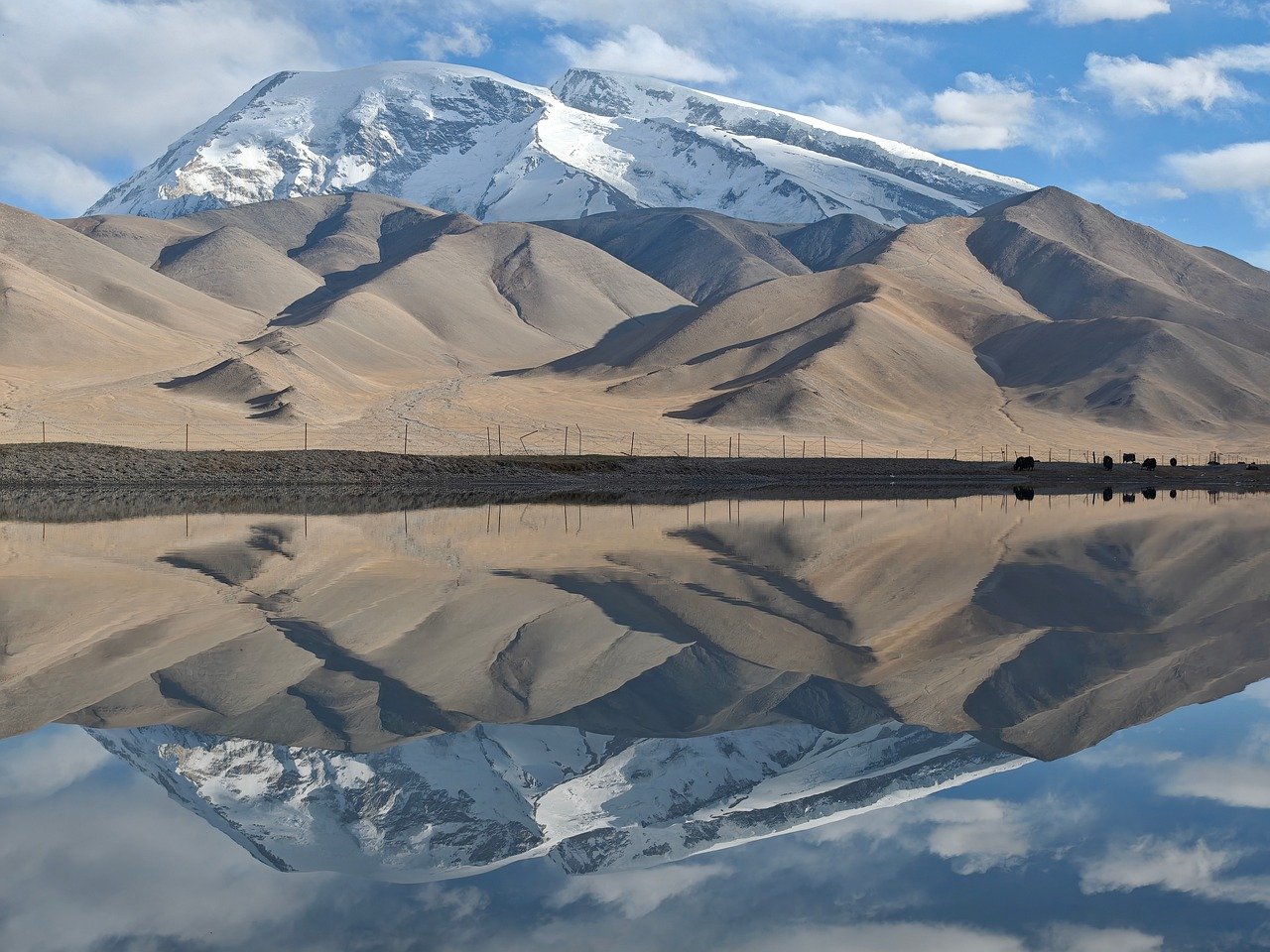
Trip to Karakul Lake in the Pamirs from Kashgar
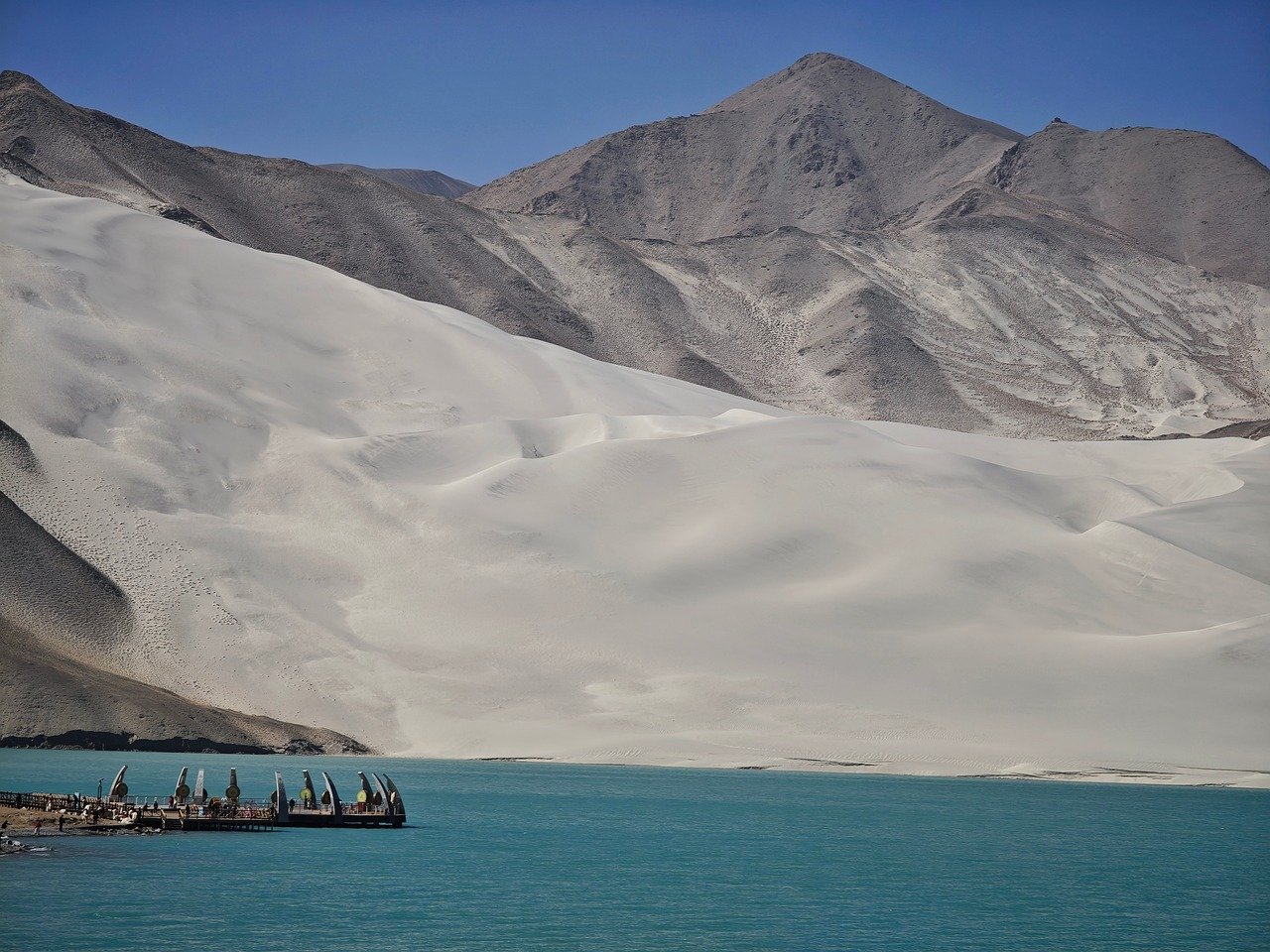
A trip to Karakul Lake from Kashgar, China, is where the journey turns cinematic. You leave the city’s warmth behind and rise steadily into the Pamirs, with the landscape widening until it feels like the sky has more room. Arriving at the waterline, the stillness can be startling—in the best way—like the world has lowered its voice.
One of the most meaningful moments I’ve heard came from a nomad’s life story shared over salted tea near a simple home. They spoke about resilience in seasonal rhythms: moving with the weather, protecting animals, and reading the mountains like a calendar. It was a generous insight, offered without performance—and it reminded me that cultural immersion is not something you take, but something you’re trusted with.
Pamirs altitude comfort and what to pack
High elevation changes how you feel, so design the day with gentle pacing and a little extra care. Hydrate, eat lightly, and walk slowly when you first arrive; a calm rhythm helps you adjust with confidence. Mountain weather can turn quickly, even in warmer months, so the right layers keep everything seamless.
- Warm layer and windproof jacket for fast-changing air.
- Water, snacks, and sun protection (UV can feel stronger).
- Cash for small purchases where mobile payment may not work.
- A light scarf for dust, wind, and comfort.
Purely in geographic terms, the sense of crossroads is real: you’re not far from Kyrgyzstan, Tajikistan, Pakistan, and Kashmir, and the mountains hold that quiet frontier scale. The word Pamir itself feels like an inhale—short, clean, expansive. Overnighting nearby can be magical if you want stars and silence, but even a day trip delivers that wide-open reset.
Taklamakan Desert edge camel moments and music nights
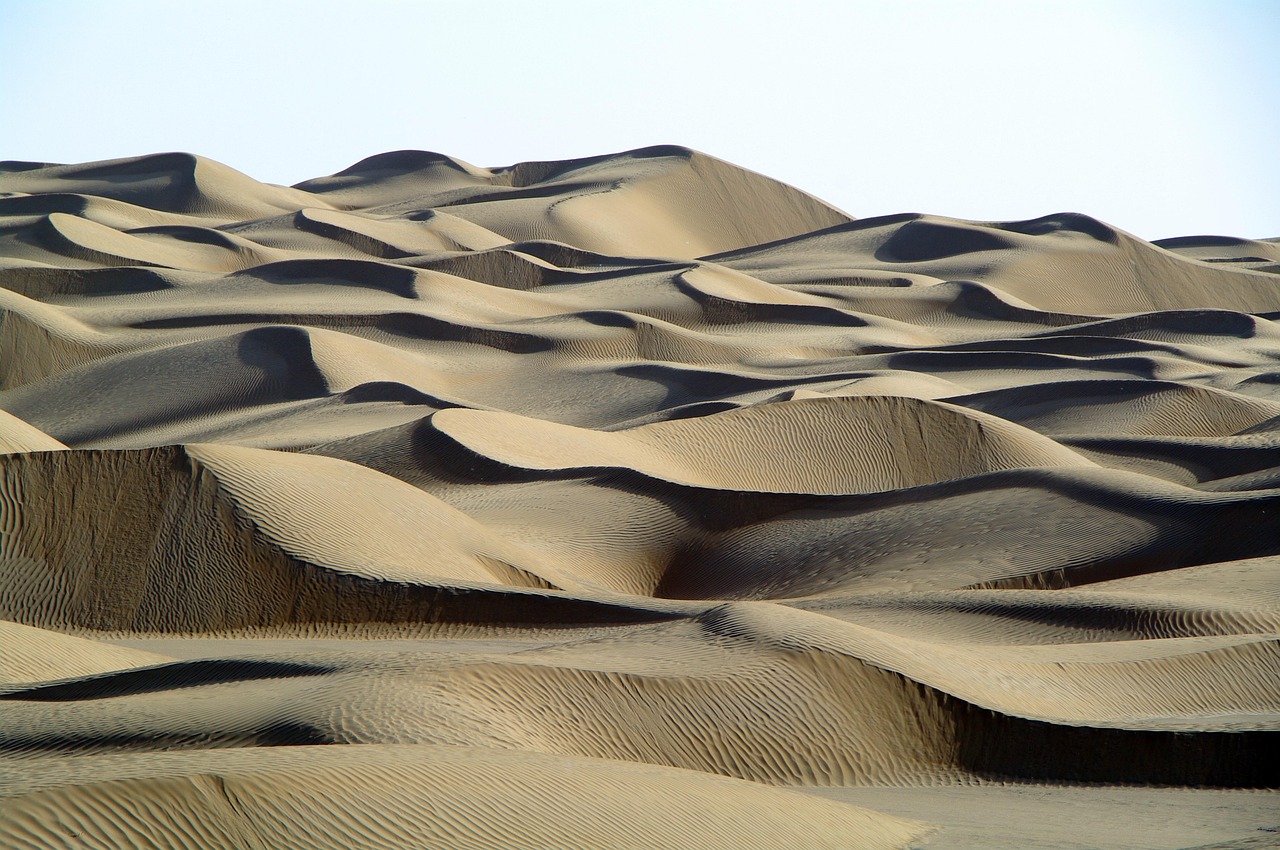
Taklamakan Desert edge camel moments and music nights
At the Taklamakan Desert edge near Kashgar, China, a camel ride can be less about adrenaline and more about presence. Choose operators who put animal welfare first: calm handling, sensible ride lengths, shade and water where needed. When you do it well, the experience becomes meditative—a slow sway, soft footfalls, and a horizon that invites you to imagine old routes without turning them into a theme park.
One evening, I joined local festival celebrations where dance and music filled the room. Travellers weren’t pushed to perform; instead, we were guided to listen, clap gently, and learn the shape of a rhythm. It felt like community joy—shared carefully, with boundaries that made it easier to participate respectfully.
Silk Road nights with Uygur culture and local music
You’ll hear the Uyghur language in greetings and songs, and it adds another layer to the city’s soundscape. Spoken of with care, Uyghurs are not a monolith; they’re neighbours, shopkeepers, musicians, and families living daily life with pride and pragmatism. When you meet people with a warm hello and genuine interest, cultural exchange becomes something you create together.
And yes, the Silk Road imagery still belongs here—just use it thoughtfully. Standing at the desert’s edge, it’s easy to picture a single caravan moving between dune and oasis, carrying ideas as much as goods. In that moment, you understand why this landscape shaped movement—and why it still shapes the traveller’s imagination now.
Create a seamless Kashgar plan with expert local support
Create a seamless Kashgar plan with expert local support
For Kashgar, China travel tips—best time to visit, transport, costs, and a local guide—start with the season. April to October tends to bring pleasant weather and a more vibrant street scene, especially on market days. Shoulder season can feel calmer, with softer light and fewer crowds, which many high-end travellers find more comfortable for slow exploration.
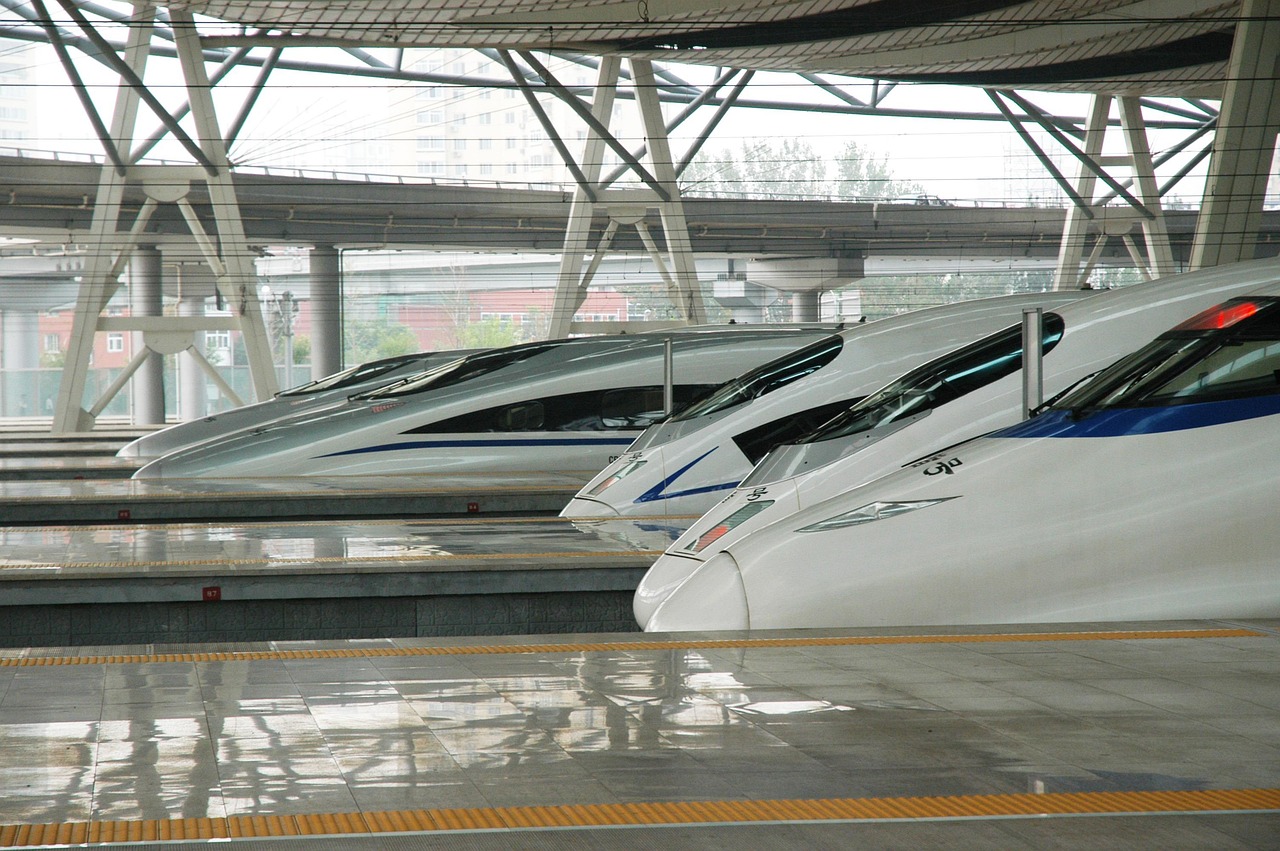
Getting there with confidence is straightforward when you plan the connections. Fly into Kashgar Airport, often routing via Urumqi, the capital of Xinjiang, or choose trains if you prefer the romance of distance (with a longer time and comfort trade-off). If your wider itinerary includes other Silk Road classics like Turpan, build rest days in—Xinjiang rewards travellers who don’t rush.
Costs are generally reasonable: entrance fees are usually affordable, and guides and drivers are where you’ll want to invest for seamless support. Cash still helps for small purchases, though mobile payments are common in cities; your hotel can advise what’s most reliable during your dates. In markets, negotiate lightly—aim for a fair price that preserves trust, and don’t let bargaining become the whole story.
- Dress modestly at religious sites and carry a light scarf.
- Ask permission before photographing people, especially elders.
- Learn a few Mandarin phrases, plus a greeting or two, locally.
- Use vetted guides for context, access, and respectful logistics.
Where to stay shapes your entire experience. Consider a homestay for one or two nights if it’s arranged responsibly—one traveller told me their favourite memory was being offered home-cooked meals and warm hospitality, with the family gently guiding what was appropriate to ask and what was better simply felt. That kind of care creates the most seamless rhythm: mornings that start slowly, afternoons designed for discovery, and evenings that feel genuinely local.
If you want inspiration for how a broader China journey can be crafted around these moments, browse our Trip gallery and imagine the route that fits your pace. Kashgar works beautifully as a focused chapter in a longer story—especially when you travel with expert support and room to breathe.
Finally, a small map note for the curious: Kashgar sits on routes that once linked westward towards the Fergana Valley and Uzbekistan. You don’t need to chase every connection to feel the meaning of place. You only need to travel attentively.
F.A.Qs: Kashgar China
Are the Kashgar people Chinese?
Kashgar is in China, and its residents are Chinese nationals. The city is culturally diverse, shaped by Xinjiang’s history and geography, so you’ll notice a range of languages, traditions, and identities alongside everyday modern Chinese life.
Is Kashgar worth visiting?
Yes—if you value living culture, textured streets, and a sense of crossroads. Kashgar rewards travellers who like to explore slowly: Old City lanes, the Sunday Bazaar, thoughtful visits to religious sites, and mountain escapes towards Karakul Lake.
Is Kashgar safe?
Kashgar can feel comfortable for travellers who plan well and follow local rules. Use a reputable local guide, carry identification as required, respect photography sensitivities, and keep your itinerary realistic—especially if you’re heading to higher altitude areas.
What language do they speak in Kashgar?
Mandarin is widely spoken, and many locals also speak Uyghur. Learning a few polite phrases in Mandarin and a simple local greeting can make interactions warmer and more respectful, especially in markets and family-run spaces.
What stayed with me after Kashgar
What stays with me after Kashgar isn’t a checklist of sights, but the small textures that returned later, uninvited, like a familiar melody. The hush near the Id Kah square at a quieter hour, the way light fell down a lane, the soft patience of someone waiting while I fumbled for the right words. Even now, I can remember the particular warmth of tea held between both hands, and how that simple gesture made time feel gentler.
I often think about laughter at the market—how it cuts through difference without reducing it, and how trust is built in the smallest exchanges. A shared glance over a price agreed fairly, a nod of sincere thanks, a moment of being looked after without being fussed over. The region of Xinjiang can feel vast on the map, but in memory it becomes intimate: a doorway, a bench, a voice calling from a courtyard.
And then there’s the silence beyond the city, the kind you meet by high water and open sky, where thoughts settle into something clearer. It’s not that travel here changes you dramatically; it’s that it teaches you to notice—place, people, and time—more carefully. Somewhere in the mind, it remains: steam rising, footsteps fading, and the low market murmur continuing just out of view.