Post Contents
- Tea ceremonies and the Way of Tea in Japan with the history of Japanese tea ceremony
- Kyoto tea ceremony with Urasenke Chado Research Centre and Omotesenke private ceremony in Kyoto
- Kyoto tea ceremonies at Nanzenji Temple’s tatami room and matcha etiquette in Kyoto
- Kanazawa matcha tea preparation at the Camellia Garden tea ceremony experience
- Seasonal tea ceremonies in Japan plus matcha tea ceremony FAQs, cost, etiquette
- F.A.Qs: Japanese tea ceremony FAQs
- What Stays With You After the Way of Tea
Tea ceremonies and the Way of Tea in Japan with the history of Japanese tea ceremony
Tea ceremonies and the Way of Tea in Japan
When you encounter a tea ceremony in Japan, it quickly becomes clear that tea ceremonies are lived Japanese culture, not a performance staged for visitors. The atmosphere is intimate and reassuring: a host’s quiet care, a measured pace, and a sense that time has been gently redesigned for you. For many travellers, this is where a journey starts to feel personal—less about seeing, more about noticing.
At the heart of these Japanese tea ceremonies is chanoyu, often described as the way of tea. Over centuries, the practice of tea evolved into an art form, where every gesture is intentional: how a guest is welcomed, how light falls across a kettle, and how serving tea becomes a small act of trust between people. The result is a crafted calm that feels both ceremonial and warmly human.
Uncover the history of Japanese tea and the development of the tea ceremony
The history of Japanese tea begins with cultural exchange; tea was introduced to Japan through contact with the continent, alongside influences including Chinese tea traditions. Yet the history of the Japanese tea ceremony truly turns in the 16th century, when Sen no Rikyu refined aesthetics and etiquette into what we now recognise as formal tea. The Sen lineage—often simply referred to as Sen—helped shape the tea ceremony into a disciplined, deeply poetic practice.
Objects of devotion in the art of tea
Discerning guests often find that tea ceremonies reveal themselves through objects. A glazed tea bowl may hold subtle asymmetry that feels alive in the hands; a tea container might be lacquered with extraordinary restraint; a tea scoop (the chashaku) measures powdered tea with quiet authority; and the tea whisk (the chasen) turns matcha into a smooth, glossy surface. These tea utensils and tea caddies are not props—they are heirloom-quality signals of local craft, knowledge of tea, and a host’s respect for the guest.


Kyoto tea ceremony with Urasenke Chado Research Centre and Omotesenke private ceremony in Kyoto
Kyoto tea ceremony with Urasenke and Omotesenke
For travellers searching for a Kyoto tea ceremony with the Urasenke Chado Research Centre and an Omotesenke private ceremony, Kyoto is the spiritual heartland: refined streets, temple hush, and an enduring tea culture that feels both local and world-renowned. Here, schools of tea shape the atmosphere as much as the technique—subtle differences in timing, emphasis, and aesthetic choices that you’ll feel even if you can’t name them yet.
Kyoto tea ceremony at Urasenke with seamless support
The Urasenke Chado Research Centre is a prized setting for tea ceremonies because it offers a sense of continuity—serious, graceful, and reassuringly well-held. For high-end travellers, the most comfortable approach is to book through official channels or a luxury operator who can design a seamless flow: transport timing, language support, and clear guidance without making the day feel scheduled.
To make your experience feel calm and confident, consider these practical choices:
- Small-group vs private: small groups can feel convivial; private sessions offer deeper insight and more space for questions.
- Language support: ask for translation or bilingual hosting so etiquette feels natural, not stressful.
- Timing: arrive early so you enter the tea room without rush, especially in peak seasons.
Omotesenke tea school for an exclusive private tea experience
For an even more tailored encounter, an Omotesenke tea school private session can be thoughtfully paced with warm explanations from an expert host. You may hear about thin tea and thick tea—two preparations with different textures and intent within a formal tea ceremony. This is also where you feel how tea practitioners balance precision with kindness, so your first bowl never feels intimidating.
One luxury traveller described attending tea ceremonies in a centuries-old Kyoto tea house as the moment her trip shifted: her breathing slowed, her attention sharpened, and mindfulness turned from concept into lived practice. “I didn’t just watch,” she said. “I learned how to be present, and it changed how I moved through Kyoto afterwards.”
Kyoto tea ceremonies at Nanzenji Temple’s tatami room and matcha etiquette in Kyoto
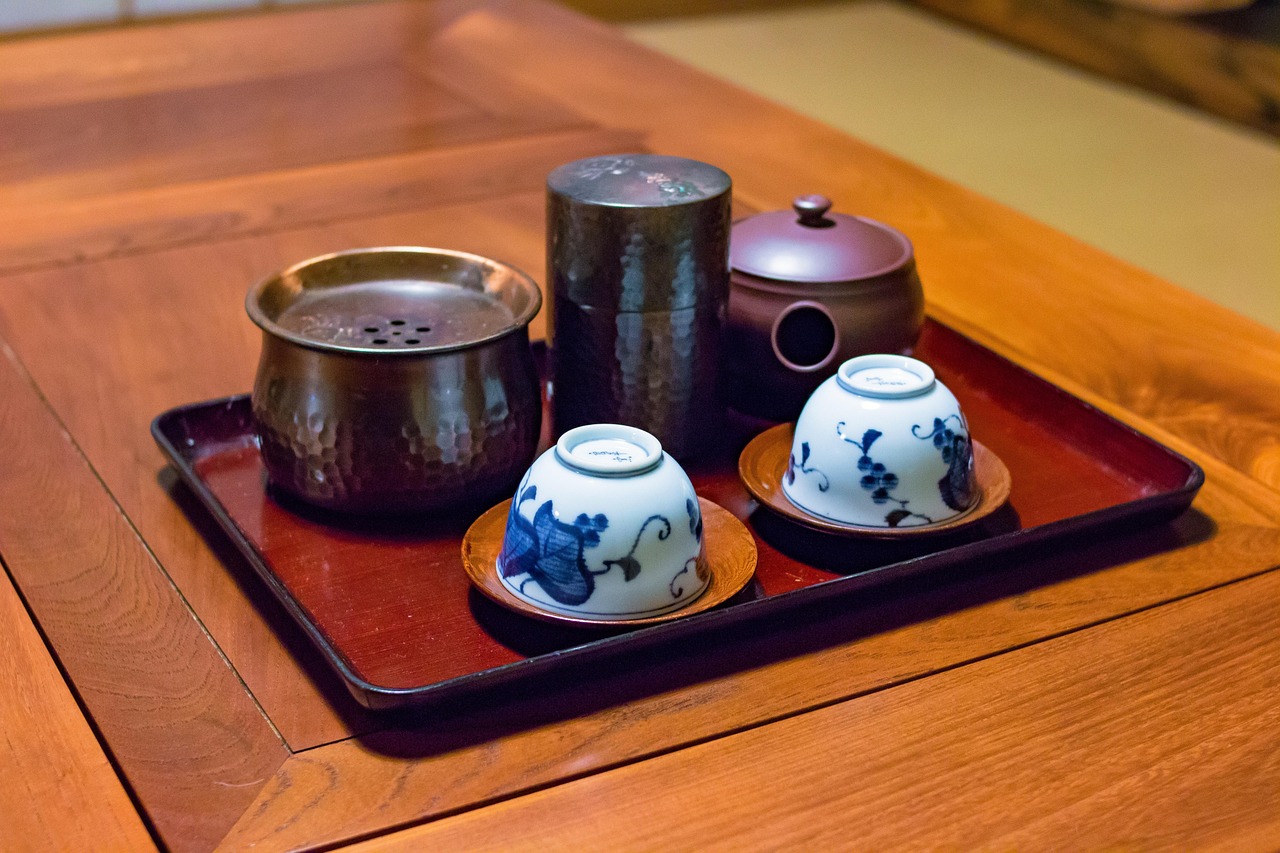
Kyoto tea ceremonies at Nanzenji and garden stillness
For those drawn to Kyoto tea ceremonies, Nanzenji Temple’s tatami-room matcha etiquette offers a particular kind of stillness—less polished than a city salon, more like stepping into a living painting. Imagine entering traditional Japanese spaces where seasonal flowers are chosen with care, and you are surrounded by a garden that seems to hold its breath along with you. Tea ceremonies here feel contemplative, with a rhythm that supports quiet reflection.
Matcha tea preparation as a sensory flow
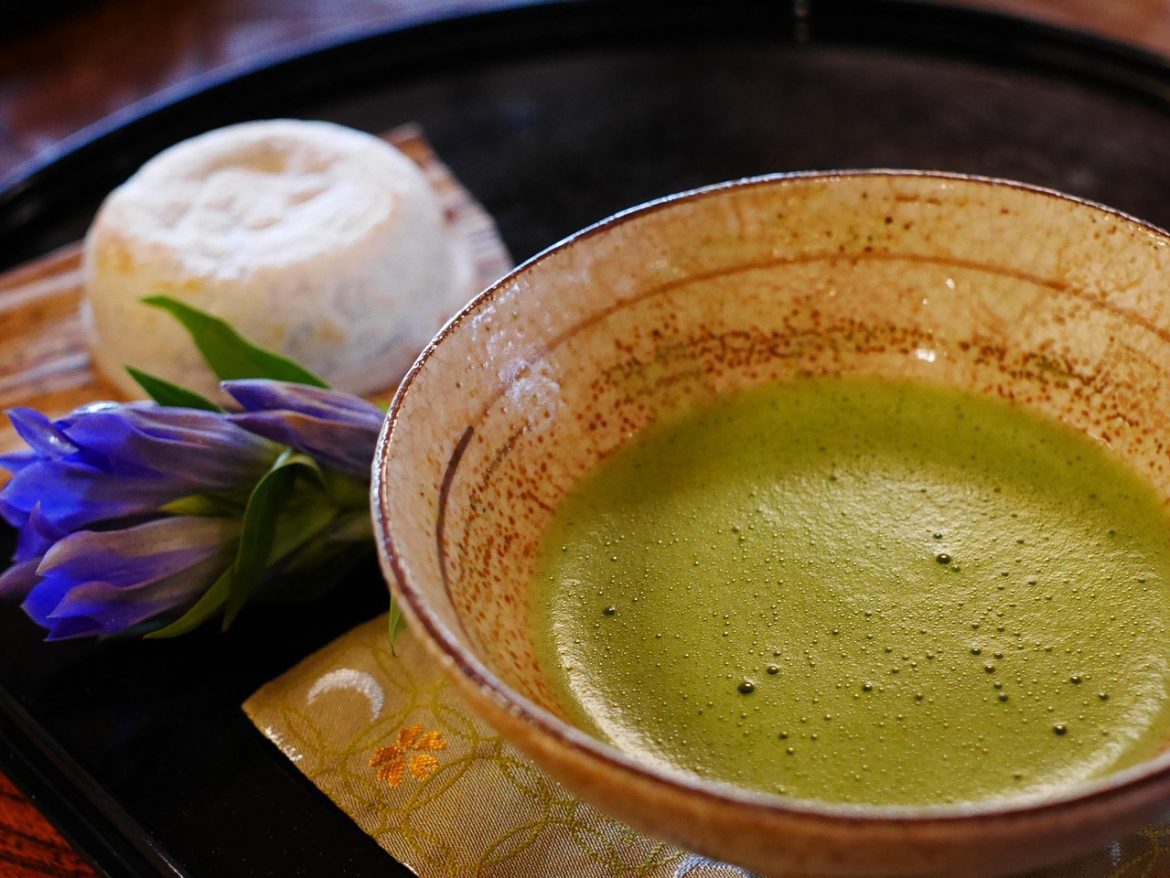
The sequence is gentle and precise: powdered green tea is measured with a tea scoop, placed in the tea bowl, then whisked until the surface turns silky. This tea preparation is often paired with a sweet—a wagashi, the traditional Japanese sweet—so the matcha can taste rounded rather than sharp. In this moment, green tea used for ceremony becomes something you experience with all senses, not just the palate.
Simple etiquette that helps you feel at ease
Good etiquette isn’t about perfection; it’s about respect. You’ll remove your shoes before stepping onto the tatami mat, and you’ll usually bow when receiving the bowl. The host will demonstrate how to hold the tea bowl and when to turn it; following their lead is the easiest path to confidence. When it’s time to drink the tea, you take a few quiet sips—this is drinking tea as a mindful act, not a hurried refreshment.
A solo traveller once told us the tea master’s hospitality at Nanzenji felt like a hand on the shoulder: warm, unhurried, and full of reassurance. The detailed explanations gave him trust in the process, and he left with a surprising insight: the ceremony’s elegance comes from how gently it supports the guest.
For high-end travellers, it’s worth designing this visit around early-morning temple calm. Ask for a respectful window for photography—soft, quiet moments that don’t interrupt others—so you can create memories without breaking the spell of the tea room.
Kanazawa matcha tea preparation at the Camellia Garden tea ceremony experience
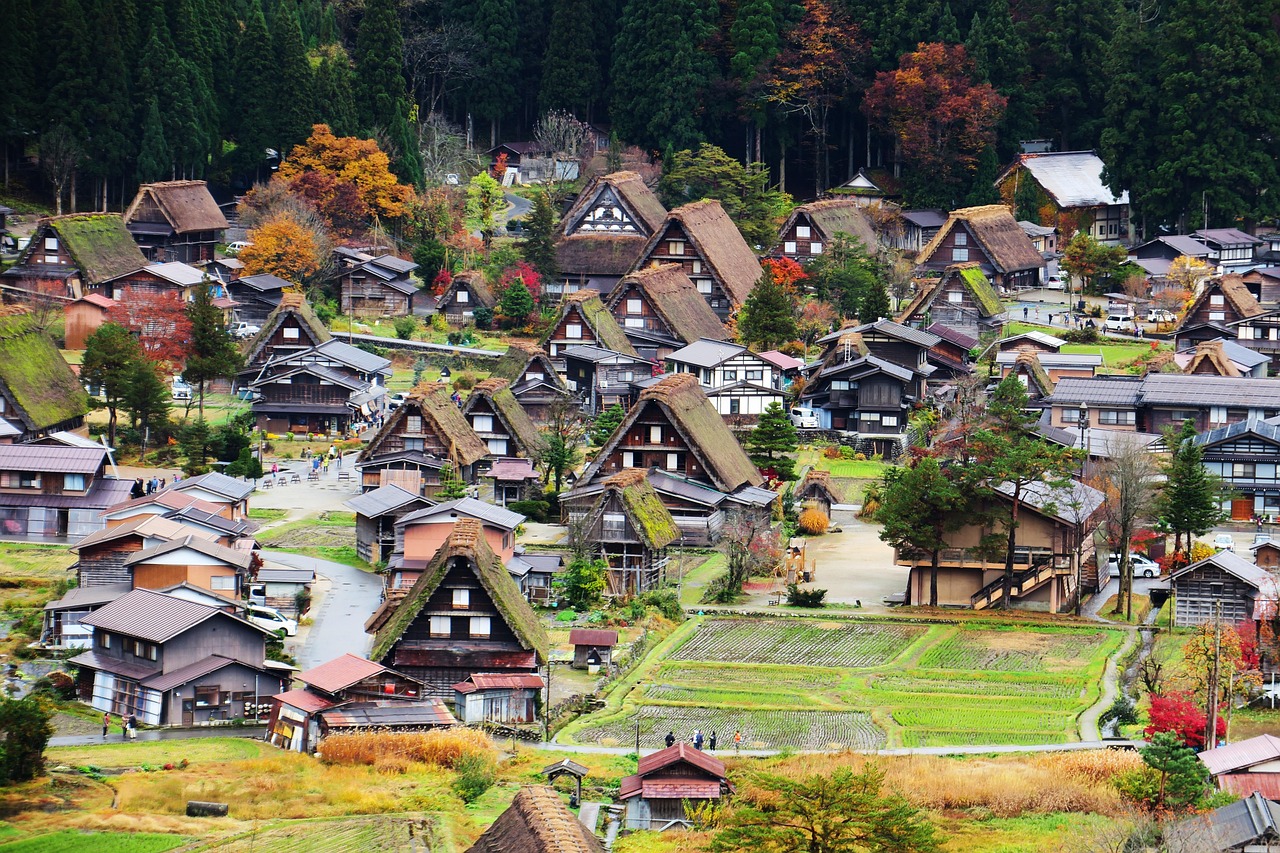
Kanazawa matcha rituals at the Camellia Garden
If you’re searching for the Kanazawa matcha tea preparation Camellia Garden tea ceremony experience, you’re likely craving something quieter and more intimate than the main classics. Kanazawa invites you to explore a city where craft is everyday life: lacquer, textiles, ceramics, and a slower cadence that makes tea ceremonies feel unhurried and deeply local.
Witness matcha rituals and curated tastings
At the Camellia Garden, the pleasure is in watching the details: how the host prepares the tea, how the tea powder is handled, and how references to tea leaves and origin appear through conversation. While matcha may be the centrepiece, you may also be introduced to different types of tea in a curated context—an elegant way to understand the type of tea, regional character, and the thoughtful choices behind a well-designed cup.
A couple described their tea gathering here as “strangely calming, like a reset button”. They still remember the tea bowl—its glaze catching light like water—and the quiet pride in the craftsmanship of the tea utensils. The ritual brought them together in a way that felt more intimate than a tasting menu, because it asked them to slow down and notice the same small things.
Design a seamless Kanazawa day around craft and calm
Kanazawa rewards a little gentle planning, especially if you want your tea experience to feel seamless rather than wedged between appointments. Consider pairing tea ceremonies with artisan districts and museum time, leaving space to wander without pressure:
- Before tea: a slow morning with galleries or a design-focused museum visit.
- After tea: explore craft streets for ceramics that echo what you’ve just held in your hands.
- Timing: choose a slot that allows a quiet arrival and an unhurried departure.
Seasonal tea ceremonies in Japan plus matcha tea ceremony FAQs, cost, etiquette
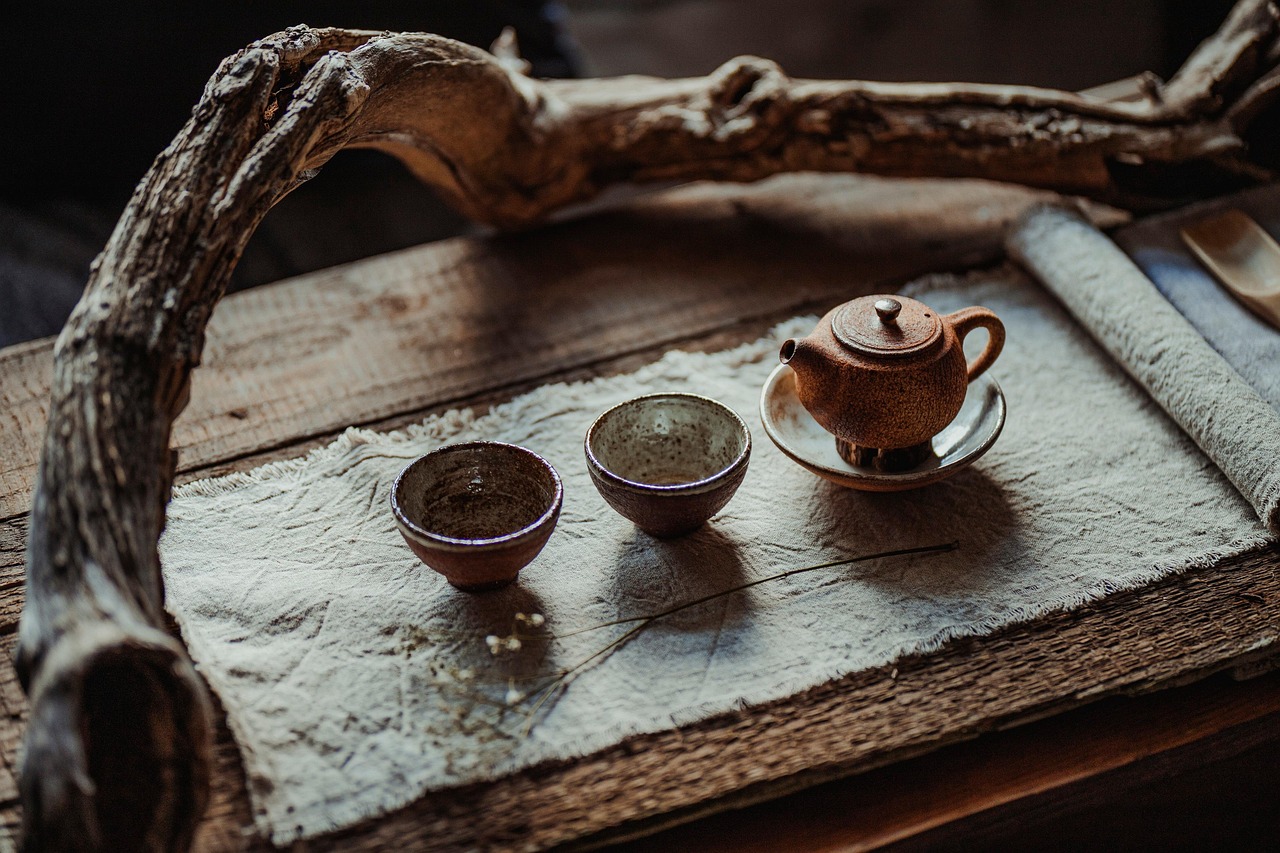
Seasonal tea ceremonies plus planning costs and tea ceremony FAQs
If you’re researching seasonal tea ceremonies in Japan, spring and autumn matcha tea ceremony FAQs, cost, and etiquette, think of your trip as having a seasonal arc. In spring (March–May), cherry blossoms soften the city and the mood; in autumn (September–November), garden colours deepen, and the air feels crisp. Tea ceremonies subtly change with the season: the scroll selection, seasonal flowers, and the shape and flavour of the accompanying sweet can all shift the room’s feeling.
Booking, access and gentle support for high-end travellers
Reserve well in advance, especially for private sessions. Kyoto is easily reached via Shinkansen from Tokyo; then local taxis or walking can be the most comfortable way to arrive at a tea ceremony venue without rushing. If you’d like to browse inspiration while you plan, our Trip gallery offers a sense of pacing and place.
For a warm, reassuring day, request support that makes everything feel effortless: clear meeting points, translation where needed, and a host who can explain the act of drinking tea without making you feel watched.
Costs, value and what is usually included
Costs typically range from 3,000 to 10,000 yen per person depending on exclusivity and venue. Value often comes from what’s included: matcha green tea and a sweet, a guided explanation, and sometimes a tasting element or translation. For high-touch experiences, you can request personalised themes—seasonal motifs, curated ceramics, or matcha tastings with expert sommeliers—crafted for couples or solo travellers so everyone feels comfortable together.
- Wear: smart casual or semi-formal works beautifully; avoid strong perfumes.
- Duration: Many sessions last 45–90 minutes, depending on the format.
- Choice of setting: a tea house offers intimacy; a temple can add spiritual stillness.
F.A.Qs: Japanese tea ceremony FAQs
What happens at a Japanese tea ceremony?
Tea ceremonies follow a calm sequence: you’re welcomed into a quiet space, a seasonal sweet may be served, and matcha is prepared with precise movements before you receive the bowl. The host explains how to hold and turn it, and then you drink in a few respectful sips. Many sessions also include a brief overview of history, utensils, and seasonal choices, so you leave with both understanding and a sense of ease.
What not to do at a Japanese tea ceremony?
Avoid arriving late, speaking loudly, or taking intrusive photos. Don’t touch tea utensils unless invited, and don’t worry about doing everything perfectly—following the host’s lead is the respectful approach. Strong fragrances can distract in a small room, so keep perfume subtle. Most importantly, resist the urge to rush; the calm pace is part of the experience.
Is it worth doing a tea ceremony in Japan?
Yes, especially if you value meaningful cultural moments. Tea ceremonies offer a rare kind of access to Japanese tradition: a live demonstration of hospitality, craft, and mindfulness rather than a museum-style explanation. Many travellers find it changes how they experience the rest of the trip—encouraging slower observation, deeper appreciation of detail, and a more personal connection to place.
What is the etiquette for attending a Japanese tea ceremony?
Wear smart casual clothing, remove shoes before stepping onto tatami, and bow when greeting or receiving the bowl. Hold the tea bowl with both hands, turn it as shown, and drink quietly. Keep your phone away, observe in silence where appropriate, and let the host guide timing. A respectful, attentive presence matters more than flawless technique.
What Stays With You After the Way of Tea
Long after Japan, what often remains is not the checklist of places, but the feeling of tea ceremonies as a lesson in attention. You might remember an autumn garden viewed in silence, or the way a host’s warmth made a formal space feel welcoming. The way of tea leaves an unexpected imprint: a quieter mind, a softened gaze, and a renewed respect for small courtesies that travel can teach.
One traveller spoke about the calm that arrived only after the bowl was returned—an afterglow of the act of drinking tea that lingered through the rest of the day. Another remembered the elegance of simplicity: fewer words, fewer gestures, more meaning. Even the objects return in memory—the weight of a tea bowl, the sound of water, and the sense that everything was arranged with care.
Perhaps that is the deepest insight of Japanese culture at its gentlest: attention is a kind of generosity. If you find yourself pausing at home—pouring water more slowly, noticing light on a table—you may realise the next bowl is not an ending at all but a quiet beginning waiting somewhere.