Post Contents
- Seoul in June and Korea weather: what to expect for the best time to visit South Korea
- Incheon airport transfers and T Money travel tips
- Gyeongbokgung Palace royal guard changing ceremony and Seoul’s best attractions
- Private Hanbok fitting and Bukchon Hanok Village
- Dongdaemun Design Plaza’s exclusive fashion exhibitions
- Michelin-starred restaurants in Seoul and a traditional tea ceremony
- Cheonggyecheon Stream evening stroll and Han River outdoor activities
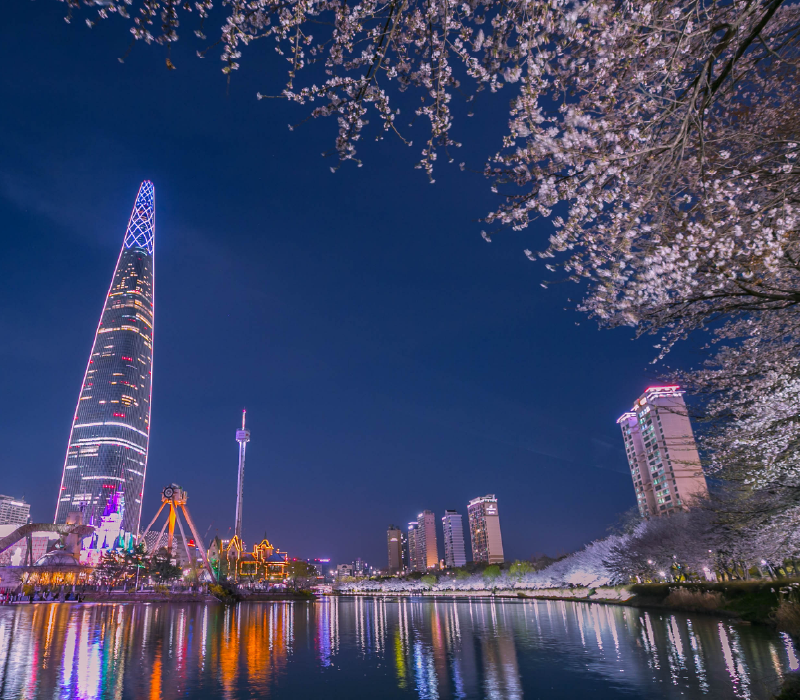
- Seoul Sky Observatory, Lotte World Tower, best time to visit Seoul views
- Day trip from Seoul, Busan, Jeju Island, and the coast of Korea
- F.A.Qs: Seoul in June travel planning
- After Seoul, what stays with you
Seoul in June and Korea weather: what to expect for the best time to visit South Korea
Seoul in June and Korea weather: what to expect
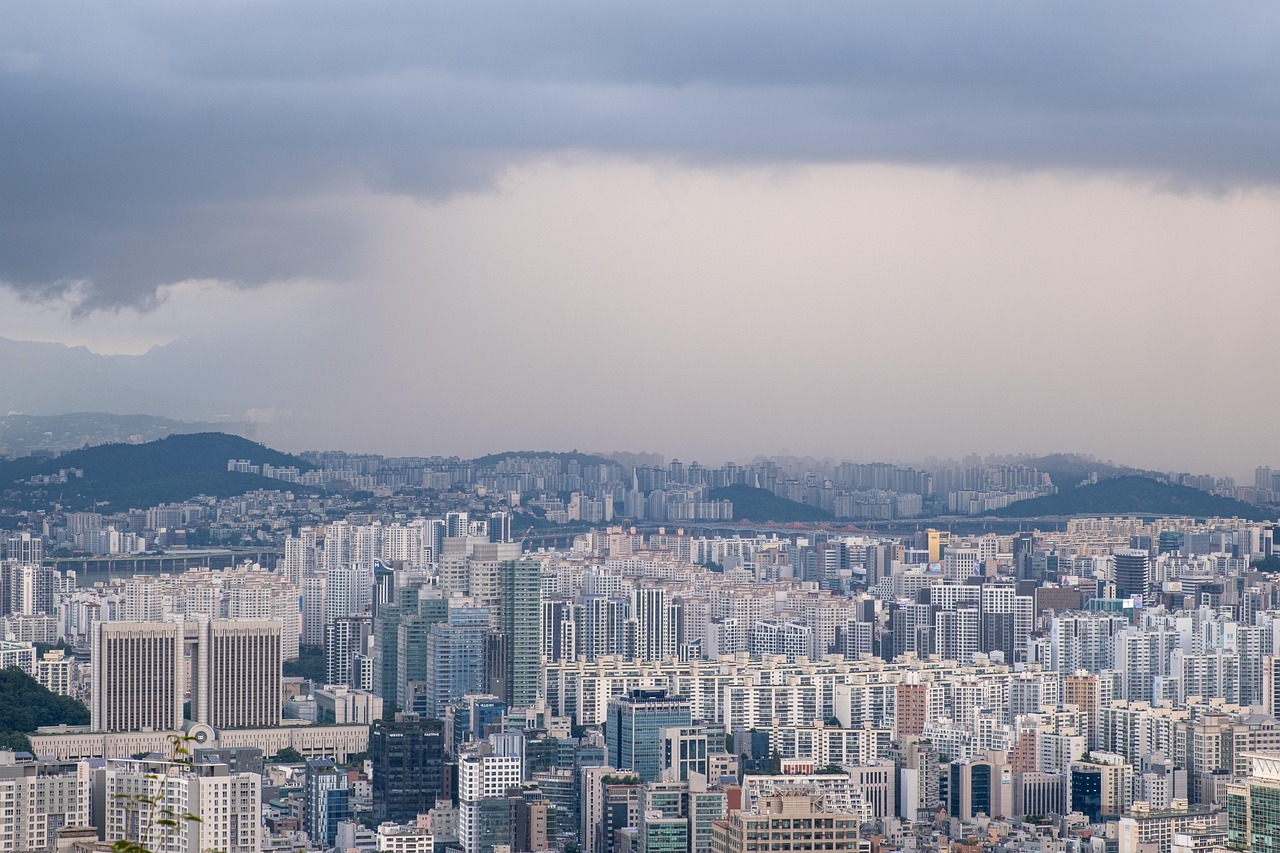
If you’re weighing Seoul in June, Korea’s weather, the best time to visit South Korea, and the time to visit, June often lands in a quietly sweet spot. It can be a good month to visit because you can feel summer energy without the full weight of July and August, and the city still offers time outdoors without everything being peak-season intense. It’s also a very different mood from spring’s cherry blossom rush and the cherry blossom festival, when hotel prices and popular photo streets can feel relentlessly busy.
June offers long daylight hours for exploring, and a sense that Seoul is opening up—terraces, pop-ups, riverside wandering, and late-night neighbourhood rhythms. For high-end travellers, that means your days can feel crafted: cultural mornings, air-conditioned afternoon pauses, then design-led evenings that stay polished rather than tiring.
Korea weather snapshot for June in Korea
Korea’s weather in June is typically warm, with humidity rising as the monsoon season approaches. The average temperature in Seoul sits in a comfortable range for sightseeing, while average high temperatures can push into true summer territory—especially later in the month. You may experience high humidity, and there’s a realistic chance of rain, so think of June as “sun with a soft warning label”. Rainfall can arrive in quick bursts rather than all-day grey, but it’s wise to watch the weather forecast daily.
In practice: plan your most outdoor, photo-focused moments for the beginning of June or the beginning of the month if you can. Korea is still relatively manageable then, and it’s easier to enjoy palaces and traditional lanes without feeling hot and humid by midday.
What to pack for summer in Korea
High-end packing for summer in Korea is about breathable elegance. Think linen, fine cotton, and silk blends that hold shape in humidity. Add a light jacket for chilly, air-conditioned interiors—department stores, galleries, and some restaurants can feel surprisingly cool.
- Polished rain plan: a compact umbrella, water-resistant loafers, and a structured tote that won’t sag if caught in a shower.
- Comfort cues: discreet anti-humidity essentials (blotting papers, a travel mist) and a refillable bottle to stay hydrated.
- Timing support: the best times to see major sights are early morning and late afternoon, for pleasant weather and less crowded paths.
Before you lock in bookings, also check the best festivals and events for your dates, as well as holidays in Korea in June and public holidays that can affect museum hours, restaurant availability, and traffic flow.
Incheon airport transfers and T Money travel tips

Arriving in South Korea and moving around Seoul in style
For travellers planning to visit South Korea, Seoul luxury transfers, Incheon Airport, Seoul Metro, T Money travel tips, the first hour sets the emotional tone of your trip to Korea. Incheon International Airport is efficient, but comfort comes from removing friction: a VIP-style meet-and-greet, fast-track support where available, and limousine airport transfers or a private car service waiting with calm certainty.
That seamless arrival matters in June, when you may step from a cool cabin into warm air with building humidity. A private transfer means you can settle in, sip water, and arrive at your hotel with your look intact—unhurried, composed, and ready to explore.
Where to base yourself for high-end South Korea travel
Choose your neighbourhood like you choose a table: for mood, not just proximity. Heritage-adjacent areas near palace precincts offer quiet mornings and beautiful walks, while design-forward districts lend themselves to gallery hopping and contemporary shopping. If you want river views, position yourself for late-day light and calmer nights; it’s an easy way to create a “city retreat” feeling inside Seoul.
If you’d like visual inspiration before you travel to South Korea, browse our Trip gallery for a sense of pacing and style.
Getting around with confidence using the Seoul Metro
The Seoul Metro is comprehensive, clean, and genuinely useful for visitors who want control over timing. Pick up a T-Money card to tap in and out with ease, then use taxis when you’re dressed for dinner or carrying shopping. For a truly crafted day—palace, hanok, designer exhibitions—an expert guide or private driver makes the route feel intentional, saving energy for the moments that matter.
- Payments: mobile payment apps like KakaoPay are widely accepted, but carry some cash for smaller vendors.
- Safety: Stay alert in crowded areas and keep valuables secure, though Seoul is generally safe.
- Etiquette: a small bow when greeting and removing shoes in hanok homes or some temples builds trust through respectful details.
Gyeongbokgung Palace royal guard changing ceremony and Seoul’s best attractions
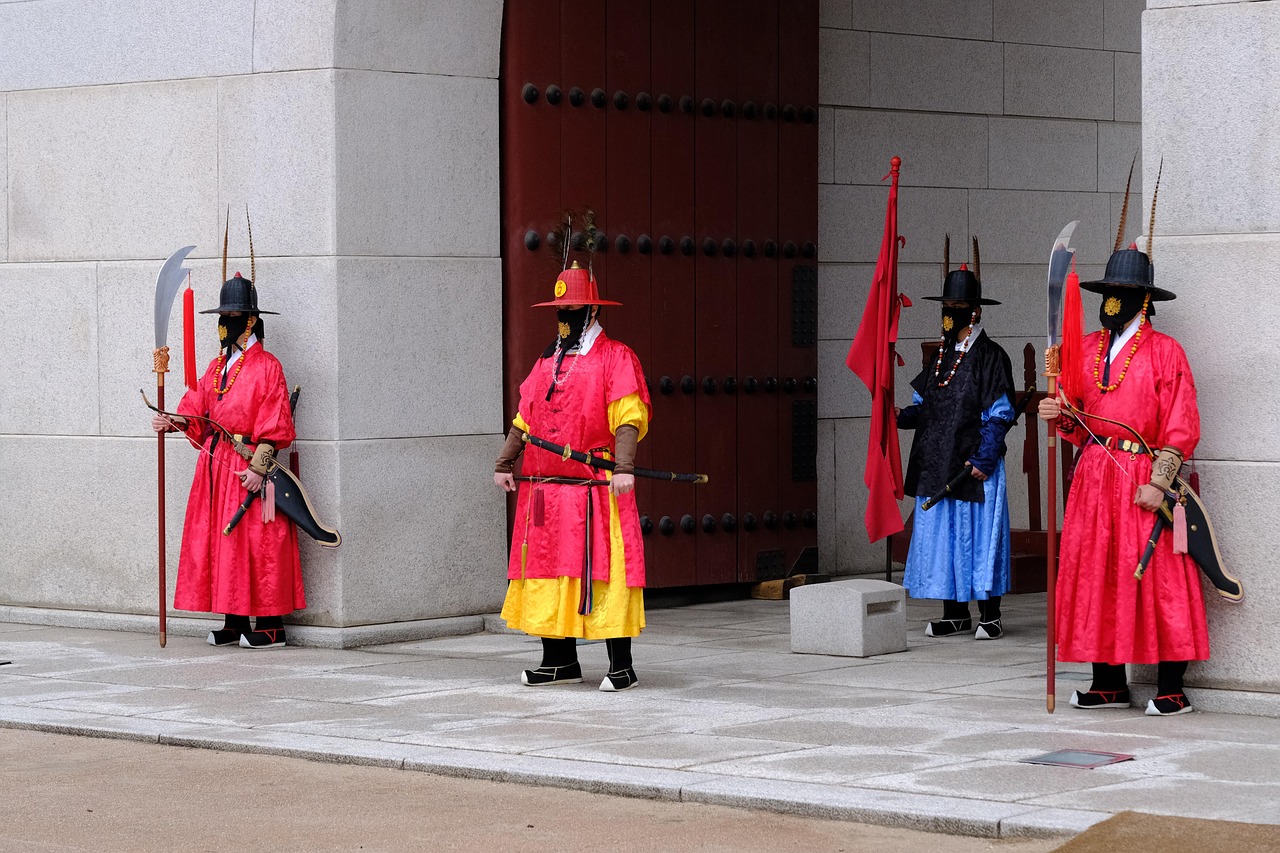
Gyeongbokgung Palace morning rituals and best attractions
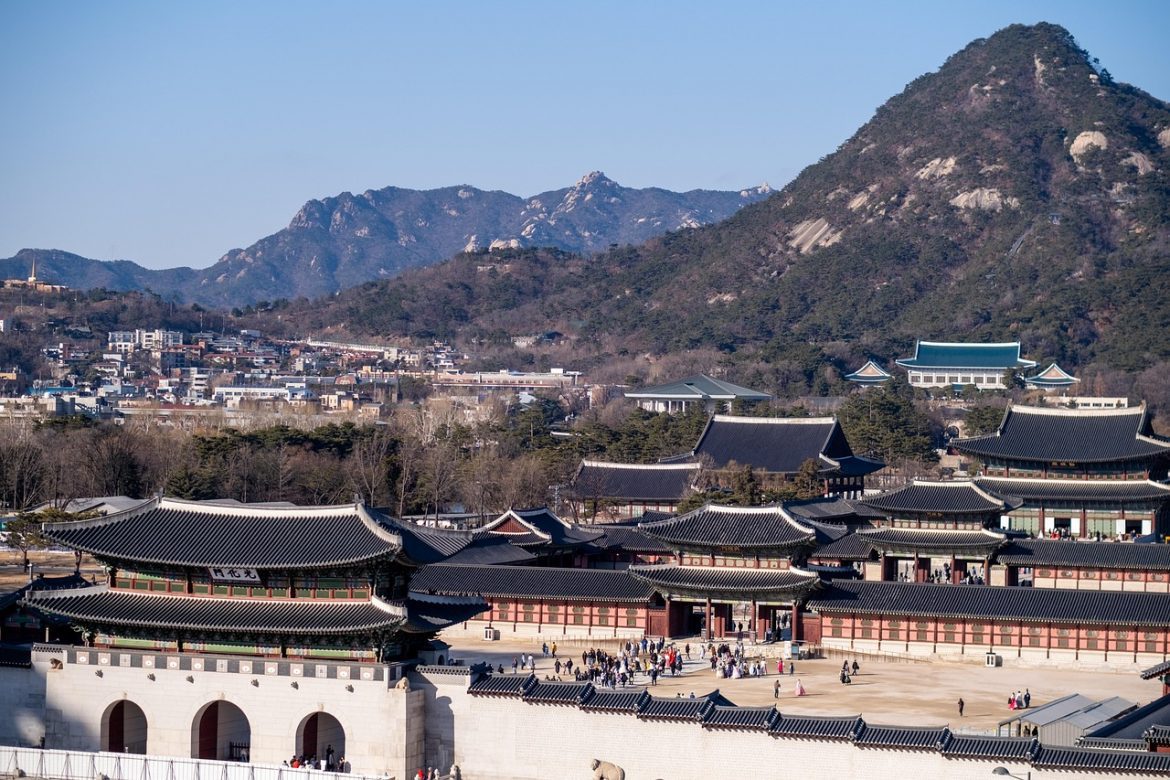
To experience the Gyeongbokgung Palace royal guard changing ceremony, visit Seoul’s best attractions, and see Seoul at its most moving, design your morning like an insider. Arrive early—earlier than feels necessary—and let Seoul meet you in a quieter register. You’ll hear footsteps in wide courtyards, see light catching painted eaves, and have space for wandering around without being pulled into the speed of group tours.
A high-end traveller once shared that their early visit felt unexpectedly peaceful and intimate: fewer people, gentler sound, and time to simply explore the palace grounds without constantly stepping aside for photos. That’s the secret here—June’s warmth rewards early starts.
Visiting Korea in June with shade breaks and calm pacing
When visiting Korea in June, elegance often comes down to pacing. Build shade breaks into your route, carry water, and choose a refined hat or parasol if you like—practical, yes, but also beautifully on-theme in palatial settings. If you’re sensitive to humidity, plan a mid-morning café pause in an air-conditioned space before continuing to the next neighbourhood.
This is also one of the best things to do for first-time visitors because it places you in the heart of Seoul, where dynastic history shaped the city’s sense of order, ritual, and aesthetics. You don’t need a lecture to feel it; the geometry and stillness do the work.
Upgrade options for a crafted palace morning
Consider a private historian-led walk for deeper insight, especially if you’re drawn to design, symbolism, or court life. For the ceremony, arrive early to choose a good viewing position; some guides can help you stand where the sightlines are clean, and photographs feel effortless. Then leave by a gate that points you naturally towards your next stop, so the day flows seamlessly rather than doubling back.
Private Hanbok fitting and Bukchon Hanok Village
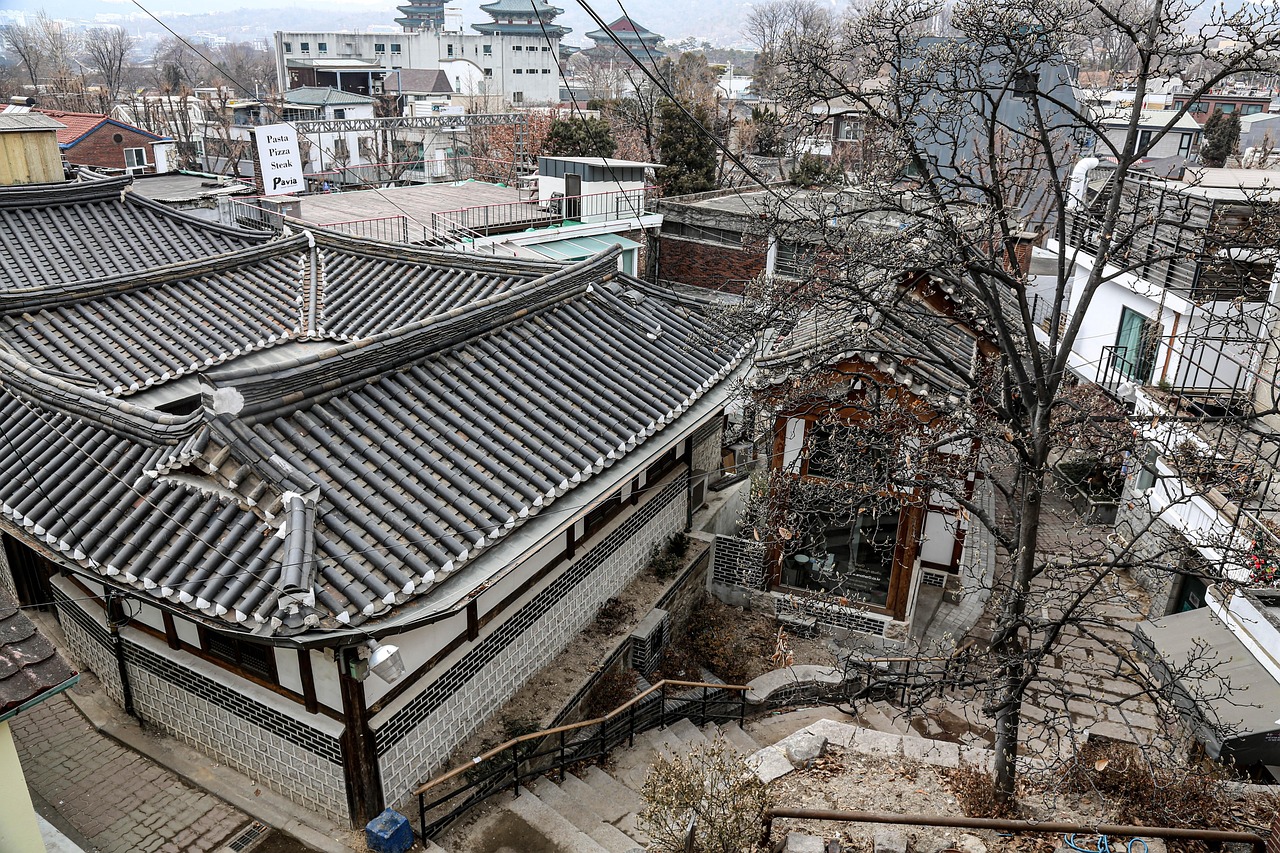
Hanbok fitting and Bukchon Hanok Village crafted heritage
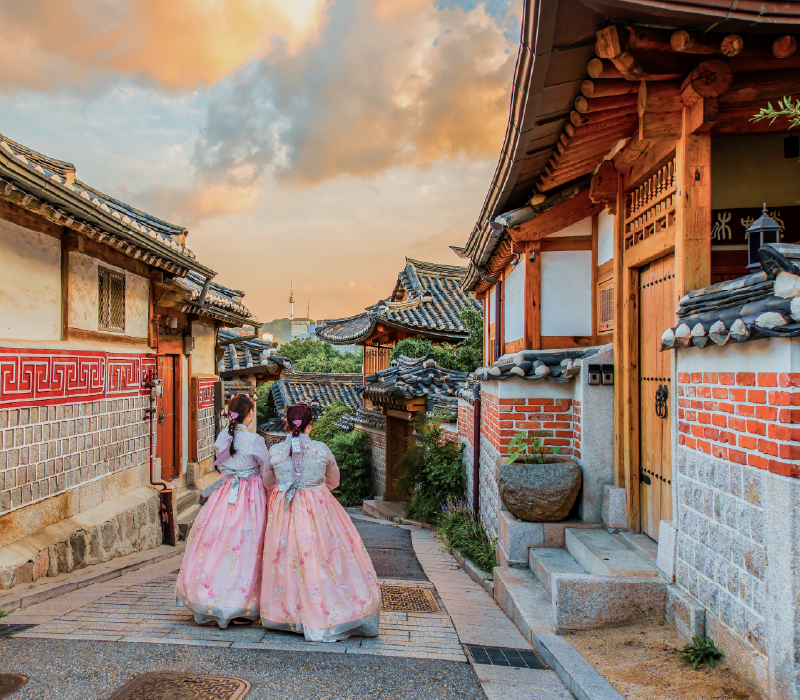
If your ideal day includes private hanbok fitting, Bukchon Hanok Village, Seoul traditional architecture, and local insight, treat it as a design experience rather than a costume. A private fitting session should feel tailored: thoughtful colour selection, proper proportions, and comfort adjustments for summer in South Korea. In June, ask for lighter underlayers and breathable fabrics so you can move gracefully, even as the day warms.
One visitor described the delight of wearing a tailored hanbok and capturing stunning photographs in Bukchon’s lanes—images that felt personal rather than performative. That’s the point: you’re not dressing up to impress others; you’re creating a memory you’ll keep.
Best time to visit Seoul for Bukchon’s softer light
The best time to visit is usually early in the day or late afternoon, when the light becomes gentle, and the village feels less crowded. Bukchon is a living neighbourhood, so the most luxurious approach is quiet respect: low voices near residences, no blocking doorways, and a relaxed pace that supports local life as much as your own experience.
If you’re worried about “getting it wrong”, let that go. A little care carries you: a small bow if you meet someone’s eyes, patience on narrow lanes, and following signage about photo-sensitive areas.
Places to see nearby with a calm mini-loop
After your walk, uncover a few places to see that keep the mood curated: a small craft workshop, a ceramics gallery, or a tiny textile space where contemporary makers reference tradition without copying it. Finish with a café chosen for calm rather than queues—some hanok-style cafés offer shaded courtyards that feel like a soft landing before the next chapter of the day.
- Comfort cue: bring blotting papers and water; June humidity can build quickly.
- Photo ease: ask your guide for angles that respect privacy while still capturing rooftops and curved lines.
Dongdaemun Design Plaza’s exclusive fashion exhibitions
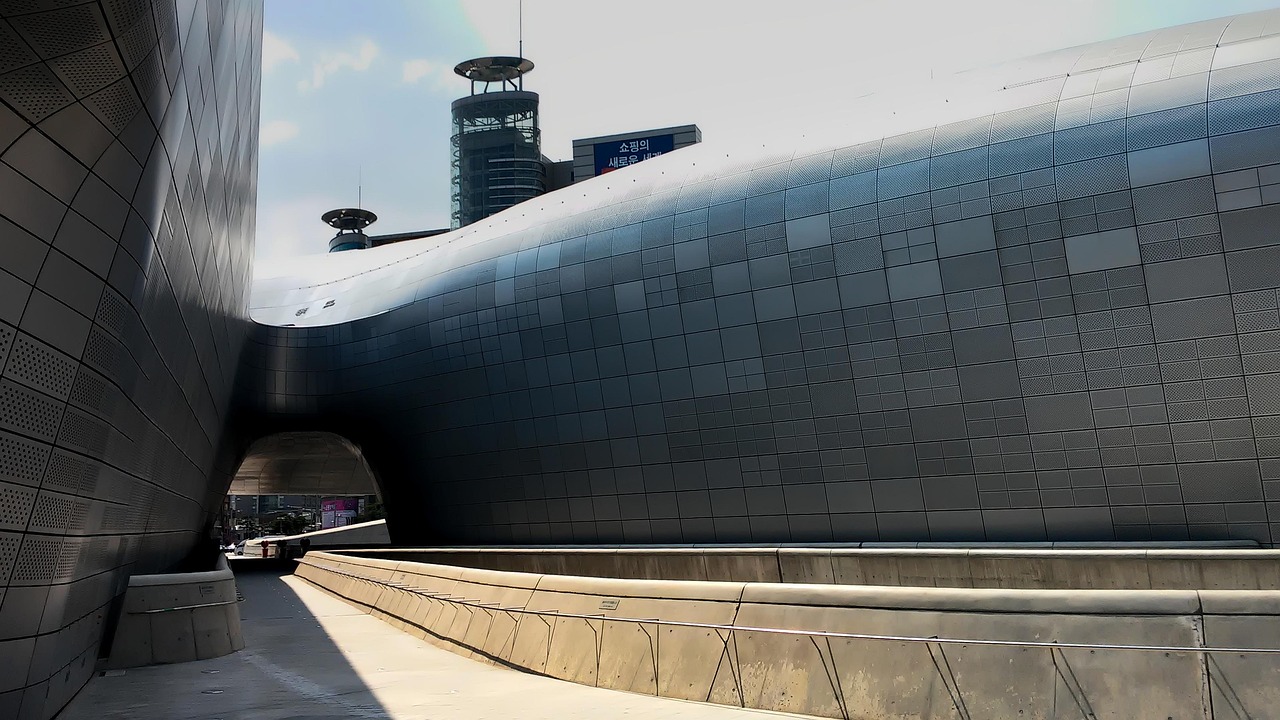
Dongdaemun Design Plaza fashion and contemporary Seoul design
For travellers drawn to Dongdaemun Design Plaza’s exclusive fashion exhibitions, late-night shopping, and Seoul design, DDP is less of a “mall” and more of a design pilgrimage. Come explore exhibitions, pop-ups, and concept spaces that spotlight contemporary Korean creativity—materials, silhouettes, and ideas that feel distinctly Seoul yet globally fluent.
An art enthusiast once recounted discovering emerging Korean designers here during a private tour; it sparked their own design journey back home. That’s the DDP effect: you arrive curious, and you leave with new references—colours, textures, a different way of seeing.
Late-night shopping with confidence in June in Korea
Late-night shopping can be exhilarating, especially in June in Korea when evenings still feel warm and energetic. To keep it seamless, aim for later start times after dinner, and go midweek if you can. Pre-book private viewings or stylist appointments when offered, and keep your valuables secure in busy areas—quietly and without anxiety.
DDP sometimes anchors seasonal programming, so check listings if your dates coincide with a festival atmosphere. Even when you’re not attending a formal event, the district can feel like a moving showcase of street style and creative play.
Curated add-ons for a discover and create day
Balance your “discover” energy with genuine rest. Built in time in air-conditioned interiors—museum spaces, lounges, or a coffee stop that feels designed rather than crowded.
- High-end fashion stops: concept boutiques, a curated department store floor, and an atelier-style appointment if you enjoy made-to-order pieces.
- Recovery rhythm: return to your hotel to refresh before the night section of your itinerary—small resets keep June travel feeling luxurious.
Michelin-starred restaurants in Seoul and a traditional tea ceremony
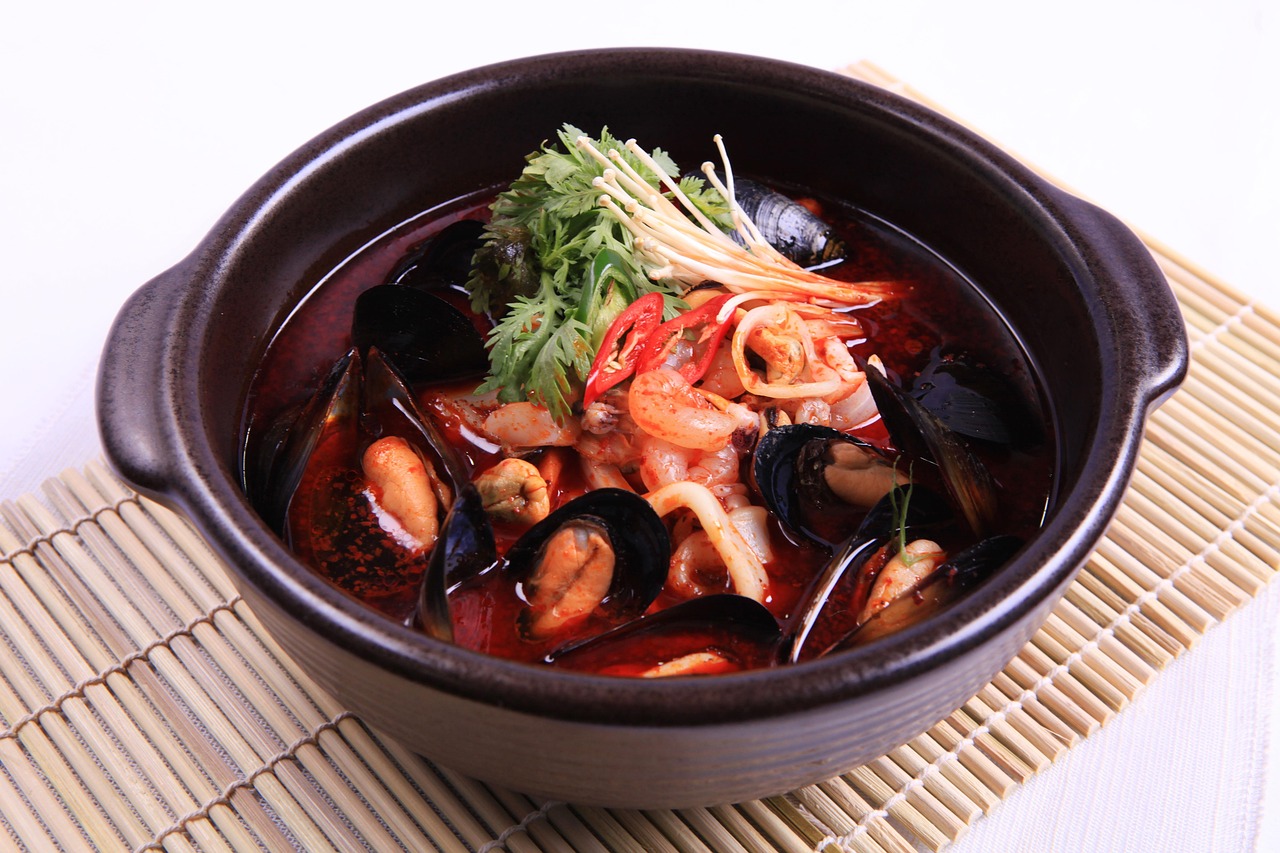
Michelin dining and a traditional tea ceremony with insight
If you’re planning Michelin-starred restaurants, Seoul’s contemporary Korean cuisine, and a traditional tea ceremony, think of dining as a form of cultural insight. Seoul’s Michelin scene can be thrillingly modern—fermentation traditions reframed, seasonal produce elevated, and plating that feels like design. High-end travellers should budget approximately $50-100 per Michelin-starred meal (more with wine pairings), and book reservations months in advance, especially for weekends.
To keep the experience supportive rather than stressful, ask your concierge to confirm dietary preferences and seating requests. The best meals in Seoul often feel like a conversation—between the chef, the ingredient, and the room.
How to choose the right table for your travel rhythm
If you love process, choose a chef’s counter for detail and storytelling. If you’re celebrating, a private room offers intimacy and the control to set your own pace. For couples who want softness, request a calmer corner table; it can transform a meal into an unhurried, deeply personal experience.
In June, consider earlier dinner times if you’ve been out in the warmth all day—your body will thank you, and you’ll still have time to enjoy the city afterwards.
Tea ceremony as a serene cultural immersion
Now slow everything down: a traditional tea ceremony in a boutique teahouse. A couple once reminisced about their ceremony, where the host shared ancient customs with such warmth that the hour became unforgettable. It wasn’t performative; it was care in action—gentle gestures, quiet explanation, and time to breathe.
- Etiquette made easy: accept the cup with both hands, keep your voice soft, and follow the host’s lead.
- June comfort: pace heavier meals away from midday heat and keep hydration elegant—water between courses, tea in the afternoon.
Cheonggyecheon Stream evening stroll and Han River outdoor activities
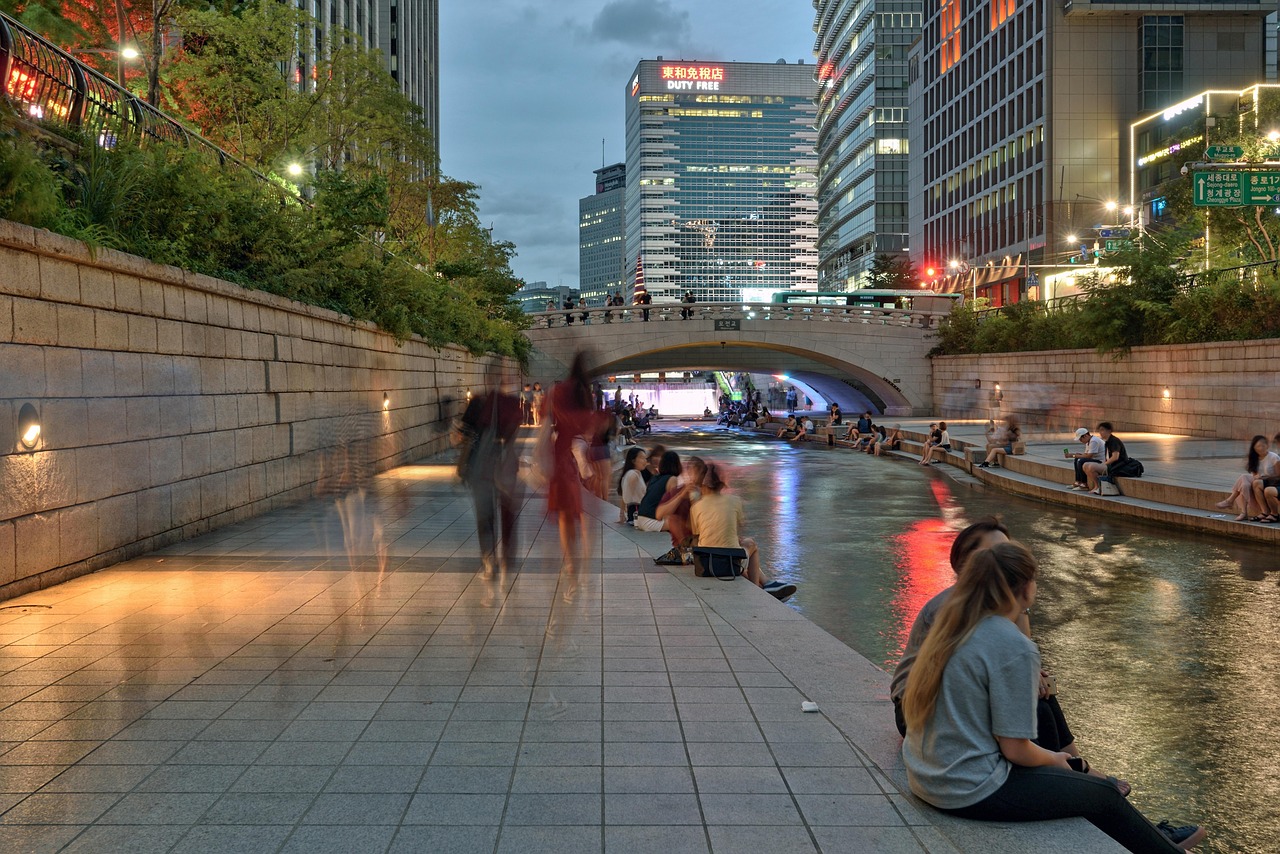
Evenings in Seoul Cheonggyecheon Stream and the Han River
For an unforced reset, plan a Cheonggyecheon Stream evening stroll, Seoul Han River outdoor activities as your evening anchor. Cheonggyecheon is photo-friendly without trying too hard: ambient lighting, small bridges, and the sense that Seoul softens after dark. It’s one of those places where you can simply walk together, letting the day settle into memory.
A solo traveller once described the unexpected tranquillity here—how the waterline felt like a quiet corridor through the city’s intensity. If you want that same comfort, choose a route that stays well-lit, avoids rushed crossings, and gives you time to enjoy rather than “tick off”.
Han River options for time outdoors and sunset views
If you’re craving more open space, the Han River offers wider skies and gentle riverside wandering. Aim for sunset viewpoints when skies are clear, then linger as lights come on across the bridges. If the air feels heavy with humidity, shorten the walk and shift to a nearby gallery or an air-conditioned lounge—your evening can still feel designed.
In summer in South Korea, comfort is a real luxury. Check the weather forecast, bring a small towel or handkerchief, and step into a convenience store for cold water without any fuss.
Safety and ease in warm, busy areas
Seoul is generally safe, but crowded areas still require some caution. Keep your belongings secure, and choose a crossbody bag with a zip for busy sections. Then let your shoulders drop—confidence comes from small systems, not worry.
- A together moment: pick one quiet spot to sit, listen, and watch the city pass—no photos, no agenda.
Seoul Sky Observatory, Lotte World Tower, best time to visit Seoul views
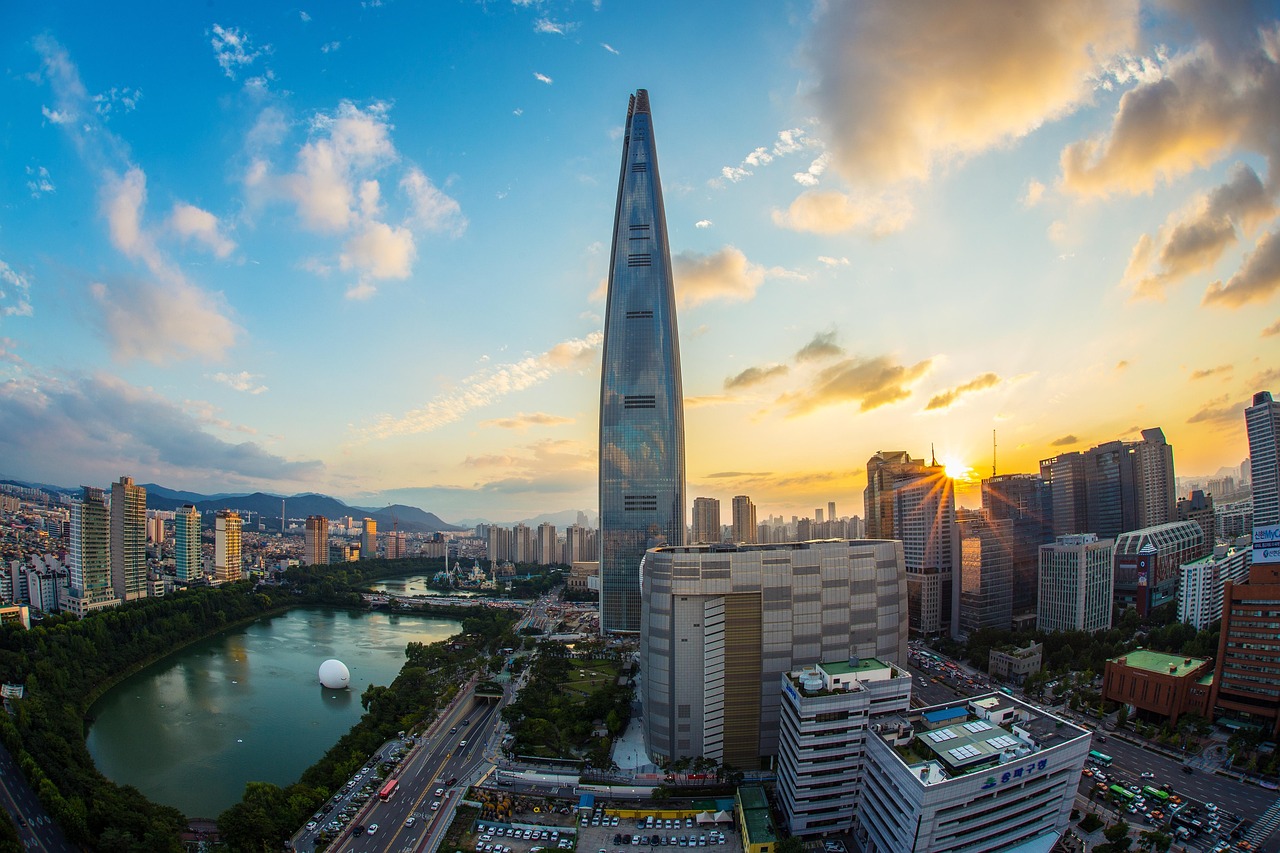
Seoul Sky Observatory and the city from above best time planning
For a classic modern crescendo, plan Seoul Sky Observatory, Lotte World Tower, and the best time to visit Seoul, with intention. The best time of light is often golden hour into night, when the skyline transitions from reflective glass to a constellation of windows. On June weekends, book ahead and arrive slightly before your intended slot to avoid peak queues and keep the experience feeling seamless.
This is the moment when scale changes everything. Imagine the city grid stretching outward, the river curve drawing a quiet line through the density, and the way Seoul becomes suddenly legible—designed, layered, alive.
Ticketing, lounge upgrades and photography tips
Buy tickets online where possible, and consider lounge upgrades if you value calm space and a more curated feel. For photos, press your lens close to the glass and wear darker clothing to reduce reflections. Keep a light jacket in your bag; moving from warm streets to chilly indoor viewing areas is common.
If you’re travelling with family or friends, agree on a meeting point inside—simple coordination supports an unhurried mood.
Pairing suggestions for an elegant night
Pair your visit with a crafted dinner reservation nearby, or opt for a late-night dessert stop that feels calmer than the busiest streets. If you’re comparing seasons, note how autumn colours change the skyline mood—more copper and clarity—yet June has its own glow, especially after rain has rinsed the air.
Day trip from Seoul, Busan, Jeju Island, and the coast of Korea
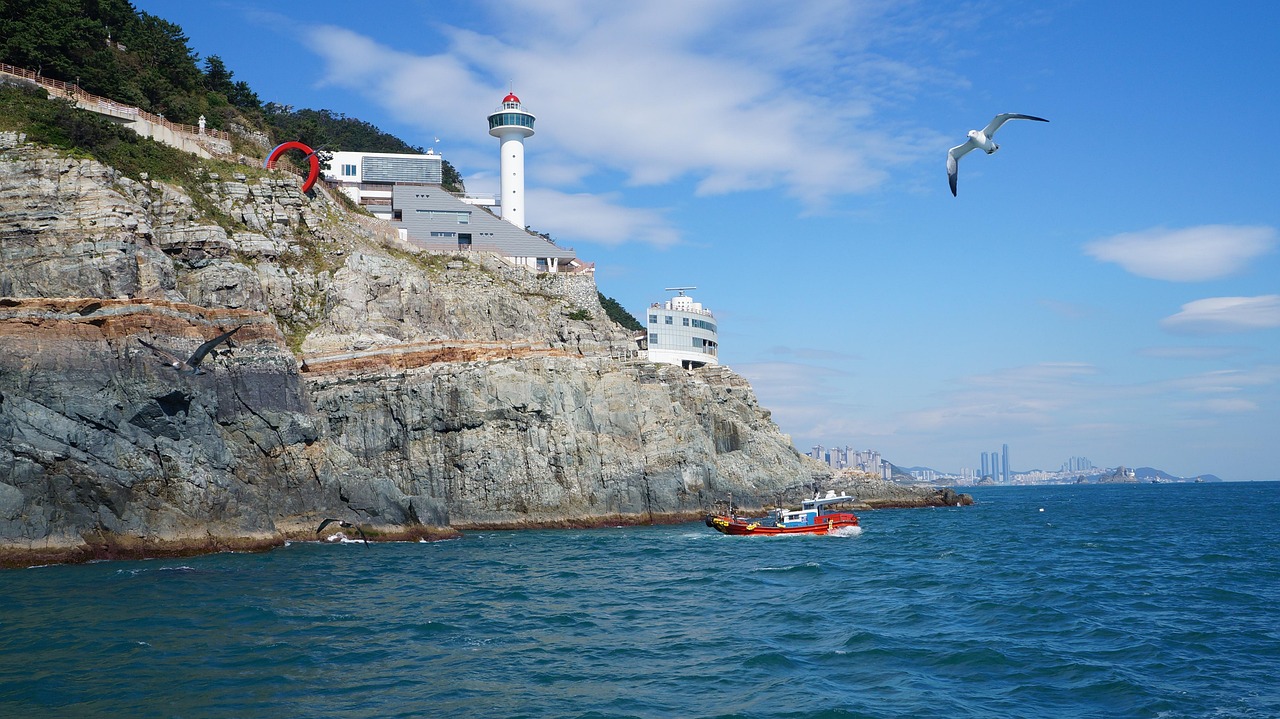
Beyond Seoul day trip ideas Busan Jeju Island and the coast of Korea
If you want a change of texture beyond the capital, consider a day trip from Seoul, Busan, Jeju Island, or the coast of Korea, festivals as a curated menu rather than a checklist. A single day trip can reset your senses—more sky, a different pace, and a sense of Korea’s breadth beyond Seoul’s polished intensity.
For something gentle and seasonal, Sangdong Lake Park in Bucheon offers flowers in full bloom and an easy wander that feels restorative. For a light hike with views and natural beauty, try Simhak Mountain in Paju—enough elevation to feel you’ve left the city, without turning the day into an endurance event.
South of the capital, with Busan and the sea
To visit Busan, you can take a fast train and be by the coast of Korea within a few hours. Even one night can feel luxurious: a sea-facing hotel, a slow breakfast, and time to enjoy the sound of water. If you’re festival-curious, look up the Busan One Asia Festival (date-check essential) to see if it overlaps with your plan.
For travellers who prefer calm over crowds, aim for weekdays, and let your hotel arrange transfers so your schedule stays seamless.
Jeju Island as an aspirational add-on
Jeju Island changes everything—more nature, more space, and a softer rhythm that supports reflection. Premium transfers make logistics easy: a private car to the airport, a short flight, and a driver waiting on arrival. If your timing aligns with larger events elsewhere, you might also research the Boryeong Mud Festival on the mainland; it’s not for everyone, but it’s a vivid example of Korea’s playful contrasts.
For a design-minded uncover moment, consider a farm near Korea’s east coast as a quiet counterpoint to Seoul—simple, local, and unexpectedly grounding.
F.A.Qs: Seoul in June travel planning
Is June a good time to visit Seoul?
Yes—June is a great time to visit if you like warm days, long evenings, and a lively city before the busiest summer peak. Expect rising humidity and a chance of rain as monsoon season approaches, so plan outdoor sightseeing for early or late in the day and keep a smart rain option in your bag.
What is the 52-hour rule in Korea?
The “52-hour rule” refers to South Korea’s legal cap on the working week: 52 hours total (typically 40 regular hours plus up to 12 overtime). For travellers, it can subtly influence business hours and service rhythms, but in Seoul, most restaurants, shops, and attractions remain very visitor-friendly.
What to do in Seoul, Korea, in June?
In June, prioritise early palace visits such as Gyeongbokgung and the royal guard ceremony, then enjoy a private hanbok fitting and a guided walk in Bukchon. Add time for contemporary design at Dongdaemun Design Plaza, book Michelin dining well in advance, and finish with calming evening walks along Cheonggyecheon Stream or by the Han River.
What to wear in Seoul in June?
Wear light, breathable clothing that stays polished in humidity—linen, fine cotton, and airy layers work well. Bring a light jacket for chilly indoor air-conditioning, plus comfortable footwear for walking. A compact umbrella or sleek raincoat is useful, as June can bring sudden showers.
After Seoul, what stays with you
After Seoul, what often remains isn’t a list of landmarks, but a few precise feelings. The quiet dignity of morning rituals at the palace. The way a hanbok’s fabric moved as you turned a corner in Bukchon. The creative lift of contemporary design that made you want to create something of your own, even if it’s just a new way of looking.
You may remember how the city held you in small acts of trust: a host placing a tea cup into your hands with care, a concierge smoothing a reservation, a stranger stepping aside with a gentle nod. Travelling well isn’t perfection; it’s attention—respectful choices that let you feel at home, even far away.
And perhaps that’s what South Korea gives, especially in June when the days are long and the nights invite you to slow down: a softer awareness. More patience. More curiosity. The sense that you can move through a new culture with confidence, and still stay open to surprise.
If you return one day, it needn’t be to do more—only to notice differently, and to let Seoul meet you again, exactly as you are.