Designing South Korea highlights with confidence for high-end travellers’ itinerary design and Seoul
Designing South Korea highlights with confidence across Seoul and beyond
For travellers who value calm control, South Korea highlights itinerary design for high-end travellers is less about racing between pins on a map and more about creating a rhythm that feels like you. South Korea can be wonderfully efficient, yet the real luxury is how easily you can move between Seoul’s grandeur, coastal air, mountain stillness, and island ease—without feeling hurried.
A well-crafted route typically sits in the 7–12 day range. Spend 4–6 nights in Seoul to explore palaces, art galleries, dining, and neighbourhood texture; then add 2 nights in Busan for sea breeze and a polished food scene; 1 night in Gyeongju for history; and finish with either Seoraksan for crisp trails or Jeju for a soft landing. This is the kind of South Korea trip that feels spacious, not stuffed.
Best seasons for South Korea travel and the feel of each day
For Korea travel at its most flattering, aim for spring (April to June) or autumn (September to November). Spring brings clean colour—blossoms, bright mornings, and café terraces—while autumn offers sharper light, foliage, and an elegant festival atmosphere. If you’re sensitive to air quality, keep a flexible approach: plan a museum visit on hazier days and save your scenic viewpoints for clearer days.
One reassuring detail: South Korea’s urban infrastructure makes it easy to pivot. With expert planning, a light change becomes an opportunity—an extra gallery hour, a longer lunch, or a quiet tea ceremony—rather than a disruption.
Arriving via Incheon with seamless support, and where to stay in Seoul
Your first hour sets the tone. Arriving at Incheon, many high-end travellers choose private transfers or luxury limousine services, sometimes paired with fast-track support and a hotel meet-and-greet. A frequent Designer Journeys note from clients is how VIP transport removes decision fatigue—especially after an overnight flight—so you arrive in Seoul with composure, not compromise. For inspiration as you design, browse our Trip gallery.
Where you stay shapes your experience of Seoul’s pace. Riverfront properties by the Han bring morning stillness and sunset walks; design-forward hotels in Gangnam suit fashion, architecture, and polished cafés; and boutique luxury in Itaewon is ideal for dining and an international, creative energy. Choose the neighbourhood in Seoul that matches your evenings—because that’s when a city becomes personal.
Money and manners, at a glance: cards are widely accepted, and public transport is efficient, though many travellers prefer a private chauffeur for door-to-door ease. Tipping is not customary, yet it’s appreciated for exceptional service in a discreet way. Small courtesies go far in South Korea: a gentle voice in quiet spaces, respect for dress codes at a palace or temple, and a simple “annyeonghaseyo” that opens the door to warmer encounters.
- Seasonal confidence: spring and autumn are the sweet spots for light, comfort, and festivals.
- Arrival ease: pre-book private transfers so Seoul begins softly.
- Payments: keep a card on hand; carry a little cash for markets.
- Reservations: Book museums and signature dining early for the best time slots.
Explore Seoul’s Gyeongbokgung Palace and Bukchon Hanok Village, key South Korea highlights.
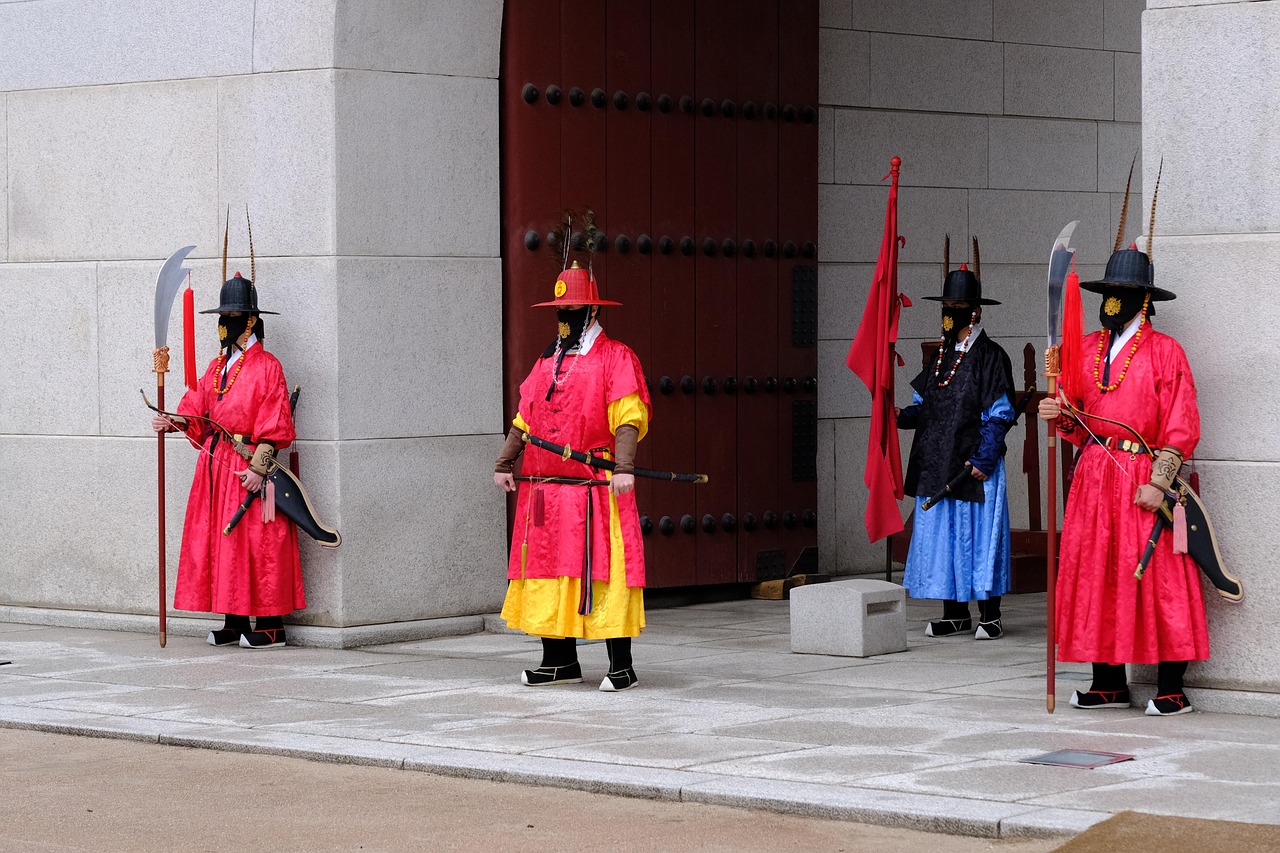
Seoul royal palace experiences at Gyeongbokgung Palace with classic courtyard views
To anchor your day with meaning, plan Seoul royal palace experiences, Gyeongbokgung Palace and Bukchon Hanok Village, as one elegant story rather than two separate tourist spots. In Seoul, the sense of time is layered—glass towers behind tiled roofs—and nowhere is that contrast more graceful than the royal precincts.
Begin at Gyeongbokgung Palace with expert-led timing that prioritises atmosphere. Arrive early enough to settle in before the royal guard changing ceremony; then position yourself near Gwanghwamun for clear sight lines and photographs that feel composed, not crowded. Step through the main gate of Gyeongbokgung Palace and notice how the city noise softens into courtyard hush—this is Seoul at its most cinematic.
Royal palaces in Seoul with Joseon dynasty insight
A little context transforms the experience. A guide can introduce the Joseon dynasty in human terms—ritual, hierarchy, daily life—so the throne halls and gates become readable rather than ornamental. To add history and culture without museum fatigue, include a short stop at the National Folk Museum, choosing just a few galleries that connect directly back to what you’ve walked through.
Pacing matters in a palace: plan micro-pauses for quiet garden corners, details in painted eaves, and the way light moves across stone. If you’re visiting more than one royal site, treat it like a tasting menu—one main palace, one secondary stop—so your attention stays fresh.
Bukchon Hanok Village and respectful photo etiquette in Seoul
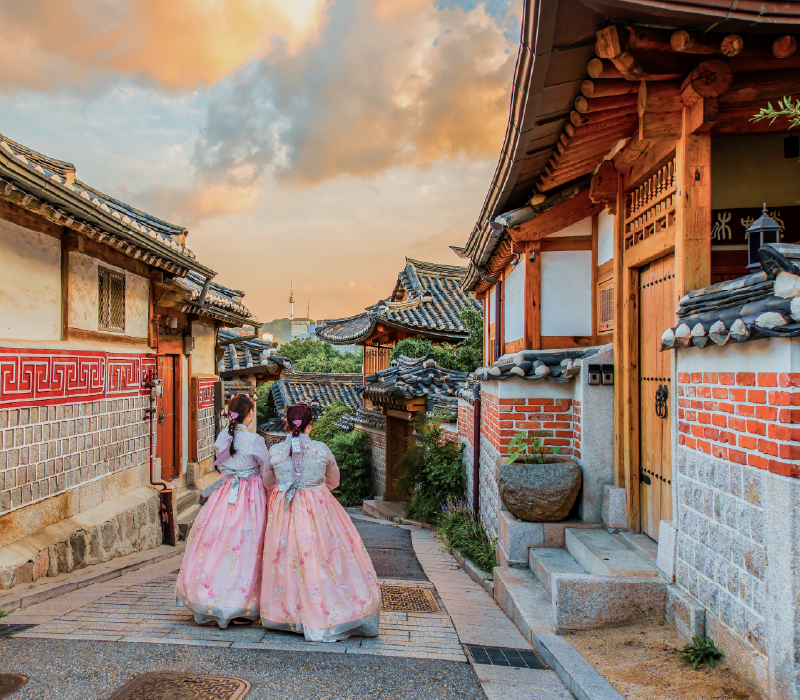
From here, move into living heritage at Bukchon Hanok Village. These lanes are residential, which is exactly why the experience feels real: you’re not walking through a set, you’re passing traditional hanok houses where everyday life continues. Keep voices low, avoid blocking doors, and choose viewpoints that give you a balanced view of Seoul without turning quiet streets into a stage.
A couple once told us their favourite memory in South Korea wasn’t a grand monument—it was what happened when they rented a luxury hanbok. In Bukchon, the fabric and colour didn’t make them feel like tourists; it made them feel temporarily folded into the place. Their photos were timeless precisely because they moved slowly, letting the neighbourhood lead.
For a polished finish, consider a private fitting and a short, guided photo route that avoids peak lanes. It’s a small design decision that creates a calmer, more personal morning in Seoul.
Seoul luxury shopping, Myeongdong Street, Gangnam, Han River yacht, and South Korea highlights.

Seoul’s bustle from Myeongdong Shopping Street to Gangnam District at night
If your ideal city day includes taste, texture, and a little sparkle, build Seoul luxury shopping Myeongdong Shopping Street, Gangnam District, Han River yacht into one fluid arc. This is where Seoul’s bustle becomes energising rather than overwhelming—especially with smart timing and a few quiet resets.
Start in Myeongdong Shopping Street for beauty flagships and quick wins. Even if you don’t “need” anything, it’s a masterclass in Korean retail theatre—sampling stations, careful packaging, and staff who excel at warm, non-intrusive support. If you’re curious about street food but want hygiene confidence, choose vendors with visible gloves and high turnover; look for freshly made bites rather than trays that have lingered. For a deeper flavour snapshot, a guided food tour can weave in Gwangjang Market, where classic dishes are prepared in front of you, and the energy feels unmistakably local.
Gangnam District design, coffee culture, and modern Seoul
Then shift to Gangnam District, where futuristic architecture, luxury shopping, and quietly obsessive coffee culture show a different Seoul—more polished, more design-led, and unmistakably ambitious. You’ll see why this metropolis has become a creative benchmark in Asia: materials, lighting, and spatial design are treated like art.
If you want a gentler contrast, slip into Seoul Forest for a short, leafy reset between appointments. It’s a simple way to keep the day feeling curated rather than crowded.
Han River is calm with private yachts and golden hour.
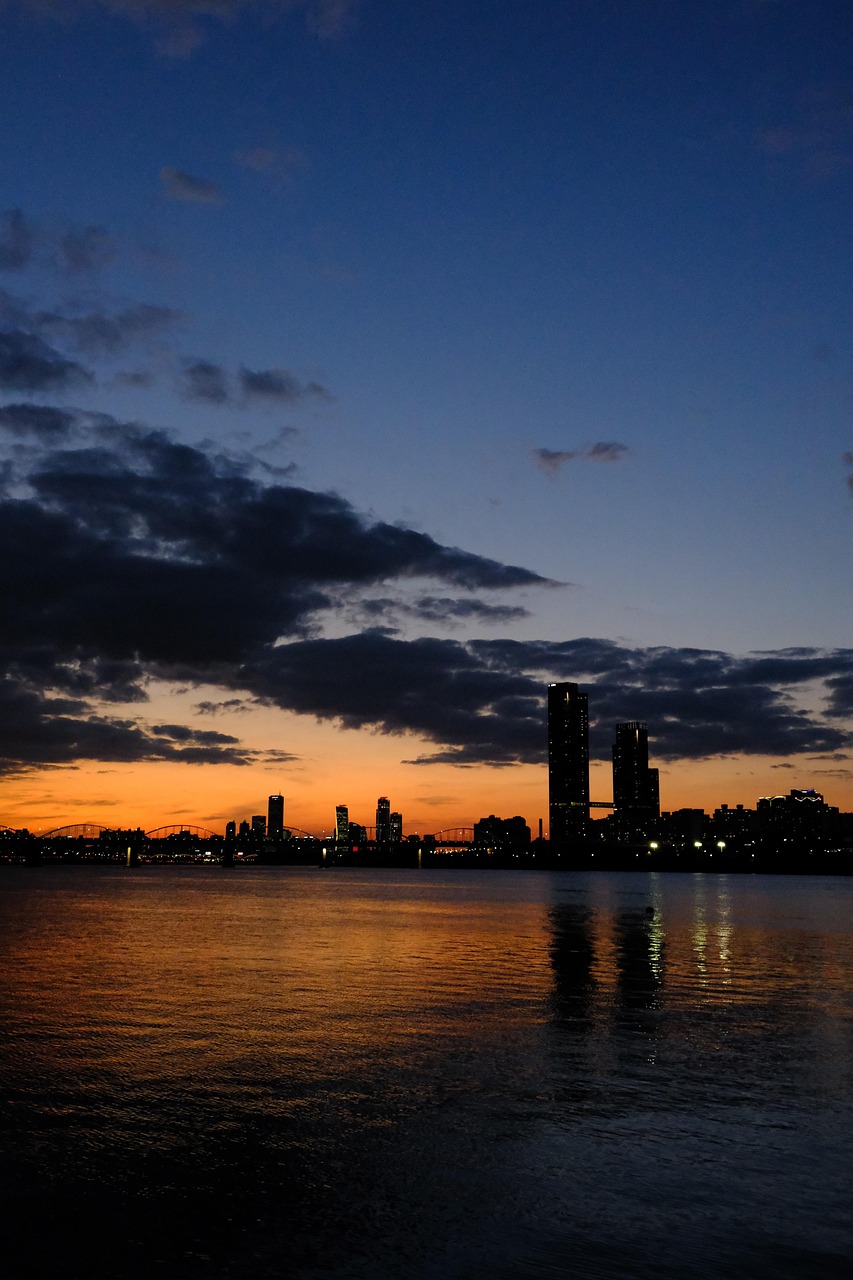
As evening approaches, design a Han River interlude: a serene riverside stroll, or private yacht options for a cinematic view of Seoul at golden hour. The waterline makes the city feel softer, and it’s one of the easiest ways to experience South Korea’s modern beauty without noise.
For dinner, Itaewon is a confident choice. One high-end traveller described a magical evening at a Michelin-starred Korean barbecue restaurant there: personalised service that remembered preferences, exquisite cuts seared to perfection, and a celebratory glass of soju that made the evening a moment. It’s a reminder that the best highlights of South Korea often happen at the table—when the pacing is right, and the care is real.
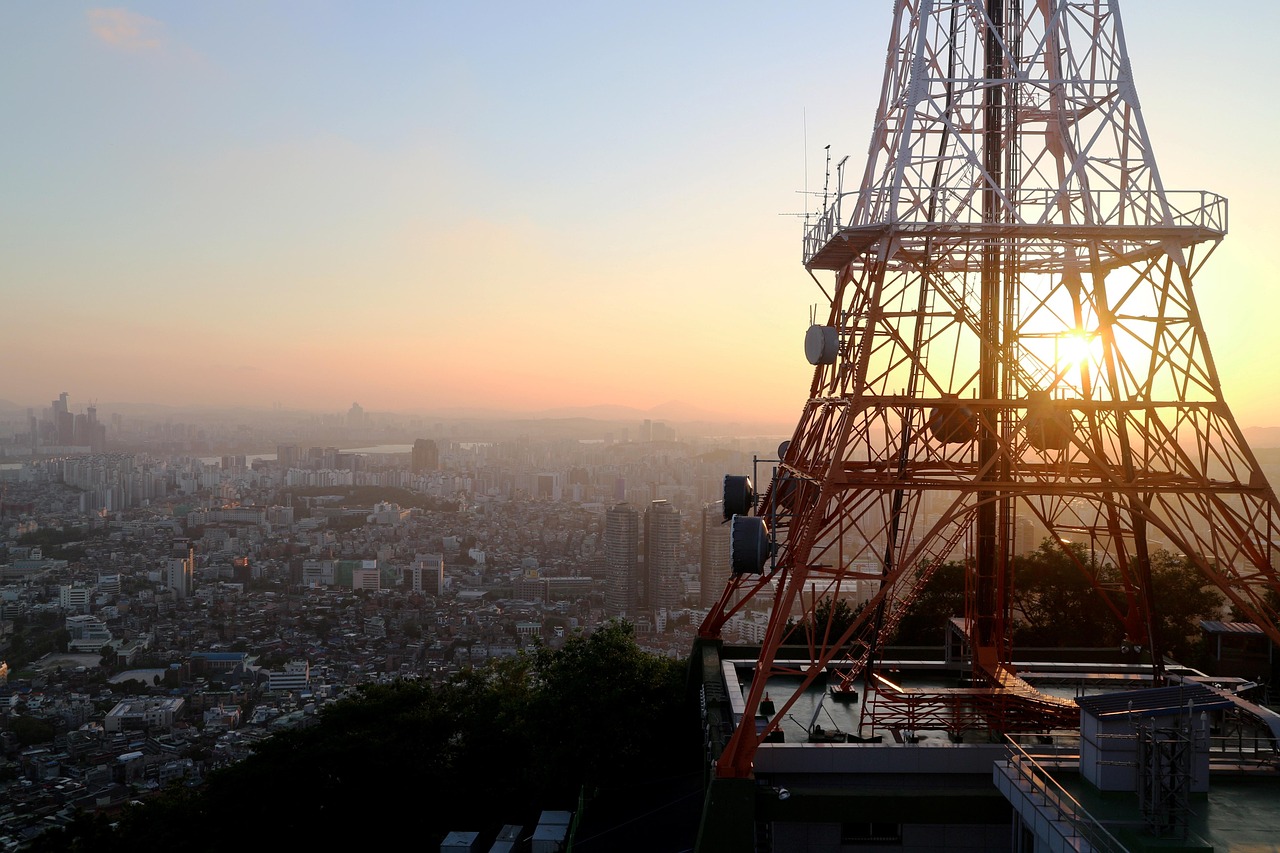
If you want one final skyline punctuation, head to Namsan and Seoul Tower. You can take the cable car up Namsan mountain, step onto the observation deck, and watch the city glitter below—an observatory moment that feels surprisingly intimate for such a vast view.
- Shopping rhythm: Myeongdong by day, Gangnam late afternoon, then the river at sunset.
- Food markets: pick the cleanest stalls with visible prep; avoid anything sitting too long.
- Night market feel: Try an early evening pass before crowds peak for a calmer experience.
Seoul art museum private tours, Leeum Samsung Museum of Art, National Museum, luxury jjimjilbang, South Korea.
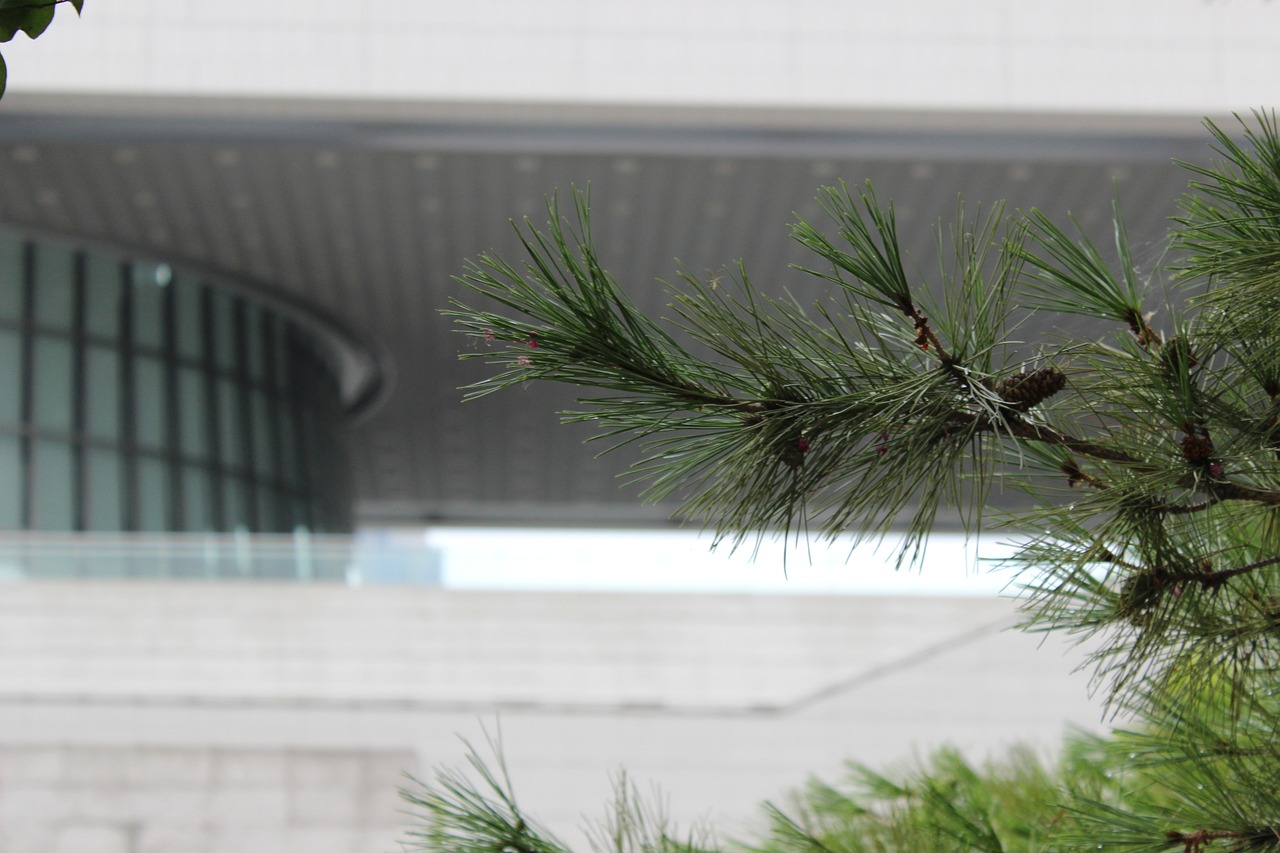
Seoul art and wellness with expert care at museums and a luxury jjimjilbang
For travellers who like culture delivered with clarity, Seoul art museum private tours, Leeum Samsung Museum of Art, the National Museum, and a luxury jjimjilbang are the perfect pairing: insight in the morning, restoration at night. In South Korea, this balance is easy to design because the city supports both intensity and ease.
Begin with the National Museum of Korea as a gentle entry point into Korean culture. The building is spacious and calm, which helps you stay receptive. If time is limited, prioritise the highlights that give context to what you’ve already seen in Seoul: celadon, calligraphy, and artefacts that illuminate daily life and belief systems without overwhelming detail.
Leeum Samsung Museum of Art with curator-led insight
Then go deeper at the Leeum Samsung Museum of Art, where the architecture alone feels like a conversation between tradition and modernity. Consider private curator-led tours to build a focused route through the gallery: fewer rooms, more meaning. The goal is not to “cover” everything, but to notice more—materials, symbolism, and the quiet humour that appears in contemporary work when someone helps you see it.
An art enthusiast once told us their Leeum visit became immersive only after a curator reframed the pieces as responses to speed, change, and memory in South Korea. With interpretation, what looked minimal began to feel deeply personal; what felt abstract started to sound like a voice.
Luxury jjimjilbang wellness in Seoul with privacy and comfort
Afterwards, unwind at a luxury jjimjilbang for a traditional Korean spa night done at a five-star level. Expect immaculate facilities, thoughtfully designed heat rooms, relaxation suites, and a rhythm that invites you to slow down. If you’re unsure about etiquette, choose a premium venue and ask staff to guide you—this is one place where reassurance matters, and good service is part of the experience.
A solo traveller once shared how a night at a high-end jjimjilbang in Seoul brought genuine solace: the blend of wellness and luxury culture, the quiet respect between strangers, and the feeling of being safely held by the routine. It’s not just spa time; it’s a reset that makes the rest of your South Korea journey feel lighter.
To close the day, consider a private tea ceremony. It’s a grounded counterpoint to Seoul’s speed—an hour of small gestures, careful pouring, and conversation that feels local and human. In a city that can dazzle, stillness becomes its own kind of design.
DMZ VIP tour from Seoul includes guided tour, Joint Security Area, and Korean War context.

DMZ and modern history in South Korea with a respectful VIP day from Seoul
For many travellers, the DMZ VIP tour from Seoul, a guided tour, Joint Security Area, and Korean War context becomes a day of perspective rather than a checklist. The DMZ is best approached with trust, sensitivity, and curiosity—never as spectacle—because it speaks to families, histories, and a living tension that still shapes South Korea’s modern identity.
VIP logistics can make the day feel calm and considered: hotel pick-up in Seoul, small-group comfort or fully private pacing, and a knowledgeable escort who keeps the tone human. Depending on availability and security conditions, access may include briefing areas and viewpoints connected to the Joint Security Area. This is one of the few days where expert preparation—documents, timing, and expectations—directly improves your experience.
Understanding the Korean War and the meaning of North and South Korea
You don’t need to be a historian to feel the weight of the Korean War. A good guide will explain key terms simply and respectfully—what the line represents, what “north and south” has meant for ordinary people, and how South Korea has built a remarkable present alongside an unresolved past. Many travellers find that a few carefully chosen stories land more deeply than a flood of dates.
Set expectations clearly: there are security procedures, occasional route changes, and strict photography rules in specific areas. Premium providers will brief you in advance so you feel supported rather than uncertain, and booking ahead matters if you want the smoothest scheduling.
One detail worth noting: at certain viewpoints, you may be looking towards North Korea. It can be unexpectedly emotional—not dramatic, just quietly sobering. Long after you return to Seoul, the day can linger as a reminder of how precious ease and openness really are.
- Bring: passport, minimal bags, and a calm mindset.
- Wear: smart-casual layers; avoid anything overly political in messaging.
- Remember: this is a place for reflection; follow instructions with care.
South Korea trip highlights: Busan, Gyeongju, Jeju, Seoraksan, KTX beyond Seoul.
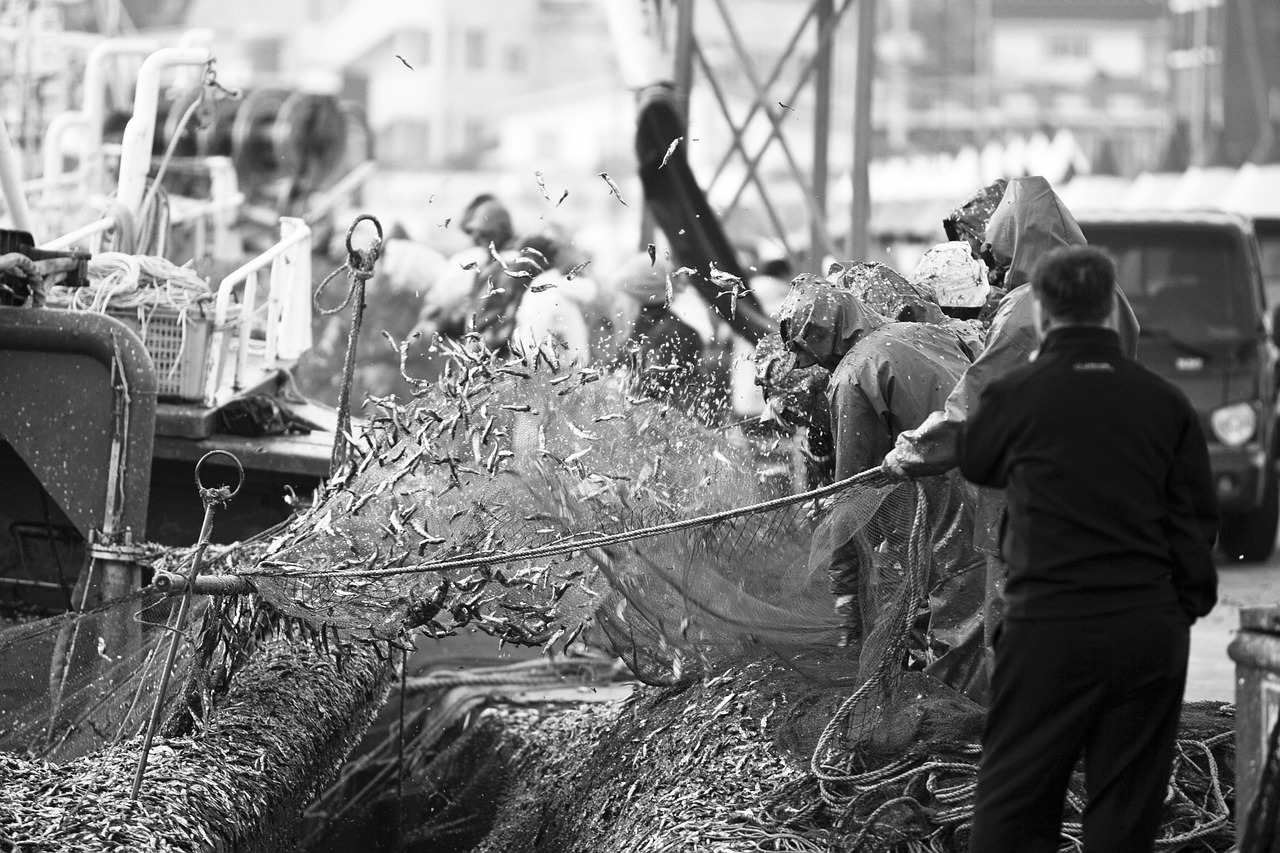
Beyond Seoul with South Korea trip highlights in Busan, Gyeongju, Jeju and Seoraksan
Once you’ve had your fill of Seoul’s contrasts, expand your South Korea trip with highlights like Busan, Gyeongju, Jeju, Seoraksan, and KTX for a journey that feels complete. South Korea is compact enough to move comfortably, yet varied enough that each stop shifts the mood—coast, heritage, mountains, and volcanic island.
For seamless travel, the KTX is a smart choice between major cities, especially if you prefer predictable timing and comfortable seating. Many high-end travellers pair rail with private transfers at either end, keeping the entire day smooth and unbroken.
Busan coastal polish and a vibrant food scene
Busan is the coastal counterpoint to Seoul—lighter, saltier, and slightly slower. Begin with a polished morning in Haeundae, where the beachfront feels curated and the cafés serve excellent brunch. Then lean into the city’s texture at Jagalchi Fish Market, where the energy of the market is part of the point: bright tanks, quick negotiation, and stalls preparing fresh seafood with confident skill.
Even if markets aren’t usually your style, Busan’s food scene is an easy doorway into the local. Choose a vendor with clear handling practices, order simply, and let the ingredients speak for themselves. This is one of those South Korea experiences that stays sensory—sea air, steam, and the clean bite of just-cooked fish.
Gyeongju, Bulguksa temple and UNESCO World Heritage
Next, shift into depth in Gyeongju, once the capital of the Silla kingdom (57 BC – 935 AD). The pace changes here: royal parks, stone details, and evenings that feel almost meditative. Visit Cheomseongdae at dusk for soft light, then wander past royal tombs that sit like gentle hills under the sky.
For one unforgettable heritage anchor, choose the Bulguksa temple, a UNESCO World Heritage site and a cornerstone of UNESCO recognition in South Korea. Notice the balance of structure and devotion: a pagoda silhouette, careful stonework, and the quiet dignity of Buddhist artistry. Keep behaviour respectful—covered shoulders, low voices, and no intrusive photography during worship—so your presence feels considerate.
Seoraksan air and Jeju island as a soft finale
If you want crisp mountain clarity, head to Seoraksan and Seoraksan National Park. The viewpoints are rewarding without needing an extreme hike, and a visit to Sinheungsa temple adds a contemplative pause among the peaks. For an easy adventure, take the cable car up to a ridge-line lookout and breathe in the clean air—an energising contrast to Seoul’s city rhythm.
Prefer a gentler ending? Choose Jeju. On Jeju Island, volcanic landscapes and coastal drives create space to exhale. A light walk in Hallasan National Park can be as restorative as it is scenic, especially when paired with a luxury stay where comfort is effortless. It’s a beautiful way to design the final days of your trip to South Korea: slower mornings, longer lunches, and fewer transitions.
F.A.Qs: South Korea highlights
What should you not miss in South Korea?
Don’t miss Seoul’s palace ritual at Gyeongbokgung, a calm Han River evening, and at least one deep cultural moment, such as a museum visit or a traditional Korean tea ceremony. Beyond Seoul, Busan’s coast and Gyeongju’s heritage add real dimension. If you can, include either Seoraksan for mountain air or Jeju for a slower, restorative finish.
What is the 52-hour rule in Korea?
The “52-hour rule” commonly refers to South Korea’s legal cap on the work week in many workplaces: 52 hours total, typically 40 standard hours plus up to 12 hours of overtime. It’s not a travel rule, but travellers sometimes notice it indirectly in opening hours, staffing patterns, and the strong local emphasis on efficiency and wellbeing.
What is the three-five rule in South Korea?
The “three-five rule” is used in different contexts and isn’t a single, universally recognised national rule for visitors. If you hear it in Korea travel planning, ask your hotel concierge or guide what they mean in that setting—sometimes it’s informal advice about timing, spacing activities, or etiquette rather than an official regulation.
What is South Korea best known for?
South Korea is best known for Seoul’s creative energy, powerful contemporary culture, and a fascinating blend of old and new—royal palaces, temples, cutting-edge design, and exceptional food. Many visitors also remember the country for how seamless it feels to move around and for the warmth that comes through in small, respectful interactions.
After South Korea, highlights of South Korea reflect on Designer Journeys.
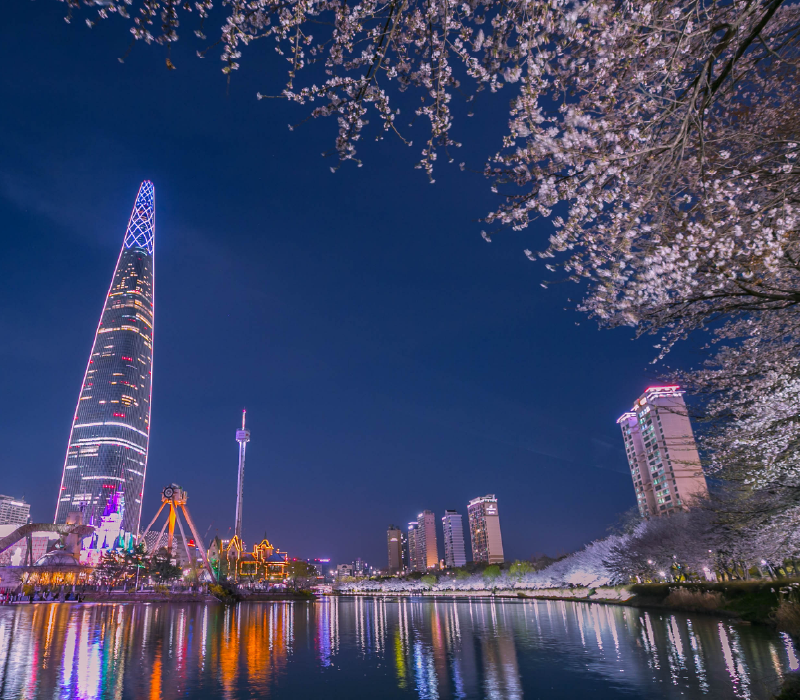
What tends to remain, after South Korea, is not a list. It’s the sensation of stepping from Seoul’s bright avenues into the hush of a courtyard, and realising how quickly your mind can become quiet. It’s the way the city’s nights glow—reflected in water, framed by glass, softened by distance—until the skyline feels less like a spectacle and more like a promise of possibility.
It’s also the comfort of being cared for: a seamless handover from car to lobby, a reservation held without fuss, a guide who speaks with calm authority so you can simply explore. When details are designed well, they create room for wonder—space to be together, to notice small exchanges, and to feel trust in your own ability to travel thoughtfully.
Sometimes it’s a very small moment that returns to you: the weight of fabric as you tie a ribbon, the warmth of a spa room easing tired bones, the taste of tea shared in quiet. South Korea’s warmth often arrives like that—gently, through ordinary kindness—when met with care and quiet respect.
And if you find yourself thinking back on it months later, it may not be because you “saw everything”. It may be because you uncovered a deeper relationship with place—one that doesn’t hurry you, and doesn’t ask you to perform. It simply invites you to keep looking, a little more closely, next time.