Post Contents
- Summer in South Korea: Weather at a Glance
- Best Time to Visit South Korea for Summer Style
- Seoul in Summer Gyeongbokgung Palace
- Boryeong Mud Festival: A Surprising Luxury Day Out with Boryeong Mud Festival
- Jeju Island Beaches and Resorts for Coastal Calm
- F.A.Qs: Korea summer weather and planning
- What Summer Leaves With You, with after South Korea summer reflections crafted journey
Summer in South Korea: Weather at a Glance
Summer in South Korea Weather at a Glance with weather by month average temperature humidity, and rainfall
When travellers ask about the summer weather in South Korea by month —average temperature, humidity, and rainfall —they’re usually trying to picture comfort—how it feels on the skin, how the days unfold, and how to plan outdoor activities with ease. The climate in South Korea is shaped by four distinct seasons, and the defining summer months for most visitors are June to August. In meteorological terms, summer settles in with longer days, rising daytime temperatures, and a lush green backdrop that makes even city parks look freshly designed.
There’s a common misconception that summer is “just hot”. In reality, it can feel like two seasons in one: a bright pre-monsoon stretch with clear skies, followed by a rainier period driven by the East Asian monsoon. This is where understanding jangma—Korea’s rainy season—becomes your best planning tool, especially if you want to visit the south for beaches, palaces, and nature lovers’ hikes.
Weather by month in South Korea with average daily highs and humidity levels
Think of this as a simple, high-level weather-by-month framework rather than a rigid forecast. Exact conditions vary each year, but climate normals help you design a trip to South Korea with much better confidence.
- June: Often the gentlest entry into Korean summer. Expect pleasant temperatures, warming evenings, and rising humidity levels. Average temperature is typically in the low-to-mid 20s°C, with average daily highs around the mid-to-upper 20s°C and lower rainfall than later in summer.
- July: Jangma usually arrives, and rainfall increases. It can feel hot and humid, with average daily highs often near 30°C. You’ll want flexible timing and polished indoor options.
- August: Often the most intense heat, with high humidity and occasional heavy downpours between bright spells. July and August can still be wonderful—just plan your days with more rhythm.
In short: expect warmth throughout, but the distribution of rainfall is what changes the mood—less about “whether” it rains, more about “how often” and “how heavy”.
Rainy season and regional differences across South Korea
The rainy season (jangma) typically peaks mid-summer, and it’s why travellers sometimes describe a split between early summer glow and monsoon rains. Seoul’s basin-like setting can amplify sticky afternoons, while coastal cities such as Busan often feel fresher thanks to sea breezes. Islands—including Jeju Island—can have mild temperatures compared with inland areas, though storms can still pass through.
Regional nuance matters: northern regions can run slightly cooler at night, while southern coastal areas may feel more consistent. If you’re considering mountain air, places like Seoraksan can be a refreshing detour for nature lovers—just keep an eye on trail conditions after rain.
Our expert approach is simple: we support you with timing and pacing. Hydrate steadily, keep sun protection close, and plan outdoor activities in early morning or later evening for comfort and confidence. With the right design, South Korea’s summer becomes less about “managing weather” and more about uncovering beautiful moments around it.
Best Time to Visit South Korea for Summer Style
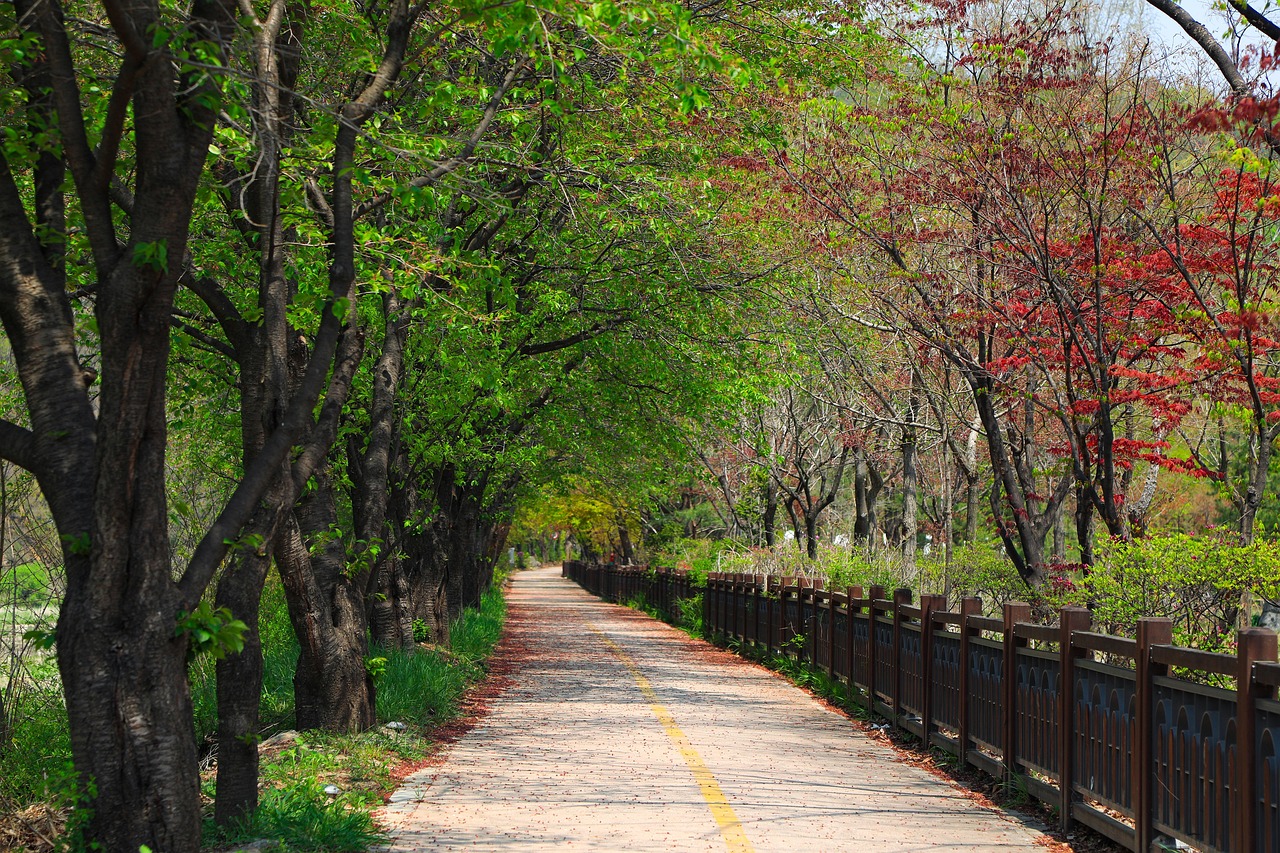
Best Time to Visit South Korea for Summer Style with best time to visit South Korea June early July
If you’re searching for the best time to visit South Korea in June or early July, the real intent is usually: “When will it feel easiest and most seamless?” In many years, June marks the beginning of summer—and it often arrives with a sweet spot of warmth before the heaviest rain patterns settle in. For high-end travellers, that means more consistent pacing, better chances of clear skies, and fewer disruptions to the moments you’ve carefully chosen.
From a style point of view, June to early July is one of the best times to balance city elegance with coastal air. You can dress beautifully for evenings out, explore museums and markets without feeling rushed, and still keep afternoons light and unhurried. If your goal is to visit the south with a calm sense of flow, this window tends to be generous.
Best time of year planning for 2024 and beyond
For 2024 (and any year you plan to visit South Korea), use climate normals as your baseline, then layer in flexibility. Choose hotels with thoughtful change policies, keep one “floating” day for weather pivots, and book a mix of indoor culture and outdoor scenery. That’s how you create a travel season that feels considered rather than controlled.
If you’re deciding between seasons, it’s worth noting that spring and autumn—especially March to May and September to November—offer crisp air and long walking days. Some guests even love South Korea during October for its luminous light and quieter tone, but summer has its own sensual charm when you design around it.
If travelling from July to August, design a city-and-coast rhythm
If your only option is July to August, build a rhythm that alternates: a few days in Seoul for dining, galleries, and evening experiences, then a shift to Busan or Jeju for ocean air. On rainy days, lean into indoor culture—tea houses, contemporary art, artisan shopping—then step back outside when the streets turn glossy after showers.
A luxury logistics snapshot helps set expectations. Premium accommodation in South Korea’s top neighbourhoods and resorts often averages $300–600 per night, with higher rates during peak travel weeks. Booking early builds trust, unlocks the best room categories, and lets you craft a more seamless itinerary—where transfers, reservations, and timings are designed to support you rather than compete for your attention.
Seoul in Summer Gyeongbokgung Palace
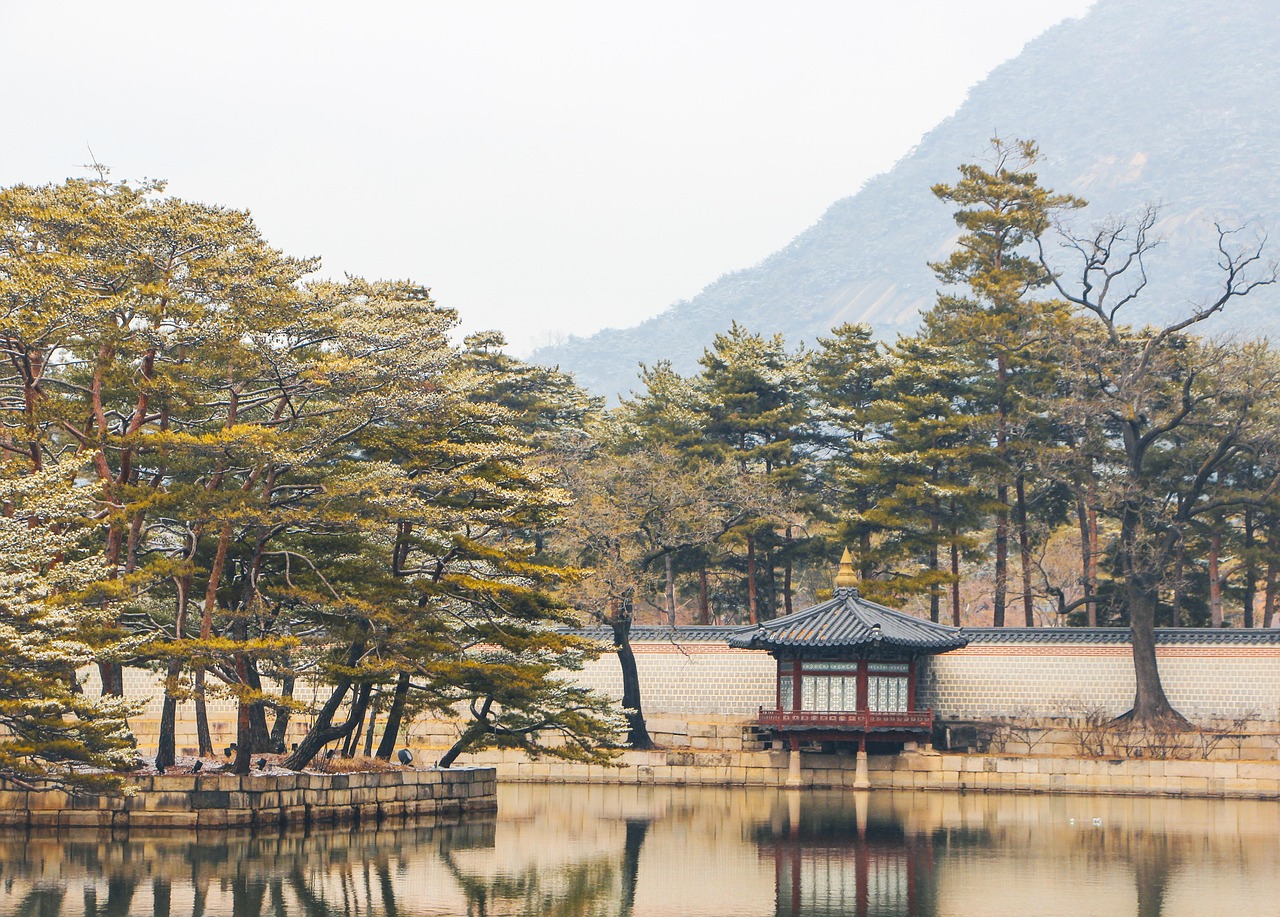
Seoul in Summer Gyeongbokgung Palace After Dark with Seoul Gyeongbokgung Palace summer night tour
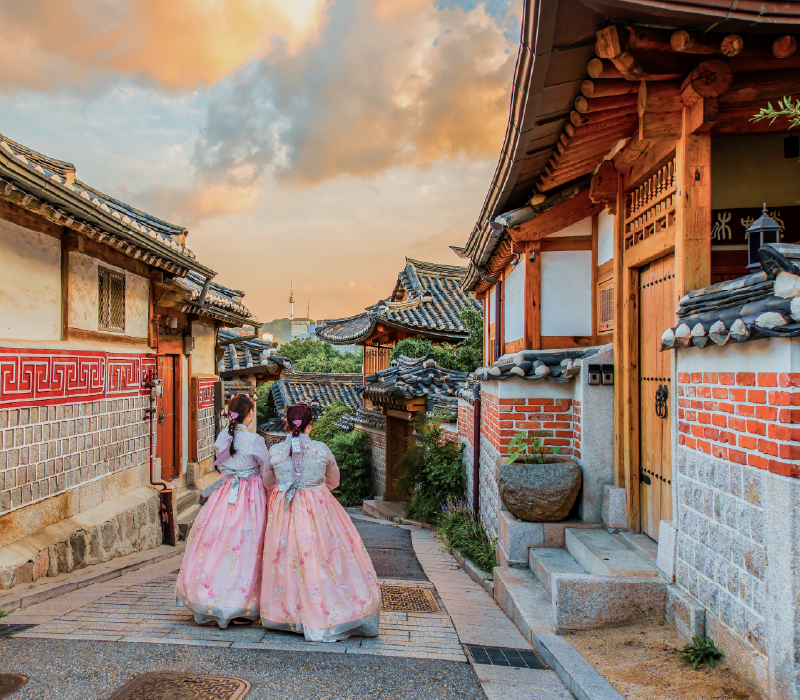
For many high-end travellers, the Seoul Gyeongbokgung Palace summer night tour is the best time. Seoul is the elegant answer to hot afternoons. In summer in South Korea, the city can feel especially alive after sunset—air softening, lights warming the architecture, and the pace turning quietly cinematic. Gyeongbokgung Palace at night is not just “cooler”; it’s a refined way to uncover Seoul’s historical grandeur without fighting the midday humidity.
A couple once described their evening here as unexpectedly magical: they walked beneath lantern light, hearing only low conversation and the hush of footsteps on stone. The palace felt almost private—romantic without being staged—like the city had created a secret room for them inside its busiest season. It was personal in the best sense: their own memory, held gently by the setting.
Local etiquette and care at historic sites in South Korea
Part of travelling well is showing care, especially at heritage spaces. Dress modestly when visiting historic sites, follow local guidance on where to stand and how to move through corridors, and remove shoes where required. These small choices communicate respect—and they also help you feel more connected to the place you’ve come to discover.
To stay comfortable, carry water, consider a light fan, and plan your day so the most walking happens before late afternoon. In Seoul, that simple design choice protects your energy for the evening, when the city’s elegance feels easiest to explore.
Pair your palace night with polished neighbourhood moments
After the palace, keep the mood local but elevated: a gentle stroll through nearby streets, a curated tasting menu, or a craft cocktail with skyline views. The point isn’t to do more—it’s to let one beautiful experience extend naturally into the next.
Booking guidance matters here. Reserve cultural tours in advance to secure the most seamless entry windows and any exclusive add-ons (such as small-group commentary). It’s the simplest way to protect your time, and it lets you move through the night with trust and ease.
Boryeong Mud Festival: A Surprising Luxury Day Out with Boryeong Mud Festival
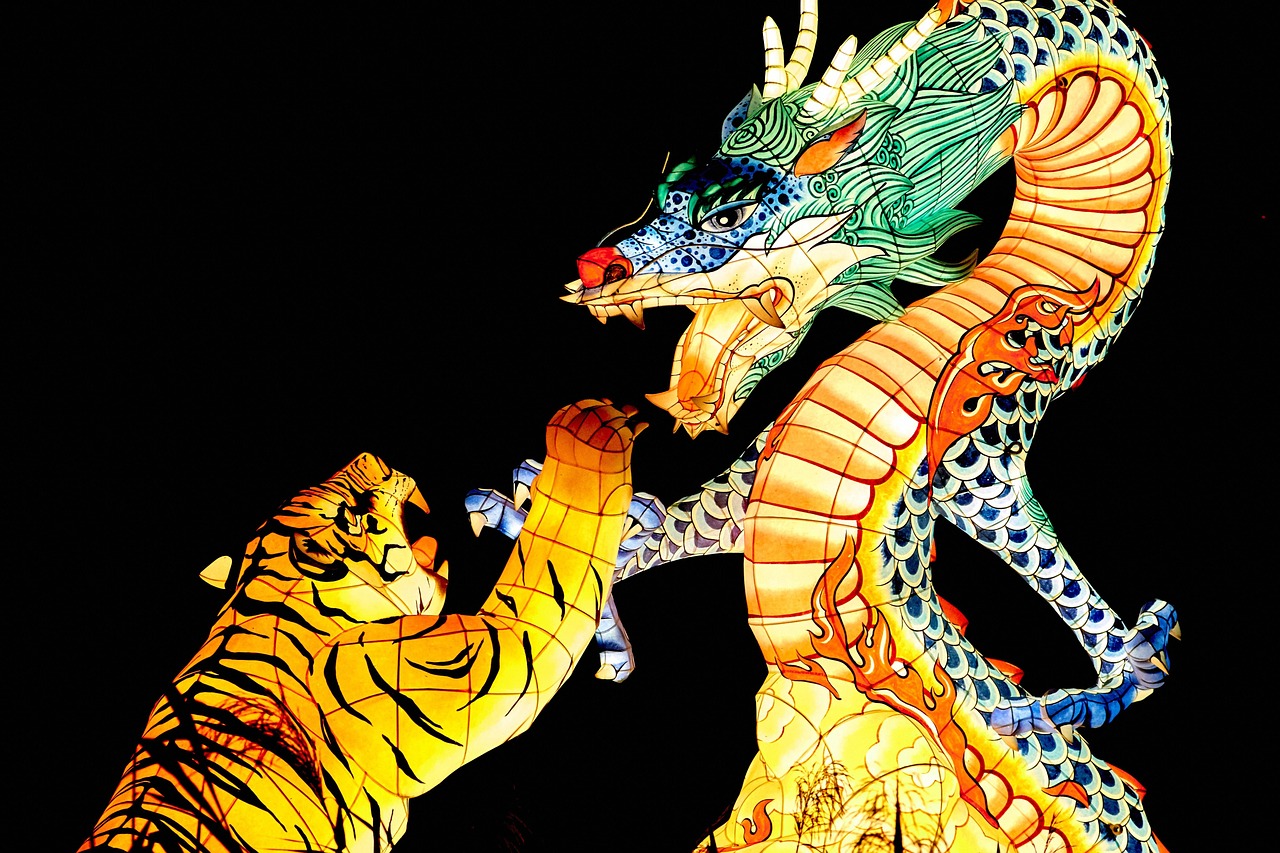
Boryeong Mud Festival A Surprising Luxury Day Out with Boryeong Mud Festival South Korea summer travel tips
The phrase Boryeong Mud Festival, South Korea summer travel tips, best time can sound like a contradiction—mud and luxury rarely share the same sentence. Yet this festival is more than a novelty. It’s a genuine insight into contemporary South Korea: playful, communal, and surprisingly open-hearted, where you can discover how locals celebrate summer beyond the classic temples and shopping streets.
One luxury traveller told us they arrived sceptical, unsure whether a “mud festival” could possibly be worth a precious holiday day. Then something shifted. They laughed with strangers, tried activities they would never normally choose, and felt an immediate connection with South Koreans who welcomed them into the fun. The joy was unexpected—and that, in itself, became the most memorable cultural insight of their trip.
Timing, humidity, and comfort for a designed festival day
Summer weather matters here: humidity can build quickly, and the midday sun can be intense. Aim for an early arrival, take regular breaks, and treat the day like a designed experience rather than a test of stamina. Your simplest travel tips: hydrate, protect your skin with SPF, and keep a change of clothes ready for the return.
To support a higher-end pace, consider upgraded options where available—private transport, pre-arranged meeting points, and premium changing facilities. It’s not about distancing yourself from the atmosphere; it’s about keeping your comfort steady so you can enjoy it with confidence.
Tickets, access, and a gentle recovery pairing
Ticketing can make or break the day. Book festival tickets and any curated experiences in advance, especially for popular weekends that align with peak travel. Pre-booking helps the event feel smooth, not hectic—so you can stay present.
Afterwards, pair the playful energy with something restorative. A spa circuit, a refined coastal stay, or even a quiet hotel bar ritual brings balance. You’re not just ticking off an event—you’re designing a day with contrast, and that contrast is where the trip becomes crafted.
Jeju Island Beaches and Resorts for Coastal Calm
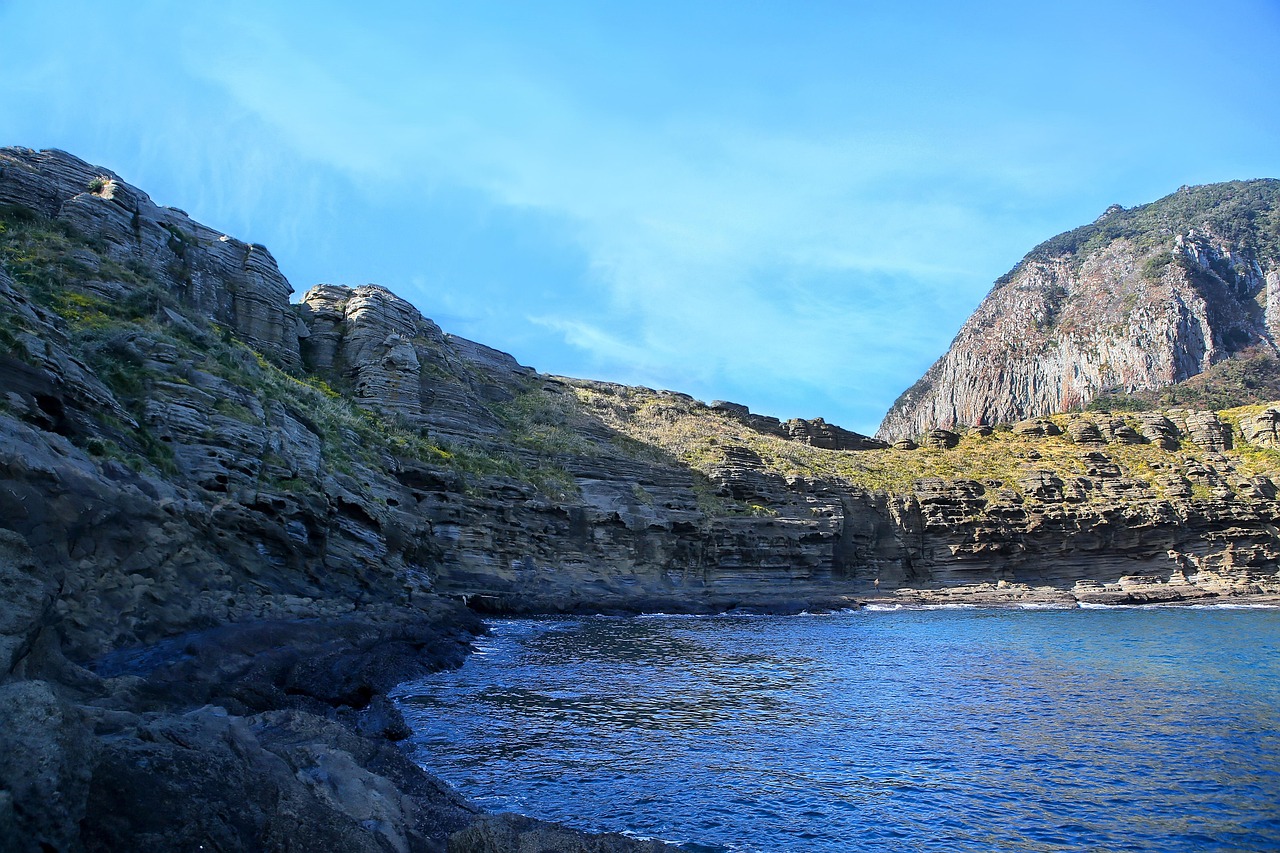
Jeju Island Beaches and Resorts for Coastal Calm with Jeju Island beaches luxury resorts
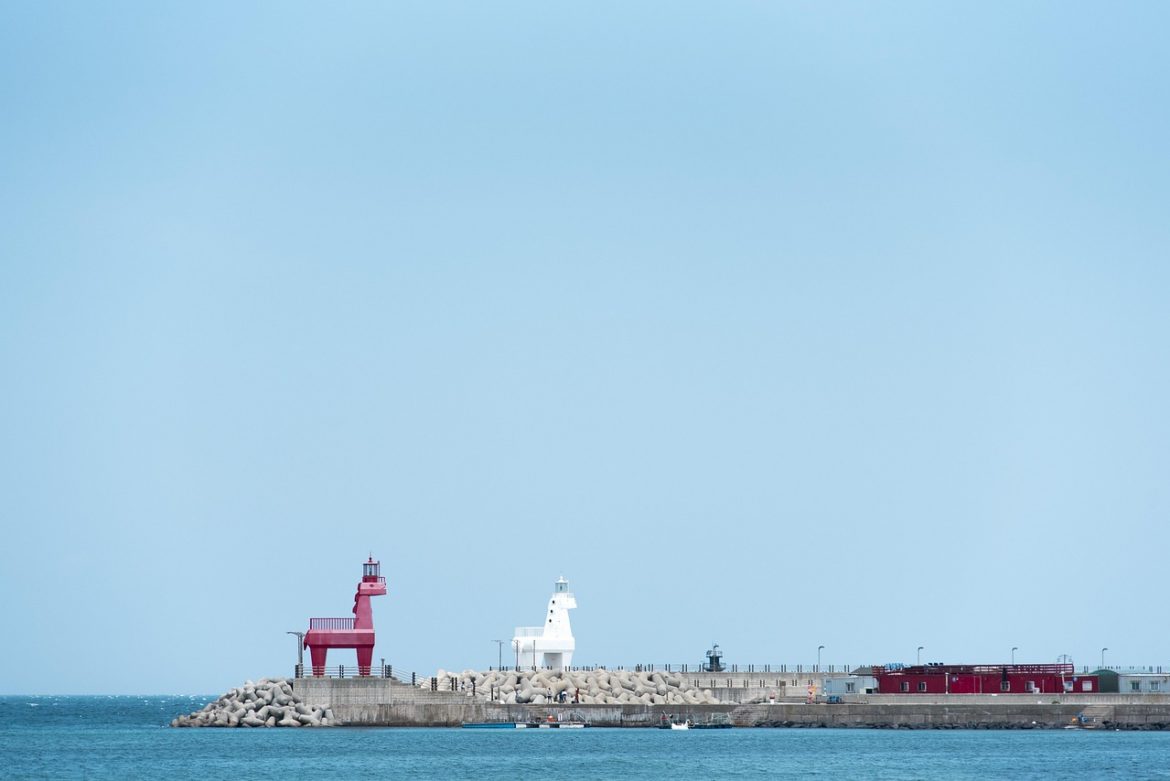
For travellers searching for Jeju Island beaches, luxury resorts, South Korea coastal summer vacation, the promise is real: Jeju is the restorative counterpoint to the capital. After Seoul’s bright intensity, Jeju Island offers beaches, a volcanic coastline, and natural beauty that feels spacious and unforced. It’s the kind of coastal interlude that lets you slow down without losing sophistication.
A visitor once recounted a serene sunset yacht cruise around Jeju Island, and the detail they remembered most wasn’t the yacht at all—it was the silence between waves. Away from city crowds, the horizon felt wider, and there was time to enjoy the light changing over the water. That calm stayed with them long after they returned to the mainland.
Where to stay on Jeju and what luxury resorts feel like
For beach access, the north (closer to Jeju City) is convenient for arrivals, while the south coast is romantic, with resort enclaves and scenic drives. What to expect from luxury resorts: serene pools, polished service, generous breakfast rituals, and staff who can arrange private guides or drivers with quiet efficiency. Budgeting $300–600 per night is a realistic baseline in peak periods, and it gives you the confidence of consistent comfort.
Jeju also suits travellers who like their relaxation paired with light adventure. Think morning swims, long lunches, then gentle explorations that don’t feel like “touring”.
Explore coastal drives, national parks, and mountainous landscapes
Jeju is ideal for curated adventure: coastal drives that stop at viewpoints, forested paths, and day-trip style routes into national parks or protected landscapes. The terrain can feel quietly mountainous in places, and rainfall during monsoon weeks can shift conditions quickly—so keep plans flexible and choose safe trails after heavy showers.
If you want to link your island escape with mainland culture, design it together with a stylish stop in Busan. A few nights near Haeundae offers a city-on-the-water feeling, and Haeundae Beach is an easy, glamorous promenade for evenings when the air cools.
Practical transport for a seamless itinerary:
- Use Korea’s efficient KTX train system for mainland legs, such as Seoul to Busan, and connections towards Gyeongju for heritage and calm.
- Then use flight links to Jeju for the island portion—fast, frequent, and easy to design into a premium schedule.
- Keep one flexible day in case the rainy season brings heavier bursts, so your coastal plans never feel rushed.
With the right routing, you can explore South Korea’s contrasts in one trip—city elegance, coastal ease, and nature—without sacrificing comfort or flow.
F.A.Qs: Korea summer weather and planning
What is the hottest month in Korea?
In most years, August is the hottest month in South Korea, with high daytime temperatures and noticeable humidity. July can feel equally intense when monsoon conditions raise moisture levels, but August often brings the strongest heat. If you prefer a softer start to summer, June is typically warmer without being quite as heavy.
Which month is best to visit Korea?
For a summer-leaning trip with fewer weather disruptions, June to early July is often one of the best times to visit South Korea. You’ll usually find warm, pleasant temperatures, more stable plans, and a smoother rhythm before the heaviest rainy-season patterns. If you’re open to other seasons, September to November is also a favourite for clear skies and comfortable walking days.
What is the 52-hour rule in Korea?
The “52-hour rule” in South Korea commonly refers to labour regulations that cap the maximum workweek at 52 hours (typically 40 standard hours plus up to 12 hours of overtime). For travellers, it’s not a rule you must follow, but it can subtly influence opening hours, staffing patterns, and how far in advance premium restaurants or services prefer reservations.
Which is colder, Japan or Korea?
Both countries vary by region, but South Korea often feels colder in winter than many popular parts of Japan, especially compared with coastal cities like Tokyo or Osaka. Korea’s inland areas and northern regions can have sharper cold snaps. Japan’s climate is diverse too—Hokkaido is very cold—so the better comparison is specific cities and your travel dates.
What Summer Leaves With You, with after South Korea summer reflections crafted journey
After a journey shaped by South Korea’s summer reflections, what often lingers is not the checklist but the texture. The warmth of evening air on your forearms. The soft hush that follows rain, when the streets smell clean and new. The way hospitality in South Korea’s finest hotels can feel both polished and human—small gestures of care that make you feel held rather than handled.
Summer in South Korea has a particular poetry because it’s full of contrasts, and contrasts tend to become personal. Lantern light at a palace can feel as intimate as a private invitation. A festival crowd can feel like laughter you didn’t know you needed. A quiet shoreline can feel like space returning to you, one breath at a time.
Some travellers remember the moment they stepped into Gyeongbokgung after dark, and the heat of the day seemed to dissolve. Others carry the honest delight of Boryeong—how quickly scepticism softened into connection, and how easy it was to discover joy in something unfamiliar. And then there are the Jeju evenings, when the sea held the light for a little longer, and the world felt simpler, calmer, more spacious.
Perhaps that’s the gift of a well-designed trip: it doesn’t just show you places, it changes the way you move through them. It builds trust in your own curiosity, and it reminds you that comfort can coexist with adventure. Even the rainy season, with its sudden downpours and reflective pavements, becomes part of the story—proof that beauty doesn’t need perfect weather.
When you think back, you may not remember every temperature or every forecast, but you’ll remember how it felt: the glow, the breeze, the quiet, the warmth. And somewhere in that memory is a gentle confidence that another season in South Korea would reveal something new—waiting patiently, whenever you’re ready to return.