Post Contents
- Arriving via Nagoya Station and Designing a Seamless Base for Nagoya station luxury travel planning a trip to Japan
- Nagoya Castle and Honmaru Palace After Dark for Nagoya castle Honmaru Palace samurai exhibits attraction
- Tokugawa Elegance and Sacred Atsuta for Tokugawa art museum Atsuta Nagoya cultural experiences
- Toyota Innovation at the Commemorative Museum of Industry for Toyota commemorative museum of industry and technology Nagoya
- Sakae Style Oasis 21 and the Mirai Tower Skyline for Sakae Oasis 21 Chubu Electric Power Mirai Tower Nagoya nightlife
- Art and Science Museums for Rainy-Day Calm for Nagoya City Art Museum Nagoya City Science Museum guide
- Osu Shopping District Tea Ceremony and Osu Kannon for Osu shopping district Osu Kannon tea ceremony Nagoya
- Yamazaki River Canals and Cherry Blossoms in Higashi Ward for Yamazaki River canal cruise Higashi Ward Nagoya cherry blossoms
- Day Trips into Aichi Inuyama and Ghibli Park for Aichi Prefecture day trip Inuyama Ghibli Park from Nagoya
- What Stayed With Me After Nagoya for Nagoya luxury travel reflections
- F.A.Qs: Nagoya Japan attractions
Arriving via Nagoya Station and Designing a Seamless Base for Nagoya station luxury travel planning a trip to Japan
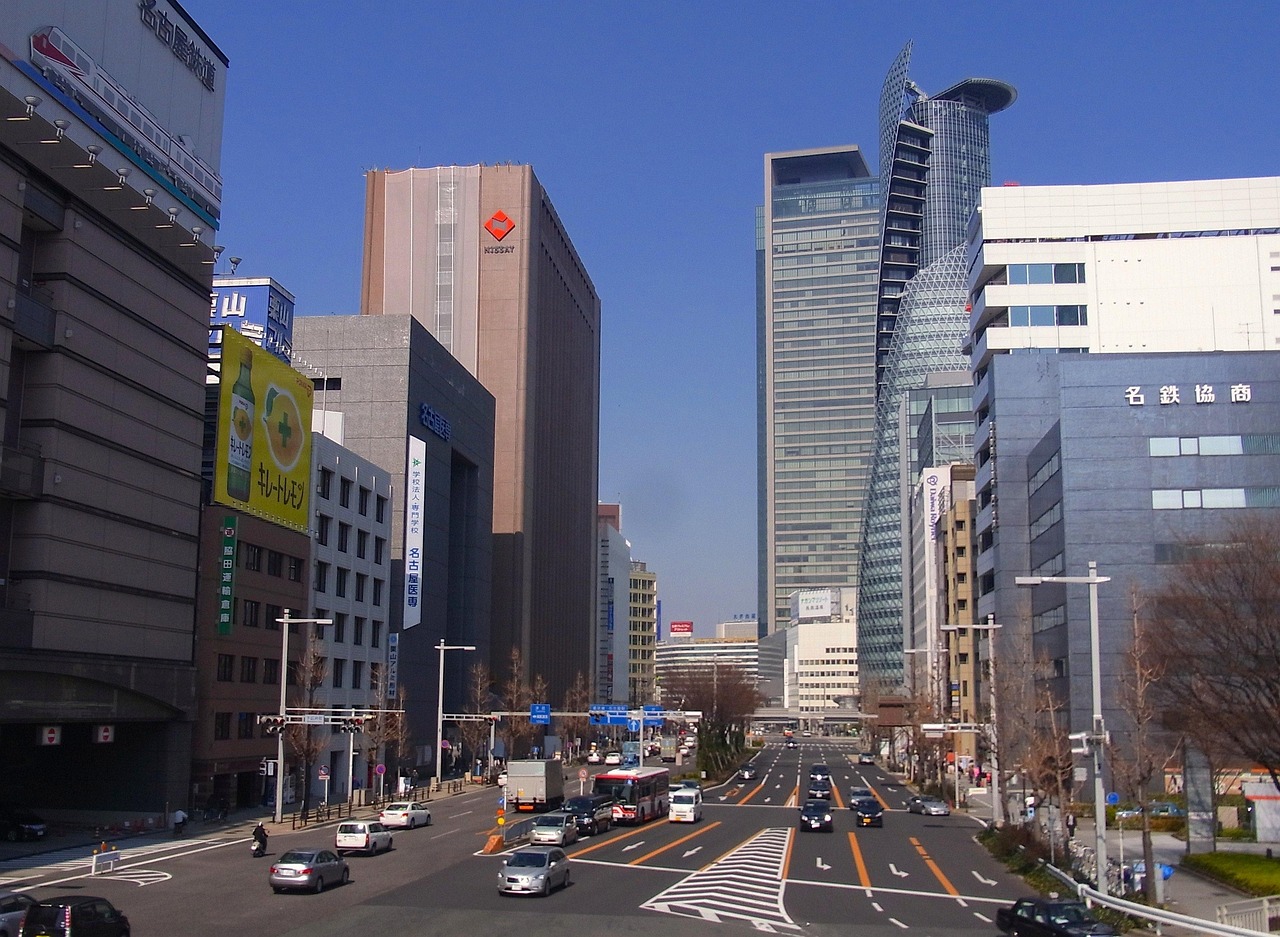
Arriving via Nagoya Station and Designing a Seamless Base for high-end travellers
For many of our readers, planning a trip to Japan begins with one promise: the journey should feel seamless from the moment you step off the platform. With Nagoya positioned between yokohama and osaka routes on the shinkansen, you can arrive with calm confidence—often in under two hours from tokyo, and comfortably connected to kyoto and osaka as well. It’s one of the easiest ways to discover why japan’s fourth-largest city can feel so understated and so rewarding.
At jr nagoya in nagoya station, orient yourself once and everything flows. The bus terminal is clearly signed, and luggage services make it simple to travel light for an afternoon. If you’d like concierge-style support beyond your hotel, the station environment is built for it—clean, efficient, and reassuring when you’ve just arrived in Japan.
Nagoya station to city centre ease and where to choose to stay
To choose to stay well, place yourself where your days start effortlessly. A central address near the city centre keeps evenings flexible, particularly if you want a quiet dinner after a museum day or a late walk with skyline views. For a sense of arrival, some travellers enjoy checking in, freshening up, then stepping out to see the lights from midland square and the sky promenade before bed—an easy first-night ritual that feels celebratory without feeling busy.
A luxury traveller once described their awe at a boutique ryokan in Nagoya: traditional hospitality, modern comfort, and a level of personal care that instantly made the city feel supportive. It’s the sort of welcome that helps you relax into your itinerary, together with the city rather than battling it.
Subway confidence with Manaca and onward links from Kanayama Station
Getting around is refreshingly straightforward. The subway network connects major attractions, and a prepaid IC card like Manaca handles transport and small purchases with minimal fuss. When you need to connect onward, kanayama station is the practical hinge—useful for switching lines, meeting a local guide, or simply resetting your bearings.
For practical comforts, design your days with small, high-impact choices: carry water for hydration, pack a portable Wi‑Fi device for steady navigation, and lean into quiet etiquette (remove shoes indoors, speak softly on trains). If you enjoy deeper cultural insight, hiring an expert local guide can open doors—private timing suggestions, calmer routes, and the confidence of knowing you’re seeing the city with context. For inspiration as you plan, browse our Trip gallery and imagine how Nagoya can fit into a wider Japan journey.
- Arrival rhythm: give yourself a buffer hour after the train to settle in and reset.
- Connectivity: portable Wi‑Fi keeps maps and reservations effortless.
- Quiet customs: soft voices, tidy spaces, and shoes off when asked.


Nagoya Castle and Honmaru Palace After Dark for Nagoya castle Honmaru Palace samurai exhibits attraction
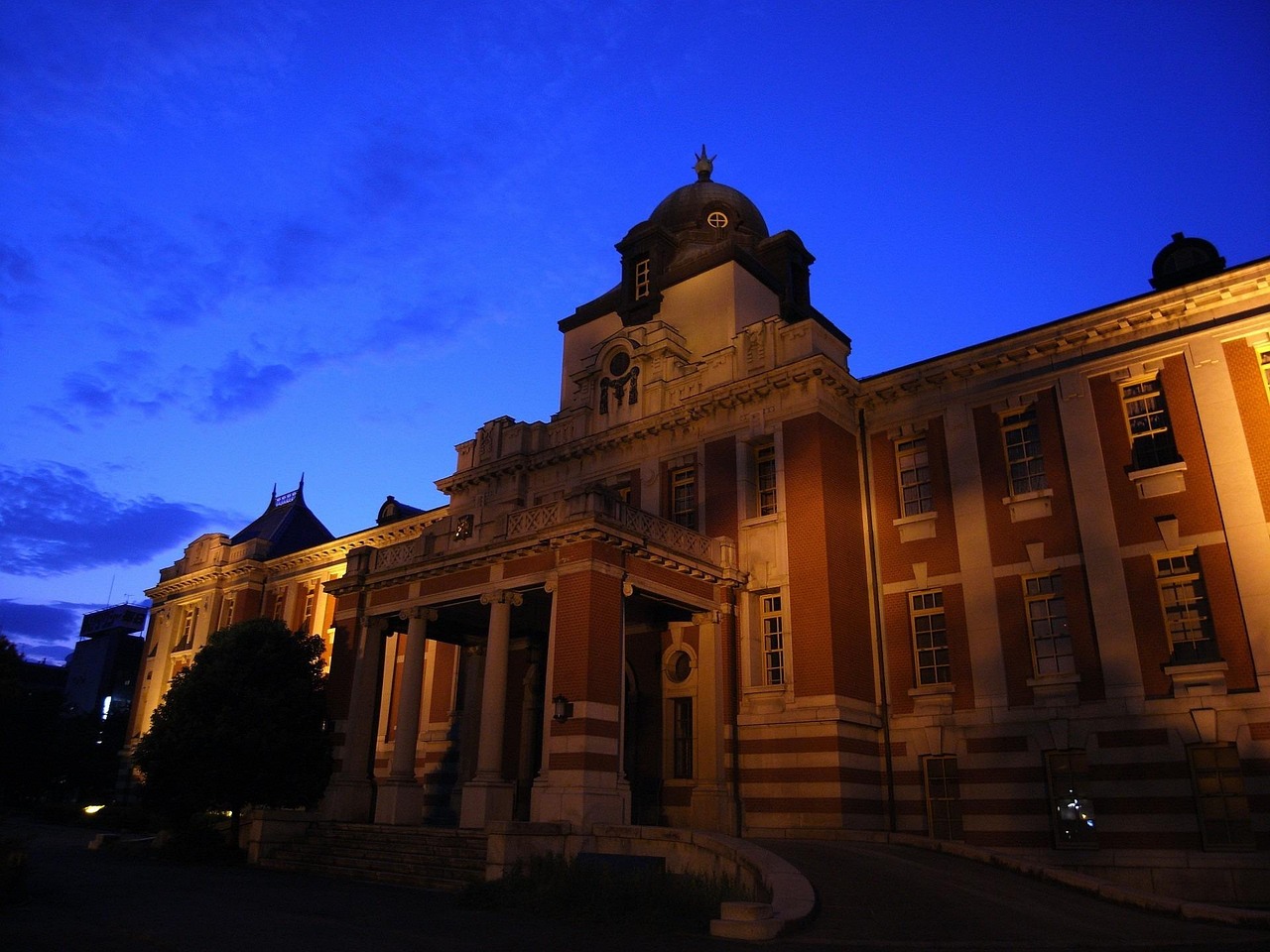
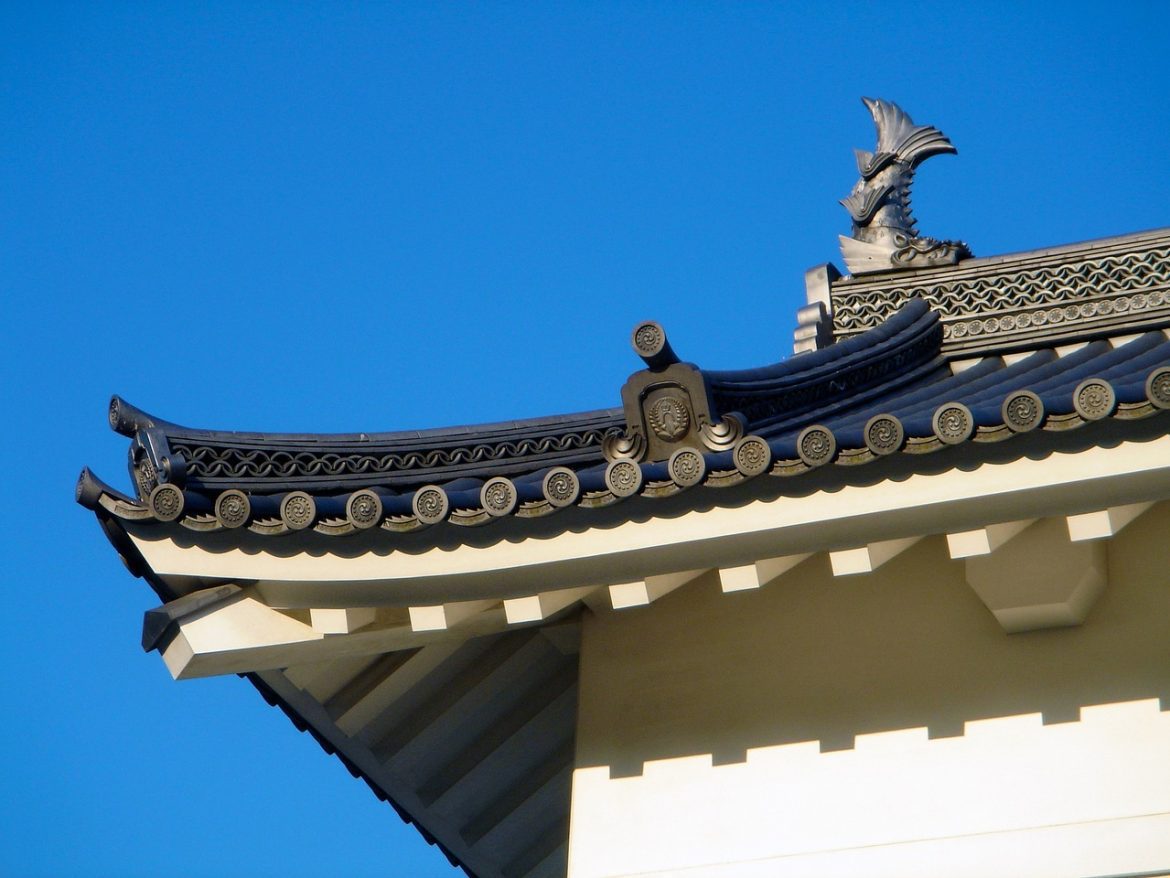
Nagoya Castle and Honmaru Palace After Dark with illuminated gardens
If you’re curating a shortlist of nagoya japan attractions, this is the one that sets the tone: nagoya castle as a defining castle attraction, crowned by the exquisite honmaru palace and its storytelling finesse. For the calmest experience, treat entry like a reservation at a fine restaurant—book timed slots where available and arrive a touch early so you’re never rushing.
The biggest gift you can give yourself here is quiet space. Plan for late afternoon into early evening if the grounds are open, and let the light change. It’s a gentle way to explore history without turning it into a race.
Nagoya castle nights and surrounding the castle without the crowds
One traveller told us their evening walk surrounding the castle through illuminated gardens felt almost unreal—serene, safe, and softly cinematic, without the crowds that can dilute the atmosphere. Imagine lantern light catching on water, the sound of footsteps on gravel, and the city receding until it becomes background. If you’re new to Nagoya, this is a reassuring place to practise evening navigation: wide paths, clear signage, and a steady flow of visitors without the press of a tour group.
For a simple point of reference, keep your route anchored to the main gates and return the same way. And if you’re travelling in smart shoes, carry a foldable flat—comfort is its own kind of luxury on longer strolls.
Castle town layers and the Honmaru Palace craft
Nagoya’s story is inseparable from its castle town identity, shaped by the Owari domain and feudal lords who used architecture as a language of power and beauty. The original complex dates back to 1615, and over roughly 400 years it has symbolised the region’s confidence. The main keep you see today speaks to reconstruction: the historical keep was destroyed during WWII, a reminder that heritage in Japan can be both fragile and carefully renewed.
Inside the honmaru palace, you’ll feel the difference immediately. Restored rooms showcase the patience of the craftsman tradition, from precise joinery to the scent and warmth of cypress wood. Interpretation here is not an afterthought; it gives the samurai era texture, and the exhibits invite you to understand the people behind the pageantry.
Visitor essentials: ticket price expectations for the Nagoya Castle area are often around 500–1000 yen. For photographs, favour early evening angles that frame stone walls against the sky, and watch for respectful behaviour cues—quiet voices indoors, and a slow pace when others are taking in details.
Tokugawa Elegance and Sacred Atsuta for Tokugawa art museum Atsuta Nagoya cultural experiences
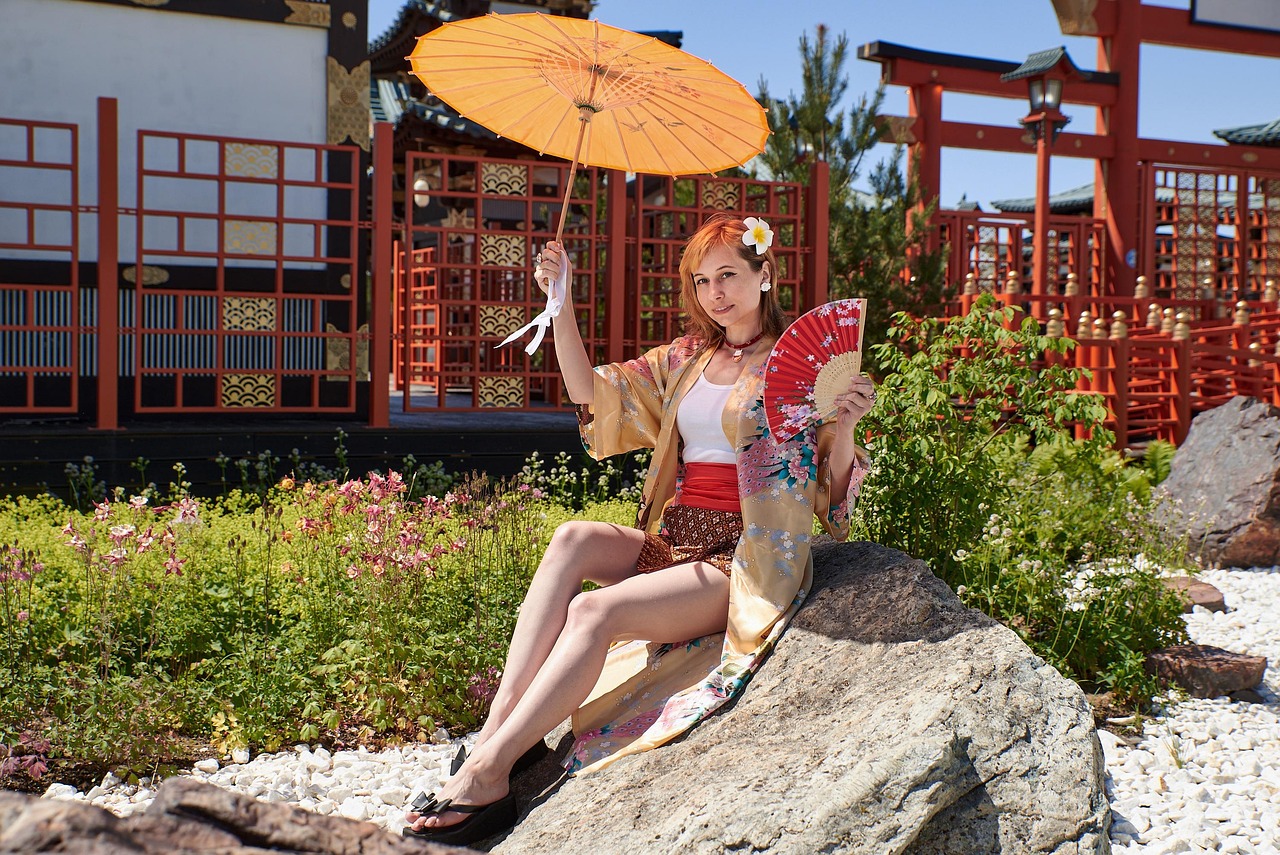
Tokugawa Elegance and Sacred Atsuta for cultural insight in Nagoya
When travellers ask for tokugawa art museum and atsuta Nagoya cultural experiences, they’re usually seeking something more intimate than a headline sight. This chapter is designed as a curated route: refined collection first, then a sacred pause. It’s an elegant way to feel the city’s inner life, especially if you’re balancing modern design with historical depth.
If you can, visit with an expert guide. A few well-chosen stories can transform objects into living culture, and the day becomes insight rather than information.
Tokugawa taste and the Edo period in Nagoya
The tokugawa legacy shaped Nagoya’s identity through art, ceremony, and a particular sense of restraint. At the Tokugawa Art Museum, collections are more than beautiful; they’re evidence of how a lord lived, what was prized, and how status was expressed through craft. Placing pieces in the context of the edo world (the edo period) helps you read the details—why materials mattered, why motifs recur, and how aesthetics became a kind of regional signature.
Allow time for the museum’s quieter rooms. The most memorable moments often arrive when you stop trying to see everything and start letting one object hold your attention.
Atsuta as a restorative sacred pause
After the museum, atsuta offers a different kind of luxury: stillness. Dress simply, move gently, and keep conversation low. In shrine spaces, it’s less about doing things “perfectly” and more about showing care—pause before gates, watch the flow of others, and keep your phone tucked away unless you’re certain photography is permitted.
- Elegant pacing: museum morning, then a short garden stroll to soften the shift of energy.
- Café reset: choose one calm stop for tea or coffee—unhurried, rather than hopping between venues.
- Guide value: a local’s context can turn a quiet corner into the day’s highlight.
Toyota Innovation at the Commemorative Museum of Industry for Toyota commemorative museum of industry and technology Nagoya

Toyota Innovation at the Commemorative Museum of Industry in Nagoya
The toyota commemorative museum of industry and technology Nagoya experience is one of the city’s most satisfying surprises, even for travellers who don’t consider themselves car enthusiasts. Think of it as a polished, design-forward museum—clean lines, thoughtful explanations, and a narrative about craft that echoes Japan’s wider creative confidence. As a standout attraction, it’s also wonderfully easy to fit into a day without the stress of long transfers.
A visitor once recounted a personalised guided tour at the toyota museum that deepened their appreciation for Japan’s engineering legacy. If that appeals, ask your hotel concierge to help arrange a guide or English-support session; the experience feels more personal, and you’ll uncover details you might otherwise walk past.
Why commemorative matters from textile roots to automobile milestones
The word commemorative is important here. The museum honours the origin story: from textile machinery to the breakthrough thinking that eventually shaped the modern automobile industry. It’s also a window into the chubu region’s innovation mindset—how precision, patience, and iteration became cultural strengths as much as industrial ones.
Give yourself time with the demonstrations. Watching mechanisms move can be unexpectedly meditative, like seeing craftsmanship translated into motion.
Visitor logistics for a calm museum day
Typical entry is around 500 yen, and mid-morning often feels comfortable for arrivals. If you prefer to avoid peak windows, aim for early afternoon on weekdays. Pair your visit with a relaxed lunch nearby—something simple and nourishing—so you keep the day seamless rather than over-scheduled.
Sakae Style Oasis 21 and the Mirai Tower Skyline for Sakae Oasis 21 Chubu Electric Power Mirai Tower Nagoya nightlife
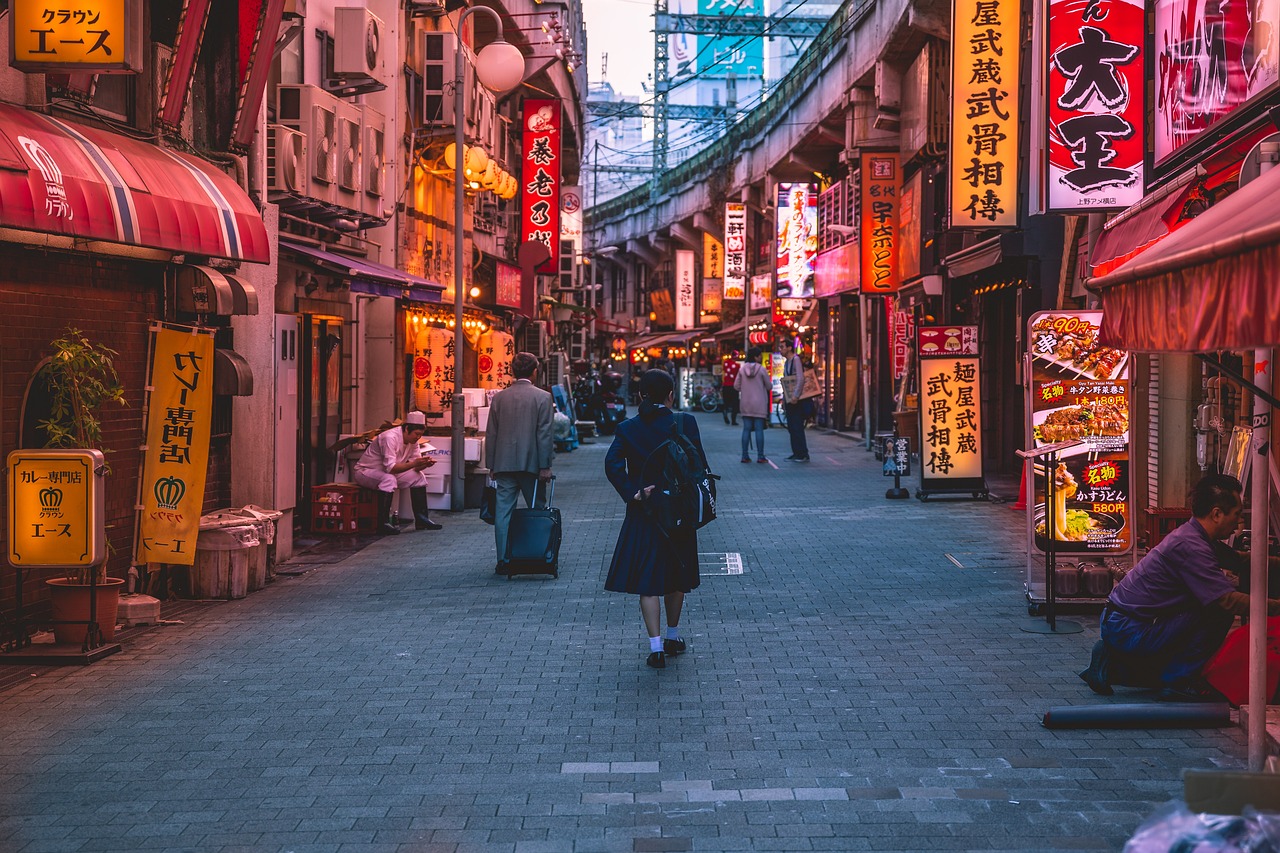
Sakae Style with Oasis 21 and the Chubu Electric Power Mirai Tower skyline
If you’re looking for sakae Oasis 21 Chubu Electric Power Mirai Tower Nagoya nightlife with polish, this is your chapter. Sakae is Nagoya’s dressed-up heart: easy to reach, easy to navigate, and surprisingly relaxing for an evening out. Start by arriving at sakae station, then let the district carry you—window displays, light on glass, and a feeling that the city is gently hosting you.
Think of it as a “dress up and drift” itinerary: one architectural highlight, one skyline moment, then a well-chosen bar where the conversation can slow down.
Oasis 21 at sunset and a reassuring first-timer route
oasis 21 is modern Nagoya at its most graceful, a space designed for strolling rather than hurrying. Time your visit for sunset and you’ll see the city soften—reflections appearing, angles becoming more dramatic, and the crowds thinning into an easy flow. If you’re travelling solo, stay on well-lit pathways and keep your route simple: station, Oasis 21, then onward to dinner.
This is also where you’ll sense how nagoya offers sophistication without the intensity of larger hubs. It’s urban, but it breathes.
Chubu Electric Power Mirai Tower views and elevated nightlife
For a classic skyline perspective, head to the chubu electric power mirai tower (also known as the nagoya tv tower) and its observation deck. Tickets are straightforward, but lift lines can build on weekends—arrive slightly earlier than your ideal viewing time, so you can settle in rather than watch the clock. For night photography, steady your phone against a railing and wait for the city lights to sharpen.
For high-end nightlife, ask your hotel to recommend cocktail bars or jazz lounges, and pre-book taxis so the evening feels seamless. If you prefer a gentle finish, browse department stores for design items and seasonal fashion—elegant, calm, and easy to dip in and out of.
- Best flow: Sakae Station → Oasis 21 → Mirai Tower → one reserved bar.
- Concierge support: ask for a taxi plan so you can linger without logistics.
- Style note: one light layer helps after sunset, especially in spring and autumn.
Art and Science Museums for Rainy-Day Calm for Nagoya City Art Museum Nagoya City Science Museum guide

Art and Science Museums for Rainy-Day Calm in Nagoya
When the forecast shifts, a Nagoya City Art Museum and Nagoya City Science Museum guide becomes your best friend—and your most restful plan. This pairing is ideal for travellers who want culture with comfort: a calm art museum morning followed by a sense of wonder that still feels curated, not chaotic. It’s also a smart way to keep your itinerary steady if you’re visiting Japan during shoulder seasons.
Design the day like a spa appointment: start unhurried, keep bags light, and build in pauses where you can sit and absorb.
Nagoya City Art Museum as a quiet, refined morning
The nagoya city art museum rewards a slow pace. Choose a few rooms, follow your curiosity, and let yourself linger. Luxury travel isn’t always about exclusivity; sometimes it’s simply having the time and confidence to stay with what moves you, rather than rushing to “complete” a floor.
If you’ve arranged private transfers, ask to be dropped close to the entrance so umbrellas and coats never become a burden. Cloakrooms help you keep the experience tidy and comfortable.
Nagoya City Science Museum and planetarium awe
The science museum next door shifts the mood from contemplative to quietly amazed. The planetarium is famed—often described as among the world’s largest—and it’s worth booking a time that fits your energy. If you go later in the day, you’ll often find the atmosphere more relaxed, with fewer school groups.
Keep your pacing luxurious: a café stop between venues, a single focused exhibition inside the science halls, and a gentle exit before fatigue sets in. This is how museums become memory, not something you merely sightsee.
Osu Shopping District Tea Ceremony and Osu Kannon for Osu shopping district Osu Kannon tea ceremony Nagoya
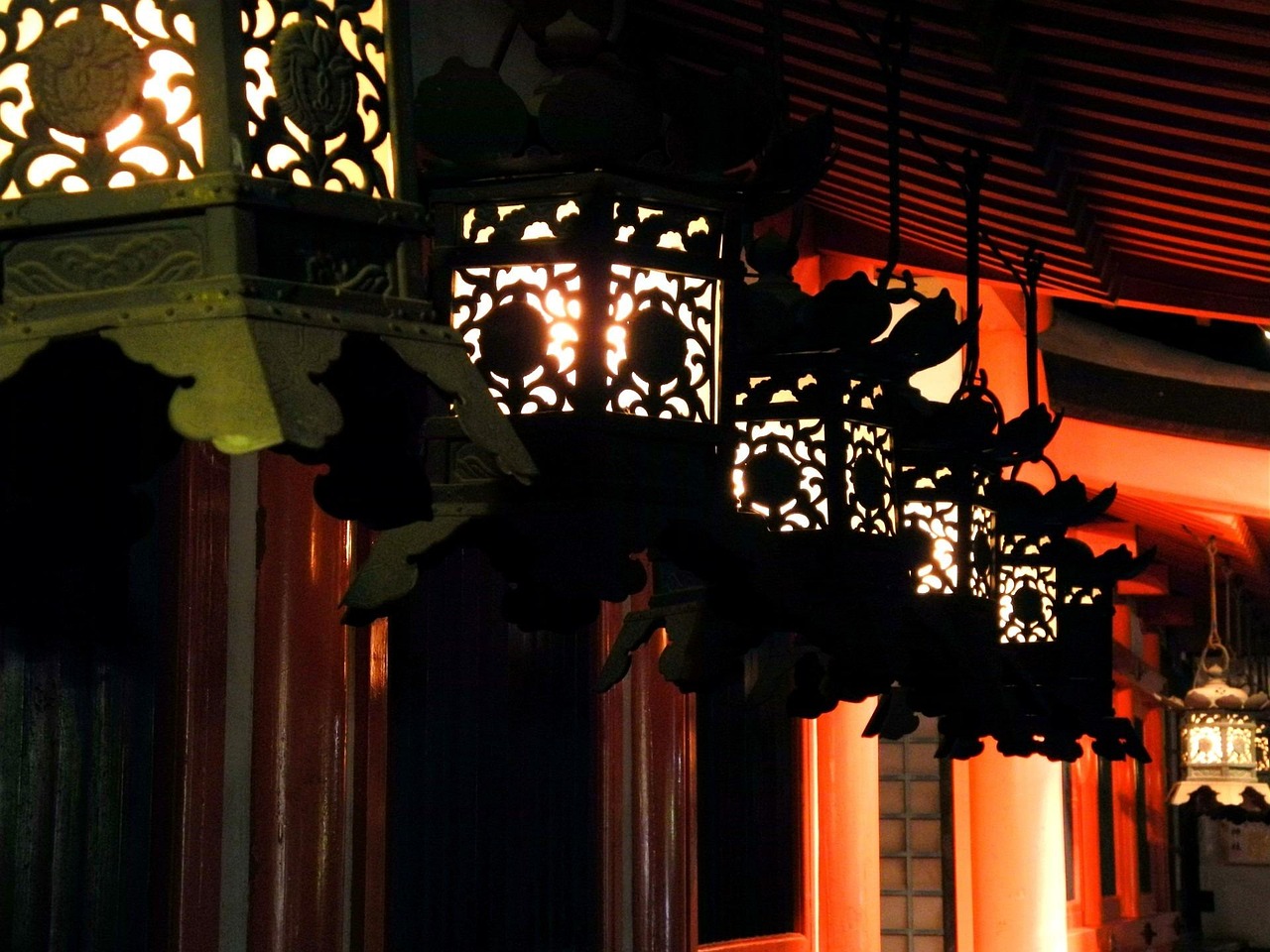
Osu Shopping District Tea Ceremony and Osu Kannon for local culture in Nagoya
If your ideal afternoon includes personality and local texture, osu shopping district osu kannon tea ceremony Nagoya is the city’s most playful contrast. Osu feels welcoming rather than overwhelming: small boutiques, vintage finds, street snacks, and a rhythm that invites you to wander. It’s also a wonderful place to explore Nagoya beyond the obvious, especially if you enjoy discovering smaller stories.
Start by letting yourself get a little lost—then anchor the experience with one cultural moment that brings you back to centre.
Osu Kannon and the 1333 temple detail
Osu Kannon is the district’s grounding point, a buddhist temple with an origin that dates to 1333. Even if you’re only here briefly, the atmosphere changes the tempo: incense, quiet footsteps, and a sense that the city has been layered over centuries rather than built all at once. Step aside, watch how locals move, and follow their lead with care and soft voices.
It’s a small pause that can make an entire day feel more meaningful.
Tea ceremony mindfulness and food chosen with intention
One visitor described participating in a tea ceremony hosted in the Osu district as a moment of cultural mindfulness—posture, silence, and simple gestures creating connection with locals. If you book one, arrive early, remove shoes when requested, and let the host set the pace. The experience is less about “performing correctly” and more about trust: you’re being guided, and it’s safe to relax into it.
For dining, take a concierge recommendation seriously. A food enthusiast once told us about uncovering a hidden sushi bar this way—fresh regional flavours, quietly exceptional, and far from crowded tourist spots. You can also sample Nagoya classics: miso-katsu (crisp pork cutlets with rich sauce), kishimen noodles, and the distinctive depth of miso itself. The joy here is the variety of restaurants without the need to over-plan.
- Payments: keep some cash for smaller shops, but many places now accept cards.
- Best times: late morning is calmer; evenings feel lively without being hectic.
- Security: wear a crossbody bag, keep valuables close, and stay present.
Yamazaki River Canals and Cherry Blossoms in Higashi Ward for Yamazaki River canal cruise Higashi Ward Nagoya cherry blossoms
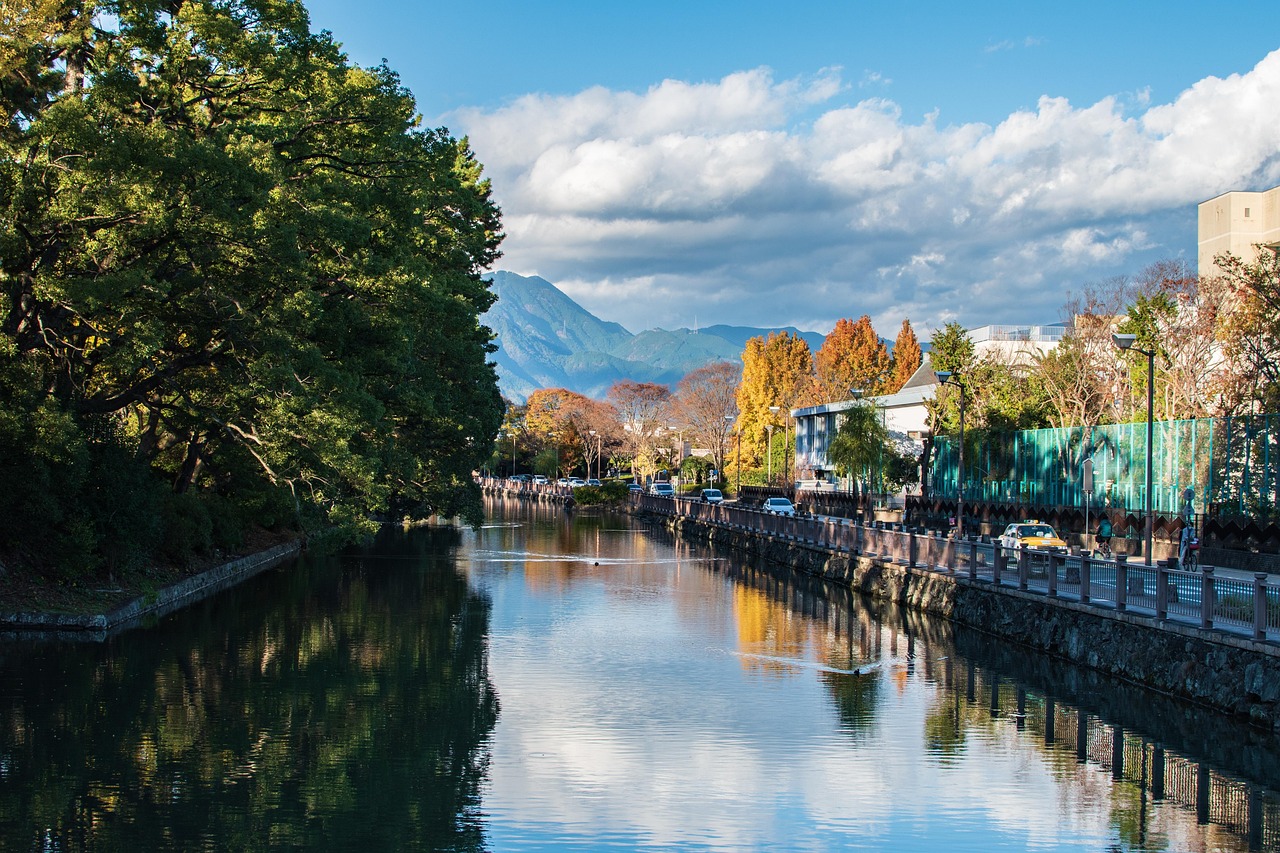
Yamazaki River Canals and Cherry Blossoms in Higashi Ward Nagoya
A Yamazaki River canal cruise Higashi Ward Nagoya cherry blossoms experience is the city’s most soothing reset—urban nature with an unexpectedly tranquil tone. This is where Nagoya feels like it’s supporting you, not demanding your attention. If your trip has included museums and city evenings, the water brings everything back into balance.
Even a short cruise can feel restorative, especially if you arrive a few minutes early and let the environment settle around you.
Best time to visit for spring and autumn light
The time to visit for the most comfortable weather is spring (March–May) or autumn (September–November). In spring, blossoms soften the canal edges; in autumn, the light turns golden and flattering, ideal for a slower pace and fewer crowds. These shoulder seasons also make it easier to keep dinner reservations on schedule—no weather drama, no frantic changes.
If you’re visiting in warmer months, prioritise shade and choose earlier timings so you’re never pushing through heat.
Designing a short loop with subway access and comfort
Practicalities matter here. Bring water, consider sun protection, and keep a light layer for breezes along the canal. Use the subway to reach the area, then enjoy a gentle walk through the surrounding area before or after your cruise; it’s a simple loop that feels crafted rather than effortful.
A lovely golden-hour plan is canals first, then an early dinner reservation—ideally somewhere you can savour hitsumabushi (grilled eel) in an upscale setting, lingering over each stage of the dish as the city’s evening hum begins.
Day Trips into Aichi Inuyama and Ghibli Park for Aichi Prefecture day trip Inuyama Ghibli Park from Nagoya
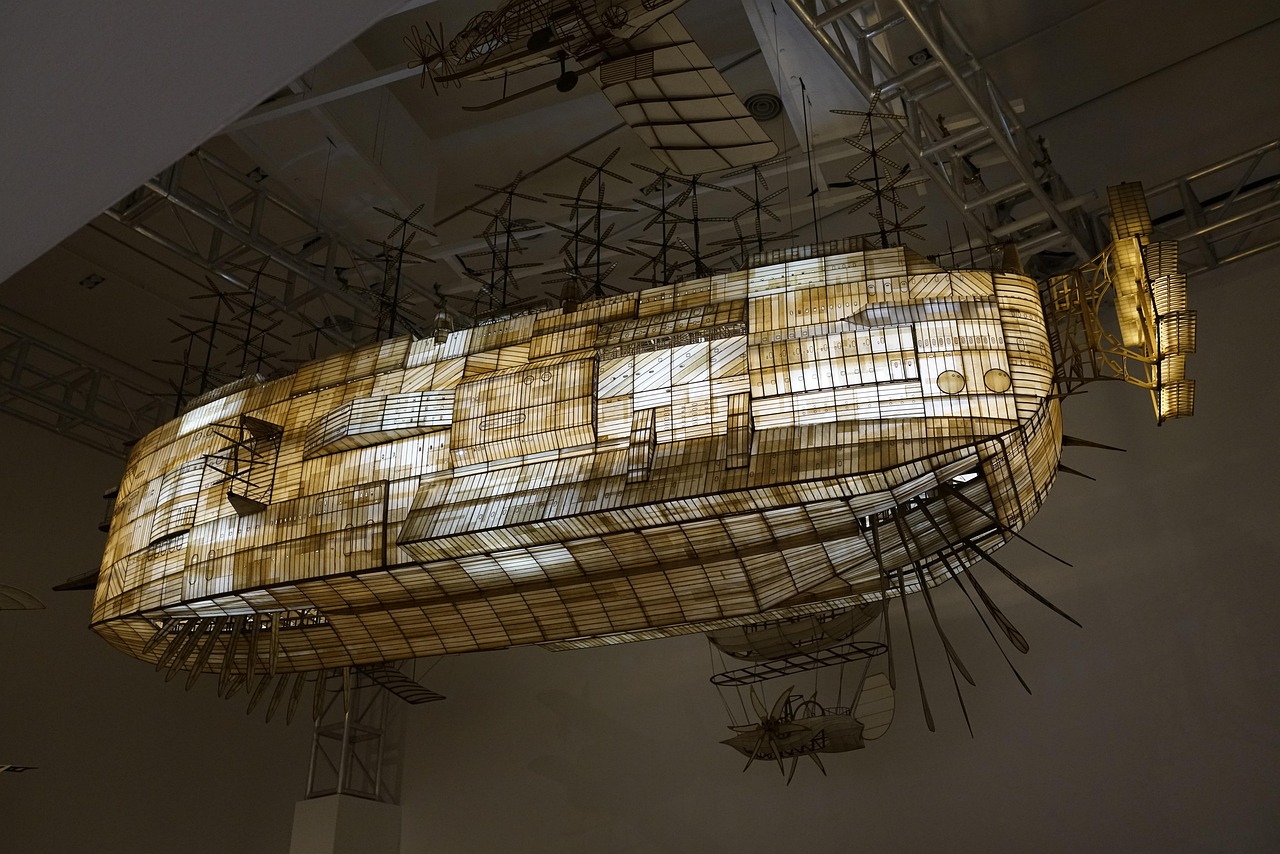
Day Trips into Aichi with Inuyama and Ghibli Park from Nagoya
An aichi prefecture day trip inuyama ghibli park from Nagoya is where the city truly shines as a refined hub. With straightforward rail planning (reserved seats where possible), you can step out for a focused adventure and return to your hotel by evening—no need to repack, no need to relocate. It’s a high-end way to travel: one beautiful outing, then back to familiar comfort.
If you’re travelling with family or mixing interests, these two options cover heritage and imagination with equal ease.
Inuyama Castle as a national treasure with riverside charm
Inuyama is a graceful excursion, anchored by Inuyama Castle—recognised as a national treasure and counted among the castles in the country that still feel genuinely atmospheric. The setting near the river adds softness to the history, and the town itself lends a slower, more intimate pace than big-city sightseeing.
For comfort and safety, wear gentle footwear: you’ll encounter steeper stairs and tighter passages than you might expect. Take your time, use handrails, and pause as needed; there’s no prize for rushing, and the view is better when you arrive unflustered.
Ghibli Park timing and tickets for Studio Ghibli fans
Ghibli Park is a region-wide pilgrimage for studio ghibli admirers, built more like a storybook landscape than a conventional theme park. The highlight for many is ghibli’s grand warehouse, but timed tickets are essential and should be booked early. If you prefer a calmer experience, choose the earliest entry of the day and plan a flexible lunch—something light, with recovery time afterwards.
Luxury pacing advice is simple: choose one “big” outing per day. Keep space for a café, a quiet stroll, or even a nap back at your hotel, so the joy stays intact and you return to Nagoya with your confidence intact.
What Stayed With Me After Nagoya for Nagoya luxury travel reflections
Nagoya doesn’t insist on itself. It earns your trust through small, beautifully handled moments: a door held quietly, a room designed with thought, a staff member who senses you’d like a softer pace. In a country where courtesy is an art, this city feels especially gentle—an ease that settles into you without needing to announce itself.
What lingers is often the texture rather than the list. The memory of stepping into a boutique ryokan and feeling instantly cared for. The hush of a garden path where lights turned stone and water into something almost theatrical, yet calm. The shared rhythm of a tea ritual, where silence didn’t feel awkward, it felt human. Even the confidence of being guided—by signage, by service, by design—until you realise you’re moving through the city with steady reassurance.
Long after you’ve left, Nagoya remains as a kind of quiet calibration: innovation with grace, culture without strain, and space to breathe inside a journey. It’s the sort of place that makes you imagine returning—not because you missed anything, but because you know how good it feels to be held, lightly, by a city that understands.
F.A.Qs: Nagoya Japan attractions
What is Nagoya popular for?
Nagoya is popular for its blend of heritage and innovation: Nagoya Castle and its restored palace, the Toyota legacy and design culture, and excellent local food such as hitsumabushi. It’s also valued as a well-connected hub on the Shinkansen line, making it easy to combine with Tokyo, Kyoto, or Osaka while enjoying a calmer, more local pace.
What is the tourist attraction of Nagoya Japan?
A signature tourist attraction is Nagoya Castle, especially when paired with the Honmaru Palace for craftsmanship and historical context. Other highlights include the Toyota Commemorative Museum of Industry and Technology, Osu Kannon and the Osu shopping streets, and modern city views around Sakae, Oasis 21, and the Mirai Tower.
Is Nagoya worth visiting in Japan?
Yes—Nagoya is worth visiting if you enjoy culture with breathing room. It offers major sights without constant crowds, refined museums, excellent dining, and easy transport connections across central Japan. For high-end travellers, the city’s calm efficiency, thoughtful service, and well-paced experiences make it a confident choice between Tokyo and Osaka.
What to do in Nagoya in 3 days?
In three days, balance icons with neighbourhood texture. Spend one day on Nagoya Castle and nearby cultural spots, one day on Toyota innovation and a skyline evening in Sakae, and one day in Osu for shopping, Osu Kannon, and a tea ceremony or foodie reservations. If time allows, add a gentle canal stroll or a day trip to Inuyama or Ghibli Park with pre-booked tickets.