Post Contents
- Visit Nara from Osaka or Kyoto: A Calm Day Trip Itinerary You Can Trust
- Todai-ji Temple in Nara: Great Buddha Hall, World Heritage Attraction, and National Treasure
- Nara Park & Deer Park + Isuien Garden: a Restorative Itinerary Between Temples
- Kasuga Taisha Shrine in Nara: Lantern Paths and Forest Atmosphere to Explore
- Naramachi + Nara National Museum: Local Luxury, Craft Shopping, and a Relaxed Afternoon Itinerary
- What Stays With You After a Day in Nara: Reflection from a Nara Travel Guide
- F.A.Qs: Things to do in Nara Japan
Visit Nara from Osaka or Kyoto: A Calm Day Trip Itinerary You Can Trust
Visit Nara from Osaka or Kyoto: A Calm Day Trip Itinerary You Can Trust
If you’re planning things to do in Nara Japan as part of a considered Japan itinerary, the beauty of Nara is how easily it becomes a meaningful pause rather than a rushed detour. This nara day trip itinerary is designed for travellers choosing osaka or kyoto: Nara is compact, walkable, and deeply atmospheric—japan’s first permanent capital, the first permanent capital and former capital of japan where heritage still shapes daily life. With an early start and a gentle loop around the park area, you can experience landmark temples in japan, a revered shrine, and the quieter pleasures of nara city without feeling hurried on your trip to nara.
For high-end travellers, the secret is to design the day around pace and ease: arrive before peak day trippers, keep transfers effortless, and leave space for quiet observation between each temple and shrine stop. Nara prefecture has so much, but for a day trip from osaka (or Kyoto), choosing fewer, richer moments builds trust in the day—and in yourself as a traveller. If you’re deciding between osaka or kyoto as a base, this guide helps you compare routes, timing, and the best time to visit for light, weather, and crowd levels.
Arriving in Nara from Osaka or Kyoto: best stations, easiest routes, and quick tips
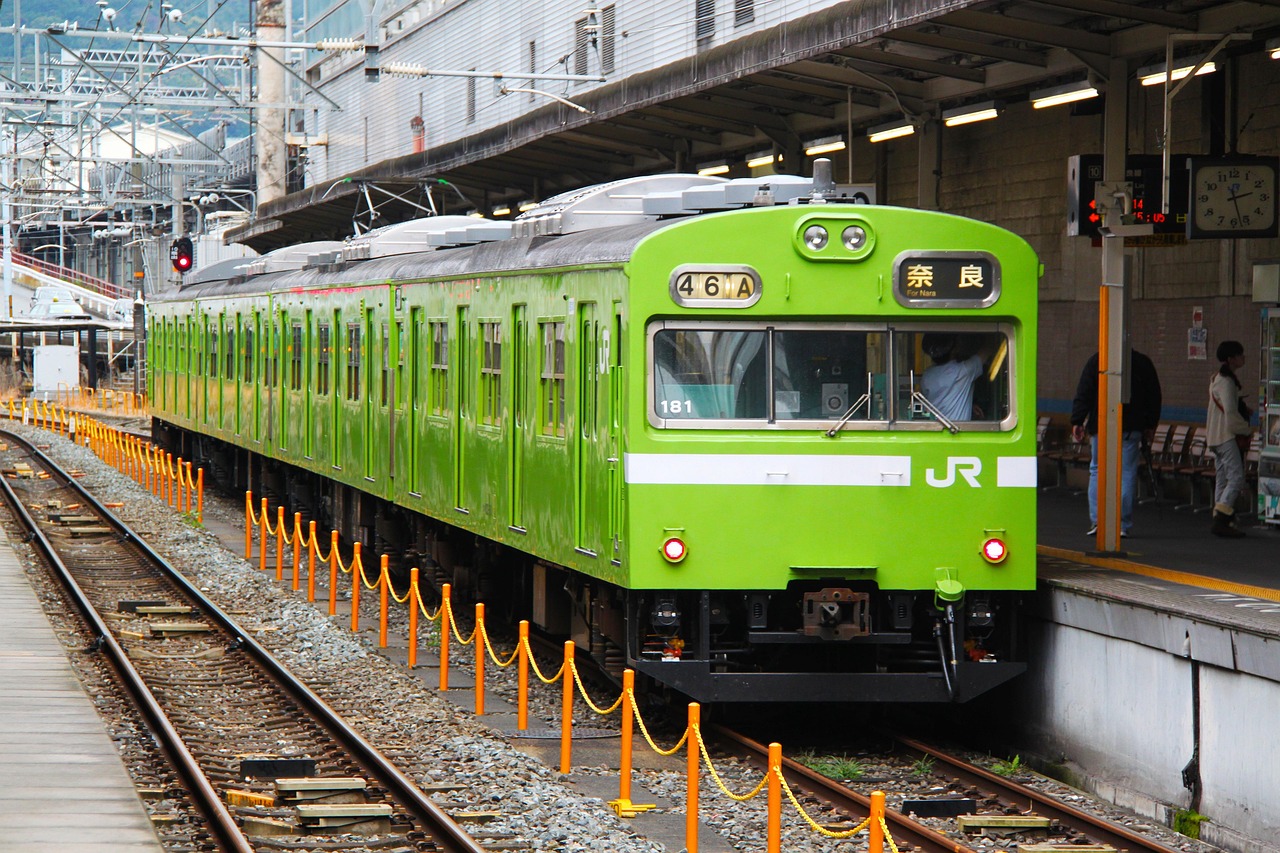
The two most convenient train stations in nara are Kintetsu-Nara Station and Nara Station (served by JR Nara lines). Kintetsu is typically closest for the classic sights around Nara Park, while JR can be handy depending on your hotel, rail pass, and preferred pace. If this is a first visit to nara, many travellers find Kintetsu’s location makes the morning feel smoother—less walking before your first temple visit even begins.
From kyoto and osaka, the ride is often less than one hour (depending on service), which is why Nara works so well on kyoto and osaka itineraries. If you’re coming on the kintetsu nara line, you’ll step out within easy reach of the park edge; from JR Nara, a short taxi can add comfort, particularly in summer heat or if you’re dressed for a refined lunch reservation. Aim to carry only what you need—Nara rewards lightness, and it keeps your connection to your onward train to kyoto or return to Osaka simple.
Morning flow: a one day itinerary for a calm day in Nara
For a truly restorative one day itinerary, begin early—think of it as stepping into Nara before the city raises its voice. Start with Todaiji temple while the approach paths are still spacious, then let the morning soften into Nara Park and a garden pause, and only later shift to boutiques and museum time. This creates a day in nara that feels curated rather than crowded, with each temple moment given room to land.
A simple loop works beautifully: station arrival, Todaiji and its gate, Nara Park wander, Isuien for a quiet reset with views of the city, then Kasuga Taisha and the forest hush. After that, Naramachi’s streets and a crafted lunch bring you back into local life, followed by a graceful stroll towards the station for your return to Kyoto or Osaka. It’s an easy way to explore nara without turning the day into a checklist.
Seamless ticketing and comfort tips help you stay present:
- Nara pass: consider a city pass offering unlimited rides on buses and local trains; check inclusions, validity dates, and where to buy at major stations.
- Transfers: a quick taxi from JR Nara can be a quiet luxury when you want to arrive composed and ready for your first temple.
- Timing: plan your first temple visit in the first hour after opening for the calmest atmosphere.
- Support: a local guide can add story-rich insight, and a private driver can simplify a trip from osaka if you prefer door-to-door ease.
If you’d like to imagine a longer trip to japan built around these kinds of elegant day experiences, you can browse our Trip gallery for inspiration.


Todai-ji Temple in Nara: Great Buddha Hall, World Heritage Attraction, and National Treasure
Todai-ji Temple in Nara: Great Buddha Hall, World Heritage Attraction, and National Treasure
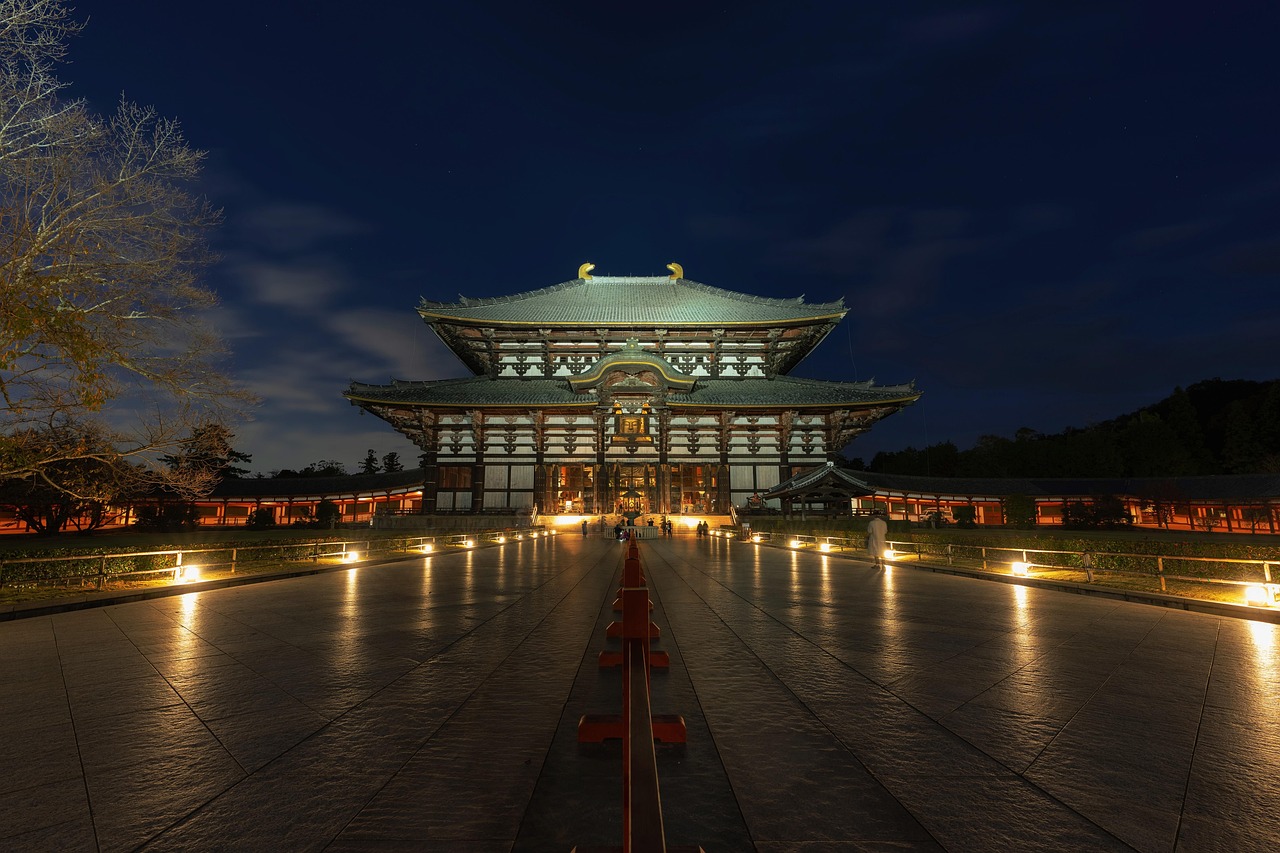
Begin your morning with Todai-ji Temple and the Great Buddha Hall, because this temple sets the emotional tone of Nara—quiet, grounded, and awe-filled. As you approach through the vast Nandaimon Gate, the scale of the timberwork becomes its own kind of reassurance: you’re stepping into a living legacy, not a rushed photo stop. For many travellers, this is the single most unforgettable attraction in Nara, and it remains a true national treasure moment even on a busy day.
Crossing into the buddha hall (Daibutsuden) is a sensory shift. There’s often a faint trace of incense, the low murmur of footsteps on wood, and then that unmistakable moment when the great buddha appears—an immense, serene presence and one of the largest bronze Buddha figures you’ll ever encounter. The hall itself carries the feeling of largest wooden architecture, holding you in a warm darkness that makes the gold details glow; it’s a temple interior that invites you to slow down, not rush through.
How to visit Todai-ji Temple with confidence: tickets, timing, and temple etiquette
Opening times can change seasonally, so it’s worth checking the current hours the night before. Expect modest admission fees for the Great Buddha Hall; having cash to hand makes the entry feel seamless. Photography is usually allowed in parts of this Buddhist temple complex, but keep your flash off, move slowly, and let others have their moment—this is a buddhist space where quiet is part of the design.
If you’re sensitive to crowds, arrive right at opening. That first hour often feels like a private viewing, especially if you pause rather than push forward. A few extra minutes standing still in the temple can be more memorable than circling the hall twice.
Craftsmanship and context: UNESCO World Heritage in the city of Nara
Todai-ji (often written as Todaiji) is more than an icon; it’s a window into the city of nara as a cultural centre when power was rooted here. Nara is home to eight unesco world heritage sites across the broader area, and Todai-ji sits within that constellation as a revered unesco world heritage site and a cornerstone of Nara’s world heritage story. You don’t need to memorise dates to feel the achievement—just notice the joinery, the patina on pillars, and the way people naturally lower their voices as they move through the temple precinct.
If you’d like a refined add-on, look for gentle viewpoints and smaller halls nearby rather than trying to see everything in one sweep. The goal is not to collect temples, but to find the temple experience that stays with you.
Nara Park & Deer Park + Isuien Garden: a Restorative Itinerary Between Temples
Nara Park & Deer Park + Isuien Garden: a Restorative Itinerary Between Temples
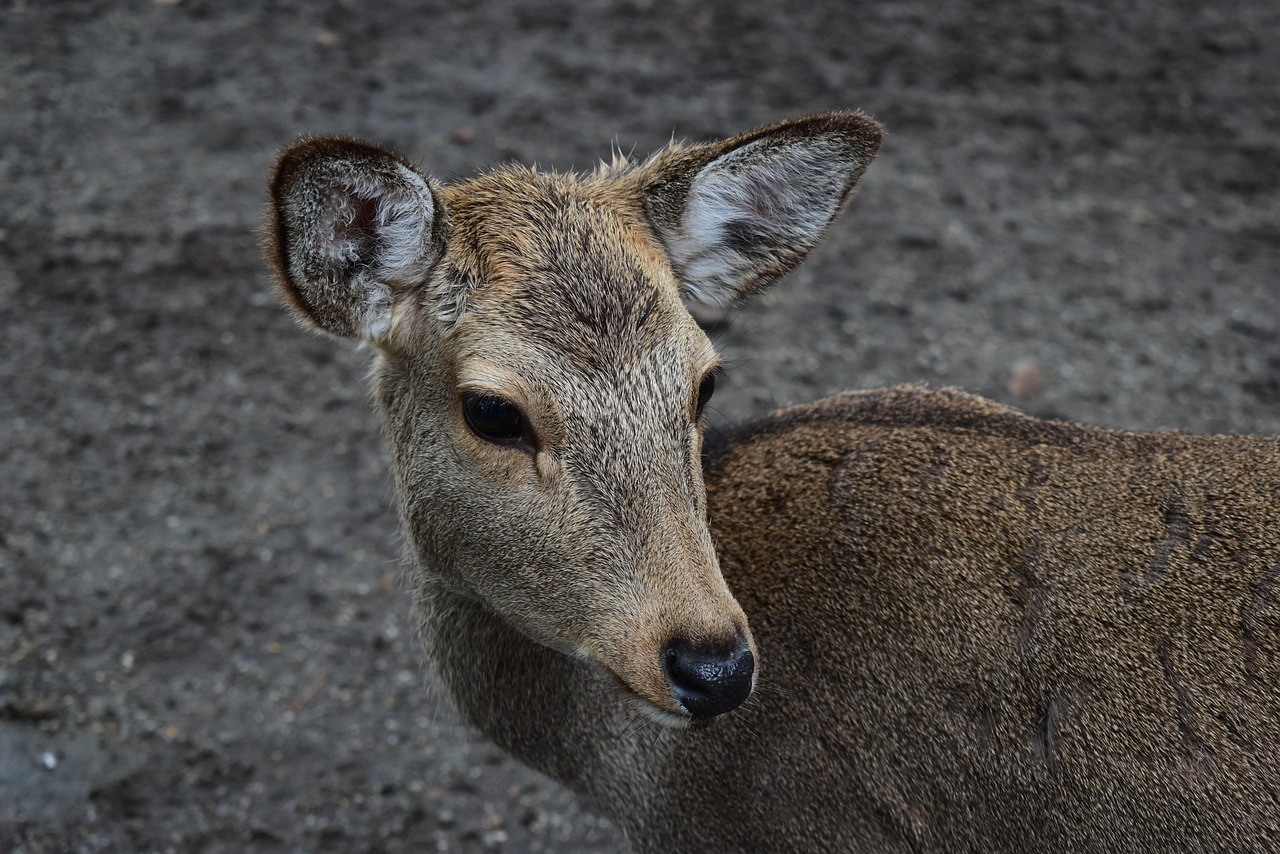
After the grandeur of Todai-ji Temple, the most natural next chapter is a gentle nara park wander followed by an isuien garden pause—an ideal pairing that balances delight with stillness. Nara Park can be visited for free and is famously open and green, and you’ll quickly understand why deer have become an emblem of the city. The atmosphere is relaxed, but the deer in nara are real animals, and travelling well here means meeting them with trust and care.
One luxury traveller once shared that quietly observing the deer, then gently feeding a few, created a personal connection—like history had stepped off a scroll and into the present. It’s a lovely thought to hold as you walk: in Nara, nature, shrine tradition, and temple history sit together without forcing your attention.
Deer encounters with care in Nara deer park: how to feed the deer safely
To create the signature moment, buy the approved deer crackers (shika senbei) from vendors and feed the deer calmly. Hold crackers close to your body, offer them one at a time, and step back if a deer becomes insistent. Keep shopping bags secure, as the deer can be curious and surprisingly quick in the nara deer park and wider deer park lawns.
Deer dos and don’ts matter, especially if you’re travelling with children or wearing delicate clothing:
- Don’t offer human food, and avoid teasing—this keeps the deer park experience safe and respectful.
- Be extra mindful in mating season (late autumn), when deer can be more assertive.
- Watch body language: a lowered head can be a request, but also a sign to give space.
- If you feel overwhelmed, simply move a few metres away—there’s room to breathe across the park.
Isuien Garden calm: a tea house break with temple views
From the open lawns, transition into Isuien, a garden that feels like a quiet exhale. The landscaping is precise but not showy, with curated sightlines that borrow distant scenery—at certain angles you can glimpse Todai-ji’s gate and feel the temple presence without being inside the temple itself. A solo traveller once described the garden as a retreat from the city: silent contemplation among artistic plantings, with time slowing to match the rhythm of water.
If you can, pause at the tea house for something simple and seasonal. Even a short sit can reset your senses, making the rest of Nara feel brighter and more spacious. This is also where good shoes pay off: paths can be uneven, and a little comfort planning keeps your day trip crafted rather than tiring.
Before you continue, take a micro-break—hydrate, adjust layers, and check your next timing. Small acts of support, even self-support, are what make a day trip feel truly seamless.
Kasuga Taisha Shrine in Nara: Lantern Paths and Forest Atmosphere to Explore
Kasuga Taisha Shrine in Nara: Lantern Paths and Forest Atmosphere to Explore
Next, let the landscape draw you into the forest hush with kasuga taisha as your guiding idea—even if you’re not visiting on lantern festival dates. The walk shifts from open park to shaded pathways, and the mood becomes instinctively quieter. The vermilion architecture of kasuga feels vivid against the green, and the kasuga taisha shrine complex offers a different kind of beauty than a temple: lighter, more rhythmic, shaped by ritual and seasonal change.
This is where many travellers feel Nara’s gentle power. You’re still within Nara Park’s wider world, yet suddenly it feels like you’ve stepped into a protected pocket of time—an ideal counterpoint to the morning’s temple scale.
Lantern traditions at Kasuga: bronze lanterns, stone lanterns, and festival glow
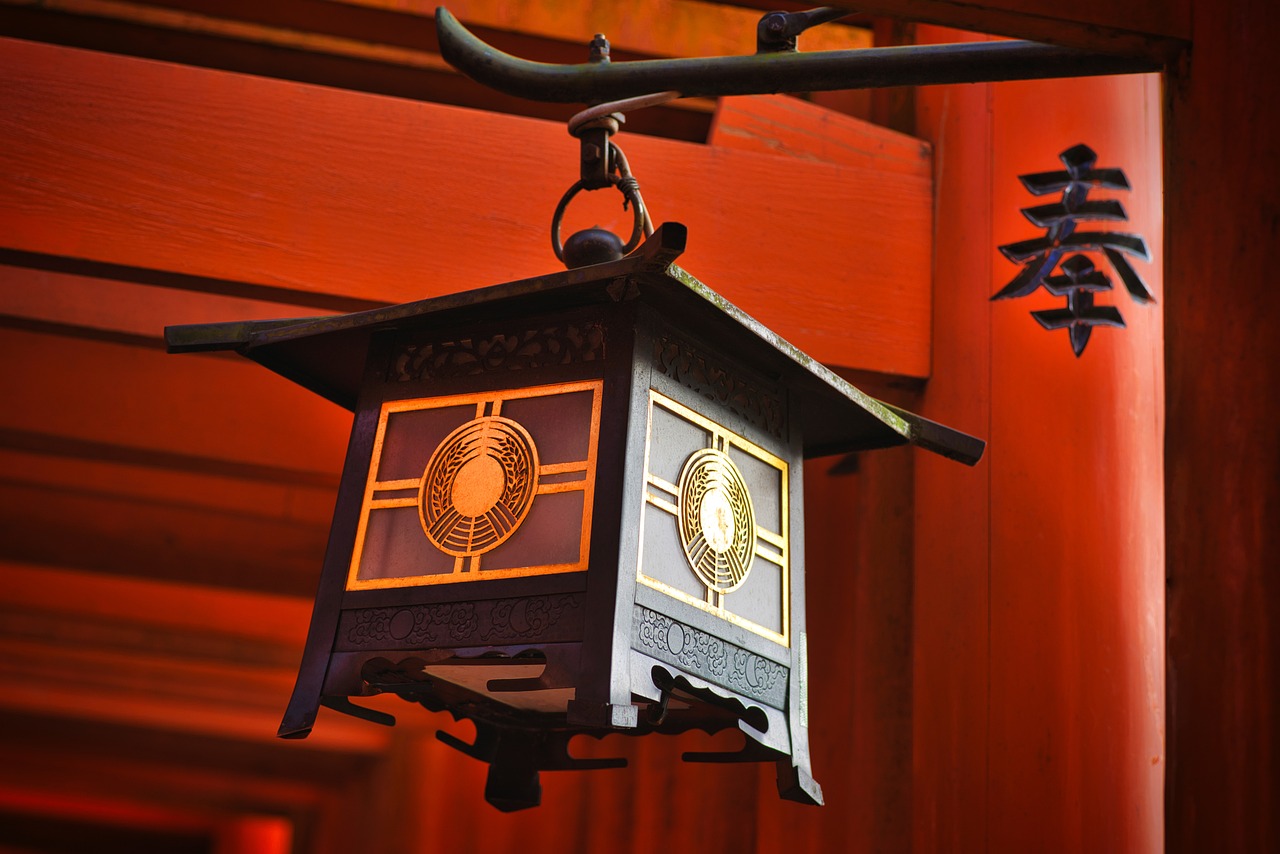
Kasuga is famous for its lantern tradition: stone lanterns lining the approach and bronze lanterns hanging within the shrine precincts. On lantern festival evenings, the soft light turns the pathways into something almost dreamlike—an experience that can feel both grand and deeply personal, and one of the most photogenic things to do in Nara after temple touring.
One visitor recalled attending the festival and watching hundreds of glowing lanterns illuminate sacred paths. They described a peace that felt physical, as if the forest itself was holding everyone together in silence. If you can align your time to visit with these seasonal nights, it’s a rare kind of enchantment—calm, not performative.
Shrine etiquette at Kasuga Taisha: simple steps that feel reassuring
If shrines feel unfamiliar, a few basics will give you confidence. Bow once as you enter, keep to the side of the main path if others are processing, and speak softly. If there’s a cleansing basin, rinse hands and mouth lightly (many travellers simply rinse hands). Photography is usually fine, but avoid intrusive angles and step aside if someone is praying.
When you’re ready, take a gentle loop through woodland at the deer park edge and back around the park. It’s an elegant way to visit nara without overpacking your afternoon, and it keeps the rhythm of temple, garden, and shrine balanced.
Naramachi + Nara National Museum: Local Luxury, Craft Shopping, and a Relaxed Afternoon Itinerary
Naramachi + Nara National Museum: Local Luxury, Craft Shopping, and a Relaxed Afternoon Itinerary
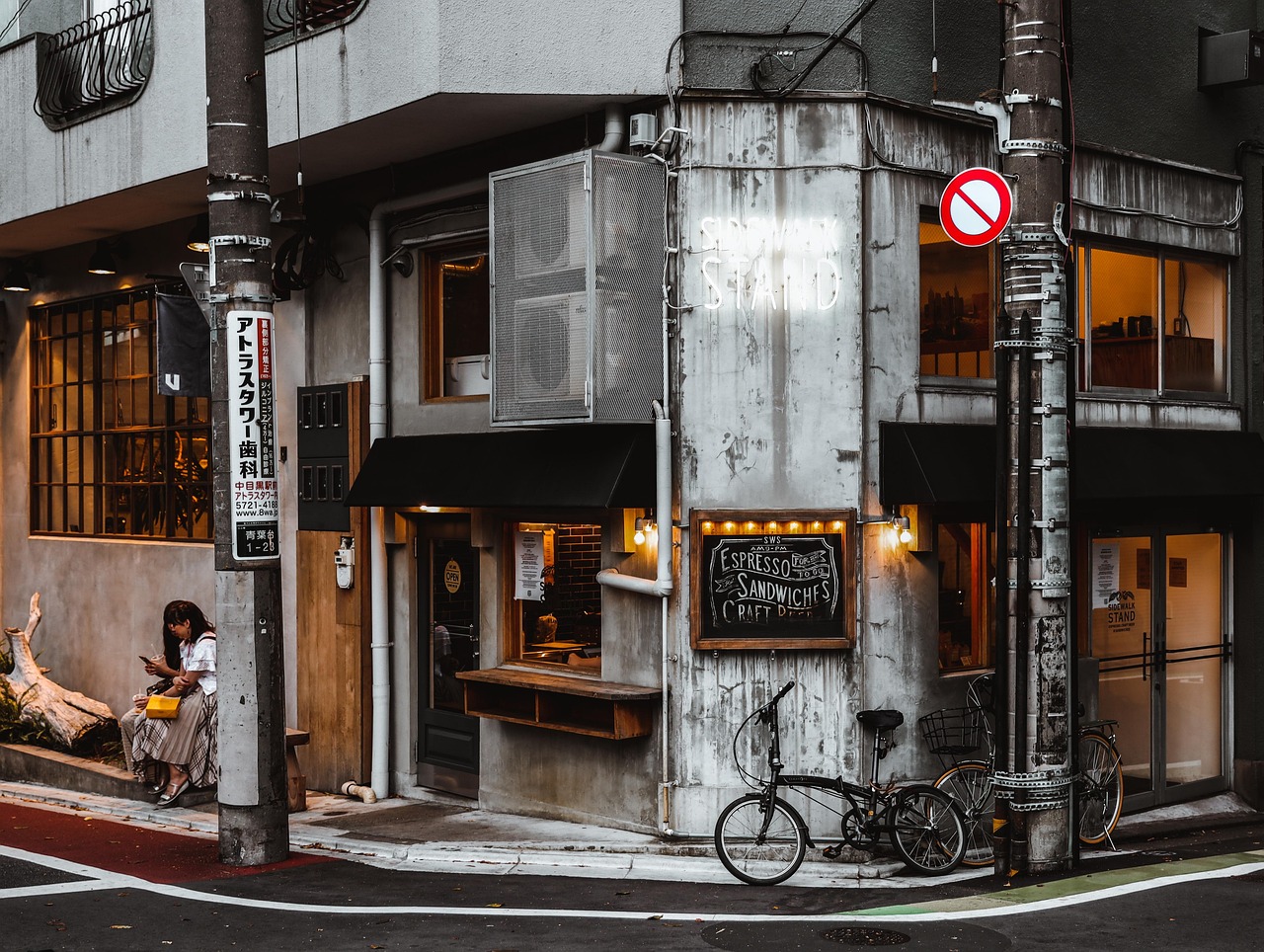
By early afternoon, shift into texture and local life with Naramachi and the nara national museum—a pairing that feels both cultured and wonderfully human. Naramachi’s preserved merchant houses, design-led boutiques, small galleries, and cafés offer a slower kind of discovery. After temple and shrine spaces, it’s refreshing to wander streets where daily life continues, quietly elegant in the heart of nara city.
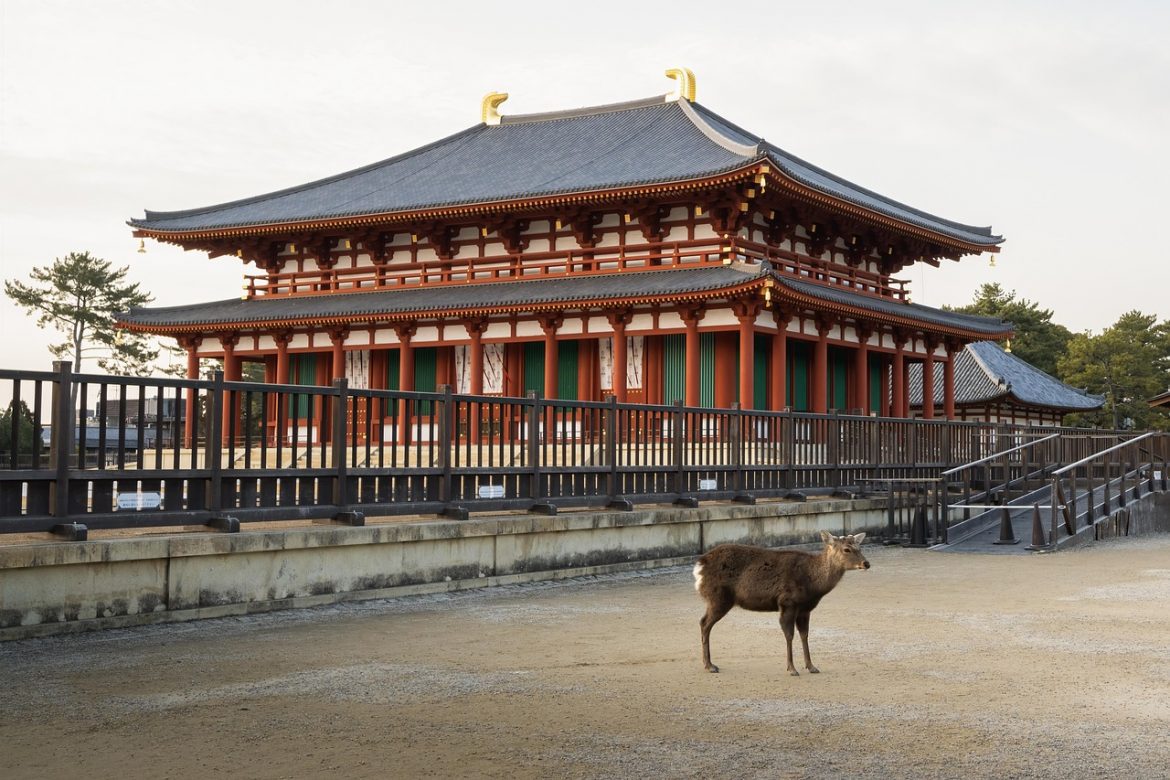
If you’re choosing between areas in nara, this is the one that makes the city feel lived-in rather than simply visited. You’ll find craft, textiles, ceramics, and thoughtful souvenirs that carry meaning long after you return home, and you can also pass nearby temple landmarks like Kōfuku-ji, known for its striking pagoda, the central golden hall, and the eastern golden hall (timed entry may apply). It’s an easy way to add one more temple note without stretching your day.
Boutique ryokan in Naramachi: after-hours calm beyond a day trip
A couple who stayed in a boutique ryokan in naramachi described waking to traditional architecture and savouring local delicacies at breakfast—an intimate window into Nara before the streets fill. If your schedule allows more than a day trip (even one night), this is where the magic deepens. The evening quiet can make familiar streets feel entirely new, and the morning light on wooden façades is its own reward.
Even if you’re only here for half a day after the park, you can still create that feeling: choose one or two boutiques, sit for a well-made coffee, and let the pace become yours.
Crafted lunch plans and Nara National Museum highlights (without museum fatigue)
For lunch, aim for a refined kaiseki-style set or a seasonal tasting menu—crafted, local, and beautifully presented. If you have a particular restaurant in mind, booking ahead is the simplest way to keep things seamless, especially in spring during cherry blossom season or in autumn when the weather is at its most generous. This is also a good moment to check your budget: admission fees for Todai-ji Temple and Kasuga Taisha, plus museum tickets and shopping, can add up, but the quality is worth it when chosen with intention.
The Nara National Museum is a strong choice if you want a curated indoor option—particularly in rain or summer heat. Rather than trying to see it all, design a 60–90 minute visit focused on highlights of Buddhist art, including sculpture and iconography related to the buddha and temple ritual. You’ll leave with sharper insight into what you saw earlier in the temple, without museum fatigue.
On the way back, consider a polished stroll along higashimuki shopping street for easy shopping and a straightforward route towards the station. It’s a gentle way to rejoin the modern world before you return to nara station and kintetsu-nara station areas for departure.
Comfort notes for a smooth finish:
- Carry a light layer—temples and museum galleries can feel cooler than expected.
- Wear comfortable walking shoes; stones and uneven ground are common throughout Nara.
- Keep a little cash for smaller cafés and admission desks.
- If you’re returning by train from osaka to nara routes in reverse, allow a buffer so you’re not hurrying onto the platform.
What Stays With You After a Day in Nara: Reflection from a Nara Travel Guide
In this nara travel guide reflection, the most honest truth is that Nara doesn’t linger as a checklist. It stays as atmosphere: the stillness inside temple timber, the low echo of a hall, the gentle unpredictability of deer passing close, and the forest hush near Kasuga Taisha. When you leave, you may notice you’re quieter too—walking a little more softly, speaking with a little more care, as if you’ve added a calmer chapter to your japan itinerary.
There’s a particular comfort in how Nara looks after you. The city seems designed to hold your attention without demanding it, inviting you to slow down and trust the pace. Even the smallest rituals—bows, footsteps, a pause at a threshold—create calm together, as if you’ve been reminded how travel can be both personal and shared.
On the ride back towards Kyoto and Osaka, the memories can feel tactile: warm wood, bell tones, lantern light, and that moment of meeting the Great Buddha’s gaze. Nara was once the capital, and though power moved away from nara, something gentle remained—an ability to make space for contemplation in the middle of a trip to japan.
And perhaps that’s what you carry forward: not urgency to see more around japan, but curiosity for smaller moments—the kind you only notice when you give a place time to speak. If you’re building an itinerary that prioritises meaning, Nara is always a wise place to return to.
F.A.Qs: Things to do in Nara Japan
Is Nara, Japan worth visiting on a day trip?
Yes—Nara is absolutely worth visiting, especially as a refined day trip from Kyoto and Osaka. You’ll experience the unesco world heritage site at todaiji temple, the serene shrine atmosphere at Kasuga Taisha, and the unique calm of Nara Park, all within a compact city that rewards slow travel and thoughtful planning.
What not to miss in Nara for first-time visitors?
Don’t miss todai-ji temple and the Great Buddha Hall, the deer in Nara Park (with responsible feeding using approved crackers), and the lantern-lined paths of Kasuga Taisha. If you want a quieter counterpoint between each temple and shrine visit, Isuien offers a restorative garden pause, and Naramachi adds local boutiques and traditional streets.
Is 1 day in Nara enough for the main attractions?
One day is enough for a beautifully balanced visit to nara if you start early and keep the itinerary focused. You can see Todai-ji Temple, spend time around the park, visit Kasuga Taisha, and still enjoy a crafted lunch and a short stroll in Naramachi. If you prefer deeper calm, add an overnight stay and explore more temples at an unhurried pace.
Is it better to go to Nara from Osaka or Kyoto, and which station is best?
Both work well, and the best choice depends on your base and rail plan. nara from osaka is very straightforward, and Kyoto is equally convenient for a day trip. Many travellers prefer arriving via kintetsu-nara station for proximity to Nara Park, while JR Nara Station can suit certain rail passes, hotel locations, and onward connections.