Post Contents
- Toulouse, the Pink City – best things to do in Toulouse, France (a luxury first-weekend guide)
- Place du Capitole in Toulouse – old-town charm, hidden gems, and an unhurried micro-walk
- Basilique Saint-Sernin in Toulouse – a Romanesque attraction with a pilgrim history
- Museum in Toulouse – Les Abattoirs, Musée des Augustins, and Fondation Bemberg (a curated afternoon)
- Stay in Toulouse – luxury hôtel bases, easy transport, and day trips from Toulouse
- F.A.Qs
- What stays with you after Toulouse – Pink City memories and quiet moments
Toulouse, the Pink City – best things to do in Toulouse, France (a luxury first-weekend guide)
For a high-end first weekend, this guide to things to do in toulouse france starts the moment you land at Toulouse-Blagnac Airport. A tram transfer is easy, but a taxi (or pre-booked driver) buys you quiet confidence after a long flight, delivering you into the centre with luggage handled and your evening intact. Once you arrive, Toulouse feels walkable and intuitive: a city in France where soft light, rosy brick tones, and design-led details create an unforced pace. In southwestern France, Toulouse is also the fourth-largest city—yet it still feels like a place made for lingering.
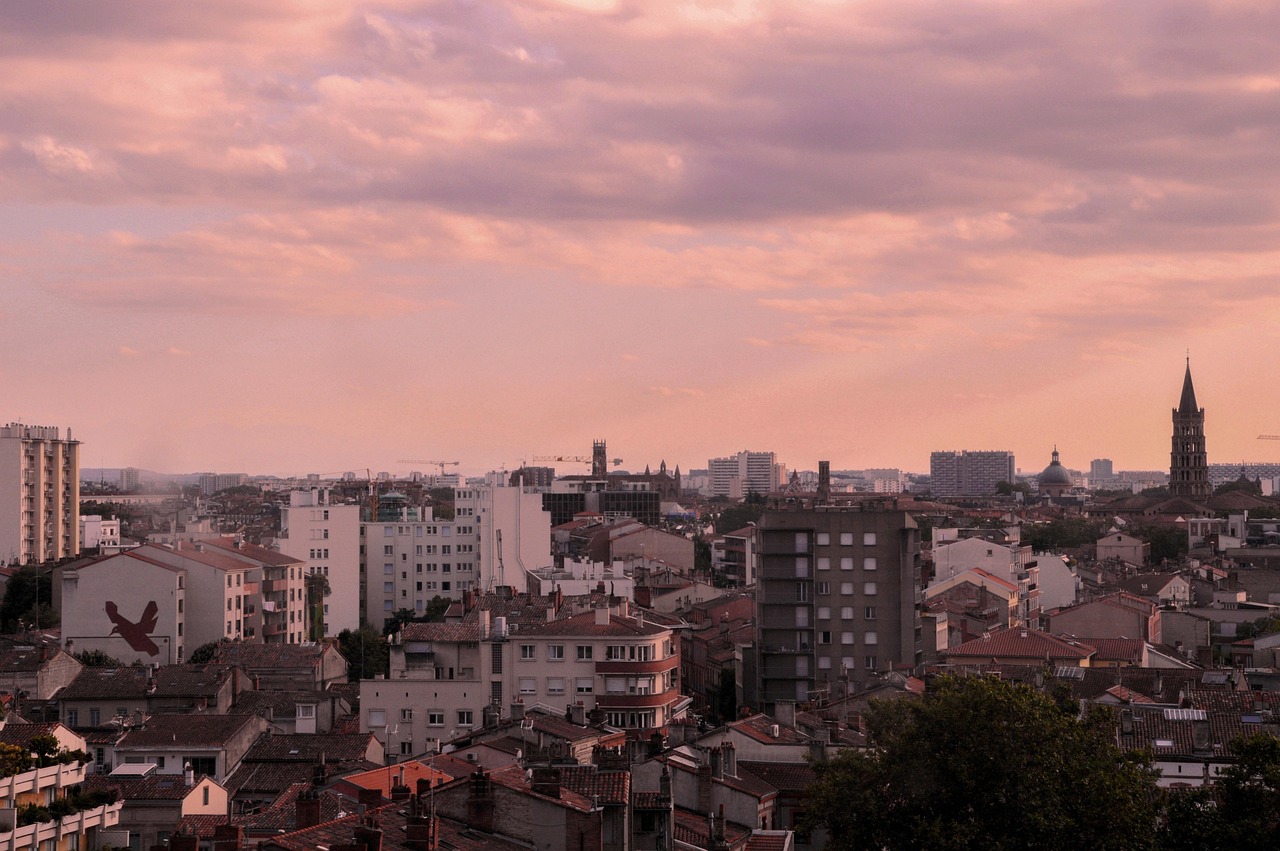
Toulouse in warm brick light: the Pink City mood that frames your weekend
Toulouse is famous for its terracotta glow and that gentle southern languor you notice between appointments: café cups clinking, shutters half-closed, and a sense that you can explore Toulouse without rushing. Start with signature anchors—the Capitole square, Basilique Saint-Sernin, and a stroll along the banks of the Garonne—then add a museum afternoon when the sun is high. If you’re curious about aviation, Toulouse offers a modern counterpoint too, from Airbus heritage to the interactive cité de l’espace and the wider aerospace industry.
Explore Toulouse with an easy two-day structure (a calm Toulouse trip)
Design your Toulouse trip around two unhurried days, then refine it depending on whether you’re travelling together as a couple, slipping away solo, or booking an expert private guide. The first day suits the old town and its grand moments; the second day is ideal for art, river light, and a dressed-up dinner. Add a quiet jardin pause at Jardin des Plantes, and if you like long, linear walks, trace the canal towards the Canal du Midi—where the route once linked the Mediterranean with the Atlantic.
- Day one: Capitole Square, a “lost on purpose” wander through a historic rue, then sunset near Pont Neuf.
- Second day: Marché Victor Hugo, a museum pairing, then the Garonne river at golden hour.
- Optional upgrades: private guide for Saint-Sernin and the Jacobins; pre-booked dining; taxi back after théâtre.
Costs are refreshingly manageable for a high-end traveller: many museums and major sites sit around €5–€10. For a seamless experience, book timed or skip-the-line tickets online, especially from May to September when festivals animate Toulouse and the city’s terraces feel beautifully full.
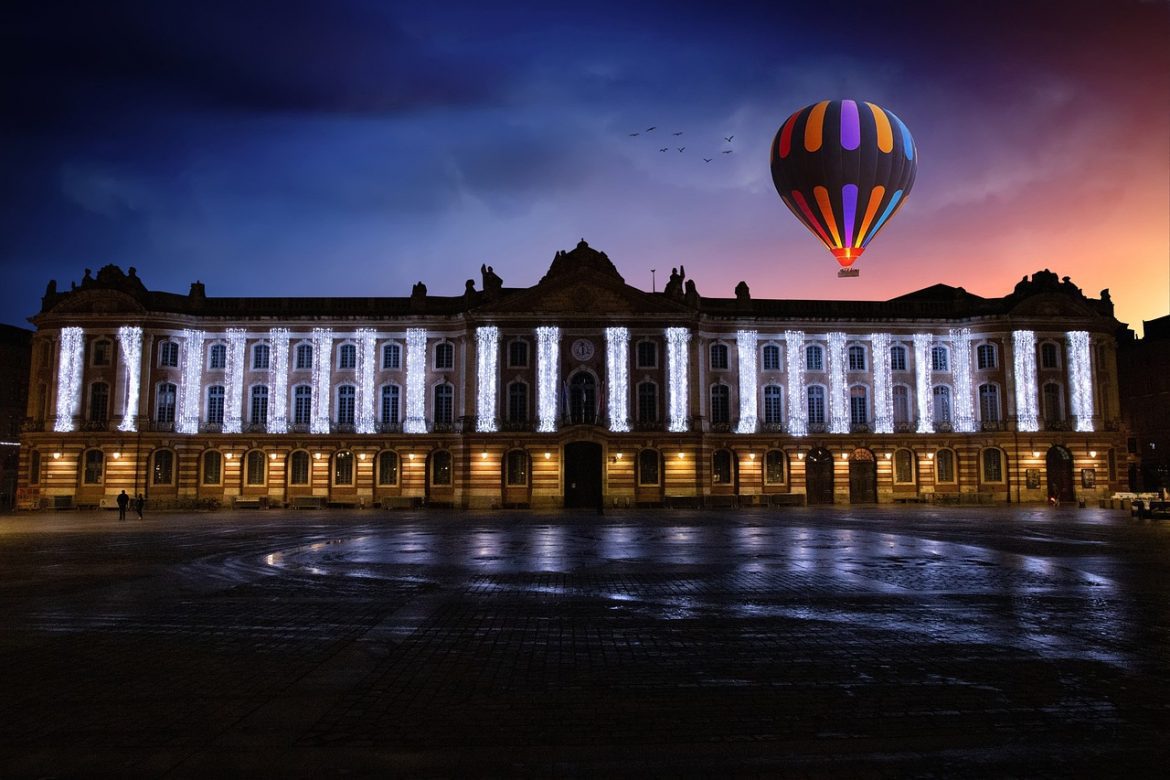
If your “Place du Capitole Toulouse old town hidden gems” search led you here, begin in the square in Toulouse that sets the tone: Place du Capitole. The neoclassical frontage feels almost theatrical, and it’s no accident the Théâtre du Capitole sits nearby—this is Toulouse at its most composed. Come early for crisp lines and uncrowded photographs, then return at golden hour when the brick turns honeyed, and the café awnings glow.
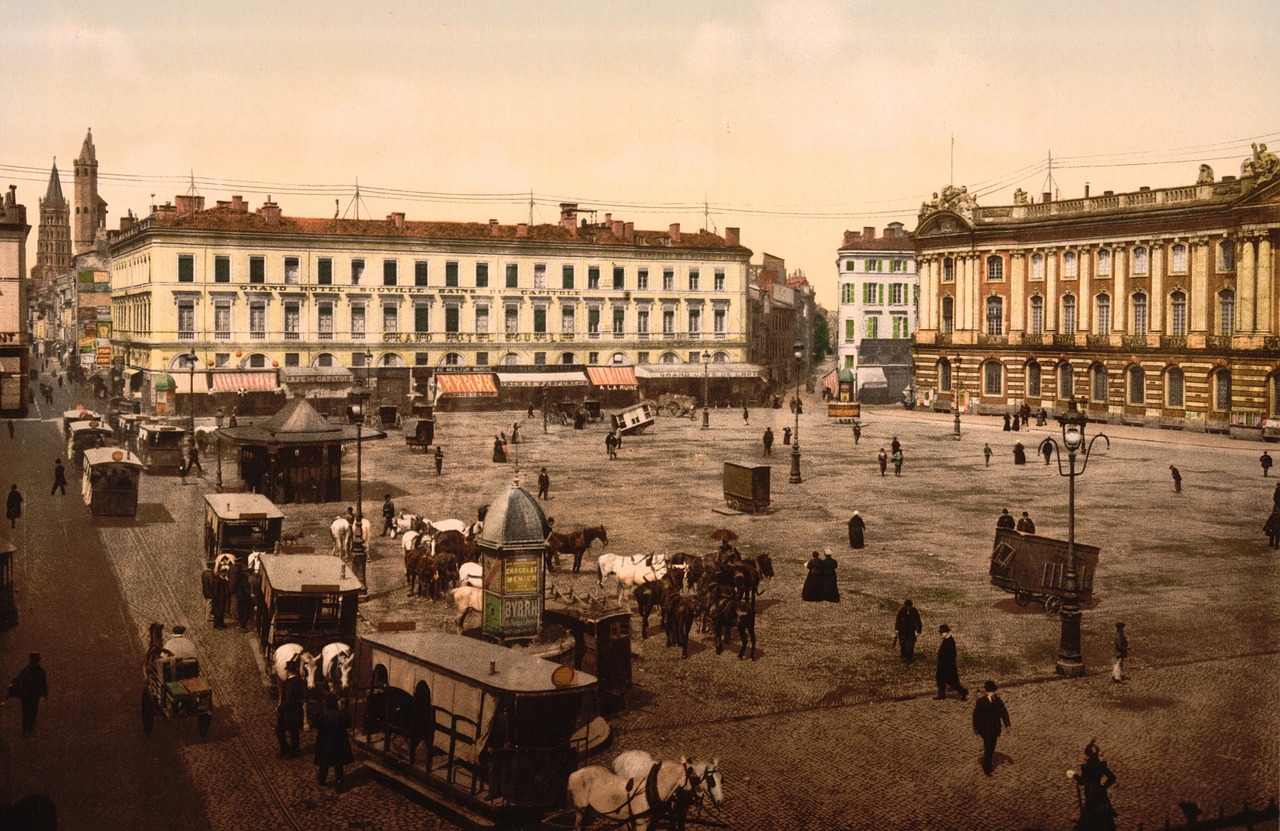
Old-town Toulouse around Place du Capitole: façades, cafés, and quiet corners
From the Capitole, take a “wrong turns welcome” route through the old town: narrow lanes that reveal small courtyards and 15th century details, plus shopfronts styled with a designer’s eye for colour. One solo traveller told us she drifted away from the crowds, followed music down a side street, and discovered a hidden jazz bar where a local greeted her like a regular. That sense of quiet welcome is a gem Toulouse gives generously, especially when you begin each interaction with a simple Bonjour.
For a high-end pause, plan an apéritif rather than another checklist. A slow glass of wine, a few olives, and an unhurried seat facing the square lets you watch Toulouse breathe. If you want a softer, intimate pocket, detour to Place de la Trinité—one of the most beautiful little corners to reset your pace before dinner.
Attractions in Toulouse: a micro-map of photogenic spots in Toulouse
Keep your tempo elegant with a few anchors, then let curiosity fill the gaps. Here’s a light “attractions in Toulouse” micro-map around the Capitole that works beautifully between lunch and evening plans:
- Best viewpoints: the Capitole façade at sunset; the river view near Pont Neuf.
- Best one café terrace: a front-row table facing the square for people-watching.
- Quiet interlude: Place de la Trinité for calm and conversation.
One traveller shared an unforgettable evening: cassoulet at a Michelin-starred table overlooking the Capitole, where heritage met genuine care in service. It’s a reminder that luxury in Toulouse isn’t only about polish—it’s the warmth of timing, the right table, and a city that feels pleased you chose it.
Basilique Saint-Sernin in Toulouse – a Romanesque attraction with a pilgrim history
For many visitors, “Basilique Saint-Sernin Toulouse Romanesque attraction guided tour” is the moment Toulouse turns from pretty to profound. The basilique is one of the largest remaining Romanesque structures in Europe, and its scale makes you instinctively lower your voice. This isn’t simply something to photograph—it’s a living narrative of pilgrim routes, a relic tradition, and the long thread to Santiago de Compostela.
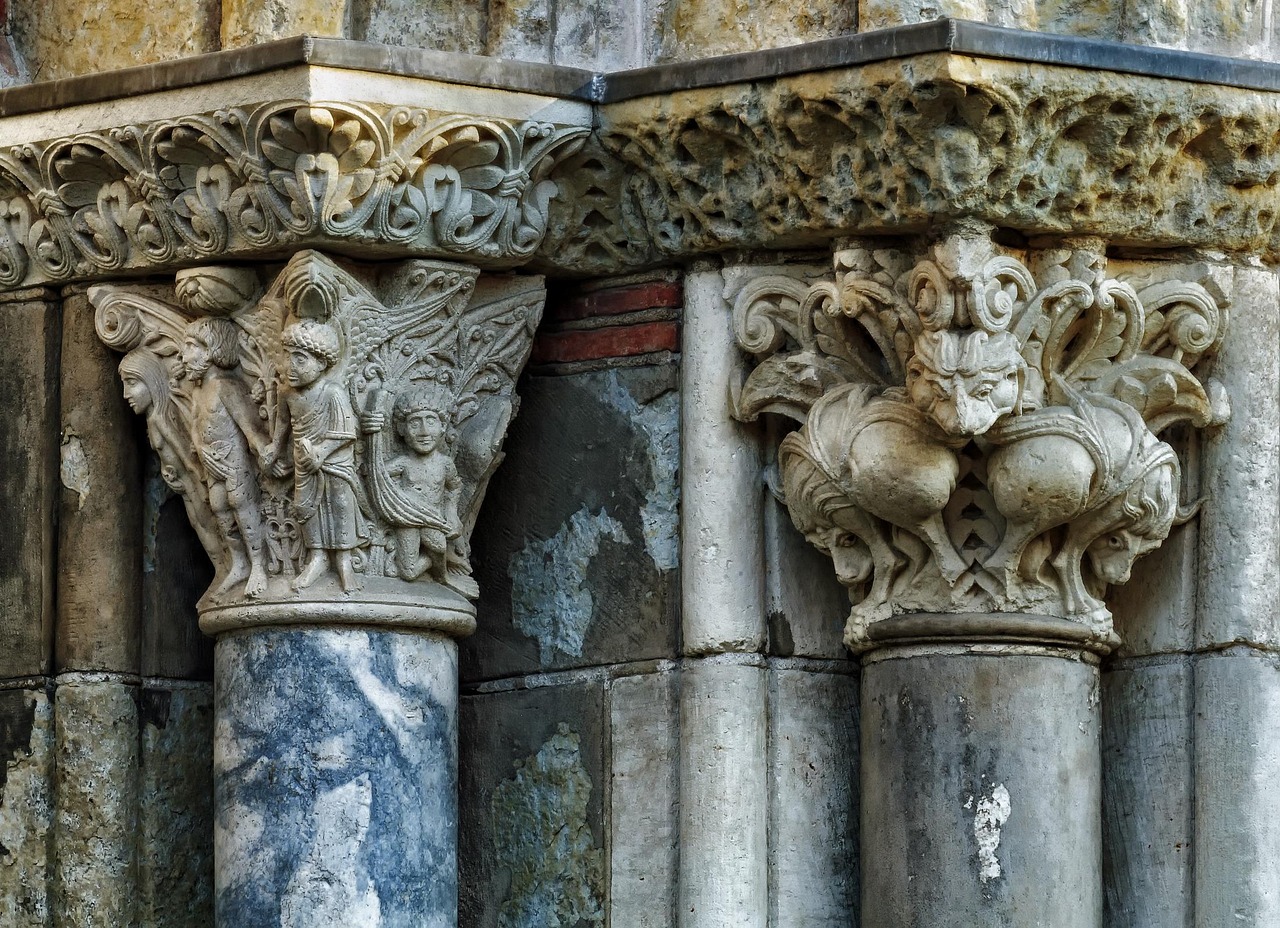
Toulouse heritage loop: Saint-Sernin and the Jacobins for quiet insight
Expert-led insight at Saint-Sernin, relics of st, and a quieter kind of awe
A visiting couple once described their awe here: intricate mosaics, soft candlelight, and an expert guide who made history feel like a story, not a lecture. With the right narrative, you understand why relics of st matter to the city’s identity—and why Saint-Sernin remains one of the oldest spiritual anchors in Toulouse. That feeling of trust comes from being guided well, with room for silence as well as explanation.
Couvent des Jacobins – Jacobins gothic calm and a cloister pause
From Saint-Sernin, walk the loop to the Couvent des Jacobins. The Jacobins complex offers a different beauty: gothic lines, symmetry, and a cloister hush that feels like a private exhale in the centre. Pairing these two stops is one of the best things you can do on foot in Toulouse: Romanesque warmth followed by meditative elegance, all within an easy stroll and a nearby café stop for something small and sweet.
Planning note: opening times can vary by season, so check ahead and aim for an early arrival. That simple choice often means you’ll have the space largely to yourself, which is its own kind of luxury.
Museum in Toulouse – Les Abattoirs, Musée des Augustins, and Fondation Bemberg (a curated afternoon)
When you look up “museum in Toulouse” options, you’re really searching for a particular rhythm: a slow afternoon where Toulouse feels curated, calm, and climate-friendly between walks. A museum day here is less about ticking galleries and more about letting the city’s creativity settle into you—an intentional reset before dinner or a river stroll. If you love museums in France, Toulouse makes it easy to build a sophisticated, low-stress itinerary.
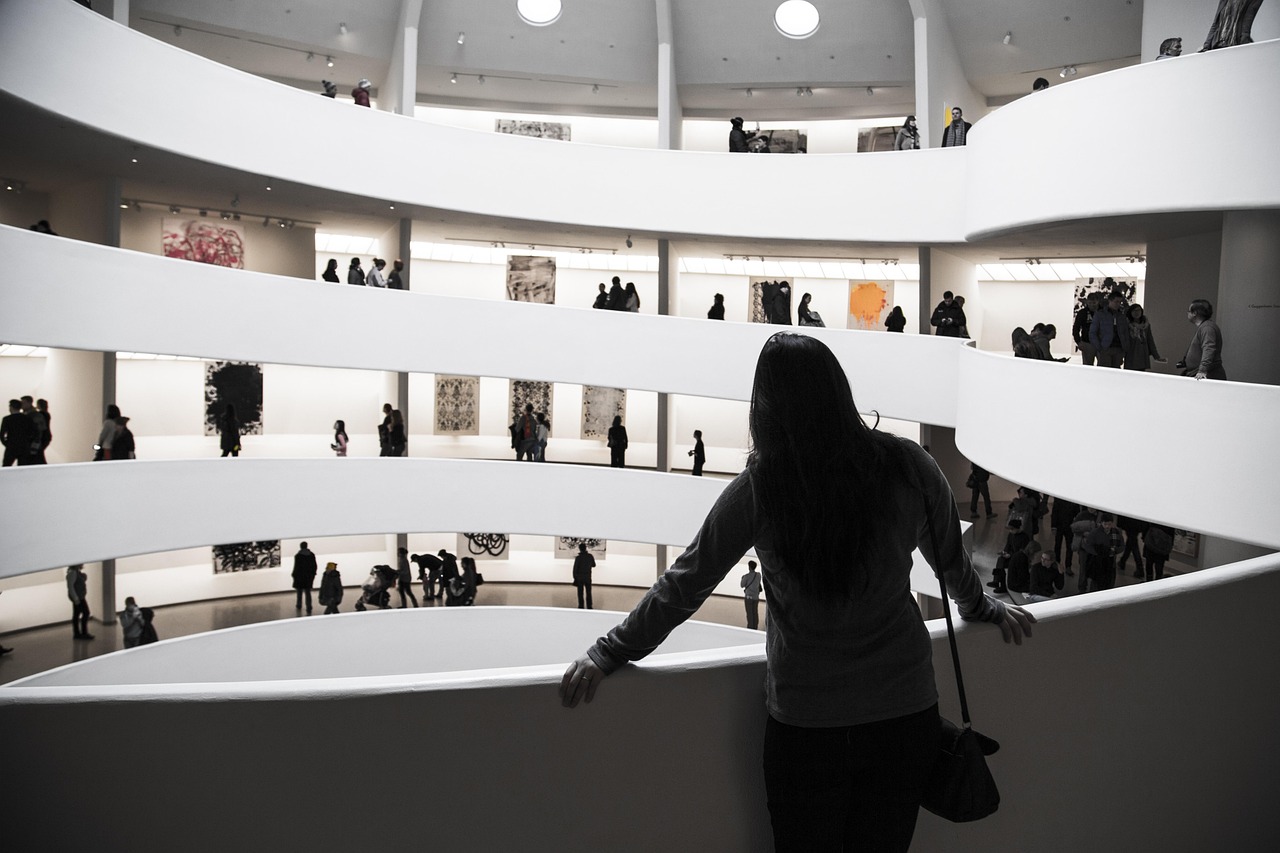
Museum time in Toulouse: quiet gallery light and thoughtfully paced afternoons
Les Abattoirs – an art museum and a museum of modern and contemporary ideas
Begin at Les Abattoirs, the city’s contemporary art centre and a standout art museum for modern and contemporary art. The slaughterhouse backstory adds texture to the experience: what once served industry now holds ideas, colour, and rotating exhibitions that change the feel of Toulouse from visit to visit. Give yourself time to sit—really sit—in the museum, noticing how light falls across walls and how calm can feel like support after a busy morning.
From Musée des Augustins to Fondation Bemberg – a mansion collection with quiet detail
For a classic counterpoint, the Musée des Augustins offers sculpture and painting heritage in a serene setting. Then shift to the more intimate Fondation Bemberg, set in a mansion that feels closer to a private home than a grand institution—perfect for travellers who prefer quiet detail over crowds. If you want one extra note for conversation, the Bemberg rooms make an elegant stop before dinner, especially when you keep the rest of the day deliberately light.
- A crafted trio: Les Abattoirs for contemporary art, Musée des Augustins for heritage, and Fondation Bemberg for intimacy.
- Local tip: ask a local what gallery show is “worth it this week”.
- Pacing tip: plan one museum before lunch, one after, and leave breathing space for coffee.
For extra texture, keep an eye out for pop-up exhibitions and smaller gallery spaces—Toulouse’s creative scene often lives in the in-between places, where you’re invited to linger rather than rush.
Stay in Toulouse – luxury hôtel bases, easy transport, and day trips from Toulouse
For “stay in Toulouse luxury hotels day trips from Toulouse itinerary”, the goal is simple: design a base that makes mornings easy and evenings beautiful. The historic city centre keeps you close to the Capitole, museums, and the Théâtre; riverside pockets by the Garonne offer quieter nights and softer light for early walks. Choose based on how you want Toulouse to feel after dinner—buzzing and central, or calm and cocooning—and remember that the city’s best experiences often start within a 15-minute walk.
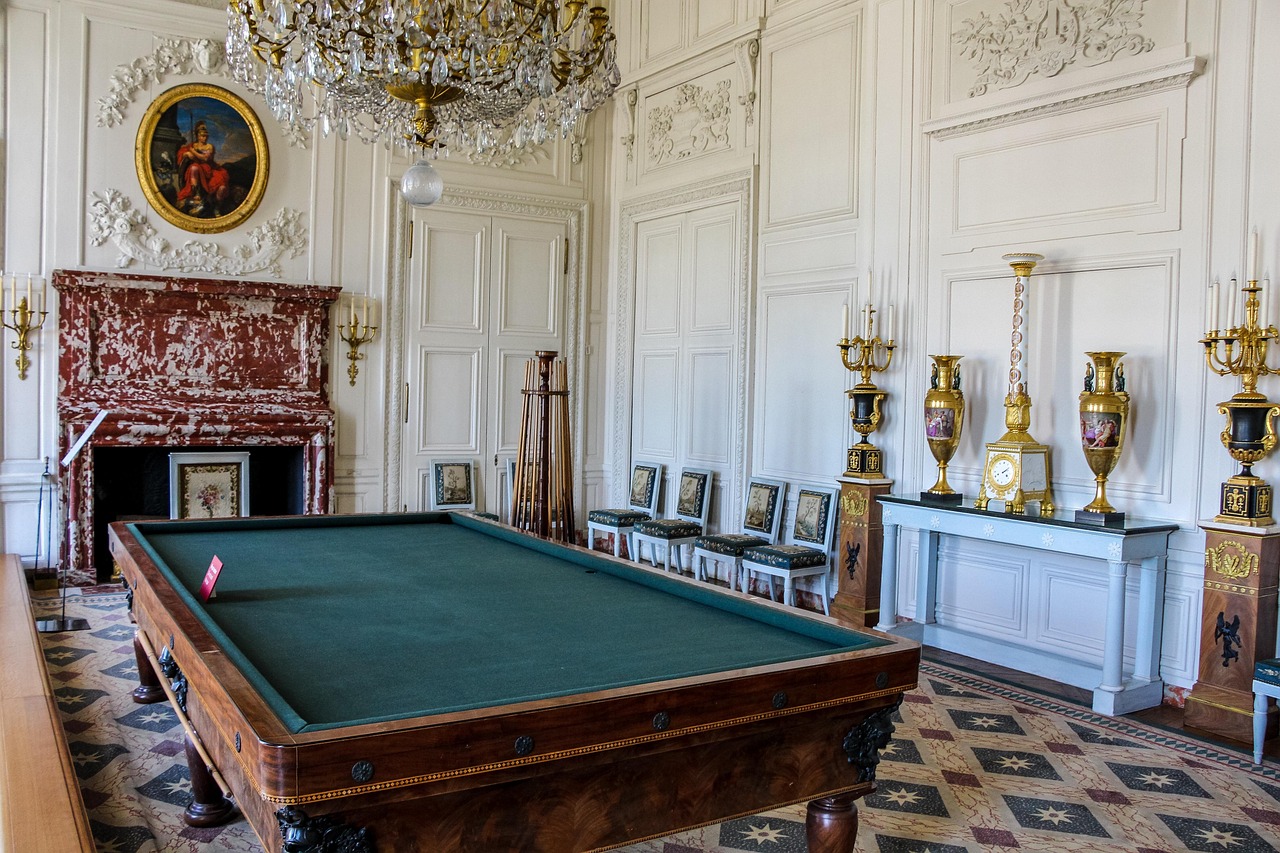
Designing a seamless Toulouse stay: where to base yourself and how to plan day trips
Day two framework for a seamless Toulouse day of markets, museums, and river light
A crafted second day works well even if you’re only here for a weekend: start at Marché Victor Hugo for market colour and impeccable produce, then drift to a museum when the streets warm up. Later, walk the Garonne river and pause near Quai de la Daurade for sunset—then dress up for dinner. For restaurants in Toulouse at the top end, book weeks ahead; Toulouse rewards planning with tables that feel perfectly placed.
Transport, canal walks, and comfort upgrades around Toulouse
Toulouse is largely walkable, with metro and tram options that feel safe and simple for quick hops around the city. Use taxis when timing matters, especially after the theatre, or when you’d rather arrive composed than slightly flustered. If you love waterline strolling, add a Canal du Midi segment or take gentle boat trips that reframe the city; some travellers prefer to cycle the towpath for a morning with minimal friction and maximum light.
For a modern, design-led detour, La Halle de la Machine is an unexpected delight—part performance, part workshop, and a reminder that Toulouse’s imagination isn’t confined to old stone. If you’re curious about the aerospace side of the region, include la halle de la machine on your list, then note Airbus as a cornerstone of France’s aerospace story.
- Where to stay: central hôtel addresses for walkable evenings, or riverside calm near Pont Neuf.
- Reservations: upscale dining and theatre tickets are best secured early for confidence.
- Safety with care: Toulouse is generally safe; still take standard precautions near the Garonne after dark.
For day trips from Toulouse, you have three high-impact options. Carcassonne delivers a world heritage atmosphere—an UNESCO world heritage site—wrapped in dramatic walls and cinematic views; Albi offers culture and elegance in a compact setting; and a Pyrenees escape brings mountain air and a change of palette. The train station is convenient for Carcassonne and Albi, while private transfers add comfort and timing control for the Pyrenees, especially if you’re travelling together and want to see more around Toulouse (au départ de Toulouse).
If you’d like visual inspiration before you design your route, browse our Trip gallery for France journeys that pair beautifully with Toulouse and the surrounding region.
F.A.Qs
Is Toulouse worth visiting for a short city break?
Yes—Toulouse is worth visiting if you enjoy a refined city break with warmth and beauty. It blends landmark architecture, excellent museums, and relaxed dining with a walkable centre and a calm, welcoming atmosphere that suits couples, friends, and solo travellers alike.
What is Toulouse, France, best known for (beyond the Pink City look)?
Toulouse is famous for its pink-terracotta brick architecture, its lively Capitole square, and major heritage sites like Saint-Sernin basilica. It’s also known for its innovation, with a strong aerospace presence that gives the city a distinctive mix of history and forward-thinking energy.
How many days do you need in Toulouse to see the highlights?
Two days is ideal for a first visit, giving you time for the old town, key landmarks, and at least one museum, afternoon without rushing. If you can stay three or four days, you can add day trips, longer canal walks, and more dining experiences at a relaxed pace.
What are the best things to do in Toulouse for first-time visitors?
Popular things to do in Toulouse include time in the Capitole area, visiting Saint-Sernin and the Jacobins, enjoying a Garonne stroll, and exploring key museums like Les Abattoirs. Many travellers also love the market scene, a performance at the Capitole, and a canal walk for a slower side of the city.
What stays with you after Toulouse – Pink City memories and quiet moments
“Toulouse travel memories Pink City France” isn’t only about what you saw—it’s what remains when the itinerary fades. The brick glow at dusk stays with you, as does the moment Toulouse quietens and café voices soften into a gentle hum. You remember the hush of a cloister, the easy kindness of a local who helped you find your way, and the subtle confidence that comes from moving through Toulouse at your own pace.
There’s a particular kind of togetherness here, whether you shared awe beneath vaulted stone, or found belonging in a small music room where no one minded that you arrived alone. Even the simple act of walking near Pont Neuf—often described as the oldest bridge in Toulouse—can feel like a private ritual, with the Garonne carrying the city’s light downstream.
And perhaps that’s Toulouse’s quiet gift: it doesn’t demand to be conquered. It invites you to discover Toulouse again in another season, to feel the Pink City differently—new light, the same ease.