Post Contents
- Must-See Attractions in Paris – Luxury Pacing for a First Visit in France
- Iconic Views in Paris: Eiffel Tower Experiences & Arc de Triomphe Best Views
- Art & Musée Culture: Louvre After-Hours at the Musée du Louvre (Mona Lisa)
- Place in Paris for Style and Soul: Montmartre, Le Marais & Hidden Passages
- Versailles Day Trip: Palace of Versailles, Gardens & Musical Fountain Shows
- F.A.Qs
- What Paris Leaves With You After the Last Goodbye in France
Must-See Attractions in Paris – Luxury Pacing for a First Visit in France

A high-end first visit, paced like a luxury itinerary in Paris
For a first visit to Paris, the goal isn’t to “do it all”—it’s to feel supported as you move through the city with ease. A must-see attraction in Paris might be the moment your driver meets you kerbside, your private guide senses when to speed up or slow down, and you find a way to see art, history, and beauty without friction. For high-end travellers, true comfort is access and privacy when you want it, plus a rhythm that protects your energy.
When we talk about the top 10 places to see in Paris, France, we mean the icons—yes—but also the pauses that make the heart of Paris feel welcoming. If this is your first trip to Paris, think “bucket list” moments with breathing space: a quiet museum slot, a slow lunch, then a neighbourhood drift rather than a sprint between landmarks, including the Eiffel Tower glow at dusk. It’s one of the best places to travel when the day is designed, yet you still feel wonderfully free.
Luxury pacing that feels intuitive, not rushed, across attractions in Paris
A simple itinerary framework keeps the classic attractions in Paris feeling effortless. Cluster sights by neighbourhood, and design each day with one “hero” booking, one quieter cultural layer, and one unhurried meal—so you can find the best windows for light, crowds, and mood. Evenings matter: they’re often the most romantic part of the city, whether you choose a Seine river cruise, a concert, or a discreet cocktail lounge.
- Morning: one headline booking (museum, monument, or VIP visit), ideally early to skip the line.
- Midday: a long lunch and a short walk—this is where Parisian rhythm becomes yours.
- Afternoon: a second, smaller stop (gallery, jardin du stroll, or boutique district) with built-in flexibility.
- Evening: plan it as a highlight—fine dining, opera, or a private car to a viewpoint to see the city in a softer light.
To balance the famous with the soulful, many travellers weave in the Rive Gauche, from the Latin Quarter for bookish lanes to the panthéon for quiet grandeur, then the Jardin du Luxembourg for a pause under towering chestnut trees. The beautiful Luxembourg mood—chairs angled toward the light, families sailing toy boats—can reset an entire day.
Paris hotels by style and setting, including stays near the Louvre
Where you stay shapes how you experience the city’s major sights. Right Bank glamour suits travellers who love couture and proximity to landmarks; the left bank leans toward character, cafés, and a softer tempo. If you’re aiming for early museum entries, consider staying near the louvre—those first slots can feel like having the galleries almost to yourself, and your driver can keep transfers short and calm.
Timing matters too. Spring and early autumn offer comfortable weather and fewer crowds, making it easier to keep your days relaxed. And if you’re drawn to Christmas in Paris, come for the lights, seasonal concerts, and winter dining—just book your transport and key reservations early for extra support and ease.
Insider Insight: A seamless stay is rarely accidental. Vetted drivers, concierges, and private guides form a quiet safety net—especially in central Paris, where crowds can be intense. It’s the kind of care that feels invisible until you realise how light and unhurried your days have become. If you’d like a visual starting point for curated France routes, browse our Trip gallery to see Paris experiences by travel style.
Iconic Views in Paris: Eiffel Tower Experiences & Arc de Triomphe Best Views
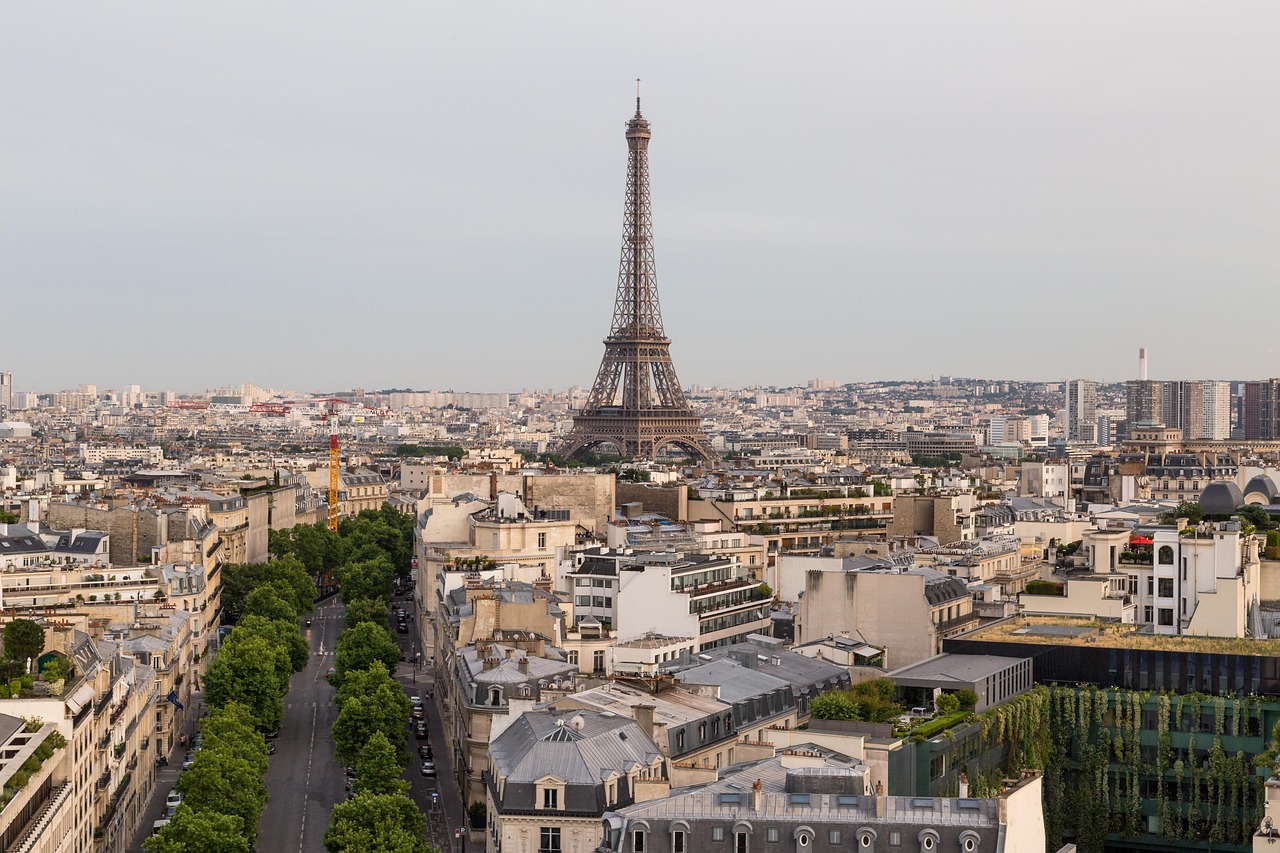
Iconic views in Paris, including the Eiffel Tower and the Arc
If your vision of Paris begins with skyline romance, this is where the Eiffel Tower comes into its own. Built for a world fair, it’s the symbol of Paris, yet the best way to see it is often the most considered: hosted entry, thoughtful timing, and space to simply take it in. To experience the Eiffel Tower with confidence, aim for first entry or a later slot when the light turns honey-gold, and the rooftops of Paris start to glow.
There are many ways to experience the Eiffel Tower, but high-end travellers tend to love two: a hosted ascent paired with a photographer who understands discreet angles, or a dinner reservation that turns the evening into something quietly ceremonial. The goal is not just photos—it’s presence. You’re not simply looking at views of the city; you’re feeling Paris unfold beneath you, overlooking the Seine in real time.
Eiffel Tower VIP access and Le Jules Verne, a personal anniversary memory
A couple once told us their anniversary became unforgettable at Le Jules Verne. They reserved months in advance, and their concierge noted it was a celebration—small details followed: a calmer arrival, a table request angled toward the river’s sparkle, and a pace that let conversation breathe. As the Eiffel Tower glowed, the panoramic skyline seemed to expand its evening; it wasn’t loud luxury, just a deeply personal sense of being looked after.
Practical notes help keep the magic intact. Ticket prices vary by level and access, and dining at Le Jules Verne requires reservations well in advance. If you want certainty, skip-the-line tickets or a hosted entry can make the difference between a stressful queue and a seamless arrival. In busy seasons, it’s wise to book an expert guide and take a tour that adds context without overloading you.
Arc de Triomphe monument moments, from Napoleon to the top of the arc
The Arc de Triomphe is a monument commissioned by Napoleon, set at the centre of a grand Parisian geometry. Arrive with a private driver to avoid the busiest crossings, then ascend to the top of the arc for that classic perspective—twelve avenues radiating out like a star, the city laid out with cinematic clarity. Down below, the tomb of the unknown soldier brings a hush to the visit, a reminder of French soldiers and the human stories beneath the postcard views.
For a crafted photo route, link these landmarks along the Seine without trying to do too much in one go. A gentle loop can include the Champ de Mars, a viewpoint overlooking the Seine, and an easy return for a late supper. It’s a smart way to absorb scale—and one of the best places to visit when you want elegance without hurry.
Art & Musée Culture: Louvre After-Hours at the Musée du Louvre (Mona Lisa)
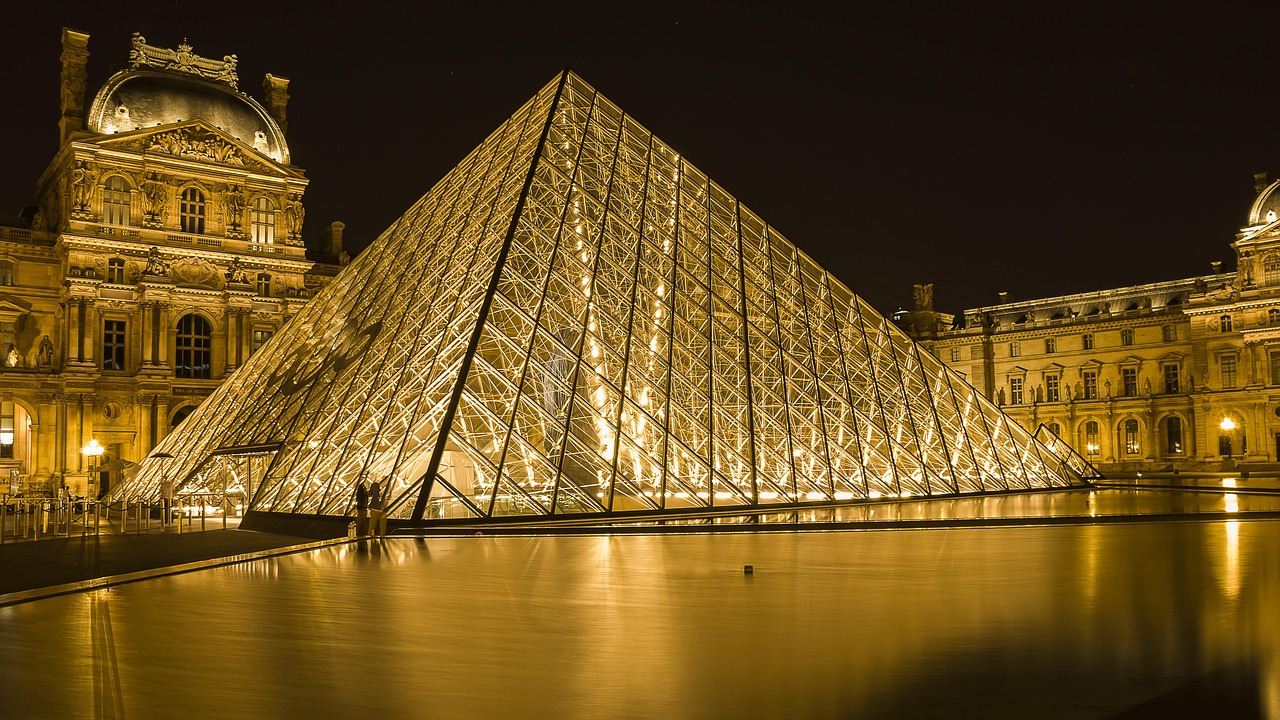
Art and musée culture with an after-hours moment inside the Louvre
For many travellers, the musée du louvre is the emotional centre of a trip to paris—one of the most famous cultural institutions on earth, and also the world’s most visited museum in paris. An after-hours visit changes everything: less noise, more space, and the chance to stand with a quiet focus that daytime crowds rarely allow. It’s still the Louvre, just softened—more like a private conversation with history than a public event.
An art lover once described their after-hours visit as “surreal in the best way”. They moved through the louvre galleries in near-silence, led by someone who knew exactly when to pause and when to move. Seeing the Mona Lisa without the usual crush felt intimate rather than obligatory; the Venus de Milo seemed almost alive in the calmer air.
How to explore a musée with ease, insight, and the right guided tour
To explore a musée well, choose a curated route rather than a list that leaves you depleted. A private guide can translate scale into meaning—connecting rooms, artists, and eras—while protecting your energy; this is where a thoughtful guided tour earns its value. Accessibility planning matters too: the Louvre is vast, and the best experience often comes from designing a route around your interests, mobility, and the time of day you feel most alert.
- Go early or late: smaller crowds, clearer sightlines, and better photos.
- Pick a theme: sculpture, Italian masters, royal apartments, or 19th-century painting.
- Built-in pauses: a café stop can be part of the experience, not a break from it.
Musée d’Orsay, Monet, and Palais Garnier after dark
If you want a complementary art stop, musée d’orsay offers a more compact, deeply rewarding collection, especially for impressionist and post-impressionist art. Seeing Monet up close—those luminous surfaces that feel like light itself—adds context to what you’ve seen at the Louvre. You’ll also find van Gogh here, where brushwork becomes emotion, and the building’s former railway grandeur lends its own atmosphere.
For evening culture, Palais Garnier pairs beautifully with museum days. An opera aficionado once shared how an exclusive backstage visit transformed their night: learning how sets move, hearing small histories of performers, and stepping into the auditorium with new appreciation. Dress is typically smart casual to formal; the point is not to perform luxury, but to feel comfortably part of the occasion. By curtain call, Paris feels less like a destination and more like a living muse.
Place in Paris for Style and Soul: Montmartre, Le Marais & Hidden Passages
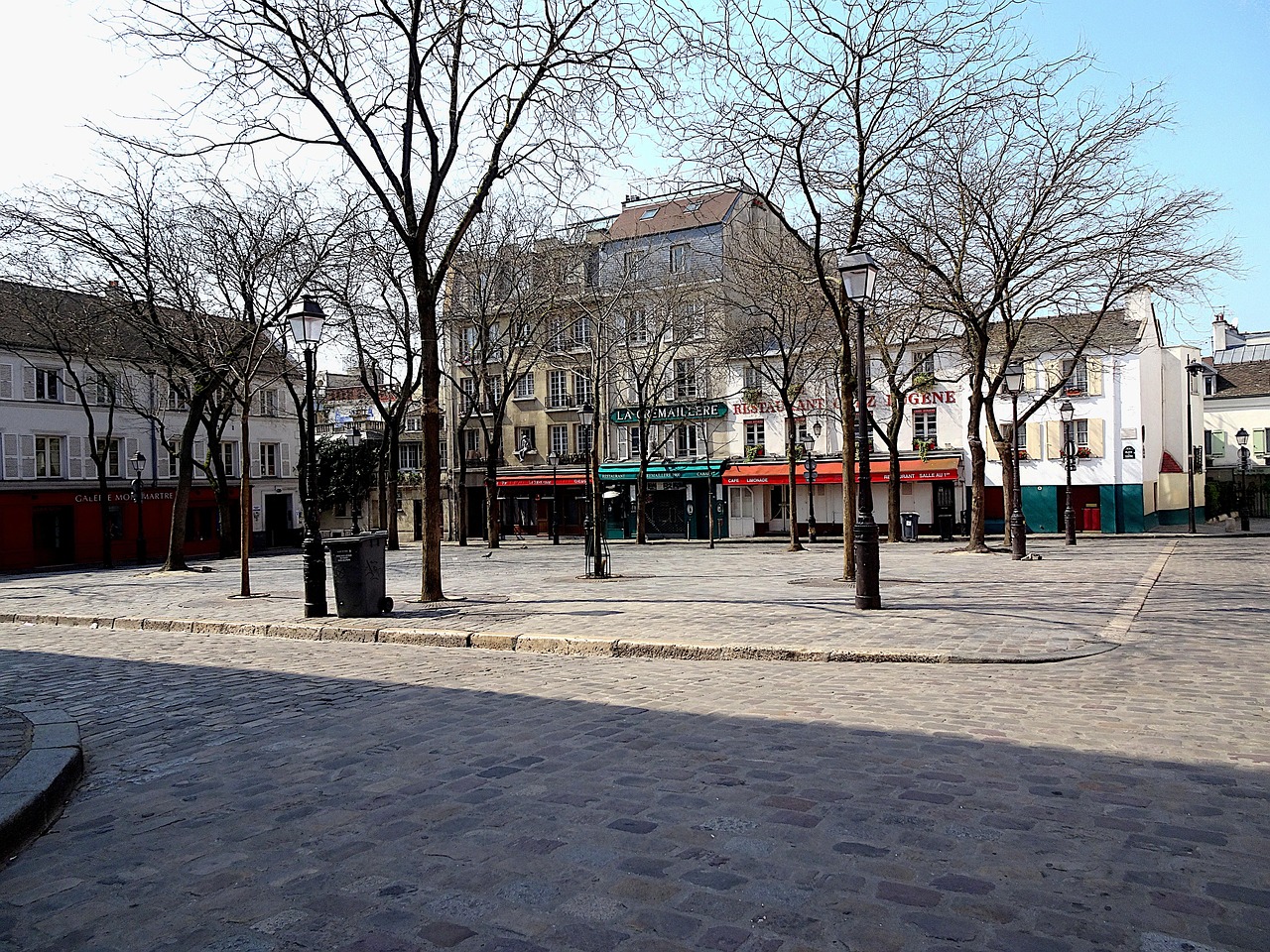
A place in Paris for style and soul, from Montmartre to Le Marais
Some places to visit are famous because they are beautiful; others because they make you feel something. Montmartre, Le Marais, the Passages Couverts, and Rue Saint-Honoré can be woven into a day that balances style, art, and atmosphere—perfect for your one place in Paris devoted to wandering well. Think of this section as things to do in Paris with intention, where a private guided walk turns busy streets into local stories, and shopping becomes a designed, meaningful encounter rather than a scramble.
Montmartre walking tour, Sacré-Cœur, and the bustling Place du Tertre
A Montmartre walking tour with a private guide is the difference between feeling herded and feeling held. Begin early for a calmer approach to Sacré-Cœur Basilica, then slip into lanes where the neighbourhood still feels like itself. Your guide can steer you through the bustling place du tertre at a gentle pace—enough to feel the bohemian hum, without being swallowed by it.
A solo traveller once shared how Montmartre changed their day, and in a small way, their year. They chatted with artists, accepted a coffee recommendation, and ended up in an easy conversation that turned into a friendship. The real souvenir wasn’t a sketch; it was renewed confidence in connecting—proof that Paris can be kind when you give it time.
Le Marais, Rue Saint-Honoré, and uncovering Passages Couverts
Le Marais is classic-meets-contemporary: historic courtyards, cutting-edge galleries, and a fashion energy that’s both playful and precise—stretching toward bastille if you feel like a longer stroll. For high-end travellers, personalised gallery visits offer quiet access and context—an expert hand that helps you see why a piece matters. A fashion enthusiast told us about finding rare vintage designer treasures here; the thrill was in the uniqueness, but also in the care of a seller who understood provenance and fit.
When you’re ready to shop with intent, Rue Saint-Honoré offers haute couture and historic Parisian charm in one elegant line. A traveller once described an exclusive experience here: a boutique appointment, thoughtful style advice, and access to limited-edition pieces that never reached the floor. It felt less like consumption and more like collaboration—personal, precise, and wonderfully calm.
Then, uncover the hidden Passages Couverts—glass-roofed corridors with antique bookstores and vintage boutiques that feel exquisite and almost theatrical. They’re a crowd-light detour, perfect when you want a slower hour between reservations. If you want an extra cultural stop without adding stress, the musée du Quai Branly – Jacques Chirac is nearby and easy to pair with a driver transfer.
- Smart safety: keep valuables secure in crowded areas and avoid displaying expensive items.
- Local etiquette: a simple “Bonjour” in shops sets the tone with warmth and respect.
- Style planning: book guided shopping for access, appointments, and a seamless route.
As a gentle transition into the evening, many travellers slow down with a single plate of wine and cheese, letting the city’s rhythm settle into the night.
Versailles Day Trip: Palace of Versailles, Gardens & Musical Fountain Shows
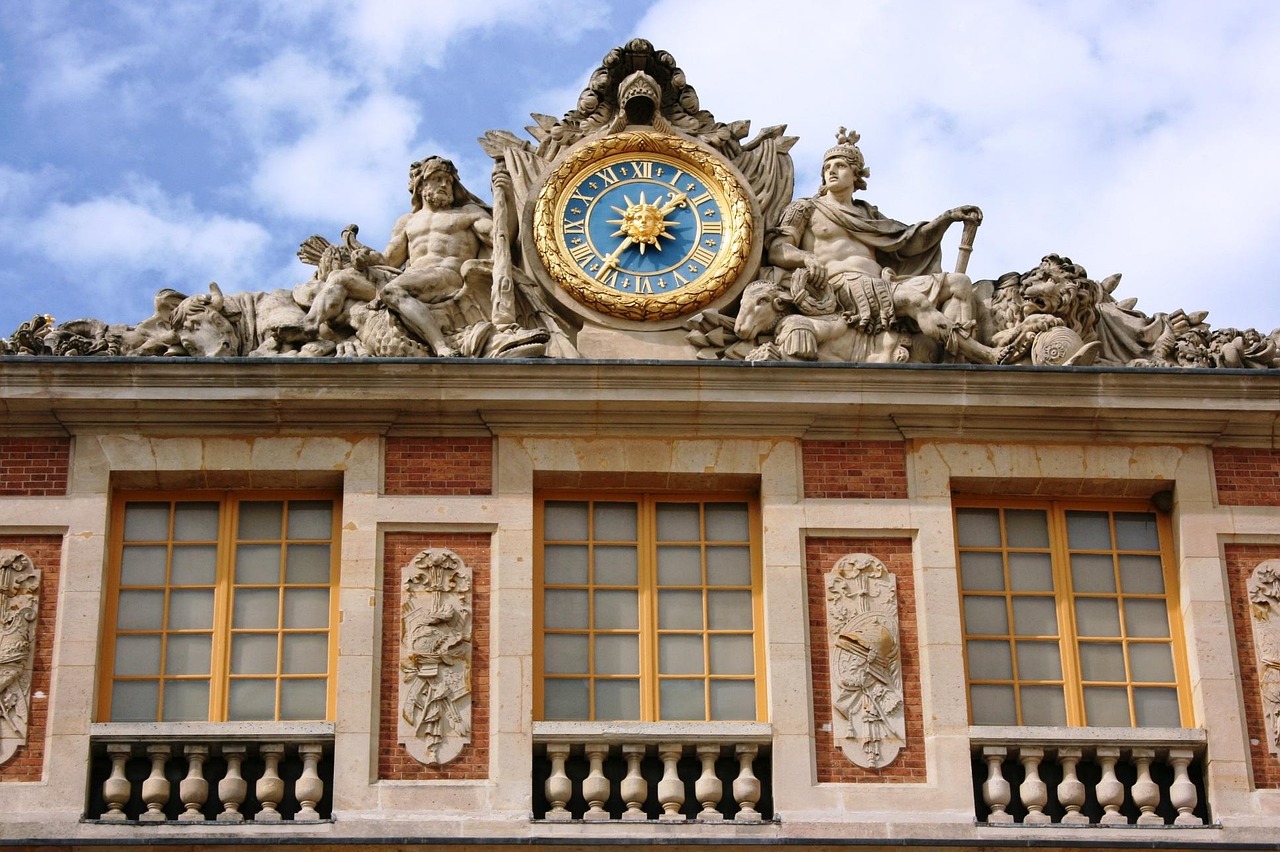
Day trip grandeur and garden music at the Palace of Versailles
When your Paris days are flowing, a Versailles day trip becomes a natural extension: bigger skies, bolder symmetry, and history told at a different scale. The most seamless way is door-to-door car service support, with arrival timed before the busiest mid-morning wave. If you’re travelling together as a couple or family, the comfort of a private driver means no logistics fatigue—just anticipation.
To take a day trip with the right pacing, start with the interiors while your energy is highest, then move outward into the gardens, where space and fresh air make everything feel lighter. Your guide should feel like a calm narrator—present, knowledgeable, and happy to adjust the route if a room is crowded or a child needs a pause.
Palace of Versailles, Louis XIV, and the Hall of Mirrors
The Palace of Versailles is a pinnacle of French design under Louis XIV, and a private guide keeps the story vivid rather than dense. The hall of mirrors is the centrepiece: reflections multiply candlelight and gild the room, making it both beautiful and political. With the right context, you’ll notice details others miss—how power is communicated through proportion, procession, and deliberate theatre.
Allow time for key rooms beyond the highlights. A quieter corner can be more moving than a famous one, especially when your guide connects objects to people rather than dates. It’s the difference between “seeing it” and understanding why it mattered.
Musical fountain shows and garden planning for families and couples
A family once told us the musical fountain shows were the moment history clicked for their children. Water rose and fell in rhythm, music drifted across the paths, and suddenly the gardens weren’t just “pretty”—they were alive. The adults loved it too: a shared sense of wonder across generations, the kind that makes you feel closer together.
For garden logistics, consider cycling or a golf cart for comfort, especially in warm weather. Beyond the main axis, there are quiet corners that feel almost private, even on popular days. If time is tight, a quick day trip version still works: focus on the mirrored gallery, one garden loop, and one café pause before returning.
Back in Paris, plan a gentle reset. A spa hour, an early supper, or a slow stroll near Invalides can keep the following day energised rather than overstuffed. It’s a small act of care that protects the whole week.
F.A.Qs
What should you not miss in Paris?
If you’re choosing only a few, don’t miss the Eiffel Tower for classic skyline emotion, the Louvre for world-class art, and a neighbourhood wander in Montmartre or Le Marais for Parisian character. Add one evening experience—an opera, or a Seine river cruise—so the city stays with you as light and atmosphere, not just landmarks.
What are the top three tourist attractions in Paris?
The most iconic three are the Eiffel Tower, the Louvre, and the Arc de Triomphe. Each becomes more memorable with thoughtful timing and access: hosted entry for the tower, curated routes in the Louvre, and a sunset climb for a perspective that feels effortlessly grand.
What area is best for a first-time visit to Paris?
For a first-time visit to Paris, central neighbourhoods with easy connections work best: the Right Bank around the Louvre for convenience, or the Rive Gauche for café culture and a softer pace. Many high-end travellers prefer being close to the museum for early entry, with private car service for seamless evenings and day trips.
What is the prettiest place in Paris?
“Prettiest” depends on your mood, but many travellers fall for the glow from Sacré-Cœur in Montmartre, the gardens at the palace estate, and the quiet elegance of the Luxembourg Gardens. For a more intimate beauty, the Passages Couverts feel like a secret Paris—glass roofs, old books, and small shops that invite you to slow down.
What Paris Leaves With You After the Last Goodbye in France
At the end of a Paris trip, what remains is rarely a perfect sequence of monuments. It’s the way the light moved across stone at dusk, the quiet courtesy of a waiter who remembered your preference, and the sense that beauty can be part of ordinary life. You may recall stained glass catching the afternoon sun, or a glimpse of Gothic architecture as you crossed a bridge without meaning to. These are the moments that make the heart of Paris feel personal, long after you’ve left.
Different travellers carry different memories with equal meaning. Couples might remember a table set just so, or a shared laugh on a night walk; solo explorers may remember a local conversation that turned the city from spectacle into belonging. Families often leave with a softened kind of togetherness—children seeing history not as homework, but as a lived place. Whatever your pace, Paris tends to send you home with a steadier confidence in your own taste and curiosity.
The city also lingers in the details you didn’t plan. A bookshop scent tucked inside an arcade, the sound of footsteps on wet cobbles, or a calm moment near Notre Dame. Even in passing, you might glance toward Notre Dame de Paris on île de la cité, where Gothic stone and river light meet—less a landmark than a feeling, as if time briefly widened to let you breathe.
In the end, luxury is not noise. It’s trust in the people around you, support when you need it, and freedom when you don’t. It’s being looked after without being managed—your days shaped with intention, yet always yours. And perhaps that’s why Paris stays: it doesn’t demand that you conquer it, only that you notice it. Imagine returning one day, not to repeat the city, but to meet a new version of it—quietly, on your own terms.