South Korea in November at a Glance – Average Temperatures, Comfort & Best Time to Visit
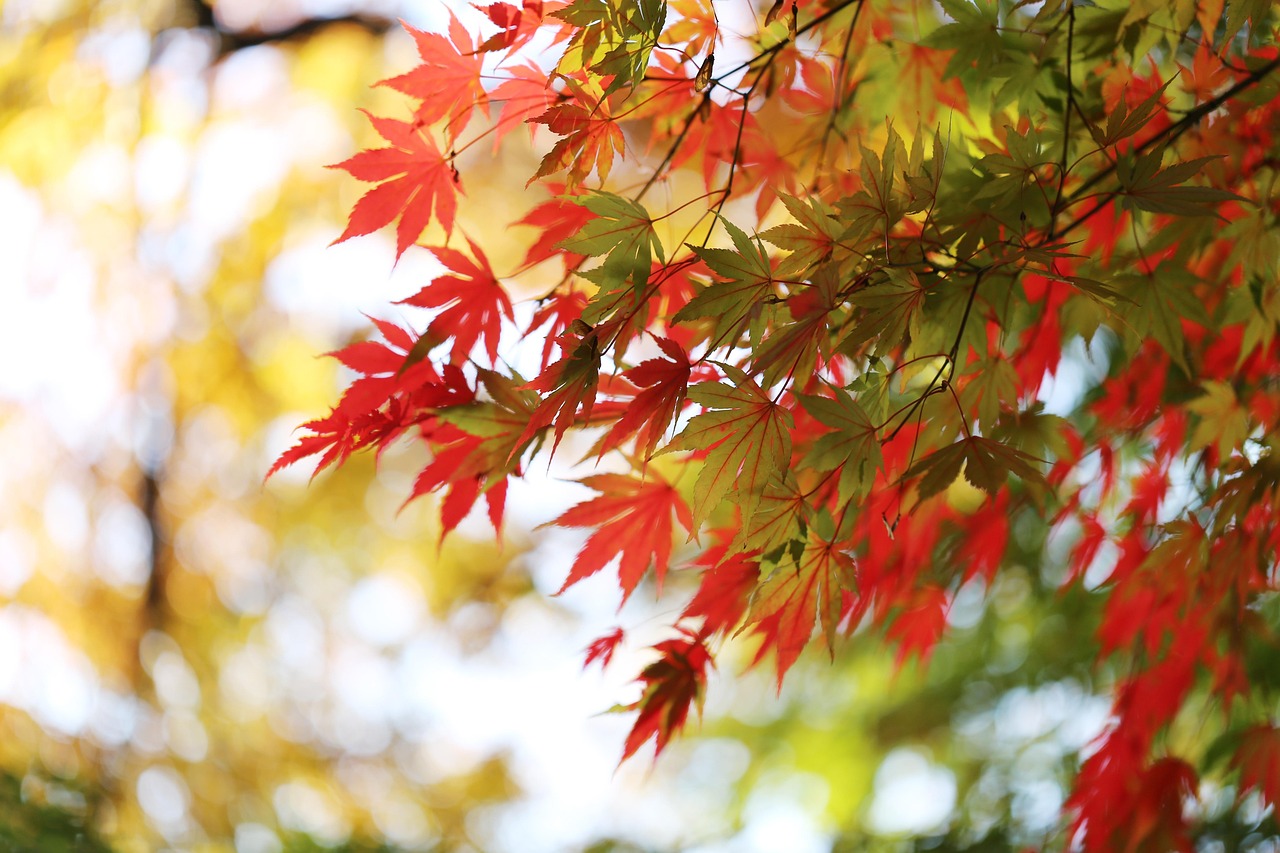
South Korea in November at a glance: crisp days, lingering fall colour, and an elegant pace for city exploring
If you’re researching weather in South Korea in November, you’re already thinking like a seasoned traveller: you want beauty, comfort, and breathing room. This month is a transition to winter, yet early November can still feel surprisingly gentle—often a perfect time for those who prefer polished city days without peak-season pressure. For many visitors, it can be the best time to visit for a curated city break, especially if you’re weighing the best time to enjoy clear skies, seasonal colour, and a quieter rhythm.
Across the peninsula, conditions aren’t one-size-fits-all: Seoul feels crisp and bright, coastal areas can be milder, and mountain regions run noticeably colder. If you’re choosing the best time to visit south and want an itinerary that still feels effortless, use this overview to pick the right time to visit south korea—and build in warm indoor pauses for the evenings. The result is a great time to visit for travellers who value comfort as much as atmosphere.
Average temperatures and what they mean in real life
As a quick snapshot, average temperatures ranging from about 7°c to 15°c (45°f to 59°f) are common for daytime exploring, with daytime highs often more comfortable than you might expect. In practice, the temperature range can feel like a pleasant 50°f to 53°f in the sun, and on the mildest afternoons, you may even catch around 16°c on a sheltered street. After dark, the drop is sharper, so plan your most photogenic outdoor activities for late morning to mid-afternoon and keep dinner reservations close to your hotel.
Precipitation, rainfall and checking weather stations
November is usually relatively dry, but precipitation can still arrive as passing showers as weather patterns shift. Rainfall isn’t typically the headline, yet it’s wise to check official weather stations and forecasts in the final 72 hours for last-minute weather conditions. A compact umbrella and a water-resistant coat keep the day seamless without forcing a full itinerary rethink.
- Luxury pacing idea: start later, build in museum breaks, and return to your hotel to reset before an elegant evening in Seoul.
- Transport confidence: book private transfers for dusk arrivals, and use the warm subway for daytime hops when the air turns colder.
If you’d like visual inspiration while you design your route, browse our Trip gallery for crafted moments—an ideal starting point for a tailored trip to South Korea with comfort built in.
November in Seoul: Weather in South Korea, Low Humidity & How It Feels
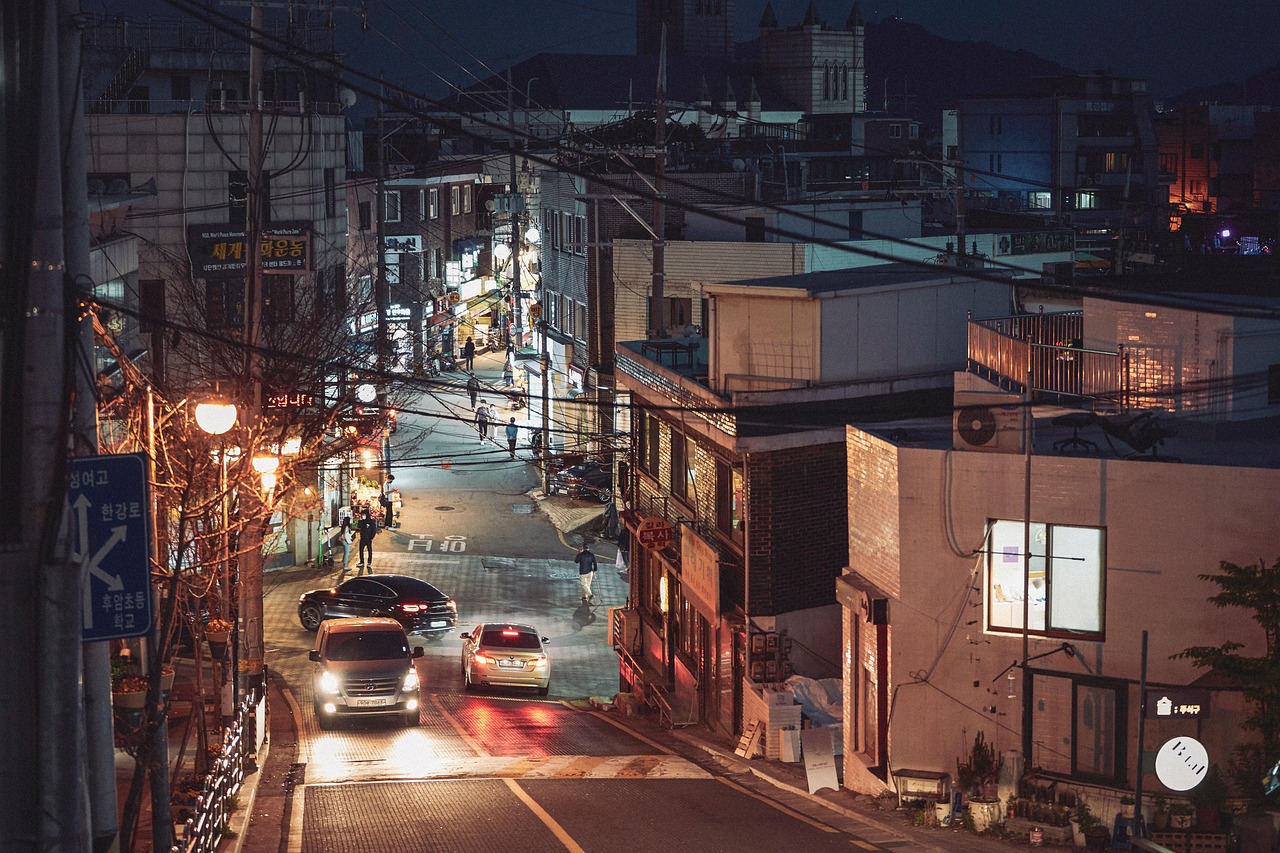
November in Seoul: crisp light, clear streets, and a calm city rhythm for walking between neighbourhoods
To understand November at street level, picture clear light with a clean, cool edge—especially around the river and open boulevards. In Seoul, low humidity makes the air feel fresh, yet 10 °C can feel colder after sunset than the temperature suggests. You’ll notice it most when you leave a cosy gallery or step out from a warm subway station into the open night.
In practical terms, many travellers experience daytime values around 12°c, while the evening can dip closer to 3°c. That swing is why layering matters more than heavy packing. With the right pieces, you can move from palace courtyards to market lanes to a tasting menu without ever feeling underdressed or over-bundled—classic Korean weather logic in action.
Average daily temperatures and a packing framework
Think in three layers: a breathable base, a polished mid-layer, and a warm outer. Add comfortable walking shoes—Seoul rewards those who explore on foot, especially around the palaces and traditional neighbourhood lanes.
- Day layer: knit or fine wool with a light coat for sunny walks.
- Evening layer: a warmer jacket, scarf, and gloves for rooftop bars or river views.
- Comfort layer: heat-tech base pieces that disappear under tailored looks.
Early November versus the end of the month
The end of October to early November is often the sweet spot for lingering foliage in Seoul, especially in parks and palace grounds. By the end of the month, nights turn more decisively colder, and you may hear talk of the first hint of snowfall in higher areas outside the city. The key is flexibility: keep one indoor cultural anchor each day so your itinerary stays beautifully designed regardless of the forecast.
A reassuring local insight: Seoul’s public transport is comfortable and intuitive. Stations are heated, taxis are easy to summon, and a private driver can add quiet support when you’d rather glide between reservations than navigate on a cold night.
Visit South Korea: Seoul Autumn Foliage at Namsan Seoul Tower and the Royal Palaces
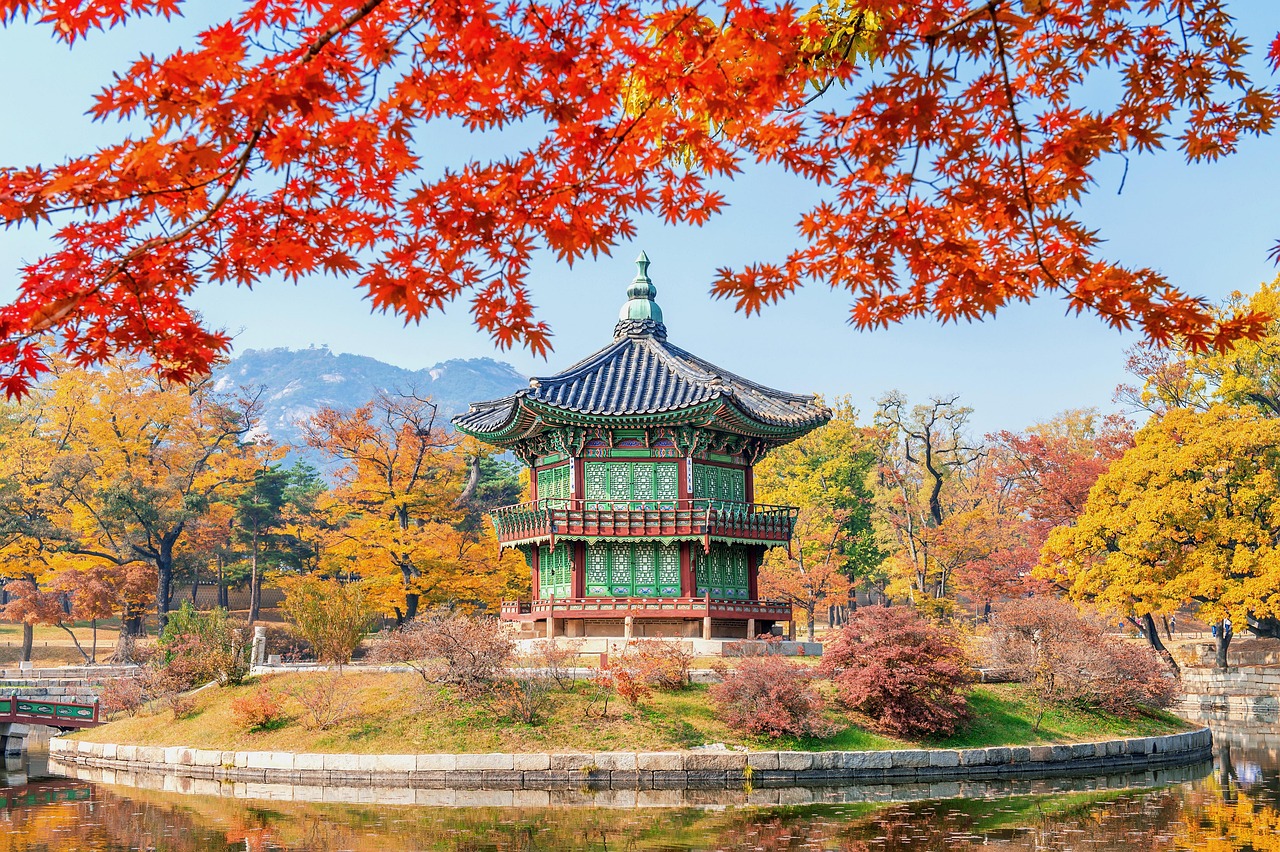
Seoul’s iconic views in November: palace courtyards, golden trees, and Namsan Seoul Tower above the skyline
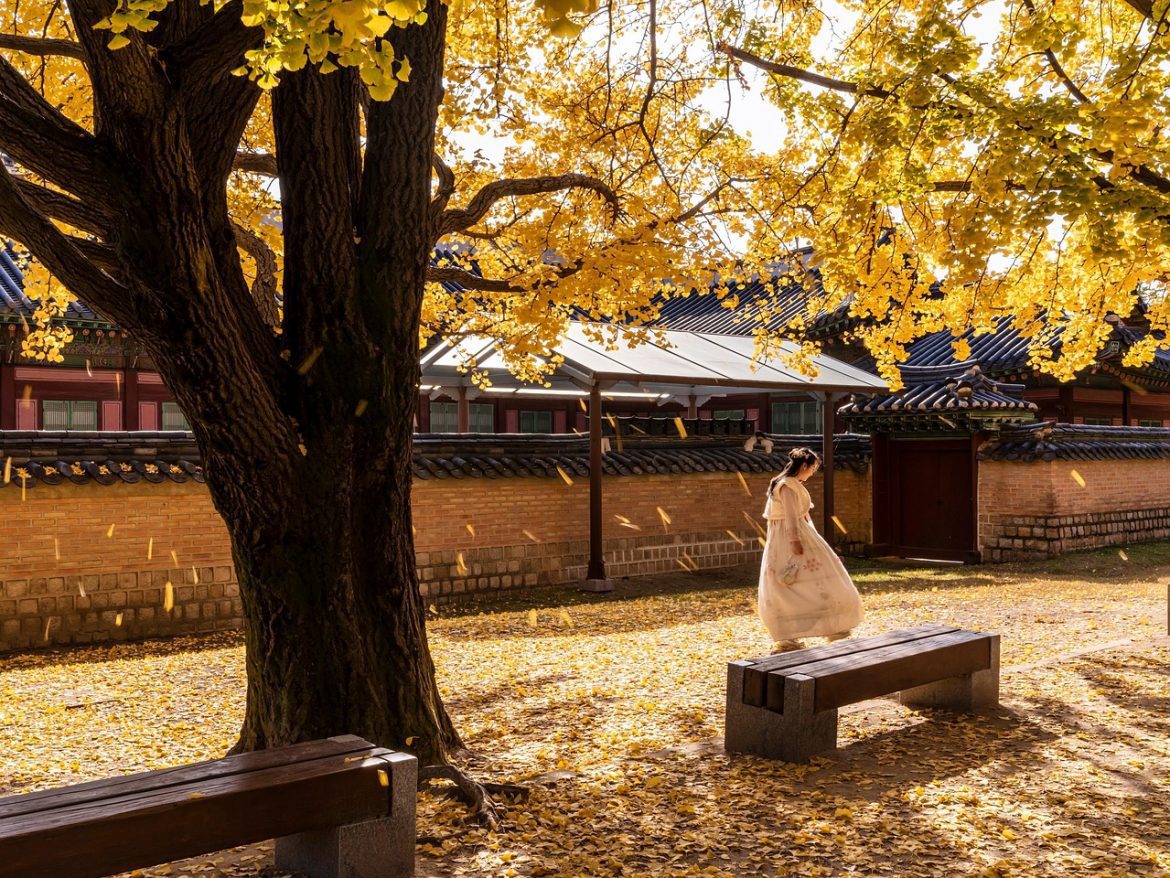
If your wish list includes Gyeongbokgung, Changdeokgung, and a classic city viewpoint, November can feel like a carefully lit stage. The royal sites take on a cinematic warmth as maples and ginkgo shift into gold, and Namsan Seoul Tower adds the city’s most striking contrast: historic roofs below, modern skyline beyond. For high-end travellers, the luxury isn’t only where you go—it’s how you move, and how you time each stop.
With an expert pace and a few well-timed pauses, even the most photographed sights can feel personal and unhurried. It’s also one of the most satisfying times of year to visit for travellers who want atmosphere without constant queueing.
Best places to visit in Seoul for fall light
Start at Gyeongbokgung early for calmer courtyards and clean morning light, then transition to Changdeokgung when the day warms. For an intimate perspective, step slightly away from the main gates and uncover side paths where stone walls and doorways frame the colour. If you’re chasing fall foliage, bring a neutral scarf or coat—your photos will look timeless against the gold tones.
For Namsan, mid-afternoon is often the sweet spot for comfort, with a soft glow as you rise toward the viewpoint. Sunset can be spectacular, but it’s also when temperatures drop fastest—bring your scarf so the moment stays seamless.
Timing, etiquette and a refined route like Seoul, but calmer
An expert-paced route: palace first, then a tea stop to reset, then a gentle transfer to Namsan for the evening view—like Seoul, but calmer in rhythm. Dress respectfully (layers are fine), keep voices low in halls, and offer a small bow when greeting staff or guides. If you catch seasonal demonstrations or courtyard performances, treat them as cultural details to observe quietly, sometimes including traditional folk games on weekends.
If you want a half-day escape, a Suwon Hwaseong Fortress visit adds a different texture—stone walls, wider skies, and a sense of space that feels restorative without demanding a full day.
Seoul in November: Street Food at Namdaemun & Dongdaemun Markets – Travel Tips
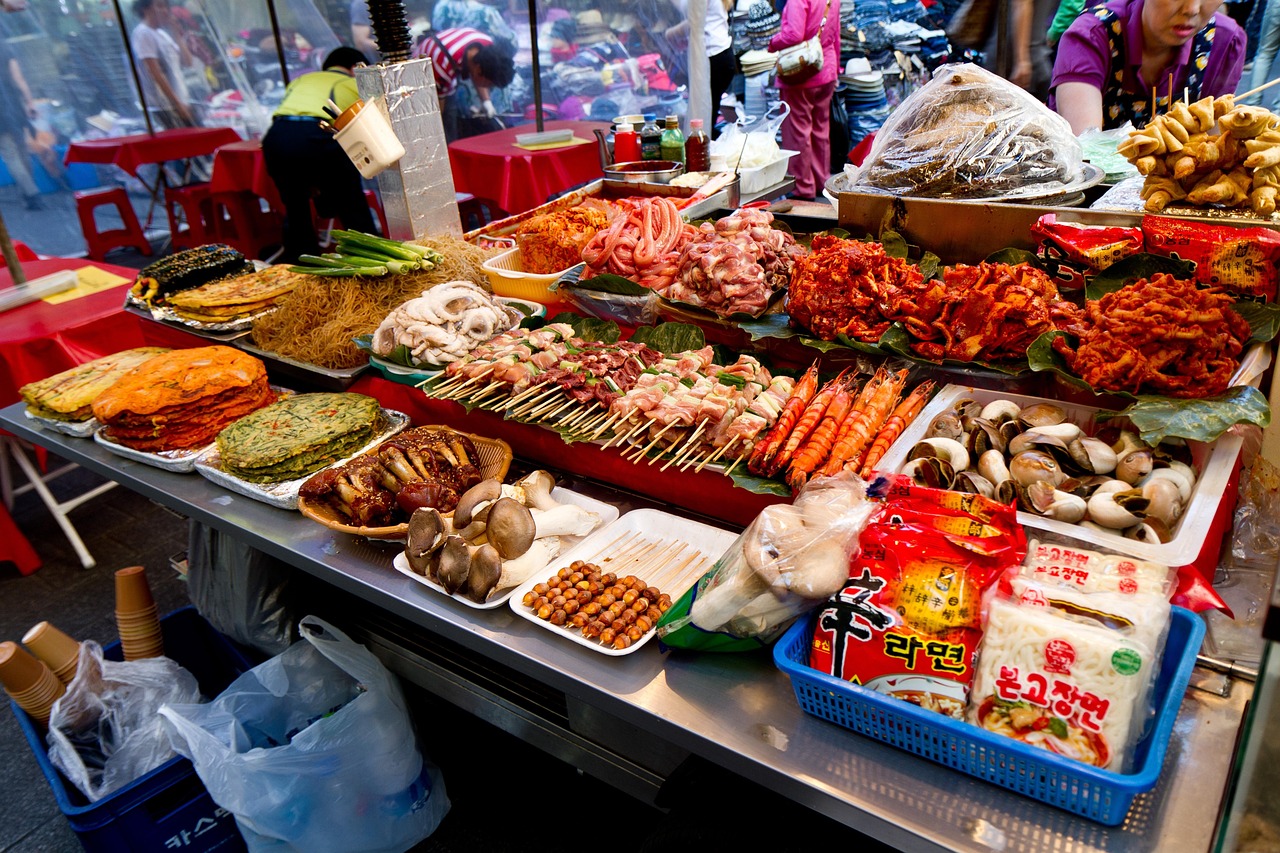
Namdaemun and Dongdaemun in cooler days: steam from stalls, warm snacks, and easy evenings for browsing
For travellers looking up Seoul markets in November, the joy is in contrast: luxury shopping beside local craftsmanship, and comforting bites between boutiques. These market walks are a signature South Korea travel experience—steam rising from soup stalls, bright textiles and leather goods, and small discoveries that feel chosen rather than mass-produced.
Namdaemun is wonderfully classic, while Dongdaemun leans modern and late-night, with sleek malls and a design-forward atmosphere. If you value ease, this is where a private guide becomes quiet support—helping with translation, steering you to trusted vendors, and keeping the experience flowing together.
Seasonal flavours for cooler days
November is made for roasted chestnuts, hotteok (sweet pancakes), and warming soups. You’ll also find upscale restaurants that reinterpret these flavours—refined broths, artful plating, and tea pairings that feel distinctly local without becoming performative.
Ian, an avid foodie, described his excitement at tasting freshly roasted chestnuts from vendors in Insadong while sipping warm herbal teas. He loved how it blended comfort and culture in a single, simple moment—proof that the most luxurious memories aren’t always the most expensive.
Safety, festival lights and easy confidence
Street food is generally safe, but choose vendors with high volume for freshness, especially during peak dinner hours. Carry tissues (you’ll thank yourself), and consider cash for smaller stalls. As the evening arrives, nearby streets often glow with festival lights or seasonal displays; special events can pop up, so keep a little space in your plan to explore without rushing.
Seoul Autumn Temples: Jogyesa Tea Ceremony in November in South Korea
Jogyesa in November: calm courtyards, seasonal colour, and a pause from the city’s pace
If you’re drawn to temples and tea culture, you’ll find a different kind of luxury: stillness. Jogyesa Temple is a gentle counterpoint to the city’s pace, with calm courtyards that feel especially clear in the crisp air. Even a short visit can reset your senses and restore your rhythm.
Lucy, a solo traveller, fondly remembered attending a tea ceremony at a temple in Seoul. She said the cool air sharpened her awareness—the warmth of the cup, the sound of sleeves moving, the steady care of the host—until mindfulness felt effortless rather than staged.
Tea ceremony etiquette and local trust
Follow simple cues: remove shoes when required, dress modestly, speak softly, and let the host set the pace. A small bow is a graceful way to show respect. These rituals are less about rules and more about attention—an expert lesson in travelling with care.
A seamless evening plan with Cheonggyecheon Stream
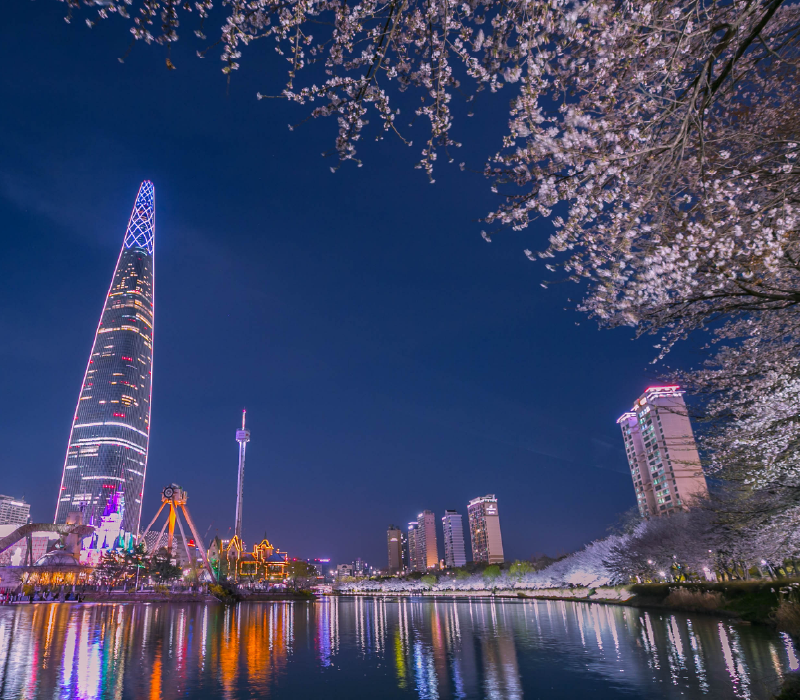
For a refined plan, arrive near dusk for the temple’s quieter atmosphere, then transition to tea while the city cools outside. Afterwards, stroll to Cheonggyecheon stream, where reflections and gentle city light create a calm corridor through central Seoul. If your dates align, the Seoul Lantern Festival can be a beautiful cultural accent—something to discover rather than a must-do.
Seoul Traditional Neighbourhoods: Bukchon Hanok Village and Hanbok Rental Time to Explore
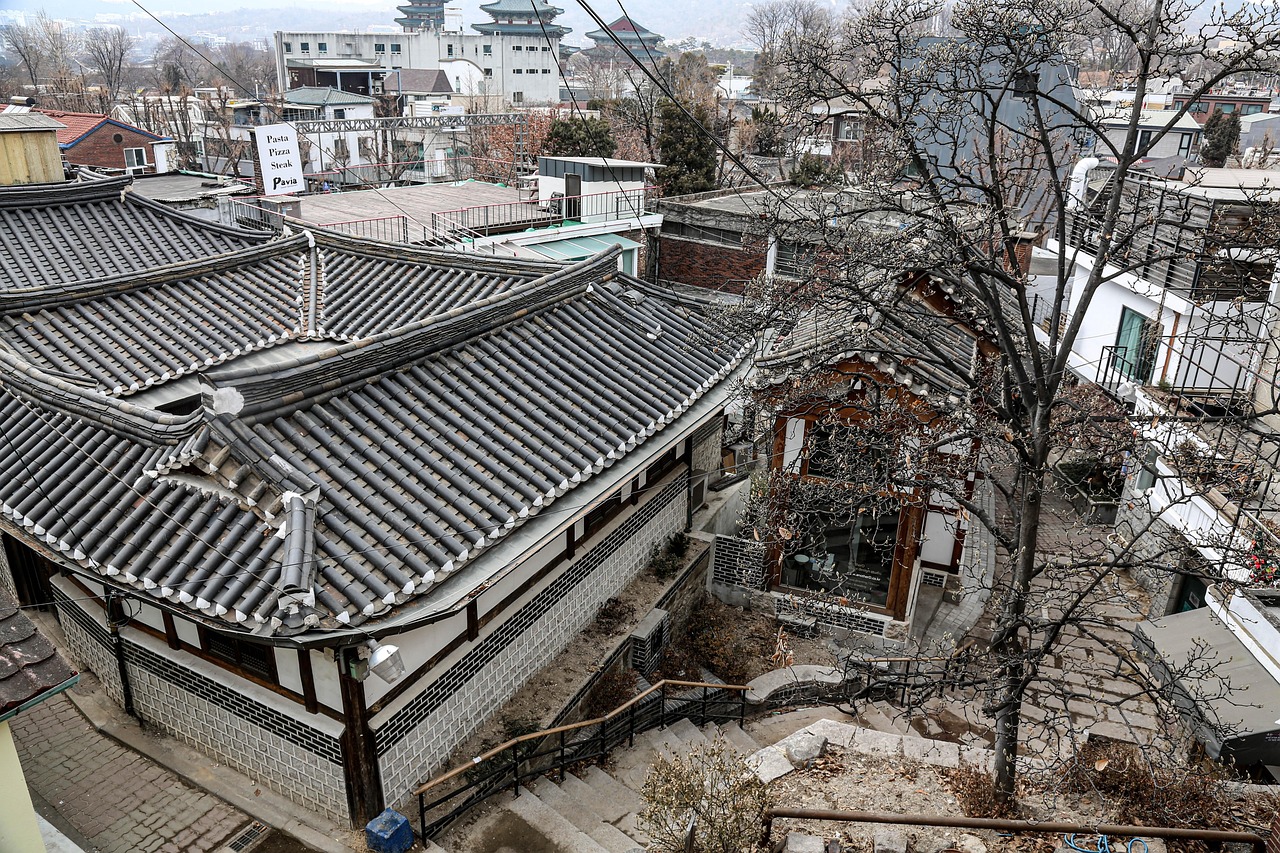
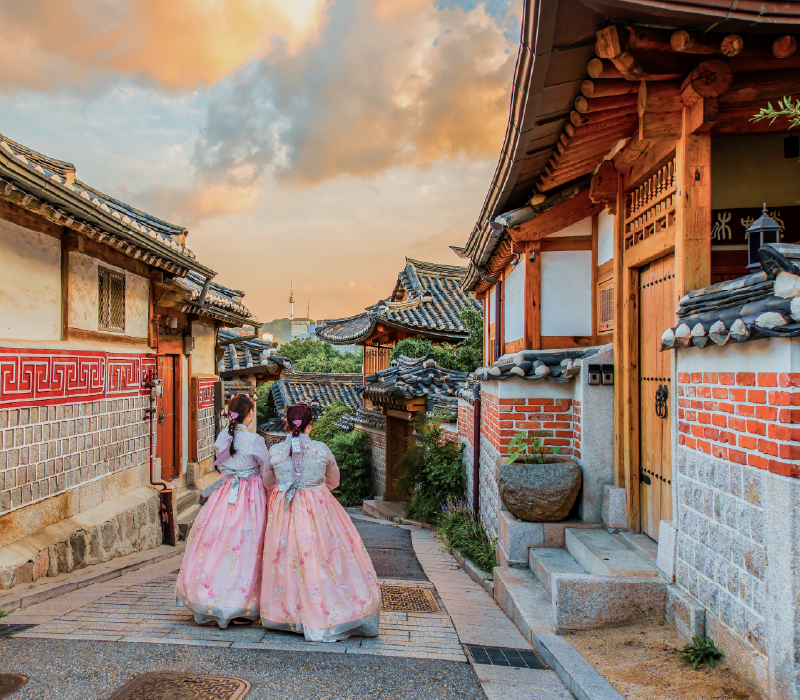
Bukchon in cooler weather: quiet lanes, soft lantern glow, and elegant styling for portraits
When you search for Bukchon Hanok Village and hanbok rentals, you’re really searching for atmosphere. In November, the crisp sky and fall tones make portraits feel timeless—colour against tiled roofs, silk moving softly through narrow lanes. For high-end travellers, a premium hanbok rental with tailored fitting can feel like stepping into a story you get to design for yourself.
A couple once recounted their intimate evening stroll through Bukchon in cool weather. They described the quiet scenery, the gentle glow of lanterns, and how the architecture felt more present without summer crowds—an experience that stayed personal rather than performative.
Premium hanbok styling and discreet photo sessions
Choose boutiques that offer higher-grade fabrics, a better fit, and quieter service. Request a discreet photo session at less-busy angles so the experience remains elegant and respectful. If it’s particularly chilly, heat-tech layers under hanbok keep you warm without compromising your look.
Alternatives for quieter lanes and local context
To spread crowds and uncover calmer perspectives, consider Eunpyeong Hanok Village, where the layout feels more open and unhurried. A private guide adds expert context—architectural details, family histories, and etiquette guidance—so you’re not just taking pictures, but travelling with understanding.
- Practicalities: reserve in advance on weekends, and confirm return times to avoid rushing.
- Respect: keep voices low in residential streets and never block doorways for photos.
With a little planning and a trip mindset, you create a memory that honours local life and still feels beautifully crafted—exactly the balance luxury travel should hold.
South Korea in November: Busan, Jeju Island and Seoraksan National Park – Planning a Trip Beyond Seoul
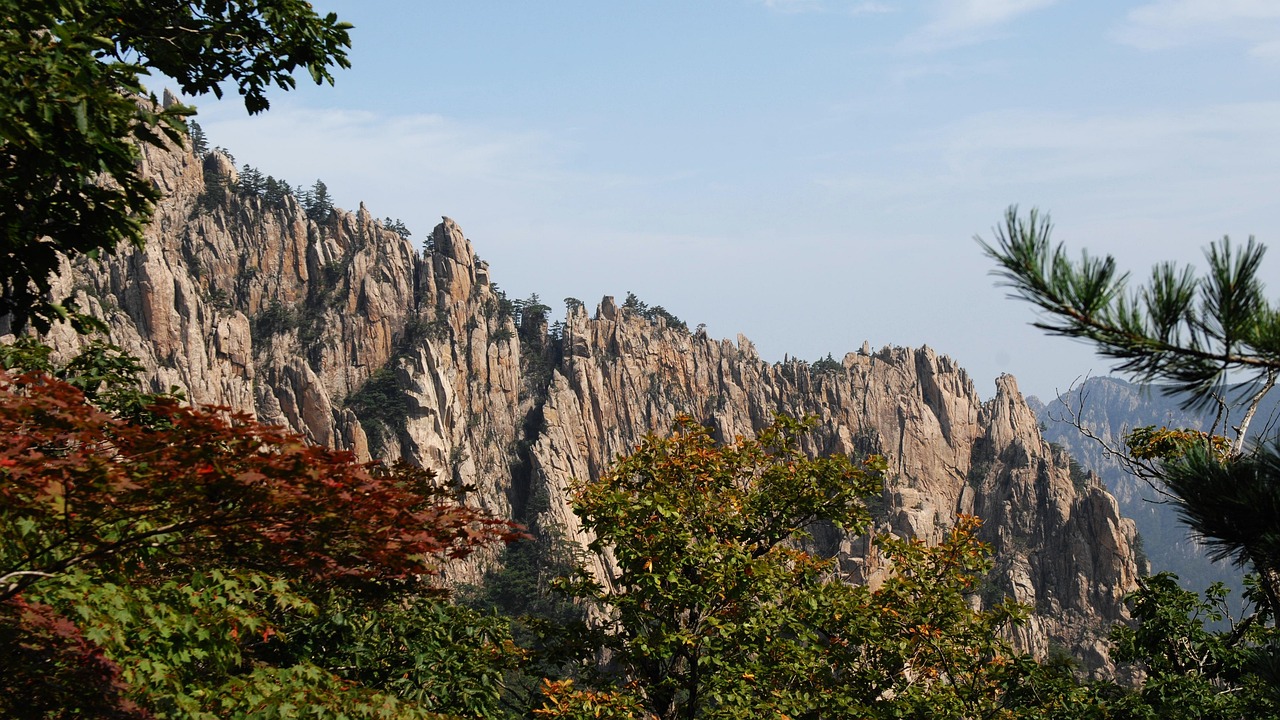
Beyond Seoul in November: coastal city breaks, mountain scenery, and easy connections for a refined itinerary
For those comparing regions, the magic is how quickly the country shifts in mood. Seoul is polished and palace-rich; Busan feels open and sea-facing; Jeju can be dramatic and breezy; and the mountains edge closer to winter. With smart connections, you can explore beyond the capital without sacrificing comfort—especially for a shorter visit in South Korea.
A luxury-minded framework is simple: high-speed rail to Busan for an overnight stay, short flights for island time, and chauffeured day trips when time is limited. It’s not about doing everything—it’s about designing the right contrast, then returning to Seoul refreshed.
Weather comparisons across the peninsula
Busan often feels milder thanks to the sea, while island weather can be windier and more changeable. Mountain areas are colder, and early snow is possible in elevated regions; PyeongChang, for instance, leans winterward earlier than the cities. If you’re packing for multiple stops, one warm coat plus flexible layers keeps the whole journey seamless.
Nature escapes and late-season colour
If you want crisp walks and late-season colour, build a morning around Seoraksan, then return to a warm café for a slow lunch. If you prefer something even more contemplative, Songnisan can feel less touristed—ideal for travellers who value space and silence as part of luxury.
Nami Island is also an easy add-on from Seoul. One luxury traveller shared their experience in November: golden leaves carpeting the ground, tranquil river views, and a sense of calm that made it a genuine reset from city life.
Festivals and events can land in late fall—such as a fireworks festival in seaside cities—yet dates vary, so verify schedules each year before you commit. Think of these as optional accents rather than pillars of your itinerary.
F.A.Qs
Is November a good time to visit Korea?
Yes—november a good time for many travellers because it’s crisp, scenic, and often less busy than peak fall weekends. You can still catch late colour in Seoul in early November, with comfortable daytime exploring and cosy evenings that suit markets, museums, and fine dining.
What clothes to wear in Korea in November?
Pack layers: a warm coat, scarf, and comfortable walking shoes, plus lighter knits for daytime. In Seoul, temperatures can feel mild in the sun but colder after dark, so a heat-tech base layer helps you stay polished without overpacking.
What’s the coldest month in Korea?
Generally, January is the coldest month in South Korea. It’s when winter patterns are most pronounced, especially inland, with lower temperatures and more frequent cold snaps than you’ll typically experience in November.
Does it rain a lot in Seoul in November?
Usually not. November in Seoul is often relatively dry, though occasional showers can happen. Check forecasts close to departure using reliable sources, and carry a compact umbrella so your day stays comfortable and seamless.
After South Korea in November: Seoul Reflections on a Great Time to Visit
If you travel through this season, what lingers is rarely the checklist. It’s the sound of your footsteps across palace stones, the way warm tea steadies your hands in cool air, and the softness of fall light settling over Seoul as the city exhales into the evening. Even now, you may remember how a simple bow at a doorway created a moment of mutual respect—small, human, and quietly profound.
There’s a particular confidence that grows in South Korea in November: not the loud kind, but the calm independence of knowing you can move through a new place at your own pace. You begin to trust your instincts—when to pause, when to explore, when to step inside a museum for warmth, and when to stay out a little longer because the streets feel safe and bright.
And perhaps that is the most luxurious souvenir of all: a gentler relationship with stillness, beauty, and local ritual. The memory stays tactile—silk sleeves in a traditional lane, roasted chestnuts warming your palms, a clear skyline from Namsan—ready to surface on an ordinary day at home. If you ever return, it doesn’t have to be in the same season; it can simply be when curiosity quietly taps your shoulder again.