Where to Travel in Korea – How to Build a Luxury Itinerary in South Korea
Luxury route planning for South Korea: Seoul, Busan, Jeju, and Gyeongju
When travellers ask where to travel in Korea, the most elegant answer is to begin in Seoul and then expand outward with intention. Seoul is Korea’s capital city, and it’s often the most rewarding first base in South Korea for high-end comfort: standout hotels, thoughtful service, and cultural landmarks that feel personal when timed well. From there, layering Busan, Jeju Island, and a heritage pause in Gyeongju creates contrast without constant repacking—South Korea is one destination where pacing matters as much as places. If you’re planning to visit South Korea for the first time and deciding what to see, this approach keeps everything calm, design-led, and human.
Best time to go: cherry blossoms, autumn colour, and a luxury-friendly rhythm
For luxury travellers, the best seasons in South Korea are spring (April–May) and autumn (September–November), when walking feels effortless and the light is flattering. In spring, cherry blossoms arrive like a soft celebration across Seoul’s parks and palace grounds. Autumn brings crisp air and scenic colour, making it ideal for gardens and coastal viewpoints, with low humidity. One of the best things you can do for yourself in Seoul is plan unhurried mornings, so each day feels curated rather than crammed.
A 5–10 day luxury itinerary: must-visit highlights and hidden gems
Rather than racing between checklists, design an itinerary that moves like a well-edited story: culture, cuisine, then calm. The goal isn’t to do everything—it’s to protect space for insight and comfort. For many first-time clients, these are the top 5 anchors that create a seamless arc across South Korea:
- Days 1–4 Seoul: palaces, Bukchon lanes, artful neighbourhoods, Michelin evenings, and a tea ceremony.
- Day 5 heritage interlude: Gyeongju’s history as a soothing counterpoint.
- Days 6–7 Busan: temple moments, ocean air, and a slower pace by the beach.
- Days 8–10 Jeju Island: villa life, spa time, and volcanic landscapes at your own rhythm.
To imagine what’s possible, you can browse our Trip gallery for design-led inspiration and the kind of pacing that keeps everything feeling seamless. For quick additions north of Seoul, consider a day in Suwon to see Hwaseong, or a gentle lakeside escape to Chuncheon if you want nature without long transfers.
Transport in South Korea is refreshingly straightforward. Use the KTX high-speed trains between major cities, then switch to private chauffeured cars in Seoul for comfort (particularly if you’re carrying shopping or dressing for a special dinner). Public transport is also excellent for short hops when you want flexibility—especially in a busy neighbourhood where traffic can surprise you. As practical travel advice, keep some Korean won in cash for small purchases, as a few boutique shops and older cafes and restaurants may not accept foreign cards. Most travel guides also recommend downloading a local navigation app before you arrive, as mapping can vary by provider.
Budgeting helps confidence. South Korea’s luxury accommodation commonly ranges from $300 to $800+ per night, while private tours, helicopter flights, and Michelin reservations can add a meaningful premium. Book the signature pieces early, then leave breathing room around them—this is one of the best places to travel when you let quiet hours become part of the design.
Seoul heritage days in South Korea: Bukchon Hanok Village, royal palaces, and calm routes
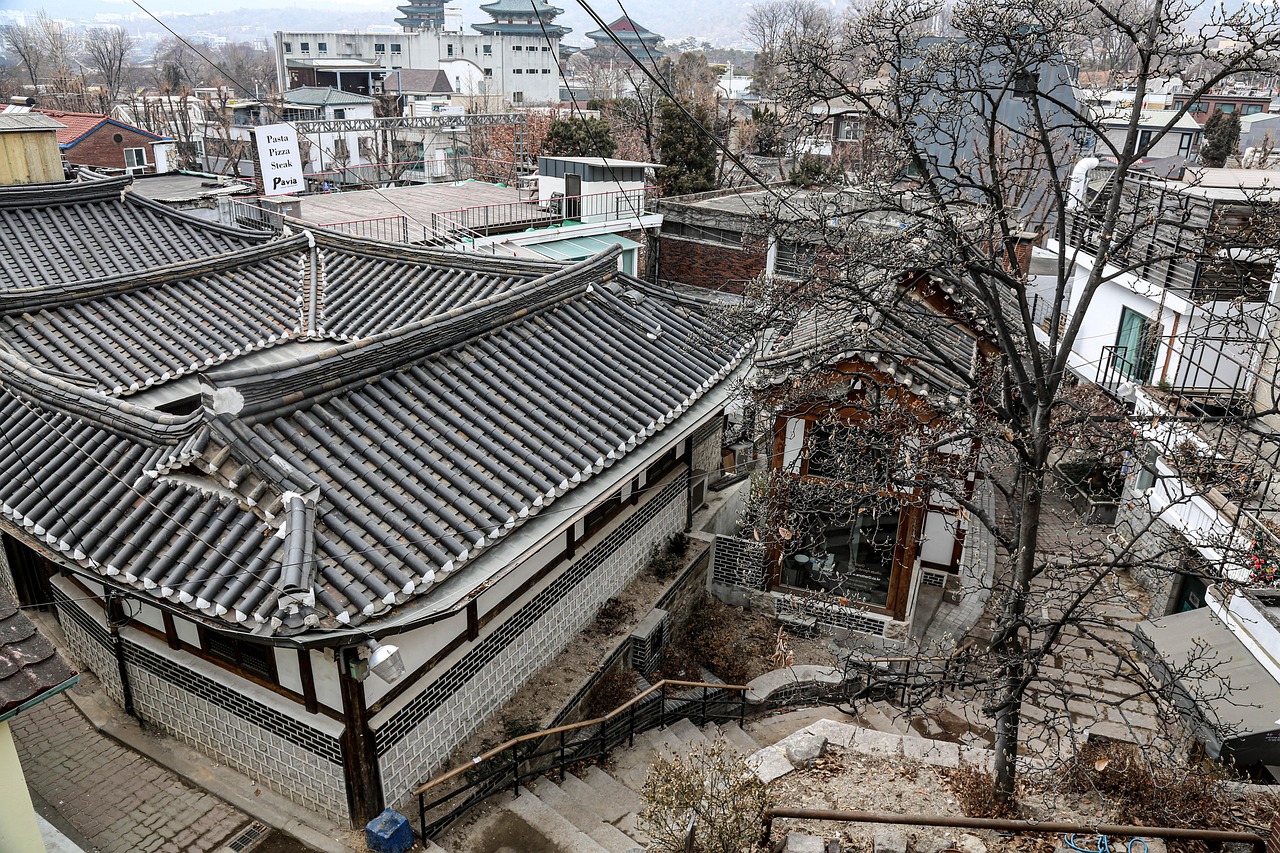
A quiet Seoul morning among hanok streets and palace courtyards
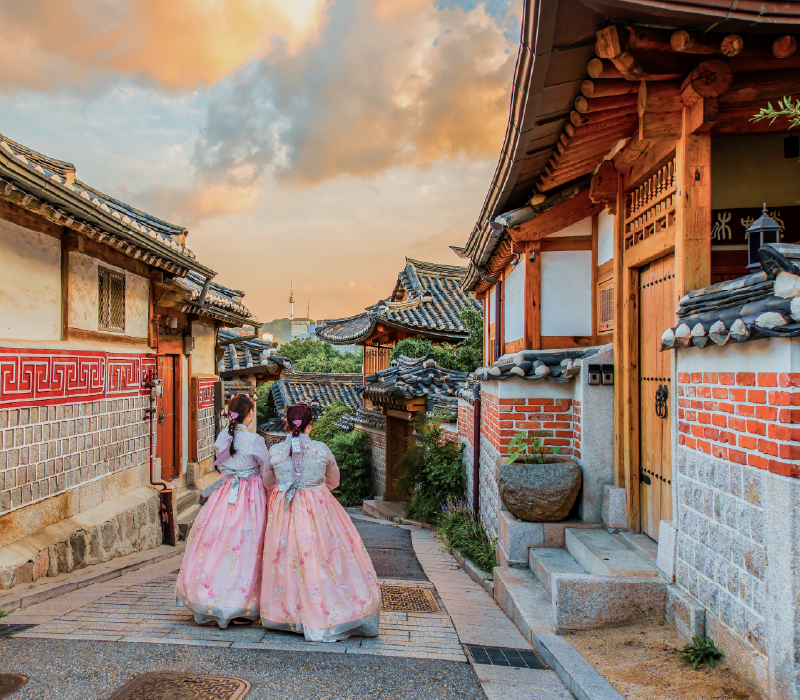
For first-time visitors, Bukchon Hanok Village is a beautiful place to begin: heritage you can feel, not just photograph. Focus on the elegant rooflines, the quiet lanes, and how traditional Korean homes sit beside modern hospitality when you move with care. Done thoughtfully, it reads as chic rather than crowded, especially if you go early and keep your route simple. Seoul can be a major tourist destination, but this neighbourhood still offers soft pockets of silence.
Bukchon and a palace in Seoul, designed for calm in the morning
Elevate the experience beyond “costume hire” by arranging a private session to rent a hanbok with a custom fitting and subtle tailoring. In a perfectly fitted hanbok, an early walk through palace corridors before the crowds arrive can feel surprisingly intimate. In that hush, the Joseon dynasty becomes present—stone beneath your feet, a courtyard breathing with dawn.
With an expert guide, your visit to Gyeongbokgung becomes layered rather than rushed. Begin at Gwanghwamun, pause at Gwanghwamun Gate, and let the stories set the tone before you step deeper into the palace in Seoul. A brief stop at the folk museum adds context for Korean culture without overloading the day, especially if you’re balancing shopping, galleries, or dining later.
Changdeokgung Palace: gardens, etiquette, and slower Seoul pacing
For a gentler rhythm, add Changdeokgung’s gardens for shaded paths and a slower pace—ideal for travellers who value calm, not queues. This is where South Koreans often seem to soften too; the mood is respectful and unhurried, and it’s easier to feel part of the place rather than apart from it.
Etiquette here is simple and reassuring. Wear modest clothing at palaces and temples, remove shoes when entering traditional homes or tea houses, and ask permission before taking photos in private sessions. When receiving a ticket, tea, or a small gift, use both hands; it’s a small gesture that South Korean hosts notice. Many Koreans also appreciate a quiet tone around worshippers, which helps the day go more smoothly and with greater confidence.
Visiting Seoul for luxury: Michelin dining, Gangnam style, and modern cultural icons
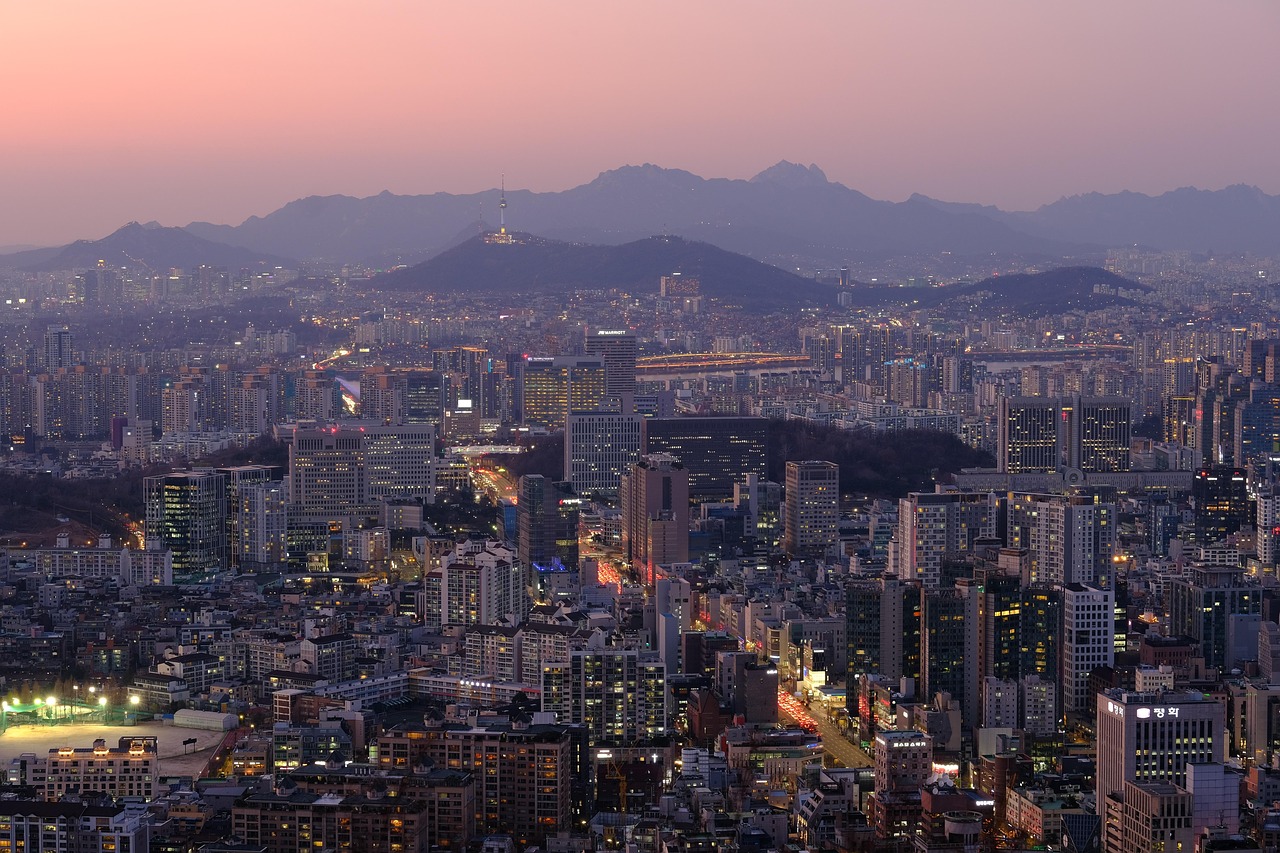
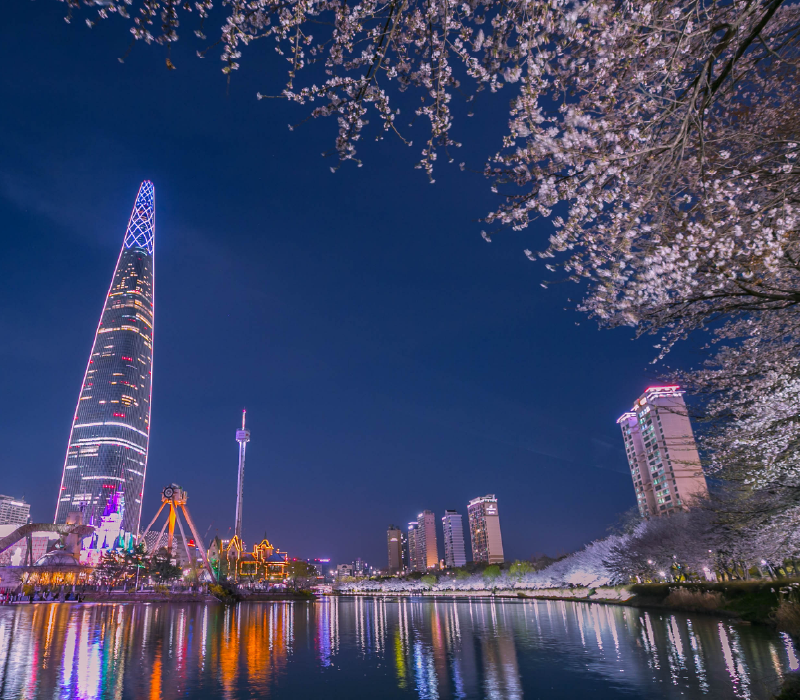
Modern Seoul at dusk: dining, design, and skyline moments
If you’re planning a luxury stay in Seoul, Michelin-starred restaurants are where modern South Korea shows its craft. The city’s best dining rooms don’t just serve food; they tell stories about seasons, farms, and technique, often through refined Korean flavours. A well-placed concierge can also secure quieter seatings and chef’s-counter moments that feel intimate rather than performative—exactly the kind of detail that turns a great meal into a memory.
Michelin dining with Seoul’s food markets: Gwangjang Market, snacks, and smart timing
Balance formal dining with a guided tasting stroll through Gwangjang Market, one of Seoul’s most characterful food markets, where food stalls become culture, not chaos. With the right guide, you’ll sample a perfectly judged dumpling, then move on before crowds press in—perhaps a bite of tteokbokki, a neat roll of kimbap, and a few other popular Korean favourites. If shopping is part of your plan, a quick Namdaemun pass or a Myeongdong loop can be satisfying without taking over the day.
- Pro tip: go to Gwangjang Market mid-morning, not at peak lunch, for more space and better conversation.
- Keep your evening free for a set-menu reservation—Seoul’s finest tables reward a slow pace.
Views of the city: panoramic skyline moments, Seoul Tower, and creative neighbourhood encounters
For a once-in-a-lifetime skyline reset, a helicopter tour offers a panoramic sweep of palaces and towers—one of those moments you’ll ever visit for perspective and wonder. You see the logic of Seoul at once: old walls, new high-rises, and the Korean peninsula stretching beyond the edges of your plans. If you prefer to stay on the ground, time your visit to Seoul Tower just before sunset for softer light and less crowding.
In Gangnam, curated calligraphy and art workshops in high-end galleries create a personal connection that feels rare in a global city. An expatriate living in Seoul once described their surprise at the warmth of boutique gallery owners in Samcheong-dong, who invited them into intimate sessions blending tradition with contemporary expression. That’s the real luxury here: local welcome, offered with care, and conversations that feel unforced.
For modern icons done elegantly, pair COEX Mall and the Starfield Library with a reflective pause at Bongeunsa. Add Dongdaemun in the evening if you’re drawn to architecture and design—just keep the timing intentional so the day stays seamless rather than overfilled.
Busan – worth visiting for the coastline, calm on a South Korea itinerary
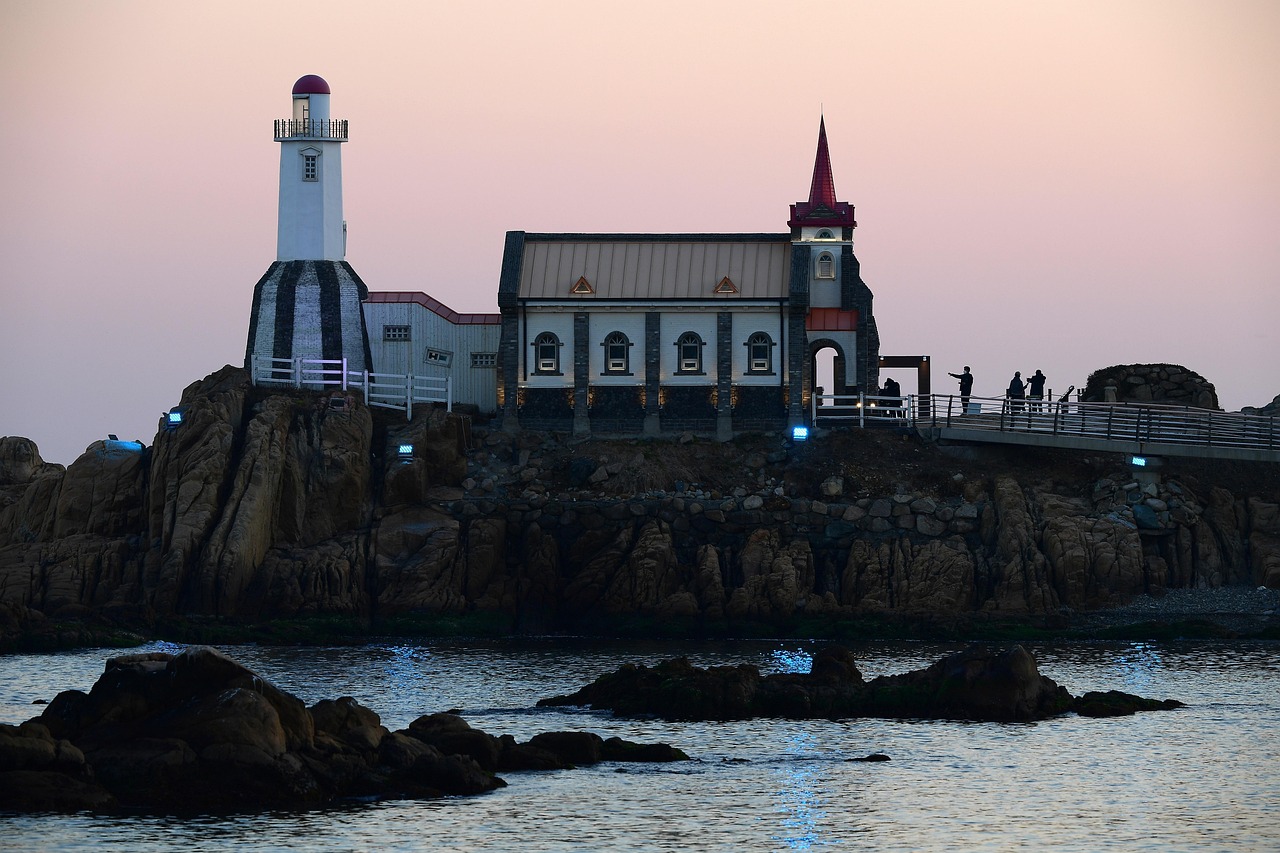
Busan’s ocean edge: temples, harbour views, and relaxed luxury
As soon as you reach the sea, Busan becomes less about checking sights and more about breathing differently. Busan is the coastal counterpoint to Seoul: boutique hotels, fresh seafood, and a different kind of light, with the coastline shaping your schedule as much as any reservation. It pairs beautifully with a Seoul-heavy plan because the rhythm changes without asking you to compromise comfort. Busan is one of South Korea’s best add-ons when you want city energy and seaside quiet in the same trip.
Haedong Yonggungsa: a softer sea-facing vista in Busan
Make sure to visit the Haedong Yonggungsa temple early, when the light is gentle, and the sea-facing vista feels quietly expansive. The approach is half the experience: steps, salt air, and the sound of waves shaping the mood. Be respectful with photography—ask before close portraits, and keep your voice low around worshippers. It’s a simple way to show care, and locals respond warmly.
Gamcheon to Haeundae Beach: street art, easy transfers, and a scenic ride
For contrast, begin with street art and colour in hillside lanes, then settle into a refined seaside pause and a long walk on the beach. With a private driver, you can move comfortably between neighbourhood pockets without the friction of transfers—especially helpful if you’re dressed for a nice lunch or carrying purchases. If you’re tempted by a scenic cable car, choose a clear-weather day, then add a small observatory stop and finish at an oceanfront observation deck for a final sea-facing breath.
Returning to Seoul is easy by KTX, and higher-end properties can often support luggage-forwarding, so you travel light. Keep the last hour in Busan deliberately empty—no rushing to the platform, no last-minute detours—so the day feels curated. It’s a small decision that protects the luxury of the journey, especially if you’ve planned a special dinner back in Seoul.
Jeju Island and Gyeongju: UNESCO World Heritage, nature, and restorative luxury in South Korea
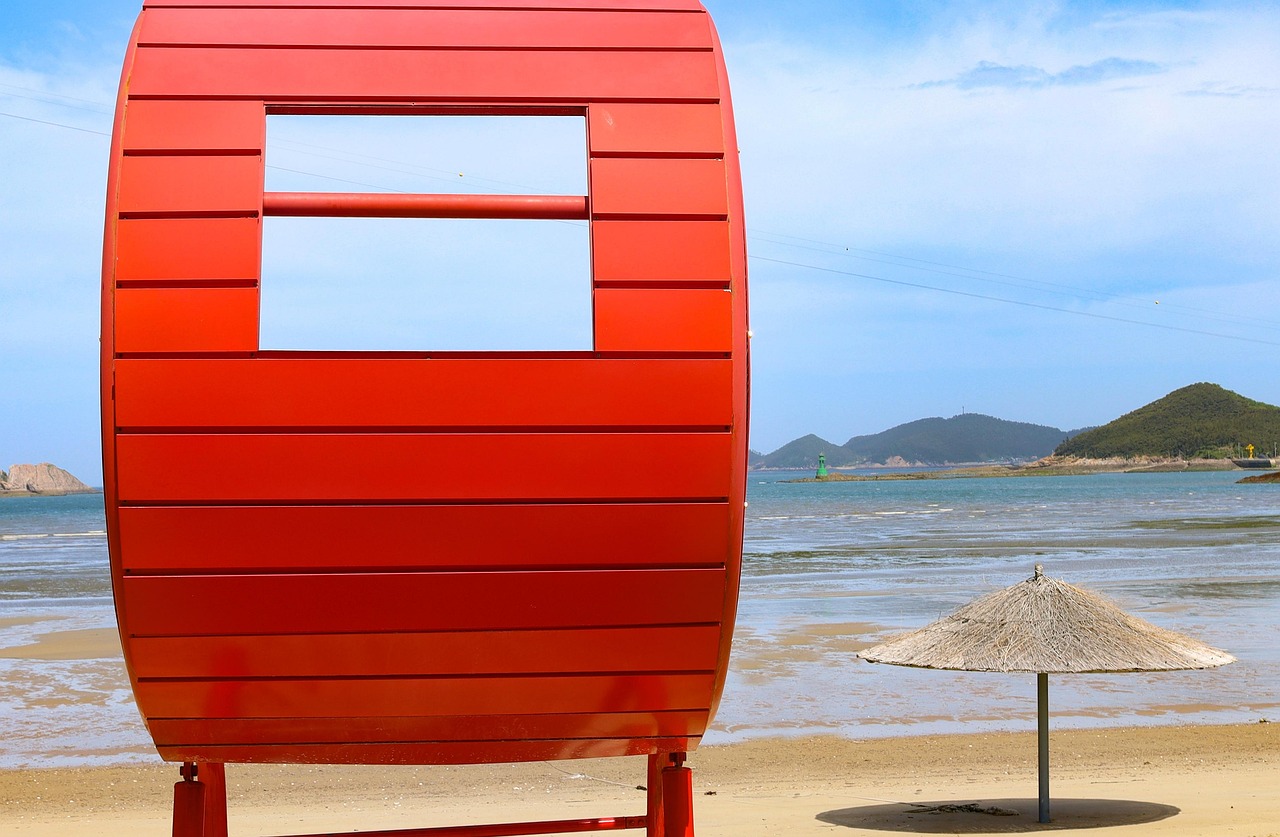
Island time and heritage pauses beyond Seoul and Busan
For travellers who value restoration as much as culture, pairing Jeju Island with Gyeongju shifts the trip’s emotional tone. This island is one of South Korea’s most restorative escapes: spa retreats, private villas, and evenings built around quiet comfort. If Seoul is energy and ideas, this chapter is an exhale—salt air, gentle service, and time that belongs to you.
Private villa life on Jeju with discreet, personal hospitality
One luxury traveller recounted staying at a secluded villa where personal chefs prepared fresh seafood, then hosted private beach bonfires under starry skies. The story isn’t just indulgent—it’s reassuring. It shows how naturally Jeju can feel intimate when hosts understand the importance of pacing and privacy.
Volcanic landscapes, a national park, and gentle hiking trails
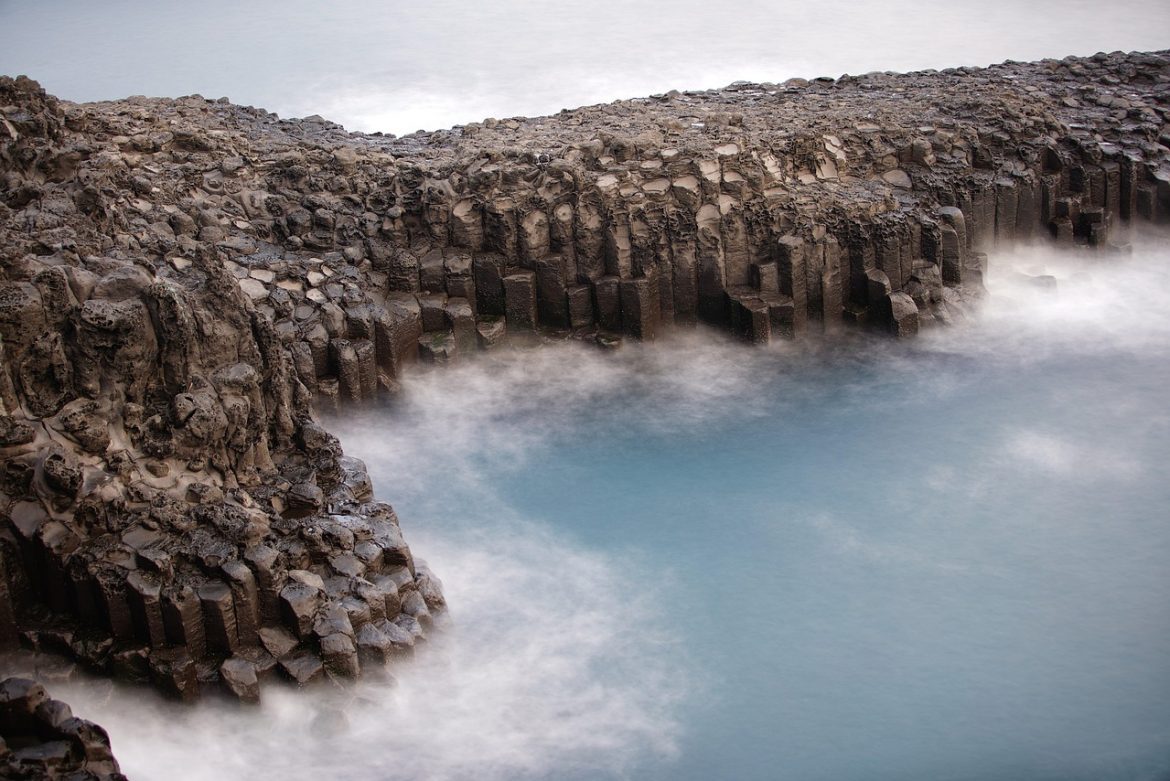
The active nature here can be gentle rather than punitive. Plan a volcanic crater walk with expert pacing, weather checks, and wellbeing in mind, and choose hiking trails that match your energy that day—especially if you’re recovering from long flights. A visit to a national park can be as simple as a scenic loop with time to sit, breathe, and watch light move across rock.
Add a boutique tasting to this part of your trip: private citrus wine tastings with local makers. Done well, it feels local without feeling staged, and it brings you into conversation with the island’s creative community. If you’re travelling with friends, it’s also a beautiful way to slow the evening without defaulting to another late dinner.
Between Seoul and Busan, consider an optional heritage day in Gyeongju, a UNESCO World Heritage Site tied to the Silla kingdom. Visit Gyeongju National Museum for context, then wander the Daereungwon Tomb Complex for a sense of scale and stillness. Bulguksa Temple and Seokguram Grotto carry a reverent atmosphere, and the Buddha imagery feels quietly grounding—less spectacle, more meaning.
- Pack a light layer even in warm months; coastal wind can surprise you.
- Keep one unscheduled afternoon for spa time or a slow beach walk—luxury needs space.
F.A.Qs:
What part of Korea should I visit?
For a first luxury trip in South Korea, start in Seoul for heritage, design, and dining, then add Busan for sea air and beach time, and finish with Jeju Island for restorative retreat days. If you want deeper history, include a day in Gyeongju for a quieter, more contemplative atmosphere. This combination offers comfort and contrast without constant packing and moving.
What is the three-five rule in South Korea?
The “three-five rule” is often used informally by travellers to keep plans simple: roughly three key priorities in a day, with about five hours of structured sightseeing, leaving the rest for meals, rest, and spontaneous discoveries. In Seoul, especially, this approach prevents fatigue and keeps the experience seamless rather than rushed.
Where to go in Korea for the first time?
Go to Seoul first for palaces, Bukchon streets, artful neighbourhoods, and Michelin dining, then choose either Busan for a coastal break or Jeju Island for spa-led relaxation and nature. If time allows, add Gyeongju as a stop for heritage and a slower pace. This route is a reliable way to build confidence while still finding quieter moments.
What is the most beautiful part of Korea?
Beauty in South Korea depends on what moves you: Seoul shines for the contrast of palaces and modern skyline, Busan for sea-and-city horizons, and Jeju Island for volcanic landscapes and wind-shaped shores. Many travellers find Gyeongju especially beautiful for its calm historic sites and contemplative atmosphere. The most beautiful part is often where your pace finally slows.
Final Thought
After South Korea, what lingers is rarely the headline moment alone. It’s the gentleness that reveals itself in small encounters: tea offered with both hands, a quiet bow, an unhurried conversation with a local host who seems genuinely pleased you’ve come. In Seoul, you may remember the sound of your footsteps in a courtyard before the city wakes, and the way your shoulders dropped as you realised you didn’t need to rush to belong.
There’s a particular hush to a palace morning in Seoul that stays in the body, like a new baseline. You can picture it without trying: cool stone, pale sky, the faint rustle of fabric as you turn a corner and see the space open ahead. Later, the wind by the sea can feel like a long exhale, carrying away the noise you didn’t notice you were holding. These are not souvenirs; they’re changes in pace.
In Insadong, a tea ceremony can become a quiet metaphor for travel at a human rhythm. The gestures are simple, but they hold care—proof that trust is built through attention rather than urgency. You leave understanding that luxury is not only about what is exclusive but also about what is made with patience and shared with generosity.
And perhaps that’s the lasting creativity of this journey: the way each choice helped you imagine differently. Seoul’s design and art, Busan’s ocean air, island stillness, Gyeongju’s reverence—together they create space for you to return to yourself with more confidence.