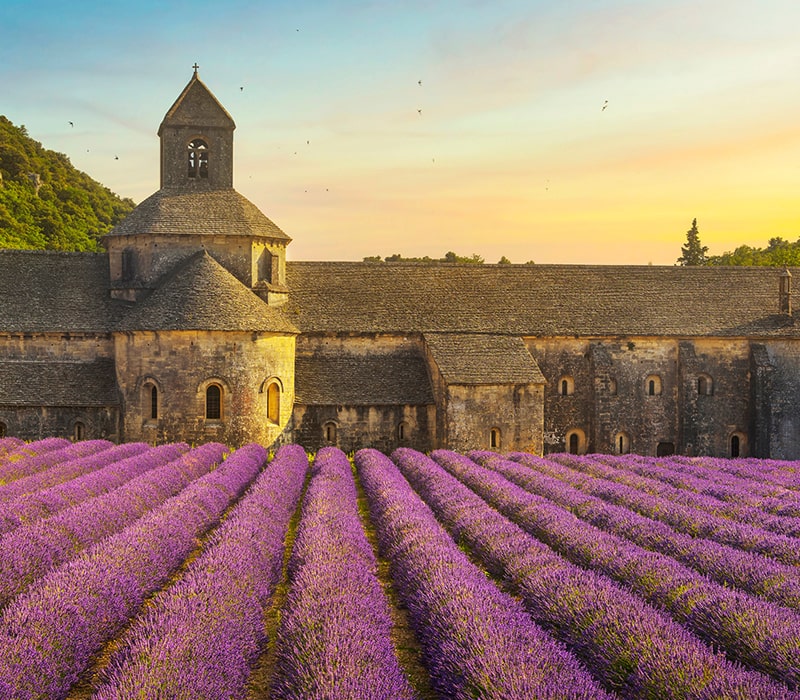
France is one of the most rewarding countries in Europe to explore because every region feels distinct. A trip can begin in the French capital with world-famous art, architecture, and café culture, then continue into the French countryside for castles, vineyards, medieval towns, dramatic coastlines, and sunlit villages.
The charm of France is not just in its renowned landmarks but also in the countless inspiring moments of discovery that await around every corner. The best experiences in France vary depending on your available time, the season of your visit, and whether you seek vibrant cities, exquisite cuisine, fine wine, rich history, shopping, natural scenery, or unique adventures away from the typical tourist spots.
In this guide, Designer Journeys will break down the best and unique experiences by region so you can plan a smoother itinerary, avoid rushing, and discover more than the standard checklist.
Post Contents
- Quick Answer: What Are the Best Things to Do in France?
- France at a Glance
- Best Things to Do in France by Region
- Paris and Central Paris
- Normandy
- Loire Valley
- Champagne Region
- Bordeaux Region
- Provence Region
- South of France and the French Riviera
- Alsace Region
- Lyon and Eastern France
- Seasonal Celebrations and Local Festivals
- Practical Planning Advice
- Design Your France Trip With a Local Expert
- F.A.Qs: Things to do in France
- Final Thought
Quick Answer: What Are the Best Things to Do in France?
The best things to do in France include seeing the Eiffel Tower, exploring Notre Dame de Paris and central Paris, visiting the Louvre and Musée de l’Orangerie, taking a Seine river cruise, planning a day trip to Versailles, exploring Mont Saint Michel, visiting the D Day beaches in Normandy, château hopping in the Loire Valley, tasting French wine in Champagne or Burgundy, enjoying cheese tasting in Lyon, wandering Christmas markets in the Alsace region, and relaxing in southern France.
For a first trip, spend a few days in Paris, then choose one or two regions that match your travel style. The Loire Valley is ideal for castles and lush greenery. Normandy is best for history, Mont St Michel, and the D-Day beaches. Provence is perfect for markets, hilltop towns, food, and summer scenery. The French Riviera works well for beaches, art, dinner by the sea, and a lively atmosphere.
France at a Glance
Best for first-time visitors: Paris, Eiffel Tower, Notre Dame, Versailles, Loire Valley, Mont Saint Michel
Best for art lovers: Louvre, Musée d’Orsay, Musée de l’Orangerie, Centre Pompidou, Lyon, Nice
Best for history: Notre Dame de Paris, Versailles, Normandy, D-Day beaches, Mont St Michel, Avignon
Best for food and wine: Lyon, Champagne, Burgundy, Bordeaux, Loire Valley, Provence
Best for countryside: Loire Valley, Provence region, Dordogne, Normandy, Alsace region
Best for natural beauty: the French Alps, Provence, the south of France, the Normandy coast, the Loire Valley
Best trip length: 7 to 14 nights
Best for longer stays: Paris, Provence, Lyon, Loire Valley, French Riviera, Alsace
Best Things to Do in France by Region
Paris and Central Paris
Paris is the heart of many French itineraries. The city combines grand architecture, world-class museums, river views, food, shopping, and a lively atmosphere that changes from neighbourhood to neighbourhood.
1. See the Eiffel Tower
The Eiffel Tower remains one of the most iconic attractions in the world, known for its breathtaking views from the top. Even if you have seen it in photos countless times, standing beneath it for the first time still feels surreal.
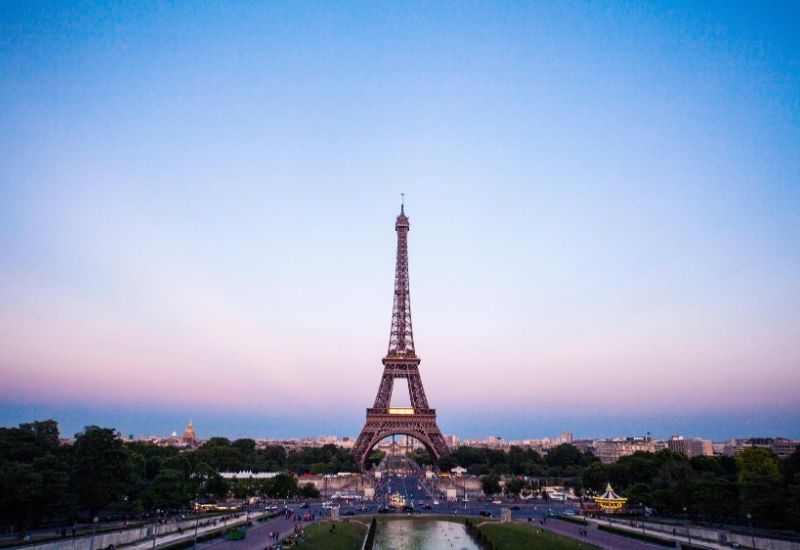
The Eiffel Tower remains one of the most iconic attractions in the world.
You can visit during the day for city views or return at night when the tower sparkles. For a more relaxed experience, combine a visit to the Eiffel Tower with a walk through the Champ de Mars or a Seine river cruise.
Best time to visit: Early morning or evening
How long to spend: A few hours
Best base: Central Paris
Local advice: Book timed tickets in advance and avoid scheduling too many major attractions for the same day.
2. Explore Notre Dame de Paris
Notre Dame de Paris is one of the most important landmarks in the French capital, known for its Gothic architecture and intricate carvings. Even after years of restoration, the cathedral remains central to the history, identity, and architecture of Paris.

It has been the site of many important historical events, including the coronation of Napoleon I.
A visit to Notre Dame pairs well with a walk around Île de la Cité, Sainte-Chapelle, the Latin Quarter, and the Seine. The area is compact, so you can explore it in a few hours without rushing.
Best time to visit: Morning
How long to spend: 1 to 3 hours
Best base: Central Paris
Local advice: Build in time to walk along the river rather than treating Notre Dame as a quick photo stop.
3. Take a Seine River Cruise
A river cruise is one of the easiest ways to understand Paris. From the water, you can see the Eiffel Tower, Notre Dame, the Louvre, bridges, historic buildings, and the city’s elegant riverbanks. The Seine River offers a unique perspective of Paris and is a popular spot for river cruises. A daytime cruise is good for photos, while an evening river cruise adds romance and atmosphere. It is especially useful on your first day, when you want to settle into the city without too much walking.
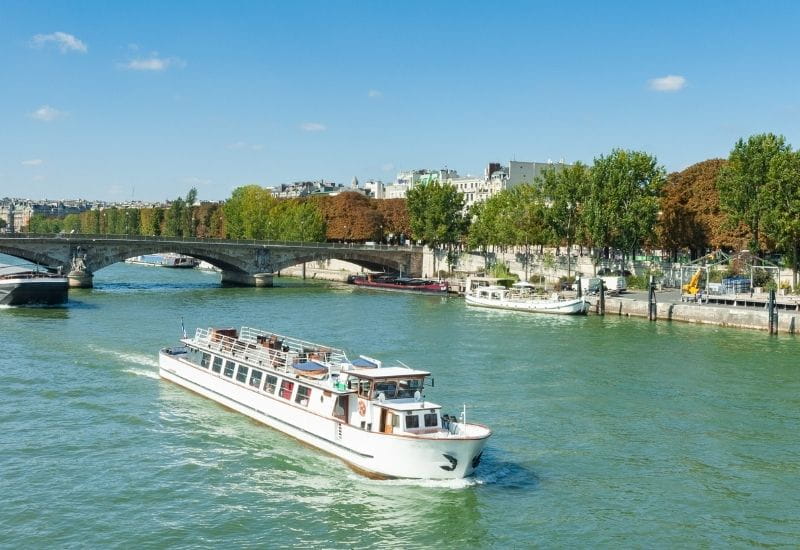
A river cruise is one of the easiest ways to understand Paris.
Best time to visit: Sunset or evening
How long to spend: 1 to 2 hours
Best base: Central Paris
Local advice: Choose a simple sightseeing cruise unless you specifically want a dinner cruise.
4. Visit the Louvre, Musée de l’Orangerie, and Centre Pompidou
Paris is one of the best cities in the world for travellers who love art. The Louvre is the city’s most famous museum, but it is not the only one worth visiting. The Musée de l’Orangerie is beloved for Monet’s Water Lilies, while the Centre Pompidou is essential for modern and contemporary art.

The glass-and-metal pyramid serves as the main entrance to the Louvre Museum.
Instead of trying to visit every museum in one day, choose the ones that interest you. The Louvre is best for classical masterpieces and ancient collections. The Musée de l’Orangerie is ideal if you want a smaller museum with a calm atmosphere. Centre Pompidou is the right choice if you prefer bold modern architecture and 20th-century art.
Best time to visit: Morning or late afternoon
How long to spend: A few hours per museum
Best base: Central Paris
Local advice: If you love art, spread museum visits across your trip so each one feels memorable.
5. Walk Through Montmartre, Le Marais, and Saint-Germain
Paris is a city made for walking. Montmartre has village-like streets, views, and artists’ corners. Le Marais is known for boutiques, cafés, galleries, and historic mansions. Saint-Germain offers classic Paris with bookshops, elegant streets, and long lunches.
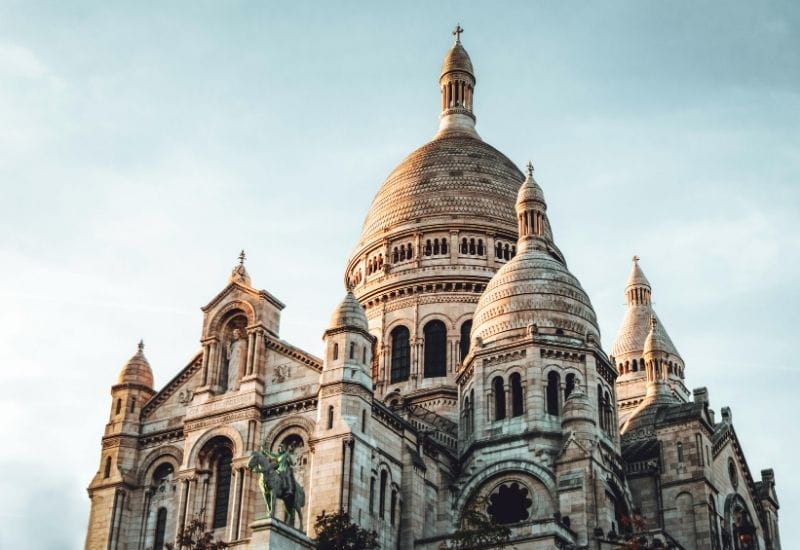
The Sacred Heart of Montmartre, Paris, France.
These neighbourhoods are also useful when you want a break from major attractions. Sit at a café, eat something simple, browse small shops, and let the city unfold at a slower pace.
Best time to visit: Morning or late afternoon
How long to spend: Half a day
Best base: Anywhere near the metro
Local advice: Do not wait until your final day to explore neighbourhoods. They are often what travellers remember most.
6. Take a Day Trip to Versailles
Versailles is one of the most popular day trip options from Paris. The palace is closely tied to Louis XIV, French royal history, and the grandeur of pre-revolutionary France.
The Hall of Mirrors, royal apartments, gardens, fountains, and Trianon estate can easily fill most of a day. If you are interested in history, architecture, or gardens, Versailles is worth the trip.
Best time to visit: Spring through fall
How long to spend: Full day
Travel time: Around one hour from central Paris, depending on where you start
Local advice: Visit the palace early, then save time for the gardens.
Normandy
Normandy is one of the best regions in France for history, coastal landscapes, and meaningful travel. It combines Mont Saint Michel, medieval towns, D-Day beaches, seafood, apple orchards, and quiet countryside.
7. Visit Mont Saint Michel
Mont Saint-Michel is a UNESCO World Heritage site and one of the most important pilgrimage venues in Europe. The abbey rises above the tidal flats, offering a view that can feel almost surreal, particularly at sunrise, sunset, or when the tide envelops the island.

For centuries, it has been an important pilgrimage destination.
Visiting Mont Saint Michel in the quiet of the evening, away from crowds, heightens its enchanting atmosphere. Although it may appear as Mont Saint Michel, Mont St Michel, or Saint Michel in casual searches, all refer to this extraordinary island abbey in Normandy, inspiring awe in every visitor.
Best time to visit: Early morning, evening, or shoulder season
How long to spend: Half day to full day
Best base: Bayeux, Saint-Malo, Rennes, or the nearby countryside
Local advice: Spend a night nearby if possible. Mont Saint Michel is far more atmospheric once the busiest day-trip crowds leave.
8. Explore the D-Day Beaches
The D-Day beaches are among the most moving places to visit in France. Omaha Beach, Utah Beach, Pointe du Hoc, Arromanches, and the Normandy American Cemetery help visitors understand the scale and human cost of the landings during World War II.
A guided tour is strongly recommended because the sites are spread out and the history is complex. With the right guide, visiting the beaches of Normandy today provides a haunting experience, as little remains of the immense battles fought there.
Best time to visit: April to October
How long to spend: Full day
Best base: Bayeux or Caen
Local advice: Avoid doing this as a rushed day trip from Paris if you can. A few nights in Normandy will give the region the time it deserves.
9. Stay in Bayeux
Bayeux is one of Normandy’s best bases. The town has medieval charm, a beautiful cathedral, good restaurants, and access to both the D-Day beaches and the Bayeux Tapestry.
Compared with large chains near highways or outer-city areas, smaller hotel rooms in Bayeux’s historic centre often offer more character and a better sense of place.
Best time to visit: Spring through fall
How long to spend: 2 nights
Best base: Bayeux
Local advice: Book early for summer and major anniversary dates connected to D-Day history.
Loire Valley
The Loire Valley is one of the best regions for travellers who want the French countryside, castles, gardens, wine, and lush greenery without travelling too far from Paris.
10. Go Château Hopping
The Loire Valley is famous for its châteaux. Chambord, Chenonceau, Amboise, and Villandry are among the most popular, each offering a different mix of architecture, gardens, history, and setting.

The chateau has a rich history, witnessing various political and personal dramas over the centuries.
If you enjoy stories of kings, queens, artists, and political intrigue, this region is full of memorable stops. It also feels slower and greener than Paris, which makes it a perfect contrast after a few days in the city.
Best time to visit: April to October
How long to spend: 2 to 3 days
Best base: Amboise, Tours, or Blois
Local advice: Visit two châteaux in a day rather than trying to fit four in.
11. Enjoy French Wine and Cheese Tasting
France’s rich culinary tradition is beautifully showcased through its diverse cheeses, often paired with wine during tastings. The country’s renowned wine regions, such as Bordeaux and Burgundy, produce some of the world’s finest wines.
The Loire Valley offers an exceptional setting for exploring French wines and cheeses, featuring crisp whites, sparkling wines, light reds, and local cheeses in a relaxed, scenic countryside. This region is perfect for those seeking personalised wine experiences beyond formal tastings. Many wine-tasting adventures can be enriched by visits to local markets, châteaux, or family-run vineyards, making your journey through France’s culinary landscape unforgettable.
Best time to visit: Spring through fall
How long to spend: Half day
Best base: Tours, Amboise, Chinon, or Saumur
Local advice: Build your wine tasting around lunch so the day feels leisurely.
12. Cycle Through the French Countryside
Cycling in the Loire Valley is one of the most enjoyable ways to explore the French countryside. Routes pass rivers, villages, vineyards, gardens, and small towns.
You do not need to be an expert cyclist. Many routes are gentle, and electric bikes make the experience accessible for couples, families, and mixed-age groups.
Best time to visit: May, June, September, and early October
How long to spend: A few hours to a full day
Best base: Amboise or Tours
Local advice: Choose one scenic route and leave time to stop, eat, and take photos.
Champagne Region
The Champagne region is an excellent addition for travellers interested in French wine, elegant towns, and easy access from Paris.
13. Taste Champagne in Reims or Épernay
Champagne is both a drink and a place, and visiting the region adds context to every glass. Reims and Épernay are the two main bases, with historic cellars, tasting rooms, vineyards, and award-winning producers.
A Champagne day trip from Paris is possible, but a few nights give you more time to visit smaller houses, enjoy dinner, and explore the towns without watching the clock.
Best time to visit: April to October
How long to spend: Day trip to 2 nights
Best base: Reims or Épernay
Local advice: Mix one famous Champagne house with one smaller producer for a better experience.
Bordeaux Region
The Bordeaux region is one of the best places in France for travellers who love wine, elegant architecture, riverfront cities, countryside estates, and relaxed food experiences. It offers a different feel from Champagne or the Loire Valley: grander, deeper, and especially rewarding for longer stays.
Bordeaux is a UNESCO World Heritage Site recognised as the global capital of wine. Bordeaux city itself is a beautiful base, with 18th-century architecture, lively squares, wine bars, museums, shopping streets, and a walkable riverside. Beyond the city, the surrounding vineyards and villages make this one of the world’s great wine regions.
14. Explore Bordeaux City
Bordeaux is one of France’s most attractive cities, with graceful architecture, wide boulevards, historic squares, and a lively atmosphere along the Garonne River. It feels polished without being overwhelming, making it a strong alternative or addition to Paris, Lyon, or Nice.
Spend time walking the old town, visiting Place de la Bourse, seeing the Miroir d’Eau, browsing food markets, and enjoying dinner in one of the city’s wine-focused restaurants.
Best time to visit: April to October
How long to spend: 2 to 3 nights
Best base: Central Bordeaux
Local advice: Stay in the city centre if you want easy access to restaurants, wine bars, shopping, museums, and tram connections.
15. Go Wine Tasting in Saint-Émilion or Médoc
The Bordeaux region is famous for French wine, especially reds from areas such as Saint-Émilion, Médoc, Margaux, Pauillac, and Pomerol. A wine tour here can include château visits, cellar tastings, vineyard walks, and small villages surrounded by vines.
Saint-Émilion is especially popular because it combines wine tasting with a beautiful medieval town. Médoc is ideal if you want to visit prestigious estates and understand the scale of Bordeaux winemaking.
Best time to visit: May to October, especially the harvest season in September
How long to spend: Full day
Best base: Bordeaux city or Saint-Émilion
Local advice: Book tastings in advance. Many estates do not operate like casual drop-in tasting rooms, so planning matters.
16. Visit Arcachon Bay and the Dune du Pilat
For natural beauty, add Arcachon Bay and the Dune du Pilat to your Bordeaux itinerary. The Dune du Pilat is the tallest sand dune in Europe and offers panoramic views of forests, the sea, and the dune itself. Arcachon itself is known for seafood, beaches, oyster villages, and a relaxed coastal feel.
This is a great contrast after a few days of wine tasting and city exploring.
Best time to visit: May to September
How long to spend: Day trip or 1 night
Best base: Bordeaux or Arcachon
Local advice: Go early in summer to avoid heat and crowds, then stay for oysters or a seafood lunch by the water.
Provence Region
The Provence region is one of the most beloved parts of southern France. It is known for markets, lavender, olive groves, Roman ruins, stone villages, warm light, and long outdoor meals.
17. Visit Hilltop Towns and Villages
Provence is full of beautiful towns and villages, including Gordes, Roussillon, Lourmarin, Saint-Rémy-de-Provence, and L’Isle-sur-la-Sorgue. Each has its own character, but the pleasure is often simple: walk slowly, shop at a market, sit in a square, and enjoy the view.
This is a region where you should not overplan every hour. The magic of Provence often comes from small pauses.
Best time to visit: April to June and September to October
How long to spend: 3 to 5 nights
Best base: Aix-en-Provence, Avignon, Saint-Rémy, or the Luberon
Local advice: A car or a private driver is helpful, especially for stays in villages and the countryside.
18. See Lavender in Summer
Lavender is one of Provence’s classic images. The bloom usually peaks from late June to mid-July, although timing varies by weather and altitude.
The Valensole Plateau and parts of the Luberon are popular places to see lavender fields. Go early or late in the day for softer light and fewer crowds.
Best time to visit: Late June to mid-July
How long to spend: A few hours
Best base: Aix-en-Provence, Valensole, or the Luberon
Local advice: Do not plan your entire Provence trip around one field. Combine lavender with markets, villages, and food.
19. Discover Avignon and Roman History
Avignon, Arles, Nîmes, and Orange reveal the deeper history of southern France. Here, you can explore Roman ruins, medieval streets, old theatres, bridges, and papal history.
If your trip includes Paris and Provence, this region gives you a strong contrast between the French capital and the south.
Best time to visit: Spring and fall
How long to spend: 2 to 3 days
Best base: Avignon, Arles, or Nîmes
Local advice: Combine one major historic site with a slower market or village day.
South of France and the French Riviera
The south of France is often associated with beaches, glamour, warm weather, and Mediterranean views, but the region is more varied than that. You can explore art museums, old towns, coastal paths, markets, and small villages within easy reach of Nice.

Enjoys a mild Mediterranean climate with sunny weather for much of the year.
20. Stay in Nice
Nice is one of the best bases in the south of France because it has beaches, museums, food markets, hotel rooms at different price points, train connections, and a lively atmosphere year-round.
The old town is great for walking, eating, and shopping, while the Promenade des Anglais is perfect for sea views. Nice also works well for day trips to Èze, Monaco, Antibes, and Villefranche-sur-Mer.
Best time to visit: April to June and September to October
How long to spend: 3 to 5 nights
Best base: Nice
Local advice: Stay near the old town or tram lines for easy access without relying on taxis.
21. Visit Èze, Monaco, and Antibes
Èze is a small hilltop town with dramatic views over the Mediterranean. Monaco offers a polished, compact city experience, while Antibes has a more relaxed feel, with old streets, beaches, and a strong art connection through Picasso.
This area is easy to explore by train, although private transfers can make the day smoother if you want to include multiple stops.
Best time to visit: Spring or fall
How long to spend: Full day
Best base: Nice
Local advice: Start early in Èze before the busiest tour groups arrive.
22. Walk the Coastal Paths
Some of the best experiences on the Riviera are simple. Walk along Cap Ferrat, explore the coastal path around Antibes, or sit by the water in Villefranche-sur-Mer.
These walks showcase the region’s natural beauty without requiring a complicated plan.
Best time to visit: Spring and fall
How long to spend: A few hours
Best base: Nice, Antibes, or Villefranche-sur-Mer
Local advice: Bring comfortable shoes and swimwear if you are visiting in warm weather.
Alsace Region
Alsace feels different from much of France because of its French-German influence, half-timbered houses, vineyards, hearty food, and festive towns. Alsace is known for its charming towns like Colmar and Riquewihr, famous for their Christmas markets.
23. Visit Strasbourg, Colmar, and Riquewihr
Strasbourg has a beautiful old town, cathedral, canals, and a strong European identity. Colmar is smaller and more storybook-like, while Riquewihr and nearby villages are ideal for wine, photos, and slow wandering.
This region is especially good for travellers who want charming towns without needing long travel days.
Best time to visit: May to October or December
How long to spend: 2 to 4 nights
Best base: Strasbourg or Colmar
Local advice: Stay a few nights to see both cities and villages.
24. Experience the Christmas Markets
Alsace is one of the best places in Europe for Christmas markets. Strasbourg and Colmar are the most famous, but smaller villages often feel more intimate and magical.
Expect lights, mulled wine, ornaments, regional food, and a festive atmosphere that makes winter travel feel special.
Best time to visit: Late November through December
How long to spend: 2 to 4 days
Best base: Strasbourg or Colmar
Local advice: Book early, as hotel rooms sell out quickly during market season.
Lyon and Eastern France
Lyon is one of the best cities in France for food, history, and a more local urban experience. It is a smart addition for travellers who have already visited Paris or want to eat exceptionally well.
25. Eat in Lyon
Lyon is often called France’s food capital. Traditional bouchons serve hearty regional dishes, while markets, bakeries, wine bars, and award-winning restaurants make the city a dream for food lovers.
Plan at least one proper dinner, one market visit, and one long walk through the old town.
Best time to visit: Year-round
How long to spend: 2 to 3 nights
Best base: Presqu’île, Vieux Lyon, or near the Rhône
Local advice: Make dinner reservations in advance, especially for popular bouchons.
26. Explore Vieux Lyon
Vieux Lyon is known for Renaissance architecture, narrow lanes, hidden passageways, and river views. It feels historic without being as crowded as central Paris.
Spend time walking, stop for coffee, and take the funicular up to Fourvière for one of the best city views.
Best time to visit: Morning or late afternoon
How long to spend: Half day
Best base: Central Lyon
Local advice: A guided walk helps reveal the traboules, or hidden passageways, that are easy to miss.
Seasonal Celebrations and Local Festivals
Throughout the year, French communities celebrate local traditions with festivals that welcome visitors and offer authentic cultural and unique experiences unavailable through conventional tourism. These events, which often take place in village squares, local parks, or historic centres, showcase regional music, dance, food, and crafts whilst maintaining traditions that connect contemporary French life to its historical roots.
Harvest festivals in wine regions allow visitors to participate in grape picking, traditional winemaking, and celebrations marking the culmination of the agricultural year. These festivals, typically held in September and October, feature folk music, traditional costumes, and communal meals that demonstrate how food, wine, and community celebration interweave in French culture.

Sarlat-la-Canéda is a major centre for truffle and foie gras markets during the winter season.
Truffle festivals in Périgord celebrate one of France’s most prized culinary treasures, with markets where trained dogs demonstrate truffle hunting techniques, cooking demonstrations featuring truffle-based dishes, and tastings that reveal why these humble fungi command such extraordinary prices. These festivals, held during winter months when truffles reach peak quality, provide insights into traditions that have remained unchanged for centuries.
Practical Planning Advice
When Is the Best Time to Visit France?
The best time to visit France is usually spring or fall. April to June and September to October offer pleasant weather, fewer crowds than peak summer, and good conditions for walking, sightseeing, wine tasting, and countryside stays.
Summer inspires joy with festivals, lavender fields, beaches, long evenings, and breathtaking Alpine scenery, but it also brings higher prices and more visitors. Winter evokes the charm of Christmas markets, the artistry of Paris museums, the culinary delights of Lyon, and the thrill of skiing in the Alps. While summer fuels the excitement of festivals in France, winter highlights the enchanting Christmas markets of Alsace.
Getting Around France
France has an excellent train network, especially between Paris, Lyon, Avignon, Strasbourg, Bordeaux, Reims, and Nice. Use the train for long-distance travel, then add a car or a private driver for countryside regions.
In Paris, the metro is usually the easiest way to move around. In Provence, Normandy, and the Loire Valley, a car gives you more freedom to explore villages, vineyards, and rural landscapes.
Where to Stay
Choose hotel rooms based on the kind of trip you want. In Paris, staying in central Paris saves time and makes walking easier. In smaller towns, boutique hotels or family-run properties often feel more personal than large chains.
For countryside regions, the right base matters. A beautiful hotel in the wrong location can add unnecessary driving. A local expert can help you choose a base that fits your route, interests, and pace.
How Many Nights Do You Need?
For Paris, plan at least 3 or 4 nights. For the Loire Valley or Champagne region, a few nights are enough for a first visit. For Provence, Normandy, or the south of France, longer stays of 4 to 6 nights let you settle in and explore without rushing.
If you only have a few days, stay focused. One city and one nearby region will feel better than racing across the country.
Design Your France Trip With a Local Expert
France is full of famous attractions, but the best trips often come from smart sequencing and local knowledge. Once you have decided what kind of experience you want, a Local Designer can help turn a long wish list into a trip that actually works.
Designer Journeys creates custom itineraries built around your travel style, whether you want art in Paris, wine in Champagne, history in Normandy, markets in Provence, food in Lyon, or a slower journey through the French countryside.
Instead of choosing a fixed tour, taking a guided tour with a France Local Designer can enrich your understanding of French history and culture.
F.A.Qs: Things to do in France
What activities can be done in France?
France offers a wide range of activities, from visiting museums, castles, cathedrals, and historic towns to wine tasting, cheese tasting, shopping, cycling, skiing, hiking, and taking a river cruise. You can explore Paris, tour the Loire Valley, visit Mont Saint Michel, relax in southern France, discover Christmas markets in Alsace, or enjoy food experiences in Lyon and Bordeaux. The best activities depend on your itinerary, season, and travel style.
Is $1000 enough for a week in Paris?
$1000 can be enough for a week in Paris if flights and hotel rooms are already paid for. It would cover a modest daily budget for food, metro transport, a few paid attractions, and some casual shopping. If accommodation is not included, $1000 will be very tight, especially in central Paris. To save money, use public transport, book attractions early, eat at bakeries or markets, and mix free walks with paid museum visits.
What are the 5 famous things in France?
Five famous things in France are the Eiffel Tower, Notre Dame de Paris, French wine, the Louvre, and the French countryside. France is also known for food, fashion, art, architecture, Champagne, cheese, lavender fields, castles in the Loire Valley, and historic places such as Mont Saint Michel, Versailles, and the D-Day beaches. These icons are popular because they show the country’s mix of culture, beauty, history, and lifestyle.
What are the must-visit places in France?
Must-visit places in France include Paris, Versailles, Mont Saint Michel, the Loire Valley, Normandy, Provence, the French Riviera, Bordeaux, Lyon, Champagne, and the Alsace region. First-time visitors often start in Paris, then add a day trip or a few nights in the countryside or south of France. For a balanced trip, combine one major city with one region known for food, wine, history, or natural beauty.
Final Thought
France’s enduring appeal lies in its ability to satisfy diverse interests whilst maintaining its distinctive cultural identity that has evolved over centuries of artistic achievement, culinary refinement, and philosophical development. Whether you’re drawn to artistic masterpieces in world-class museums, seeking culinary adventures in local markets, or simply wanting to sit at a café and watch French life unfold, this remarkable country provides experiences that resonate long after your visit ends and often inspire return trips to explore regions and aspects of French culture that initial visits only glimpsed.
Bon voyage, and may your French adventure exceed your expectations whilst creating memories that inspire future journeys and a deeper appreciation for the art of living well!